
1. Jell-O Salad with Vegetables
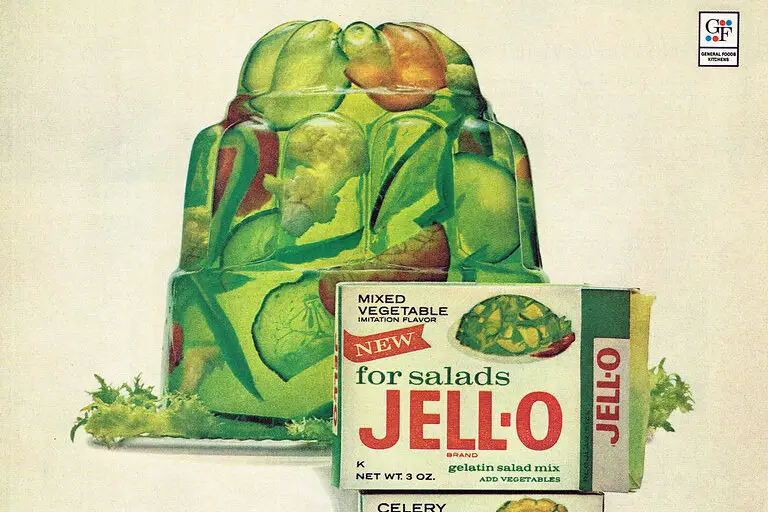
There was a time when gelatin wasn’t just for dessert, it was practically a full food group. Families across the ’50s and ’60s made “salads” by suspending vegetables like shredded carrots, celery, and even olives in brightly colored Jell-O. It showed up at potlucks, holidays, and weeknight dinners without much explanation. Kids often just accepted that this wobbly, sweet-savory dish belonged on the same plate as ham. Recipes were printed on Jell-O boxes, which gave it a kind of official approval. No one really questioned why vegetables needed to be trapped in lime gelatin.
Looking back, the texture is what people remember most, that strange mix of crunch and jiggle. Some versions even added vinegar or cream cheese, which made the flavor even harder to pin down. It was considered modern and even elegant at the time. Today, it feels more like a culinary experiment that somehow stuck around for decades. Still, for many families, it was just “that salad” that always appeared.
2. Spam and Pineapple

Spam has always had a loyal following, especially during and after World War II when it was widely available and shelf-stable. One of the more unusual pairings was Spam baked or fried with canned pineapple. The salty, processed meat combined with sweet fruit became a go-to dinner for many households. It was simple, affordable, and required very little preparation. Families didn’t necessarily discuss why it worked, they just kept making it.
The contrast of flavors was the whole appeal, even if it seemed odd. In places like Hawaii, this combination became especially popular and remains culturally significant. On the mainland, it often showed up as a quick casserole or skillet meal. Kids who grew up with it rarely questioned it at the time. It was just dinner, even if it raised eyebrows later.
3. Peanut Butter and Mayonnaise Sandwiches
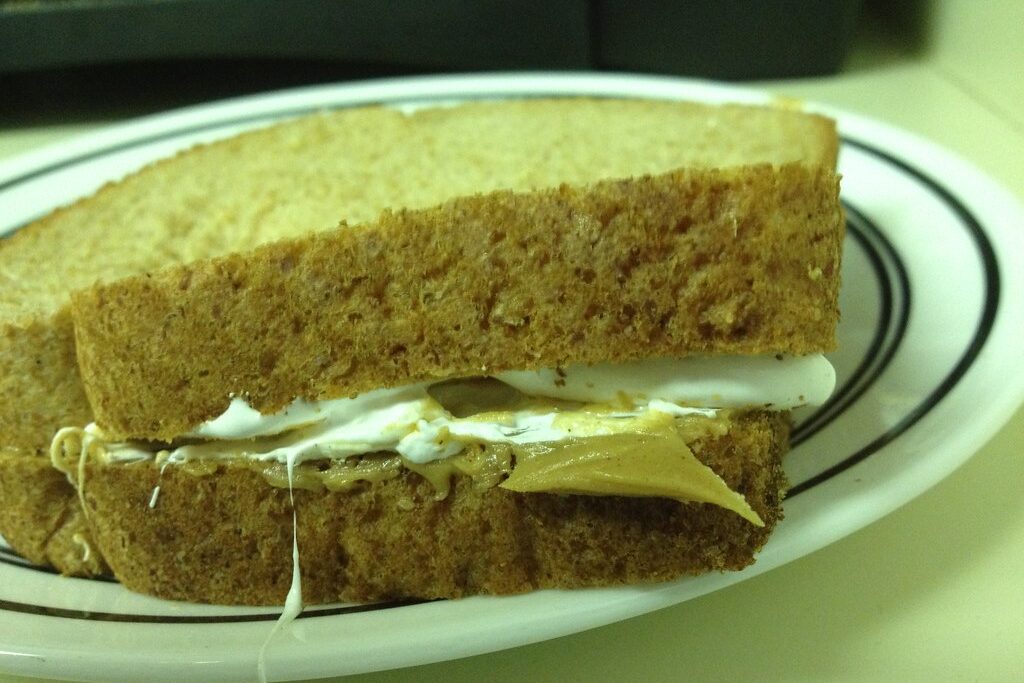
This sandwich quietly existed in many households, even if it sounds unusual now. Peanut butter and mayonnaise on white bread was a surprisingly common combination, especially in the early to mid-20th century. Both ingredients were inexpensive and easy to store, which made them staples. The creamy textures blended together in a way that some people found comforting. It was often made without much explanation, just something a parent or grandparent passed down.
Some versions added lettuce or pickles for extra crunch. The flavor balance leaned salty and slightly tangy, rather than sweet like peanut butter and jelly. It wasn’t a novelty at the time, it was just practical. Over time, though, it quietly disappeared from most lunch tables. Today, it’s one of those foods people remember with a mix of nostalgia and confusion.
4. Creamed Chipped Beef on Toast
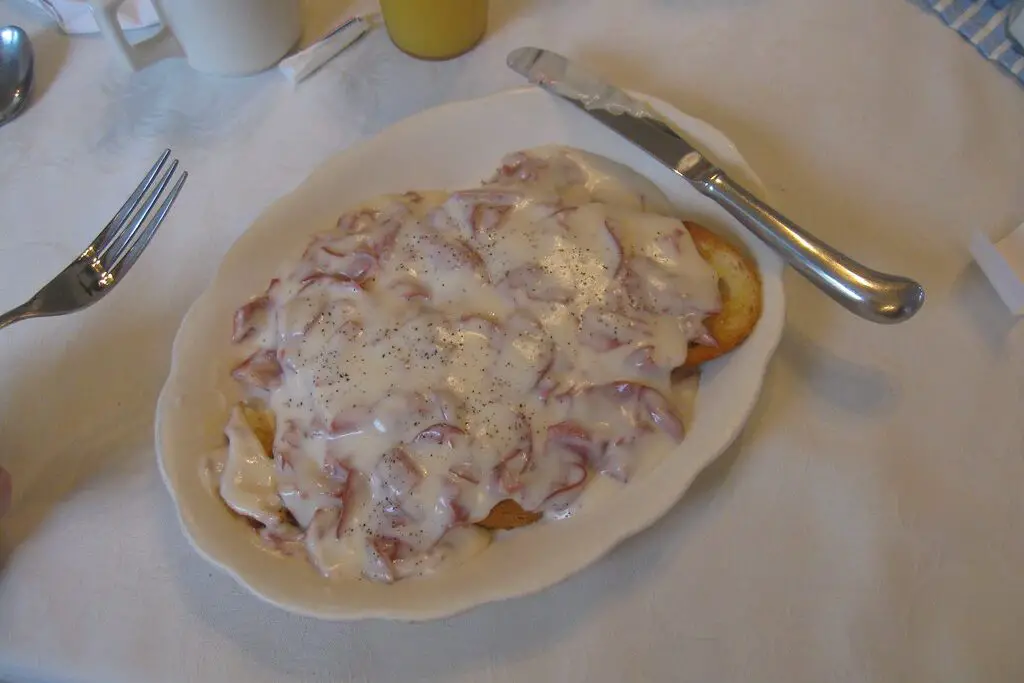
Often nicknamed “S.O.S.” by military veterans, this dish made its way into family kitchens after World War II. It consisted of dried beef in a thick white gravy served over toast. It was filling, inexpensive, and easy to prepare in large quantities. For many families, it became a regular breakfast or dinner without much discussion. Kids might not have loved it, but it was familiar.
The salty flavor of the beef combined with the creamy sauce made it a distinct, if heavy, meal. It was especially common in households with military connections. Over time, it faded from popularity as tastes changed. Still, it remains a recognizable comfort food for those who grew up with it. It’s one of those dishes people remember very clearly, even if they don’t revisit it.
5. Liver and Onions
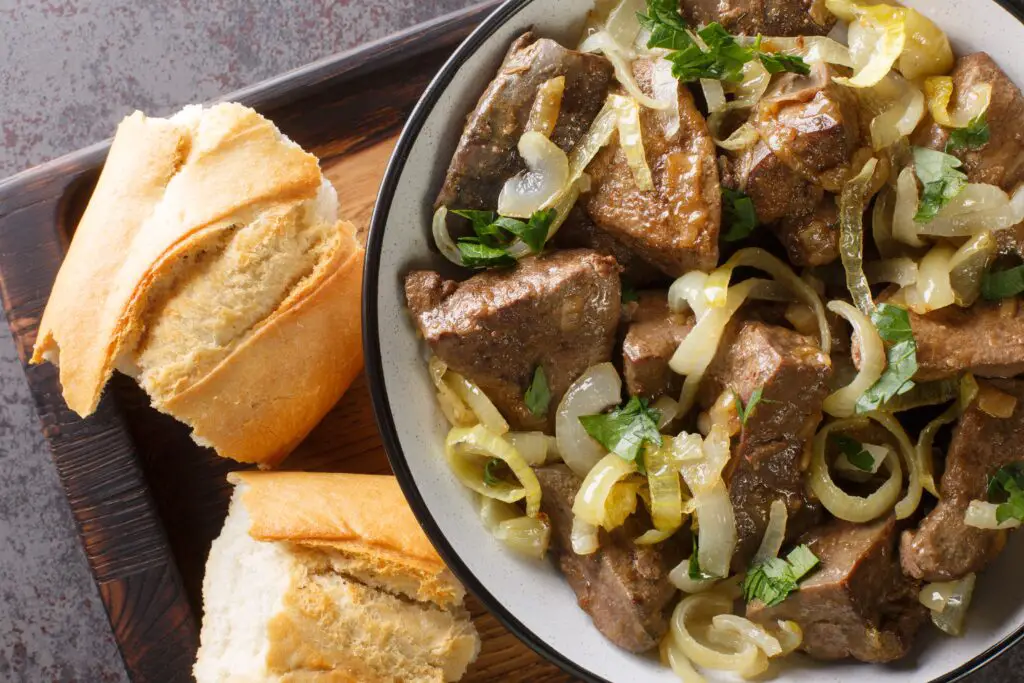
Liver was once a standard dinner item, often paired with sautéed onions to balance its strong flavor. It was valued for being inexpensive and highly nutritious, especially rich in iron. Many parents served it regularly, even if kids resisted. It wasn’t something that got much explanation, it was just considered good for you. The smell alone is something people still recall vividly.
Preparation varied, but it was usually pan-fried and served with gravy or potatoes. While some people genuinely enjoyed it, others tolerated it out of necessity. Over time, it became less common as other protein options became more affordable. Today, it’s often remembered as one of the more divisive meals of the past. But for decades, it was simply part of the routine.
6. Cottage Cheese with Canned Fruit
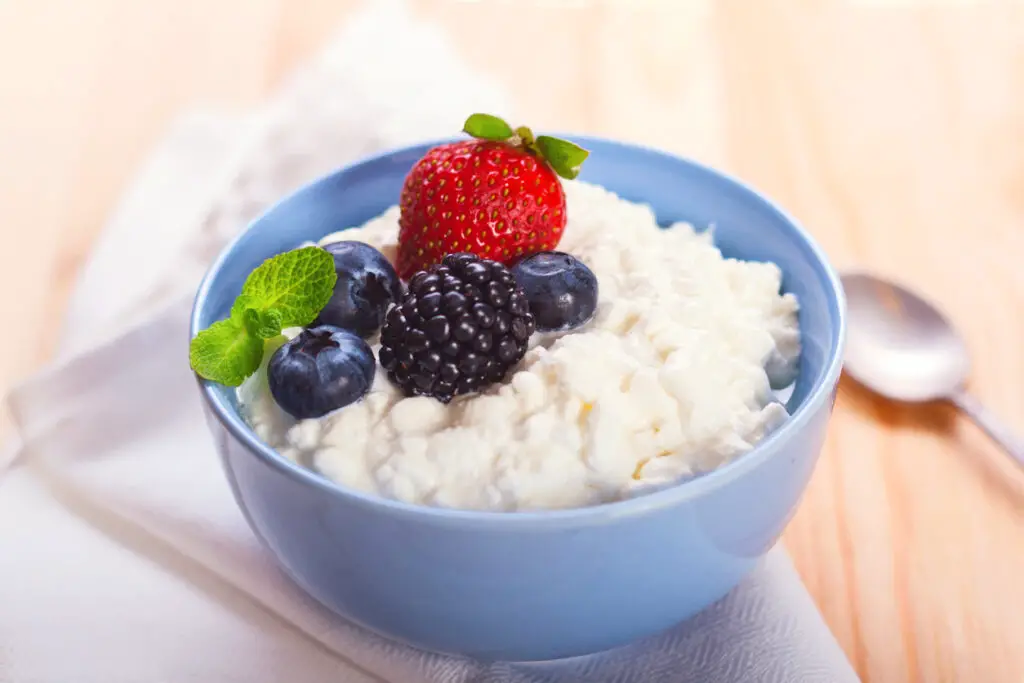
This combination showed up frequently as a side dish or even a light meal. A scoop of cottage cheese paired with canned peaches, pears, or pineapple was considered both healthy and refreshing. It required no cooking, which made it convenient. Families served it without much thought, especially during warmer months. It often appeared on the same plate as something savory, creating an odd mix.
The contrast of creamy and sweet was the main appeal. In the mid-20th century, it was also tied to diet culture and “light eating.” Some versions added a lettuce leaf underneath, which made it feel more like a proper dish. While it hasn’t disappeared entirely, it’s far less common today. For many, it’s a very specific kind of nostalgia.
7. Bologna Cake
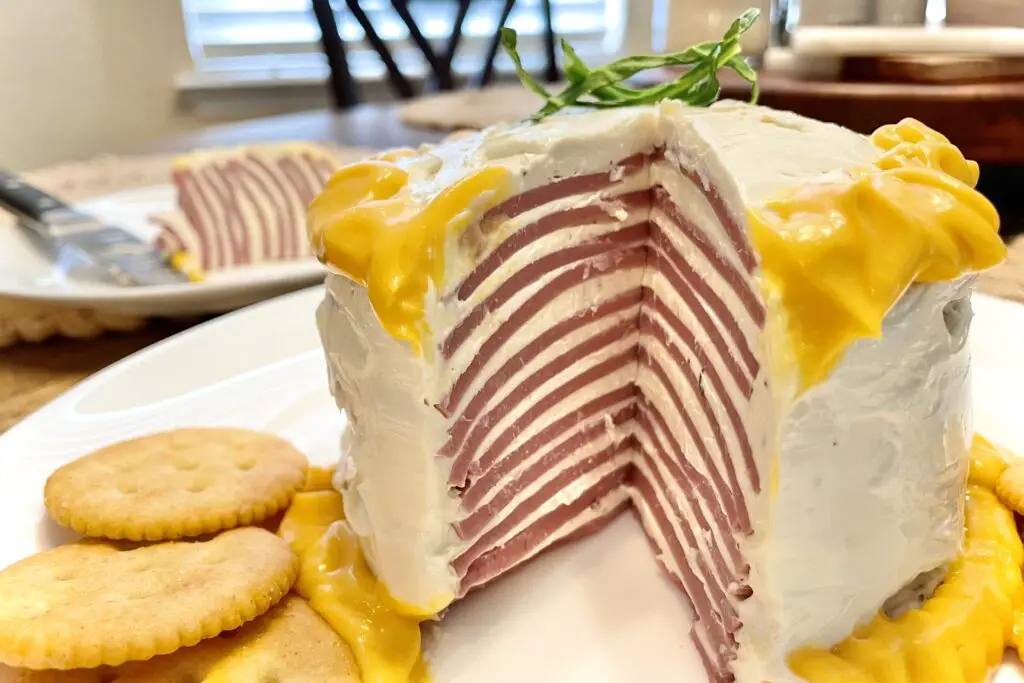
This dish sounds like a joke, but it was a real party item in some households. Bologna slices were stacked with layers of cream cheese or flavored spreads to resemble a cake. It was then frosted and sometimes decorated, much like a savory version of dessert. It appeared at gatherings where presentation mattered but budgets were tight. People didn’t always question it, they just sliced and served it.
Crackers were usually provided on the side, turning it into a kind of spreadable appetizer. The visual alone made it memorable. While it wasn’t as widespread as some other dishes, it had a dedicated following. Over time, it became more of a retro novelty than a staple. Still, it’s one of those foods that surprises people when they first learn it existed.
8. Ambrosia Salad
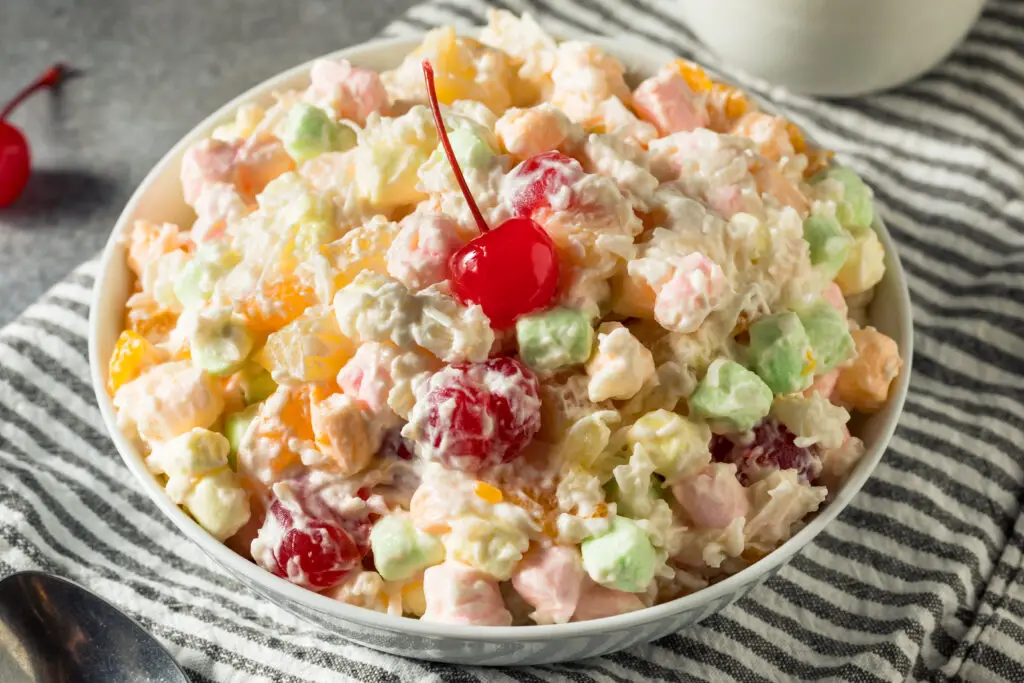
Ambrosia salad blended canned fruit, mini marshmallows, and whipped topping into something that landed somewhere between dessert and side dish. It was especially popular during holidays and family gatherings. Coconut and sour cream were sometimes added, depending on the recipe. No one really defined what category it belonged to. It just showed up on the table alongside everything else.
The sweetness made it a favorite among kids, even if adults treated it like a salad. It required minimal effort, which helped it spread in popularity. Over time, it became closely associated with Southern cuisine. While still made today, it’s less common in everyday meals. For many families, it was just part of the tradition.
9. Tomato Aspic
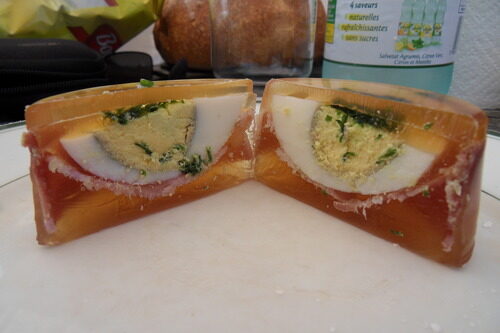
Tomato aspic took savory gelatin to another level by using tomato juice as the base. It was molded with ingredients like celery, onions, or even shrimp. Served chilled, it had a firm, sliceable texture that made it stand out. It was often presented as an elegant appetizer at dinners and parties. At the time, it was considered refined rather than unusual.
The flavor leaned more toward savory than sweet, which set it apart from other gelatin dishes. It was sometimes served with mayonnaise or a creamy dressing. As tastes shifted, it gradually disappeared from most menus. Today, it’s rarely seen outside of vintage recipe collections. But for a certain generation, it was completely normal.
10. Bananas with Mayonnaise

This was another combination that quietly existed without much explanation. Bananas were often paired with mayonnaise, sometimes wrapped in ham or served on lettuce. It sounds unusual now, but it was a recognizable dish in mid-century America. The ingredients were affordable and widely available. Families didn’t necessarily question the pairing.
The texture was soft and creamy, with a mix of sweet and savory flavors. It occasionally appeared at luncheons or potlucks. Over time, it faded as food trends changed. Today, it’s mostly remembered as a curious relic of the past. But for those who grew up with it, it was just another side dish.
11. Tuna Noodle Casserole with Potato Chips
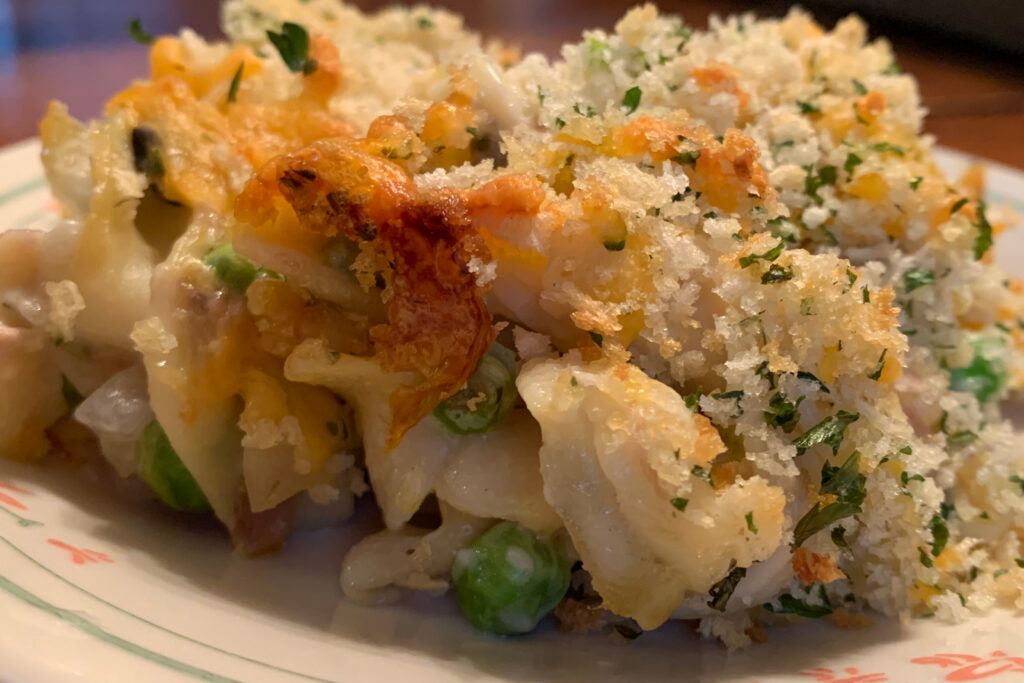
Tuna noodle casserole was already a staple, but some families topped it with crushed potato chips instead of breadcrumbs. The chips added a salty crunch that contrasted with the creamy interior. It was a practical way to use what was already in the pantry. This version didn’t feel strange at the time, just a small variation. It became a quiet favorite in many homes.
The dish itself was built around canned tuna, egg noodles, and condensed soup. It was affordable and could feed a large family. The chip topping added a bit of texture without extra effort. Over time, recipes evolved, but this version still shows up occasionally. It’s a reminder of how resourceful home cooking used to be.
12. Corned Beef Hash from a Can
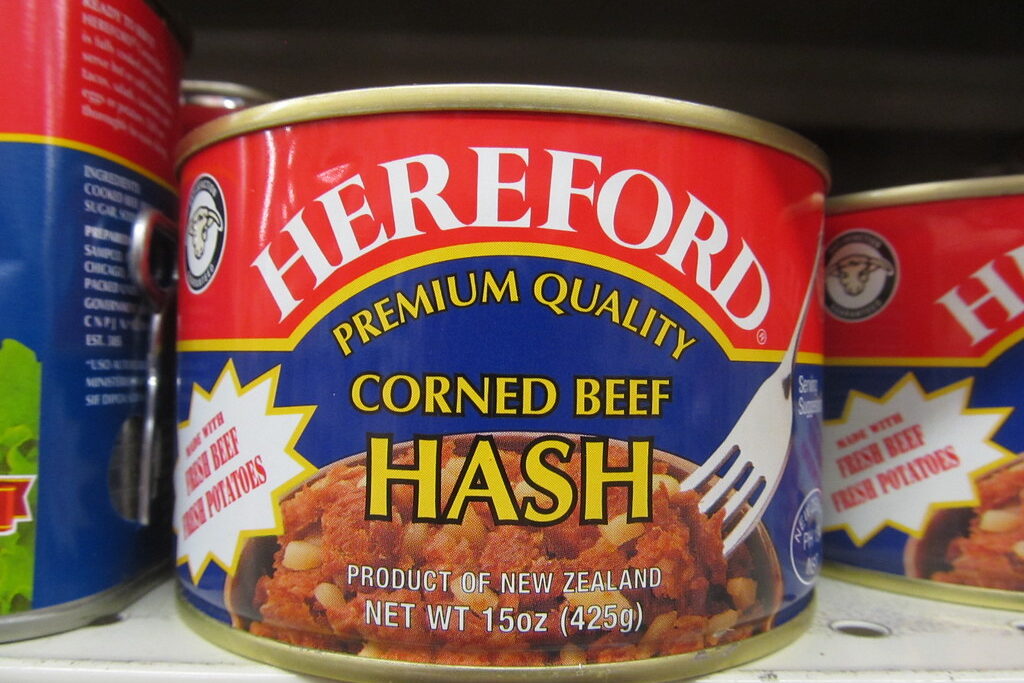
Canned corned beef hash was a quick, ready-made meal that many families relied on. It combined chopped corned beef with diced potatoes in a single can. Fried in a pan, it developed a crispy exterior that made it more appealing. It was especially common for breakfast or a fast dinner. No one really discussed it, it was just convenient.
The flavor was salty and hearty, designed to be filling rather than fancy. It became popular during times when fresh ingredients weren’t always accessible. Even as grocery options expanded, it remained a standby. Some people still enjoy it for its simplicity. For others, it’s a very specific memory of childhood meals.
13. Iceberg Lettuce with French Dressing
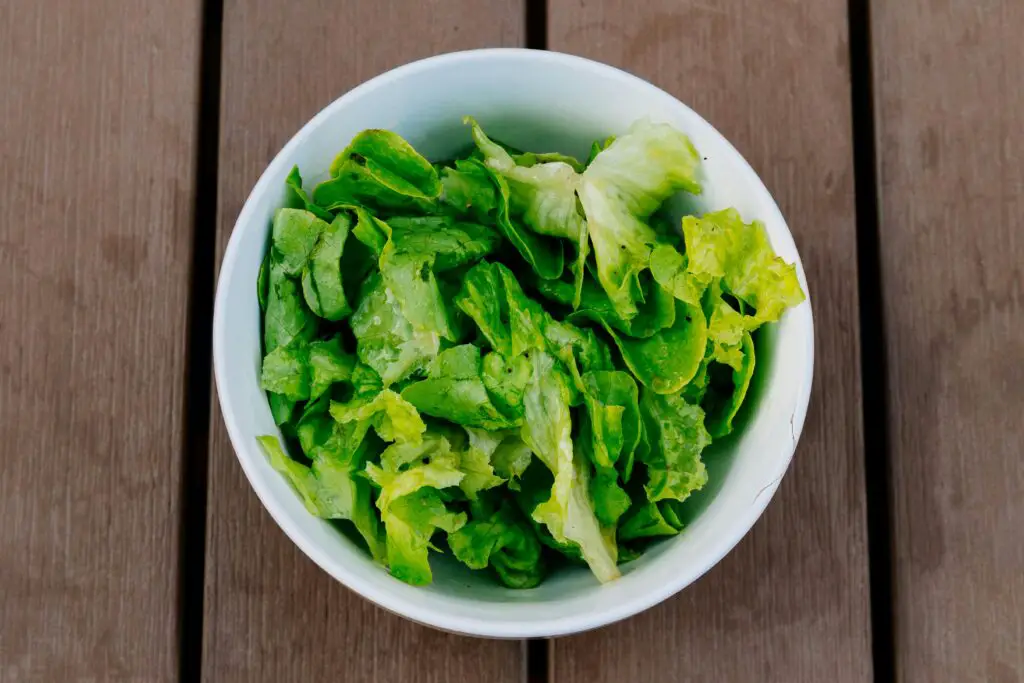
This might seem simple, but it reflects a time when salads were much more basic. A wedge or handful of iceberg lettuce topped with bottled French dressing was a standard side dish. There were often no additional vegetables, just lettuce and dressing. It was served at dinner without much thought or variation. Families accepted it as the norm.
The crisp texture of iceberg lettuce was part of its appeal. Bottled dressings made preparation quick and consistent. Over time, salads became more complex and varied. This version started to feel overly simple by comparison. Still, it remains a familiar memory for many who grew up with it.