
1. The Corner Video Store

There was always a handwritten sign in the window announcing new releases, even if they were already half gone. On Friday nights, the place felt like a social event, with neighbors debating whether to grab the last copy of a comedy or settle for something no one had heard of. The carpet usually had that faint popcorn smell that never quite left. Kids would wander over to the game section while parents squinted at the back of VHS boxes. Late fees were a constant low-grade fear hanging over everyone’s head.
The clerks often knew your taste better than you did and would recommend something “just in.” You might run into your teacher or the mail carrier in the checkout line. Returning tapes required rewinding, which felt like a small but serious responsibility. When streaming took over, these stores disappeared quietly, leaving behind empty storefronts and a lot of unreturned membership cards.
2. The Family-Owned Hardware Store
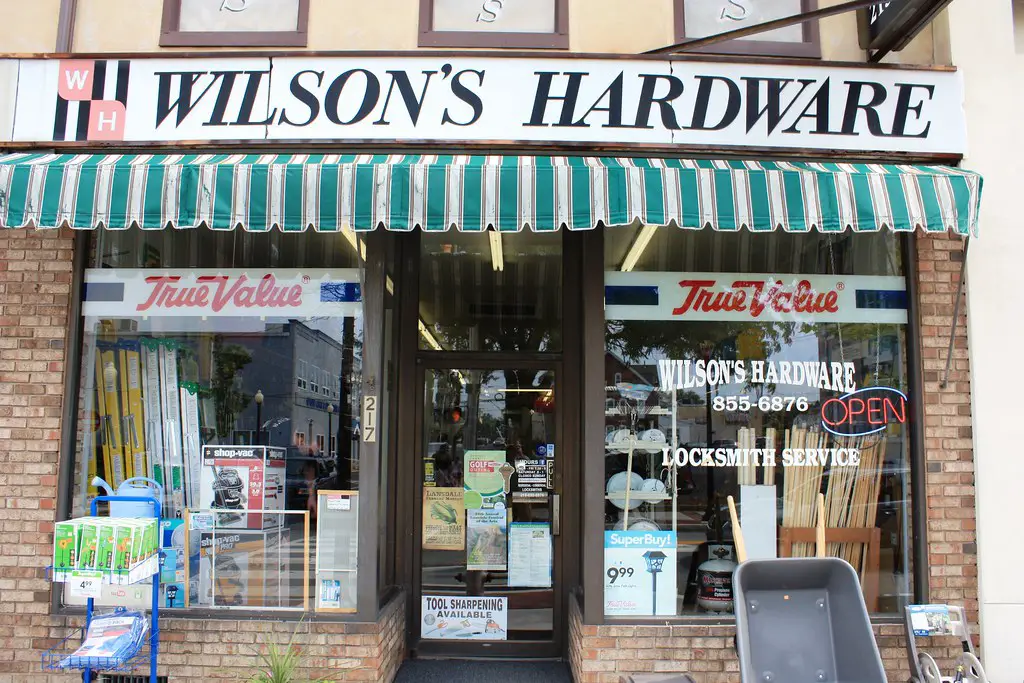
It wasn’t big, but it had exactly what you needed, even if you couldn’t describe it properly. The owner would listen patiently as you explained the “little metal twisty thing” and somehow produce the right part. Shelves were stacked high with paint cans, loose nails, and dusty toolboxes. There was usually a bell on the door that announced your arrival.
You could buy a single screw instead of a giant pack of fifty. Advice was free and often more valuable than whatever you purchased. The place felt steady, like it had always been there and always would be. Then a big-box store opened down the road, and the familiar creak of that wooden floor slowly faded away.
3. The Neighborhood Diner
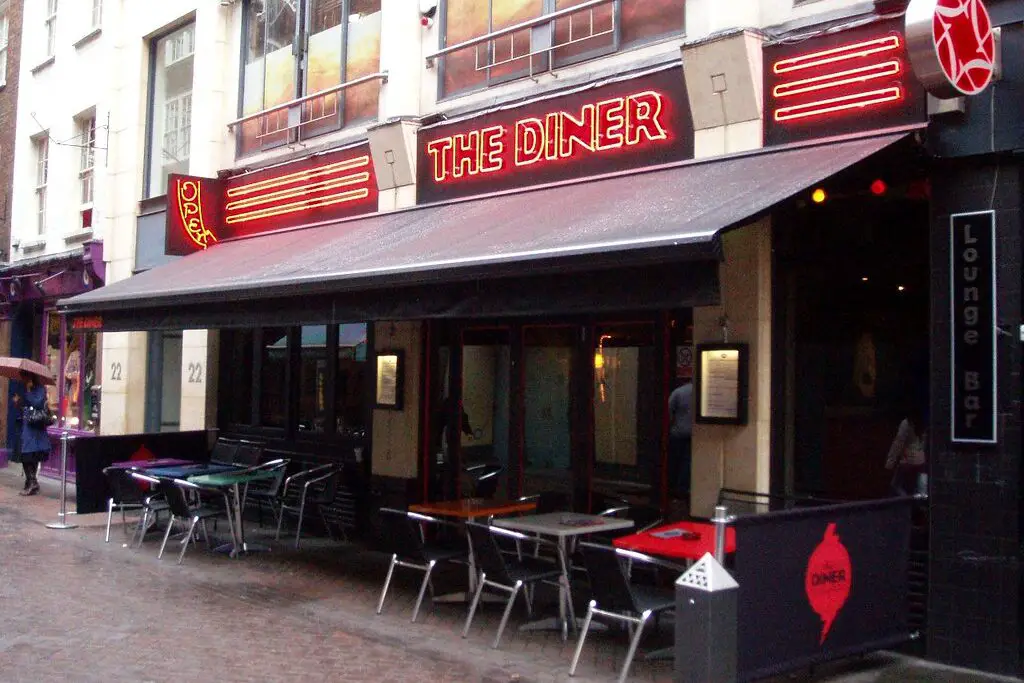
The diner’s neon sign flickered slightly, but the coffee was always hot. Regulars had unofficial assigned booths and knew each other’s orders by heart. The menu rarely changed, and that was part of the comfort. Pancakes came stacked high, and the pie case rotated flavors like a quiet celebration.
Servers called you “hon” without irony. The jukebox in the corner sometimes still worked, sometimes didn’t. It was the place where little league wins were celebrated and high school breakups were dissected over fries. When it closed, it felt less like losing a restaurant and more like losing a living room everyone shared.
4. The Independent Bookstore

The shelves felt slightly uneven, and that was part of the charm. Staff picks were handwritten on index cards tucked under paperbacks. You could lose an hour wandering without meaning to. The store cat might be asleep in a sunbeam near the window.
Authors occasionally stopped by for small, intimate signings. The owner remembered what you bought last time and asked how you liked it. There was no algorithm suggesting your next read, just human conversation. When online retailers surged, many of these shops vanished, leaving behind only faded “Open” signs and well-worn memories.
5. The Arcade
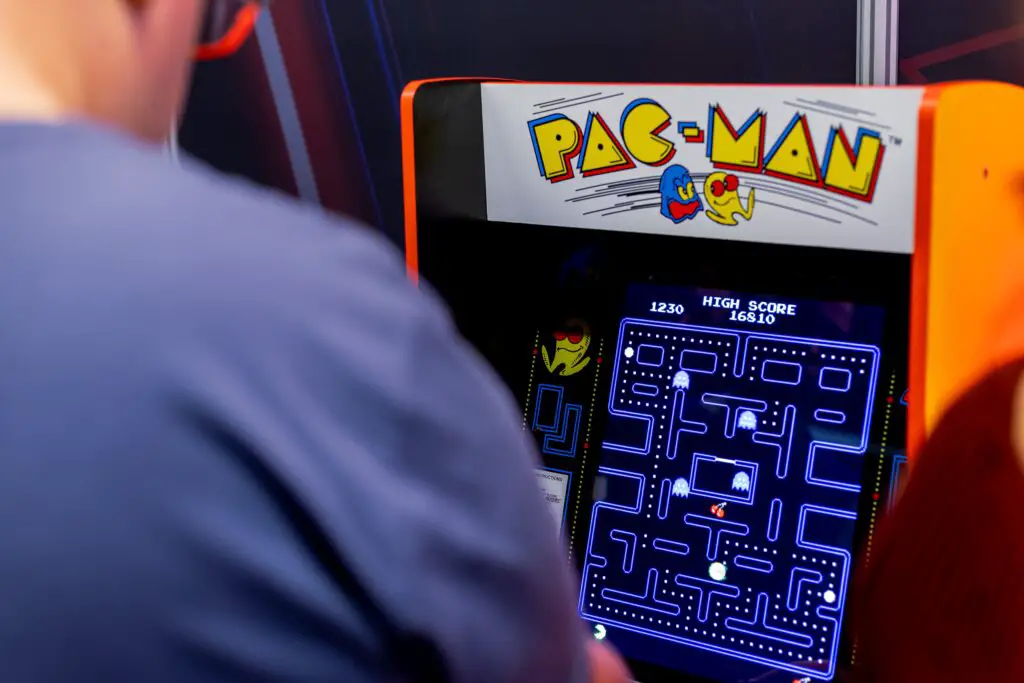
The lights were low, but the machines glowed like a carnival. Quarters clinked constantly against metal trays. High score boards felt like public records of neighborhood legends. The air was thick with the sound of digital explosions and synthesized music.
Teenagers gathered there after school, pretending not to care who was watching. You could spend hours mastering one game if you had enough change. Birthday parties sometimes took over entire rows of machines. When home consoles became more advanced, the arcades slowly went dark, one cabinet at a time.
6. The Local Record Store

Flipping through vinyl bins required patience and strong wrists. The covers alone felt like art exhibits. Listening stations let you preview an album before committing to it. Staff members had strong opinions and were not shy about sharing them.
You might discover a new favorite band by accident. Posters lined the walls, announcing concerts that felt both huge and impossibly far away. Saturdays were busiest, with customers debating genres like it mattered deeply. As digital downloads took hold, these stores became rarer, their handwritten price stickers now a nostalgic detail.
7. The Corner Candy Shop

Glass jars lined the walls, each filled with something colorful and tempting. You could buy candy by the piece, carefully counting coins in your palm. The shop owner often knew which kids liked sour and which preferred chocolate. The bell above the door chimed with every excited entrance.
It was the first place many of us handled money on our own. There was pride in making a choice and sticking to a small budget. Sometimes you’d linger, trying to stretch out the decision. When supermarkets expanded their candy aisles, these tiny shops struggled to compete and gradually disappeared.
8. The Neighborhood Movie Theater
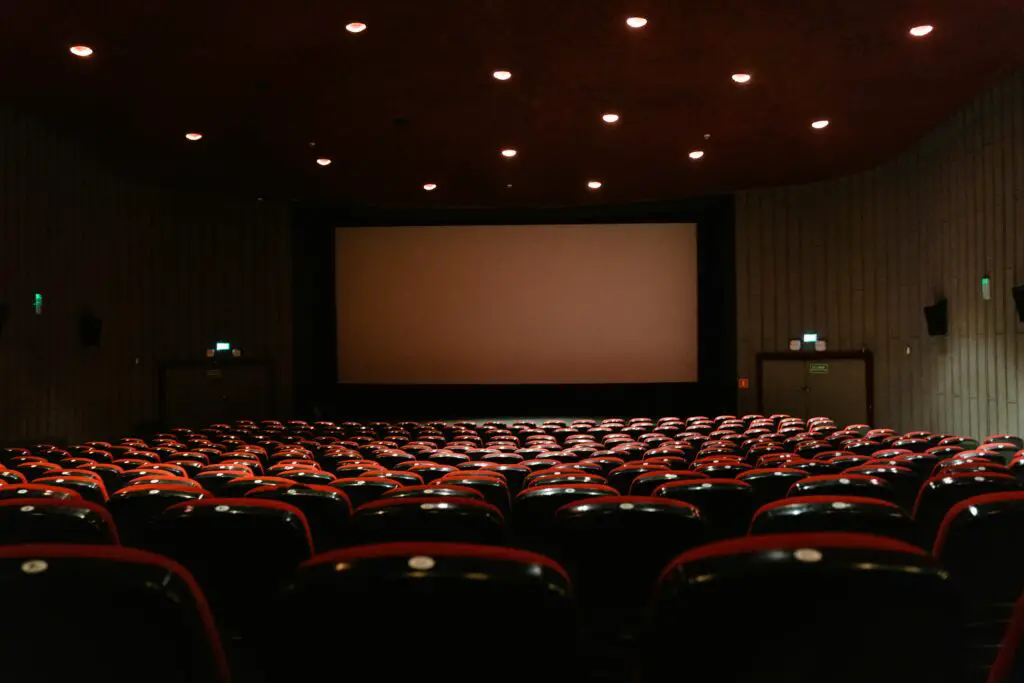
It had one or two screens, not twenty. The seats might have squeaked, but the experience felt personal. You recognized the ticket taker from around town. Saturday matinees were packed with restless kids and oversized sodas.
The marquee was changed by hand, letter by letter. You didn’t reserve seats online; you just showed up early and hoped for the best. Applause sometimes broke out at the end of a big film. When multiplexes opened in sprawling shopping centers, many of these smaller theaters closed their doors for good.
9. The Community Roller Rink
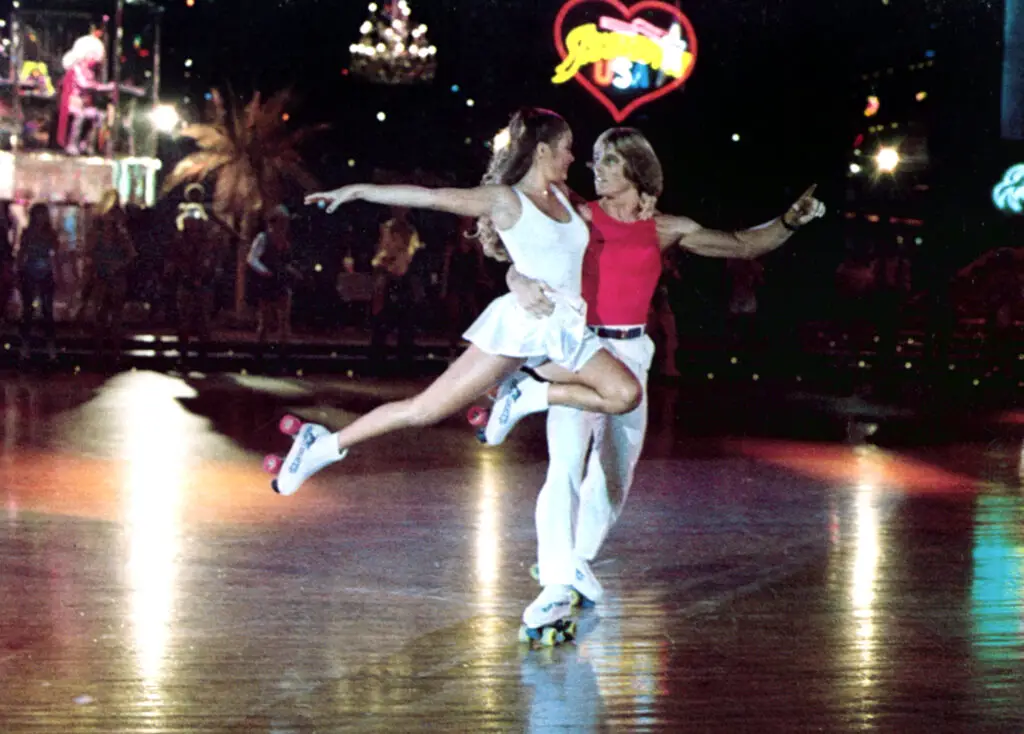
Disco balls spun slowly overhead while skates rolled in rhythmic circles. The carpet in the lobby was always patterned in bold, slightly dizzying colors. Birthday announcements echoed over the loudspeaker. Couples clung to each other during slow songs.
Learning to skate meant falling more than once. The snack bar sold nachos and bright-colored drinks that stained your tongue. Weekend nights felt electric with anticipation. As other entertainment options grew and buildings aged, many roller rinks quietly shut down, leaving behind scuffed floors and fading murals.
10. The Five-and-Dime
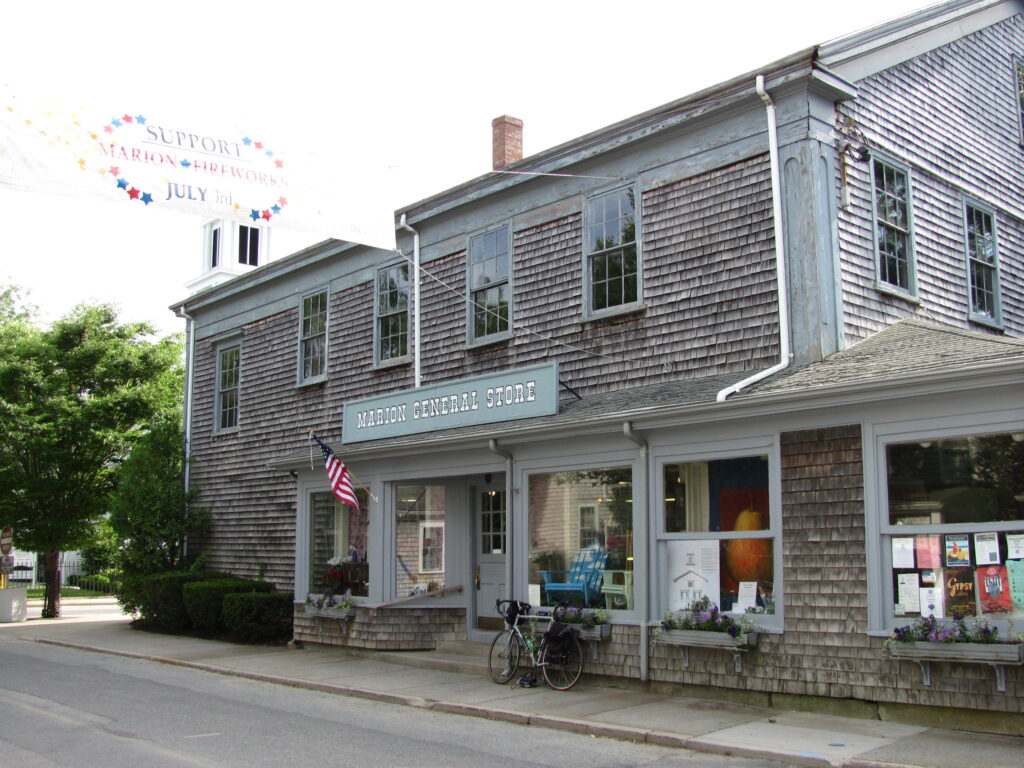
Everything seemed possible when prices were that low. You could browse toys, kitchen gadgets, and greeting cards in one small space. The aisles were narrow but packed with surprises. Seasonal decorations appeared months in advance.
It was a place to wander without a specific goal. Kids could afford small treasures with allowance money. Parents appreciated being able to pick up essentials without overspending. As large discount chains expanded, the traditional five-and-dime became more of a memory than a fixture.
11. The Neighborhood Pharmacy
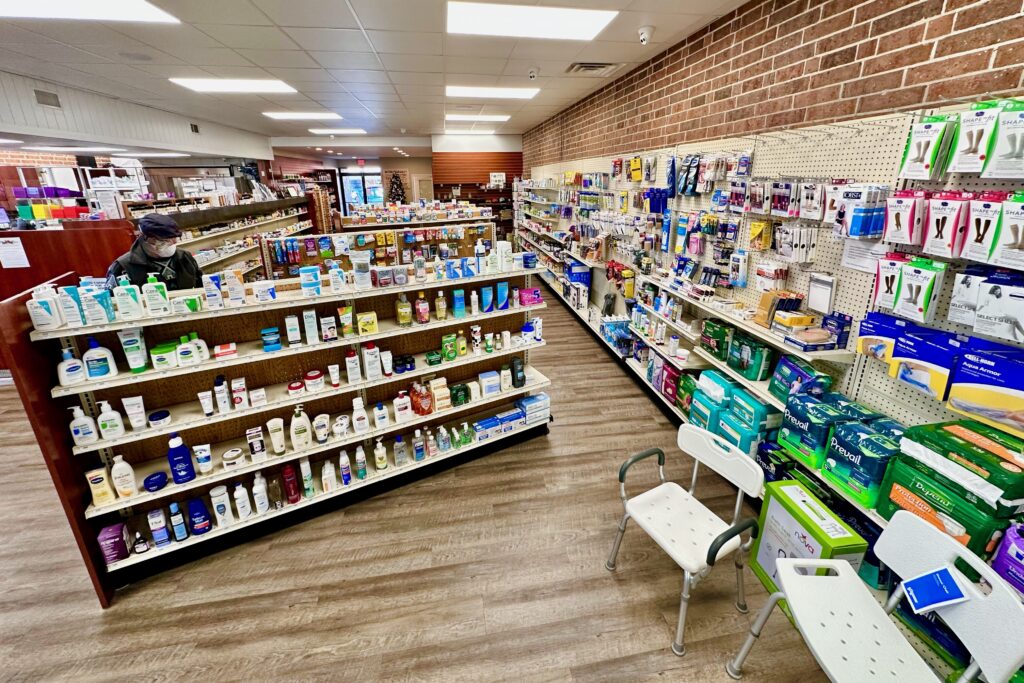
Beyond prescriptions, it carried small gifts and greeting cards. The pharmacist often knew customers by name. There was usually a narrow aisle with seasonal candy and basic toiletries. Advice about cough syrups or remedies came with a familiar voice.
You didn’t feel like a number in a system. Questions were answered patiently, without rushing. Sometimes there was even a small soda fountain tucked inside. When major pharmacy chains spread rapidly, many independent stores couldn’t keep up and eventually closed.
12. The Community Pool Hall

The click of billiard balls echoed off the walls. Tables were worn but well cared for. Regulars had their own cues and their own preferred corners of the room. It felt slightly mysterious to younger visitors.
Games could stretch on for hours with friendly wagers. Conversations ranged from sports scores to neighborhood gossip. The jukebox added a steady soundtrack. As regulations tightened and tastes shifted, many small pool halls faded from the local scene.
13. The Local Bakery

The smell of fresh bread traveled halfway down the block. Display cases showcased cakes decorated by hand. Early mornings were busiest, with customers picking up rolls and pastries. The chalkboard menu sometimes changed daily.
You could request a custom cake and talk directly to the baker about it. Holiday seasons meant preorders stacked high. It felt like a place that ran on early alarms and flour-dusted aprons. As supermarkets expanded their in-house bakeries, many small operations struggled to survive.
14. The Neighborhood Newsstand

Newspapers were stacked in neat rows, still slightly warm from the press. Magazine covers competed loudly for attention. The vendor often had a running commentary about current events. It was a small but steady hub of information.
You could buy a single comic or a full Sunday paper. Impulse purchases were common, especially for glossy magazines. Conversations sparked over headlines before anyone had even finished reading. As digital news took over and print circulation declined, these newsstands gradually disappeared from street corners across the country.