
1. Riding in the Back of Station Wagons Without Seatbelts
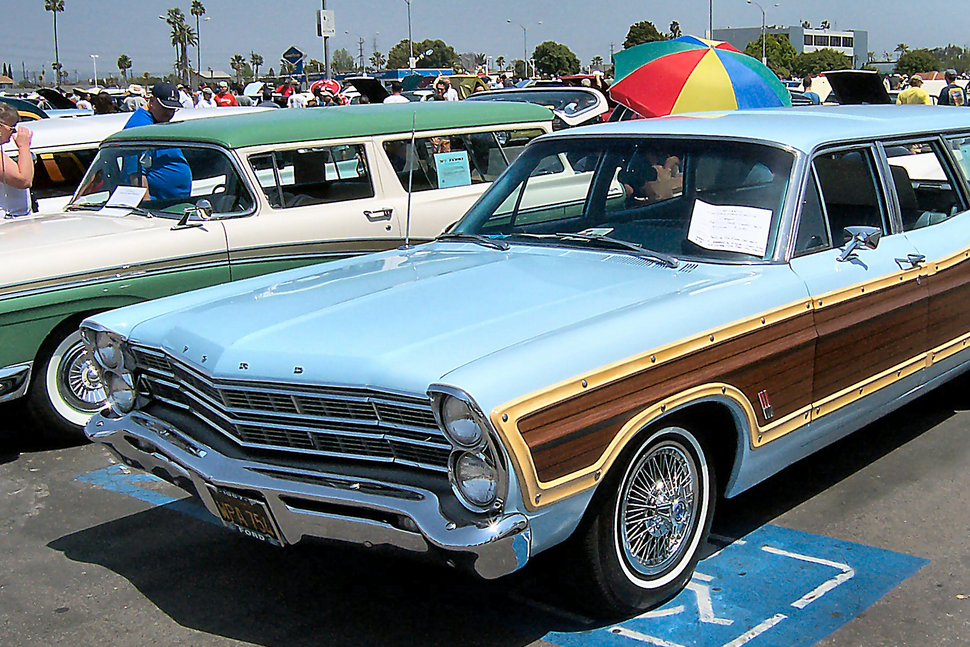
For a long time, the back of a station wagon felt like a built in playroom on wheels. Kids would stretch out, face backward, and wave at cars behind them, all without any kind of restraint. Parents rarely thought twice about it because seatbelt use just was not emphasized the way it is now. Even when belts were available, they were often ignored or only used by adults in the front.
Today, that setup would raise immediate safety concerns. Rear facing cargo areas were never designed to protect passengers in a crash, and the lack of restraints made injuries far more likely. Modern safety standards require proper seating positions, seat belts, and often booster seats for kids. What once felt like a fun road trip perk now reads as a serious risk.
2. Letting Kids Ride in the Back of Pickup Trucks

It used to be completely normal for kids to pile into the bed of a pickup truck during a family outing. Whether it was a quick drive to the lake or a longer trip through town, it felt like part of the adventure. The open air and freedom made it seem harmless, even exciting. Parents often viewed it as practical and convenient.
Now, it is widely understood how dangerous that situation is. There are no restraints, no crash protection, and nothing to prevent someone from being thrown out. Many states have since restricted or banned the practice for minors. What used to feel carefree now clearly carries a high risk of serious injury.
3. Cross-Country Road Trips in Cars Without Modern Safety Features
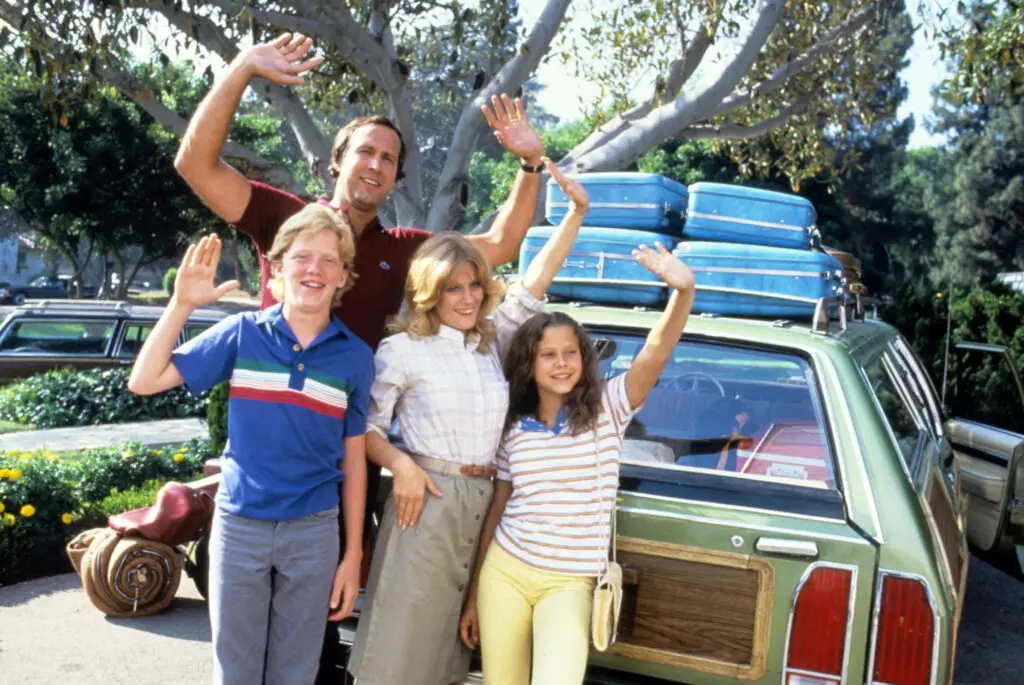
Families regularly drove long distances in cars that lacked airbags, anti lock brakes, and reinforced frames. Seat belts were not always standard, and even when they were, usage was inconsistent. Despite that, road trips were a major part of family life, with little concern about crash protection. People simply trusted the vehicle to get them there.
Today’s vehicles are built with layers of safety technology that dramatically reduce injury in accidents. Older cars offered far less protection in collisions, especially at highway speeds. Taking a long trip in one of those vehicles would now be considered a significant safety compromise. It highlights how much expectations around car safety have changed.
4. Camping Without Any Way to Contact Help
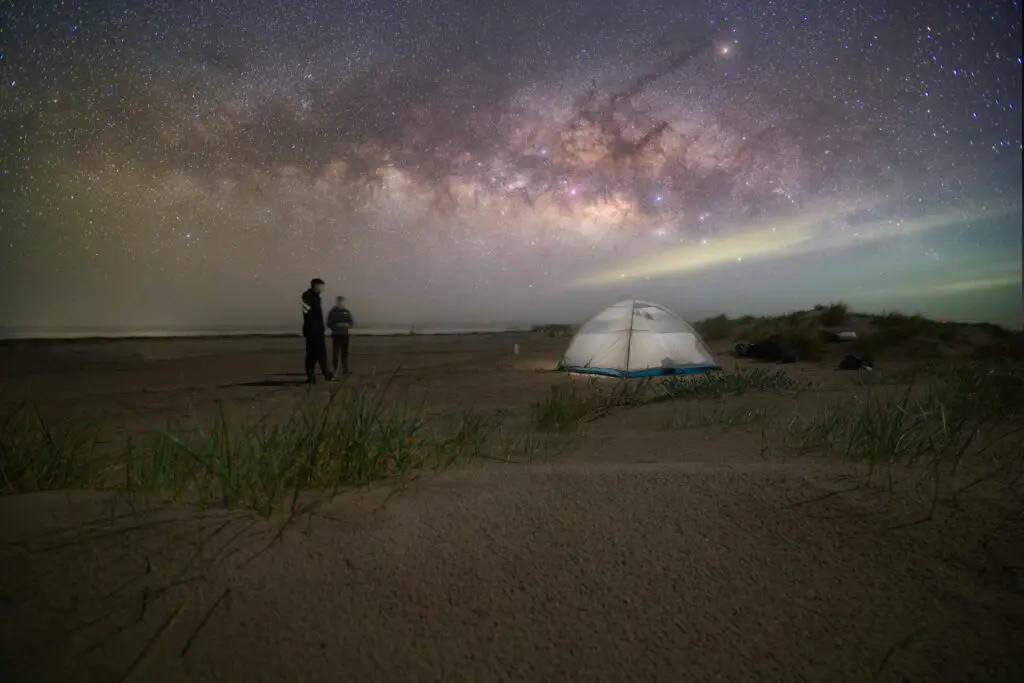
Family camping trips used to mean being completely off the grid. There were no phones, no GPS, and often no nearby rangers or emergency services. If something went wrong, families had to rely on their own judgment and whatever supplies they brought with them. That sense of isolation was part of the appeal.
Today, most people expect at least some way to communicate in an emergency. Weather alerts, navigation tools, and emergency services are now considered basic safety measures. Being deep in the wilderness without any of those would be seen as unprepared. What once felt adventurous now looks like a risky lack of backup.
5. Swimming in Unsupervised Lakes, Rivers, or Quarries

Kids often jumped into whatever body of water was nearby during family trips. Lakes, rivers, and even abandoned quarries were treated as spontaneous swimming spots. There were rarely lifeguards or warning signs, and people often had no idea what was beneath the surface. It was all about cooling off and having fun.
Now, those environments are known to carry real hazards. Sudden drop offs, hidden debris, and cold water shock can be dangerous even for strong swimmers. Many of these locations are now restricted or clearly marked as unsafe. What once felt like a simple swim would now make most parents pause.
6. Visiting Active Factories or Industrial Sites

Factory tours used to be far more casual than they are today. Families could walk through working industrial spaces with minimal barriers between them and heavy machinery. Kids might stand just a few feet away from equipment in motion. It was seen as educational and interesting.
Modern safety regulations have changed that completely. Industrial environments now require protective gear, guided access, and strict safety protocols. Casual visits like those from the past would rarely be allowed today. The risks were always present, they just were not managed the same way.
7. Driving Through Remote Areas With Only Paper Maps
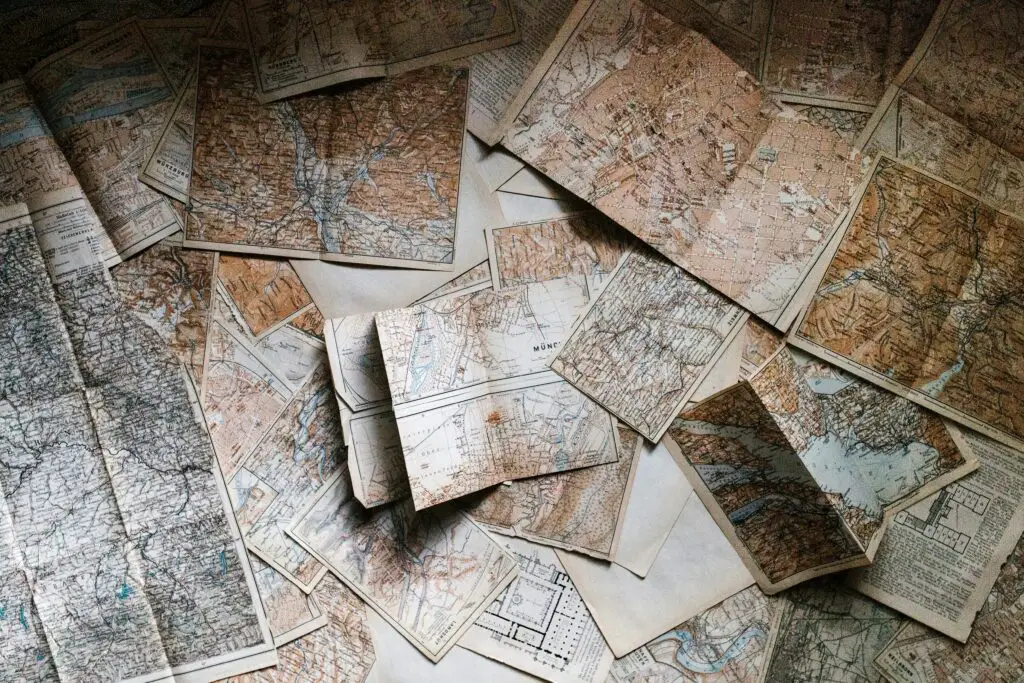
Before GPS, families relied on paper maps and road signs to navigate long trips. Getting lost was common, especially in rural or unfamiliar areas. Sometimes people drove for miles without knowing exactly where they were. It was frustrating, but also part of the experience.
Today, that level of uncertainty would be considered avoidable. Real time navigation and location tracking make it much easier to stay on course and find help if needed. Being stranded without clear directions or communication can quickly become dangerous. What once felt like an inconvenience now carries more serious implications.
8. Traveling During the Jim Crow Era Without Safe Stops Guaranteed
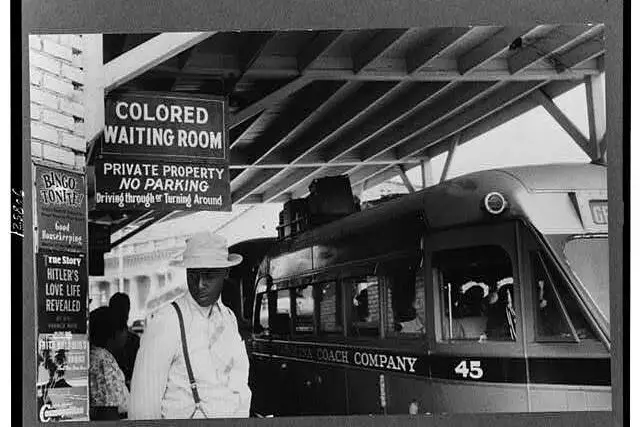
For many Black families, vacations in the mid 20th century came with very real safety concerns. Certain towns and businesses could be openly hostile or refuse service entirely. Families had to carefully plan where they could stop, eat, or stay overnight. It was not just inconvenient, it could be dangerous.
Resources like the Green Book helped guide travelers to safer locations. Even so, the risks were never fully eliminated. Today, legal protections have changed the landscape, even if challenges still exist. Looking back, those trips involved navigating dangers that should never have been part of a family vacation.
9. Letting Kids Wander Tourist Attractions Alone

Parents used to give kids a lot more freedom in crowded places like amusement parks or city attractions. A meeting spot and a rough time were often all that was needed. Kids would explore on their own, sometimes for hours. It was seen as a way to build independence.
Today, most parents are far more cautious in those environments. Large crowds, unfamiliar surroundings, and safety concerns have changed expectations. Many families now use tracking devices or stay together at all times. What once felt normal now feels like a risk many would not take.
10. Hitchhiking During Trips

Hitchhiking used to be a more accepted part of travel culture. Some families and many teenagers saw it as a practical way to get around or meet new people. Stories of friendly drivers were common, and it was not always viewed as dangerous. It had a sense of spontaneity.
Today, hitchhiking is widely discouraged due to safety concerns. The unpredictability of strangers and lack of accountability make it risky. Most families would not consider it as an option anymore. Cultural attitudes toward personal safety have shifted significantly.
11. Visiting Loosely Regulated Roadside Attractions

Roadside attractions once operated with minimal oversight. Families could climb on structures, interact with animals, or wander through exhibits without much supervision. These stops were quirky and memorable, but not always designed with safety in mind. It was part of their charm.
Now, safety standards and liability laws require much stricter controls. Attractions are expected to meet clear guidelines to protect visitors. Unregulated environments pose risks that would not be acceptable today. What once felt fun and spontaneous now looks less secure.
12. Boating Without Life Jackets
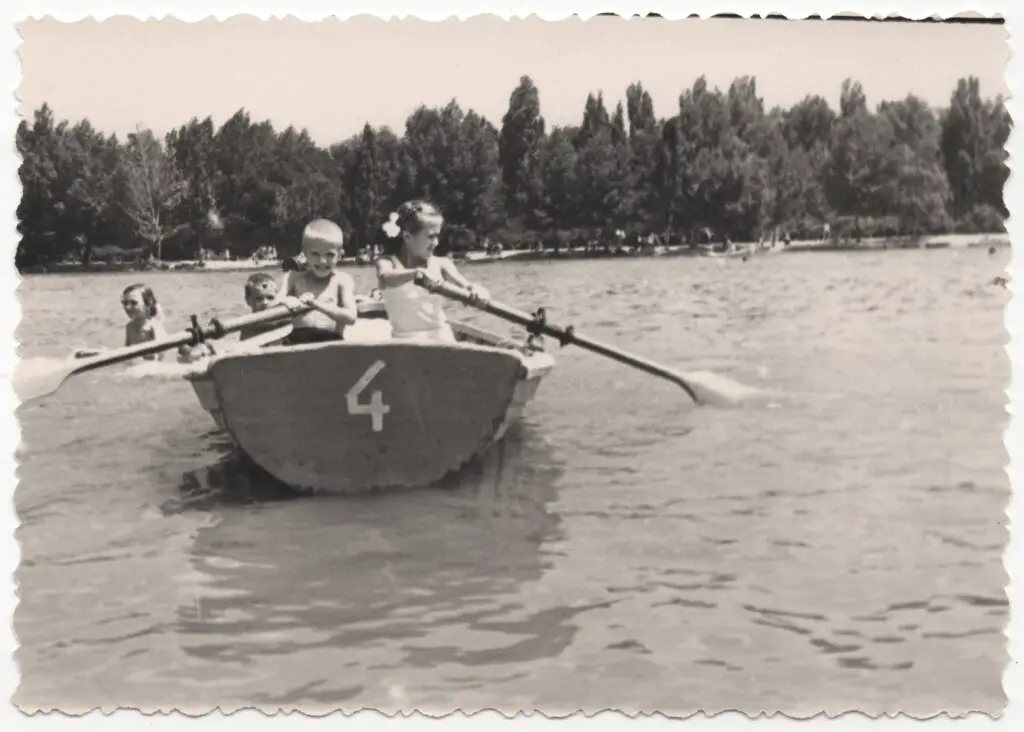
Family boating trips often happened without much emphasis on safety gear. Life jackets were sometimes available, but not always required or worn consistently. Kids might sit along the edge of a boat or move around freely while it was in motion. It was all treated as normal behavior.
Today, life jackets are strongly recommended and often legally required, especially for children. Accidents on the water can happen quickly, and flotation devices significantly reduce the risk of drowning. What once seemed relaxed now clearly lacks essential precautions. The expectations around water safety have changed dramatically.
13. Sitting in the Front Seat as a Young Child
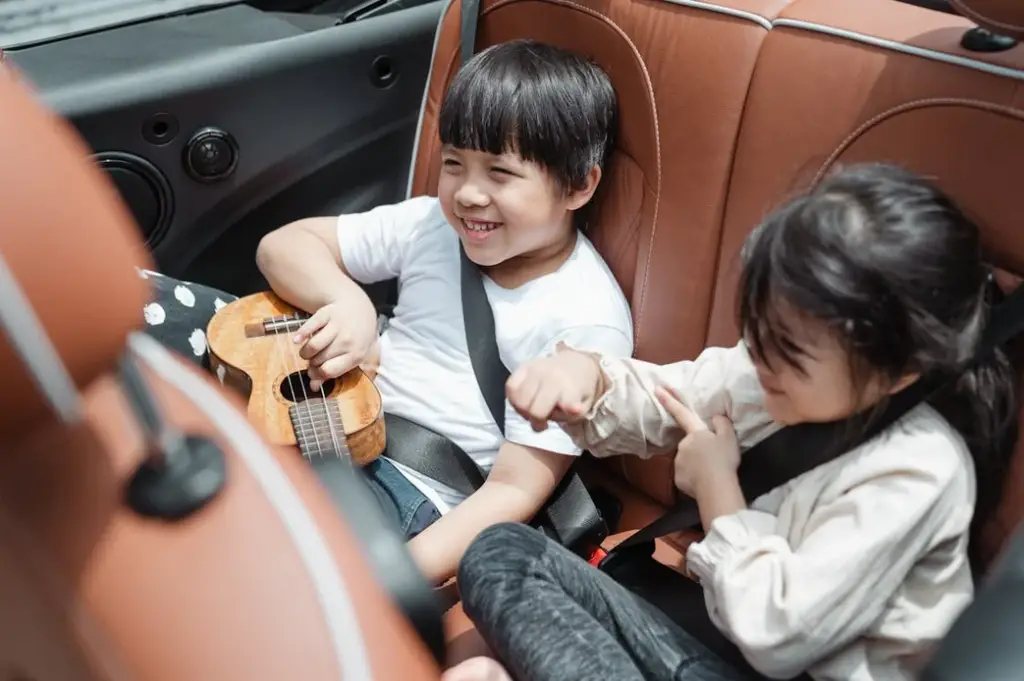
It used to be common for young kids to ride in the front passenger seat during family trips. There were no strict guidelines about age or size, and it often came down to convenience. Kids liked being up front, and parents rarely questioned it. It felt like a small privilege.
Now, safety experts strongly advise that children ride in the back seat, often in car seats or boosters. Airbags and crash dynamics make the front seat much more dangerous for smaller passengers. Regulations and guidelines have evolved to reflect that. What once felt harmless is now clearly discouraged.
14. Exploring Abandoned Buildings or Sites
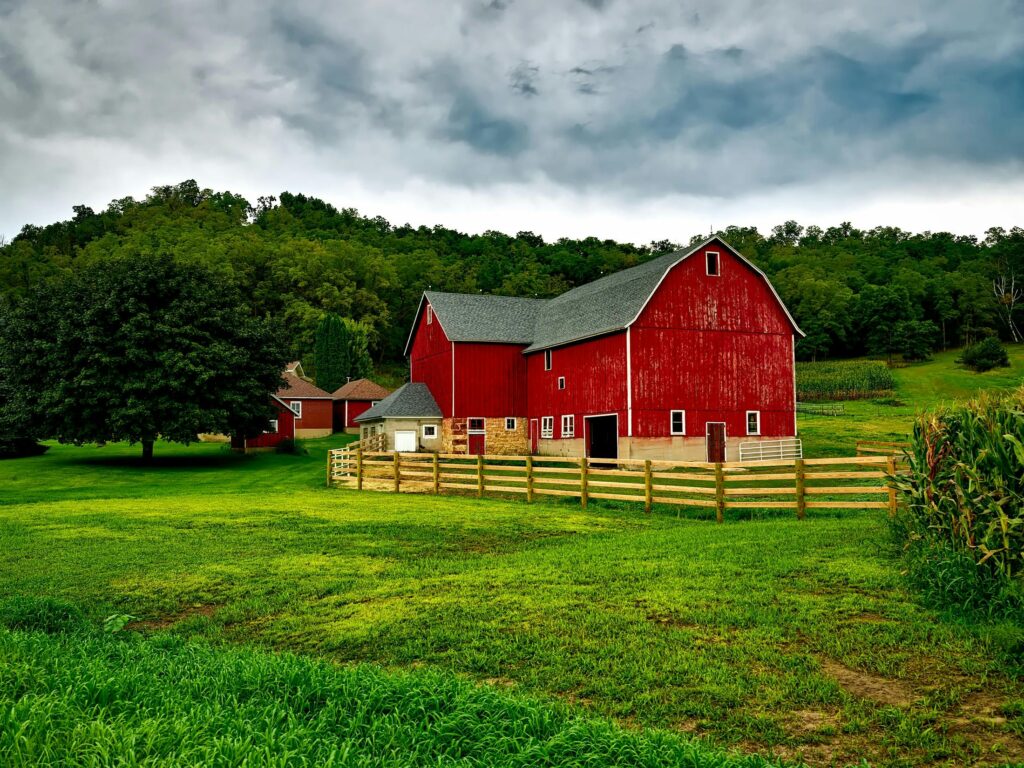
Some family vacations included exploring old, abandoned structures like barns, hotels, or industrial buildings. Kids were often allowed to wander through these spaces without much concern. It felt like an adventure, especially in quiet or rural areas. There was a sense of discovery.
Today, those environments are recognized as hazardous. Structural instability, sharp debris, and unsafe materials can pose serious risks. Many abandoned sites are now fenced off or legally restricted. What once felt like harmless exploration now carries clear safety warnings.
15. Riding Bicycles Without Helmets in Busy Areas
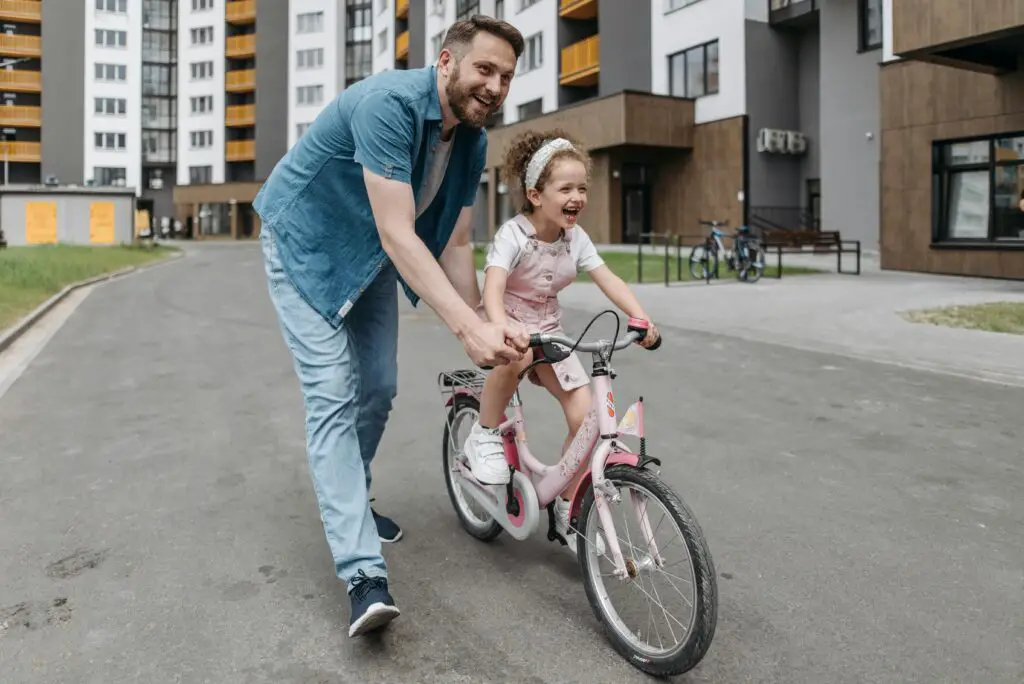
Family trips often involved biking through towns, parks, or even along busy roads without helmets. It was simply not part of the culture at the time. Kids rode freely, sometimes weaving through traffic or riding without clear supervision. It felt like independence.
Now, helmet use is strongly encouraged and often required for children. Head injuries are a major concern in bicycle accidents, and protective gear significantly reduces that risk. Riding in traffic without safety equipment would be seen as irresponsible today. It is another example of how expectations have shifted over time.