
1. Salton Sea, California
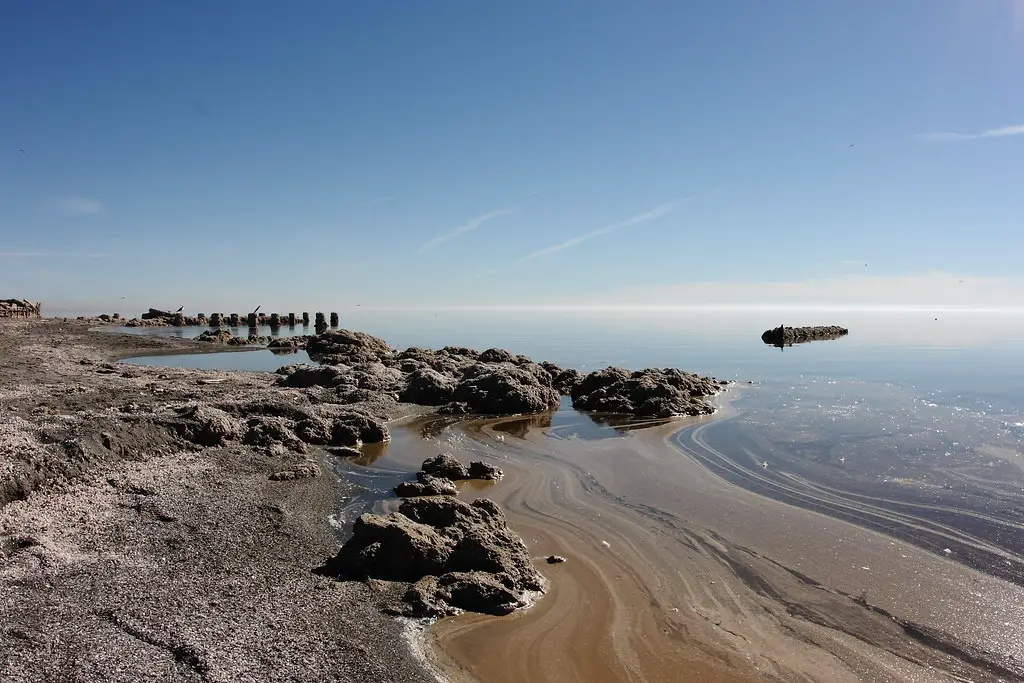
The Salton Sea was once marketed as a glamorous desert getaway in the 1950s and early 1960s. Developers built marinas, yacht clubs, and hotels, and it quickly attracted weekend crowds from Southern California. Celebrities, including Frank Sinatra, were rumored to spend time there, adding to its appeal. Families came for boating, fishing, and warm-weather relaxation, and for a while, it really did feel like the next big resort destination.
But the lake’s problems were built in from the start. Because it has no natural outlet, salt and agricultural runoff built up over time, making the water increasingly inhospitable. Fish began to die off, and the smell became hard to ignore. Tourism dropped off sharply by the 1970s, and businesses closed one by one. Today, the shoreline is dotted with abandoned structures, and the crowds never returned.
2. Varosha, Cyprus
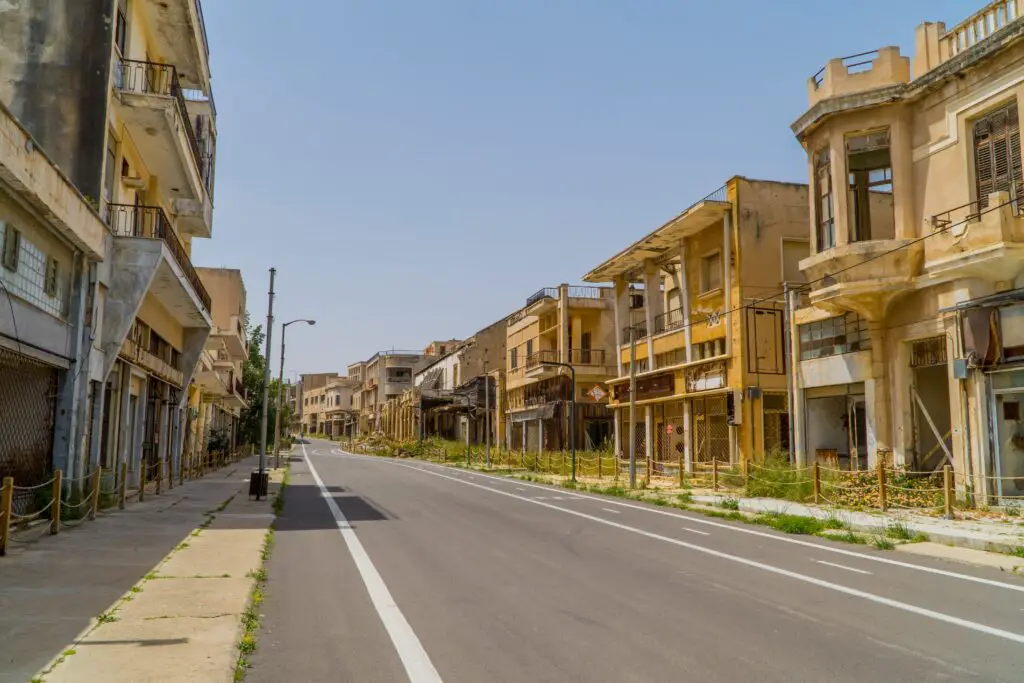
Varosha was once the most popular tourist district in Famagusta, packed with hotels, restaurants, and beachgoers in the early 1970s. It attracted international visitors and even celebrities like Elizabeth Taylor. The area had a reputation as a high-end Mediterranean destination, with modern buildings and lively nightlife. At its peak, it was one of the most desirable vacation spots in the region.
Everything changed in 1974 during the Turkish invasion of Cyprus. Residents fled, and the area was sealed off by the military, leaving hotels and homes untouched. For decades, it remained completely abandoned, frozen in time behind fences. Some sections have been partially reopened in recent years, but much of Varosha still stands empty. It remains one of the most striking examples of a resort that was suddenly deserted.
3. Centralia, Pennsylvania
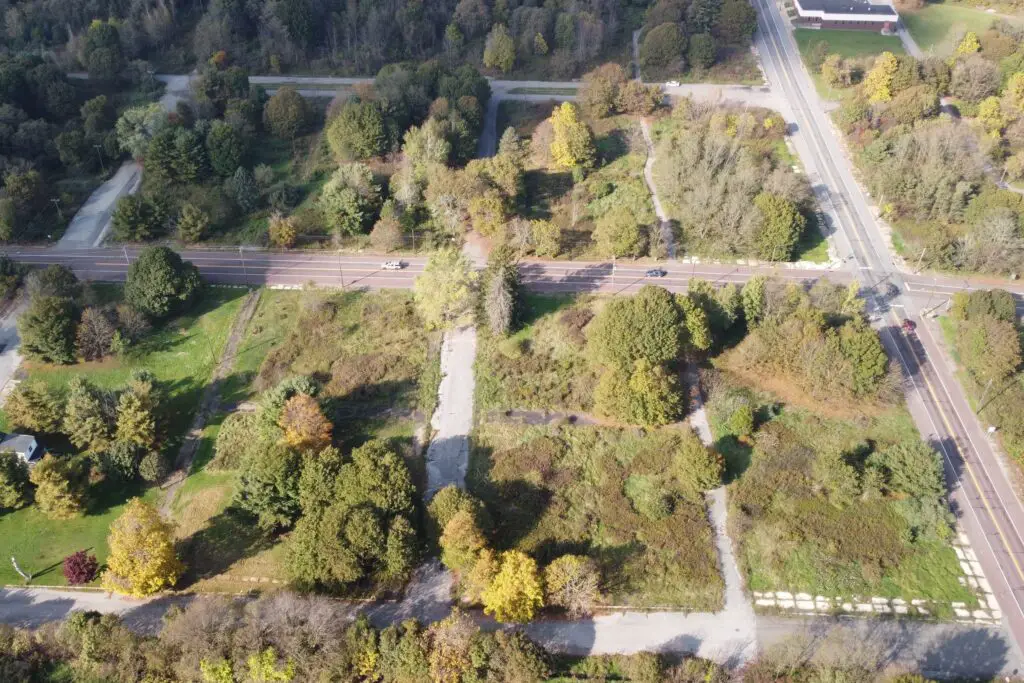
Centralia was once a small but active town that later drew visitors because of its unusual situation. In 1962, a coal mine fire ignited beneath the town, and it continues to burn today. At first, residents stayed, but over time, the effects became impossible to ignore. The ground began to sink, and dangerous gases seeped through cracks in the earth.
By the 1980s, most residents had relocated, and the town was largely demolished. For a while, curious visitors came to see the smoke rising from the ground and the nearly empty streets. Even that tourism has faded as access has been restricted. Today, only a handful of residents remain, and most of the area has returned to quiet emptiness. It’s no longer a destination so much as a warning.
4. Pripyat, Ukraine
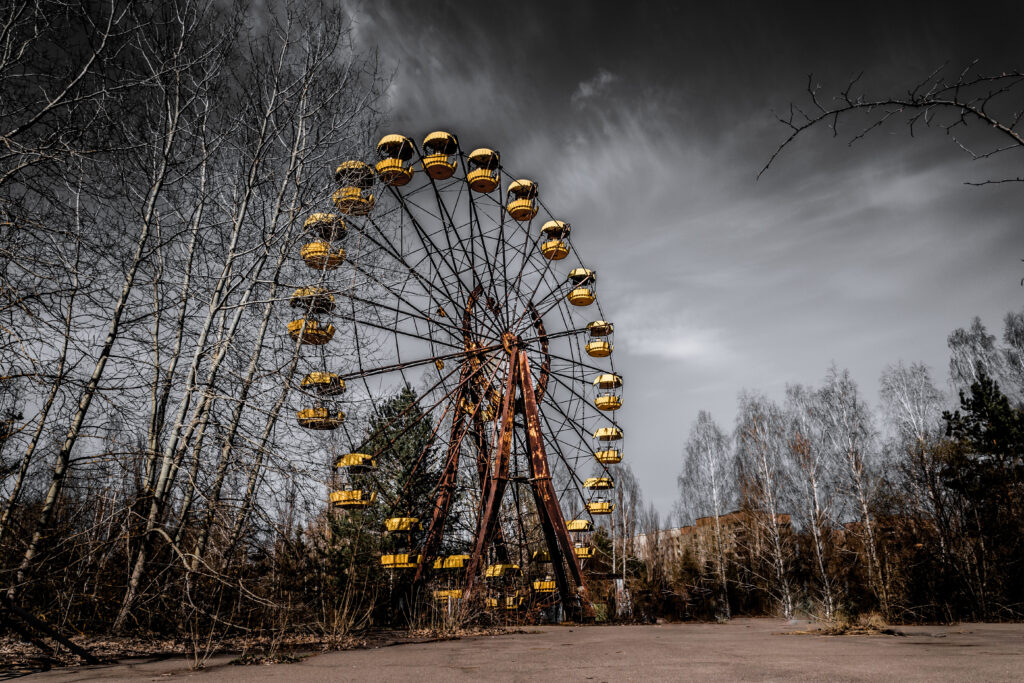
The city of Pripyat was built in 1970 to house workers from the nearby Chernobyl Nuclear Power Plant. It was a modern city with schools, shops, and even an amusement park ready to open. While it wasn’t originally a vacation destination, it has since become one of the most visited abandoned places in the world.
After the Chernobyl disaster, the entire population was evacuated within days. Residents were told to leave temporarily, but they never returned. Buildings, belongings, and even classrooms were left behind exactly as they were. Today, controlled tours bring visitors into the exclusion zone, though conditions remain hazardous. The city stands as a frozen snapshot of 1986.
5. Six Flags New Orleans, Louisiana
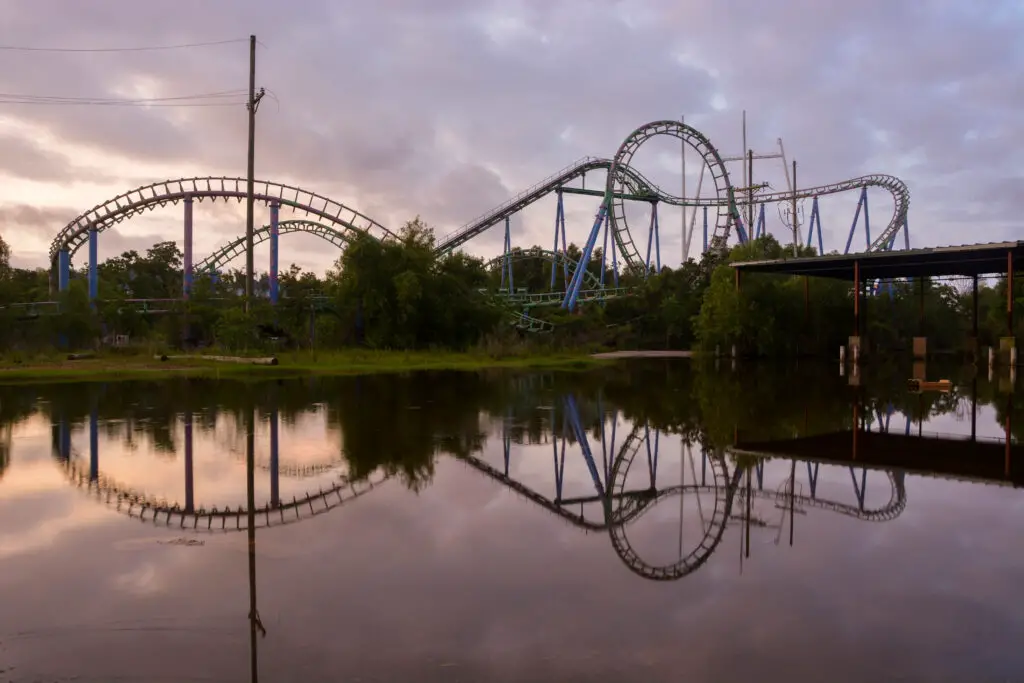
Six Flags New Orleans opened as Jazzland in 2000 and quickly became a regional attraction. It featured roller coasters, water rides, and themed areas that drew families from across Louisiana and nearby states. When Six Flags took over in 2002, attendance continued to grow. It was the kind of place people returned to every summer.
That all ended in 2005 when Hurricane Katrina flooded the park with several feet of water. The damage was severe, and the park never reopened. Over time, rides rusted and vegetation took over the grounds. It has been used occasionally for film productions, but redevelopment plans have repeatedly stalled. What was once noisy and crowded is now completely still.
6. Borscht Belt Resorts, New York
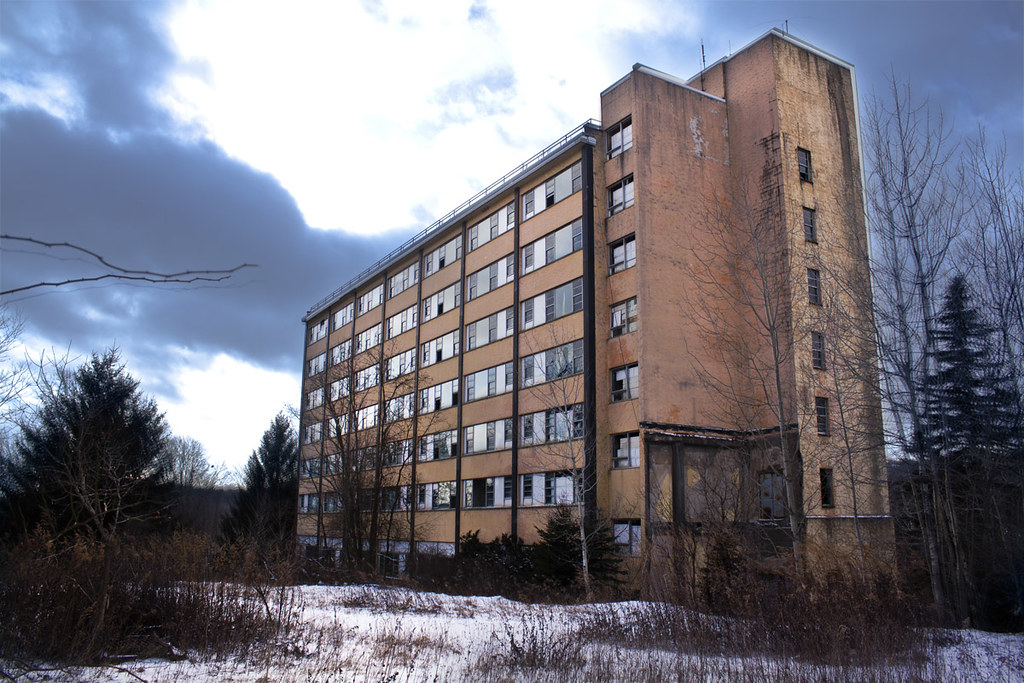
The Borscht Belt in New York’s Catskill Mountains was once packed with vacationers, especially from New York City. Resorts like Grossinger’s and the Concord offered entertainment, dining, and a full social scene. Comedians such as Mel Brooks and Jerry Seinfeld performed there early in their careers. For decades, it was a reliable summer destination for families.
By the 1970s and 1980s, the region began to decline. Air travel became more accessible, and people started choosing destinations farther away. Social changes also reduced the need for these specific resort communities. Many hotels closed, and some were left to decay before eventually being demolished. Today, only a few remnants hint at how busy the area once was.
7. Fordlândia, Brazil
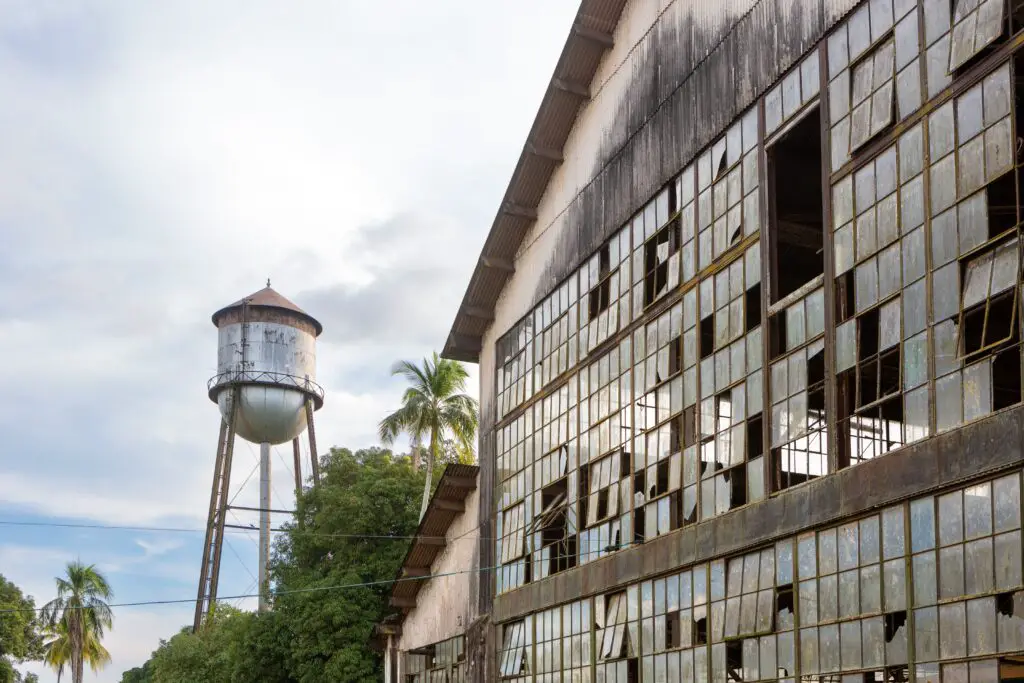
Fordlândia was founded in 1928 by Henry Ford as a rubber plantation and company town in the Amazon. It was designed to supply rubber for automobile production and included American-style homes and amenities. While it wasn’t originally built for tourism, it later became a curiosity for travelers interested in its unusual history.
The project faced immediate challenges, including poor planning and unsuitable farming conditions. Workers protested strict rules, and rubber production never met expectations. By the 1940s, Ford abandoned the site entirely. The town was left behind, and much of it has since been reclaimed by the jungle. Today, it remains sparsely populated and largely in ruins.
8. Hashima Island, Japan
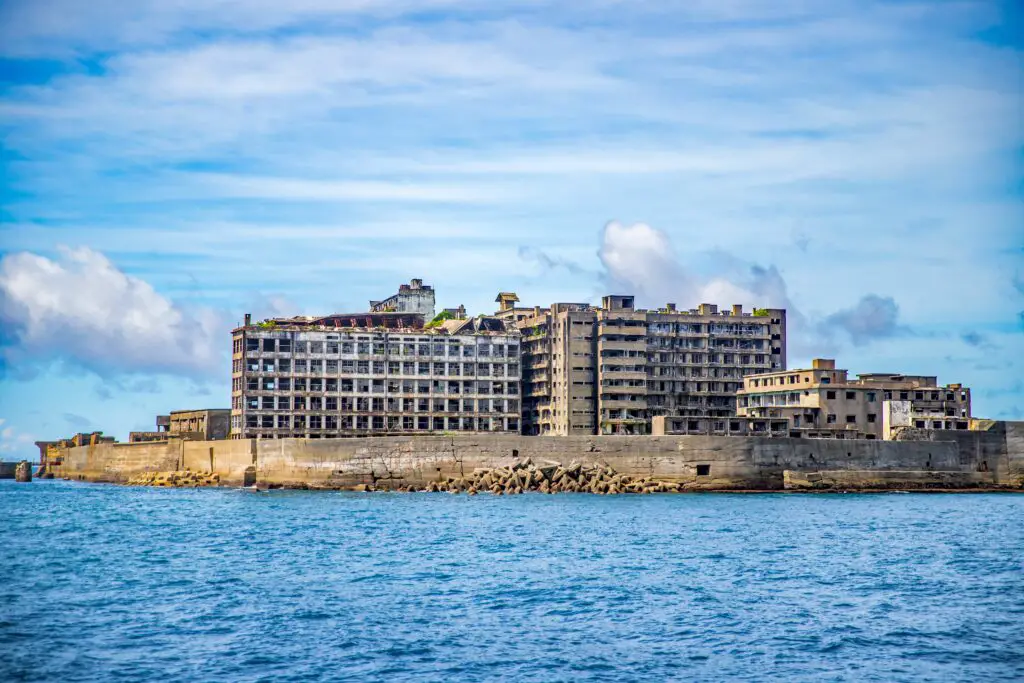
Hashima Island, also known as Gunkanjima, was once one of the most densely populated places in the world. It operated as a coal mining facility owned by Mitsubishi. Workers and their families lived in tightly packed apartment blocks surrounded by seawalls. At its peak, thousands of people lived on the small island.
When Japan shifted from coal to petroleum in the 1970s, the mine closed. Residents left quickly, and the island was abandoned in 1974. Buildings began to deteriorate under harsh weather conditions. Today, parts of the island are open to guided tours, but much of it remains unsafe. It has become a well-known example of industrial decline.
9. Michigan Central Station, Detroit
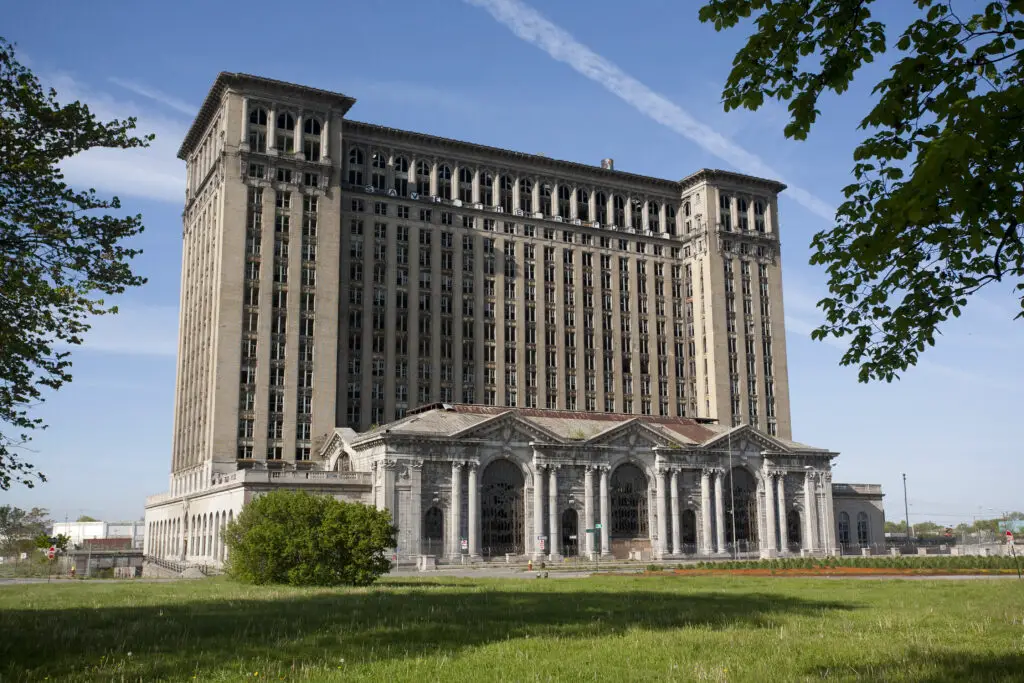
Michigan Central Station opened in 1913 and was once one of the busiest rail hubs in the United States. Travelers passed through its grand halls on their way to and from Detroit, especially during the early 20th century. Its scale and architecture made it feel like a destination in itself.
By the late 20th century, rail travel declined and the station closed in 1988. It sat abandoned for decades, becoming a symbol of Detroit’s economic struggles. Urban explorers and photographers were drawn to its empty, decaying interior. In recent years, restoration efforts led by Ford Motor Company have brought it back into use. While no longer abandoned, it represents a long period when a once-busy place stood empty.
10. Kolmanskop, Namibia
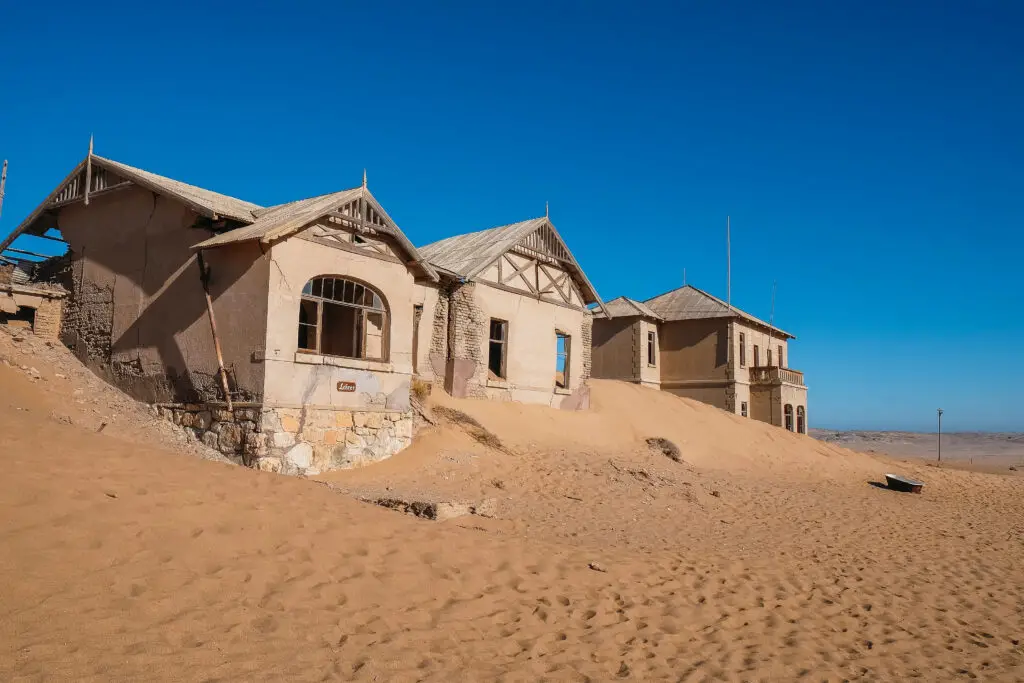
Kolmanskop was founded in 1908 after a railway worker discovered a diamond in the desert, triggering a rush of wealth and development. The town quickly became one of the richest settlements in the region, complete with German-style houses, a hospital, a ballroom, and even the first X-ray station in the southern hemisphere. For a time, it was a surprisingly luxurious place to live, especially considering its remote desert location.
But the diamonds didn’t last forever. By the 1920s, richer deposits were found farther south, and people began leaving in search of better opportunities. The town was gradually abandoned, with the last residents leaving in the 1950s. Over time, desert sand filled the buildings, creating the eerie interiors people recognize today. It’s now preserved as a tourist site, but it remains largely empty of permanent residents.
11. Bodie, California
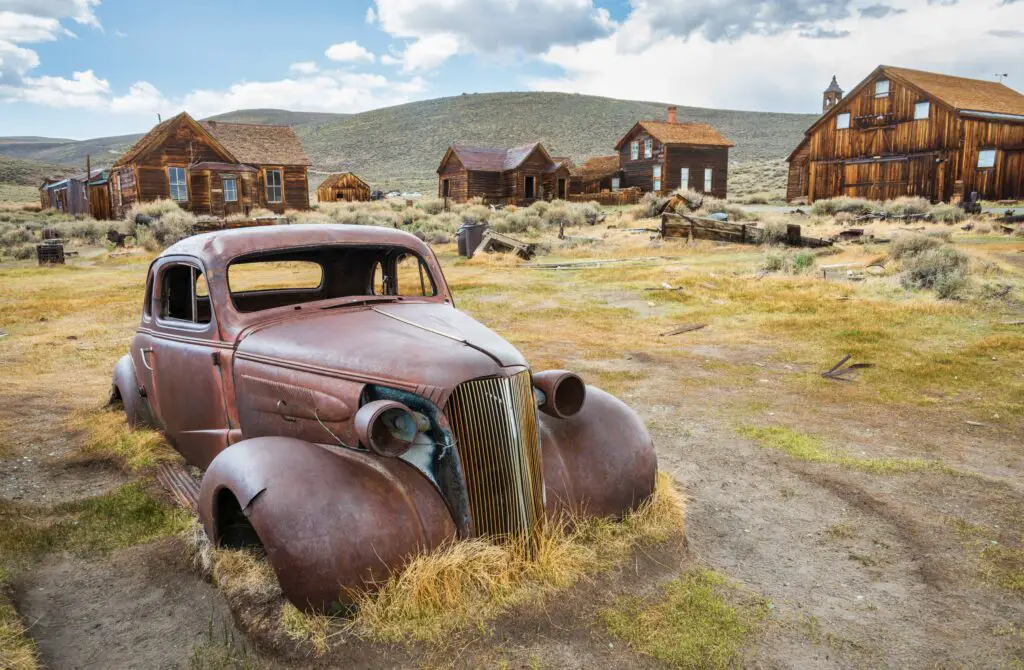
Bodie was once a booming gold rush town in the late 1800s, with a population that reached around 10,000 at its peak. It had everything you would expect from a busy frontier settlement, including saloons, hotels, and a red-light district. Visitors came from all over in search of fortune, and for a while, it was one of the liveliest places in the American West.
As the gold supply dwindled, so did the population. By the early 20th century, people had largely moved on, leaving buildings behind. Fires and natural decay reduced much of the town, but a portion still stands today. It is now maintained in a state of “arrested decay” as a California State Historic Park. Tourists visit, but no one lives there anymore.
12. Craco, Italy
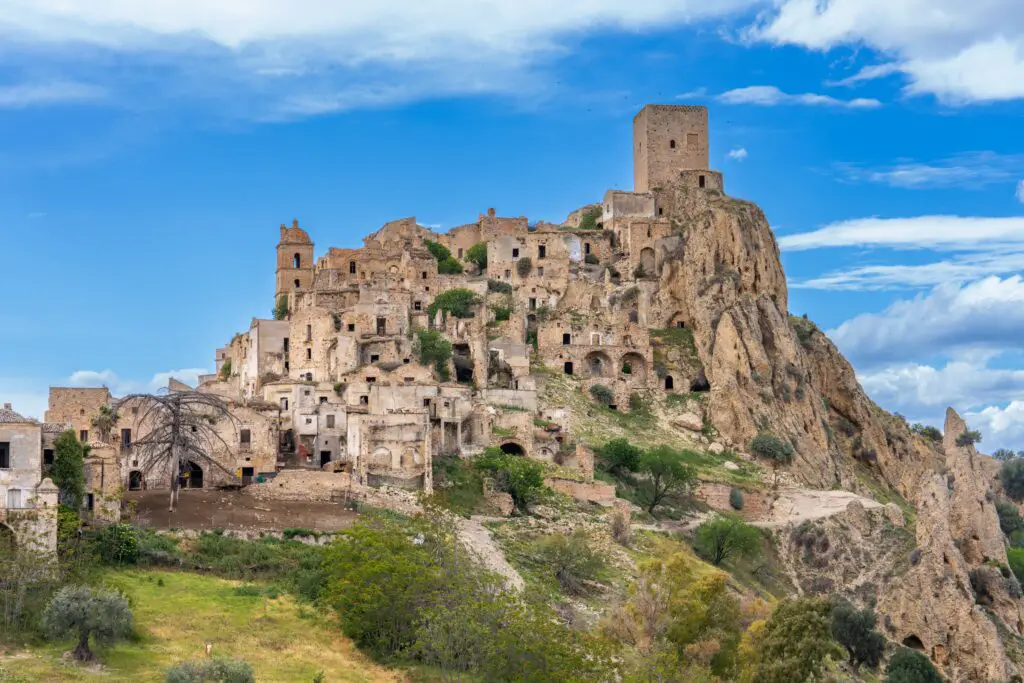
Craco is a medieval village in southern Italy that once had a thriving population and agricultural economy. Its hilltop location made it visually striking and strategically useful for centuries. Families lived there for generations, and it functioned like any small Italian town, with churches, homes, and daily routines.
However, a series of problems forced people out. Landslides, earthquakes, and poor infrastructure made the area increasingly unsafe throughout the 20th century. By the 1960s, residents were relocated to safer ground nearby. The original town was left abandoned, slowly deteriorating over time. Today, it is occasionally used as a filming location but remains empty of permanent life.
13. Picher, Oklahoma
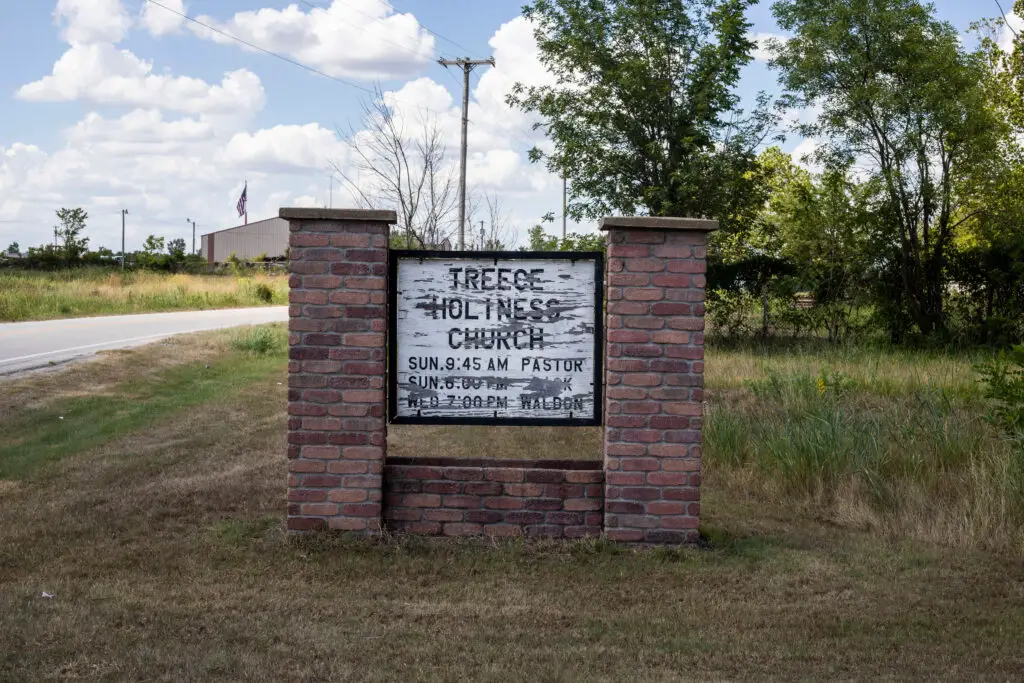
Picher was once a busy mining town in the early 20th century, known for its production of lead and zinc. At its peak, it had thousands of residents and a strong local economy tied to mining operations. People moved there for jobs, and the town developed schools, businesses, and neighborhoods.
The success came at a cost. Decades of mining left behind massive environmental damage, including toxic waste piles and contaminated water. The area was eventually designated part of a federal Superfund site due to health risks. In the 2000s, the government began buying out residents and relocating them. Today, it is largely abandoned, with only remnants of its past still visible.
14. Sanzhi UFO Houses, Taiwan
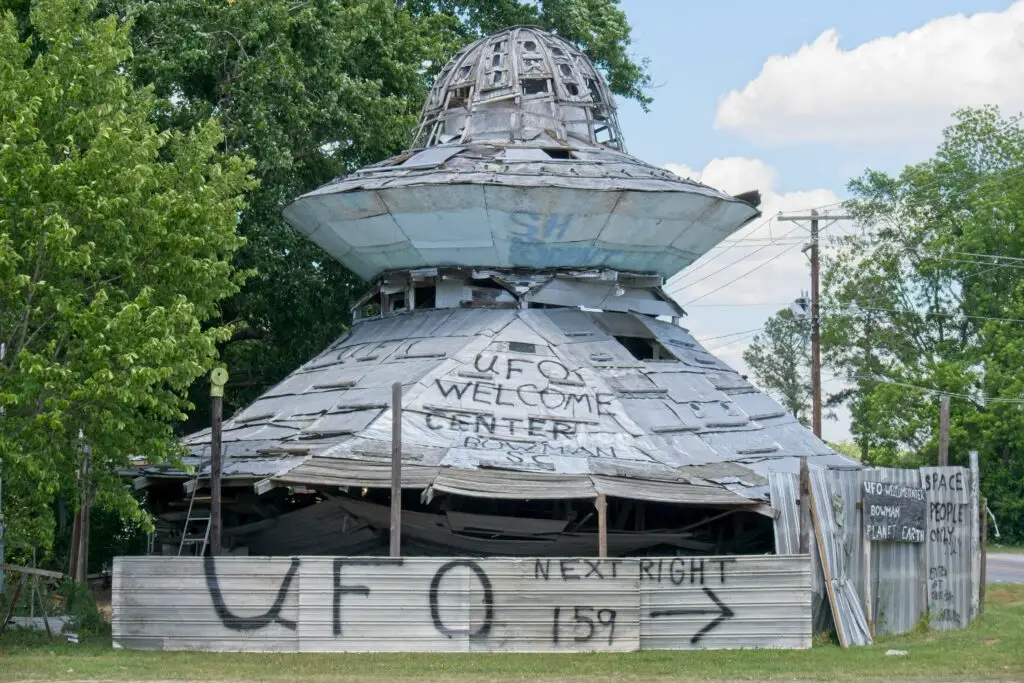
Sanzhi UFO Houses were a futuristic resort project built in the late 1970s near Taipei. The pod-shaped structures were designed to be modern vacation homes, and the development was meant to attract tourists looking for something different. Construction progressed far enough that the unusual buildings became well known locally.
But the project never succeeded. Financial problems, combined with accidents during construction and persistent rumors of bad luck, halted development. The resort was abandoned before it ever opened to the public. For years, the colorful pods sat empty and deteriorating, drawing curiosity from visitors. The site was eventually demolished in 2010, leaving behind only photos and stories of what might have been.