
1. Humans Only Use Ten Percent of Their Brain
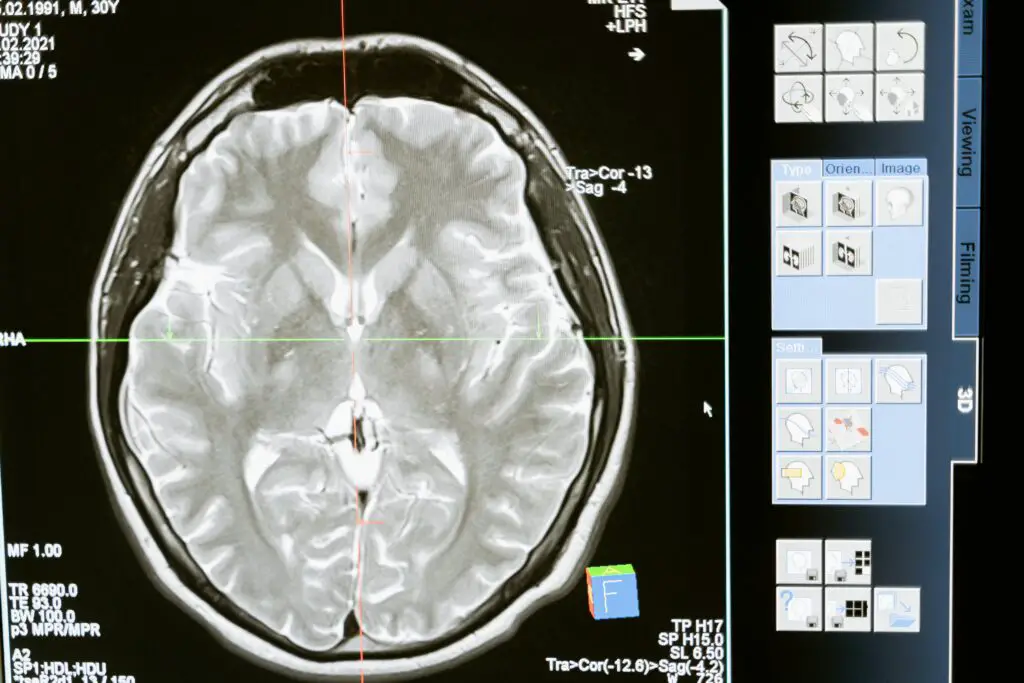
You have probably heard someone say that we are only tapping into a tiny fraction of our brain power, usually right before pitching a miracle productivity hack. It sounds inspiring, like there is some hidden superpower waiting to be unlocked. In reality, brain scans show that we use virtually all parts of the brain over the course of a normal day. Different regions light up depending on what you are doing, whether you are thinking, moving, or resting. There is no massive unused section just sitting idle.
The myth likely stuck because it makes for a great motivational story and an even better movie plot. Neuroscientists have repeatedly explained that even simple tasks activate multiple brain areas working together. Damage to even a small part of the brain can have serious effects, which would not be true if ninety percent were unnecessary. It is comforting to imagine untapped potential, but the truth is that your brain is already working incredibly hard.
2. Chewing Gum Stays in Your Stomach for Seven Years

This one probably came from a well meaning adult trying to scare kids into using the trash can. Swallowing gum feels wrong, so the idea that it lingers for years sounds plausible. The truth is that gum base is not digestible, but it still moves through your digestive system like other indigestible materials. It usually passes in a few days without causing any harm. Your body does not store it like a forgotten sock in a drawer.
Doctors agree that swallowing gum occasionally is not dangerous for most people. Problems only arise in very rare cases when someone swallows large amounts frequently, especially in young children. The seven year claim has no scientific basis at all. It just happens to be a dramatic number that sticks in your memory.
3. Goldfish Have a Three Second Memory
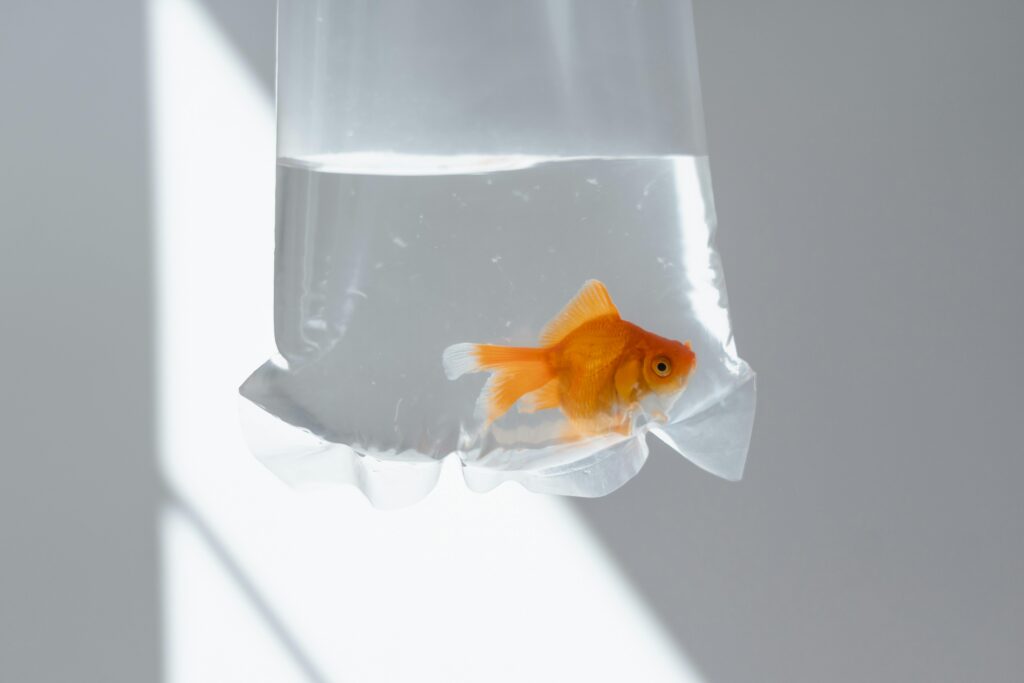
This myth has been repeated so often that it feels almost like a fact of life. Poor goldfish have been unfairly labeled as the poster child for forgetfulness. Studies have shown that goldfish can actually remember things for months, including feeding schedules and simple training tasks. They can even learn to associate certain colors or sounds with food. That is a far cry from three seconds.
The idea probably stuck because fish behavior is easy to misinterpret from outside the tank. They may seem to wander aimlessly, which people mistake for memory loss. In reality, their brains are just different from ours, not defective. If you have ever had a fish that rushes to the glass at feeding time, you have seen this myth fall apart firsthand.
4. Bulls Hate the Color Red

Thanks to bullfighting imagery, many people grow up believing that red sends bulls into a rage. The dramatic waving of a red cape makes the story feel obvious. In reality, bulls are colorblind to red and green shades. What actually provokes them is the movement of the cape, not the color itself. A blue or white cloth would get the same reaction if waved the same way.
This myth survives because the visual is so powerful and culturally ingrained. Bullfighting traditions reinforce the symbolism of red, even though it is not biologically meaningful to the animal. It is a great reminder that what looks dramatic to humans does not always match how animals experience the world. The bull is reacting to motion and perceived threat, not a specific hue.
5. Lightning Never Strikes the Same Place Twice

This saying is often used as a metaphor for rare events, but nature does not follow catchy phrases. Lightning frequently strikes the same spot multiple times, especially tall or conductive structures. Skyscrapers and radio towers can be hit dozens of times in a single year. Even trees and open fields can be struck repeatedly during storms. Physics cares about height, location, and electrical conditions, not superstition.
The phrase stuck because people like neat, reassuring rules about randomness. It makes dangerous events feel more predictable than they actually are. Unfortunately, believing this myth can make people underestimate storm risks. The safest assumption is that lightning can absolutely strike the same place again.
6. Cracking Your Knuckles Causes Arthritis

Many of us were warned about this as kids, usually accompanied by a disapproving look. The popping sound makes it seem like something unhealthy is happening inside your joints. Research has shown no clear link between habitual knuckle cracking and arthritis. The sound comes from gas bubbles forming and collapsing in the joint fluid. It is more noise than damage.
That said, cracking can sometimes cause temporary soreness or reduced grip strength if done excessively. The long term arthritis fear simply does not hold up under medical study. The myth persists because joint health feels fragile and people associate noise with wear and tear. It is another example of how a memorable warning can outlive the evidence.
7. Sugar Makes Kids Hyperactive

Birthday parties and Halloween nights have fueled this belief for generations. It certainly feels like sugar is to blame when kids start bouncing off the walls. Controlled studies, however, have generally found no consistent link between sugar intake and hyperactivity. What often changes behavior is the exciting environment, not the dessert itself. Expectations can also shape what adults think they are seeing.
Parents who expect sugar to cause chaos may unconsciously interpret normal excitement as hyperactivity. The setting matters more than the snack, especially during celebrations. This myth hangs on because it gives a simple explanation for complex behavior. Real life rarely offers such tidy cause and effect.
8. Shaving Makes Hair Grow Back Thicker or Darker

Almost everyone hears this at some point, especially during adolescence. Freshly shaved hair can feel stubbly and look darker at the blunt tip, which creates the illusion of thicker growth. The hair itself is not actually changing in color, thickness, or growth rate. Shaving does not affect the hair follicle under the skin. Biology stays stubbornly consistent no matter how often you shave.
The myth spreads easily because the sensory experience after shaving is so convincing. Touching rough regrowth feels different than soft tapered ends. Over time, as the hair grows out, the illusion fades, but the story sticks. It is a classic case of perception overriding reality.
9. Touching a Baby Bird Makes Its Mother Reject It

This warning has kept many compassionate people nervously stepping away from fallen nestlings. The fear is that human scent will cause a mother bird to abandon her baby. In most species, birds have a very weak sense of smell and do not recognize their young by scent. If the chick is healthy, the parents usually continue caring for it. The bigger risk is leaving the bird exposed to predators or weather.
Wildlife experts often encourage gently placing fallen chicks back in the nest when possible. The myth persists because people want to avoid doing harm and the warning feels protective. It also fits into a broader fear of human interference with nature. In this case, helping is often better than doing nothing.
10. Toilets Always Flush in Opposite Directions in Different Hemispheres

This one sounds delightfully scientific and gets repeated in travel trivia conversations. The Coriolis effect does influence large scale weather patterns, but it does not meaningfully control household toilets. The direction of a toilet’s swirl is determined by the design of the bowl and plumbing. Two toilets in the same building can even flush in opposite directions. Geography has little to do with it.
The myth sticks because it gives people a simple way to visualize Earth’s rotation. It feels clever and authoritative when shared. Unfortunately, bathroom physics are far less glamorous than global atmospheric forces. It is a fun story that collapses under basic testing.
11. Napoleon Was Exceptionally Short

Calling someone a “Napoleon complex” keeps this myth alive in everyday language. Many people picture Napoleon Bonaparte as tiny and comically undersized. Historical records show that he was around average height for a man of his era. Confusion came from differences between French and British measurement systems and political caricatures meant to mock him. Propaganda did a lot of heavy lifting here.
Once an image gets locked into popular culture, it becomes hard to shake. Cartoons and jokes reinforced the stereotype for generations. It is a reminder that history can be distorted by translation errors and national rivalry. Napoleon’s reputation suffered more from ink than inches.
12. Vikings Wore Horned Helmets

This image is everywhere, from cartoons to football logos. Horned helmets make Vikings look more dramatic and intimidating. Archaeological evidence shows that Viking helmets were practical and horn free. Horns would have been dangerous and impractical in real combat. The design likely originated in nineteenth century opera costumes and romantic art.
Once the theatrical image took hold, it became the default visual shorthand for Vikings. Accuracy lost out to spectacle and symbolism. Even museums sometimes have to actively correct visitors on this point. It is a great example of entertainment rewriting historical memory.
13. Hair and Nails Keep Growing After Death

This one sounds eerie and feeds into ghost story vibes. People sometimes claim that hair and nails continue to grow on corpses. In reality, growth stops when the body’s biological processes stop. What actually happens is that the skin dehydrates and retracts, making hair and nails appear longer. It is an optical illusion caused by physical changes, not growth.
The myth persists because the visual effect can be unsettling and memorable. It fits neatly into our fascination with the macabre. Without understanding the underlying biology, the illusion feels like proof. Science offers a much less spooky explanation.
14. Swallowed Watermelon Seeds Will Grow in Your Stomach

Many kids have stared suspiciously at a watermelon seed after hearing this warning. The idea of a plant sprouting inside you is vivid and a little terrifying. Digestive acids break down seeds, and there is no soil, sunlight, or space for growth inside the body. Seeds simply pass through like other fibrous material. No internal garden is forming.
The myth likely endured because it was an effective way to encourage careful eating. It also taps into a basic misunderstanding of how plants grow. Once you picture the logistics, the story quickly falls apart. Still, it remains a favorite childhood scare tale.
15. Microwave Ovens Make Food Radioactive
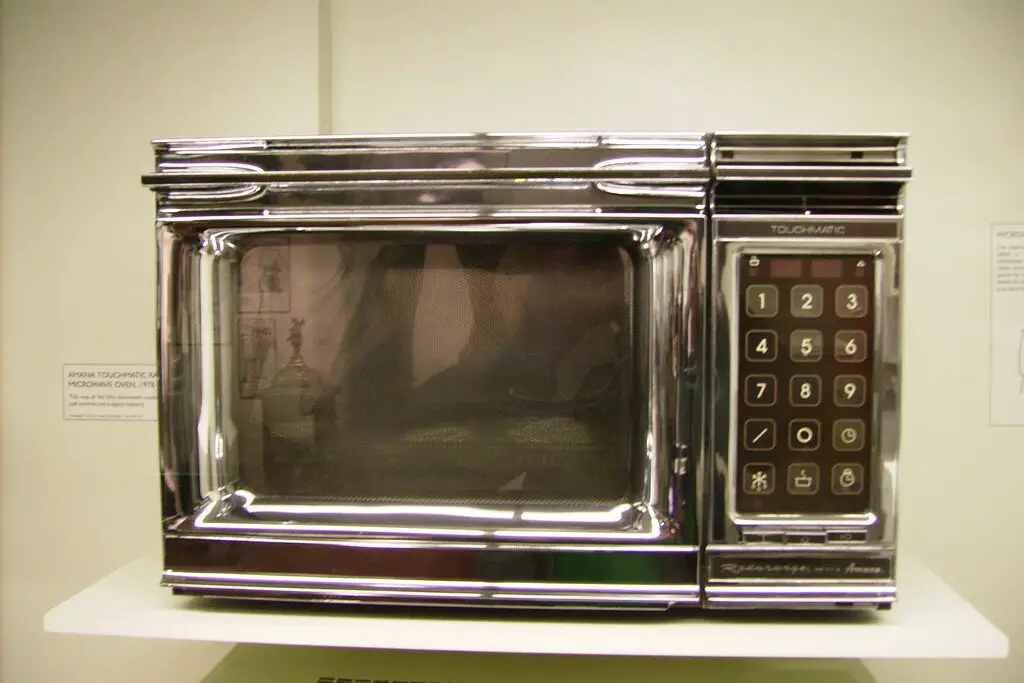
Some people remain wary of microwaves, imagining invisible radiation lingering in their dinner. Microwave ovens use non ionizing radiation to excite water molecules and heat food. This process does not make food radioactive or unsafe. Once the microwave stops, the energy is gone. The food is no different than food heated on a stove.
The confusion comes from the word “radiation,” which understandably sounds alarming. Not all radiation behaves the same way or carries the same risks. Decades of use and testing have shown microwaves to be safe when used properly. The myth survives mostly because fear travels faster than physics.