
1. The Reserved Seat Strategy

There is an invisible nameplate on every chair in the living room, and heaven help the guest who accidentally sits in Dad’s recliner. Even if he hasn’t sat in it for three hours, that specific patch of leather is his sovereign territory. You learned early on that certain spots are off-limits because of a deep-seated domestic hierarchy. It isn’t just about comfort; it’s about the unspoken rhythm of the house.
Moving to someone else’s “spot” feels like a minor act of treason. If you’re a sibling, you might try to steal a seat just to start a fight, but you always know you’ll be moved eventually. This rule extends to the dinner table where every person has a designated coordinate. No one ever assigned these seats in a formal meeting. They were simply claimed through years of repetitive habit and silent agreement.
2. The Passenger Seat Hierarchy

The front passenger seat is a position of high honor that requires a specific set of reflexes and duties. While the driver handles the road, the “shotgun” occupant is the designated DJ, navigator, and snack distributor. You understood from childhood that the oldest child usually gets first dibs, or perhaps it’s a first-come, first-served sprint to the car door. If you aren’t the one driving, you better be ready to handle the auxiliary cord with grace.
Being relegated to the back seat means you’ve lost the power struggle for the trip. The person up front has the unspoken responsibility of keeping the driver awake and entertained. It’s a role that demands focus, as failing to find the right song can ruin the vibe of a long commute. We all know the frantic feeling of “calling shotgun” before anyone else even reaches for their keys. This rule keeps the peace and ensures the most capable co-pilot is in charge of the maps.
3. The Tupperware Return Policy
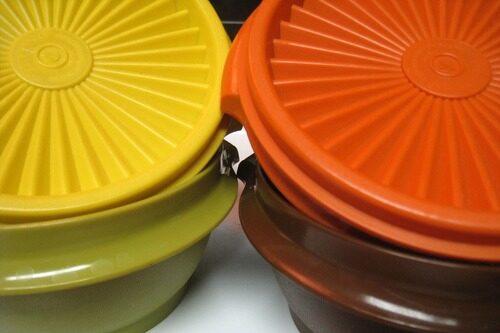
If a relative gives you leftovers in a plastic container, that container is essentially a high-stakes loan. You are legally and morally obligated to return that specific Tupperware, preferably clean and within a reasonable timeframe. It doesn’t matter if it’s a mismatched lid or a stained bowl from the nineties; it is a family heirloom in disguise. Forget to return it, and you might find yourself excluded from the next round of potato salad.
The cycle of plastic containers is how families show love through food. However, the unspoken rule is that you never return the container empty. If you received a batch of cookies, you should probably send it back with some brownies or at least some fruit. This creates a never-ending loop of domestic exchange that keeps everyone fed. It’s a silent language of care packaged in microwave-safe vessels.
4. The “We’ll See” Translation

When a parent says “we’ll see,” every child knows that the answer is actually a definitive no. It is the gentlest way of shutting down a request without triggering an immediate tantrum. You learned to recognize the specific tone of voice that accompanied this phrase, signaling the end of the negotiation. It wasn’t a promise of future consideration; it was a stay of execution for your hopes.
As you grew older, you realized this was a survival tactic for exhausted parents. They didn’t want to argue about the theme park or the new toy in the middle of a grocery store. By saying “we’ll see,” they bought themselves hours of peace until the request was forgotten. You stopped asking for updates because you knew the outcome was already sealed. It remains the most effective stalling technique in the history of parenting.
5. The Tupperware Cabinet Chaos

Everyone knows that opening the Tupperware cabinet is like playing a dangerous game of Jenga. There is an unspoken agreement that we will all just shove the containers back in and close the door as fast as possible. No one has the time or the emotional energy to actually organize the lids by size. We collectively accept the minor avalanche that occurs every time someone needs a sandwich container.
The hunt for a matching lid is a universal family struggle that unites us all. You can spend ten minutes searching for a square lid only to realize you only have circular ones left. Instead of fixing the system, we just keep adding to the pile of mismatched plastic. It’s a chaotic corner of the kitchen that reflects the beautiful mess of family life. We all just hope the next person is the one who finally snaps and organizes it.
6. The Thermostat Forbidden Zone

Touching the thermostat is considered a high-level security breach that requires a clearance level most family members don’t possess. There is usually one person in the house who acts as the Guardian of the Temperature, and their word is law. If you’re cold, the unspoken rule is to put on a sweater rather than nudge the dial up a single degree. The financial and environmental stakes are treated with the gravity of a national crisis.
You learned to walk past that little plastic box on the wall without even making eye contact. Changing the temperature is seen as an act of financial recklessness that could bankrupt the household. Even if the windows are frosting over, the designated guardian will insist that the current setting is “perfectly fine.” This rule creates a culture of layering clothes and huddling under blankets. It’s less about the actual heat and more about the principle of the bill.
7. The Last Slice Standoff

When a pizza box is down to the final slice, a period of profound social politeness begins. No one wants to be the “greedy one” who takes the last piece without asking everyone else first. You might see three different people offer it to each other, knowing full well they all want it. It’s a delicate dance of manners where the winner is usually the person who can wait the longest.
Sometimes that last slice will sit in the box for an hour because everyone is too afraid to claim it. We’ve all seen a single wing or a lone mozzarella stick go cold because of this unwritten etiquette. Eventually, someone will make a joke about “finishing it off” to break the tension. It’s a test of character and self-restraint that happens at every family gathering. Taking it without asking is a sure way to be judged for the rest of the night.
8. The Volume Level Agreement

There is a specific number on the television volume display that the family has collectively decided is “the loud one.” If someone goes past that number, they are met with a chorus of “turn that down” from across the house. We all have a baseline for what constitutes a reasonable level of noise for a Tuesday night. This rule ensures that the house stays at a consistent hum rather than a chaotic roar.
Commercials are the natural enemy of this rule because they always seem to be twice as loud as the show. You become the unofficial remote-bearer, ready to pounce on the mute button at a moment’s notice. It’s about maintaining the peace and making sure the neighbors don’t think we’re hosting a rock concert. Even if you’re alone, you probably stick to that “safe” volume out of habit. It’s a communal standard that keeps the living room habitable.
9. The Grocery Bag One-Trip Challenge
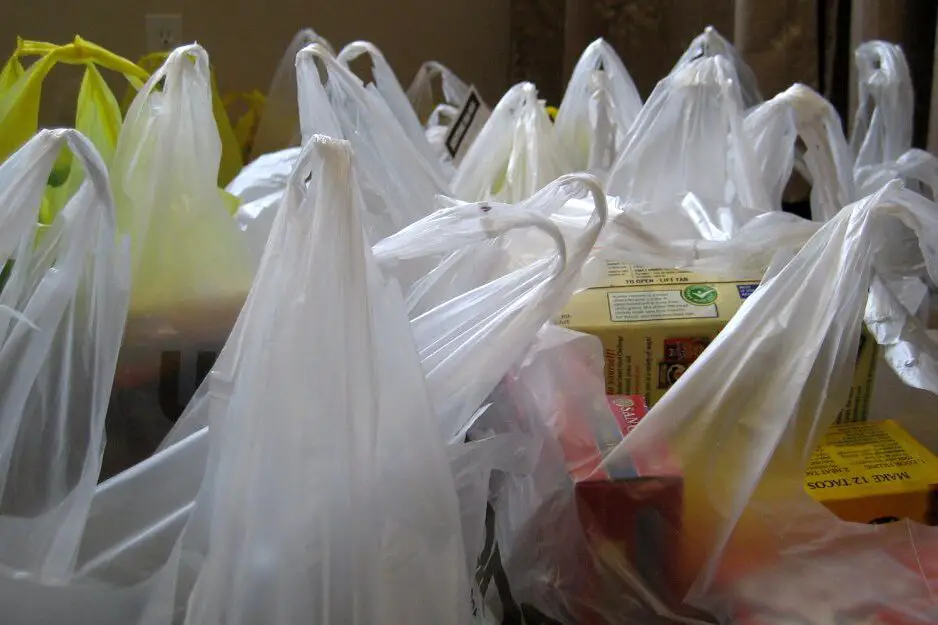
Walking from the car to the kitchen with groceries is a test of physical strength and sheer willpower. The unwritten rule is that you must carry every single bag in one trip, no matter how many there are. Using two trips is seen as a sign of weakness or a failure of planning. You will loop fifteen plastic handles around your fingers until your circulation cuts off just to prove a point.
Your arms might be shaking and your fingers might be turning purple, but you will not turn back. It’s a point of pride to kick the front door open while balanced precariously under a mountain of milk and bread. Your family watches with a mix of concern and respect as you stumble toward the counter. Once the bags are dropped, you feel a sense of triumph that a second trip could never provide. This is the unofficial sport of the suburban household.
10. The “Not a Word” Look

Every family has a specific facial expression that conveys a thousand words of warning without a single sound. It’s usually delivered by a parent in a public place when a child is on the verge of misbehaving. You don’t need a verbal explanation to know that you are currently on thin ice. That look is a universal remote for behavior, capable of stopping a tantrum in its tracks.
This silent communication also works for inside jokes or shared discomfort during a boring event. You can catch your sibling’s eye across a crowded room and know exactly what they’re thinking about the weird uncle. It’s a secret code developed through years of shared experiences and close quarters. These looks are the glue that holds the family social fabric together during stressful moments. You learn to read the room by reading the faces of the people who know you best.
11. The Kitchen Sink Deadline
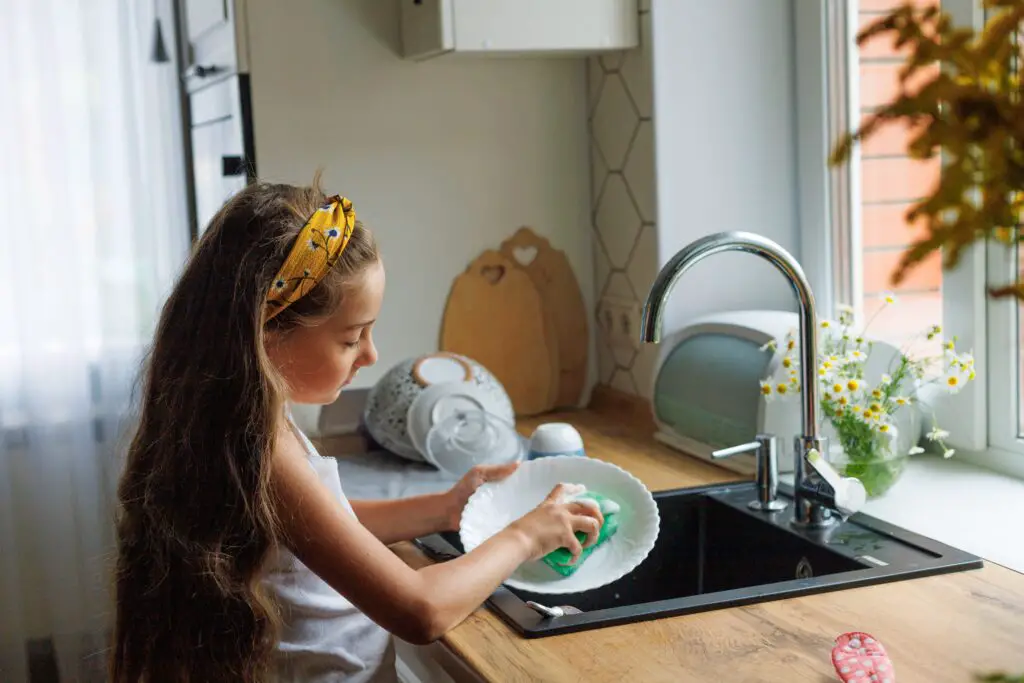
Placing a dirty dish in a sink that is already full of clean ones is a cardinal sin. There is an unspoken rule that the sink should be cleared before the next meal begins to avoid a backlog of grime. If you add your crusty cereal bowl to a stack of drying plates, you are asking for trouble. Everyone understands that the “soaking” excuse only works for about twenty minutes before it becomes a lie.
The sink is the heart of the kitchen’s workflow, and blocking it is a logistical nightmare. You learned that if you see the sink is empty, you should try to keep it that way for as long as possible. There’s a specific guilt that comes with being the person who breaks the “clean sink” streak. We all just want to avoid the dreaded Saturday morning deep-clean of the kitchen. Keeping the dishes moving is the only way to survive the daily grind.
12. The Phone Call Silence

Whenever a family member answers a phone call, the rest of the room must immediately drop to a whisper. It doesn’t matter how important your conversation was; the person on the other end of the line takes priority. You learned to use exaggerated hand gestures and mouthed words to communicate while the call is active. This rule shows respect for the caller and ensures the person on the phone can actually hear.
If the call is from a grandparent, the silence becomes even more profound and respectful. You might even find yourself tiptoeing out of the room to give them complete privacy. It’s an instinctive reaction to the ringing of a phone that turns a noisy house into a library. We all wait for the “okay, bye” signal to resume our normal volume levels. This silent pact keeps the household running smoothly during those frequent digital interruptions.