
1. The Quiz Show Scandal That Shook Twenty-One
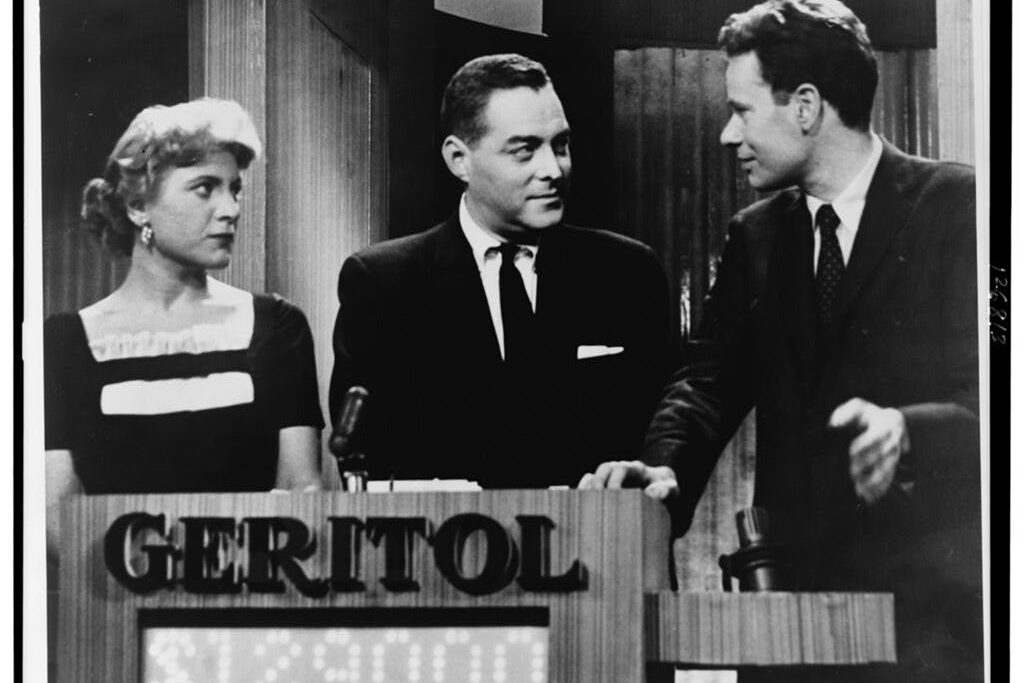
In the late ’50s, viewers believed shows like Twenty-One were legitimate tests of knowledge, but that illusion didn’t last. Contestant Charles Van Doren became a household name after a long winning streak, only for it to later emerge that producers had fed him answers. The scandal came to light in 1959 during congressional hearings, exposing how deeply manipulated these shows were. For years before that, audiences had no idea anything was wrong. The revelation was shocking because quiz shows had been marketed as honest competitions. It fundamentally changed how people viewed television.
Behind the scenes, producers were under intense pressure to keep ratings high, and fixing outcomes became a way to guarantee drama. Van Doren eventually admitted his role, which damaged his reputation and ended his TV career. Networks quickly canceled several quiz programs to avoid further fallout. The scandal led to stricter regulations and oversight in broadcasting. Even so, it took years before the public fully understood how widespread the deception had been. It remains one of the earliest major TV controversies.
2. Lucille Ball and the Red Scare Headlines
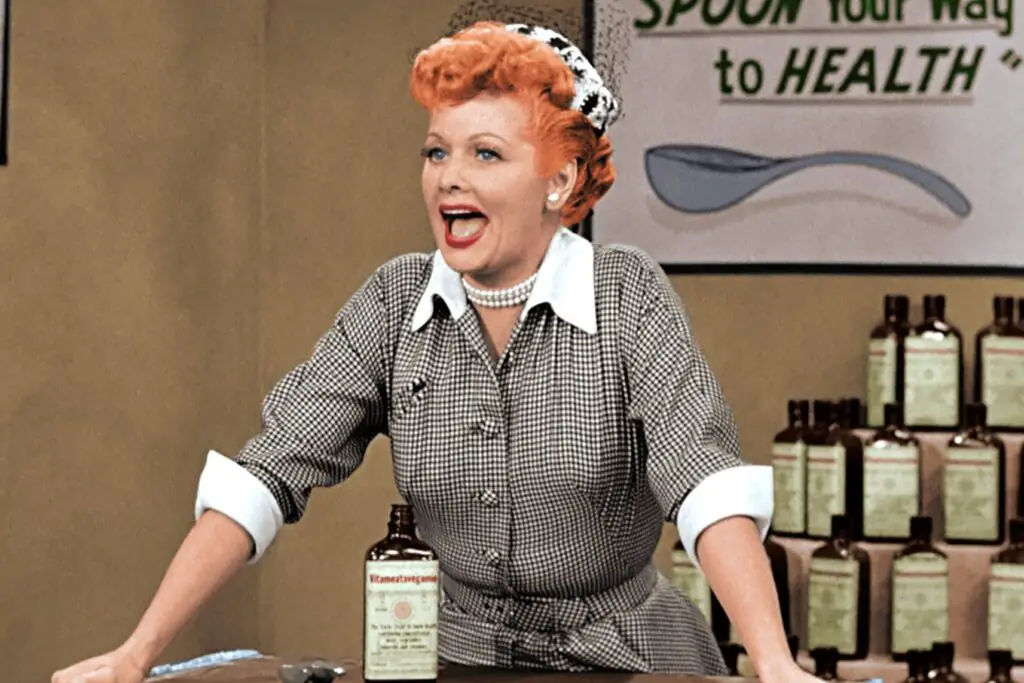
During the height of I Love Lucy’s success, Lucille Ball found herself pulled into political controversy. In 1953, it was revealed that she had once registered to vote as a Communist in the 1930s. At the time, that kind of association could destroy a career. The story broke suddenly, but Ball had actually disclosed it years earlier without much attention. For a brief moment, it threatened to derail one of television’s biggest shows. Many viewers never realized how close it came to becoming a full-blown scandal.
Ball addressed the situation publicly, explaining that her registration had been influenced by her grandfather and did not reflect her beliefs. Her husband, Desi Arnaz, even joked about it during a live audience taping to defuse tension. The strategy worked, and the show continued without interruption. Still, the incident lingered quietly in the background of her career. It’s a reminder of how volatile the entertainment industry was during the Red Scare. For years, it was discussed more behind closed doors than in public.
3. Bill Cosby’s Early Reputation Concerns on The Cosby Show
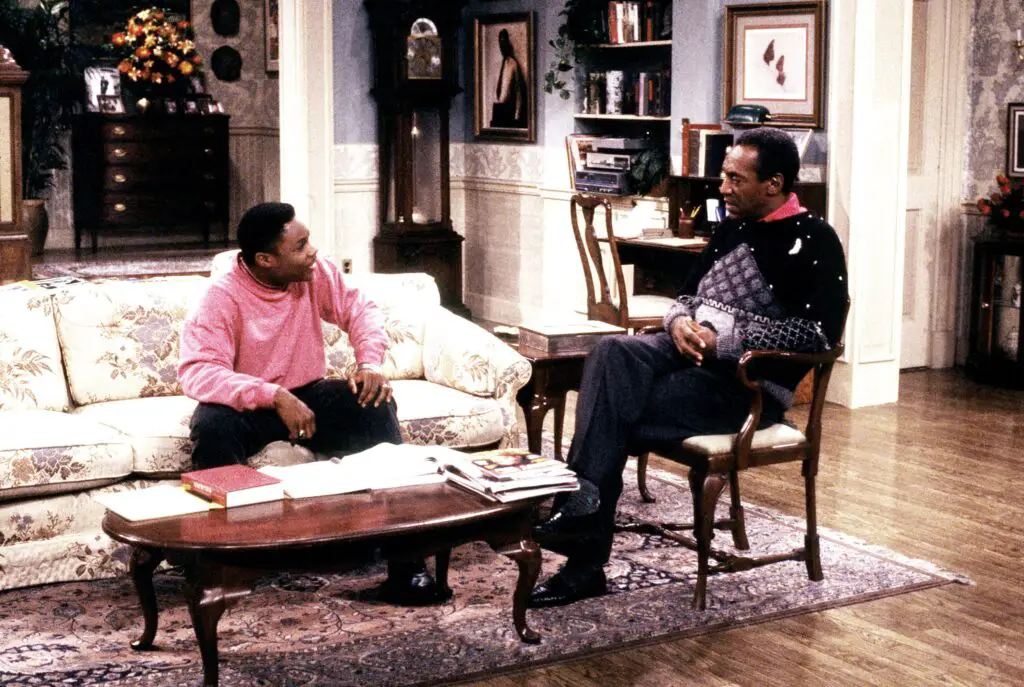
While The Cosby Show was widely praised in the ’80s for its positive portrayal of family life, rumors about Bill Cosby’s behavior circulated quietly for years. These allegations did not gain widespread attention until decades later, but some concerns were reportedly known within certain industry circles earlier. At the time, the show remained one of the most beloved sitcoms on television. Most viewers had no awareness of any controversy. The disconnect between public image and private accusations was striking.
When allegations became widely public in the 2010s, it led to a reevaluation of Cosby’s legacy and the show itself. Reruns were pulled from syndication in many places, and his reputation changed dramatically. The situation highlighted how long serious issues can remain unaddressed in the entertainment industry. It also raised questions about who knew what and when. For many fans, it was a difficult shift after years of admiration. The scandal’s roots, however, stretched much further back than most realized.
4. Gary Coleman’s Financial Exploitation
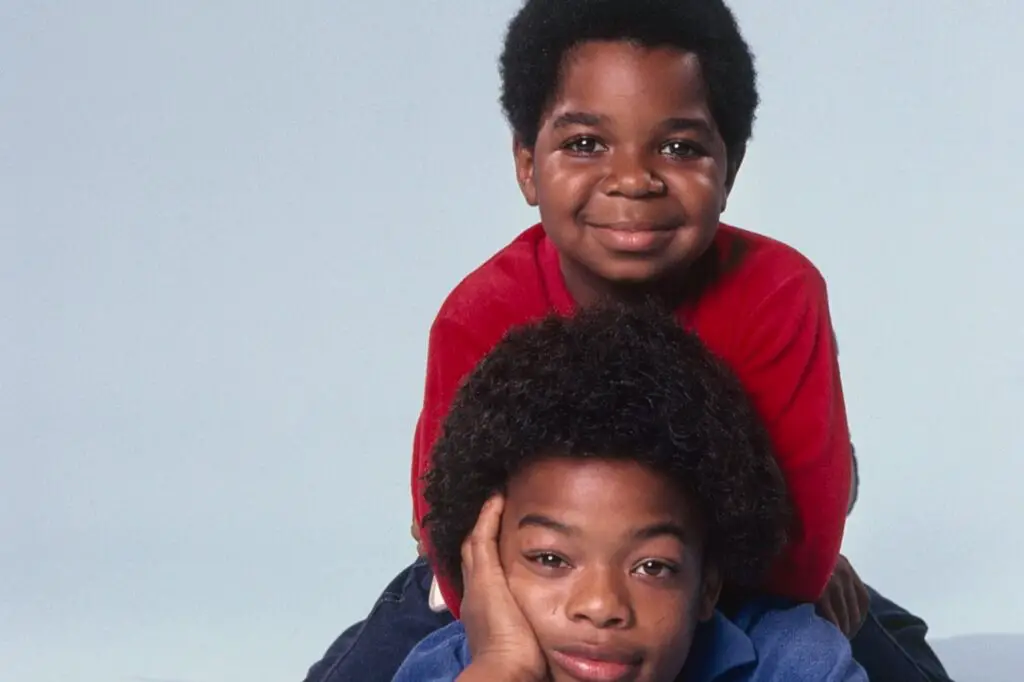
Gary Coleman became one of the most recognizable child stars on Diff’rent Strokes, but his financial situation told a different story. Despite earning substantial income, he later revealed that most of his money had been mismanaged by his parents and advisers. The issue wasn’t widely understood during the show’s run in the late ’70s and early ’80s. Fans saw a successful young actor, not someone dealing with serious financial loss. It wasn’t until years later that the extent of the problem became clear.
Coleman eventually sued his parents and won a settlement, but the damage had already been done. His experience brought attention to the lack of protections for child actors at the time. While laws like the Coogan Act existed, enforcement and oversight were inconsistent. The situation quietly influenced future discussions about child star earnings. It also added a layer of complexity to how people viewed his career. What seemed like a success story had a much more complicated reality.
5. Shannen Doherty’s Exit from Beverly Hills, 90210
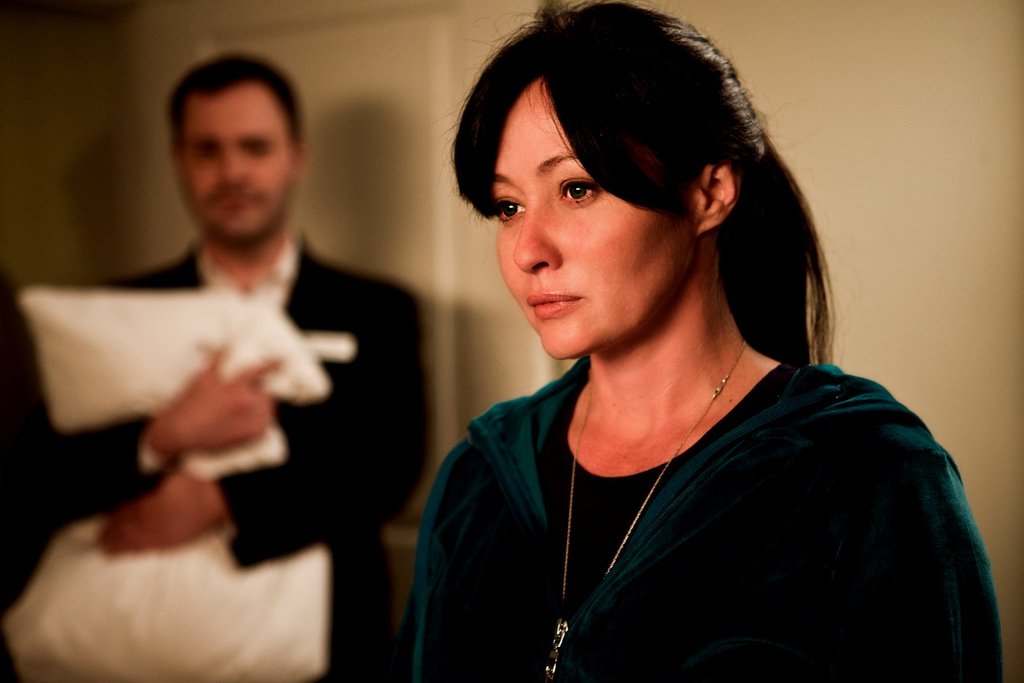
During the early ’90s, Beverly Hills, 90210 was one of the biggest shows on TV, but tensions behind the scenes were building. Shannen Doherty reportedly had conflicts with cast members and production staff, which eventually led to her departure. At the time, details were not fully public, and her exit was explained vaguely. Fans were left to speculate about why one of the show’s central characters disappeared. The real reasons took years to become widely understood.
Co-stars later spoke about the challenges of working together during that period, confirming that there had been ongoing issues. Doherty herself has addressed the situation in interviews, offering her perspective. The incident became one of the more talked-about behind-the-scenes stories of the era, but only in hindsight. During the show’s peak, much of it remained under wraps. It’s a classic example of how networks managed public narratives carefully. The full story emerged gradually over time.
6. Roseanne Barr’s National Anthem Controversy
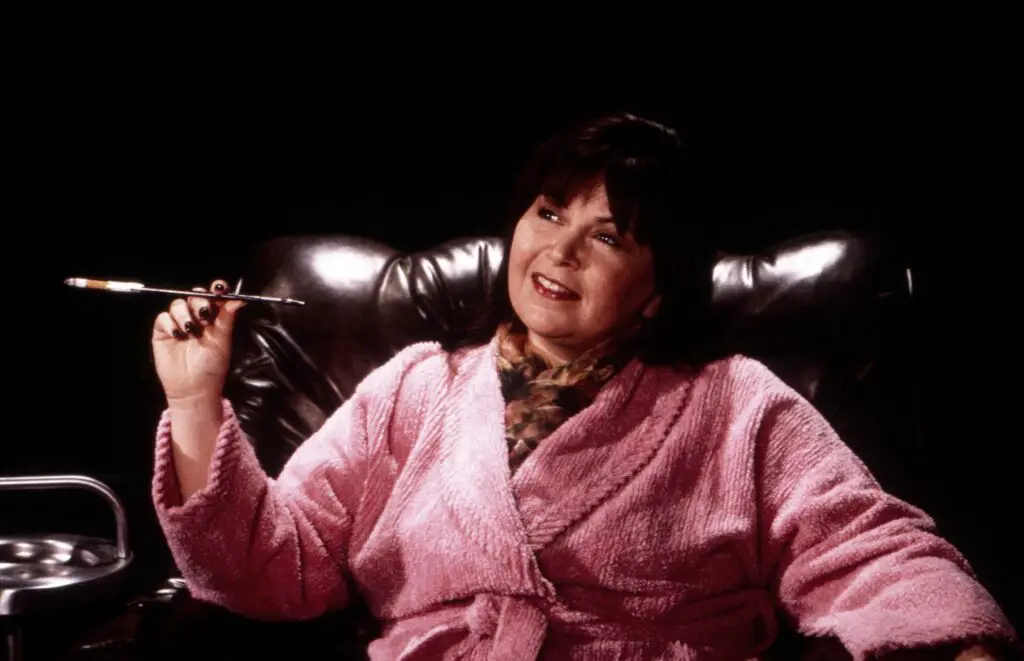
In 1990, while starring in Roseanne, Roseanne Barr performed the national anthem at a San Diego Padres game. Her intentionally off-key rendition and subsequent behavior sparked immediate backlash. The incident became national news, but its long-term impact on her career was more complex. At the time, it didn’t immediately derail her show’s success. However, it created tension between her public persona and audience expectations.
Behind the scenes, the controversy added pressure to an already demanding production environment. Barr later defended her actions as comedic, but critics saw it as disrespectful. Over time, the incident became part of her broader reputation for pushing boundaries. While widely remembered now, its deeper impact unfolded more quietly. It contributed to ongoing scrutiny of her behavior. The moment remains one of the most unusual celebrity controversies tied to a sitcom star.
7. Michael Richards’s Post-Seinfeld Fallout
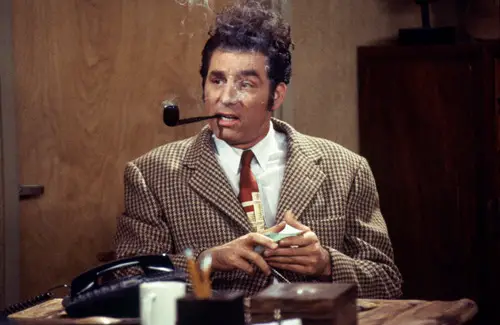
After Seinfeld ended in 1998, Michael Richards largely stepped away from the spotlight. In 2006, he became involved in a controversy following an incident during a stand-up performance where he used racial slurs. While this happened after the show’s run, it affected how audiences viewed his earlier work. The connection to Seinfeld made the situation more significant. For years, Richards had been associated with one of television’s most beloved characters.
The incident led to widespread criticism and a public apology. It also effectively halted his stand-up career. Although the controversy did not occur during the show’s original run, it reshaped its legacy in subtle ways. Some fans found it difficult to separate the actor from the character. The situation demonstrated how off-screen actions can influence long-term perceptions. It remained a lingering issue tied to the show’s history.
8. Danny Thomas and Creative Control Battles
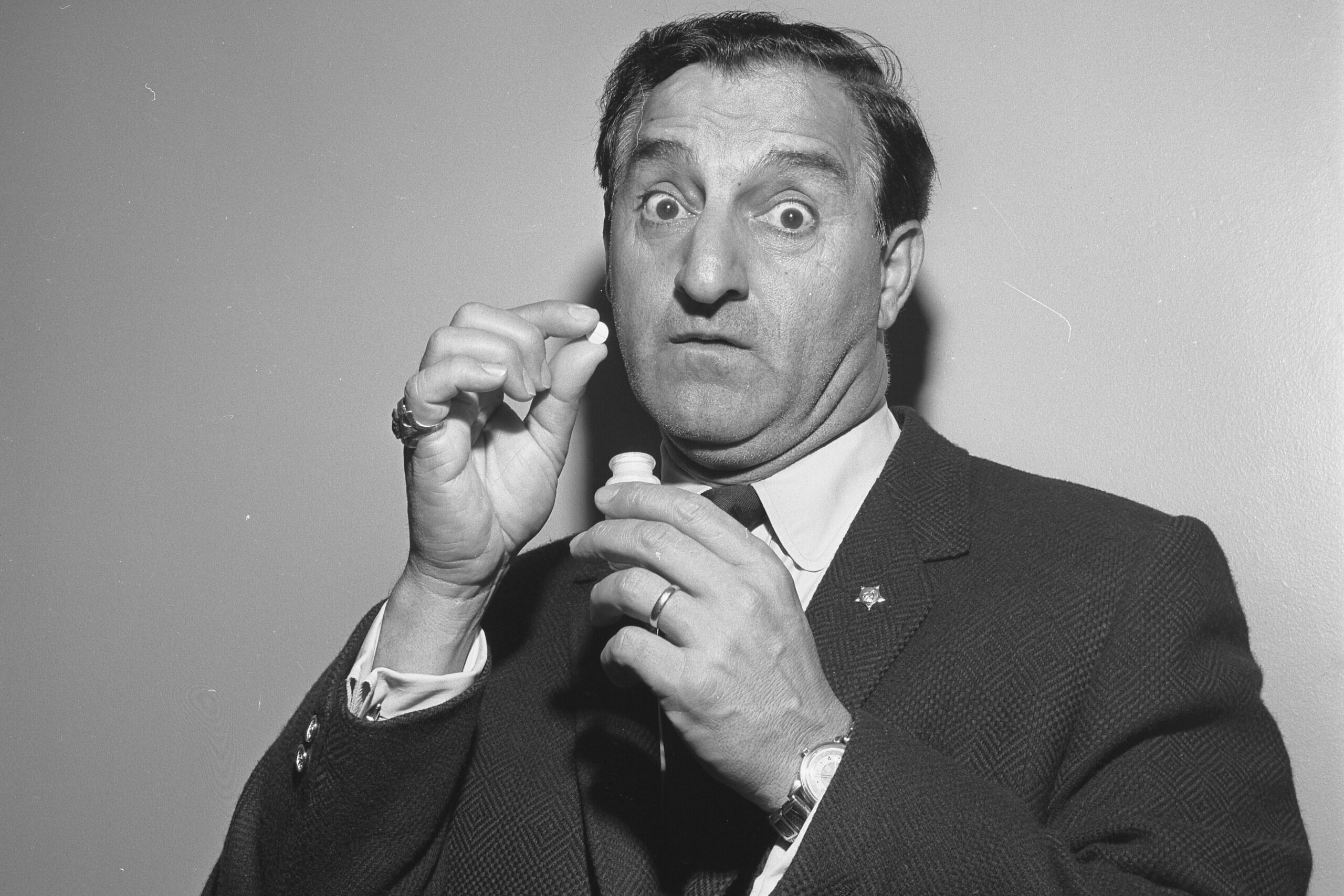
Danny Thomas was a major television star in the ’50s and ’60s, but his influence extended beyond acting. He had significant control over The Danny Thomas Show, which led to conflicts with writers and producers. These disagreements were not widely publicized at the time. Viewers saw a polished sitcom, not the tension behind the scenes. The creative struggles remained largely internal.
Over time, stories emerged about Thomas’s demanding standards and involvement in production decisions. While some credited him with maintaining quality, others found the environment challenging. These dynamics were common in early television but rarely discussed openly. The situation illustrates how much control some stars had during that era. It also shows how networks kept internal conflicts out of public view. The full picture became clearer only years later.
9. Suzanne Somers’s Contract Dispute
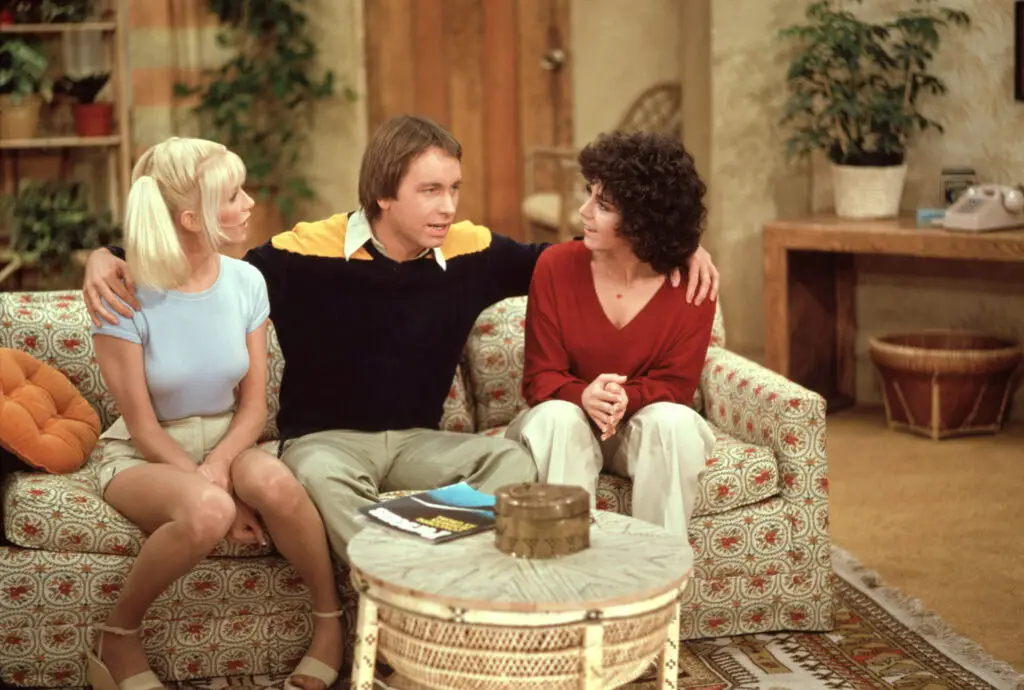
Suzanne Somers was one of the breakout stars of Three’s Company, but her time on the show ended abruptly. In 1980, she requested a significant salary increase, seeking pay comparable to her male co-star. When negotiations failed, she was written out of most episodes and eventually fired. At the time, details of the dispute were not fully explained to viewers. It seemed like a sudden disappearance.
Years later, Somers and others spoke openly about the situation, framing it as a broader issue of pay equity. The conflict became one of the most well-known contract disputes in TV history. It also highlighted how studios handled salary negotiations behind closed doors. For a long time, fans only saw the on-screen changes. The real story unfolded gradually through interviews and retrospectives. It remains a defining moment in sitcom history.
10. Redd Foxx’s Walkout
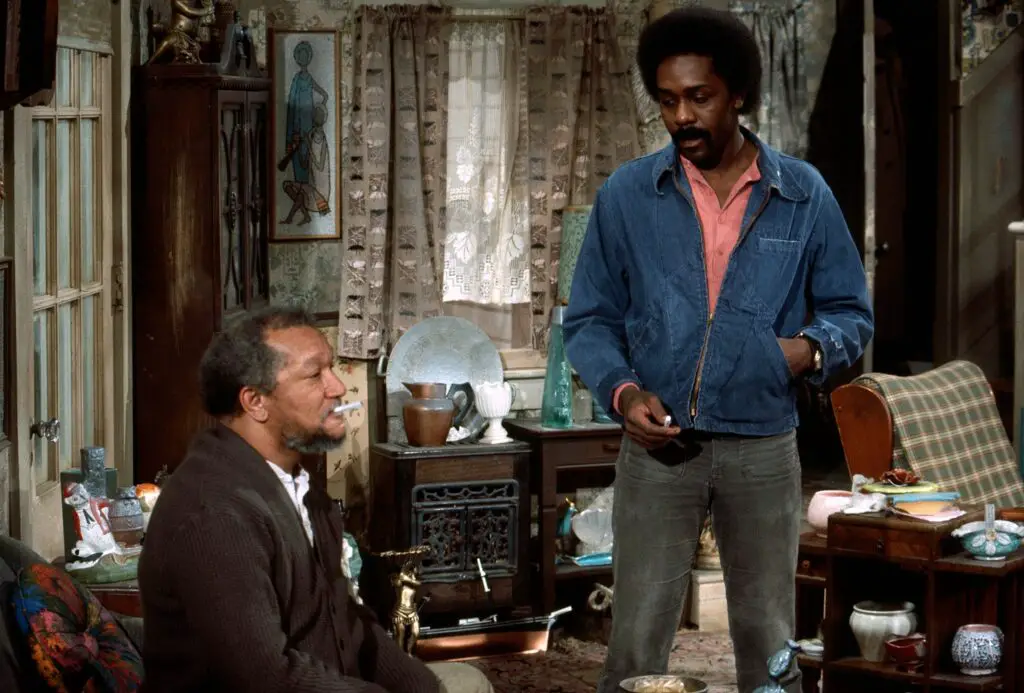
During the run of Sanford and Son, Redd Foxx temporarily left the show in 1974 due to a contract dispute. Production was disrupted, and the show continued with replacement storylines. At the time, the reasons for his absence were not fully explained to the audience. It appeared as though the show was simply adjusting its format. The behind-the-scenes conflict was largely kept quiet.
Foxx eventually returned after reaching a new agreement, and the show continued successfully. However, the incident revealed tensions between stars and networks over compensation. These disputes were more common than viewers realized. The situation also demonstrated the importance of Foxx to the show’s success. Without him, the dynamic changed significantly. It’s a lesser-known example of how contract issues shaped classic TV.
11. Janet Hubert’s Sudden Replacement
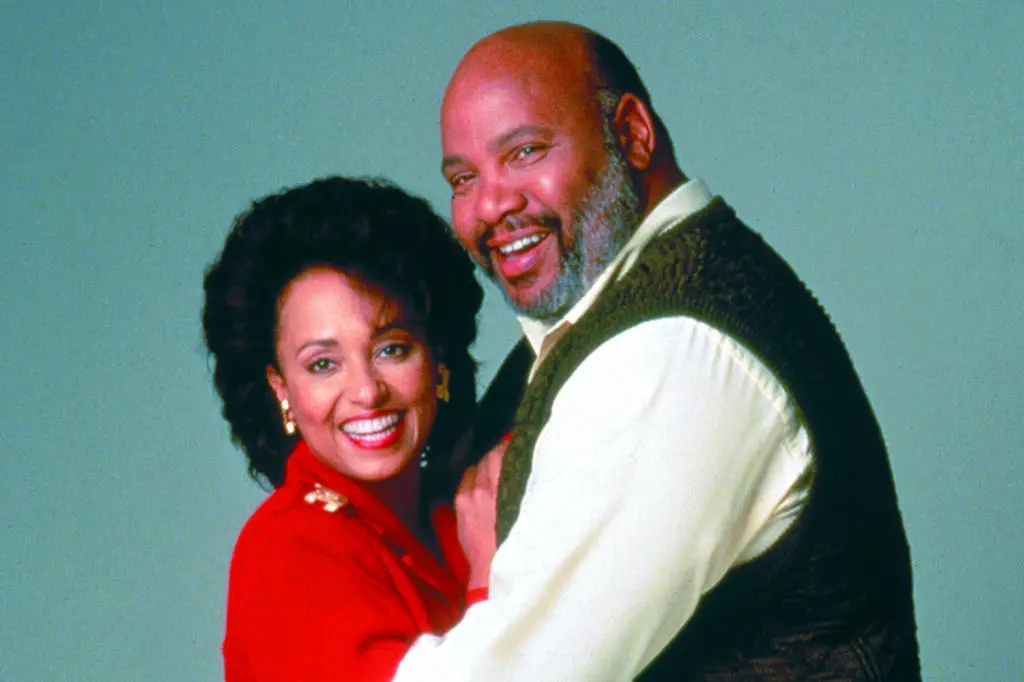
Janet Hubert originally played Aunt Viv on The Fresh Prince of Bel-Air, but she was replaced after the third season. At the time, the show did not provide a detailed explanation. Viewers noticed the change but weren’t given much context. Rumors circulated, but the full story remained unclear for years. The situation became a quiet point of curiosity.
Later, Hubert and co-star Will Smith both discussed the circumstances, citing personal and professional disagreements. The tension had been significant enough to affect production. Over time, the story became more widely known through interviews and reunions. It added a layer of complexity to the show’s history. What seemed like a simple casting change had deeper roots. The truth emerged gradually.
12. Robert Reed’s On-Set Conflicts
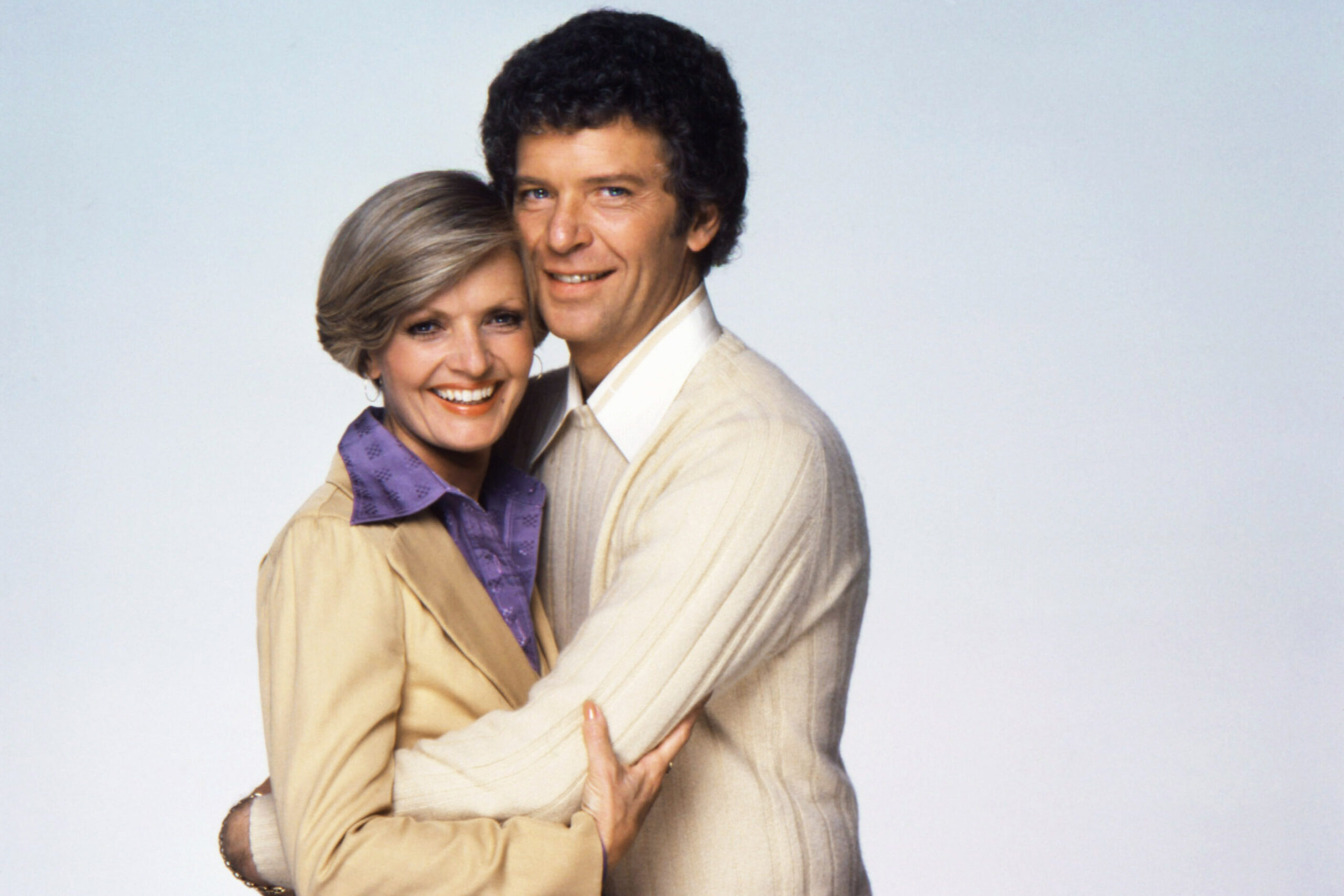
Robert Reed, who played Mike Brady on The Brady Bunch, had ongoing disagreements with the show’s creator over scripts and direction. Reed was trained in serious theater and often felt the material was too simplistic. These conflicts were not widely publicized during the show’s original run. To viewers, the series appeared harmonious and lighthearted. The tension stayed mostly behind the scenes.
Reed’s frustrations eventually led to him being excluded from the final episode. This decision surprised fans at the time. Years later, cast members and producers spoke more openly about the situation. It revealed a more complicated production environment than audiences had assumed. Reed remained respected by his co-stars despite the disagreements. The story adds depth to the show’s legacy.
13. Shelley Long’s Departure from Cheers
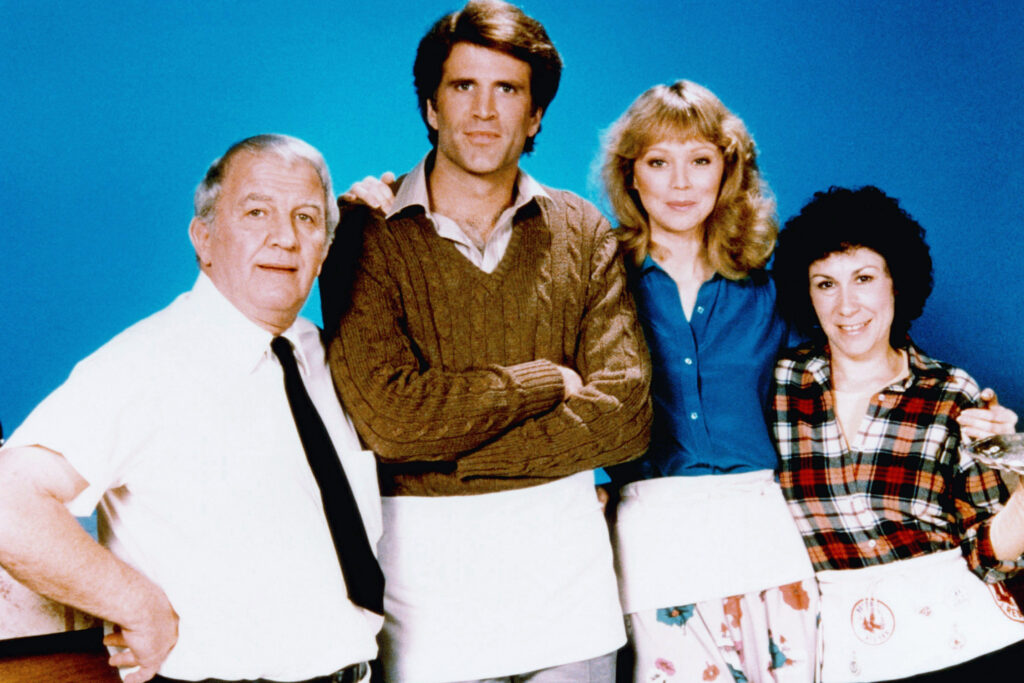
Shelley Long left Cheers at the height of its popularity, which surprised many viewers. At the time, her departure was framed as a personal career decision. However, reports later suggested there had been tensions between Long and other cast members. These issues were not widely discussed during the show’s early years. Fans were left with a simplified explanation.
Over time, cast interviews provided more context, though accounts sometimes differed. The situation highlighted how ensemble dynamics can be complicated. Long’s exit changed the direction of the show, leading to new storylines. Despite the challenges, Cheers continued to thrive. The behind-the-scenes story became clearer only in retrospect. It remains a notable example of a quiet TV controversy.
14. Andy Griffith’s Contract Strategy
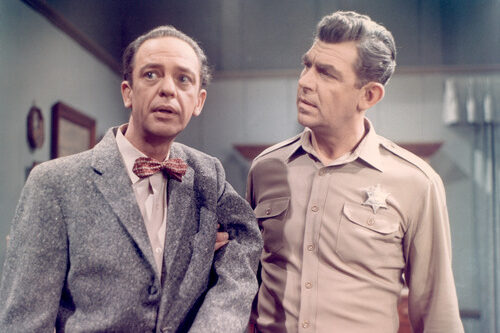
Andy Griffith was the central figure of The Andy Griffith Show, but his approach to contracts was strategic. He structured his involvement in a way that allowed him to benefit financially from the show’s success, including syndication. While not a scandal in the traditional sense, it was not widely understood by the public at the time. Many assumed actors were simply paid per episode. The reality was more complex.
Griffith’s decisions influenced how future TV contracts were negotiated. He eventually stepped back from acting on the show while still maintaining a financial stake. This move surprised some viewers but made business sense. The details of these arrangements became more widely known years later. It reflects the evolving business side of television. What seemed straightforward on screen had deeper layers behind it.
15. Carroll O’Connor’s Salary Dispute
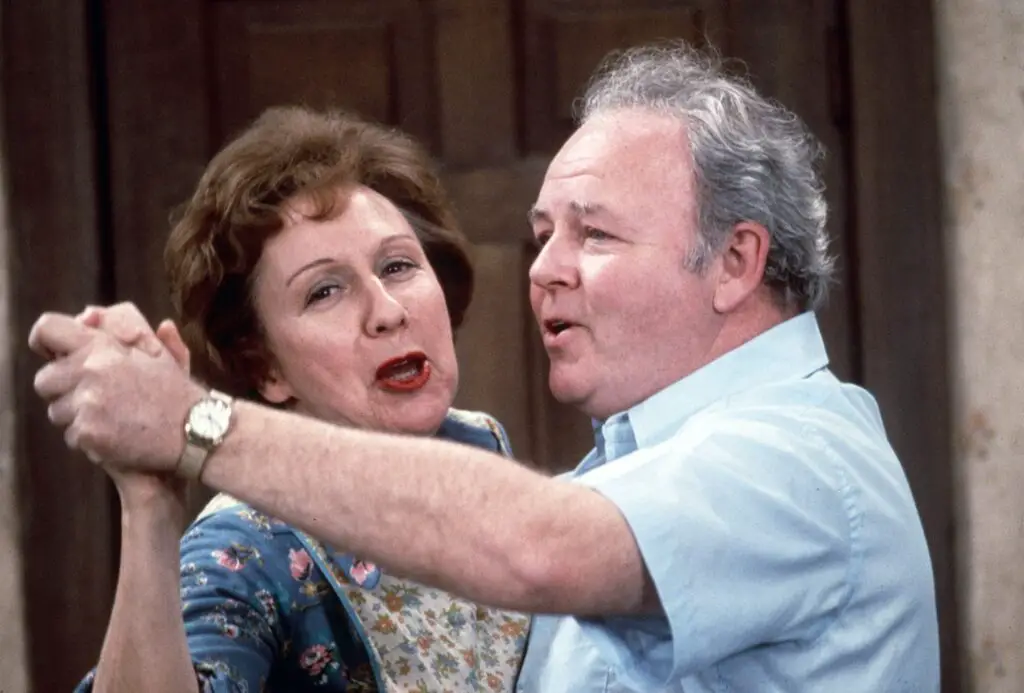
Carroll O’Connor, the star of All in the Family, became involved in a major contract dispute in 1974. He held out for a higher salary, delaying production of the show. At the time, the specifics were not fully shared with the public. Fans were aware of delays but not the full context. The negotiations were handled largely behind closed doors.
O’Connor eventually secured a better deal, reflecting his importance to the series. The situation highlighted the growing power of television actors during that era. It also showed how networks managed public perception during disputes. Over time, more details about the negotiations became available. The incident is now seen as part of a broader shift in the industry. It remained relatively quiet while it was happening.
16. David Yost’s Departure
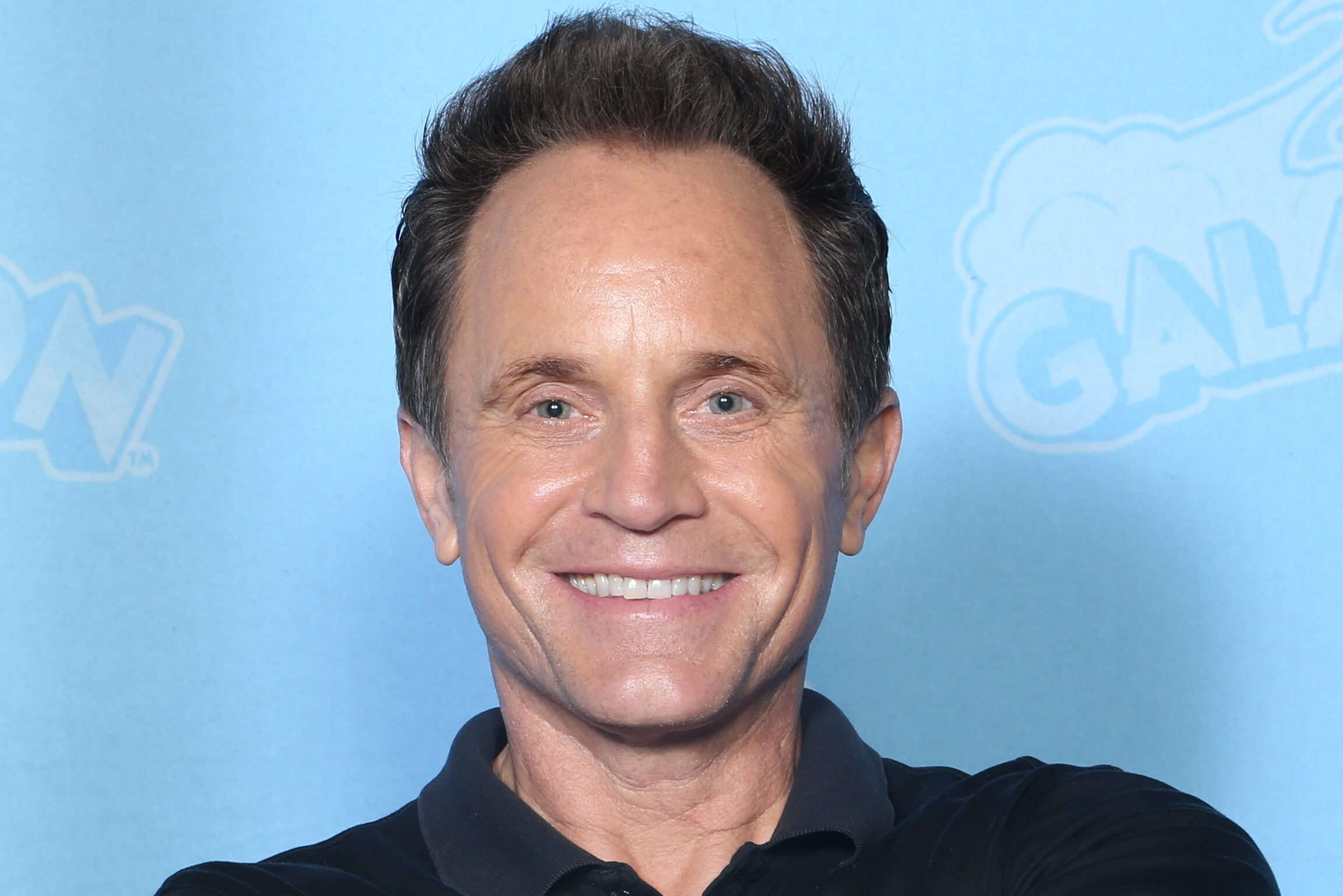
David Yost, who played Billy on Mighty Morphin Power Rangers, left the show abruptly in the ’90s. At the time, his departure was not fully explained. Fans noticed his absence but were given little information. Years later, Yost revealed that he had experienced harassment on set related to his sexuality. This aspect of the story was not publicly known during the show’s run.
His revelation brought attention to issues of workplace treatment in television production. It also prompted discussions about how such situations were handled in the past. For many viewers, it reframed their understanding of the show’s history. The delay in public awareness is part of what makes the story significant. It remained largely hidden for years. Only later did the full context come to light.