
1. Two and a Half Men and Charlie Sheen’s Exit
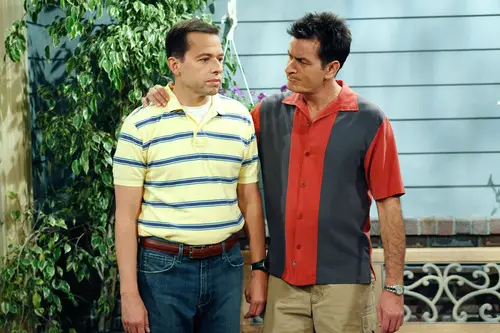
The final seasons of Two and a Half Men were shaped by mounting tension between Charlie Sheen and creator Chuck Lorre. While the storyline kept pushing Sheen’s character Charlie Harper into increasingly reckless territory, real-life issues were spilling over at the same time. Sheen publicly criticized Lorre in interviews and on social media, which escalated the situation beyond repair. The production eventually shut down mid-season in 2011.
Behind the scenes, the breakdown forced the show to pivot entirely, writing out Sheen’s character and bringing in Ashton Kutcher. The storyline shift wasn’t just creative, it was damage control. Cast and crew were caught in the middle of a very public feud. The tension fundamentally changed the tone of the show. It’s one of the clearest examples of a storyline being overtaken by real-life conflict.
2. The X-Files and the Mulder Absence
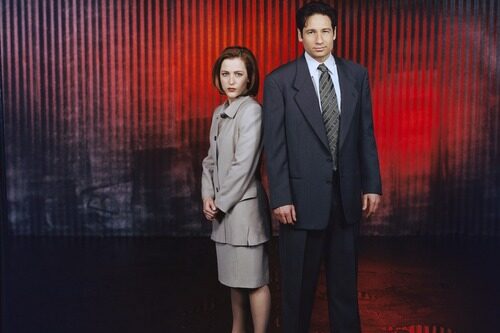
By the late ‘90s, David Duchovny wanted to reduce his role on The X-Files, which led to major storyline changes. His character Fox Mulder was abducted by aliens, a plot that conveniently explained his absence. At the same time, Duchovny was involved in a lawsuit against 20th Century Fox over profits. That legal dispute added a layer of tension behind the scenes.
The show brought in Robert Patrick as Agent Doggett to fill the gap, but the transition wasn’t seamless. Gillian Anderson had to carry more of the narrative weight. Fans noticed the shift immediately, and so did the cast. The storyline changes reflected real-world negotiations more than creative intent. It created a noticeably different dynamic on set.
3. Grey’s Anatomy and the Izzie Stevens Exit
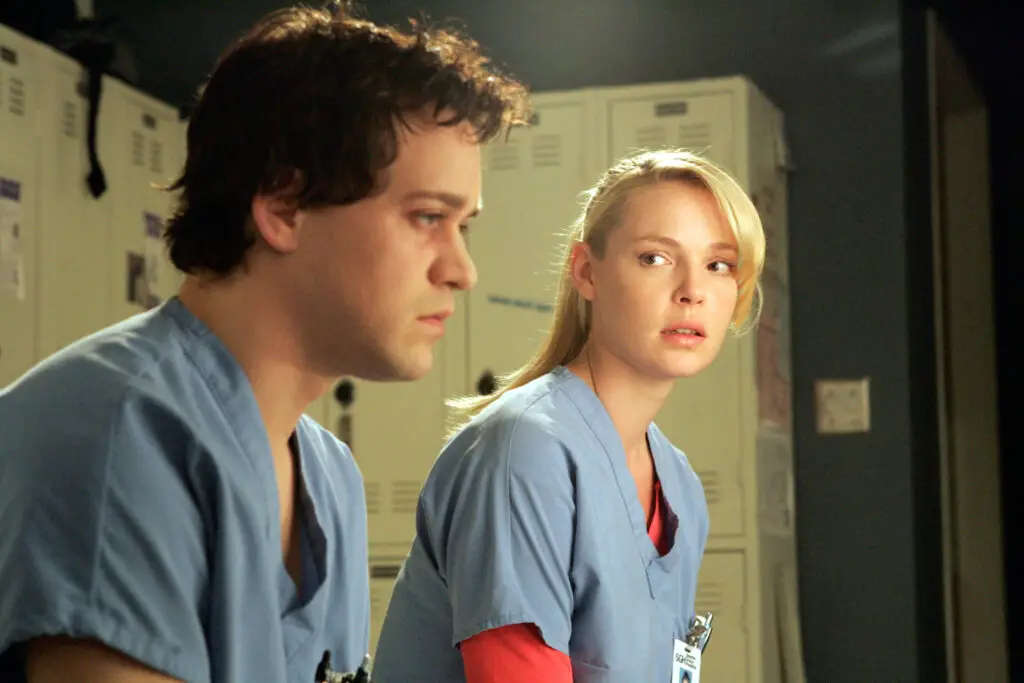
On Grey’s Anatomy, the character Izzie Stevens was written out in 2010 amid reported tension involving Katherine Heigl. Heigl had previously criticized the show’s writing and withdrew herself from Emmy consideration, which reportedly strained relationships with creator Shonda Rhimes. Her character’s storyline became increasingly erratic leading up to her departure.
Behind the scenes, communication reportedly broke down, and Heigl ultimately left before her contract ended. The show wrote Izzie out abruptly, leaving storylines unresolved. Cast dynamics shifted as a result. The tension wasn’t subtle, it showed in how quickly the character disappeared. It remains one of the more discussed exits in the show’s long history.
4. Community and the Chevy Chase Fallout
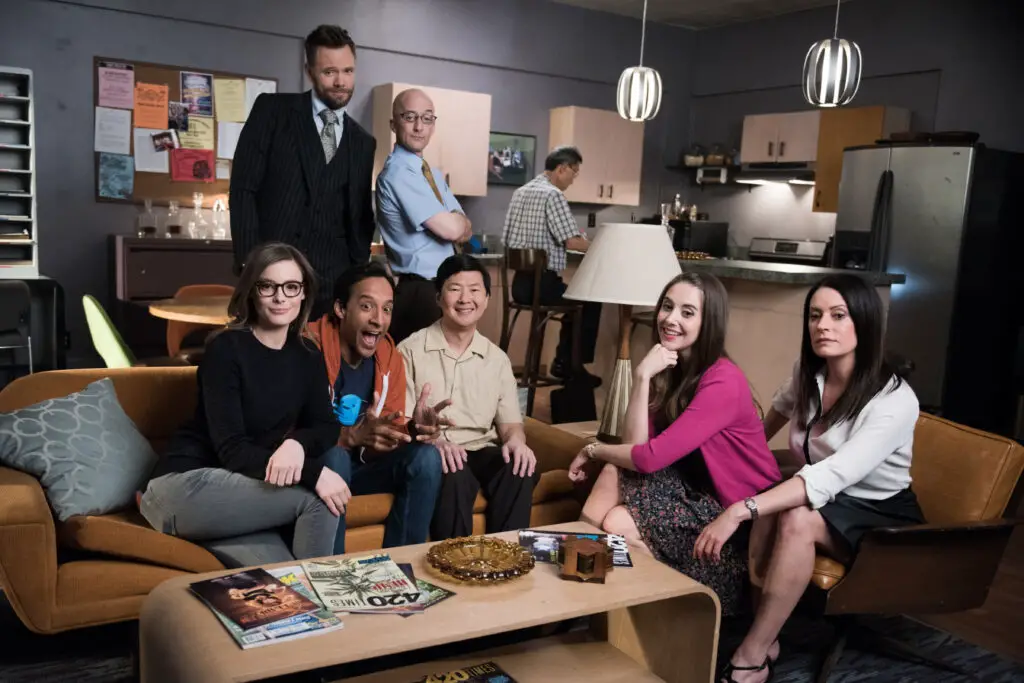
Chevy Chase played Pierce Hawthorne on Community, but his relationship with creator Dan Harmon deteriorated over time. The show began leaning into Pierce’s more abrasive traits, which mirrored real tensions on set. Chase openly criticized the show’s direction and writing. Audio of him using offensive language on set later surfaced.
Eventually, Chase left the show during Season 4. His character was written out with a storyline that felt intentionally final. The conflict had already affected production for multiple seasons. Cast members later confirmed the set had become uncomfortable at times. The storyline shifts were clearly influenced by off-camera issues.
5. Roseanne and the Show’s Sudden Cancellation
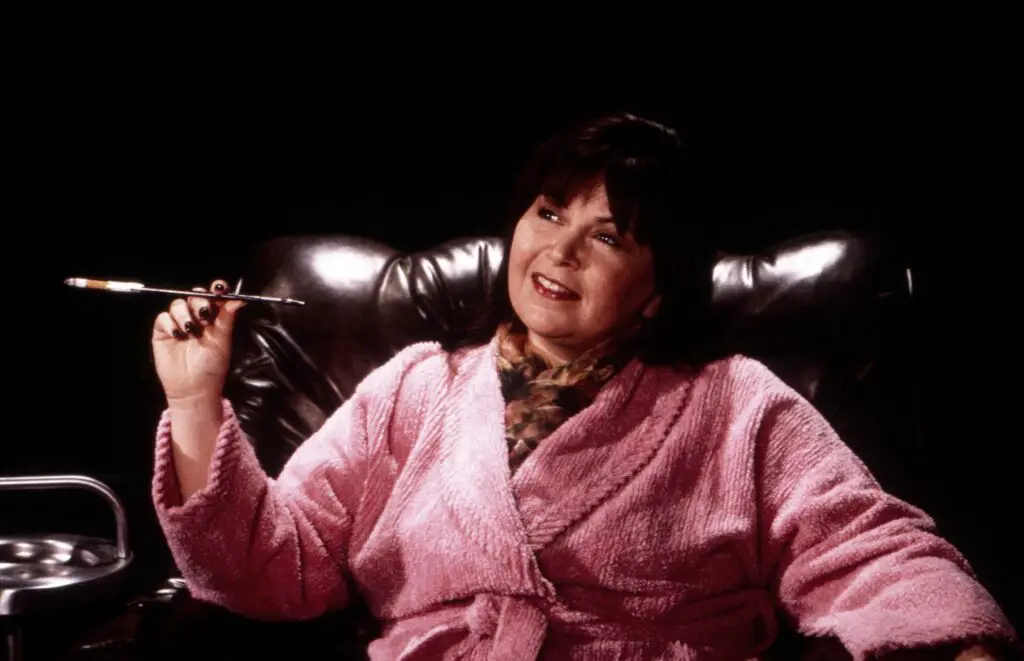
The revival of Roseanne in 2018 was successful until Roseanne Barr posted a controversial tweet. The show’s storyline had re-centered around her character, making the fallout immediate. ABC canceled the series within hours. Cast and crew were left scrambling.
The spinoff The Conners continued without Barr, and her character was written out as having died. That abrupt shift required major rewrites. Tension wasn’t just behind the scenes, it was public and immediate. The storyline pivot was unavoidable. It remains one of the fastest reversals in modern TV.
6. The Office and Steve Carell’s Departure
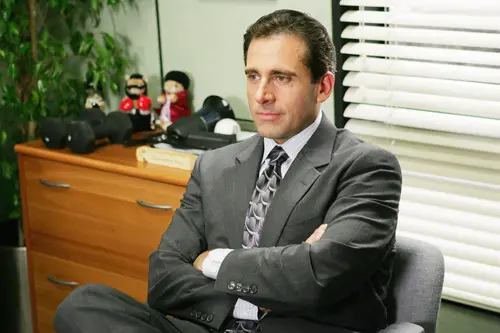
When Steve Carell left The Office, his character Michael Scott was given an emotional send-off. However, there has been long-standing discussion about whether his exit was fully voluntary. Carell has indicated he was open to staying, but contract negotiations didn’t progress. NBC did not aggressively pursue renewal.
Behind the scenes, this created uncertainty about the show’s future. The writers had to restructure the entire series. Multiple characters attempted to fill the leadership void. The shift changed the tone permanently. It wasn’t a dramatic feud, but it was a clear case of business decisions shaping storylines.
7. Game of Thrones and Final Season Friction
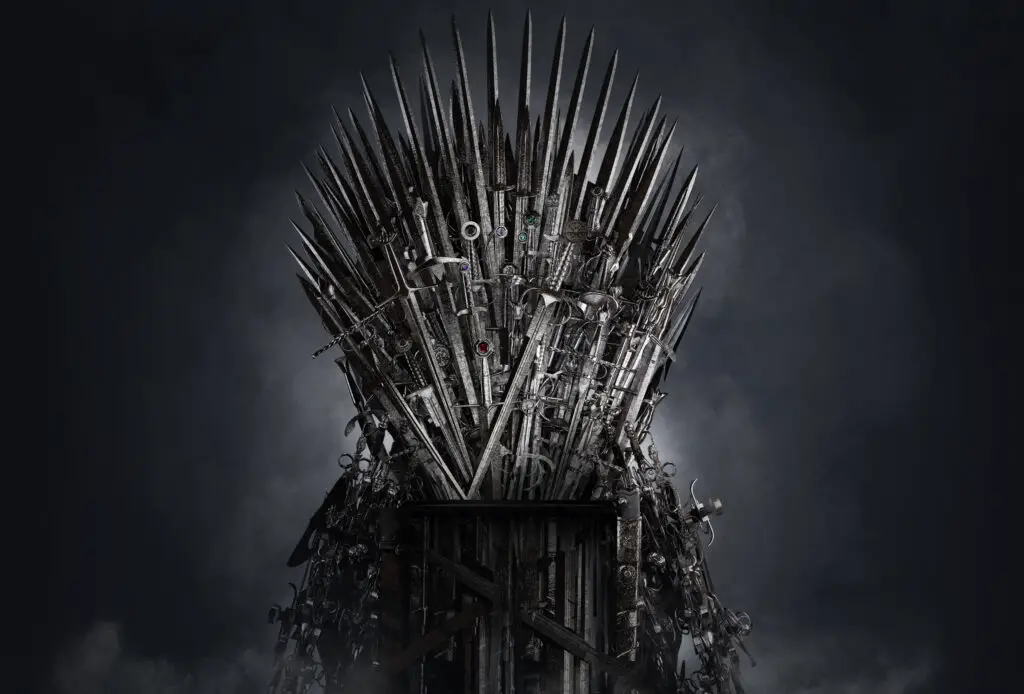
The final season of Game of Thrones drew criticism from both fans and some cast members. Actors like Emilia Clarke and Kit Harington publicly expressed mixed feelings about the writing. The storyline moved quickly toward its conclusion, compressing major arcs. Behind the scenes, the production schedule was intense and demanding.
While there’s no confirmed major feud, tension came from creative disagreements and exhaustion. The cast had spent nearly a decade on the show. The rushed storyline became a focal point of criticism. Some actors hinted they wished for more development time. It created a noticeable disconnect between expectations and execution.
8. Beverly Hills, 90210 and Shannen Doherty’s Exit
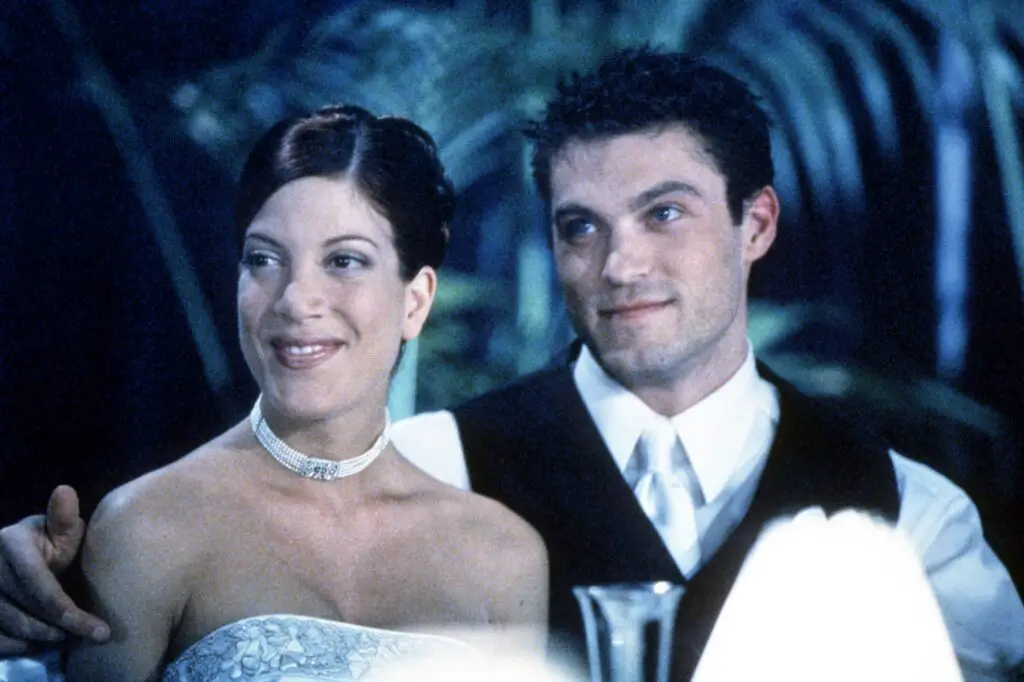
Shannen Doherty was written out of Beverly Hills, 90210 after Season 4. Her character Brenda Walsh had been central to the show. Reports at the time pointed to conflicts with cast members and production staff. The storyline sent Brenda to London, effectively removing her from the series.
Behind the scenes, tensions were widely reported, particularly involving co-stars. Jennie Garth later acknowledged there were conflicts. The show continued without Doherty, but the dynamic shifted. It marked one of the earliest examples of off-screen drama affecting a major teen series. The storyline change was abrupt but necessary.
9. Charmed and the Original Sister Swap
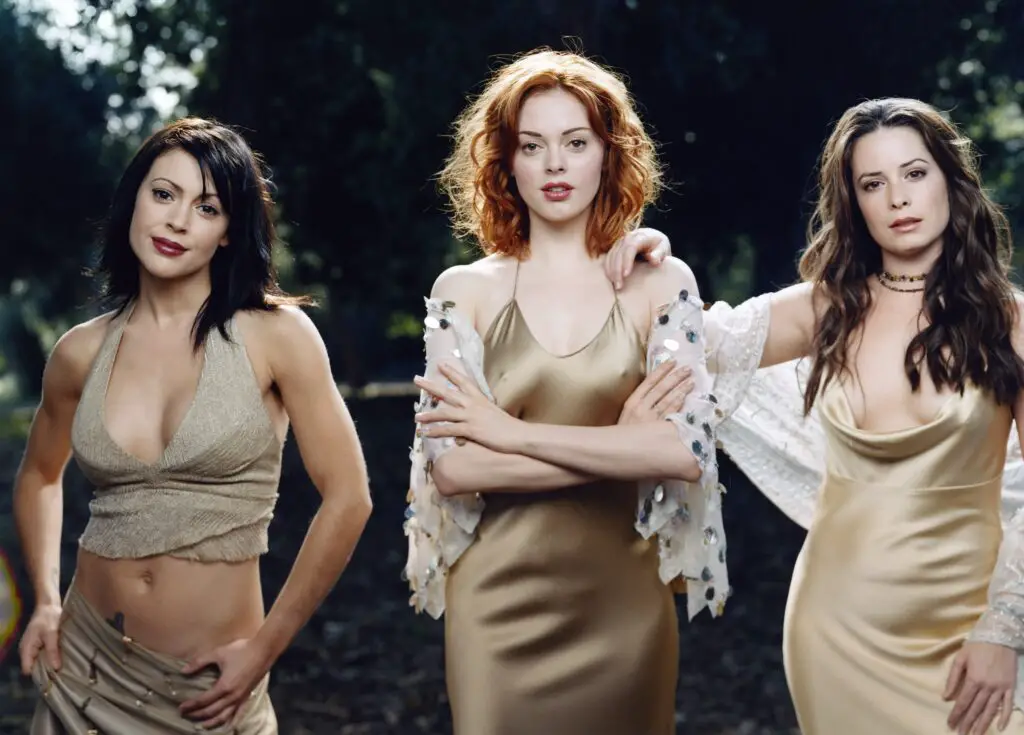
A similar situation played out on Charmed, where Doherty again exited amid reported tensions. Her character Prue Halliwell was killed off in the Season 3 finale. The storyline pivot introduced Rose McGowan as a new sister. It was a significant narrative shift.
Behind the scenes, reports suggested conflict between Doherty and Alyssa Milano. While details vary, the tension was enough to lead to a major cast change. The show continued successfully, but the tone evolved. The storyline had to justify a complete reconfiguration of the main cast. It remains a defining moment in the series.
10. The Fresh Prince of Bel-Air and the Original Aunt Viv

The recasting of Aunt Viv on The Fresh Prince of Bel-Air was one of the most noticeable changes in sitcom history. Janet Hubert was replaced after Season 3. Her character’s personality also shifted significantly. The storyline never fully addressed the change.
Hubert later spoke openly about tensions with Will Smith and others on set. For years, the situation remained unresolved publicly. The show continued successfully, but the dynamic changed. The recast became a long-standing point of discussion. A reunion special decades later finally addressed the conflict.
11. ER and George Clooney’s Exit Timing
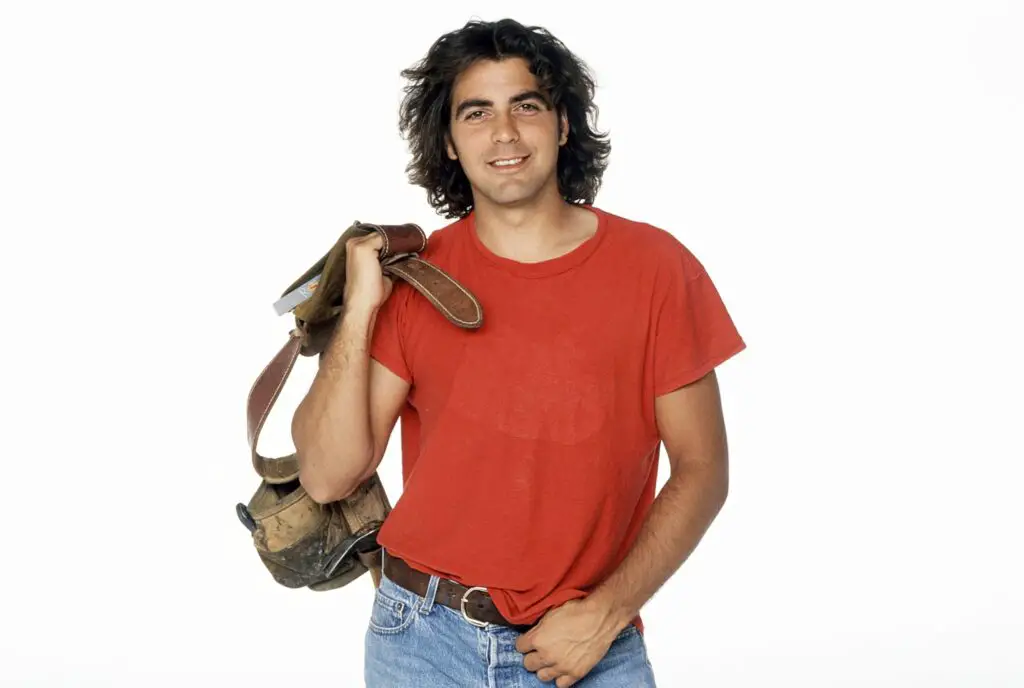
George Clooney left ER as his film career took off, which required adjustments to his character’s storyline. Dr. Doug Ross was written out by relocating to Seattle. The exit was handled smoothly on screen. Behind the scenes, it was largely a scheduling and career decision.
However, losing a breakout star created pressure on the remaining cast. The show had to rebalance its ensemble. Clooney’s departure marked a transition point. It wasn’t a hostile situation, but it still altered production dynamics. The storyline change reflected real-world priorities.
12. Scrubs and the Season 9 Shift
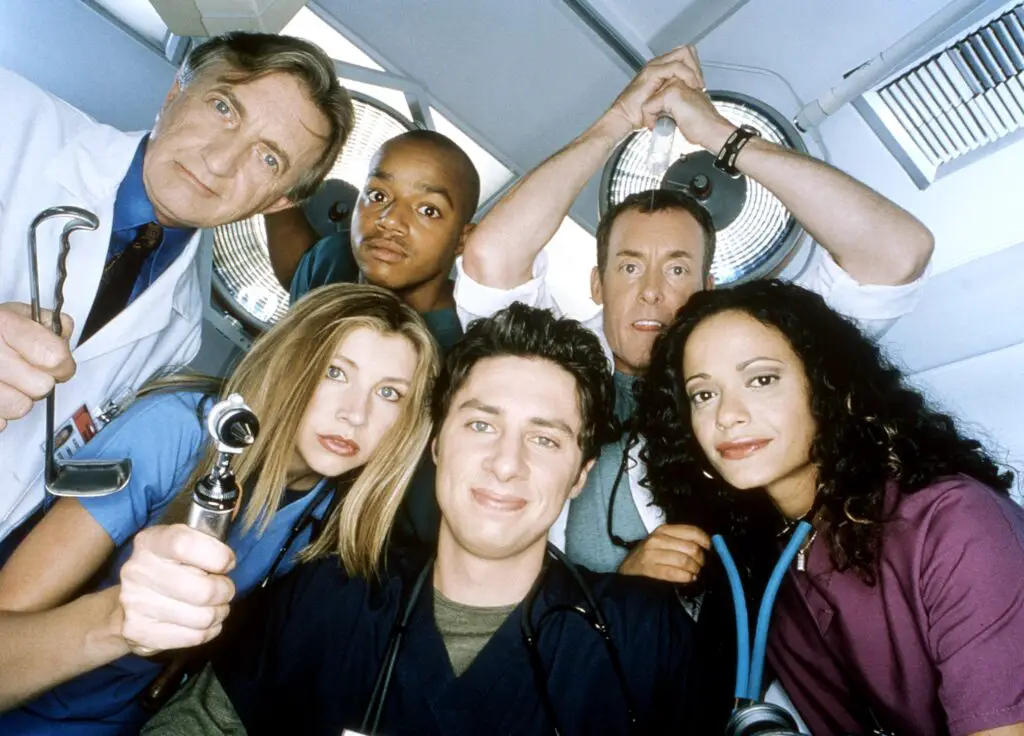
The final season of Scrubs introduced a largely new cast and setting. The storyline shifted to a medical school format. Zach Braff appeared only in a limited role. Behind the scenes, the show had already been considered concluded after Season 8.
The continuation was driven by network decisions rather than creative necessity. ABC retooled the show, leading to mixed reactions. Cast members had to adjust to a different format. The tension came from redefining an already completed story. It’s often viewed as a separate chapter entirely.
13. The Walking Dead and Andrew Lincoln’s Exit

Andrew Lincoln chose to leave The Walking Dead to spend more time with his family. His character Rick Grimes was written out via a dramatic helicopter rescue storyline. The show framed it as an open-ended departure. Behind the scenes, it required significant restructuring.
Lincoln’s exit changed the show’s central focus. Other characters had to step into leadership roles. The production had to maintain momentum without its original lead. While not a conflict-driven departure, it created logistical tension. The storyline had to adapt quickly.
14. NCIS and Pauley Perrette’s Departure
Pauley Perrette left NCIS in 2018 after playing Abby Sciuto for over a decade. Her exit storyline was emotional but relatively understated. Behind the scenes, Perrette later stated she had experienced workplace issues. She indicated she would not return.
Reports suggested tension involving co-star Mark Harmon, though details remain partially disputed. The show continued without Abby, but the absence was noticeable. Cast dynamics shifted. The storyline departure reflected a real-life separation. It remains a sensitive topic tied to the show’s history.
15. House of Cards and Kevin Spacey’s Removal
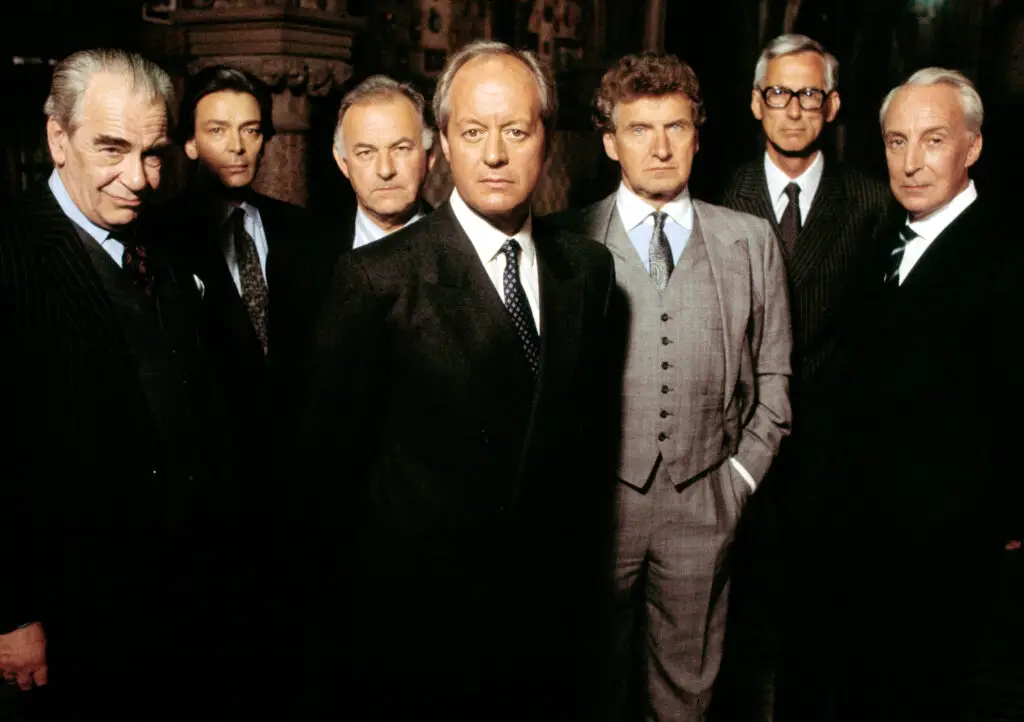
Kevin Spacey was removed from House of Cards following allegations of misconduct. His character Frank Underwood had been central to the series. The final season had to be rewritten without him. Netflix moved forward quickly.
The storyline pivot focused on Robin Wright as Claire Underwood. Production had to adjust midstream. Cast and crew were dealing with a major disruption. The tension was both internal and public. It resulted in one of the most dramatic narrative shifts in recent television.
16. Happy Days and the Chuck Cunningham Disappearance
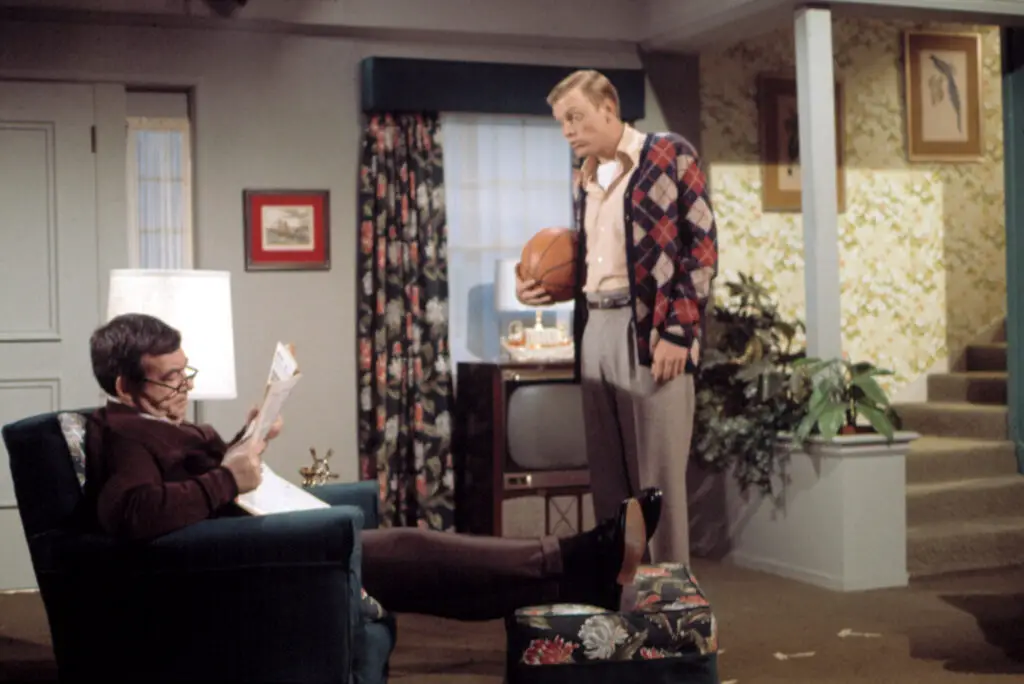
Early in Happy Days, the Cunningham family had an older son named Chuck. After Season 2, the character disappeared without explanation. The show simply moved forward as if he had never existed. It’s since become known as “Chuck Cunningham Syndrome.”
There’s no widely confirmed single cause, but the character was written out as the show refocused on other dynamics. Behind the scenes, it reflected evolving creative priorities. The shift allowed more attention on Henry Winkler’s Fonzie. It wasn’t a dramatic feud, but it was a clear production decision. The abruptness still stands out decades later.