
1. The Quiz Show Scandals Were Completely Rigged
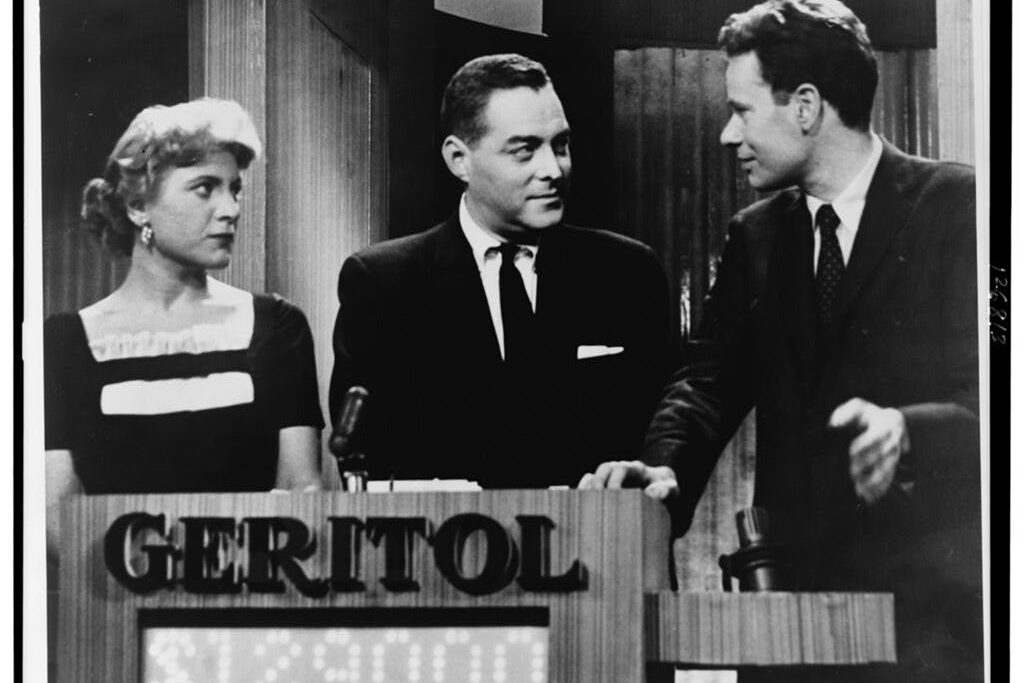
In the 1950s, quiz shows looked like the most honest form of entertainment on television. Viewers believed contestants were winning based purely on knowledge, and shows like Twenty-One became massive hits. Behind the scenes, though, producers were feeding answers to certain contestants to create more dramatic storylines. One of the most famous cases involved Charles Van Doren, who was secretly given correct answers to keep his winning streak going. The goal was simple, higher ratings through manufactured suspense. It worked, until it didn’t.
The truth came out in 1959, leading to congressional hearings and a major loss of trust in television. Networks claimed they had no idea, but evidence suggested deeper involvement. Several shows were canceled almost overnight, and strict regulations were introduced. The scandal permanently changed how game shows were produced and perceived. Even today, quiz shows operate under tight rules because of what happened back then.
2. Early Laugh Tracks Were Added Without Audience Consent
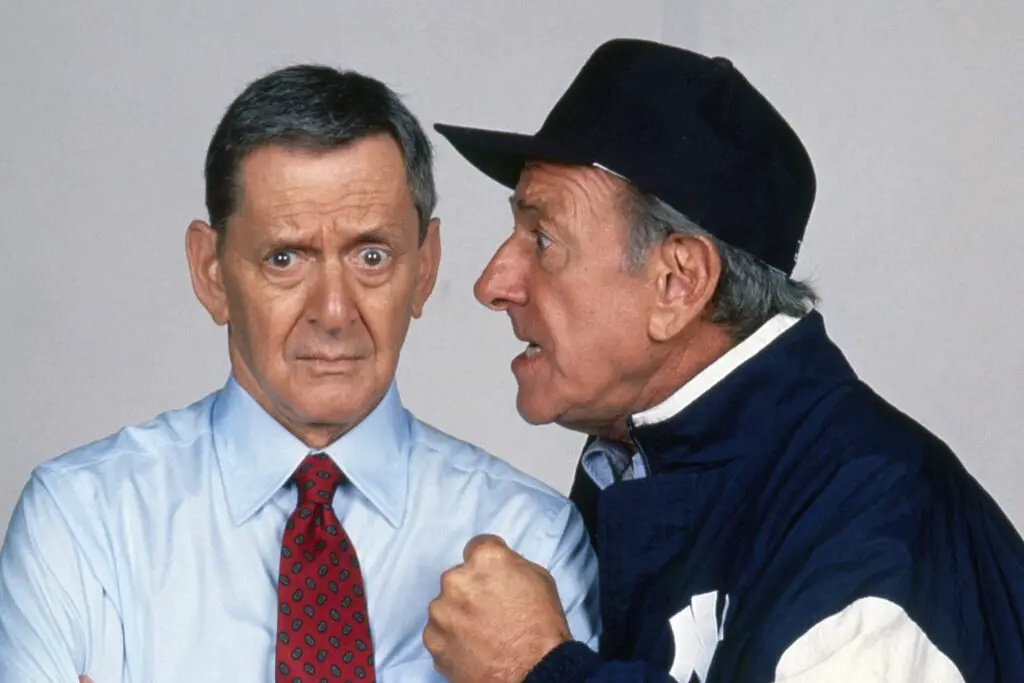
In the early days of sitcoms, not every show was filmed in front of a live audience. To compensate, producers began adding artificial laughter using a device created by Charley Douglass. This machine, known as the “Laff Box,” allowed operators to insert laughs, chuckles, and applause wherever they wanted. Viewers at home had no idea that the laughter wasn’t real. It created the illusion that a show was funnier than it might have been on its own. Over time, this became standard practice across the industry.
The use of laugh tracks sparked debate among producers and audiences alike. Some argued it manipulated viewers into finding jokes funny. Others said it simply recreated the communal experience of live theater. Shows like The Brady Bunch used laugh tracks even without studio audiences. Eventually, some series moved away from them entirely in favor of more natural reactions. Still, the technique shaped decades of television comedy.
3. Sponsors Once Controlled Entire Storylines

In the early years of television, sponsors didn’t just fund shows, they often dictated their content. Major companies like Procter & Gamble had enormous influence over scripts, casting, and even dialogue. This is actually where the term “soap opera” originated, since soap companies sponsored daytime dramas. If a sponsor didn’t like a storyline, it could be changed or removed entirely. Writers often had to adjust plots to align with a brand’s image. It blurred the line between entertainment and advertising.
This level of control gradually faded as networks took more ownership over programming. By the 1960s and ’70s, the shift toward multiple advertisers reduced the power of any single sponsor. Still, remnants of that era linger in modern product placement. The idea that brands could shape storytelling was once the norm, not the exception. It’s a reminder of how commercial television really began.
4. Networks Quietly “Blacklisted” Controversial Performers
During the late 1940s and 1950s, the Hollywood blacklist extended deeply into television. Actors, writers, and directors suspected of having communist ties were denied work, often without formal charges. Careers were destroyed almost overnight based on accusations alone. Many professionals were forced to write under pseudonyms or leave the industry entirely. Networks rarely acknowledged what they were doing publicly. It was an open secret that few dared to challenge.
Even well-known figures were affected, sometimes for years. Some only returned to work after publicly testifying or distancing themselves from past associations. The blacklist created a culture of fear and silence throughout the industry. It also influenced the kinds of stories that could be told on television. Decades later, the full scope of its impact is still being examined.
5. Child Actors Were Often Paid Far Less Than You’d Expect
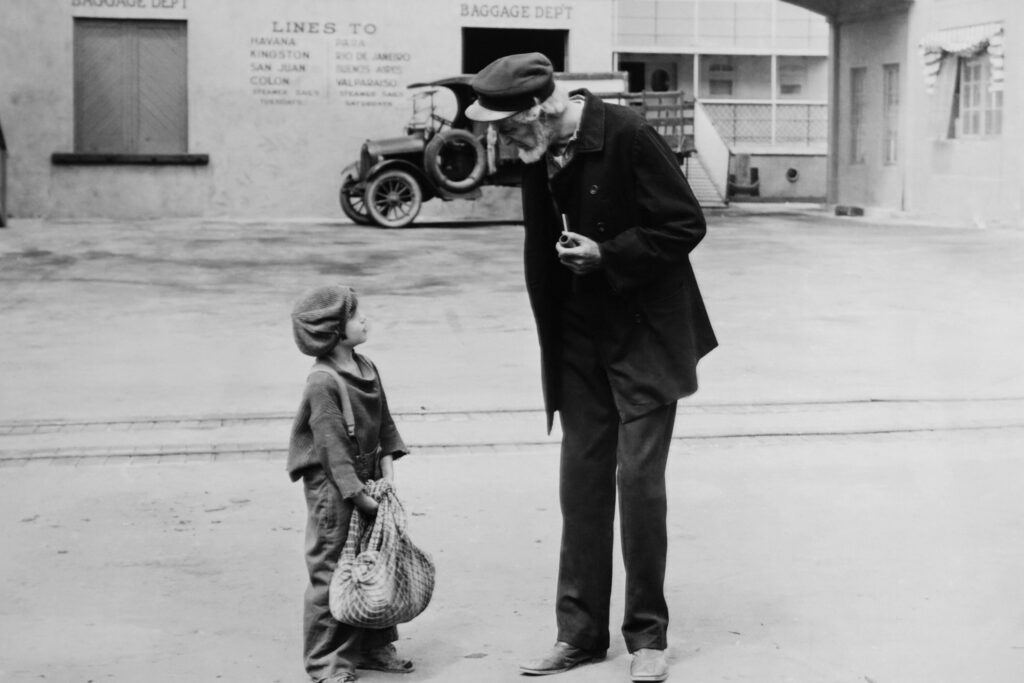
While child stars appeared to live glamorous lives, many earned far less than audiences assumed. Before stronger labor protections, earnings were often controlled by parents or guardians. This led to cases where young actors reached adulthood with little to no savings. The situation became widely known after the experiences of Jackie Coogan, which resulted in the Coogan Law. This legislation required a portion of a child actor’s earnings to be set aside in a protected account. However, enforcement wasn’t always consistent in the early years.
Even after reforms, financial exploitation didn’t disappear entirely. Some families mismanaged funds or found ways around protections. Working conditions could also be demanding, with long hours on set. The public rarely saw that side of the industry. Over time, additional regulations improved protections for young performers. Still, the early history of child acting was far less secure than it appeared.
6. The First TV Kiss Sparked Real Controversy
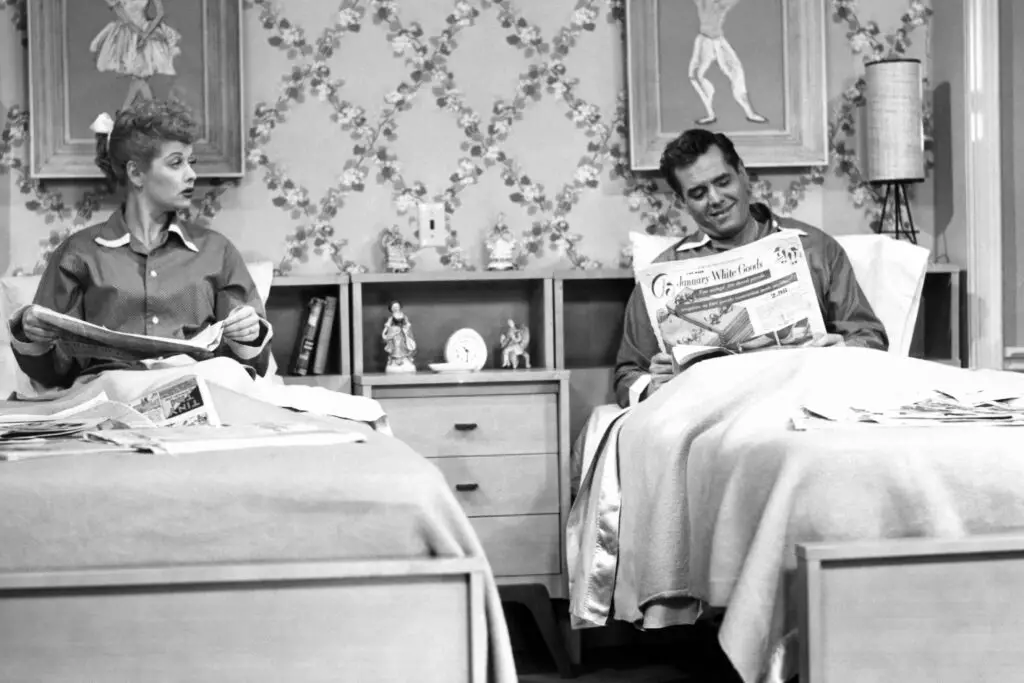
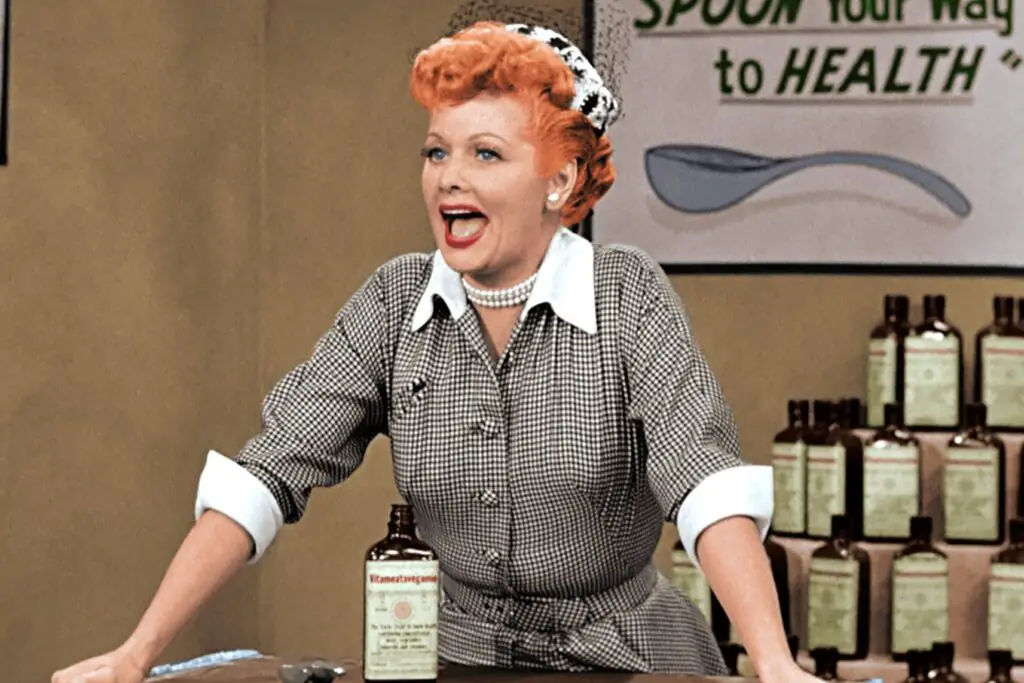
When Lucille Ball and Desi Arnaz shared a kiss on I Love Lucy, it wasn’t just another romantic moment. At the time, showing a married couple in bed or even displaying too much affection on screen was considered risky. The fact that Ball and Arnaz were an interracial couple added another layer of concern for network executives. Some affiliates worried about audience backlash. Despite this, the show pushed forward and aired the scene. Viewers responded positively, and the moment became iconic.
What’s often overlooked is how carefully these scenes were staged to meet broadcast standards. Separate beds were commonly used on set to avoid controversy. Even pregnancy was once considered too sensitive to portray directly. Ball’s real-life pregnancy had to be handled with coded language and strict guidelines. These restrictions shaped how relationships were depicted on early television. It was a much more controlled environment than viewers realized.
7. Nielsen Ratings Were Based on Surprisingly Small Samples
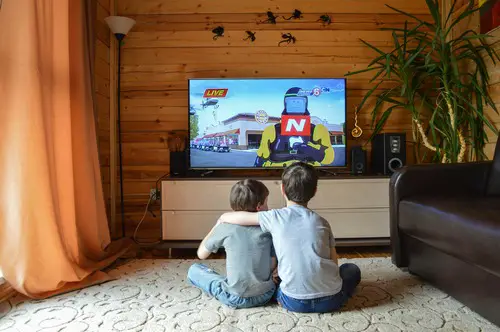
For decades, television success has been measured by Nielsen ratings. What many viewers didn’t realize is how small the sample size actually was. Nielsen relied on selected households to represent millions of viewers across the country. Families were given special boxes or diaries to track what they watched. The data was then extrapolated to estimate national viewership. This system left plenty of room for error or bias.
Despite its limitations, the ratings carried enormous weight. Shows were renewed or canceled based largely on these numbers. Advertisers used them to decide where to spend millions of dollars. Critics have long questioned whether the system accurately reflects audience behavior. Over time, digital tracking has improved measurement methods. Still, the early reliance on small samples shaped decades of programming decisions.
8. Many “Live” Broadcasts Weren’t Actually Live

In television’s early years, networks often promoted shows as live events. In reality, many of these broadcasts were pre-recorded and edited before airing. The term “live” was sometimes used loosely for marketing purposes. This was especially true for variety shows and special events. Technical limitations made true live broadcasting difficult to manage consistently. Pre-recording allowed producers to fix mistakes and improve pacing.
Audiences generally assumed what they were seeing was happening in real time. Networks rarely clarified the distinction. Over time, advances in technology made genuine live broadcasts more common. Still, the early use of the term blurred expectations. It’s an example of how presentation and reality didn’t always align in television’s formative years.
9. Canned Applause Was Used to Control Audience Reactions

Beyond laugh tracks, producers also used canned applause to shape how viewers responded. This technique allowed them to amplify reactions to certain moments. If a joke didn’t land, added laughter could make it seem successful. If a scene needed more energy, applause could be inserted. The goal was to guide audience perception without them realizing it. It became a subtle but powerful production tool.
This practice was especially common in variety shows and sitcoms. Audiences at home often assumed reactions were genuine. Over time, some viewers became more aware of the manipulation. Modern shows tend to be more transparent about whether they use live audiences. Still, canned reactions played a significant role in early television storytelling. They helped define what audiences thought was funny or exciting.
10. Writers Often Used Pseudonyms to Avoid Contracts

Television writers sometimes worked under pseudonyms for reasons that weren’t widely known. In some cases, it was a way to get around restrictive contracts. In others, it allowed blacklisted writers to continue working quietly. Credits on screen didn’t always reflect who actually wrote the script. This made it difficult for outsiders to track contributions accurately. It also complicated issues of recognition and compensation.
The practice was more common during periods of industry tension, including the blacklist era. Writers’ guilds later pushed for more transparency and protections. Over time, stricter crediting rules were implemented. Even so, ghostwriting and uncredited contributions didn’t disappear entirely. It’s one of those behind-the-scenes realities that rarely reached the public.
11. Pilot Episodes Were Often Completely Different Shows
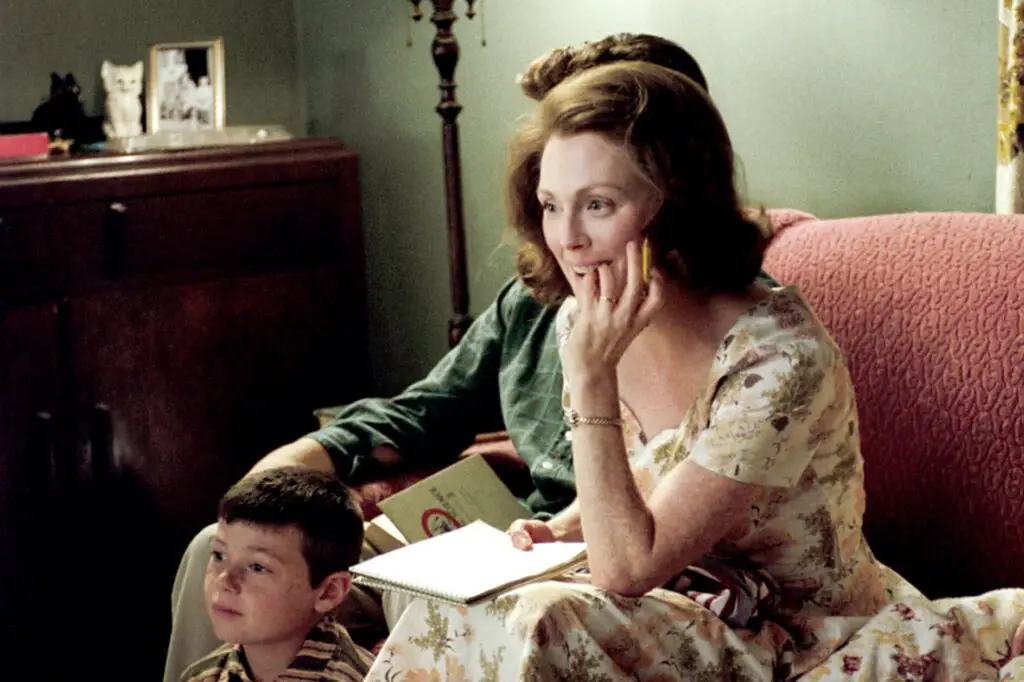
Many viewers assume that pilot episodes are just early versions of the shows they know. In reality, some pilots were drastically different from the final product. Characters were recast, storylines were rewritten, and entire concepts were reworked. Networks used pilots as testing grounds, sometimes making major changes after audience feedback. In some cases, the original pilot was never aired at all. What audiences eventually saw could be a significantly altered version.
This process allowed networks to refine shows before committing to full seasons. It also meant that creative visions could shift dramatically. Some now-famous series barely resembled their original pilots. These early versions often stayed hidden for years. When they do surface, they offer a fascinating look at how television evolves behind the scenes.
12. Product Placement Has Been There Since the Beginning
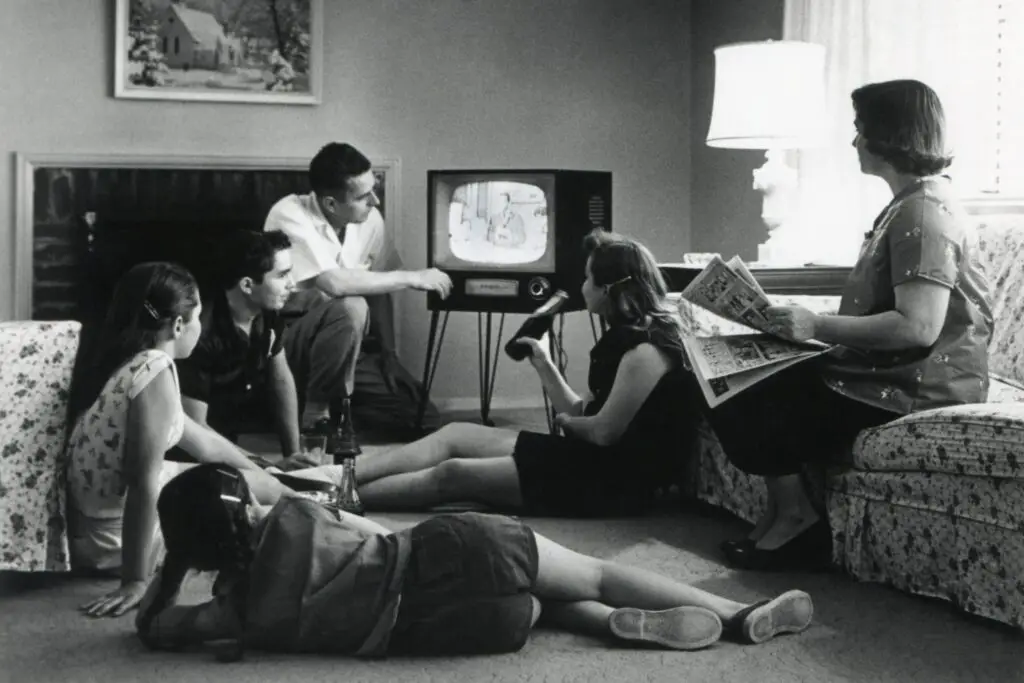
Product placement might feel like a modern marketing tactic, but it dates back to television’s earliest days. Brands were often integrated directly into storylines. Characters would use specific products on screen, sometimes even mentioning them by name. This blurred the line between storytelling and advertising. In some cases, entire scenes were built around showcasing a product. Viewers didn’t always recognize it as marketing.
This practice was especially common when a single sponsor backed a show. As advertising models evolved, product placement became more subtle. Today, it’s a standard part of television production. The difference is that audiences are more aware of it. Still, the roots of this strategy go back much further than many realize.
13. Early TV Sets Were Designed Around Camera Limitations
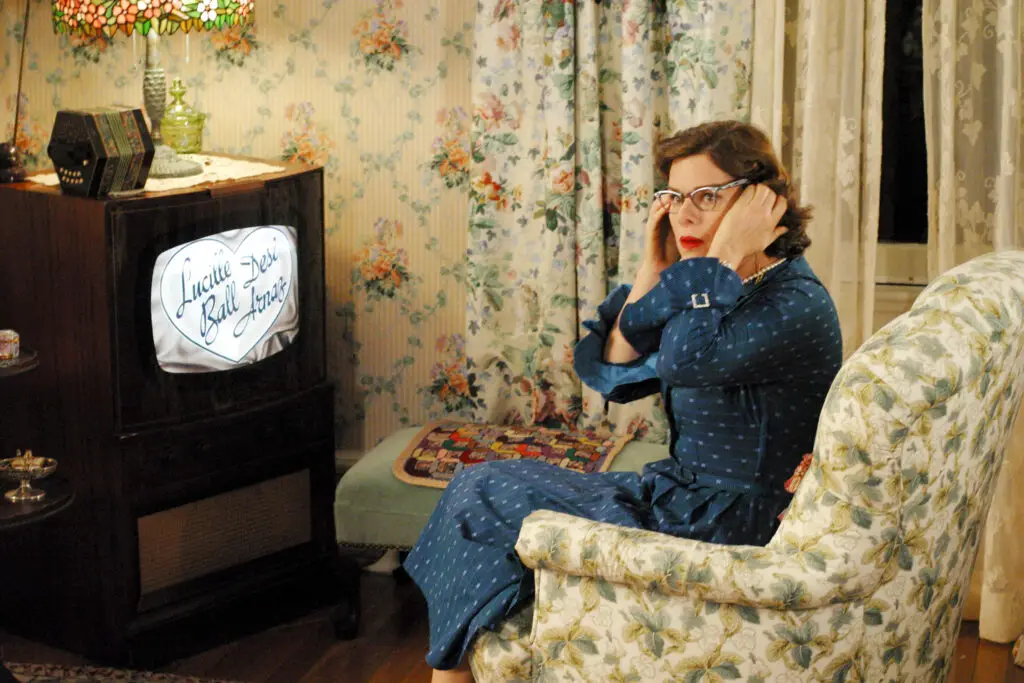
The look of early television sets wasn’t just about style, it was about necessity. Cameras at the time were large, heavy, and limited in movement. This meant sets had to be built in ways that accommodated fixed angles and minimal mobility. Walls were often removable to allow camera access. Lighting had to be carefully arranged to avoid shadows and glare. These constraints shaped how scenes were staged.
As technology improved, set design became more flexible and dynamic. But those early limitations left a lasting influence on television aesthetics. Multi-camera setups, for example, are still used in many sitcoms today. The way shows were physically constructed behind the scenes played a major role in how they looked on screen. It’s a detail viewers rarely considered.
14. Actors Were Sometimes Locked Into Long-Term Contracts
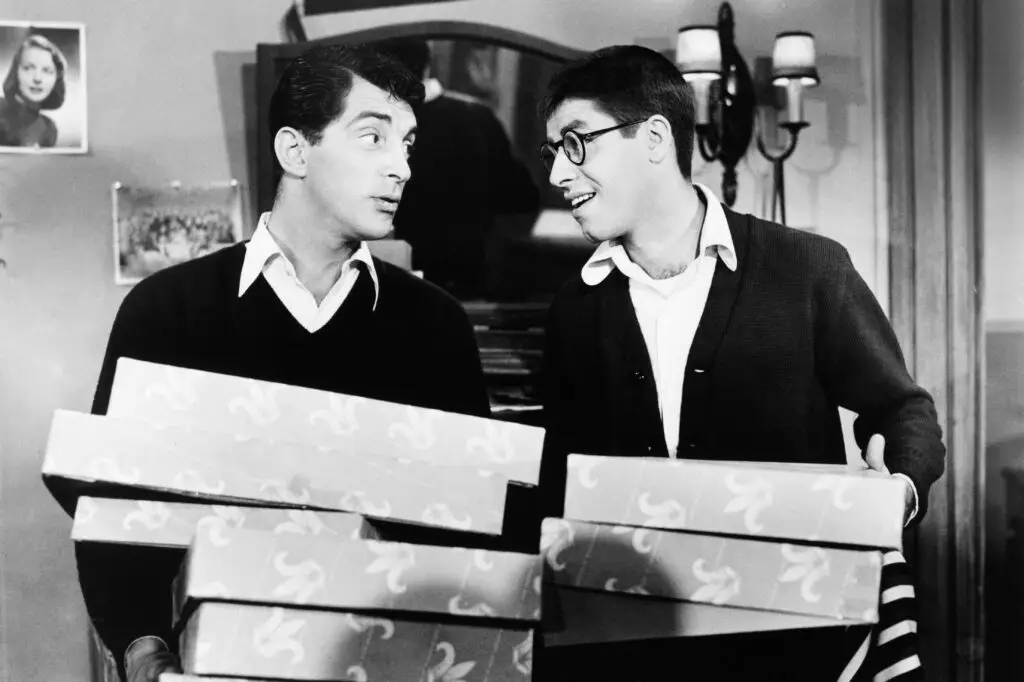
In classic television, actors often signed contracts that heavily favored studios. These agreements could last for years and limited performers’ ability to take other roles. Studios controlled schedules, appearances, and even public image. Breaking a contract could lead to legal consequences or career setbacks. Many actors felt trapped by these arrangements. It was a system designed to maintain studio power.
Over time, actors and unions pushed back against these restrictions. Negotiations became more balanced, especially for established stars. Today, performers have far more control over their careers. Still, the legacy of those early contracts shaped the business side of television. It’s a reminder that fame didn’t always come with freedom.
15. Some Shows Were Canceled for Reasons Never Made Public
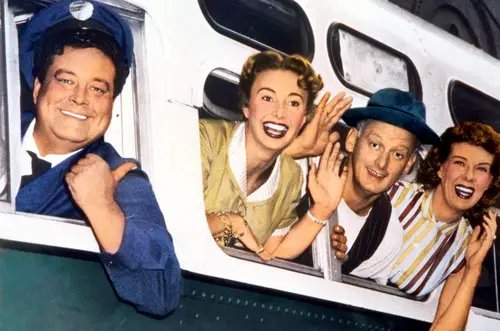
Not every cancellation was about ratings. In some cases, shows were pulled for reasons that networks never fully explained. Internal conflicts, sponsor issues, or behind-the-scenes controversies could all play a role. Executives often chose not to disclose these details publicly. This left audiences confused about why a show disappeared. Rumors sometimes filled the gap.
In later years, more information has surfaced about certain cancellations. Still, many decisions remain unclear or undocumented. The lack of transparency was part of how the industry operated. Networks controlled the narrative as much as the programming itself. It’s one of the quieter aspects of television history.
16. Residual Payments Were Once Practically Nonexistent

Today, actors and writers can earn residuals when shows are rerun or streamed. That wasn’t always the case. In television’s early decades, there were few systems in place to compensate creators beyond initial payments. Shows could be rebroadcast multiple times without additional pay for those involved. This became a major point of contention within the industry. Unions began pushing for fairer compensation.
The fight for residuals led to strikes and significant changes in contracts. Over time, new agreements ensured that talent received ongoing payments. These reforms reshaped the economics of television. They also acknowledged the long-term value of creative work. It’s a part of the industry that took years to fully develop.