
1. Calling Friends on a Landline and Hoping Their Parents Didn’t Answer
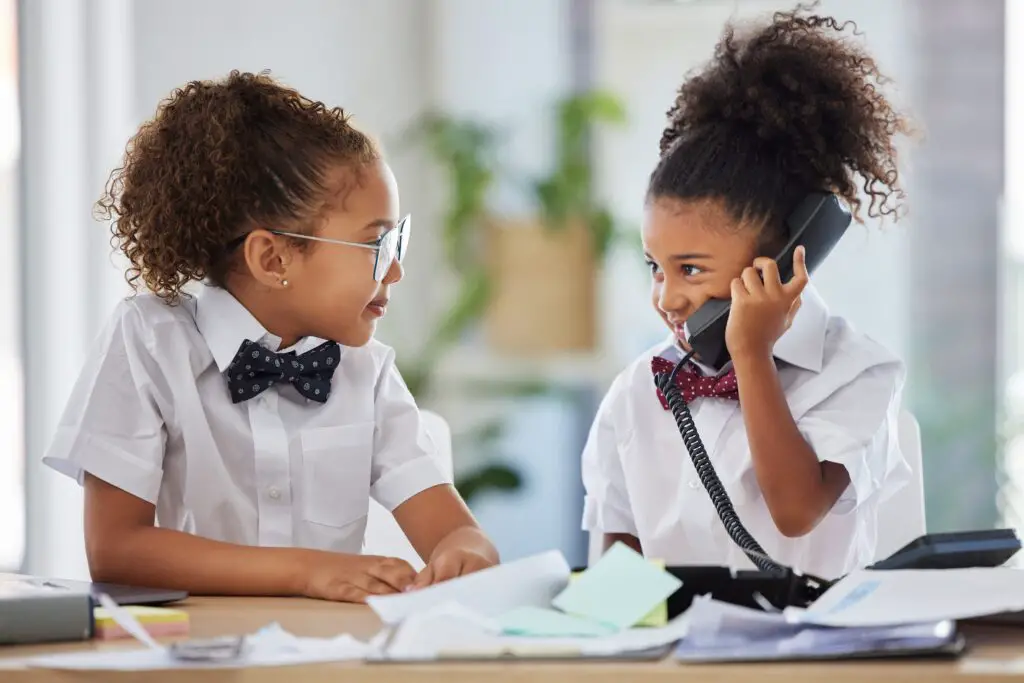
There was a time when calling a friend meant dialing their home phone and bracing yourself for whoever picked up. You had to politely ask for them, often using your full name, which felt oddly formal for a kid. It wasn’t uncommon to get stuck in a brief conversation with a parent before your friend even came to the phone. That small moment of social navigation was something kids learned early, whether they liked it or not.
It also meant memorizing phone numbers, since you couldn’t just tap a contact. Busy signals, answering machines, and limited call time were all part of the routine. If your friend wasn’t home, that was it, you tried again later. There was no texting to check availability or coordinate plans instantly. It forced a kind of patience that feels almost unfamiliar now.
2. Playing Outside Until the Streetlights Came On
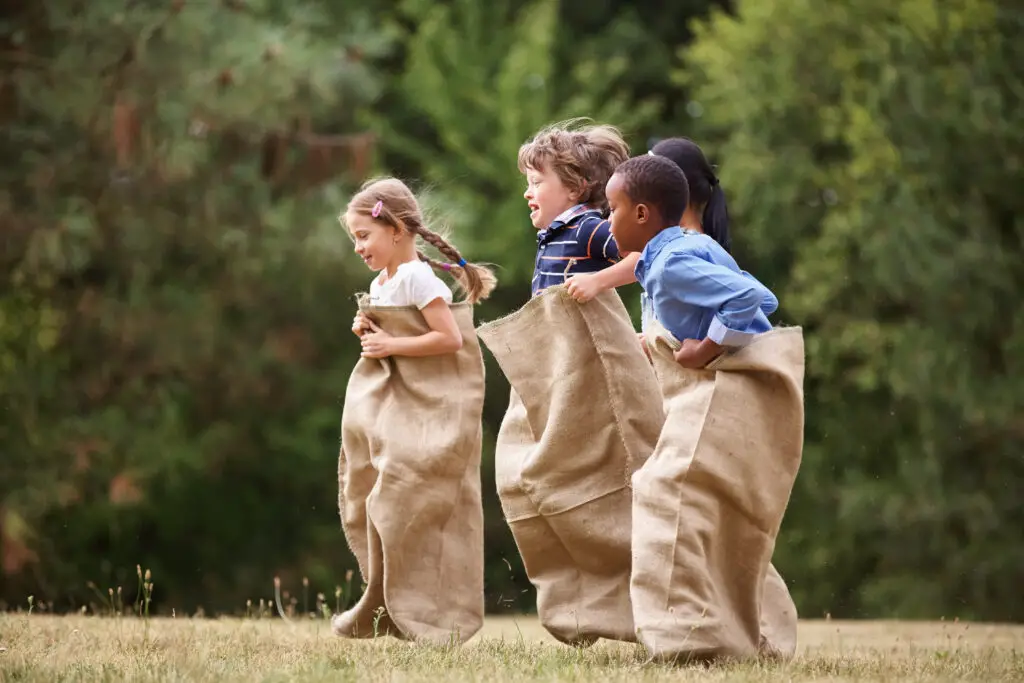
For many kids, the rule was simple: be home when the streetlights turned on. That glowing signal marked the end of the day’s freedom, no matter how intense the game was. Kids spent hours riding bikes, building forts, or playing pickup games with whoever was around. There wasn’t a lot of adult supervision, just a general expectation to stay safe.
Neighbors often looked out for each other’s kids, creating a shared sense of community. You didn’t need a scheduled playdate, you just knocked on doors or joined whoever was already outside. It was unstructured and unpredictable, which made it feel like an adventure. Today, tighter schedules and safety concerns have changed that rhythm. The streetlight rule is something many people remember, but fewer kids experience firsthand.
3. Saturday Morning Cartoons as a Weekly Event

Saturday mornings used to feel like an event built just for kids. Networks aired blocks of cartoons that you couldn’t watch any other time, so you had to be there. Kids would wake up early, grab cereal, and settle in front of the TV for a few uninterrupted hours. Shows like Looney Tunes and Scooby-Doo became part of that ritual.
There was no streaming or recording, so if you missed an episode, it was gone. Commercials were part of the experience too, especially toy ads that made everything look irresistible. It created a shared cultural moment, since millions of kids were watching the same shows at the same time. That kind of synchronized viewing has mostly disappeared. Now, content is available anytime, but the sense of occasion is harder to recreate.
4. Writing Notes and Passing Them in Class

Before texting, passing handwritten notes was a common way to communicate during school. Kids folded paper into intricate shapes to keep messages hidden from teachers. Notes could be simple, like asking a question, or more personal, like sharing a secret or a crush. There was always a small thrill in getting one without being caught.
If a teacher intercepted it, the embarrassment could be immediate and memorable. Still, the practice persisted because it was one of the few ways to communicate privately during the school day. The handwriting itself added personality that digital messages don’t quite capture. It was slower and riskier, but also more tangible. Today, phones have replaced that entire system.
5. Recording Songs Off the Radio
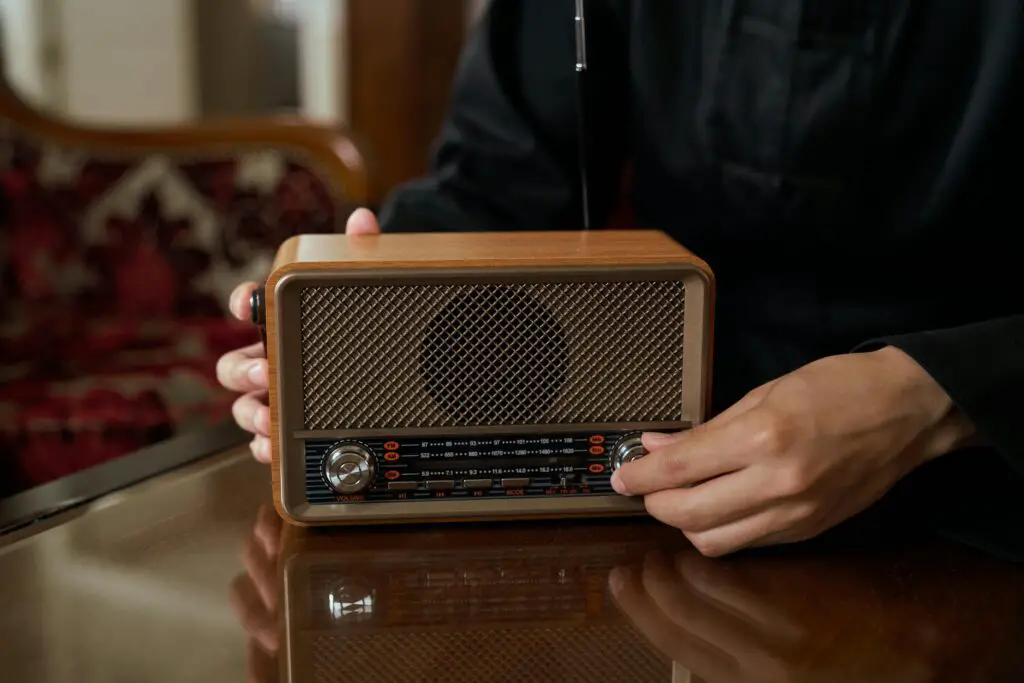
If you wanted your favorite song, you often had to wait for it to play on the radio. Kids would sit by a cassette recorder, ready to hit “record” at just the right moment. Timing mattered, since DJs often talked over the beginning or end of songs. Getting a clean version felt like a small victory.
Those homemade tapes became personal playlists long before digital ones existed. You might rewind and replay your favorite track until the tape wore down. Sharing music meant physically lending someone your cassette. It required effort and patience that streaming has eliminated. The process itself became part of the enjoyment.
6. Birthday Parties at Home with Simple Games

Birthday parties used to be more low-key, often held at home with a handful of friends. Parents organized classic games like musical chairs or pin the tail on the donkey. Decorations were simple, and the focus was more on the activity than the presentation. Cake and ice cream were the main event.
There wasn’t the same pressure for elaborate themes or expensive venues. Kids entertained themselves with whatever was available, often creating their own games. Party favors were small and sometimes homemade. It felt personal in a way that’s harder to replicate with larger, outsourced parties. The simplicity was part of the charm.
7. Door-to-Door Fundraising for School
Many kids spent part of the year going door to door selling items for school fundraisers. Catalogs offered everything from wrapping paper to candy, and students were expected to pitch to neighbors. It taught basic sales skills, even if it felt awkward at the time. Rejection was part of the process.
There was also a sense of competition, with prizes for top sellers. Kids learned how to explain what they were raising money for and why it mattered. Today, fundraising often happens online, which removes that face-to-face interaction. It’s more efficient, but less personal. The experience of knocking on doors is becoming rare.
8. Writing Thank-You Notes by Hand

After birthdays or holidays, kids were often expected to write thank-you notes. Parents would remind them, sometimes repeatedly, until the task was done. It involved sitting down, thinking about what someone gave you, and expressing appreciation in writing. The process could feel tedious, but it reinforced basic manners.
Each note was usually addressed individually, making it more personal than a quick message. It also helped kids develop writing skills in a practical context. While some families still do this, it’s less common now. Digital messages have largely replaced handwritten ones. The formality has faded, along with the routine.
9. Family Photo Albums Instead of Digital Galleries
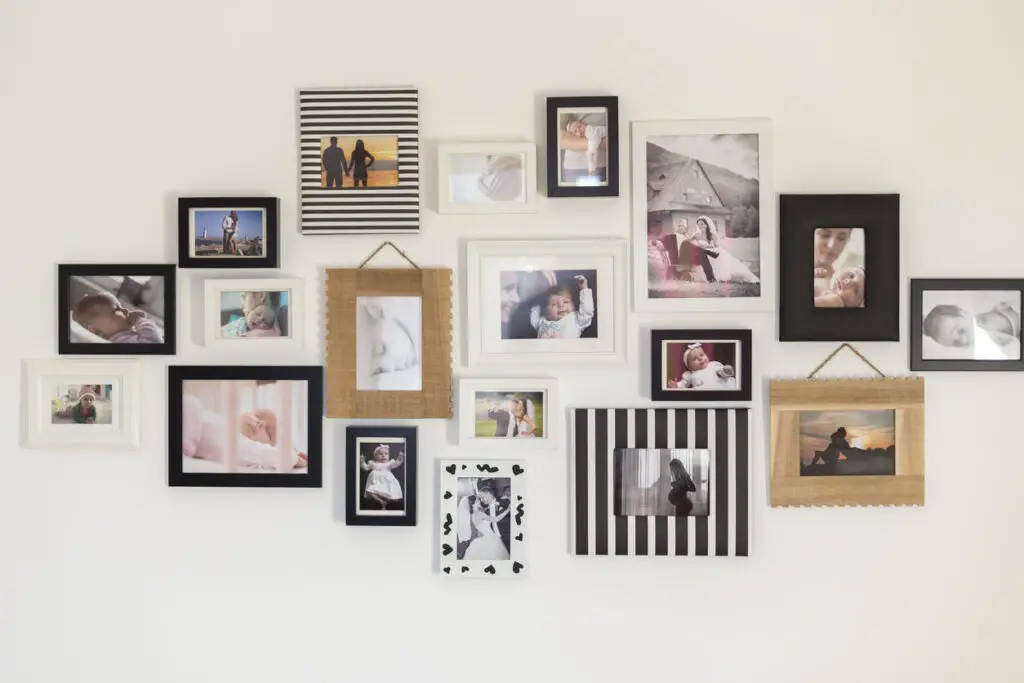
Photos used to live in physical albums that families flipped through together. Parents carefully organized prints, often adding handwritten captions or dates. Looking at photos was an intentional activity, not something done in passing. It usually happened during gatherings or quiet evenings at home.
Kids became familiar with family history through those albums. You could see how people changed over time in a very tangible way. Today, photos are stored digitally and often viewed individually on screens. While more convenient, they’re less likely to be shared in a group setting. The ritual of sitting down with an album has largely disappeared.
10. Waiting for the Ice Cream Truck and Chasing It Down
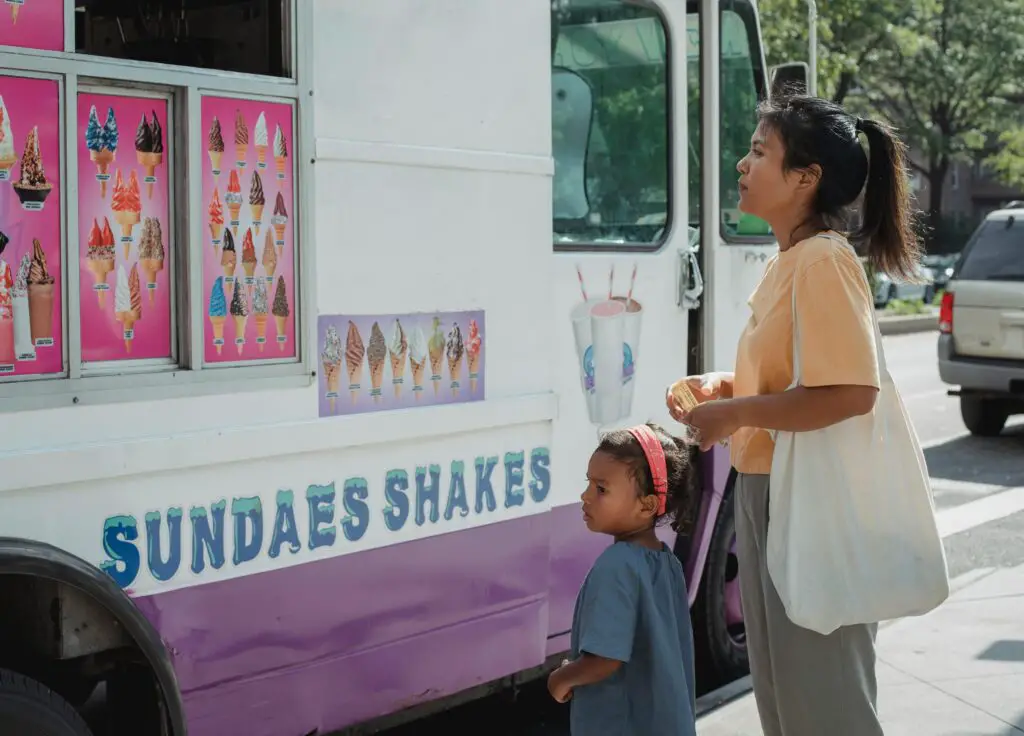
Hearing the ice cream truck music was an unmistakable signal to run outside. Kids would scramble to find money and chase the truck before it moved on. It wasn’t scheduled, so you had to be ready when you heard it. That unpredictability made it exciting.
The menu was usually displayed on the side, with colorful pictures of treats. Choosing quickly mattered, since others were waiting behind you. It was a small moment of independence, handling money and making a decision. Ice cream trucks still exist, but they’re less common in many neighborhoods. The ritual feels less universal than it once was.
11. Using Library Card Catalogs to Find Books
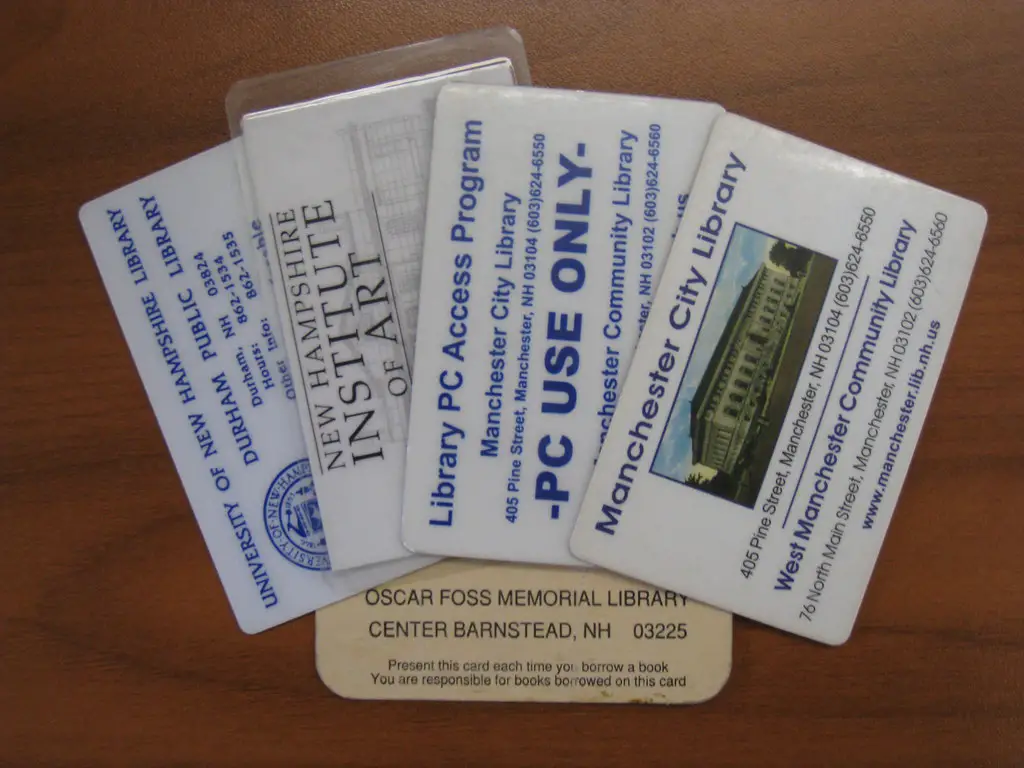
Before digital searches, finding a book meant using a physical card catalog. Kids learned how to look up authors, titles, or subjects using drawers filled with index cards. It required patience and a bit of trial and error. Once you found the right card, you had to track down the book on the shelves.
Librarians often guided kids through the process, helping them understand how everything was organized. It was a hands-on way to learn research skills. Today, computer systems have replaced those catalogs entirely. Searches are faster, but less tactile. The old method is something many libraries no longer even display.
12. Passing Around Yearbooks for Signatures
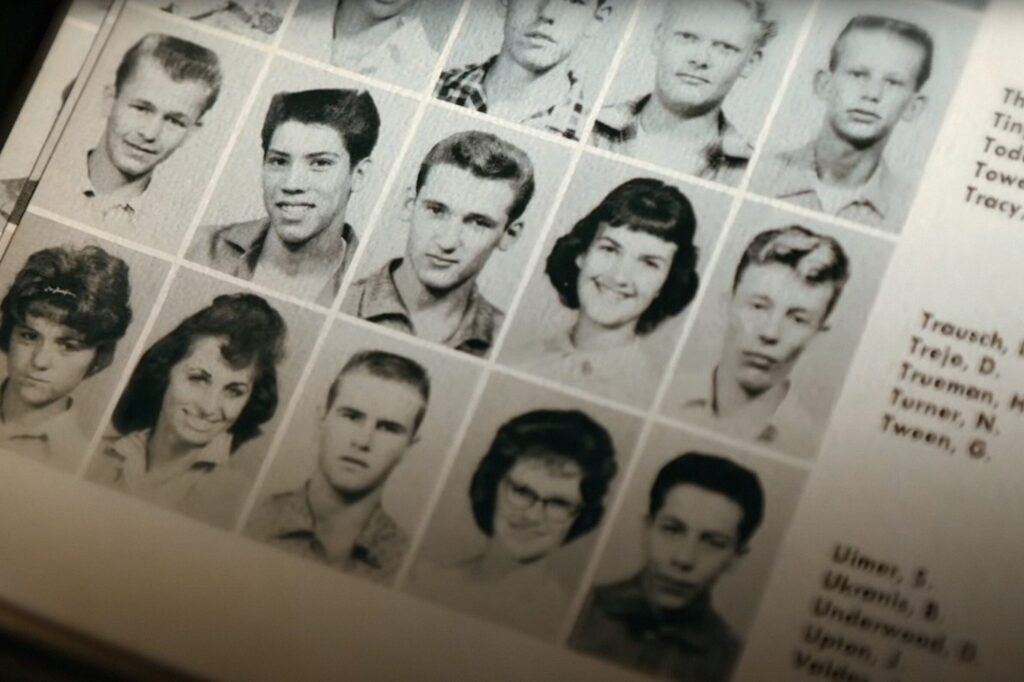
At the end of the school year, yearbooks became a kind of social hub. Kids passed them around, asking classmates to sign and leave messages. Some notes were heartfelt, others were quick jokes or inside references. It captured a snapshot of friendships at that moment in time.
People often reread those messages years later, making them surprisingly meaningful. The act of asking someone to sign your yearbook was part of the experience. While yearbooks still exist, the emphasis on signing has declined in some places. Social media has taken over much of that role. The physical book doesn’t hold the same central place it once did.
13. Waiting for Film to Be Developed
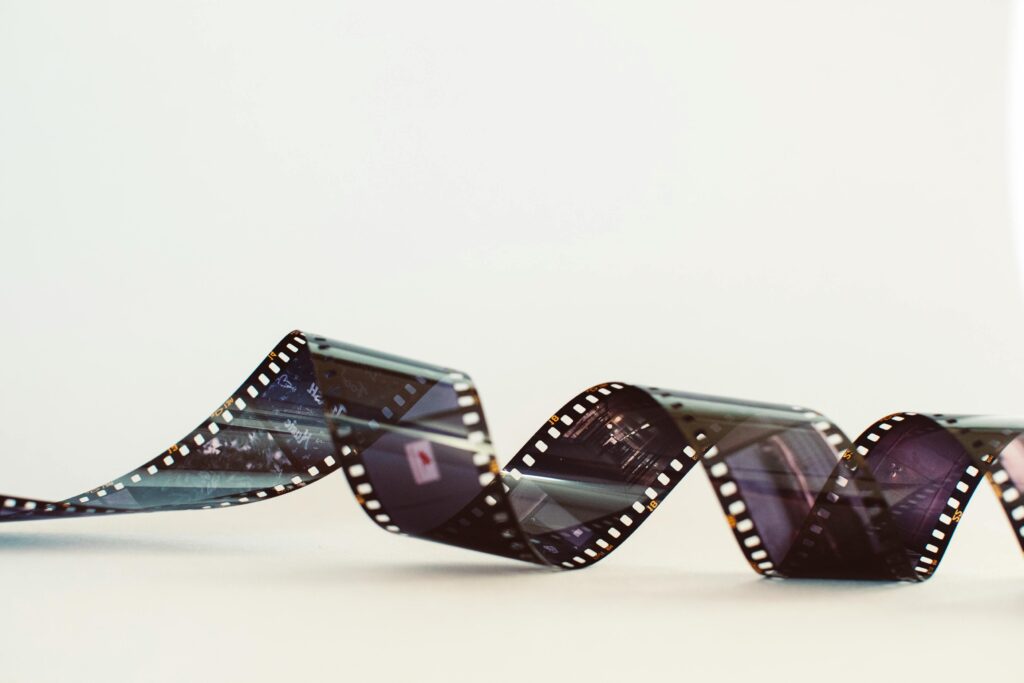
Taking photos used to involve film, which meant you couldn’t see the results right away. Families would finish a roll and take it to be developed, sometimes waiting days. There was always a bit of suspense about how the pictures would turn out. Blurry or poorly framed shots were only discovered later.
That delay made each photo feel more intentional. You didn’t take dozens of nearly identical shots, since film was limited. Looking through developed photos became a shared moment. Digital cameras and phones have removed that waiting entirely. The process is faster, but less deliberate.
14. After-School TV Lineups Everyone Talked About
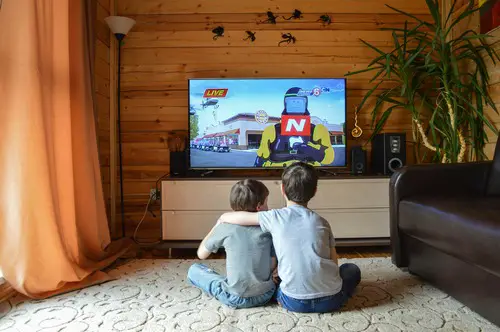
After school, many kids had a set lineup of shows they watched every day. Programs like Full House or The Fresh Prince of Bel-Air aired at specific times, and you planned around them. Missing an episode meant waiting for a rerun, if it came at all. It created a routine that shaped afternoons.
Friends would talk about episodes the next day, since everyone had seen the same thing. It gave kids a shared reference point for jokes and conversations. Today, streaming allows people to watch at their own pace. That flexibility has its benefits, but it reduces those shared moments. The collective experience has become more fragmented.