
1. Waiting by the Phone for a Call
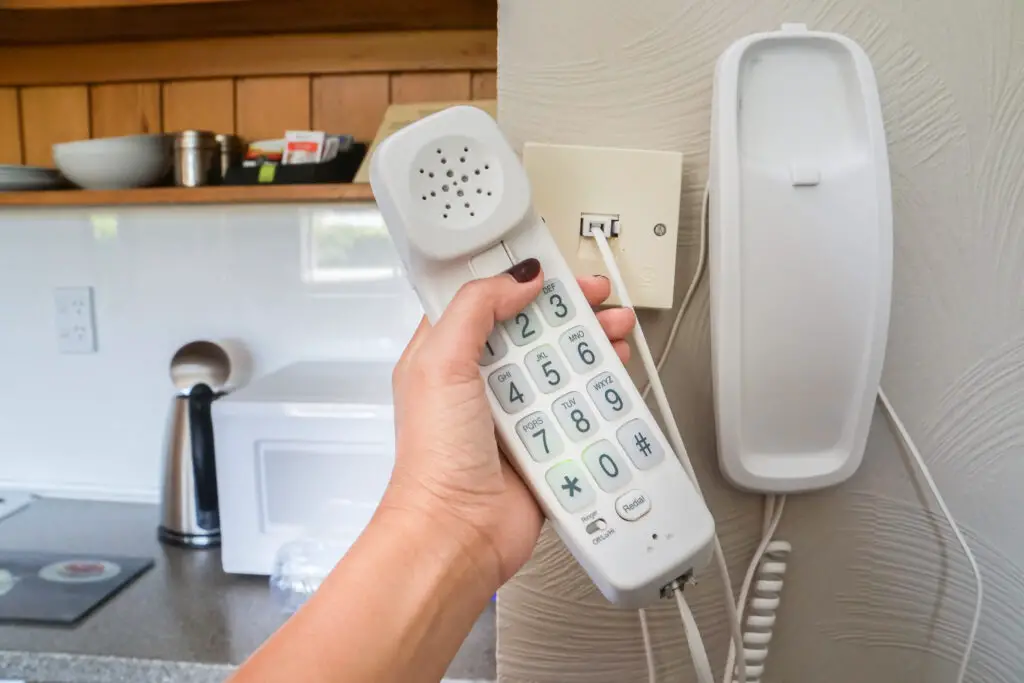
There was a very real ritual to sitting near the house phone because you never knew when it might ring. People planned their entire evenings around a single expected call. You didn’t wander too far, and you definitely didn’t hop in the shower. Missing the call could mean missing the plan altogether.
If you were waiting on news, a date, or a job offer, the anxiety was physical. Family members were warned not to answer the phone wrong. Call waiting clicks were treated like intrusions from another universe. Today it sounds dramatic, but back then it was just how communication worked.
2. Calling Movie Theaters for Showtimes
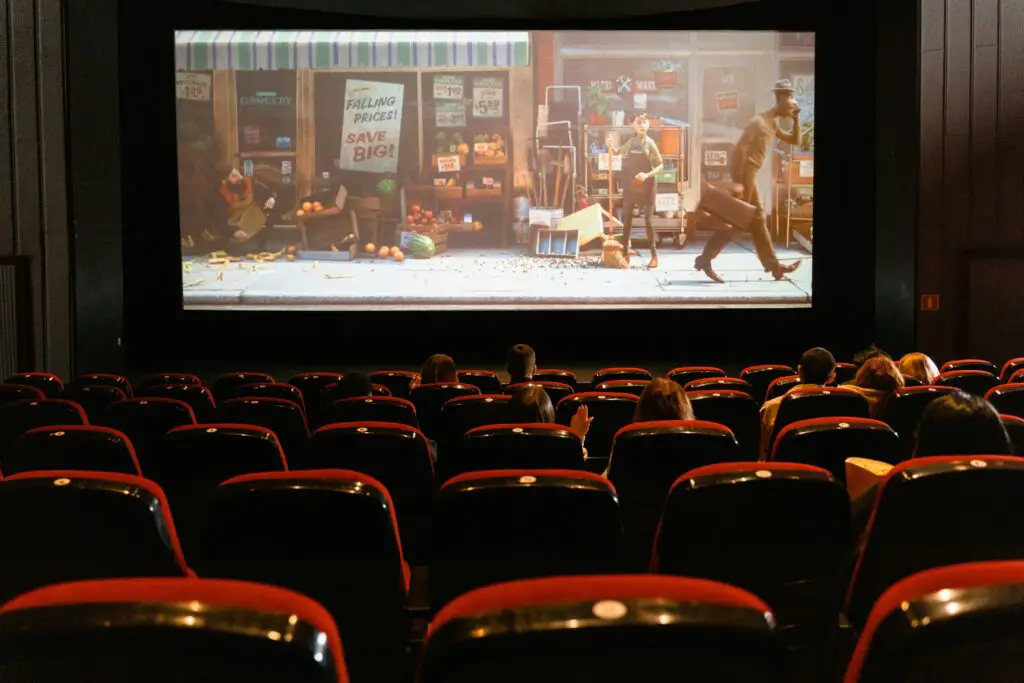
Before showtimes lived in your pocket, you had to dial the theater and listen carefully. A recorded voice would slowly read every movie and time. If you missed it, you waited through the entire loop again. Writing it down was essential.
Sometimes the message was outdated, but you trusted it anyway. People showed up early just in case. The process felt official, like the movie night had already started. Now it feels wild that entertainment required patience before you even left the house.
3. Memorizing Phone Numbers
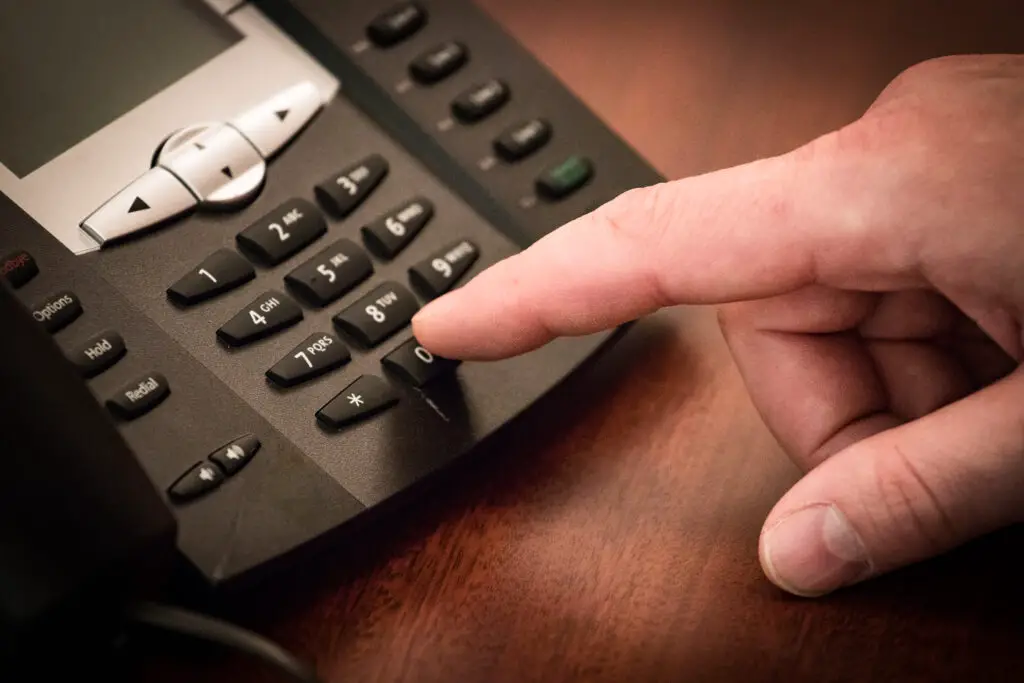
People once knew dozens of phone numbers by heart. Friends, relatives, work, school, all lived in your memory. Losing a little address book felt like losing a limb. You practiced numbers until they stuck.
It made calling someone feel more intentional. You had to commit to dialing correctly. Mistakes meant starting over from the beginning. Today, memorization feels unnecessary, but back then it was a basic life skill.
4. Sunday Night TV Scheduling

Families planned their entire evenings around weekly TV schedules. Dinner was timed to end before a favorite show. Bathroom breaks were strategic and rushed. You didn’t miss episodes unless something was seriously wrong.
If you missed it, you missed it. There was no catching up later. Conversations at school or work assumed everyone had watched. The shared experience mattered more than convenience.
5. Writing Letters and Waiting Weeks
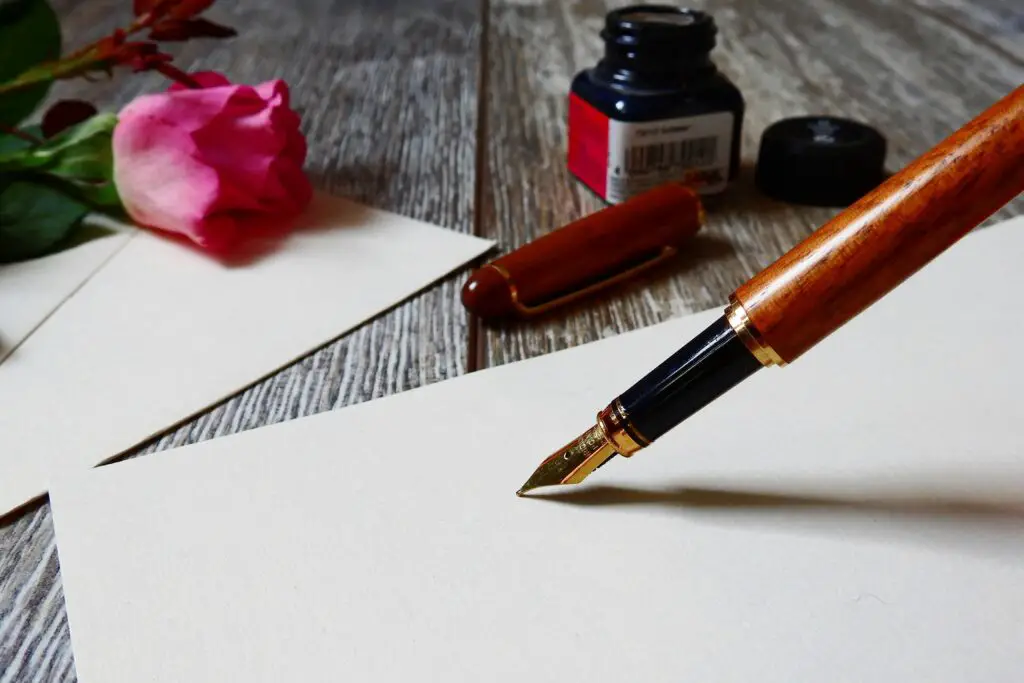
Writing a letter was slow, thoughtful, and oddly intimate. You chose paper carefully and rewrote sentences to sound just right. Then you waited, sometimes for weeks. That waiting was part of the relationship.
The reply felt earned when it arrived. People reread letters until the paper softened. Today’s instant replies would have felt almost rude back then. The pace made communication feel heavier and more meaningful.
6. Using the Encyclopedia Set

Looking up information meant grabbing a heavy volume from a shelf. You flipped pages and hoped the answer lived there. If it didn’t, you adjusted the question or moved on. Research took effort and time.
Kids learned how to skim and interpret instead of search. Arguments were settled by whoever owned the encyclopedia. It felt authoritative even when it was incomplete. Now it seems charmingly inefficient.
7. Meeting Without Confirmations

Plans were made once and then trusted. You agreed on a place and time and just showed up. If someone was late, you waited. If they didn’t come, you assumed something happened.
There were no texts asking where someone was. No live updates or shared locations. The commitment mattered more because there was no backup plan. Showing up was the entire agreement.
8. Asking for Directions from Strangers

Getting lost meant stopping and asking someone nearby. Gas stations, diners, and random neighbors became navigation hubs. Directions were given with landmarks and hand gestures. You nodded like you understood even when you didn’t.
People trusted each other more out of necessity. Wrong turns were expected. Getting there was part of the adventure. Today’s turn by turn directions removed that shared human moment.
9. School Research Trips to the Library

Research projects meant physical trips to the library. You hunted for books that might be relevant. Sometimes everything you needed was already checked out. That was just part of the process.
You learned to adapt and improvise. Librarians became guides instead of search bars. The work took longer but felt more earned. Finishing the project felt like an accomplishment.
10. Leaving Notes on the Counter
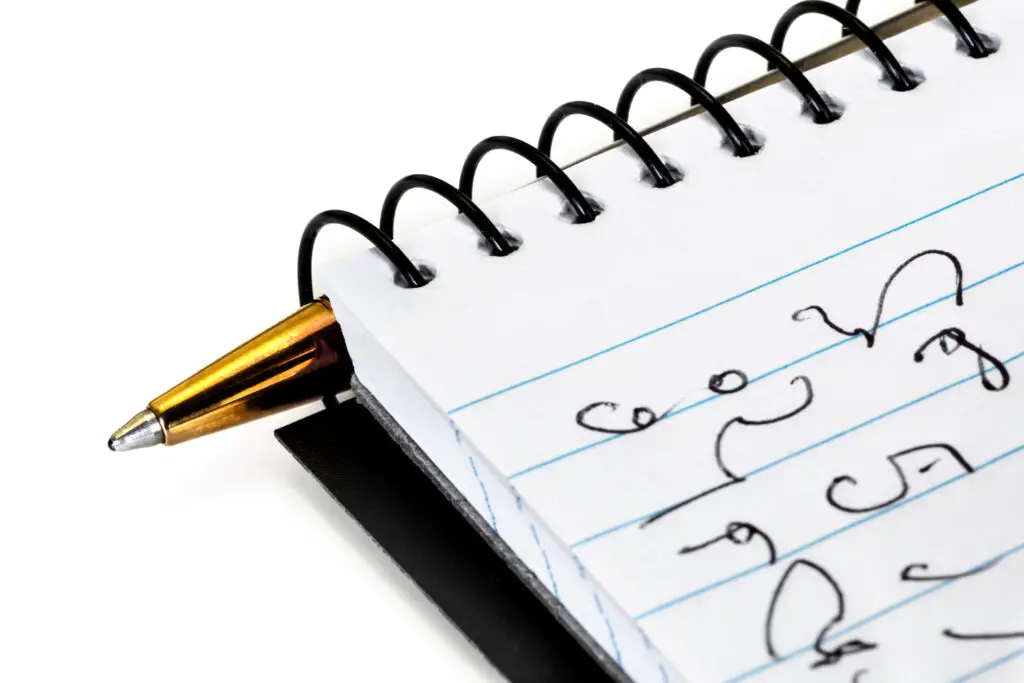
Notes were left on kitchen counters and refrigerators. You trusted the right person would see them. Timing mattered more than precision. The message had to last until it was read.
These notes carried tone and personality. Handwriting added emotion. They felt more personal than quick messages do now. It was communication that assumed patience.
11. Planning Vacations with Physical Guides

Trip planning involved maps, guidebooks, and highlighters. You read reviews written months or years earlier. Decisions were made with limited information. That uncertainty was normal.
People accepted surprises as part of travel. You didn’t know what a hotel really looked like until you arrived. The planning process took weeks. It made the trip feel bigger and more deliberate.
12. Waiting for Photos to Be Developed
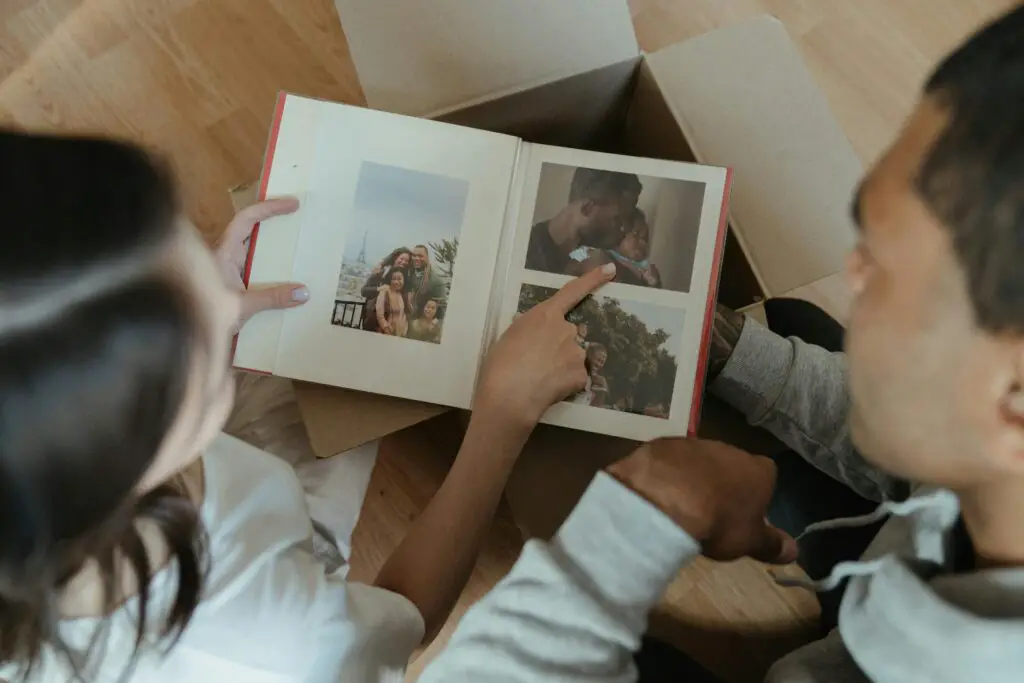
You didn’t know how photos turned out right away. You waited days or weeks to see them. Sometimes important moments were blurry or missing. You lived with it.
Photos felt more precious because of the wait. You handled prints carefully. Sharing meant physically handing someone an image. Now the delay feels unimaginable, but it once felt completely normal.
13. Settling Arguments Without Instant Proof

Arguments relied on memory and confidence. Whoever sounded most certain often won. Facts were fuzzy and opinions filled the gaps. You couldn’t instantly check who was right.
Disagreements lasted longer and felt more intense. You might carry them for days until someone found proof. Being wrong wasn’t immediately exposed. In a strange way, uncertainty gave conversations more drama.