
1. Sitting on the Suitcase So It Would Close
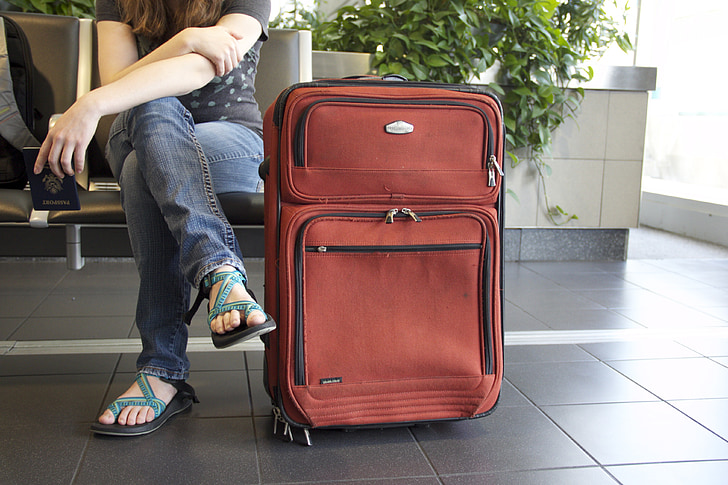
If your family ever packed for a trip, you probably remember someone calling for backup when the suitcase refused to zip. A parent or sibling would sit right on top of it, bouncing a little, while someone else wrestled the zipper closed. As a kid, it felt like part of the ritual of going somewhere exciting, not a questionable engineering solution. No one stopped to explain that overstuffed luggage needed compression to force the air out and flatten bulky clothes. You just learned that sitting on the suitcase was what you did before vacation officially began. Sometimes the zipper barely survived, which added a little suspense to the whole process. It felt oddly satisfying when it finally sealed shut.
Years later, you realize it was pure practicality dressed up as tradition. Rolling clothes, using packing cubes, and weighing bags weren’t household habits yet. Families simply crammed everything in and hoped for the best. Sitting on the suitcase was the quickest fix available. It also turned packing into a shared moment, which made the trip feel real. Even now, plenty of adults still instinctively sit on a stubborn suitcase without thinking twice. Old habits stick, especially when they work.
2. Touching the Car Roof After Seeing a Yellow Car
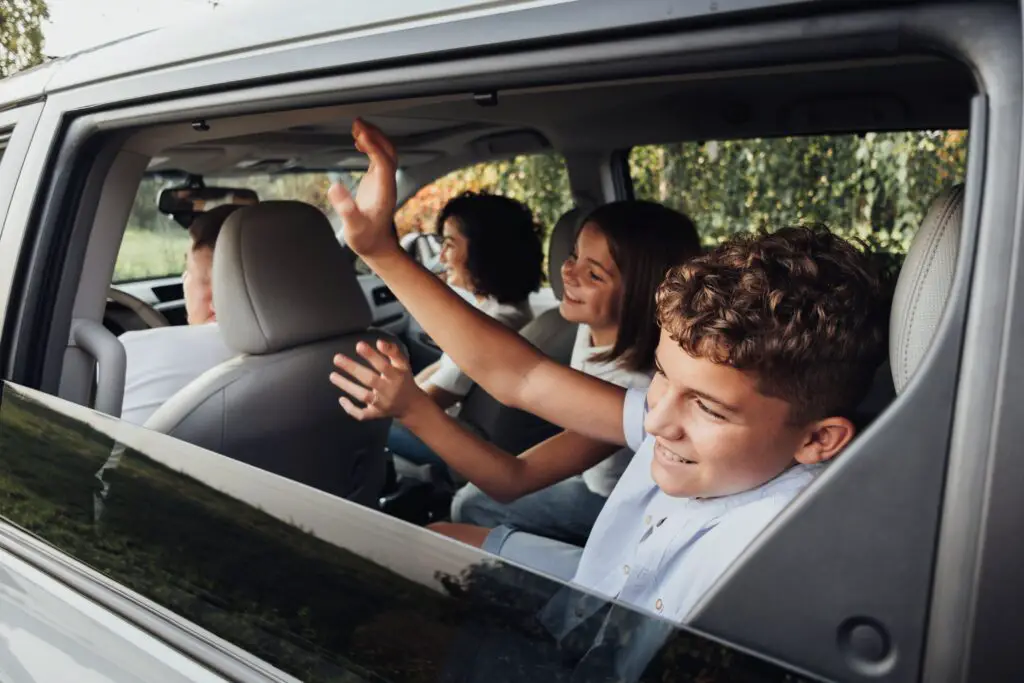
Spotting a yellow car on the road suddenly became a race to smack the roof of the car you were riding in. Kids yelled, laughed, and tried to be the first to claim victory. Nobody ever explained where the rule came from or what you supposedly won. It was just something everyone seemed to know automatically. Missing the moment felt oddly disappointing, like you’d failed a tiny test. The game made long drives feel shorter and more entertaining. Even adults sometimes played along without questioning it.
The tradition likely came from older punch buggy games that turned car spotting into a friendly competition. Over time, families adapted the rules to make it less rough and more silly. Touching the roof was safer than punching someone’s arm. The real purpose was simply to pass time and create shared laughter. It also sharpened kids’ observation skills in a sneaky way. Long before phones entertained passengers, this was an easy way to stay engaged. The game survived because it worked.
3. Holding Your Breath When Passing a Cemetery

Some kids instinctively held their breath when the car passed a cemetery, even if no one remembered who taught them. It felt spooky but also strangely fun, like tempting fate in a harmless way. You’d peek at the headstones and trees while silently counting the seconds. Letting out your breath afterward felt like a small victory. No one really believed anything would happen if you forgot, but the ritual still felt important. Sometimes siblings would remind each other in a whisper just in time. It added a little mystery to an otherwise ordinary drive.
The tradition likely grew out of old superstitions about spirits and respect for the dead. Over time, it turned into more of a playful dare than a serious belief. Kids often inherit rituals without context and keep them alive through repetition. It also made quiet moments in the car more memorable. Even adults sometimes catch themselves doing it out of habit. The logic fades, but the muscle memory remains. It’s one of those traditions that lingers long after the reason disappears.
4. Making a Wish on Birthday Candle Smoke
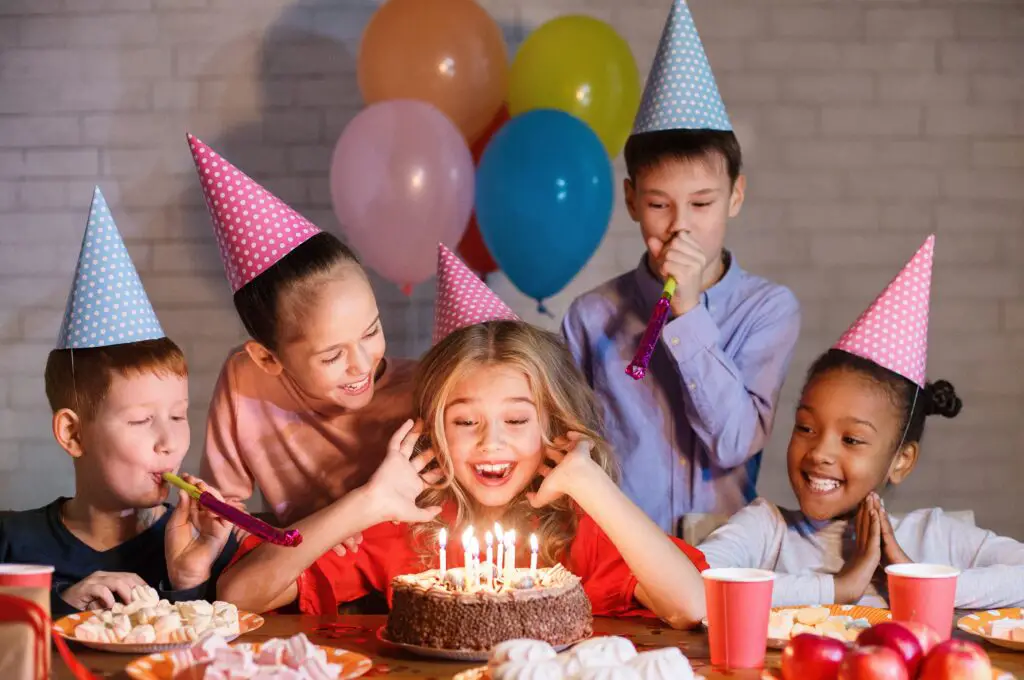
After blowing out your birthday candles, you probably watched the little trail of smoke curl into the air. Someone would tell you to catch it with your hands and rub it into your hair or shirt to lock in your wish. You didn’t question the physics of smoke or how wishes supposedly worked. It just felt magical and special, like sealing a secret contract with the universe. Missing the smoke felt like a missed opportunity for luck. Everyone took turns making sure their wish stayed unspoken. It added a tiny bit of mystery to cake time.
The idea comes from much older wishing traditions tied to breath, smoke, and symbolic gestures. Over time, families simplified it into a playful routine kids could understand. The ritual gave birthdays a moment of quiet focus before the chaos of gifts and frosting. It also encouraged imagination and hope in a gentle way. Even skeptical adults sometimes still go through the motions for fun. Traditions don’t always need logic to feel meaningful. Sometimes the ritual itself is the reward.
5. Sleeping With Your Head at the Foot of the Bed on April Fool’s Day

Many kids were told to flip around and sleep with their head at the foot of the bed on April Fool’s Day. It felt silly and slightly rebellious, like you were breaking a house rule just for fun. No one ever explained what it accomplished or where the idea came from. You just did it because someone older said it was part of the day. It made April Fool’s feel different before any pranks even started. Some kids even reminded their parents if they forgot. It became a quiet tradition in many homes.
The habit likely grew from old folk humor traditions about doing things backward on trick days. Turning something upside down symbolized playful chaos and harmless mischief. For kids, it was an easy way to participate in the spirit of the day without pulling pranks. It also gave them a sense of insider knowledge. Even if the meaning faded, the ritual stayed. It’s a small example of how traditions can survive purely on repetition. Sometimes the fun is in the oddness itself.
6. Knocking on Wood to Prevent Bad Luck
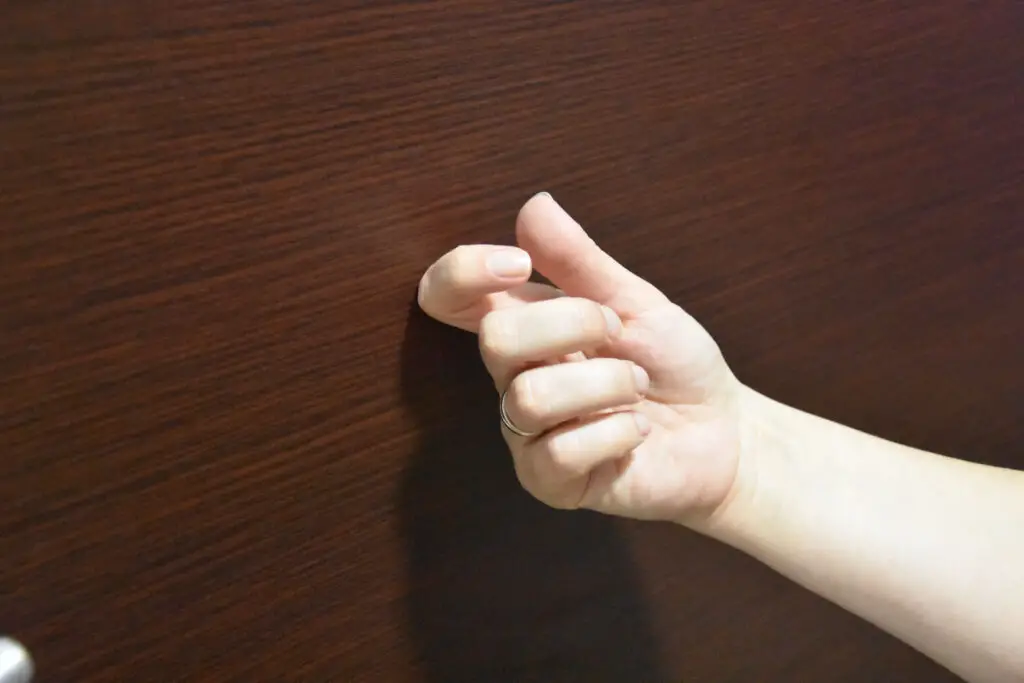
Any time someone said something hopeful or tempting fate, someone else would immediately shout, “Knock on wood.” Kids followed along, tapping tables, doorframes, or anything wooden nearby. You didn’t really know why wood mattered, but you trusted that it somehow protected everyone. Forgetting to knock felt risky, even if you couldn’t explain the danger. It became automatic in everyday conversation. Even adults treated it as second nature. The phrase slipped out without much thought.
The tradition traces back to ancient beliefs that spirits lived in trees and could offer protection. Knocking was a way of calling on that protection or showing respect. Over centuries, the meaning blurred but the action stuck. Kids learned the behavior long before learning the history. It became a cultural reflex rather than a superstition. The ritual gave people a small sense of control over uncertainty. Even now, many still knock without thinking twice.
7. Saving the Wishbone After a Big Meal
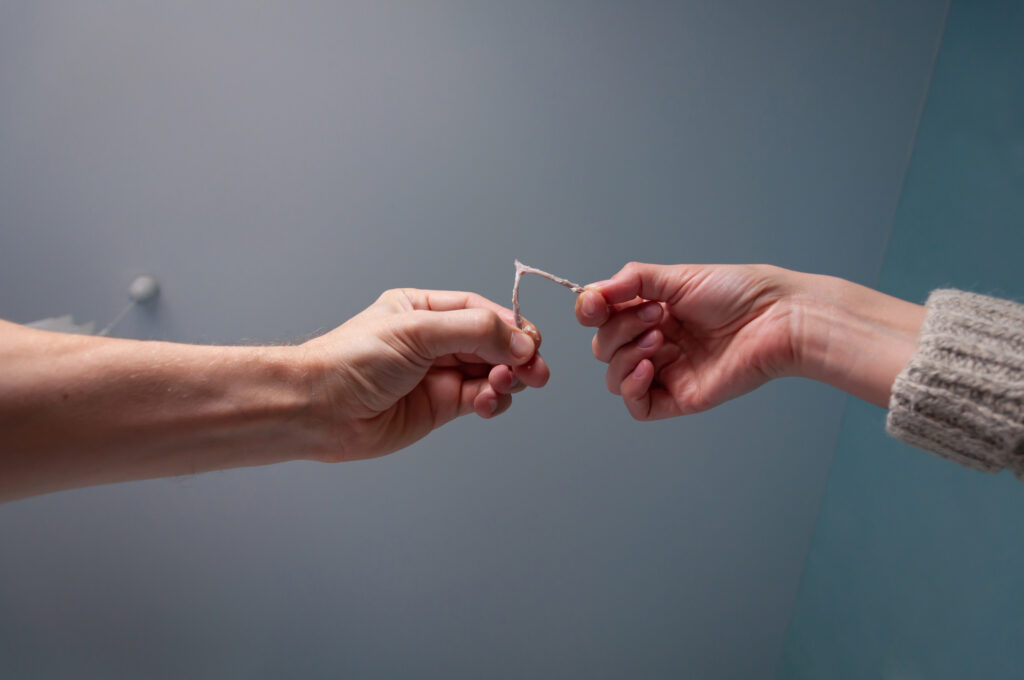
After a holiday meal or roast chicken dinner, someone always carefully saved the wishbone. It was set aside to dry so two people could pull it later. Kids eagerly waited for their turn, convinced the winner would get a wish. No one really questioned why a tiny bone held magical powers. It just felt like part of the meal’s aftermath. The snapping sound added suspense and excitement. Sometimes arguments broke out over who got the bigger piece.
The tradition dates back to ancient cultures that believed certain bones carried good fortune. Over time, it turned into a playful game rather than a spiritual ritual. Families kept it alive because it added a moment of fun to gatherings. It also stretched the celebration beyond the meal itself. Kids learned patience waiting for the bone to dry. Even today, many people still automatically save the wishbone without remembering why. Traditions often outlive their original meaning.
8. Crossing Your Fingers for Luck

Crossing your fingers became a universal symbol for hope and good luck. Kids used it before tests, games, or important moments. You didn’t question why twisting your fingers together might influence outcomes. It just felt comforting to have a lucky gesture. Sometimes friends crossed their fingers for you as support. The motion became tied to optimism and encouragement. Even small kids picked it up quickly. It became part of everyday language and behavior.
The gesture originally had religious roots, symbolizing protection or blessing. Over time, it evolved into a general sign of luck. Kids inherited the motion without the background story. It offered a simple way to express hope when you couldn’t control the outcome. The physical action made abstract feelings feel more concrete. Even adults still rely on it out of habit. It’s a tiny tradition that travels easily across generations.
9. Calling “Jinx” When You Said the Same Thing at the Same Time
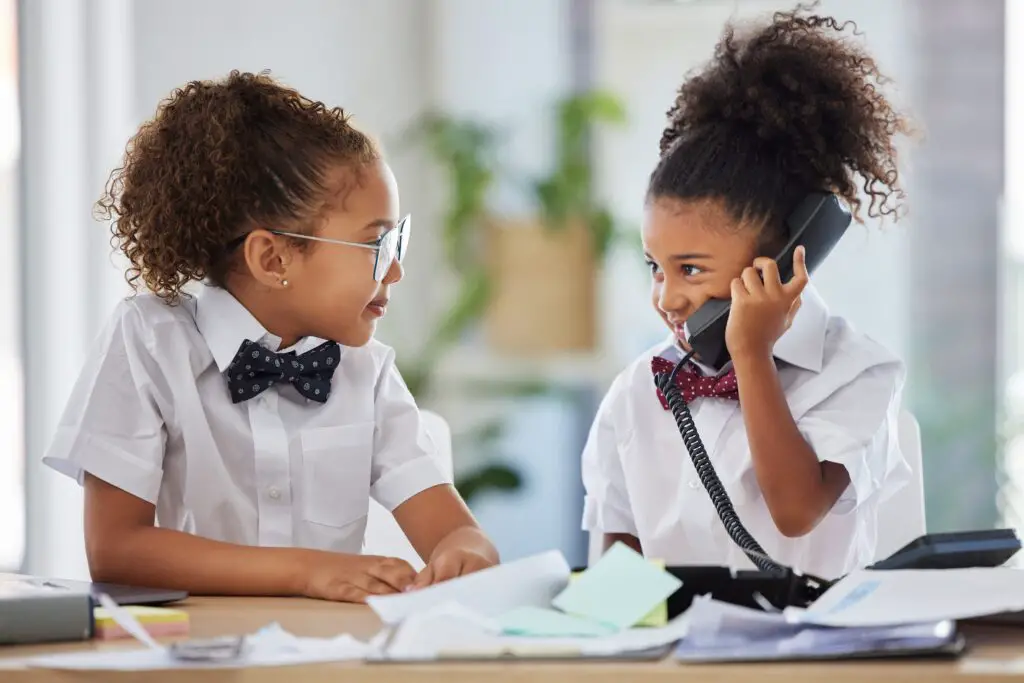
When two people said the same words at once, someone immediately shouted “Jinx.” The other person was suddenly not allowed to talk until their name was said. Kids followed the rule without questioning why silence was the punishment. It felt like a game with invisible rules everyone somehow knew. Breaking the rule felt oddly serious, even though nothing really happened. It added humor and surprise to conversations. Sometimes the silence stretched dramatically for laughs.
The game likely evolved from older word games and superstition traditions. It gave kids a way to turn coincidence into playful competition. The rule structure helped reinforce social play and attention. It also encouraged memory and quick reactions. Over time, the origin became irrelevant, but the ritual stayed fun. Many adults still instinctively call “jinx” without thinking. Some traditions survive simply because they’re entertaining.
10. Eating Black-Eyed Peas for New Year’s Luck

Some families insisted kids eat black-eyed peas on New Year’s Day, even if they didn’t love the taste. You were told it brought good luck or money in the coming year. No one explained why this particular food had magical properties. You just trusted the tradition and took a few polite bites. Skipping it felt like tempting fate. The meal became part of the holiday routine. Even picky eaters made an exception.
The tradition comes from Southern folklore tied to prosperity and survival after hard times. Over generations, it became a symbolic food rather than a practical one. Families passed it down as a hopeful ritual. Kids absorbed the rule without needing the history lesson. The food itself became associated with fresh starts and optimism. Even today, many people keep the tradition alive out of respect for family habits. Food traditions often carry emotional weight beyond logic.
11. Never Stepping on Sidewalk Cracks
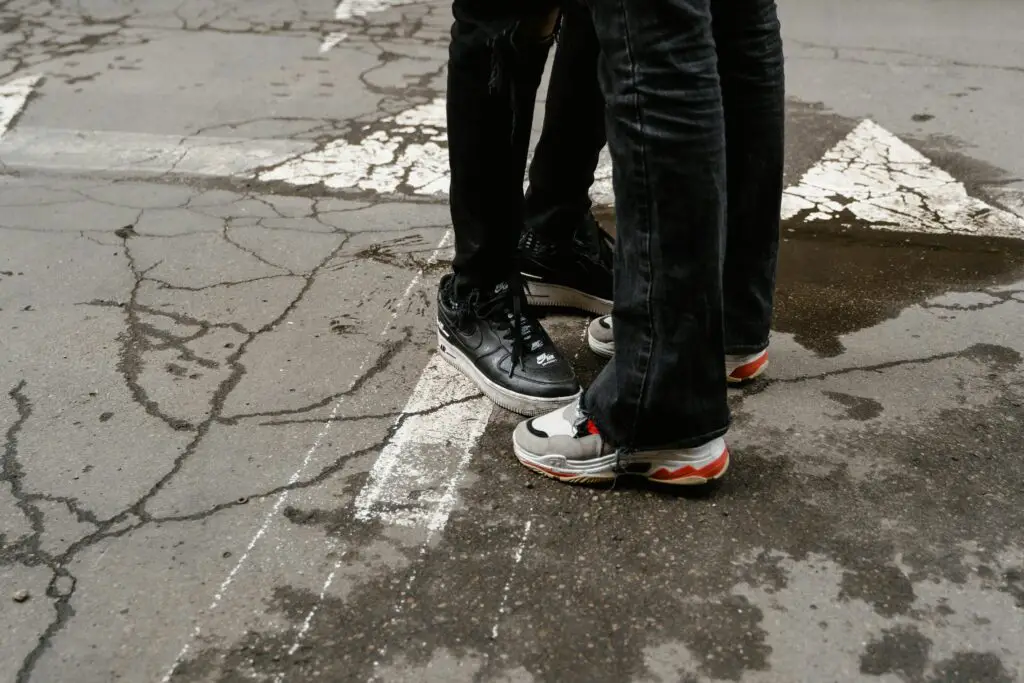
“Step on a crack, break your mother’s back” echoed on sidewalks everywhere. Kids carefully hopped, skipped, or stretched their steps to avoid the lines. You didn’t truly believe someone would get hurt, but you weren’t eager to test it. It turned an ordinary walk into a game of focus and balance. Friends competed to see who could avoid cracks the longest. Missing one felt like a tiny failure. The chant made it feel official.
The rhyme likely developed as a playful way to keep kids entertained and aware of their surroundings. It also encouraged coordination and movement. Over time, it took on a superstition-like quality. Kids repeated it without questioning the origin. The game helped pass time during long walks. Even adults sometimes catch themselves avoiding cracks unconsciously. Childhood habits can linger in surprising ways.
12. Putting a Penny in a New Pair of Shoes
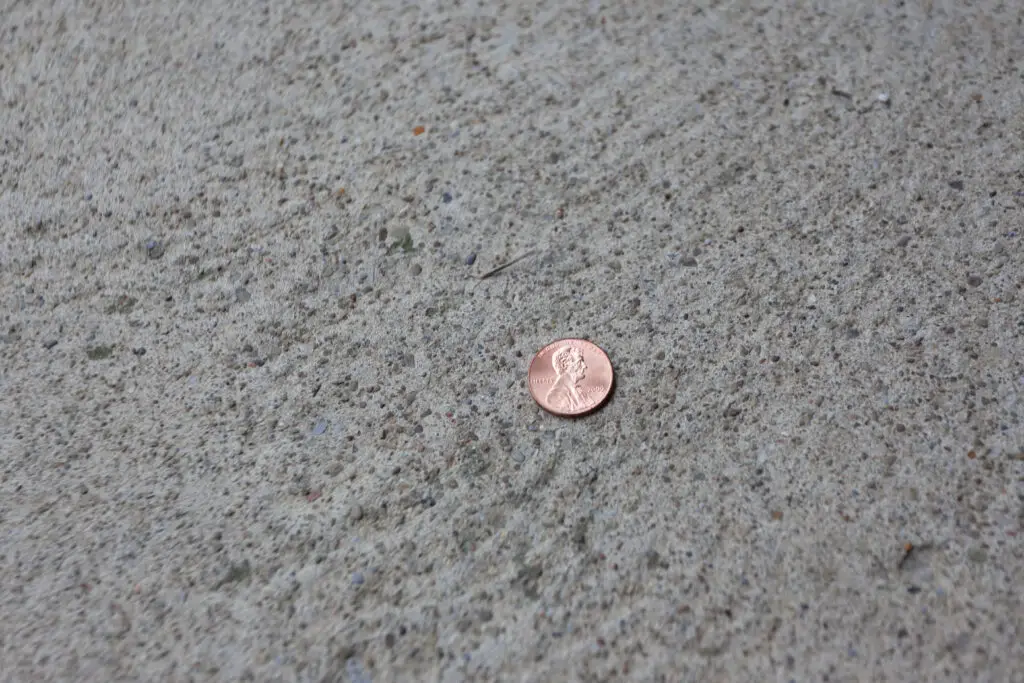
Some families tucked a penny into a new pair of shoes for good luck. Kids accepted it as part of the excitement of breaking in something new. No one really explained why coins and shoes were connected. It just felt like a small charm to carry with you. Sometimes the penny stayed there for weeks before falling out. It added a tiny sense of mystery to everyday objects. Kids liked knowing a secret lucky object traveled with them.
The tradition stems from old beliefs about coins bringing prosperity and protection. Shoes symbolized journeys and new beginnings. Combining the two became a symbolic way to wish someone well. Over time, the meaning faded, but the action remained. Families kept the habit because it was simple and harmless. Kids rarely questioned it. Small rituals often survive because they’re easy to repeat.
13. Saying “Bless You” After a Sneeze

Every time someone sneezed, someone else quickly said “Bless you.” Kids learned to say it automatically, even in crowded rooms. You didn’t question why sneezing needed a verbal response. It just felt polite and expected. Forgetting to say it sometimes earned reminders from adults. The phrase became part of basic manners. It created brief moments of connection between people. Even strangers followed the rule.
The phrase dates back to ancient fears about illness and spirits entering the body. Over time, it became a social courtesy rather than a superstition. Kids inherited the habit without the history lesson. It reinforced awareness of others and polite behavior. The words stuck even as the belief disappeared. Many customs remain simply because they’re socially reinforced. Manners often hide very old traditions.
14. Waiting for the Ice Cream Truck Song Before Running Outside
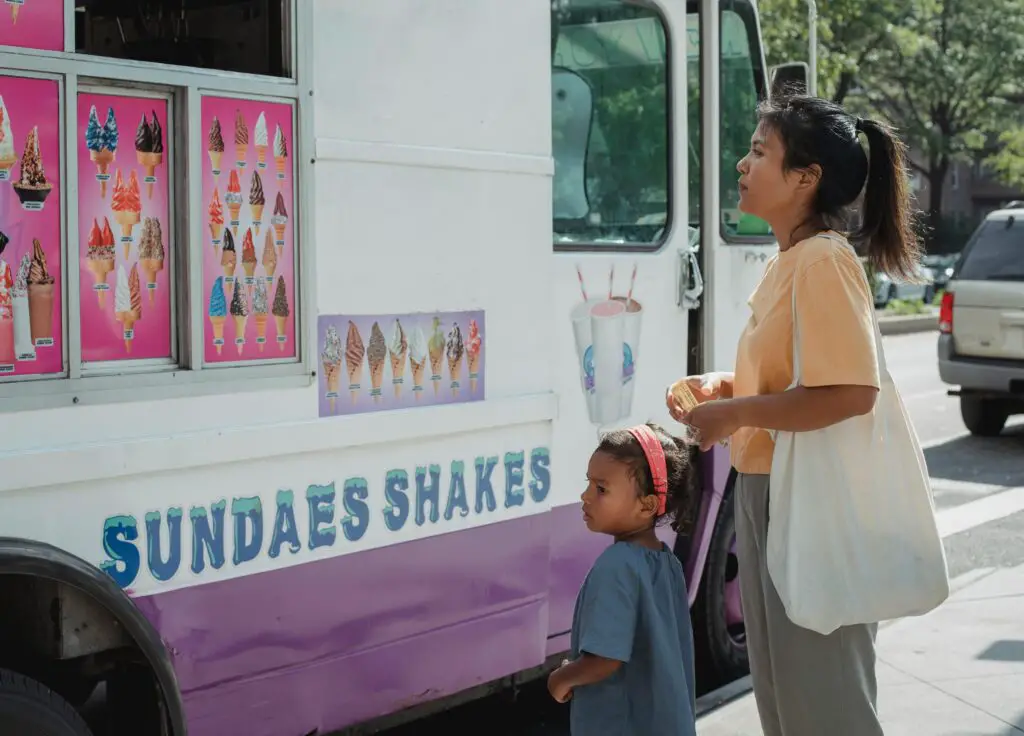
When the ice cream truck music floated through the neighborhood, kids dropped everything and rushed outside. You didn’t question why the song mattered so much. It was the official signal that treats were arriving. Hearing it triggered instant excitement and urgency. Sometimes you’d run barefoot or half dressed just to catch it in time. Missing the truck felt like a small tragedy. The music became tied to summer memories.
The song acted as a moving advertisement long before digital alerts existed. It was designed to grab attention across several blocks. Kids learned to associate the sound with reward and fun. Over time, the logic became invisible and only the excitement remained. The tradition created shared neighborhood moments. Even adults still recognize the tune instantly. Sound cues can become powerful memory anchors.
15. Sitting in the Same Spot at the Dinner Table
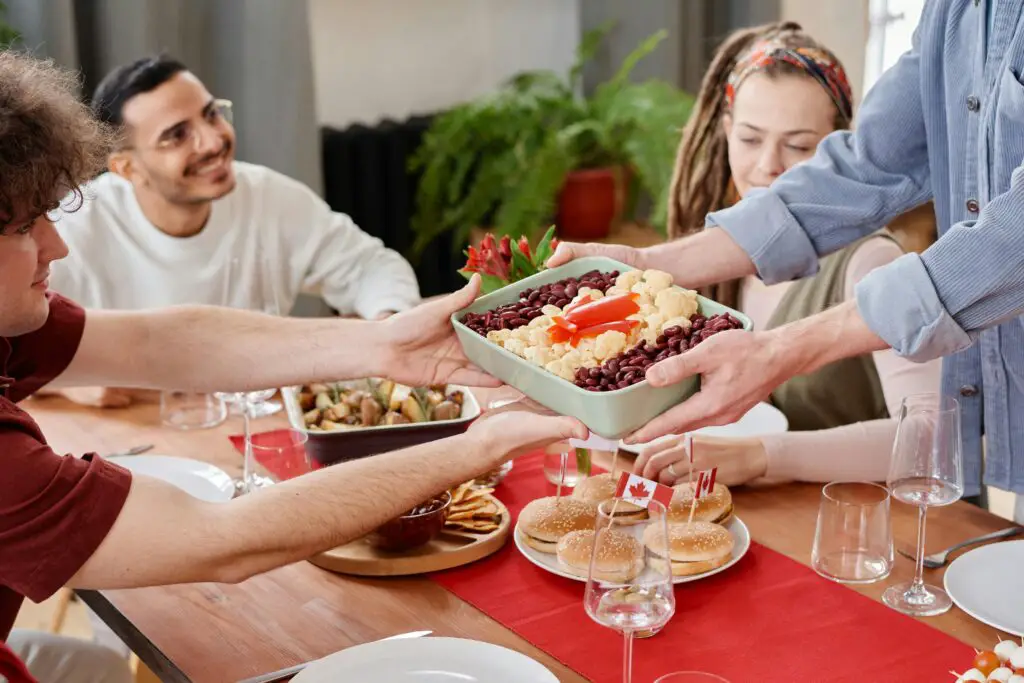
Many kids automatically sat in the same chair at every meal. It felt like your spot, even if no one officially assigned it. Sitting somewhere else felt strange or wrong. Family members often defended their own seats too. The routine created a sense of order and comfort. Kids rarely questioned why seating mattered. It just became part of daily life. The table felt incomplete if someone was missing.
The habit likely developed from routine and convenience rather than formal rules. Humans naturally seek patterns and familiarity. Kids learned stability through repeated seating arrangements. It helped create a sense of belonging and predictability. Over time, the spot became emotionally tied to identity within the family. Even as adults, many people still prefer consistent seating. Comfort often grows out of repetition.
16. Waving to Someone Who Was Leaving Until They Disappeared
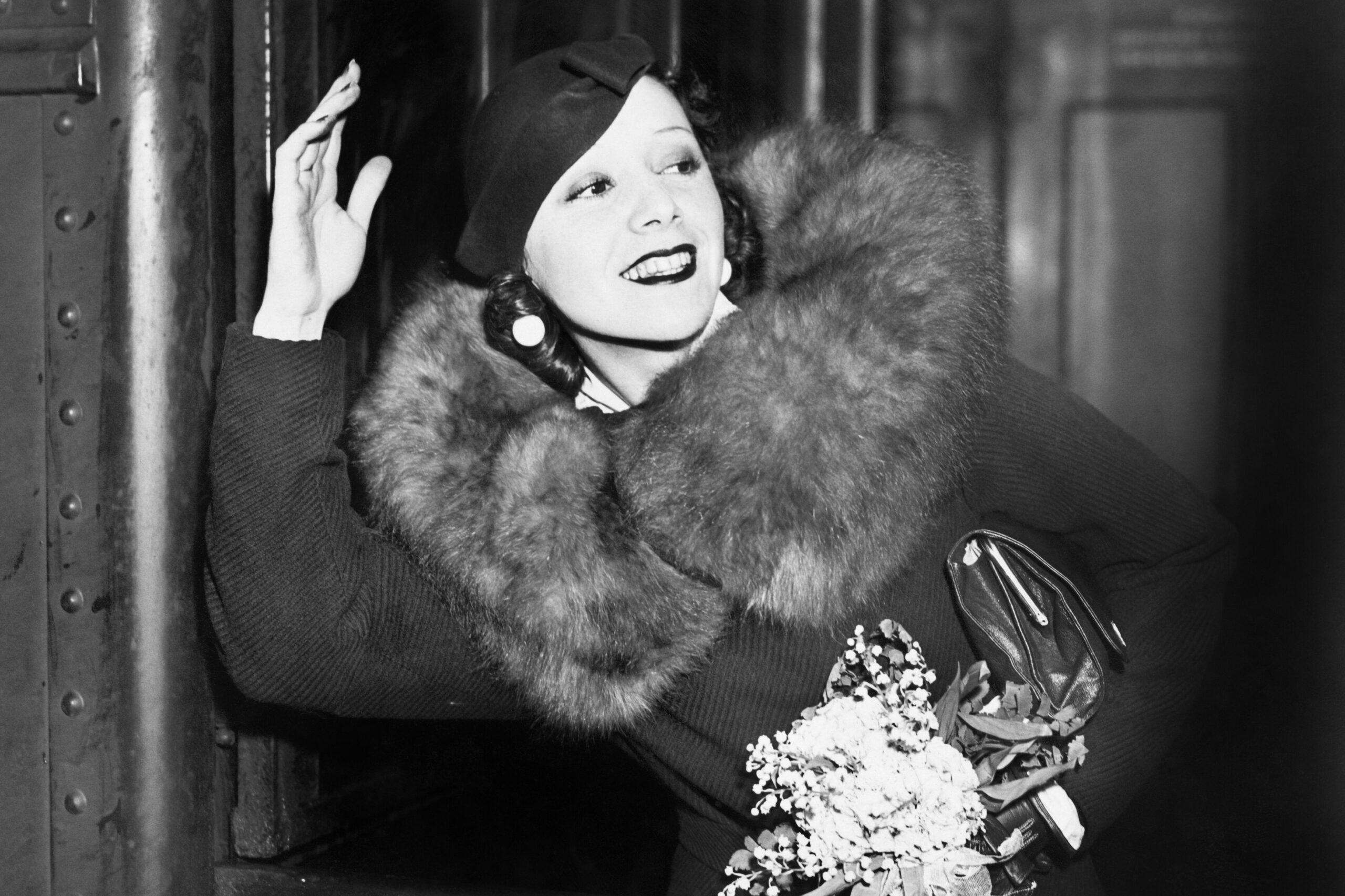
When someone drove away, kids kept waving until the car was completely out of sight. It felt rude or sad to stop too soon. You didn’t know why the waving had to continue, only that it mattered. The ritual gave closure to goodbyes. Sometimes you stood there longer than necessary just to be sure. It made departures feel more meaningful. Even neighbors sometimes joined in.
The habit comes from social bonding and visible acknowledgment of separation. Humans use gestures to signal care and connection. Kids absorbed the behavior by watching adults. It helped soften the emotional moment of parting. Over time, it became automatic. Even now, many people keep waving without thinking about why. Small gestures often carry deep emotional weight.