
1. Not Whistling After Dark

A lot of kids grew up hearing that whistling at night was “bad,” without anyone ever explaining why. It was just one of those rules that felt ancient and serious. You stopped mid whistle because an adult told you to, not because it made sense. The warning usually came with a look that suggested consequences you did not want to test.
The origin often had more to do with superstition than logic, sometimes tied to folklore about spirits or bad luck. In some households, it was also a way to keep things calm once evening settled in. Noise after dark was discouraged long before screens existed. Kids followed it simply because it had always been that way.
2. Holding Your Breath When Passing a Cemetery

This was a surprisingly common childhood ritual that almost no one questioned at the time. You would inhale deeply, clamp your mouth shut, and wait until you were safely past the gates. Friends in the car often joined in, turning it into a quiet group challenge. No one could ever quite explain what would happen if you failed.
The practice usually came from old beliefs about spirits or bad luck attaching themselves if you breathed near burial grounds. For kids, though, it was just another rule folded into everyday life. It made car rides slightly tense and oddly memorable. The reason stayed fuzzy, but the habit stuck.
3. Wearing New Shoes Only After Someone Else Touched Them

Many kids were told that new shoes had to be stepped on or touched before they were worn outside. The warning was vague but firm, usually tied to avoiding bad luck. You might hand a sneaker to a sibling or wait for a parent to tap it. It felt official, like a small ceremony.
The superstition may have been passed down through generations with no clear explanation left behind. What mattered was the ritual itself. Kids learned early that some things required permission from tradition. Once the shoe was touched, you could finally walk out the door without worry.
4. Saying “Bless You” Immediately After a Sneeze

This rule was enforced with surprising urgency. If you forgot, someone else jumped in to say it for you. Kids learned quickly that silence after a sneeze felt wrong. No one explained why the phrase mattered so much.
Historically, it traces back to fears about illness or spirits leaving the body. For children, it was simply good manners wrapped in mystery. You said it automatically, even when alone. The purpose faded, but the reflex stayed.
5. Not Sitting at the Head of the Table

Many kids instinctively avoided the head of the table without being formally told why. That seat belonged to an adult, often the same one every night. Sitting there felt like crossing an invisible line. Even guests’ kids seemed to understand it.
The tradition usually tied back to authority and family hierarchy. It reinforced who was in charge without needing to say it out loud. Children learned boundaries through furniture placement. The rule felt natural long before it felt logical.
6. Changing Out of “School Clothes” Immediately
The moment you walked through the door, you were told to change. School clothes were treated as temporary and slightly untouchable. Kids accepted this as a normal part of the day. No one questioned why the couch suddenly became off limits.
The habit came from wanting to preserve nicer clothes and keep dirt contained. For children, it just meant a fast wardrobe switch before playtime. It separated public life from home life in a quiet way. The purpose was practical, but rarely explained.
7. Never Opening an Umbrella Indoors

This rule felt universal and oddly strict. Kids learned early that umbrellas were outdoor objects only. Opening one inside drew immediate correction. The reason was usually framed as bad luck, not common sense.
Originally, the superstition may have been tied to safety or old design flaws. For kids, it was just another invisible line you did not cross. The umbrella stayed closed, no questions asked. Even as adults, many people still hesitate.
8. Waiting for the Oldest Person to Start Eating
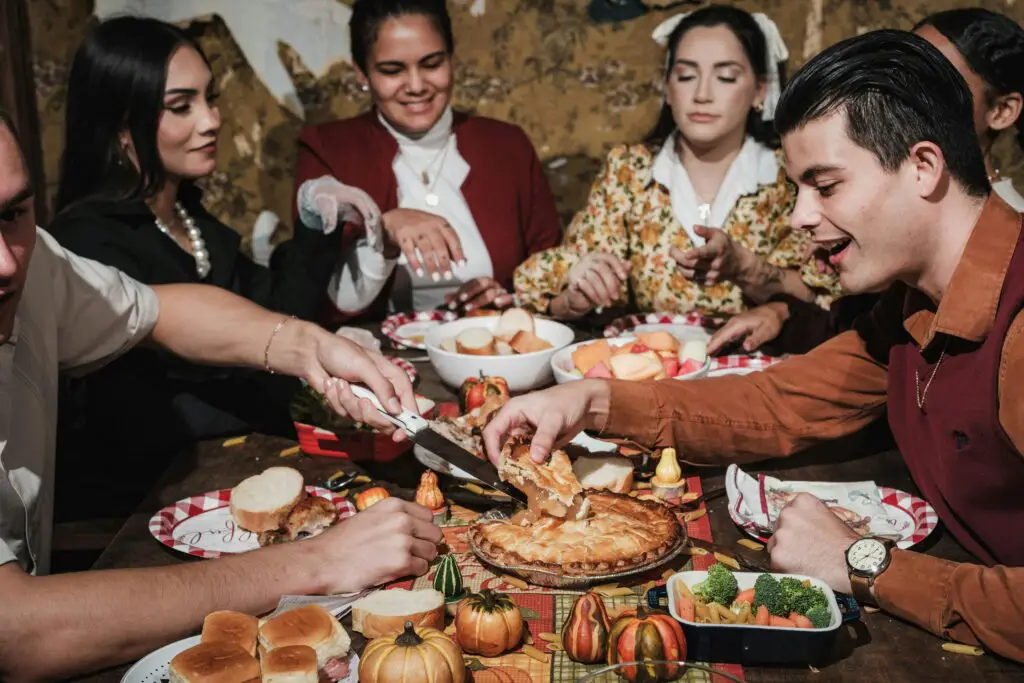
At family meals, kids often sat with hands folded until a specific adult began. You watched closely for the first bite. Starting early felt deeply wrong. No one explained it beyond “wait.”
This tradition came from respect and formal dining customs. Children absorbed it through repetition, not instruction. It taught patience without calling it that. The meaning stayed hidden, but the habit was clear.
9. Knocking Even When the Door Was Open
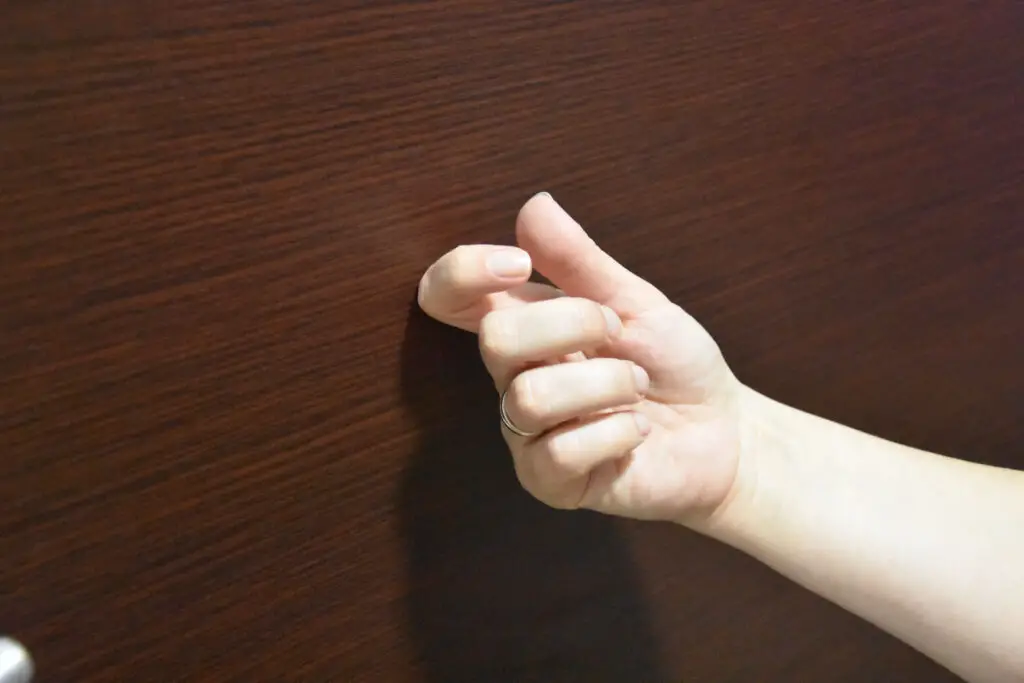
Some kids were taught to knock softly before entering, even if the door was already ajar. It felt polite, but also oddly ceremonial. You paused, knocked, then stepped inside. No one fully explained why.
The practice reinforced respect for privacy long before kids understood it. It created a moment of awareness between spaces. Children followed it because adults modeled it. Over time, it became instinctive.
10. Carrying Groceries in One Trip

This was treated like a point of pride and an unspoken expectation. Kids watched adults struggle slightly rather than make two trips. Helping meant grabbing as many bags as possible. No one ever framed it as a lesson.
The habit came from efficiency and a certain stubborn practicality. For children, it became a test of capability. You tried to live up to it without knowing why it mattered. The tradition quietly taught endurance.
11. Not Walking Under Ladders
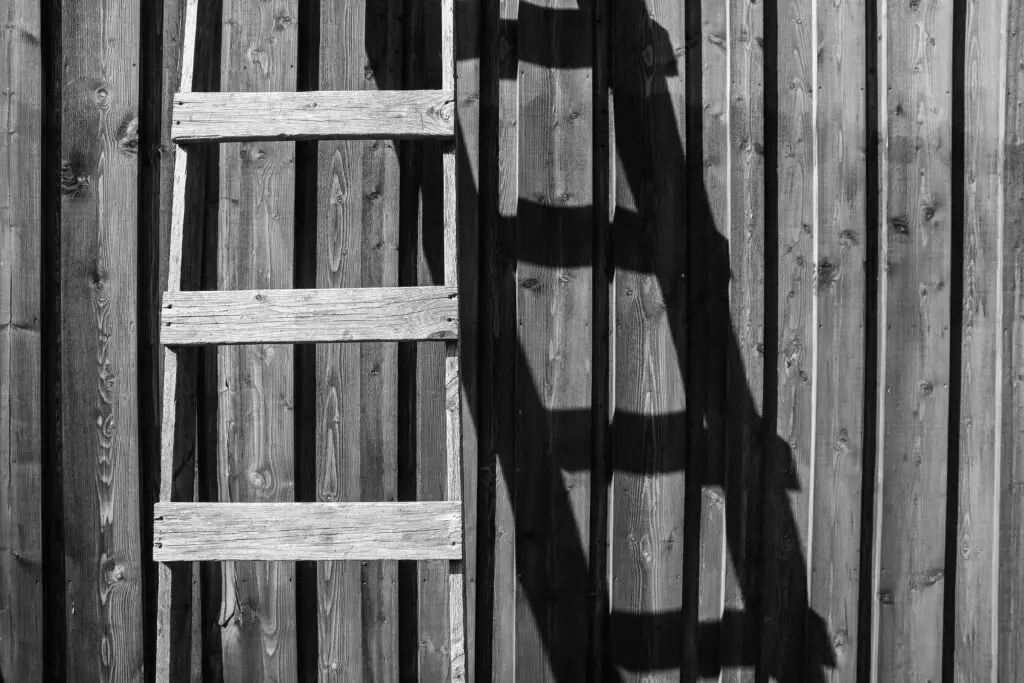
Kids learned this one early, usually from a shouted warning. You would detour instinctively without stopping. It felt dangerous in a way you could not define. No explanation ever seemed necessary.
The superstition goes back centuries, tied to bad luck beliefs. Children just accepted it as part of navigating the world. The rule was simple and absolute. Avoidance became automatic.
12. Turning Off Lights When Leaving a Room

This rule was enforced relentlessly. Kids heard it so often that it became background noise. Leaving a light on felt like a small crime. No one explained the cost beyond vague warnings.
The tradition stemmed from conserving energy and money. For children, it was about responsibility without numbers attached. You flipped the switch because it was expected. The reason came later, if at all.
13. Sitting Quietly During Adult Conversations
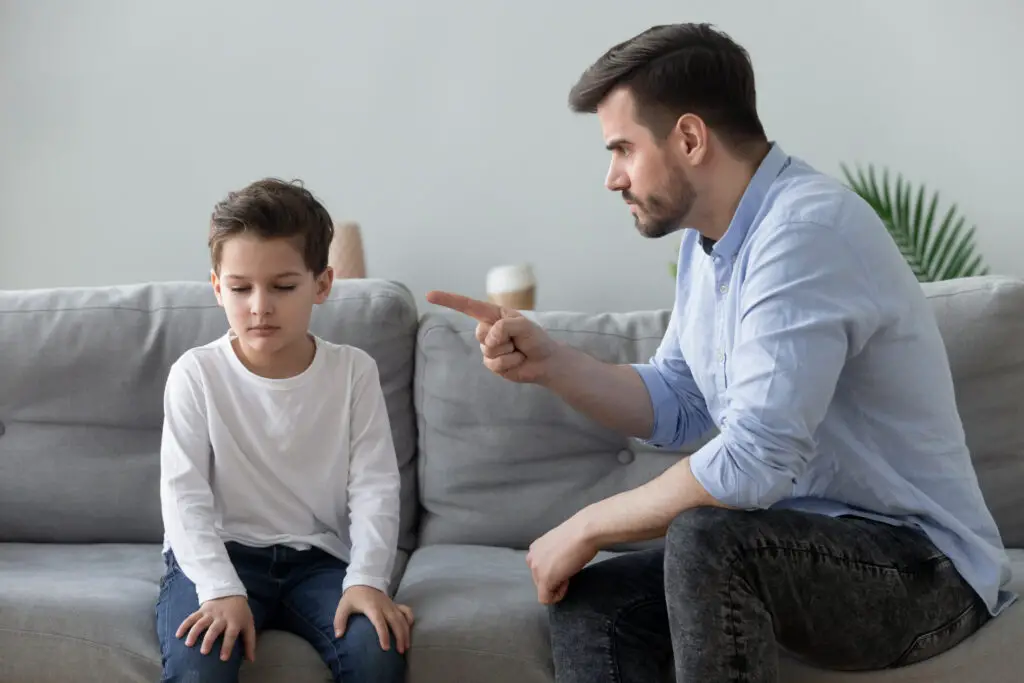
Kids knew when to lower their voices or disappear entirely. Adult conversations had an invisible boundary around them. Interrupting felt dangerous, even if the topic was boring. No one outlined the rule.
This tradition reinforced social hierarchy and respect. Children learned to read the room rather than ask questions. Silence became a form of participation. The purpose was absorbed, not explained.
14. Saving the Good Dishes for Special Occasions
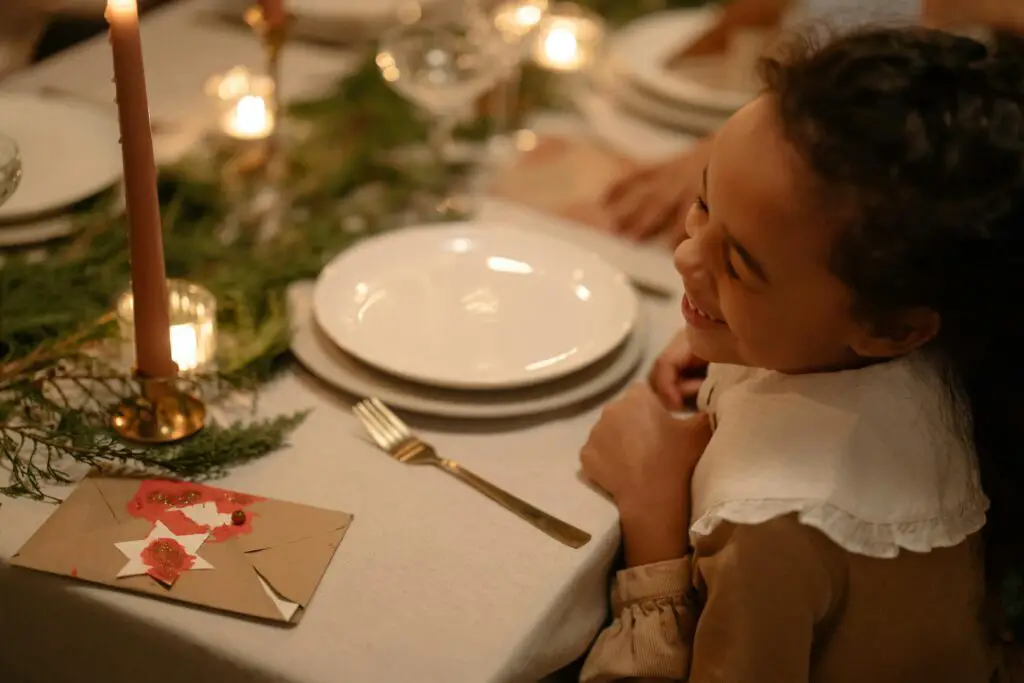
Kids noticed that certain plates only appeared on holidays. They were heavier, shinier, and handled carefully. Using them on a regular day felt forbidden. No one explained why they were waiting.
The tradition came from valuing objects and marking importance through use. Children just knew those dishes mattered. Their rarity made them feel powerful. The meaning was emotional, not logical.
15. Standing When an Adult Entered the Room
In some homes, kids instinctively stood or straightened up when certain adults appeared. It was subtle but consistent. You adjusted your posture without thinking. No one spelled it out.
This habit came from older customs around respect and authority. Children followed the physical cue without understanding its roots. It shaped behavior through repetition. The reason stayed unspoken.
16. Never Leaving the House Without Telling Someone
Kids were expected to announce where they were going, even for short trips. Forgetting meant being called back inside. The rule felt strict but normal. No one framed it as safety.
The tradition existed to keep track of children before constant communication was possible. For kids, it was just a requirement before freedom. You said the words and then ran off. The purpose made sense only years later.