
1. Waiting Thirty Minutes After Eating to Swim

Every kid heard the rule about not getting in the pool right after lunch. Adults warned that cramps would strike and disaster would follow. Nobody ever questioned where the warning came from or whether it was really true. We just sat on beach towels staring at the water and watching the clock.
The funny part is that the waiting period always seemed to change. Sometimes it was twenty minutes and sometimes it was a full hour. Parents and lifeguards repeated the rule with total confidence. By the time we grew up, it felt like an official law of nature.
2. Sitting at the Kids Table
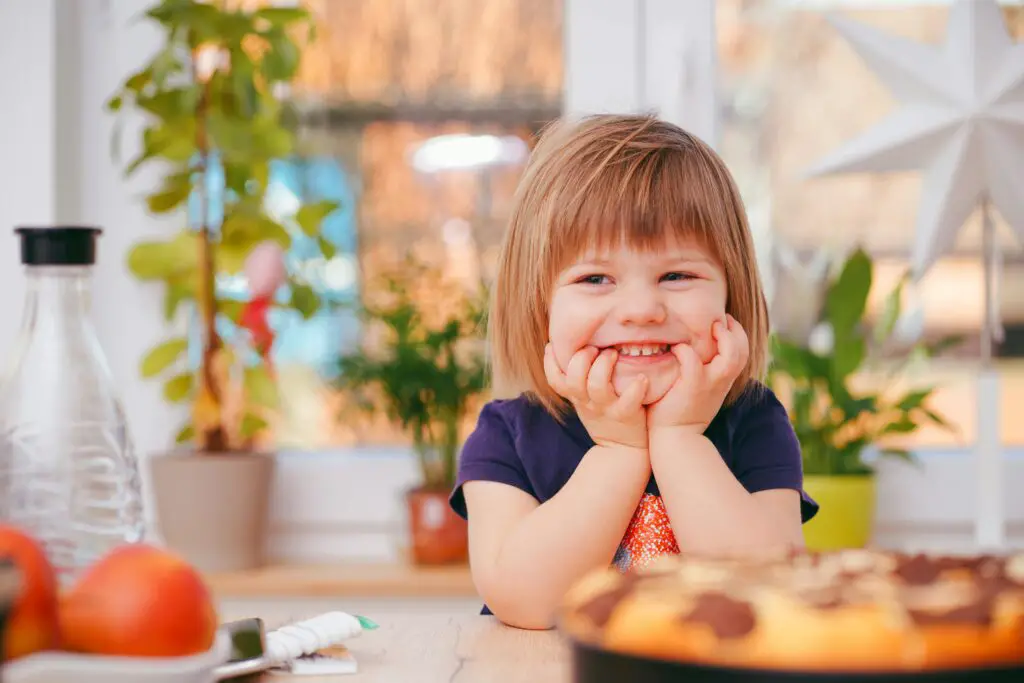
Holiday meals always came with a clear seating plan. Grownups gathered around the main dining room table while children were sent to a smaller folding table. Nobody voted on this system or asked for an explanation. It was simply understood that age determined your chair.
The kids table was often crowded and a little chaotic. Drinks spilled and elbows bumped and laughter got loud. Eventually everyone graduated to the adult table, but only when the older generation decided it was time. Until then, we accepted our place without a single protest.
3. Saying Bless You After a Sneeze

From the moment we could talk, we were taught to respond to sneezes. Someone sneezed and the room automatically echoed with polite blessings. No one explained the history or the reason behind it. The response just felt as natural as saying hello.
If a child forgot to say it, an adult quickly reminded them. It was treated like an important piece of basic manners. Even in classrooms full of kids, the tradition carried on without pause. Most of us never wondered why until we were much older.
4. Asking to Be Excused from the Table
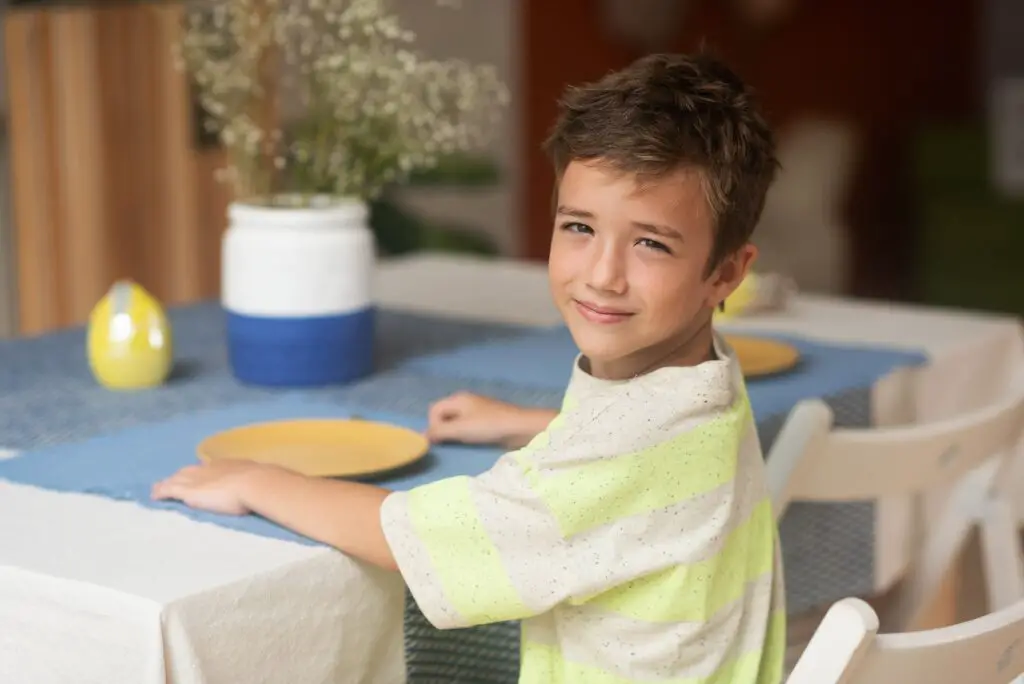
Family dinners came with their own set of formal rules. When a child finished eating, they were expected to ask permission to leave. Getting up without asking was considered rude and unacceptable. We followed along because everyone else did.
The phrase was always the same and said in a polite little voice. Once permission was granted, freedom was ours. The ritual turned mealtime into something almost ceremonial. Very few kids ever dared to skip that step.
5. Standing for the National Anthem
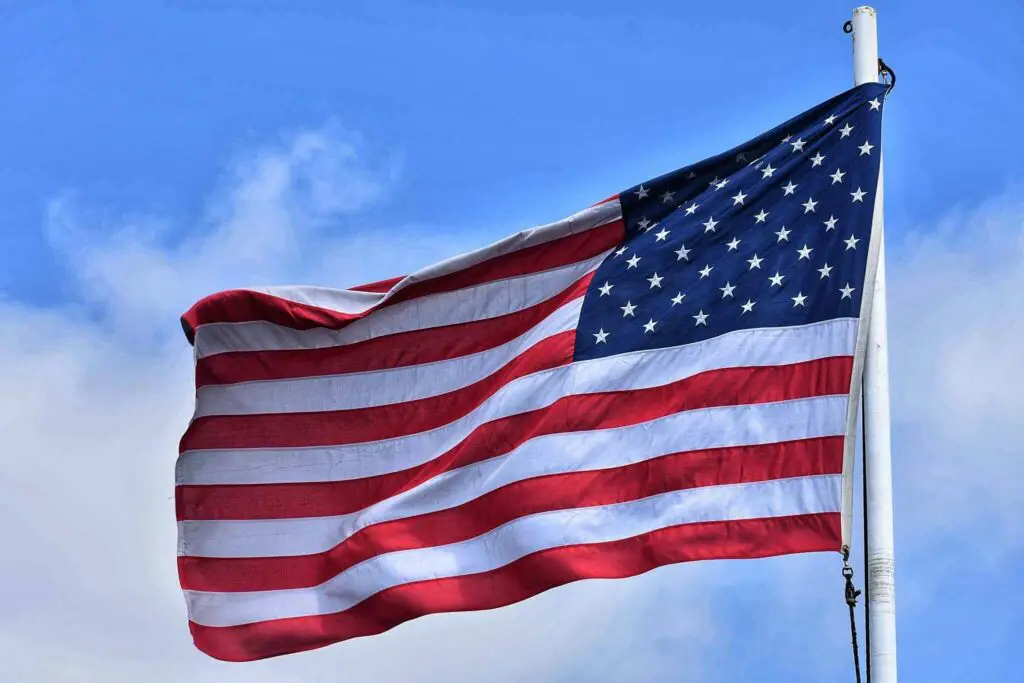
School assemblies and sporting events meant one thing right away. Everyone stood up, placed a hand over the heart, and faced the flag. Children copied the motions of adults without thinking twice. It felt like an automatic reflex.
Teachers and coaches never needed to explain the tradition in detail. The act of standing quietly was simply expected. Even the wiggliest kid knew to freeze in place until the song ended. Questioning it never crossed our minds.
6. Not Calling Adults by Their First Names
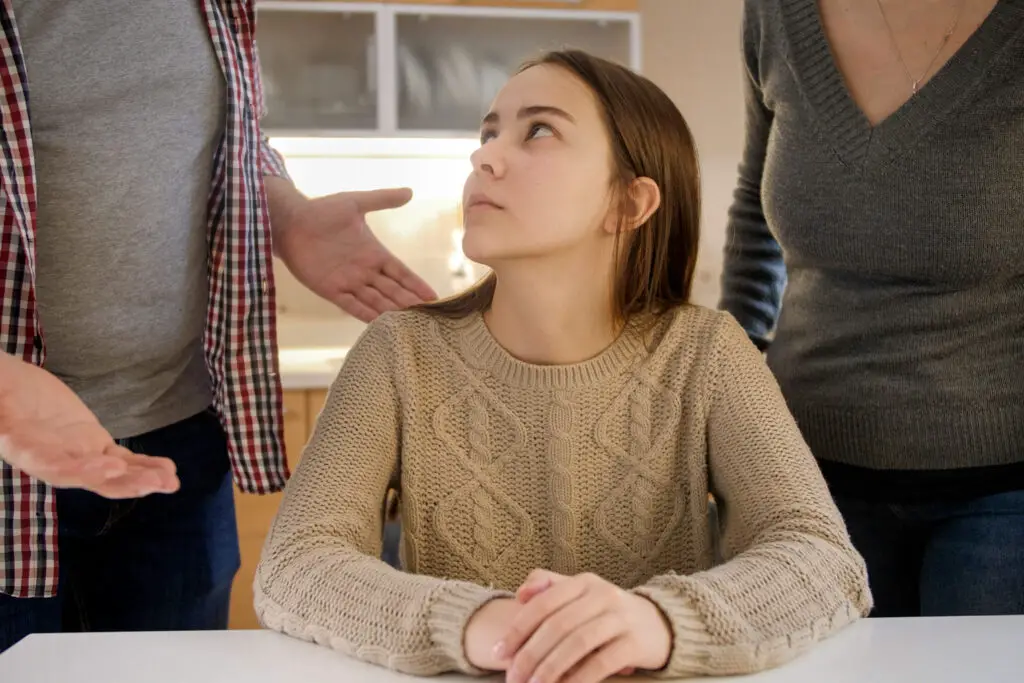
Growing up, most children were told to use formal titles. Friends’ parents were always Mr. or Mrs. and never just Bob or Linda. The rule was repeated so often that it felt carved in stone. Kids accepted it as part of basic respect.
Even when adults insisted on being casual, many of us still hesitated. Using a first name felt daring and slightly forbidden. The tradition held strong for decades in neighborhoods everywhere. We followed it because that was simply how things were done.
7. No Elbows on the Dinner Table

Mealtime manners included a long list of tiny instructions. One of the biggest was keeping elbows off the table at all times. Adults corrected the posture of children without ever explaining the reason. We just learned to tuck our arms in and behave.
Breaking the rule earned immediate reminders and disapproving looks. It did not matter if the table was casual or fancy. The command was treated like an important life skill. Most kids never thought to ask what elbows had done wrong.
8. Leaving Cookies for Santa
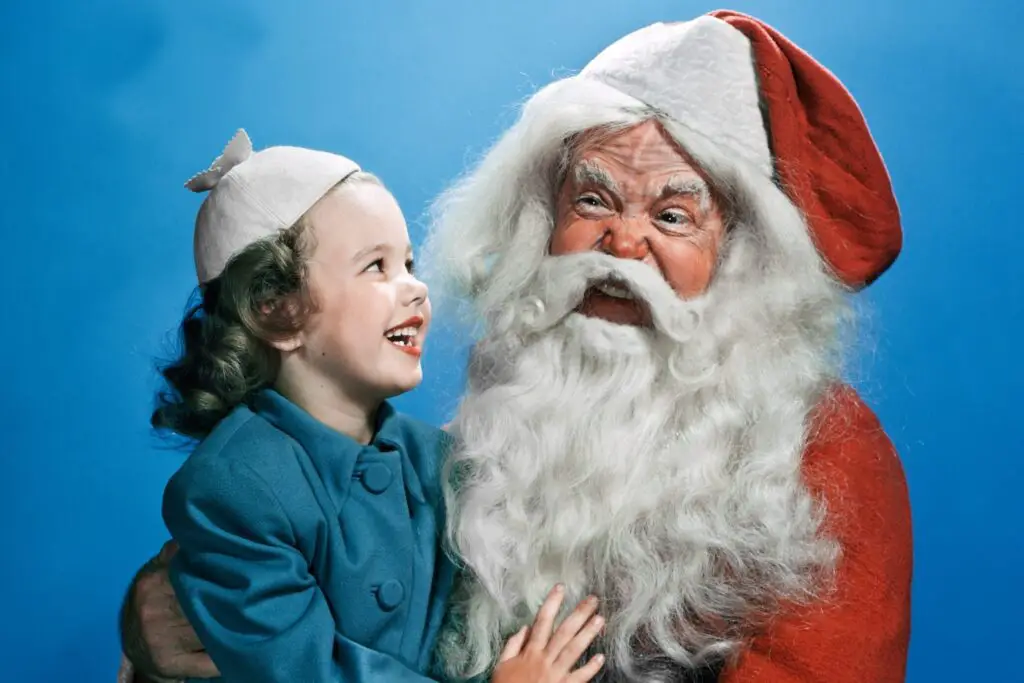
Every December brought the same nighttime routine. Children carefully set out cookies and a glass of milk before going to bed. Nobody questioned why Santa preferred those specific snacks. The ritual felt magical and completely normal.
In the morning, crumbs on the plate served as proof that it all worked. Parents encouraged the tradition with cheerful enthusiasm. Year after year, kids followed the custom with total faith. The logic behind it was never important.
9. Believing Step on a Crack Breaks Your Mother’s Back
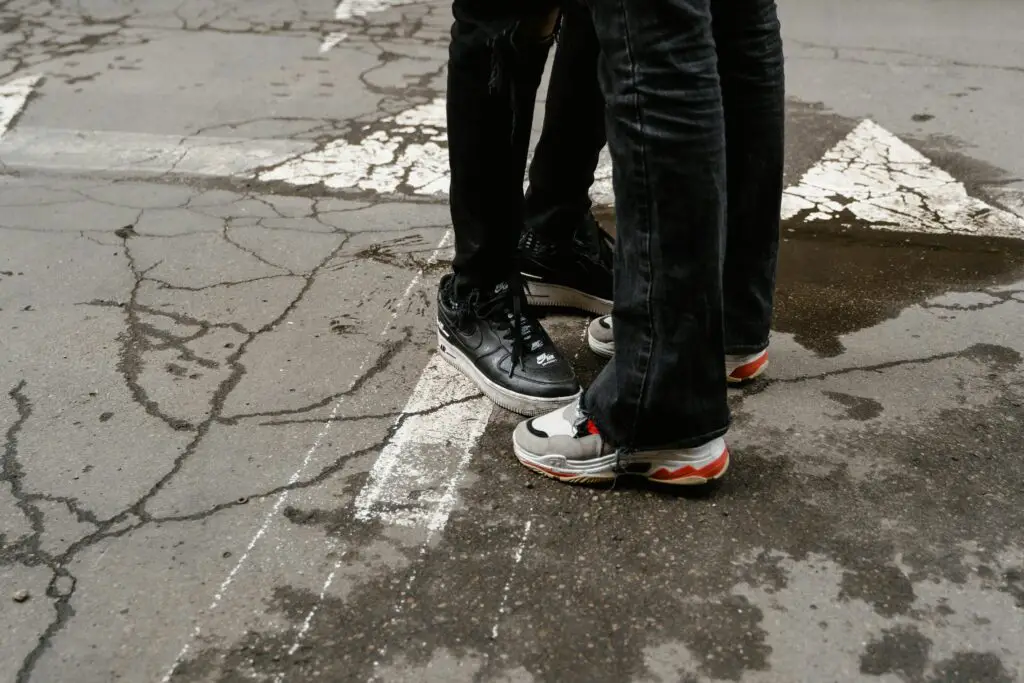
Playgrounds came with their own set of strange superstitions. Kids hopped over sidewalk cracks to avoid imaginary bad luck. The rhyme was repeated so often that it sounded like a real warning. Nobody stopped to consider how ridiculous it was.
Whole games were built around avoiding those dangerous lines. Children jumped and skipped as if serious consequences were at stake. The tradition spread from kid to kid without adult involvement. It was followed simply because everyone else believed it.
10. Making a Wish While Blowing Out Birthday Candles
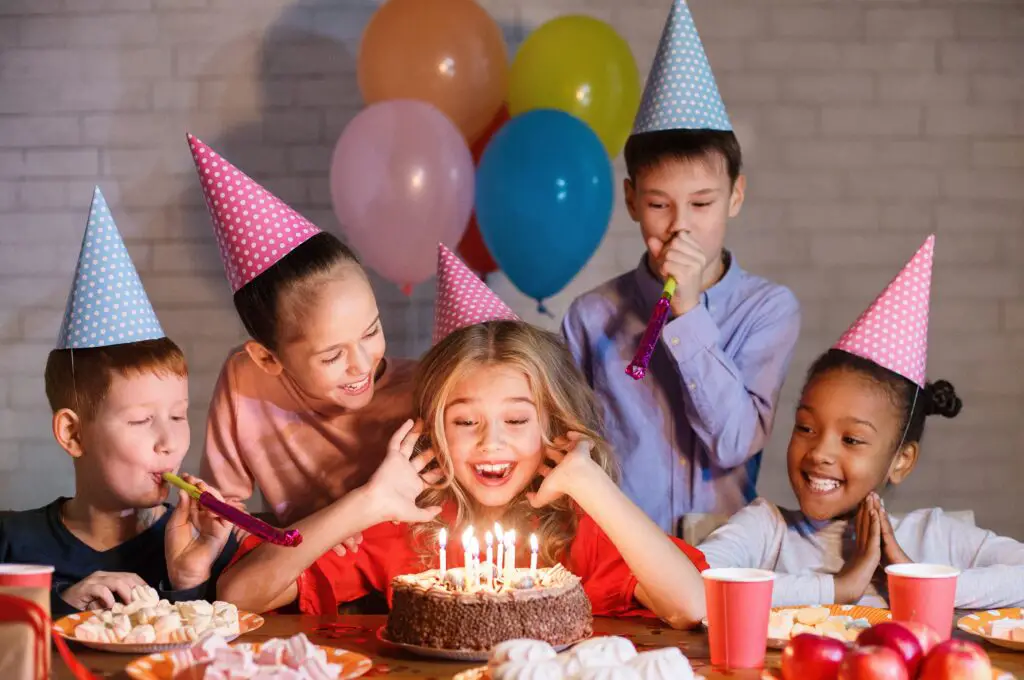
Birthday parties always included the same big moment. The cake arrived with glowing candles and everyone gathered around. Kids were told to close their eyes and make a silent wish. No one explained who was granting those wishes.
The rule about keeping the wish secret was treated as very serious. Blowing out all the candles in one breath felt incredibly important. Year after year, the ritual continued without any need for logic. It was just part of turning another year older.
11. Wearing Special Clothes for Picture Day
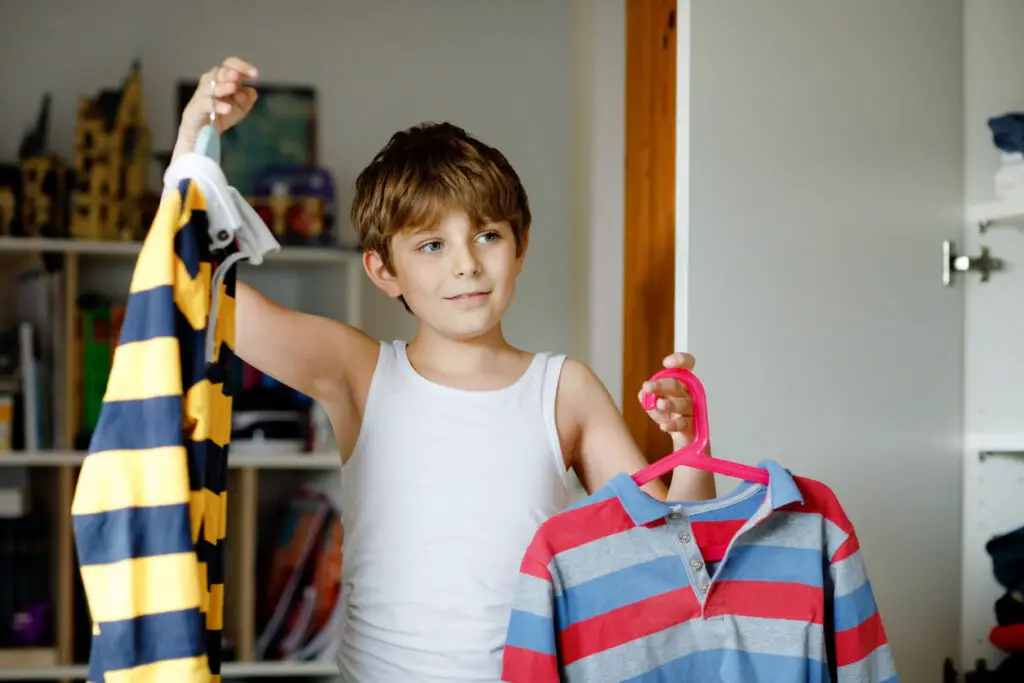
School picture day brought a wave of nervous excitement. Parents dressed their children in fancy outfits that were rarely worn again. Nobody questioned why one random day required uncomfortable shoes and stiff collars. It was accepted as an annual tradition.
Kids lined up in hallways trying not to wrinkle their clothes. Smiles were practiced in the mirror that morning. The final photos ended up in frames and yearbooks for decades. We all participated because it was simply expected.
12. Putting Lost Teeth Under the Pillow

Losing a tooth turned into an automatic bedtime ceremony. Children tucked tiny teeth beneath pillows and waited for a nighttime visitor. The idea of trading a tooth for money was never examined too closely. It just seemed like a normal part of childhood.
Parents played along and left coins or small bills in exchange. Every kid believed the system worked perfectly. No one asked practical questions about how it all happened. The tradition carried on with total innocence and excitement.
13. Taking Off Shoes at the Door

Many households had a firm rule about footwear. Shoes were removed the moment kids walked inside the house. The reason was often mentioned as dirt, but the practice went beyond logic. It felt more like an unwritten law.
Friends learned to follow the custom when visiting each other. Piles of sneakers by the door became a familiar sight. Children rarely asked why some homes cared more than others. We just slipped our shoes off and kept moving.
14. Saying Jinx When Two People Spoke at Once

Playgrounds had their own strange language games. When two kids said the same thing at the same time, someone shouted jinx. The other child was suddenly forbidden to talk until their name was called. Nobody knew where the rule came from.
Breaking the jinx required specific steps and plenty of giggling. Entire recess periods revolved around the silly custom. Teachers rolled their eyes while children took it very seriously. The tradition survived purely through kid logic.
15. Not Wearing White After Labor Day

Even children absorbed fashion rules from adults. One of the strangest was the idea that white clothes were seasonal. After Labor Day, white shoes and outfits were quietly put away. Very few kids understood why the calendar controlled colors.
Parents repeated the guideline as if it were obvious. Children accepted the rule without debate and adjusted their wardrobes. The reasoning behind it remained a mystery for years. We followed along because everyone else did.
16. Throwing Coins into Fountains for Wishes

Trips to malls and parks often included a familiar stop. Kids tossed spare change into fountains while making silent wishes. No one explained how a penny and a splash could change the future. The act just felt hopeful and fun.
Children leaned over the water with serious concentration. Entire family vacations included this tiny ritual. The coins piled up at the bottom and the tradition continued. Questioning it would have ruined the magic, so nobody ever did.