
1. Lawn Darts (Jarts)
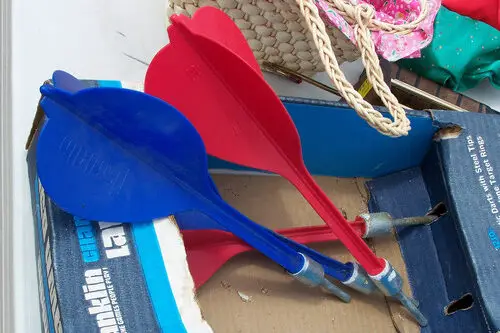
If you grew up tossing lawn darts across the backyard, you probably remember how heavy and sharp those things actually were. The original Jarts had long metal tips that could easily pierce skin, and kids were often running around underneath their flight path. Serious injuries and even deaths were eventually linked to accidents involving the game. It was marketed as wholesome family fun, which feels surreal in hindsight. Parents trusted kids to aim carefully and somehow avoid impaling anyone. Many households kept them next to croquet sets without a second thought.
By the late ’80s, safety regulators stepped in and effectively banned the sharp-tipped versions in the United States. Modern versions use blunt plastic ends and strict safety labeling. Looking back, it’s hard to imagine letting a group of kids launch weighted spikes into the air for entertainment. It’s one of those toys that feels completely normal in memory until you actually picture what was happening. Nostalgia can be generous that way.
2. Clackers
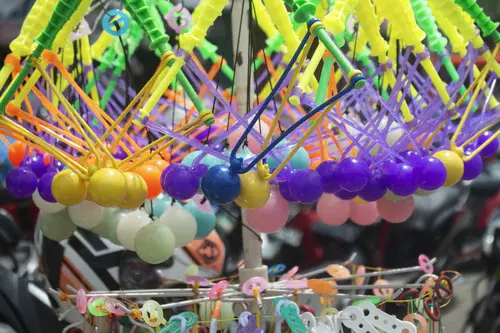
Clackers were those two hard acrylic balls connected by a string that you slammed together rhythmically. The goal was to get them clicking faster and louder, which made them even more unpredictable. The balls could crack, shatter, or fly off the string at high speed. Kids regularly smacked their hands, wrists, and sometimes faces while trying to master them. Broken shards weren’t uncommon when cheaper plastic versions failed. It was basically a small physics experiment happening inches from your eyes.
Today, a toy that can send hard plastic projectiles flying would trigger immediate recalls. Many schools eventually banned clackers because of injuries and classroom chaos. At the time, though, they were sold in bright colors and treated like harmless fun. The appeal was simple, noisy, and oddly hypnotic. It’s amazing more people didn’t end up in the nurse’s office.
3. Gilbert U-238 Atomic Energy Lab

This one almost sounds like a parody, but it was a real science kit sold in the early ’50s. The set included actual radioactive samples so kids could conduct basic experiments. It came with a Geiger counter and instructions explaining atomic energy in an optimistic, postwar way. Parents trusted that educational value outweighed the risks. At the time, public understanding of radiation safety was still developing. The idea of kids handling radioactive material today feels unthinkable.
While the samples were relatively low-level, modern safety standards would never allow this anywhere near a toy aisle. The kit has since become a collector’s item and a symbol of how different safety expectations once were. It reflects an era when scientific excitement sometimes outran caution. Most people now react to it with disbelief rather than nostalgia. It’s a reminder that even well-intentioned learning tools can age badly.
4. Original Easy-Bake Oven
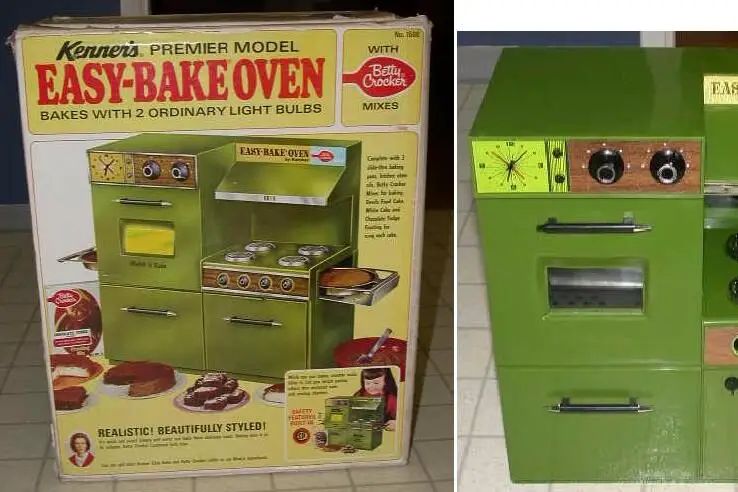
The early Easy-Bake Ovens used real incandescent light bulbs to generate heat for cooking. Those bulbs got hot enough to cause burns if touched directly or if small hands lingered too long near the opening. Kids often crowded around the oven while waiting for their tiny cakes to bake. Burn complaints eventually became common enough to prompt design changes. The fun of baking sometimes came with a painful lesson in heat.
Modern versions use safer heating elements and improved insulation. The classic models, though, could absolutely send a child to the sink with a burned fingertip. Many adults still remember the smell of warm plastic mixed with cake batter. It felt magical to cook your own dessert, even if it came with some risk. Looking back, it’s surprising how casually real heat was introduced into a toy kitchen.
5. Super Elastic Bubble Plastic
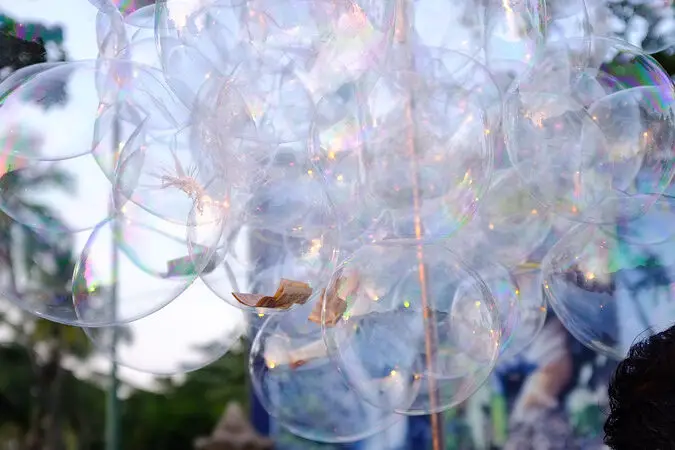
This toy involved squeezing a gooey plastic gel onto a straw and blowing bubbles that hardened into fragile shapes. The fumes were strong and often smelled like chemicals rather than candy or plastic. The packaging even warned users not to inhale deeply, which already tells you something. Kids still tended to blow enthusiastically and sit close to the bubbles as they formed. Some versions were later linked to toxic ingredients.
Eventually, safety concerns and changing regulations pushed the product out of the mainstream. Many parents today would hesitate to let kids inhale chemical vapors for craft fun. At the time, it just felt like a weird, slightly smelly novelty. The bubbles looked cool enough that nobody questioned what was actually in the gel. It’s a classic example of novelty winning out over safety awareness.
6. Toy Guns with Metal Darts
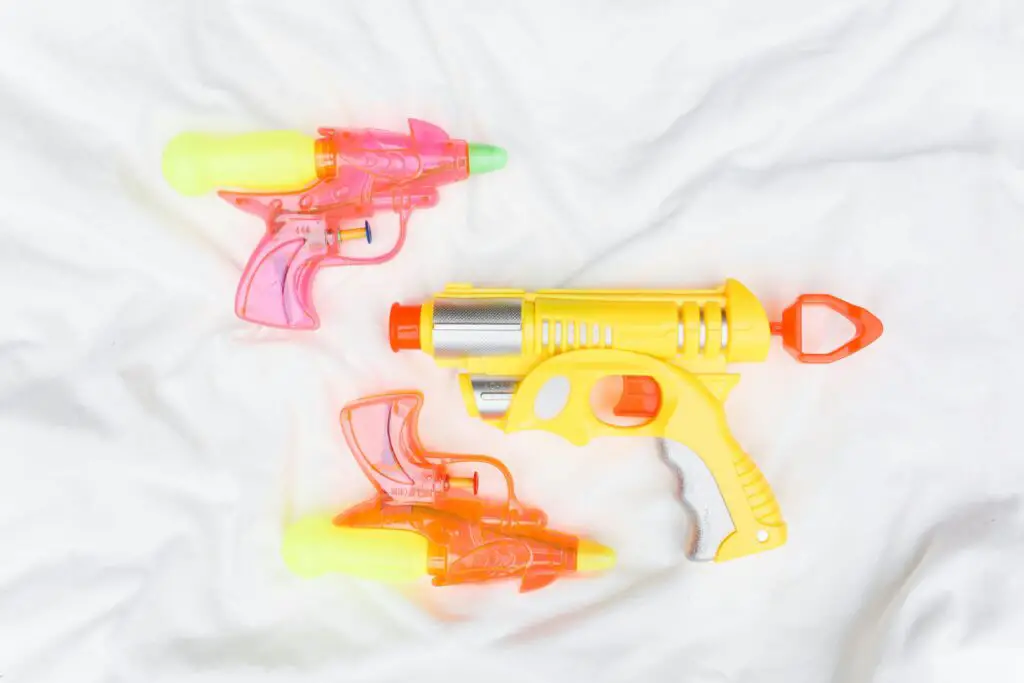
Older toy guns often fired small metal-tipped darts that could stick into walls, furniture, and occasionally skin. They looked like harmless suction darts at a glance but carried much more force. Kids would inevitably aim them at each other during pretend battles. Eye injuries were a real concern, even if not everyone took that risk seriously. The darts were easy to lose and step on as well.
Modern toy projectiles are usually foam or soft plastic with strict impact testing. The old metal versions would never pass today’s safety reviews. Back then, they were just part of the toy aisle alongside cap guns and water pistols. The sense of danger was part of the excitement, even if no one said it out loud. In hindsight, it’s a wonder more accidents didn’t happen.
7. Sky Dancers

Sky Dancers were spinning fairy dolls that launched into the air using a pull cord. The dolls often flew unpredictably, sometimes straight toward faces or hair. Kids were frequently hit in the eyes, mouth, or nose when launches went wrong. The spinning wings could tangle in hair and cause painful yanks. Complaints piled up fast once the toy became widely popular.
The product was eventually recalled after numerous injury reports. On paper, it seemed like harmless flying fun. In practice, it was more like a tiny airborne hazard with glitter. Many people still remember the shock of a doll suddenly veering off course. It’s a good example of how motion toys can behave differently in real life than in commercials.
8. Aqua Dots
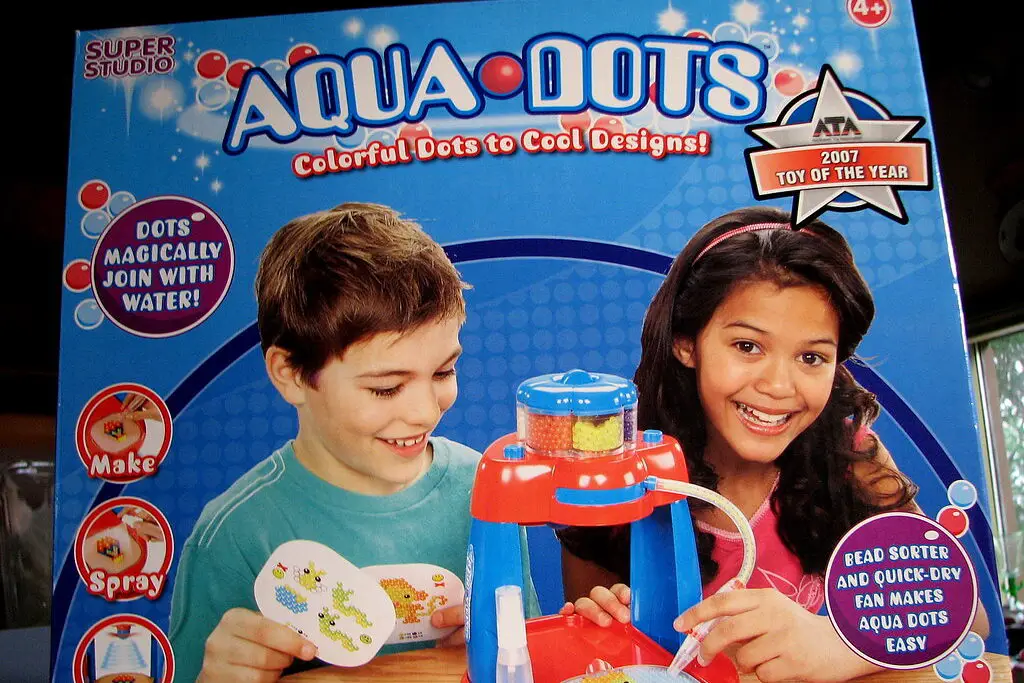
Aqua Dots were craft beads that fused together when sprayed with water. Unfortunately, some batches contained a chemical that metabolized into a substance similar to a sedative if swallowed. Several children became seriously ill after ingesting the beads. The product was quickly recalled once the issue was discovered. What was meant to be a simple arts-and-crafts activity suddenly became a medical emergency risk.
The incident highlighted how manufacturing errors can turn innocent toys into serious hazards. Parents who had already bought the sets were understandably alarmed. Today, bead toys go through much stricter chemical testing. Aqua Dots became a cautionary tale in toy safety history. It showed how quickly trust can disappear when safety fails.
9. Creepy Crawlers Thingmaker
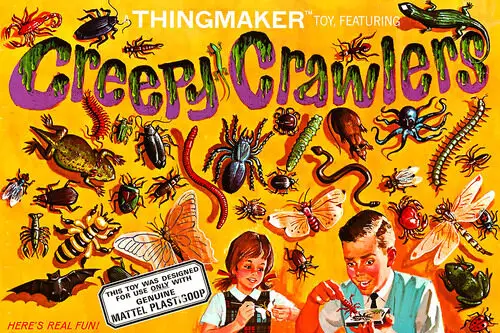
The Creepy Crawlers kit let kids pour liquid plastic into metal molds and heat them to create rubbery bugs. The heating unit got extremely hot, and spills could easily cause burns. Curious fingers were often too close to the hot plates and molds. The melted plastic also produced strong odors. Supervision was technically recommended, but not always followed.
Modern versions use safer materials and lower heat. The original sets were much closer to a miniature industrial process than a toy. Kids loved the independence and the gross factor of making their own bugs. Still, by today’s standards, exposed heating elements and molten plastic are major red flags. It’s another case where creativity came with real risk.
10. Magnet Building Sets (Early High-Power Versions)
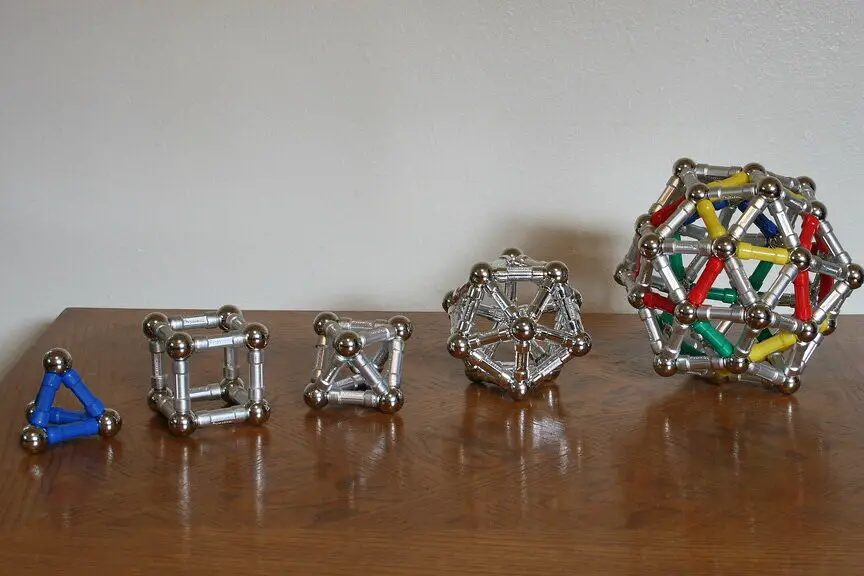
Some early magnet construction toys used very strong small magnets that could detach easily. If swallowed, multiple magnets could attract each other inside the body and cause serious internal injuries. This led to hospitalizations and surgeries in severe cases. The danger wasn’t obvious just by looking at the toy. They seemed like simple building pieces with a satisfying snap.
Safety standards have since tightened around magnet strength and size. Warnings and redesigns became necessary once injury reports increased. Many parents now check magnet toys carefully before purchase. At the time, the risk wasn’t widely understood. It’s a reminder that small components can create big problems.
11. BB Guns Marketed as Toys
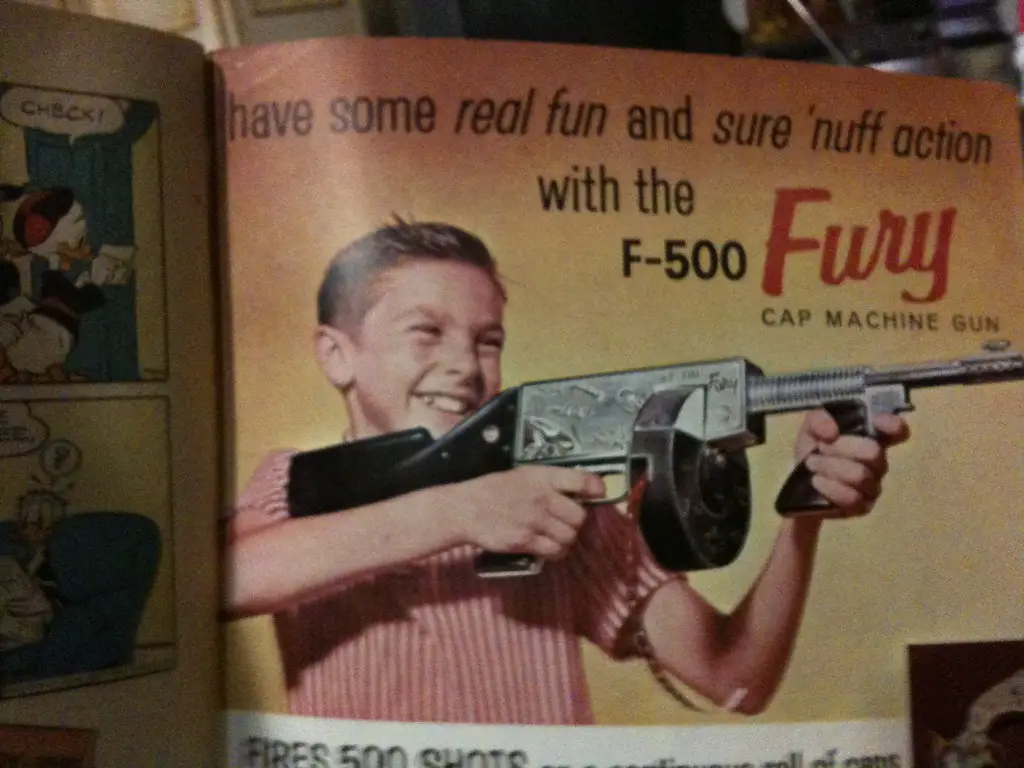
In earlier decades, BB guns were often marketed directly to kids as starter toys rather than sporting equipment. Eye protection was not always emphasized, and supervision varied widely. Accidental injuries, especially to eyes and skin, were common. The guns looked realistic and encouraged rough play. Many families treated them as a normal part of growing up.
Today, BB guns are more clearly labeled and regulated as air guns rather than toys. Safety training and protective gear are strongly encouraged. Looking back, the casual way they were handed to kids feels risky. Nostalgia sometimes glosses over how powerful they actually were. They sit in a gray area between toy and weapon.
12. Old Metal Playground Ride-On Toys
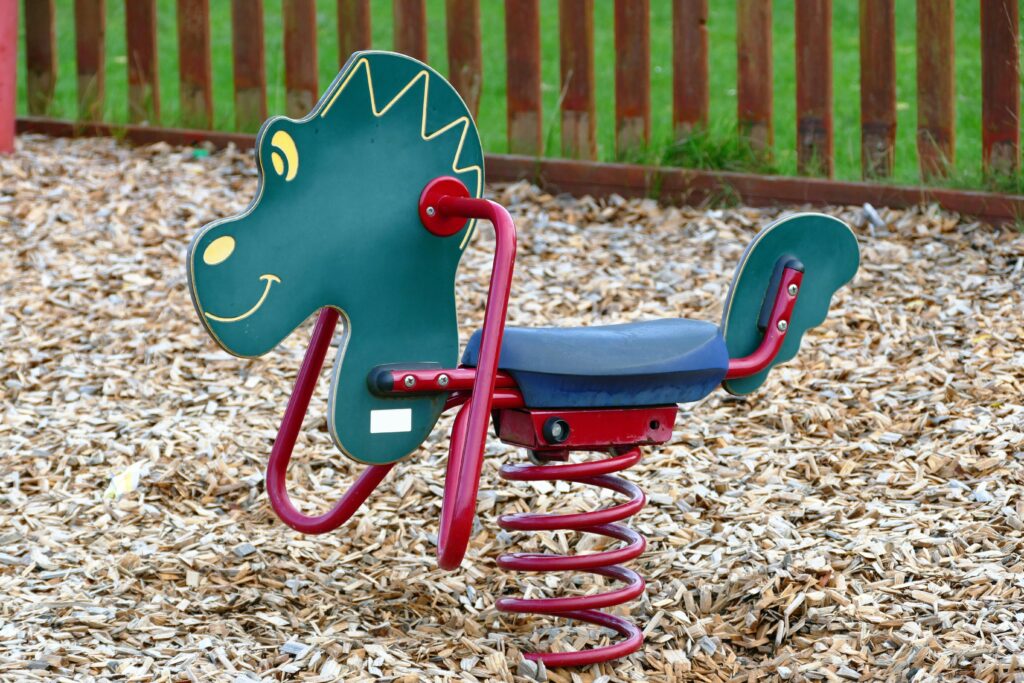
Vintage ride-on toys made of heavy metal often had sharp edges and little padding. Falls could result in serious bumps or cuts rather than minor scrapes. Some paints used on older toys also contained lead, which adds another layer of concern. The toys were durable but not forgiving. Kids rode them fast on sidewalks and driveways without helmets or pads.
Modern ride-ons prioritize rounded edges, lighter materials, and safer finishes. The older versions feel charming but rugged in a way that doesn’t align with current safety thinking. Many adults remember the clang of metal on concrete when these tipped over. They were built to last, even if they weren’t built to protect. Time has definitely changed expectations for what a safe toy looks like.