
1. Centralia, Pennsylvania
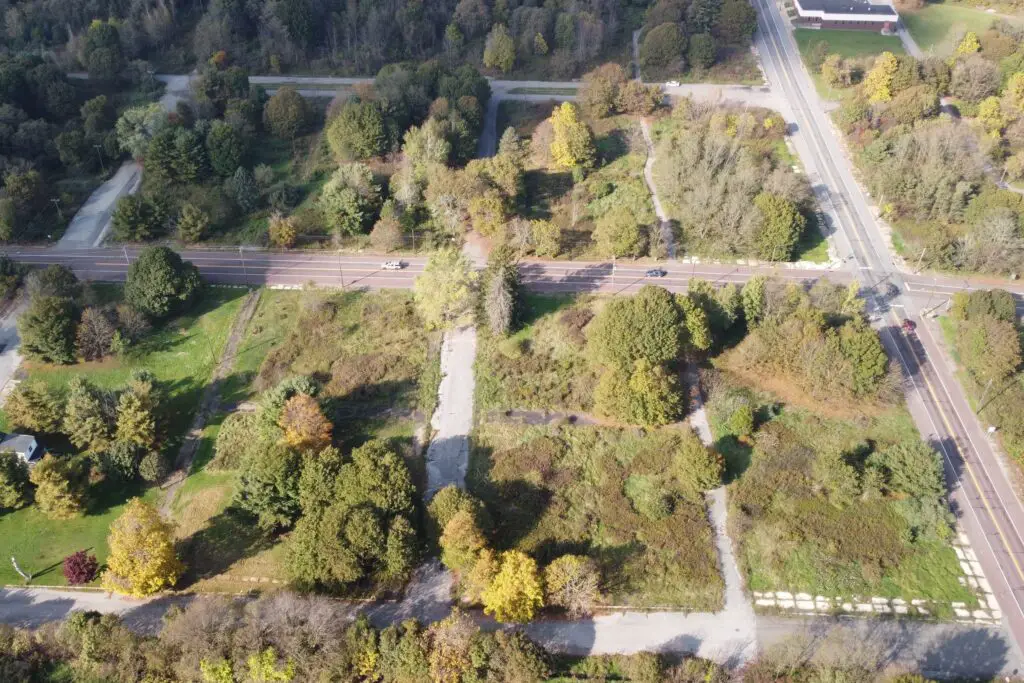
Centralia looks quiet at first glance, but locals know there is a reason so few people remain. The underground coal fire burning beneath the town has been smoldering since the early ’60s, creating an eerie sense that something is always wrong. Streets crack, steam rises from unexpected places, and warning signs feel more ominous than helpful. Residents who stayed learned not to ask too many questions about what lies under their feet.
What makes Centralia unsettling is not just the fire, but the silence around it. Former locals rarely talk about the emotional toll of watching a hometown slowly disappear. There is a sense of grief mixed with resignation that still lingers in the air. Visitors often leave feeling uneasy without knowing exactly why.
2. Gary, Indiana
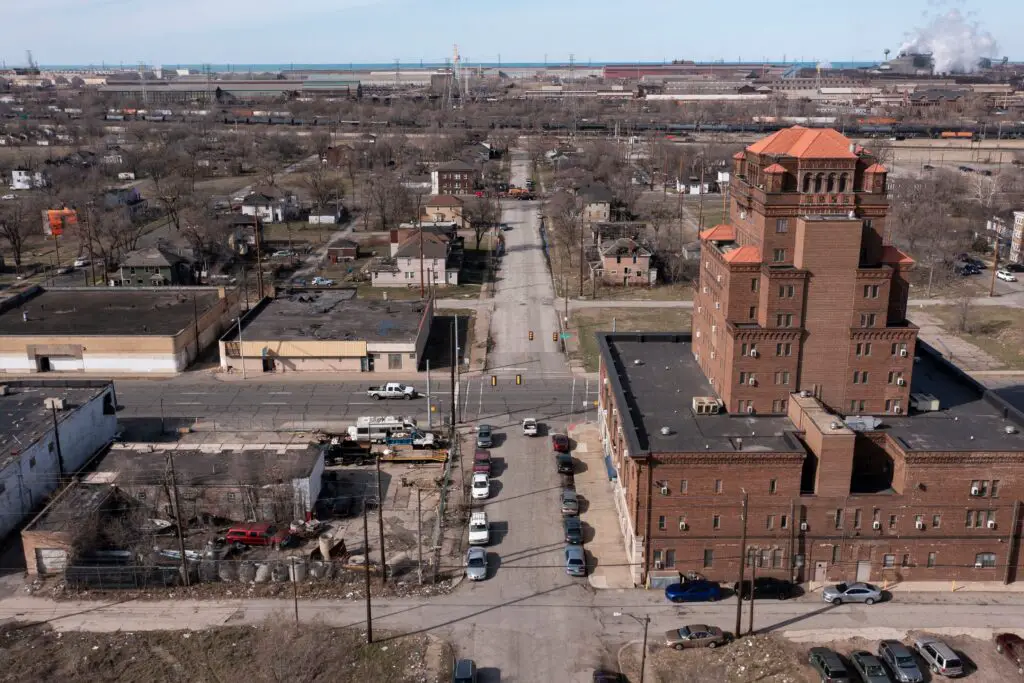
Gary once symbolized American industrial power, and locals still remember when the city felt unstoppable. When the steel industry collapsed, the town was left with abandoned buildings and a reputation that spread fast. Outsiders focus on decay and crime, but residents know the darker story is about broken promises. It is easier not to talk about what was lost than to explain it.
Many locals still feel protective of Gary, even as they avoid certain areas themselves. There is pride mixed with hurt, and that combination keeps conversations guarded. People who grew up there remember vibrant neighborhoods that no longer exist. Talking about it brings up too much history.
3. Helltown, Ohio
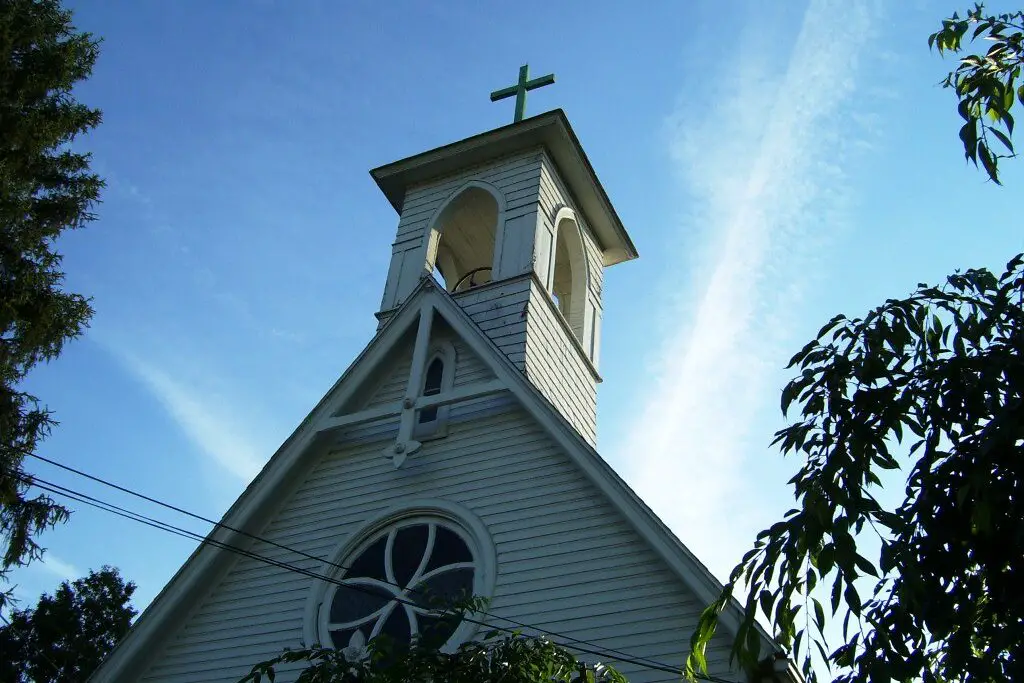
Officially called Boston Township, this small Ohio area earned its nickname through rumors that never quite went away. Stories of cults, abandoned buildings, and strange warnings have followed the town for decades. Locals insist most of it is exaggerated, yet they rarely push back hard. Sometimes silence feels safer than correcting the myths.
The town’s forced evacuations during the creation of Cuyahoga Valley National Park added to the mystery. Empty homes and overgrown roads made imaginations run wild. Residents learned that denying the stories only made them grow. Now most just shrug and change the subject.
4. Jerome, Arizona
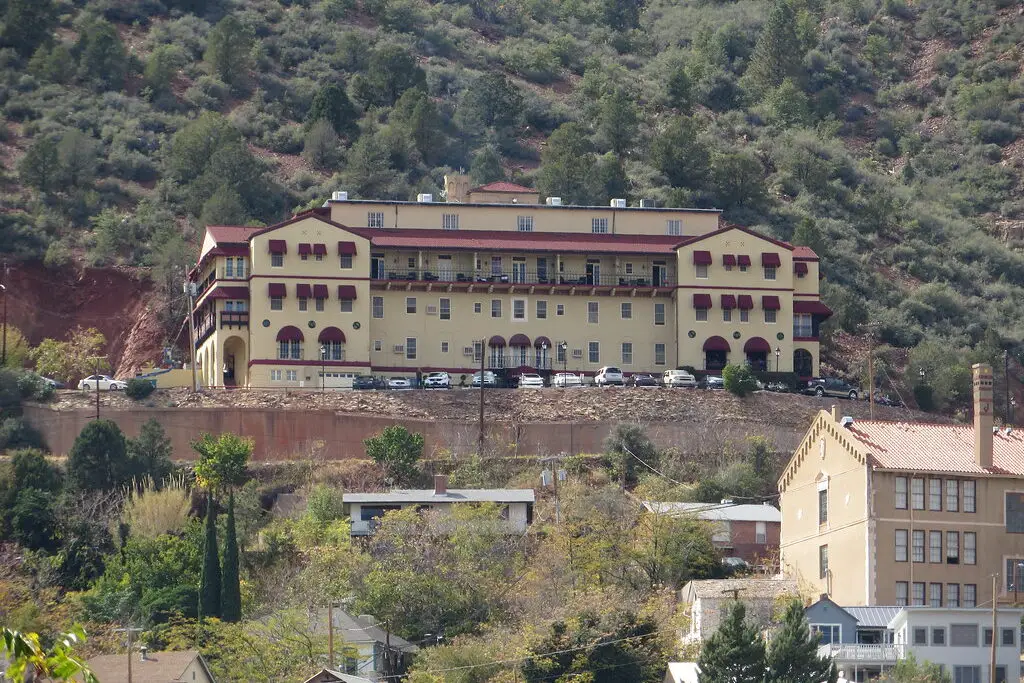
Perched on a hillside, Jerome has a long history of mining, fires, and sudden deaths. The town reinvented itself as an arts destination, but its darker past still whispers through the streets. Locals know the ghost stories did not come from nowhere. Too much happened too fast for everything to fade cleanly.
Many residents quietly accept the town’s haunted reputation without fueling it. They have heard too many stories from past generations to dismiss it outright. Talking about Jerome’s history can feel like reopening old wounds. It is easier to let tourists tell the stories instead.
5. Picher, Oklahoma
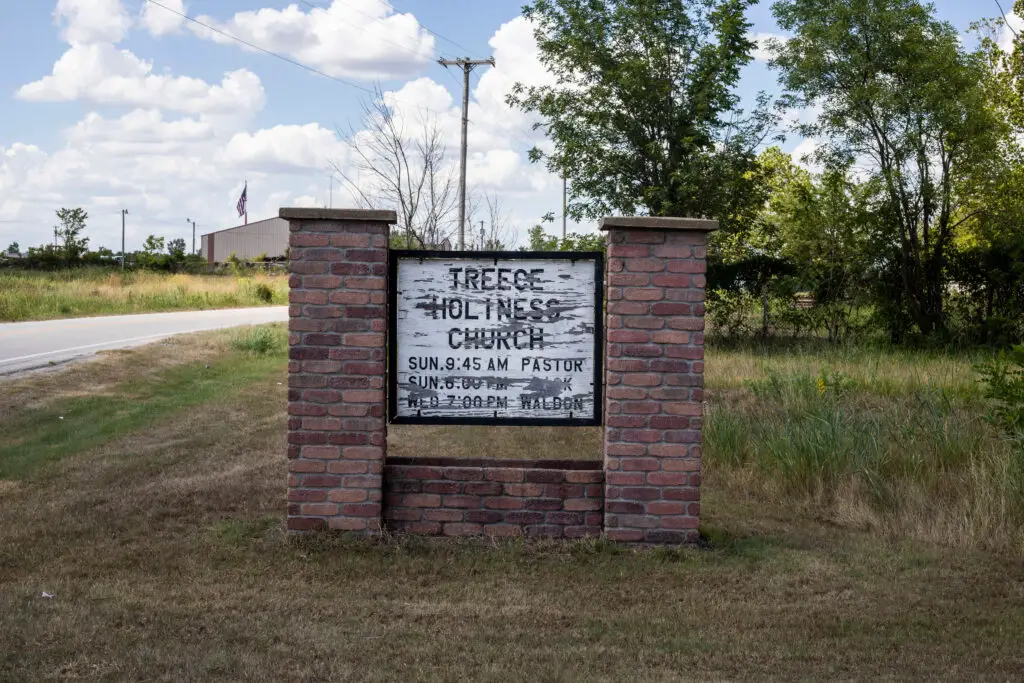
Picher was once a booming mining town, filled with families and schools. Toxic waste piles known as chat piles slowly poisoned the land and water. Illness became common, and the town was eventually bought out and abandoned. Locals who left rarely speak about the guilt of staying as long as they did.
The tragedy of Picher feels deeply personal to those who lived there. It was not a sudden disaster but a slow realization that the town was unsafe. Talking about it means admitting how long warnings were ignored. Silence became a coping mechanism.
6. Central Falls, Rhode Island
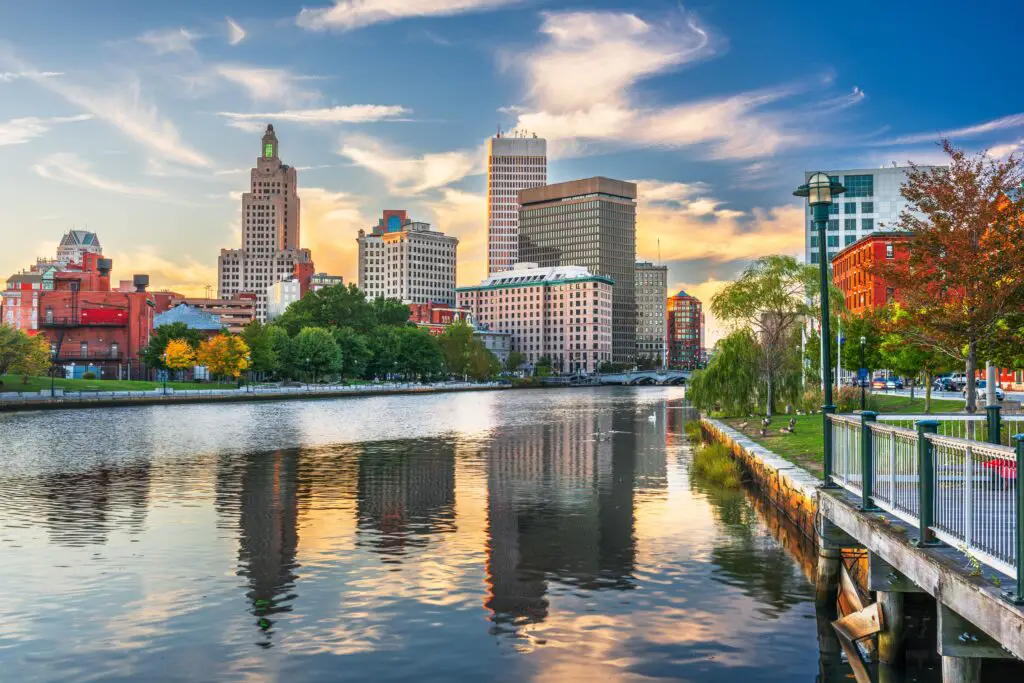
Central Falls is small, dense, and often misunderstood by outsiders. Financial collapse and political scandal left a lasting mark on the town’s reputation. Locals remember the embarrassment of bankruptcy and the fear that followed. It is not a chapter people enjoy revisiting.
Despite its struggles, the town has a strong sense of community. Residents focus on survival and rebuilding rather than explaining the past. Conversations about the darker years can still feel raw. Many prefer to look forward instead.
7. Cairo, Illinois
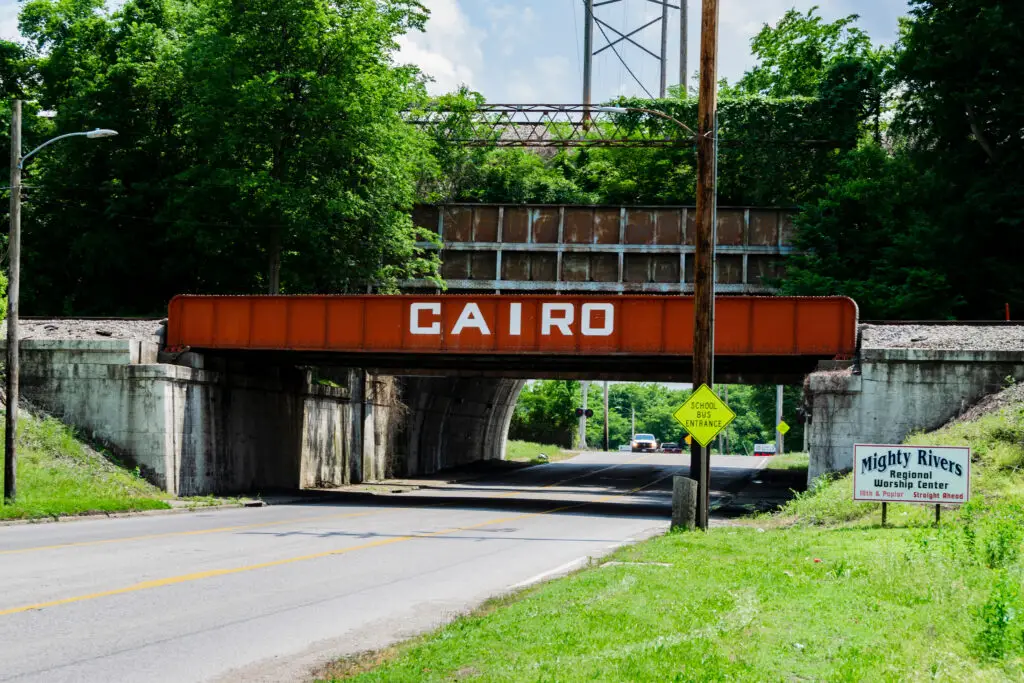
Cairo sits at the meeting point of two major rivers, which once made it powerful. Racial violence, economic decline, and population loss reshaped the town dramatically. Empty buildings stand as reminders of unresolved history. Locals know the past is complicated and painful.
Talking about Cairo means confronting generational trauma. Many families lived through intense division and loss. Silence became a way to avoid reopening old conflicts. Outsiders sense the tension even if no one explains it.
8. Dudleytown, Connecticut
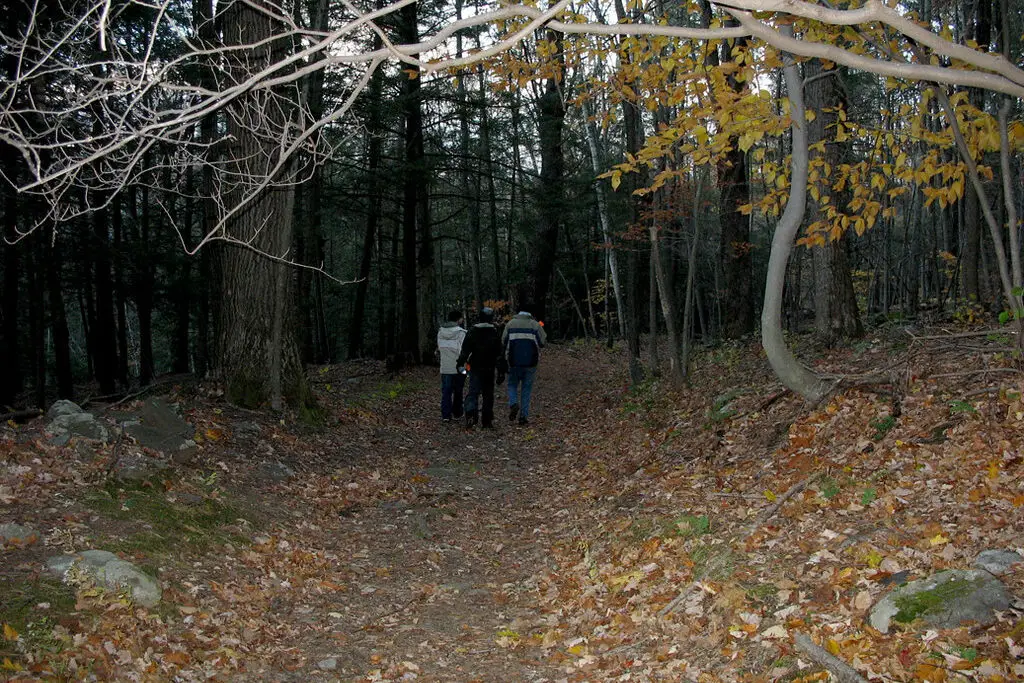
Dudleytown no longer officially exists, but its reputation refuses to die. Stories of curses, madness, and abandonment have followed the area for centuries. Locals nearby tend to avoid detailed conversations about it. The land itself feels like something better left alone.
Even those who doubt the legends admit the place feels off. Generations passed down warnings rather than explanations. Locals learned that curiosity brought unwanted attention. So they keep the stories vague and the details minimal.
9. East St. Louis, Illinois
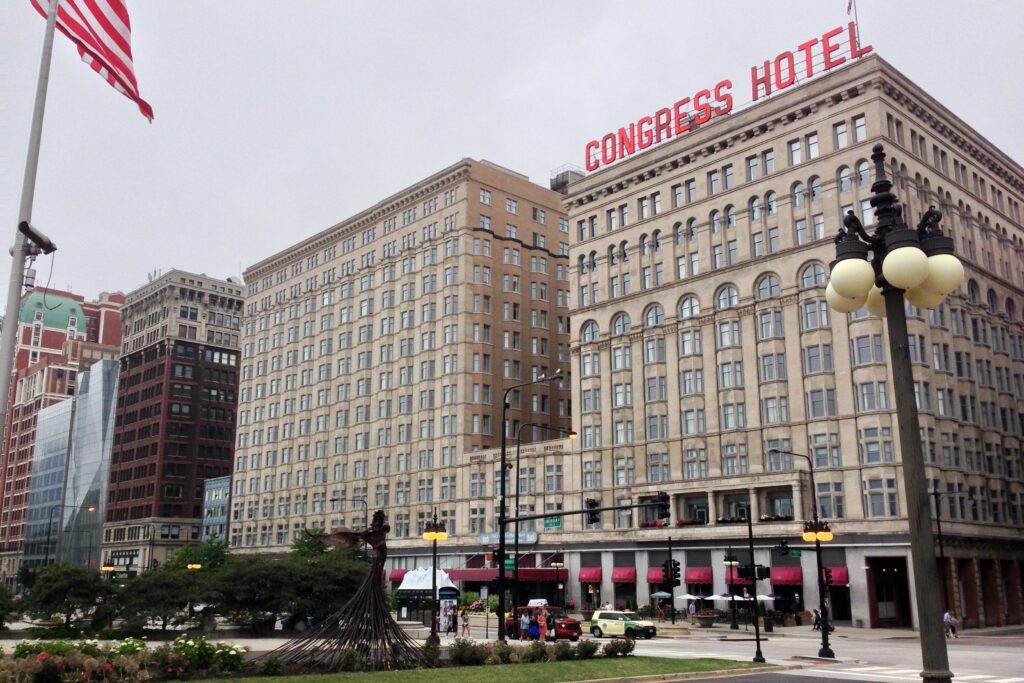
East St. Louis carries the weight of industrial decline and historic violence. Once a thriving hub, it became known nationally for crime and corruption. Residents are tired of being defined by headlines. They know the reality is more complex and more painful.
Locals often avoid discussing the town’s darkest periods with outsiders. Too many conversations turn judgmental too quickly. There is pride in surviving where others gave up. Silence becomes a shield.
10. Letchworth Village, New York
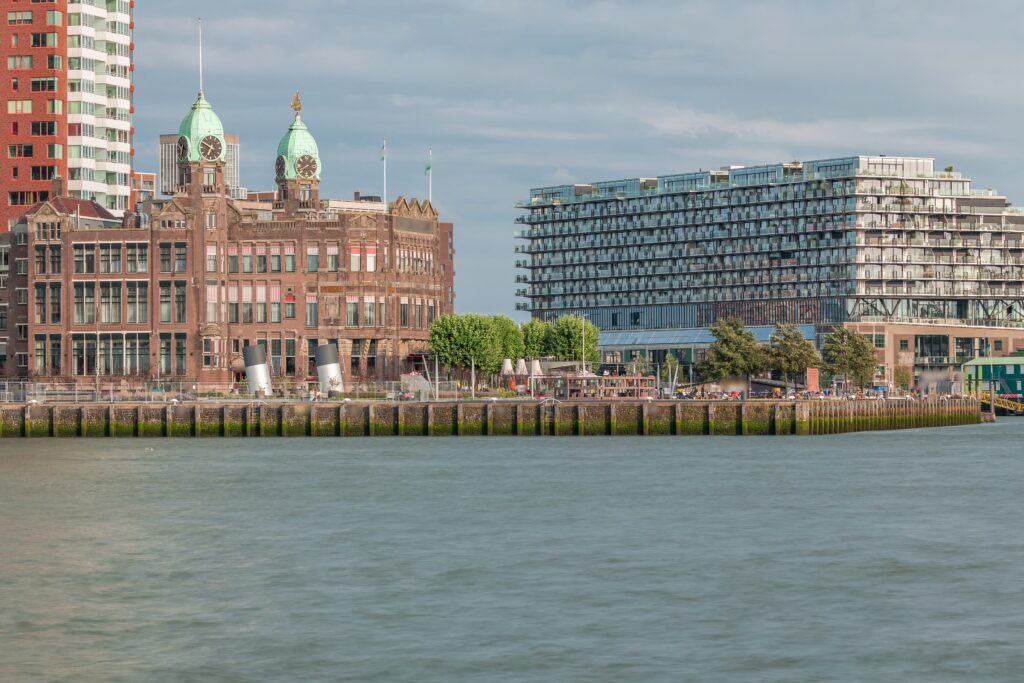
Letchworth Village was once a large institution meant to help vulnerable people. Over time, reports of neglect and abuse surfaced, leaving a heavy legacy. Nearby towns know the stories but rarely talk about them openly. The land carries a sense of unresolved sorrow.
Locals grew up hearing whispers rather than facts. The truth feels too disturbing to unpack casually. Many prefer not to dwell on what happened behind those walls. It is easier to let the past stay buried.
11. Central City, Colorado
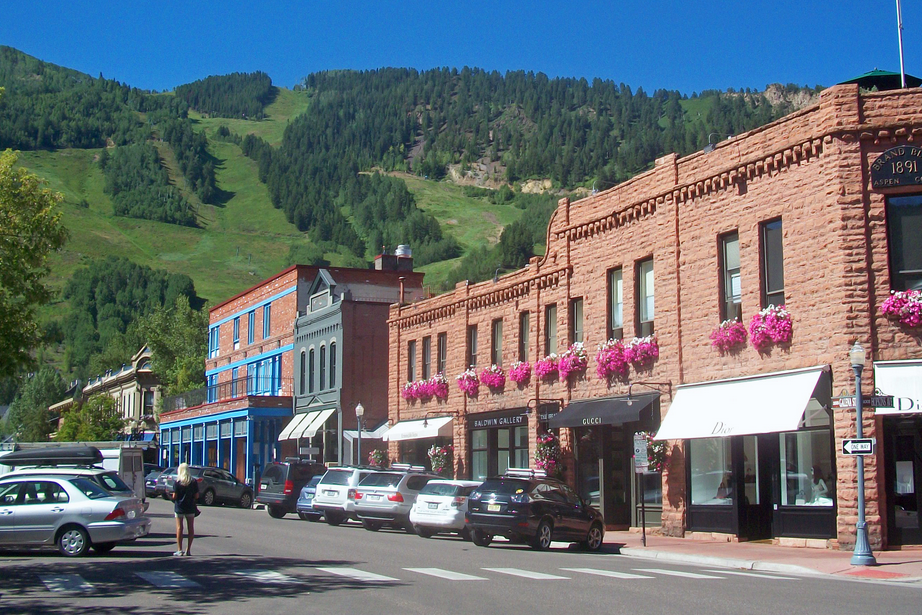
Central City boomed during the gold rush and then collapsed just as quickly. The town reinvented itself multiple times, including through legalized gambling. Locals remember the cycles of hope and disappointment. Each revival came with its own cost.
There is a quiet understanding that not all success stories end well. Talking about the town’s darker years means admitting how fragile prosperity can be. Many residents focus on the present version of Central City. The past is acknowledged but rarely discussed.
12. Port Arthur, Texas
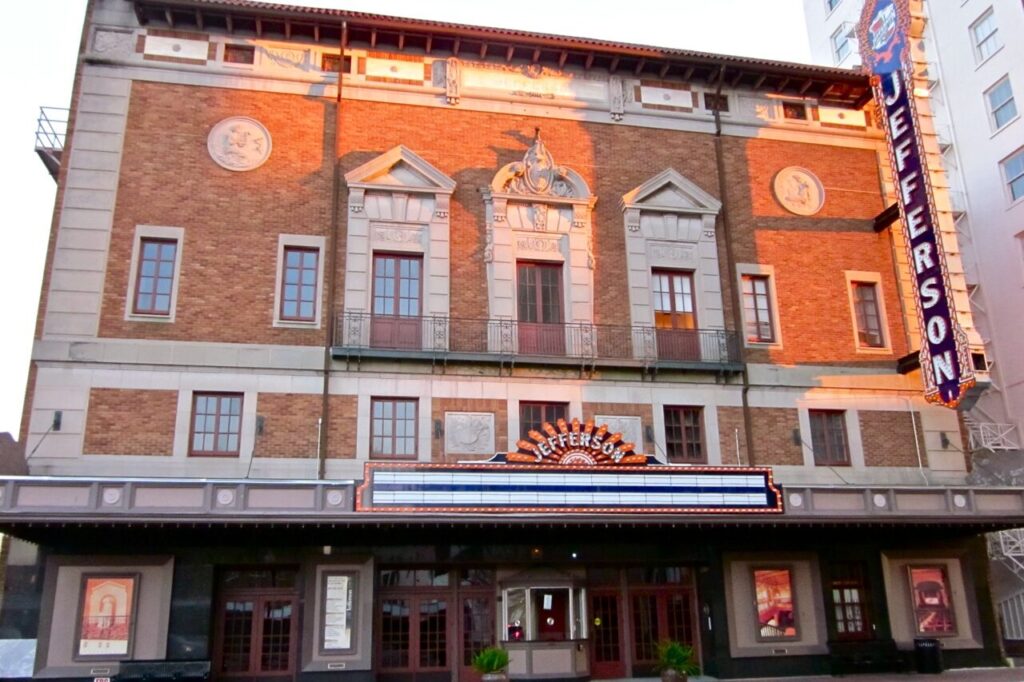
Port Arthur has a strong cultural identity but a complicated reputation. Industrial pollution, economic decline, and natural disasters shaped daily life. Locals know how much resilience it takes to stay. That strength is not always easy to explain.
Talking about Port Arthur’s struggles can feel like defending it. Residents prefer to share stories of community rather than hardship. Silence helps protect what pride remains. Outsiders often miss what locals choose not to say.
13. Kensington, Pennsylvania
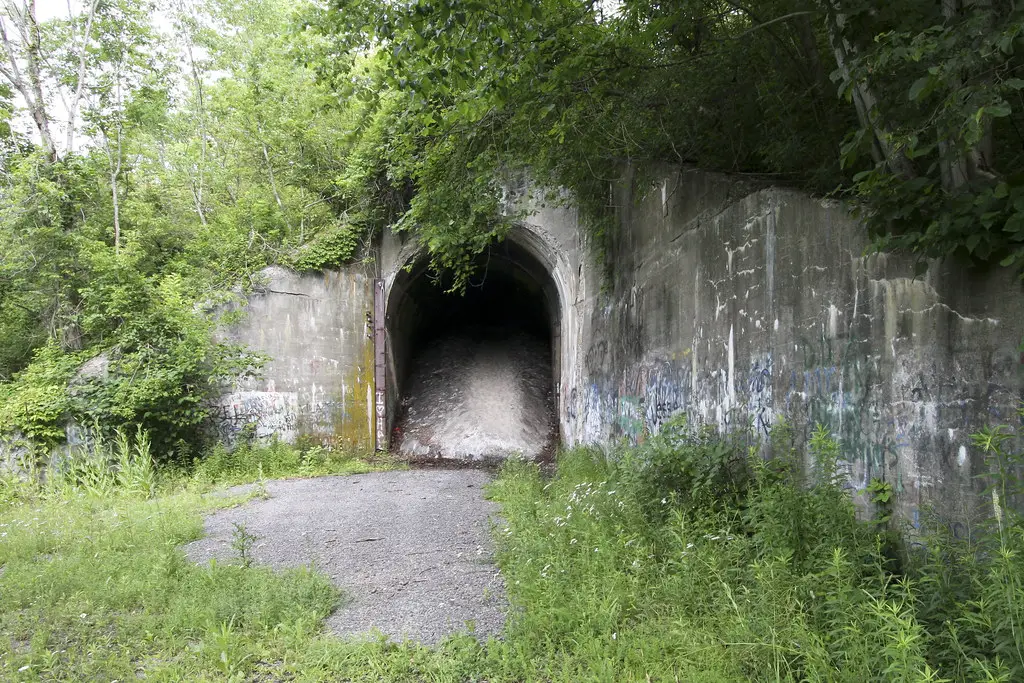
Kensington is often reduced to shocking headlines, but locals experience it very differently. Longstanding issues with addiction and poverty turned the neighborhood into a public symbol before residents had a chance to speak for themselves. Many learned quickly that explaining daily life there only invited judgment or oversimplification. Silence became a way to retain dignity.
For longtime residents, Kensington is still defined by neighbors, routines, and survival, not spectacle. Talking openly about the darkest years can feel like reopening wounds that never fully healed. People focus instead on mutual aid and quiet endurance. Outsiders can sense the heaviness even when no one explains it.
14. Calumet, Michigan
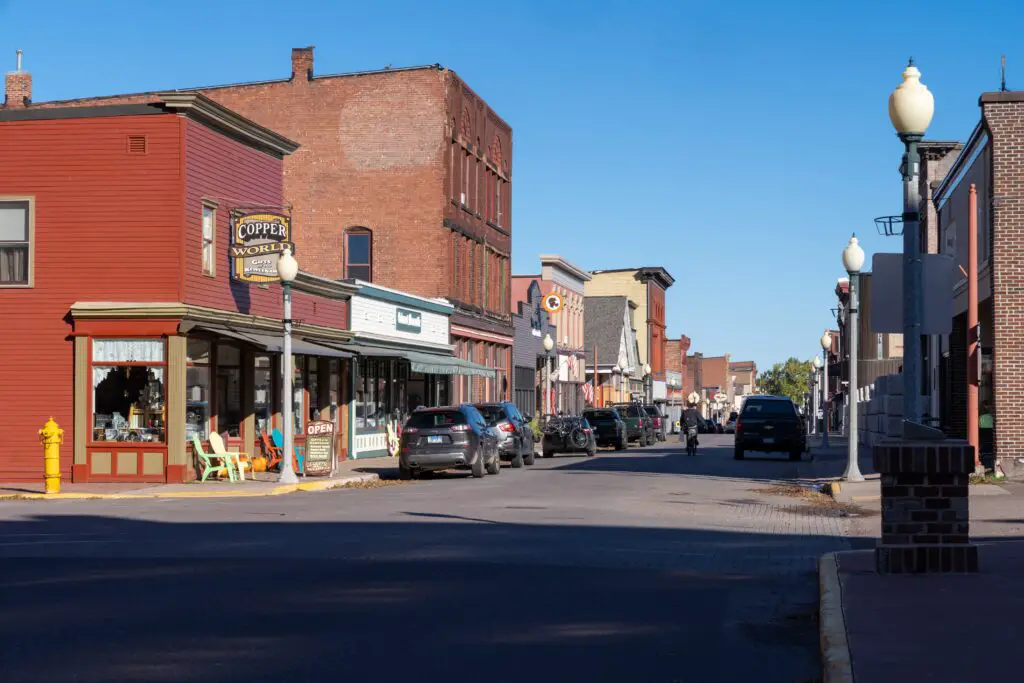
Calumet’s reputation is shaped by both industrial rise and sudden tragedy. The 1913 Italian Hall disaster remains one of the deadliest events in Michigan history, and locals grew up knowing it without needing details repeated. The story settled into the town like a shared, unspoken grief. It was never treated as casual history.
Residents rarely discuss the event at length, especially with visitors. Talking about it can feel disrespectful rather than informative. The silence is intentional and protective. It keeps the memory solemn instead of sensational.
15. East Chicago, Indiana
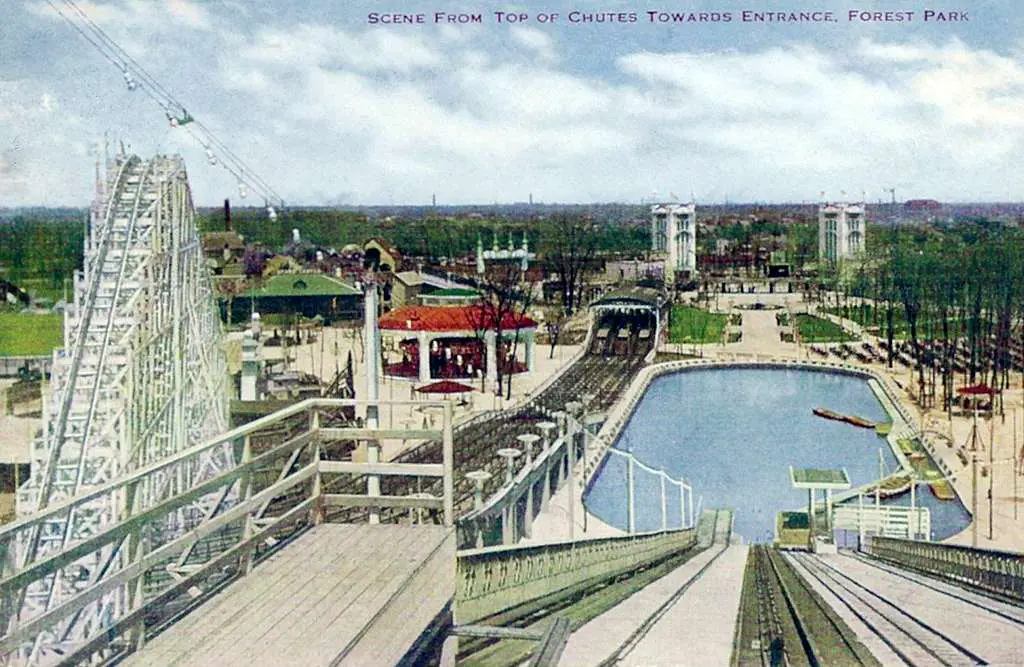
East Chicago has lived for decades alongside heavy industry and environmental risk. Warnings about contamination and health concerns circulated quietly among residents long before they became national news. Locals learned to rely on each other more than official assurances. That distrust did not fade easily.
Conversations about the past often feel exhausting for those who lived through it. Too many outsiders frame the town as a cautionary tale instead of a community. Residents protect themselves by limiting what they share. Silence offers control when narratives feel stolen.
16. Coaldale, Pennsylvania
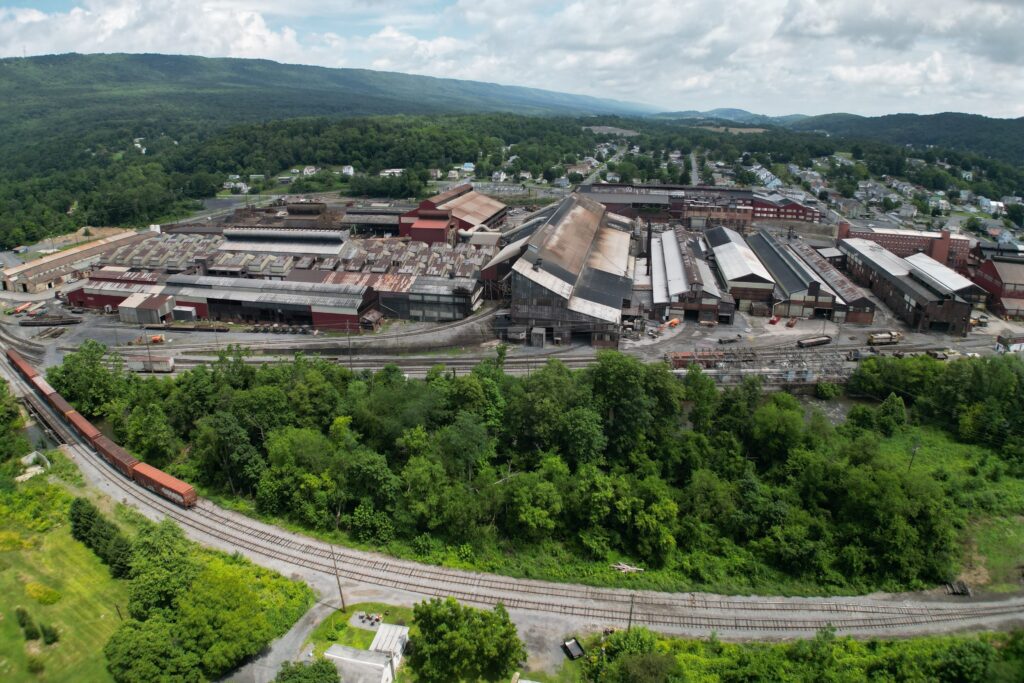
Coaldale’s history is tightly bound to coal mining and labor conflict. Stories connected to the Molly Maguires trials were passed down carefully, often without full detail. Fear, loyalty, and survival shaped how much was said out loud. Some things were never meant to be clarified.
Even generations later, the past still feels sensitive. Locals tend to speak around the history rather than directly about it. The line between legend and lived experience remains blurred. Silence became tradition.
17. Pine Ridge, South Dakota

Pine Ridge carries a reputation shaped by poverty, violence, and national neglect. Locals know the statistics, but they also know how incomplete those numbers are. Life there is defined by history, resilience, and loss all at once. Explaining that complexity rarely goes well.
Residents often avoid discussing the darkest realities with outsiders. Too many conversations turn into judgment or pity. Silence protects community pride and personal boundaries. What goes unsaid often matters most.