
1. Michigan Central Station, Detroit
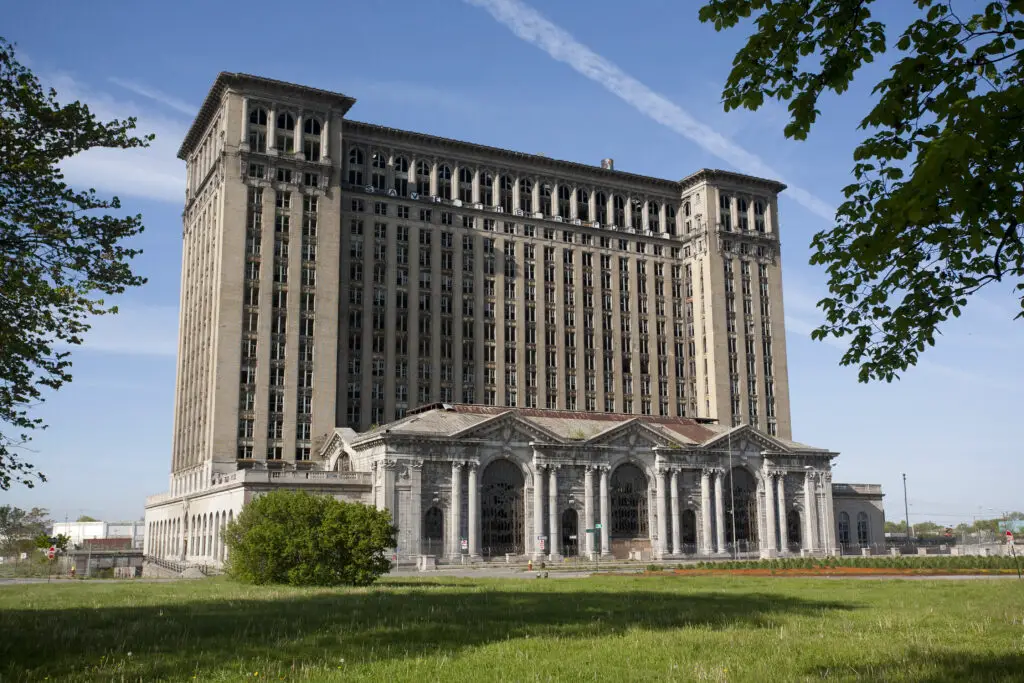
For decades, Michigan Central Station was one of Detroit’s busiest gateways, opening in 1913 and quickly becoming a symbol of the city’s growth. Travelers passed through its grand Beaux-Arts halls on their way across the country, and it stood as one of the tallest rail stations in the world. By the mid-20th century, though, declining rail travel and shifting transportation habits took a toll. Service dwindled until the station officially closed in 1988, leaving the massive building empty and vulnerable to decay. Its haunting silhouette became a symbol of Detroit’s broader economic struggles.
In recent years, the building has been undergoing restoration after being purchased by Ford Motor Company in 2018. For decades before that, however, it sat largely abandoned, drawing photographers, urban explorers, and curious locals instead of commuters. The contrast between its former grandeur and later neglect made it one of the most recognizable “forgotten” landmarks in America. Even people who never stepped inside knew its story. It remains a powerful example of how quickly a bustling place can fall silent.
2. Salton Sea Resort Communities, California
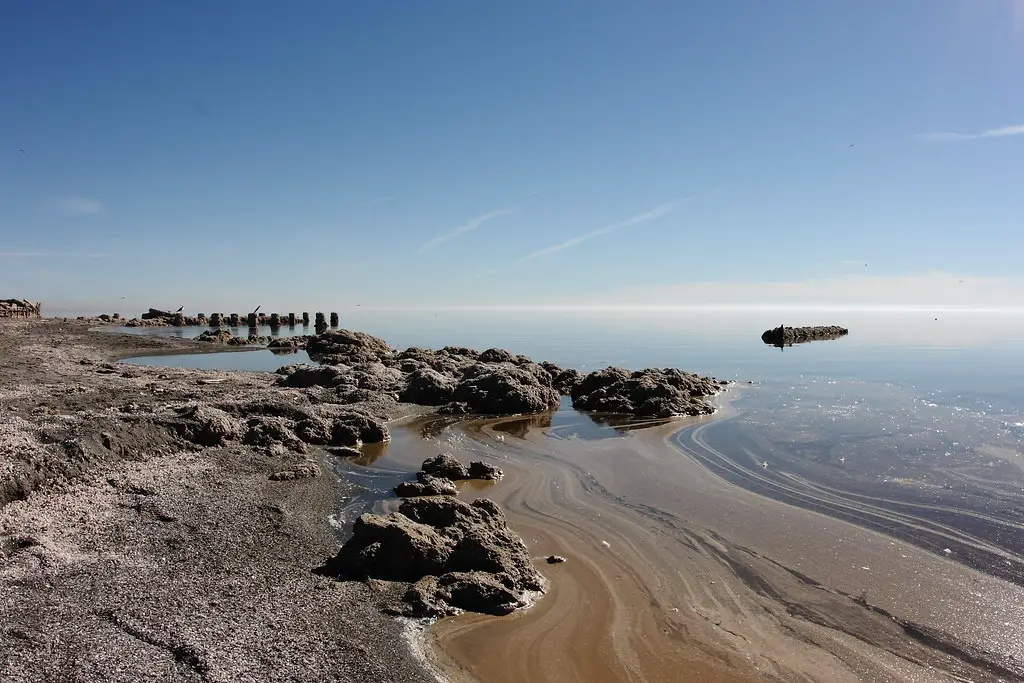
In the 1950s and 1960s, the Salton Sea in California was marketed as a glamorous desert getaway. Resorts, marinas, and yacht clubs popped up along its shores, attracting celebrities and vacationers looking for a Riviera-style escape. Towns like Bombay Beach and Salton City thrived on tourism, with fishing, boating, and lively nightlife. At its peak, the area drew more visitors than Yosemite National Park. It seemed like an unlikely paradise in the middle of the desert.
But rising salinity, pollution, and declining water quality gradually drove visitors away. Fish died off, bird populations were affected, and the once-busy shoreline became increasingly desolate. Many structures were abandoned, leaving behind decaying buildings and empty streets. Today, the area still has residents, but it feels more like a relic than a resort. The remains of those early developments serve as a reminder of a boom that didn’t last.
3. Six Flags New Orleans, Louisiana
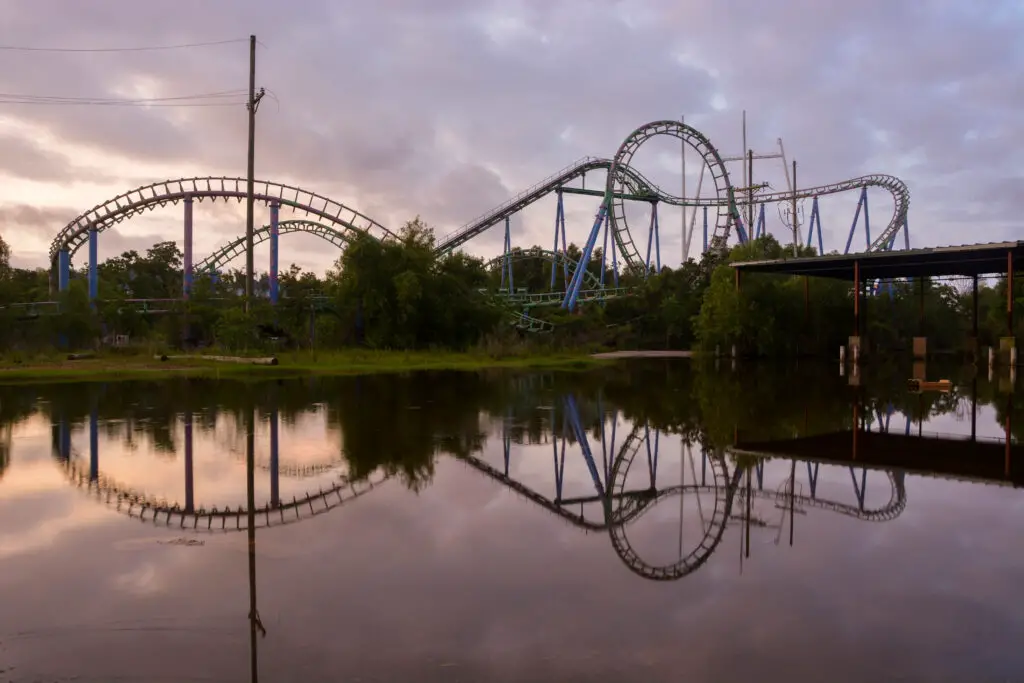
Originally opened as Jazzland in 2000, the amusement park was later rebranded as Six Flags New Orleans. It quickly became a regional attraction, offering roller coasters, water rides, and family entertainment. Visitors came from across the Gulf Coast, especially during summer months. The park added a lively dimension to the city’s tourism beyond its historic core. It was positioned as a long-term investment in New Orleans’ entertainment landscape.
Everything changed in 2005 when Hurricane Katrina flooded the park with saltwater. The damage was extensive, and despite some initial plans, it never reopened. Rides were left to rust, and buildings deteriorated in the humid climate. Over time, it became a well-known example of a modern abandoned amusement park. It has since been used occasionally as a filming location, but it no longer serves the crowds it once welcomed.
4. Catskill Resorts (Borscht Belt), New York
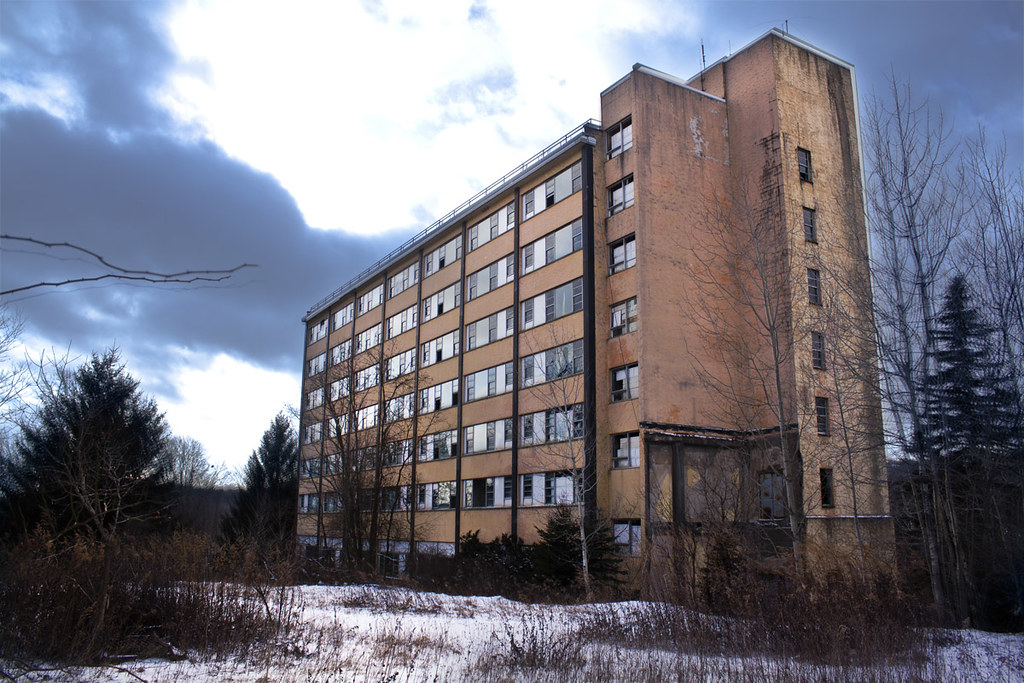
Throughout the mid-20th century, the Catskill Mountains in New York were home to a thriving resort scene often called the Borscht Belt. Hotels like Grossinger’s and the Concord drew thousands of guests each summer, particularly from New York City. These resorts offered entertainment, dining, and recreation in a self-contained environment. Comedians, musicians, and entertainers got their start performing there. For many families, it became an annual tradition.
The industry declined in the 1970s and 1980s due to changing travel habits and increased competition from other destinations. Many of the once-grand hotels closed and were eventually demolished or left to deteriorate. What remains are scattered ruins and memories of a once-bustling vacation culture. Some areas have seen redevelopment, but the original resort era is largely gone. The Catskills still draw visitors, just not in the same way they once did.
5. Old Idora Park Ballroom, Youngstown
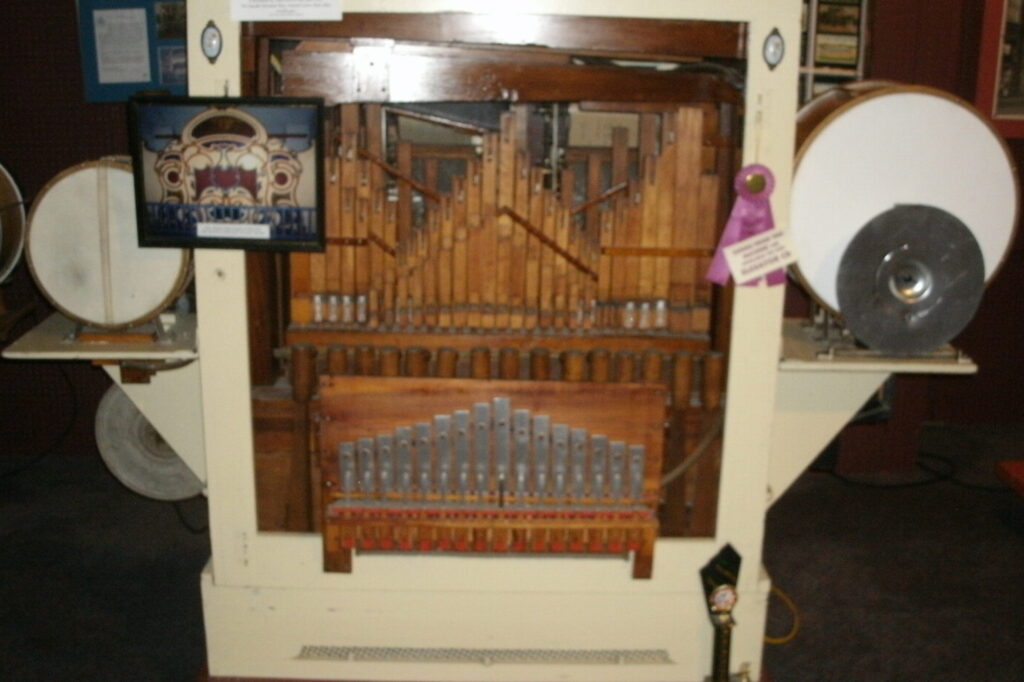
Idora Park in Youngstown, Ohio, was a beloved amusement park that operated from 1899 until a devastating fire in 1984. Among its most famous features was the ballroom, which hosted major acts and local dances for decades. The park itself drew large crowds with its rides, picnic areas, and seasonal events. Families returned year after year, making it a central part of community life. It was more than just an attraction, it was a tradition.
After the fire, most of the park was destroyed, and it never reopened. The ballroom structure stood for years as one of the last reminders of what had been there. Eventually, even that was lost, leaving behind only memories and a few scattered remnants. Locals still talk about it with a sense of nostalgia and loss. It’s a clear example of how quickly a popular gathering place can disappear.
6. The Astrodome, Houston
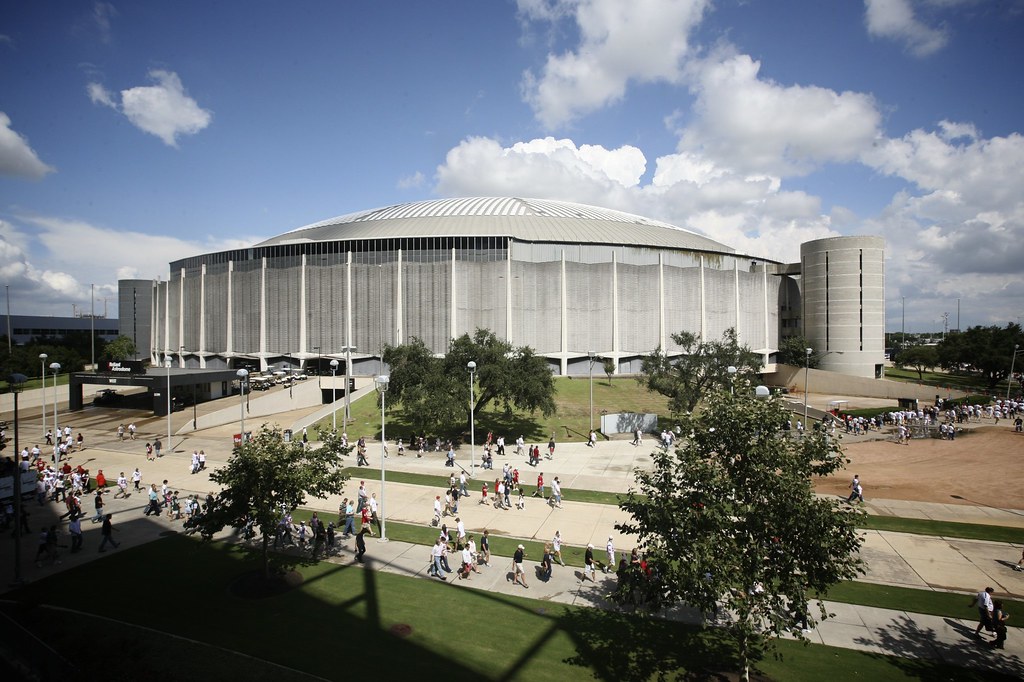
Opened in 1965, the Astrodome was billed as the “Eighth Wonder of the World.” It was the first fully enclosed, air-conditioned stadium, and it revolutionized sports and entertainment venues. The Houston Astros and Houston Oilers both played there, and it hosted concerts, rodeos, and major events. For years, it drew massive crowds eager to experience something entirely new. It became a defining landmark for the city.
Over time, newer stadiums made the Astrodome obsolete, and it was closed in 2009. Since then, it has sat unused, with ongoing debates about its future. While it still stands, it no longer serves the purpose it once did. Visitors can see it from the outside, but its interior is largely inaccessible. Its legacy remains significant, even as it sits idle.
7. Santa’s Village, Illinois
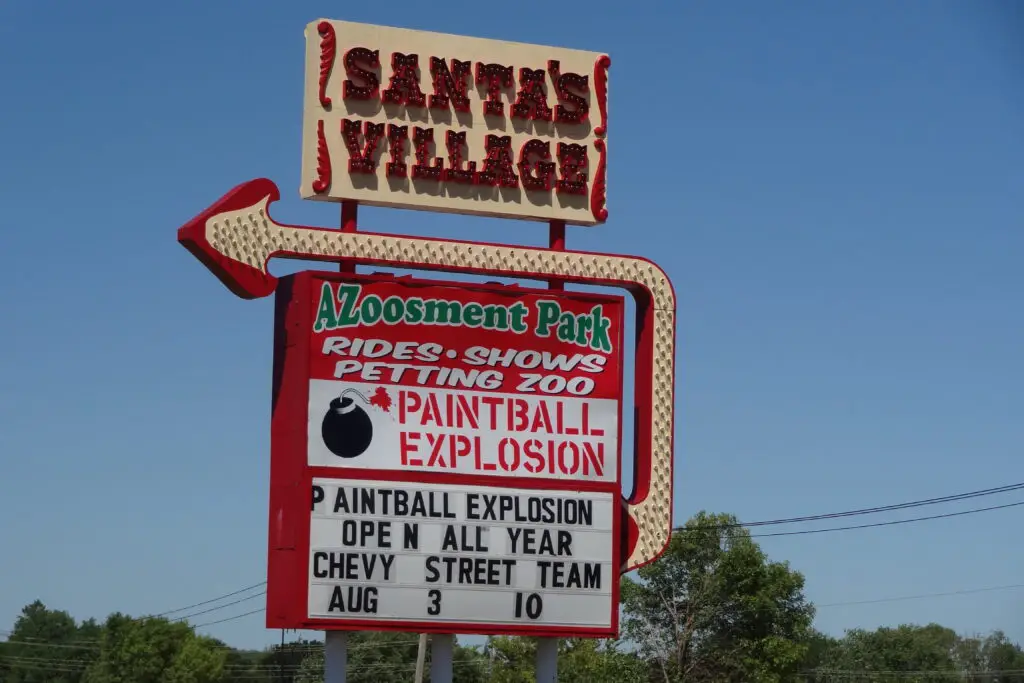
Santa’s Village in East Dundee, Illinois, opened in 1959 as one of the first Christmas-themed amusement parks in the United States. Families visited to see Santa, enjoy rides, and experience a holiday atmosphere year-round. It became a regional favorite, especially for young children. The park combined simple attractions with a whimsical theme that set it apart. For many, it was a childhood staple.
The park closed in 2006 after decades of operation, leaving the site abandoned for several years. Rides and buildings fell into disrepair before redevelopment efforts began. It later reopened in a different form, but much of the original charm and layout were gone. For those who remember the original park, the abandoned years were especially striking. It’s a reminder of how even beloved places can fade.
8. Fort Ord, California
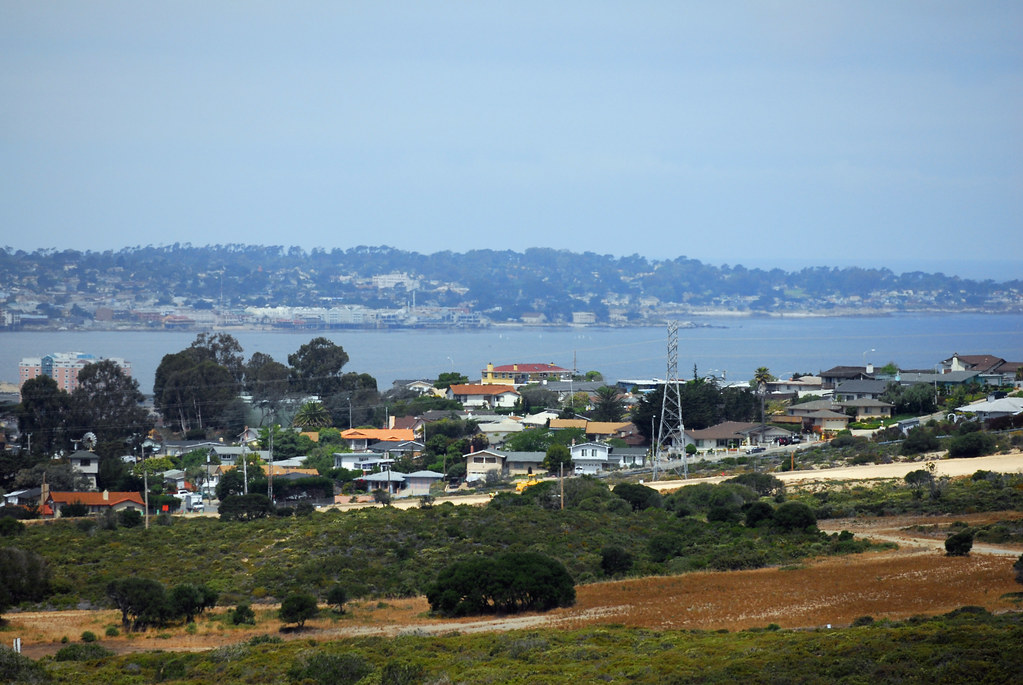
Fort Ord was a major U.S. Army installation on California’s central coast, active from 1917 until 1994. At its peak, it housed tens of thousands of soldiers and played a key role in training during World War II and the Vietnam War. The base functioned almost like a self-contained town, with housing, schools, and services. It brought economic activity and population growth to the surrounding area. For decades, it was a central part of the region’s identity.
After its closure, large portions of the base were left vacant. Some areas have since been redeveloped or converted into parks and educational institutions. However, many structures remained unused for years, creating an eerie, deserted landscape. The transition from active military hub to quiet, partially abandoned space was dramatic. It reflects broader shifts in military infrastructure and land use.
9. Riverview Park, Chicago
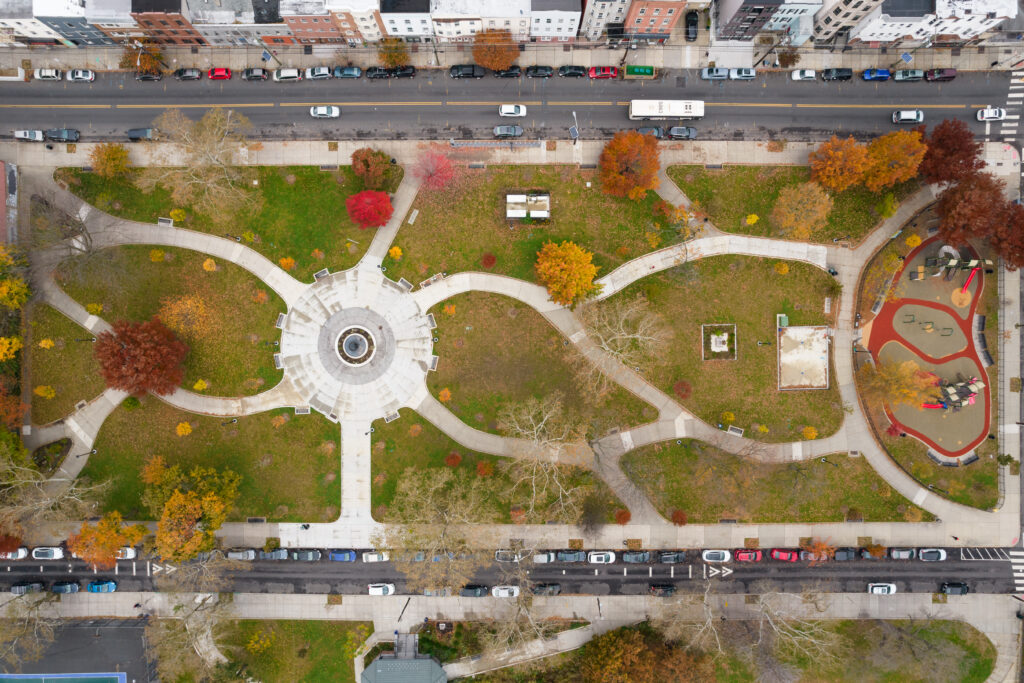
Riverview Park in Chicago operated from 1904 to 1967 and was once one of the largest amusement parks in the world. It featured dozens of rides, including the famous Bobs roller coaster, and attracted millions of visitors. The park became a staple of summer entertainment for generations of Chicago residents. It offered affordable fun and a sense of escape within the city. For many, it defined childhood summers.
The park closed due to rising land values and maintenance costs, and the site was redeveloped. Today, only a few markers and street names hint at what once stood there. The crowds that once filled the park have long since disappeared. Its memory lives on through photos and stories. It’s a classic example of an urban landmark replaced by modern development.
10. Grossinger’s Resort, New York
Grossinger’s Resort was one of the most famous hotels in the Catskills, operating from the early 20th century until 1986. It attracted celebrities, politicians, and vacationing families, offering everything from golf to ice skating. The resort was known for its size, amenities, and high level of service. At its peak, it employed hundreds of people and hosted thousands of guests. It played a significant role in American leisure culture.
After closing, the property fell into disrepair, with many buildings left abandoned for years. Structures deteriorated, and the once-luxurious setting became overgrown and quiet. Parts of the site have since been demolished, but the name still carries weight. It remains one of the most well-known examples of the Catskills’ rise and fall. Its story mirrors that of the entire region.
11. Buck Hill Falls Resort, Pennsylvania
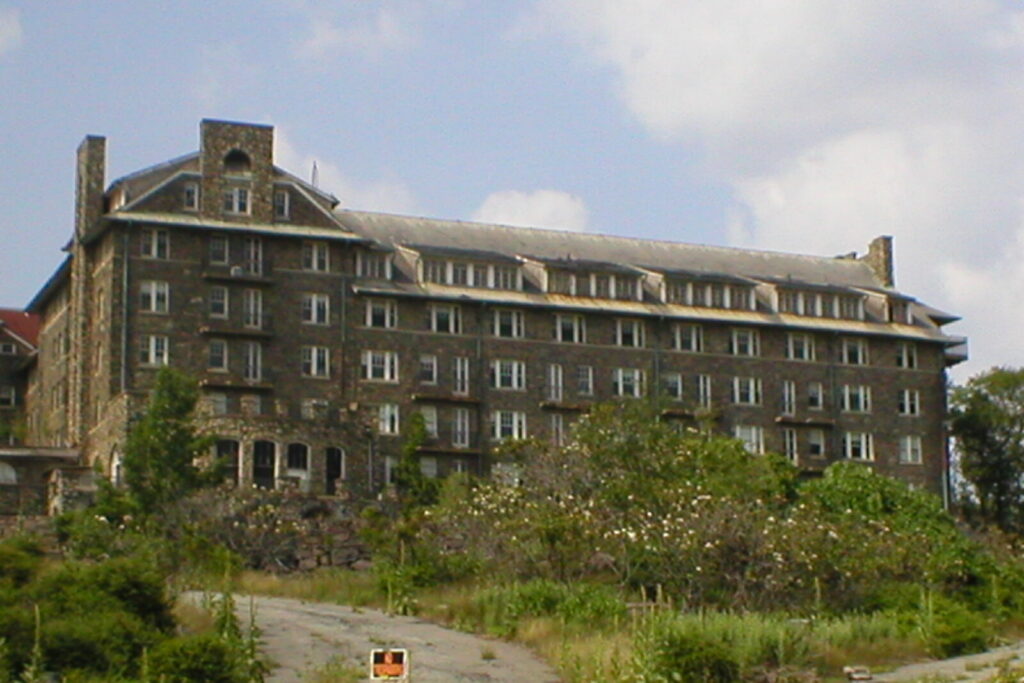
Buck Hill Falls Resort in the Pocono Mountains was a popular destination in the early to mid-20th century. Guests came for its scenic setting, outdoor activities, and structured social environment. The resort offered golf, tennis, and organized events that kept visitors engaged throughout their stay. It was especially popular with families seeking a summer retreat. The experience was designed to feel both relaxing and refined.
Over time, changing vacation trends led to a decline in large, all-inclusive resorts like Buck Hill Falls. While the community still exists, the original resort model and its large crowds are gone. Some facilities have been repurposed or reduced in scale. The area is quieter now, with a different kind of appeal. It reflects how leisure preferences have evolved over time.
12. Playland Park, Rye, New York (Historic Areas)
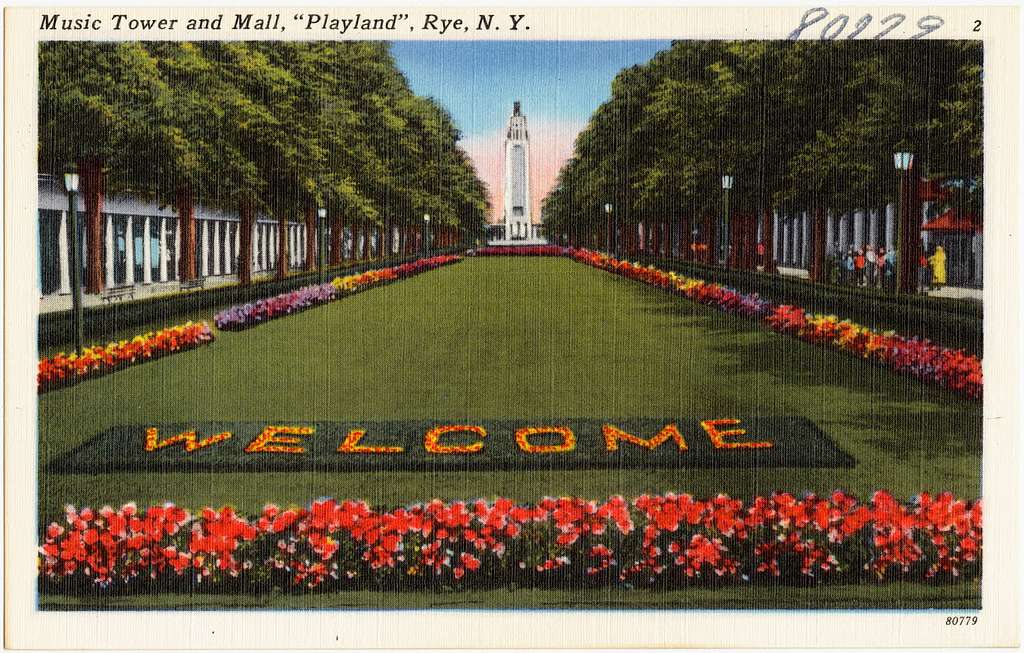
Playland Park, which opened in 1928, is one of the few surviving historic amusement parks in the United States. In its early decades, it drew massive crowds with its Art Deco design and classic rides. Families flocked there for a day of entertainment by the Long Island Sound. It became a cultural fixture in the region. The park even appeared in films and television shows.
While Playland still operates, some of its historic sections and attractions have fallen into disuse or been removed. Deferred maintenance and funding challenges have affected parts of the park. Certain areas that once buzzed with activity now feel quieter or underutilized. The contrast between its past popularity and present condition is noticeable. It stands as both a survivor and a reminder of what once was.
13. Glenrio, Texas/New Mexico
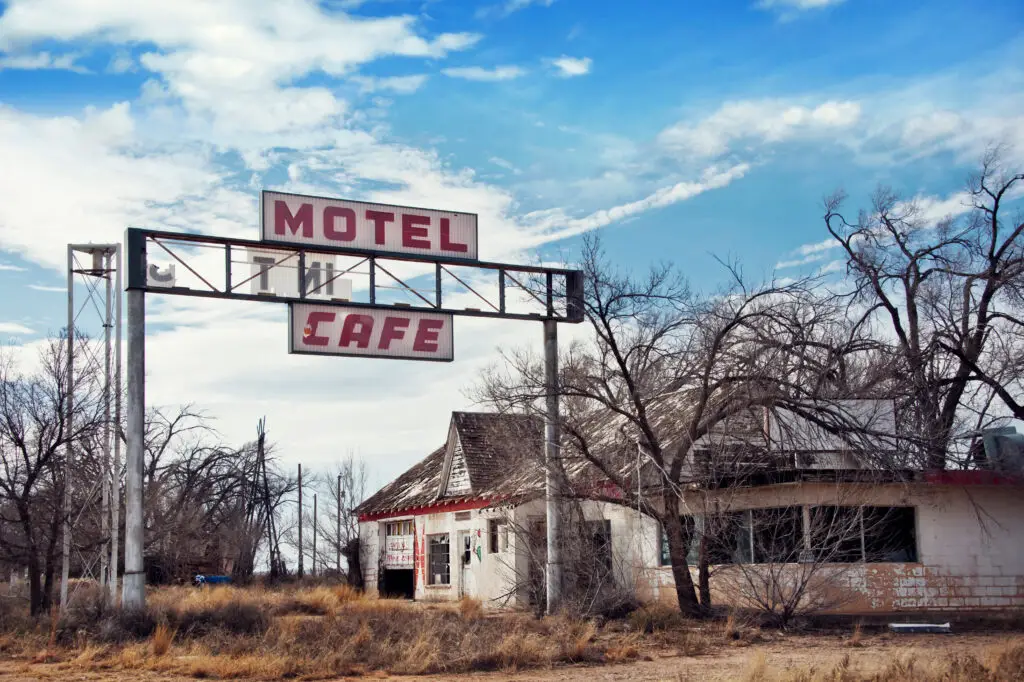
Glenrio is a ghost town located along Route 66 on the Texas and New Mexico border. In its heyday, it was a busy stop for travelers, offering gas stations, diners, and motels. The town thrived on cross-country traffic, especially during the mid-20th century. Neon signs and roadside attractions drew in passing drivers. It was a classic example of Route 66 culture.
When Interstate 40 bypassed the town, traffic dropped dramatically. Businesses closed, and residents moved away, leaving buildings abandoned. Today, Glenrio stands as a well-preserved snapshot of a bygone era. Visitors can still see the remains of its former life. It’s one of many towns that faded when travel patterns changed.
14. The Palace Amusements, Asbury Park
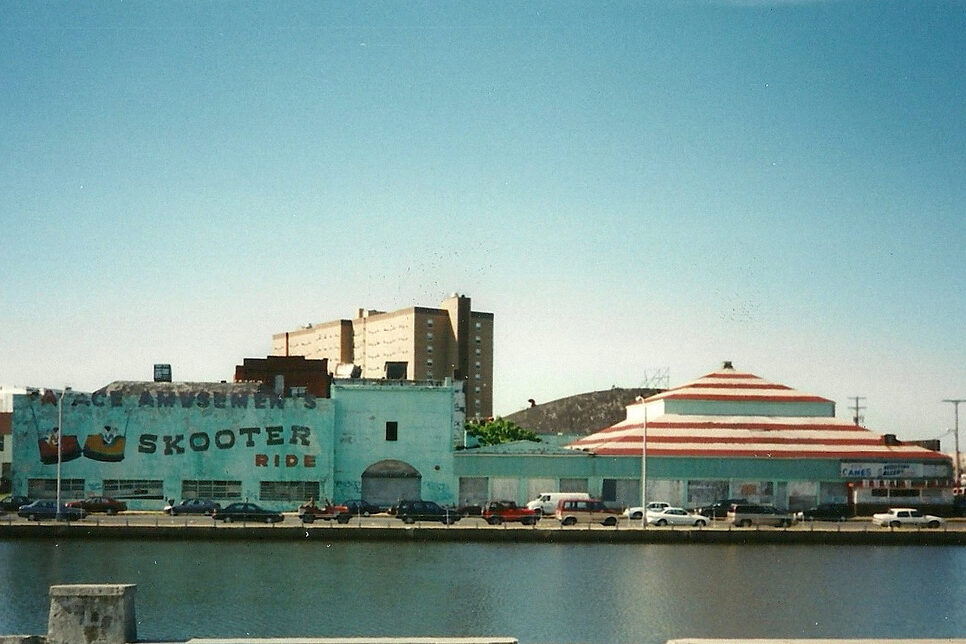
Palace Amusements in Asbury Park, New Jersey, operated from the late 19th century until 1988. It was a major attraction along the Jersey Shore, known for its rides, arcade games, and the iconic “Tillie” face. Generations of visitors came for summer развлечment and seaside fun. The building itself became a recognizable landmark. It was deeply tied to the identity of the area.
After closing, the structure sat abandoned for years before being demolished in 2004. Its absence marked a significant change for Asbury Park’s boardwalk. While the area has since seen redevelopment, the original Palace Amusements is gone. Locals still remember it as a centerpiece of the shore experience. Its story reflects both decline and renewal along the coast.