
1. Walking to School Alone
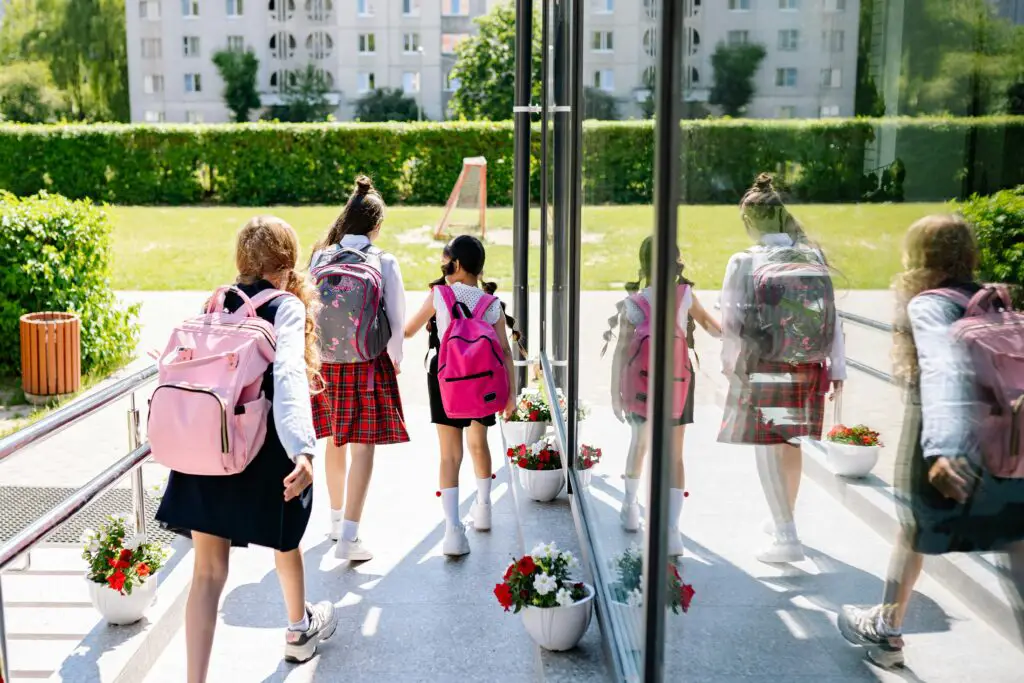
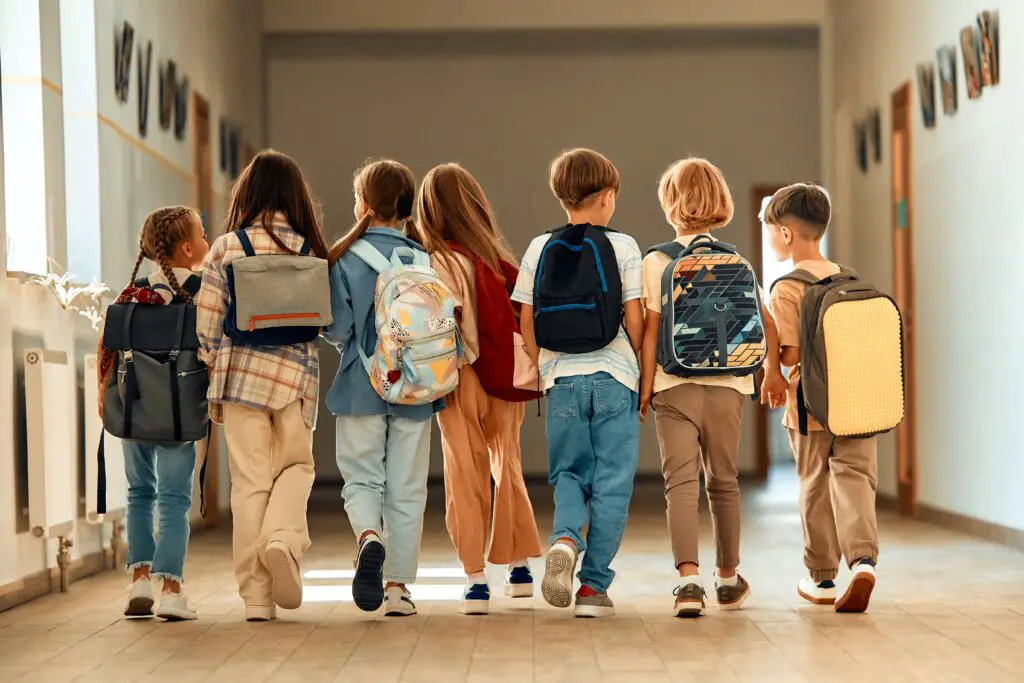
For decades, walking to school alone was simply part of growing up. Kids in the ’50s, ’60s and ’70s often set off each morning with nothing more than a backpack and a quick “see you later” from their parents. Even very young children sometimes walked several blocks or more, often meeting up with friends along the way. Neighborhood sidewalks would fill with small groups of kids chatting and kicking pebbles as they made their way to class.
Parents generally trusted that other adults in the neighborhood were keeping an eye out. Crossing guards might help at busy streets, but much of the journey was completely unsupervised. Kids learned to look both ways, watch traffic and handle minor problems on their own. It was considered an early lesson in independence. Today, many parents would feel uneasy letting a child make that same trip alone.
2. Riding Bikes Across Town
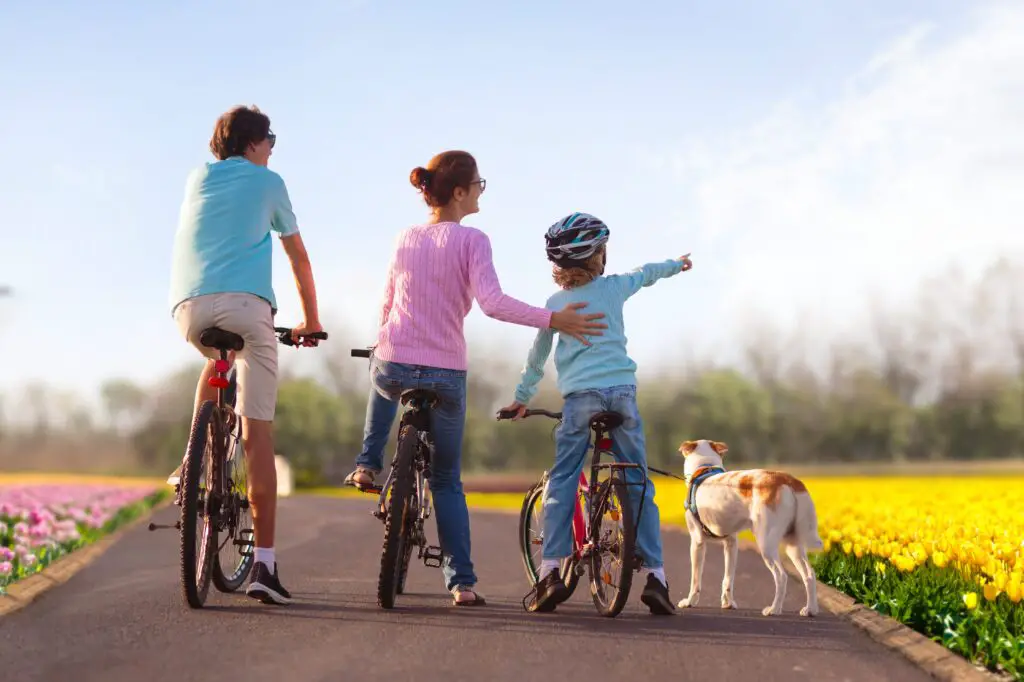
Bicycles gave kids a level of freedom that feels almost unimaginable now. Once a child learned to ride, entire afternoons could be spent pedaling miles from home. Kids explored parks, creeks, empty fields and friends’ houses without anyone tracking their location. The only real rule was to be home before dinner or when the streetlights came on.
Parents rarely knew exactly where their kids were riding. There were no cell phones and no GPS, just trust and a general understanding of neighborhood boundaries. Kids fixed their own flat tires or walked their bikes home if something went wrong. Those long rides became a huge part of childhood adventure. Today, many parents would hesitate to allow that kind of unsupervised roaming.
3. Babysitting Younger Siblings
In many families, older kids were expected to help take care of younger siblings. By age ten or twelve, it was common for a child to stay home and watch a brother or sister for a few hours. Parents might run errands, go to work or even enjoy a night out. The older child was trusted to keep everyone safe and handle basic problems.
This arrangement was often seen as a normal part of growing up. Kids learned how to make simple meals, settle arguments and manage bedtime routines. It also created a strong sense of responsibility early on. While some families still do this today, many states now have guidelines about minimum babysitting ages. What once felt routine can now seem surprisingly young.
4. Taking Public Transportation Alone
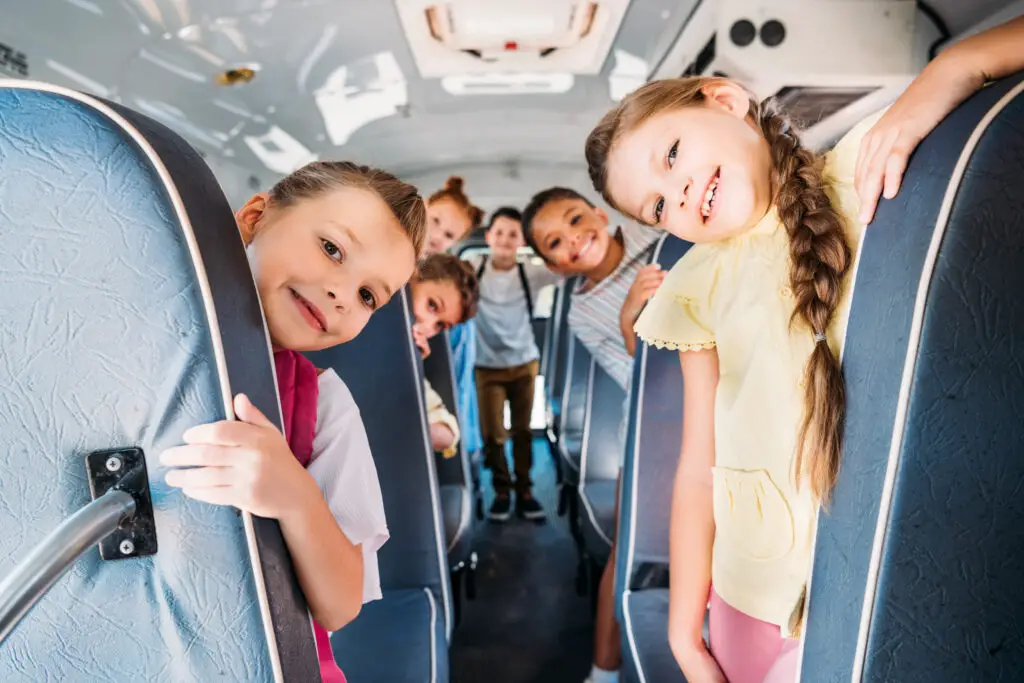
In many cities and suburbs, kids regularly rode buses or trains by themselves. Middle school students often commuted to school or activities using public transit. They learned how to read schedules, count change for fares and find the right stop. For many kids, it was their first taste of navigating the world independently.
Parents usually gave basic instructions and trusted their child to figure it out. Missing a stop or getting on the wrong bus sometimes happened, and kids had to solve the problem themselves. These small challenges were part of the learning process. It built confidence and street smarts. Today, many parents would find the idea of young kids riding public transportation alone nerve wracking.
5. Playing Outside All Day Without Checking In
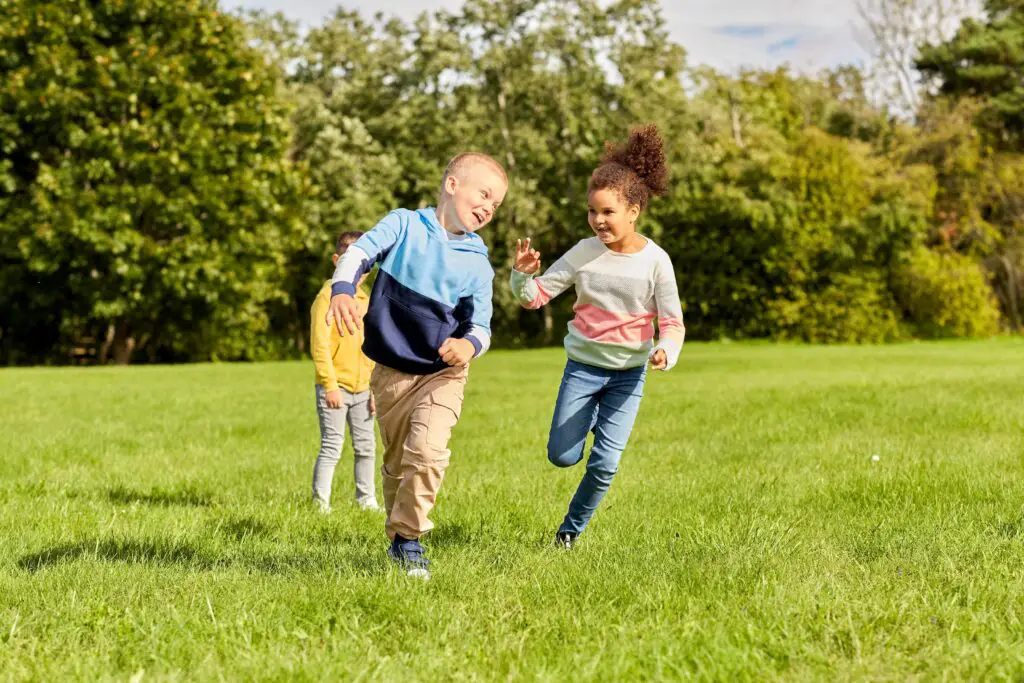
On weekends and during summer, kids often disappeared outside for hours at a time. After breakfast they might head out the door and not return until late afternoon. Their day was filled with bike rides, pickup games and backyard adventures. Parents usually had only a vague idea of where their kids were.
The rule was simple: come home when the streetlights turned on. Kids moved from house to house and neighborhood to neighborhood throughout the day. If they got hungry, they might grab a snack at a friend’s kitchen. Adults trusted that the neighborhood itself provided a kind of shared supervision. Today, constant communication through phones has changed that dynamic entirely.
6. Walking to the Store for Errands
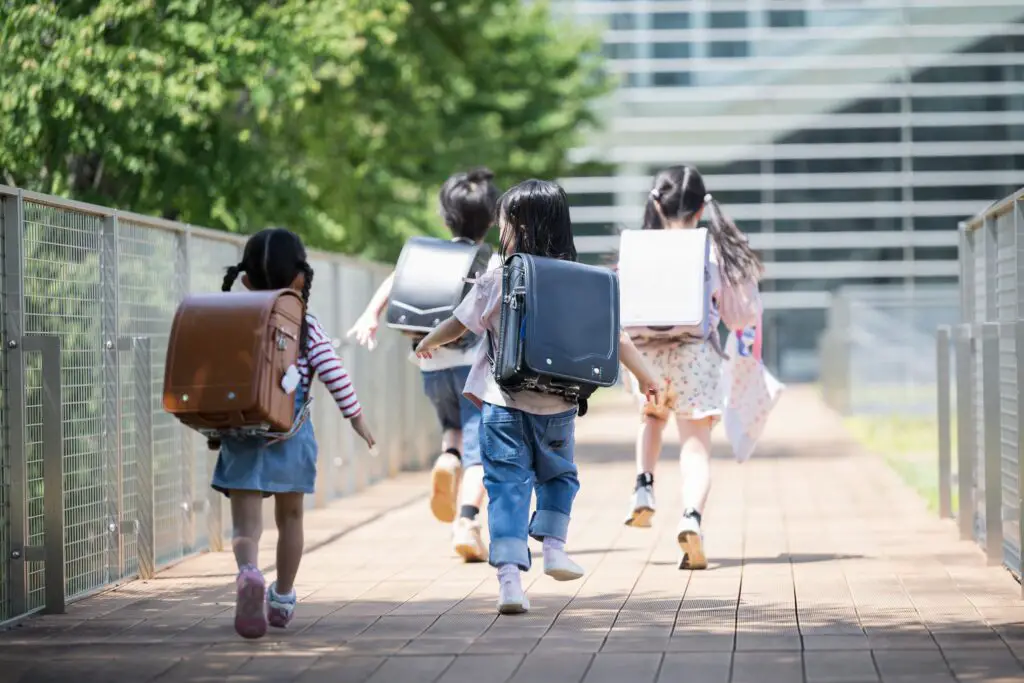
Parents often sent kids to nearby stores with a small list and a few dollars. A child might walk to the corner grocery to pick up milk, bread or a loaf of sourdough for dinner. Shopkeepers frequently recognized the kids and knew which families they belonged to. Running errands like this was considered a practical life skill.
Kids learned how to handle money and speak with adults in the process. Sometimes they even kept the leftover change as a reward. These quick trips gave children a sense of importance within the household. They felt trusted and capable. Today, many parents would think twice before sending a child to the store alone.
7. Exploring Woods and Empty Lots
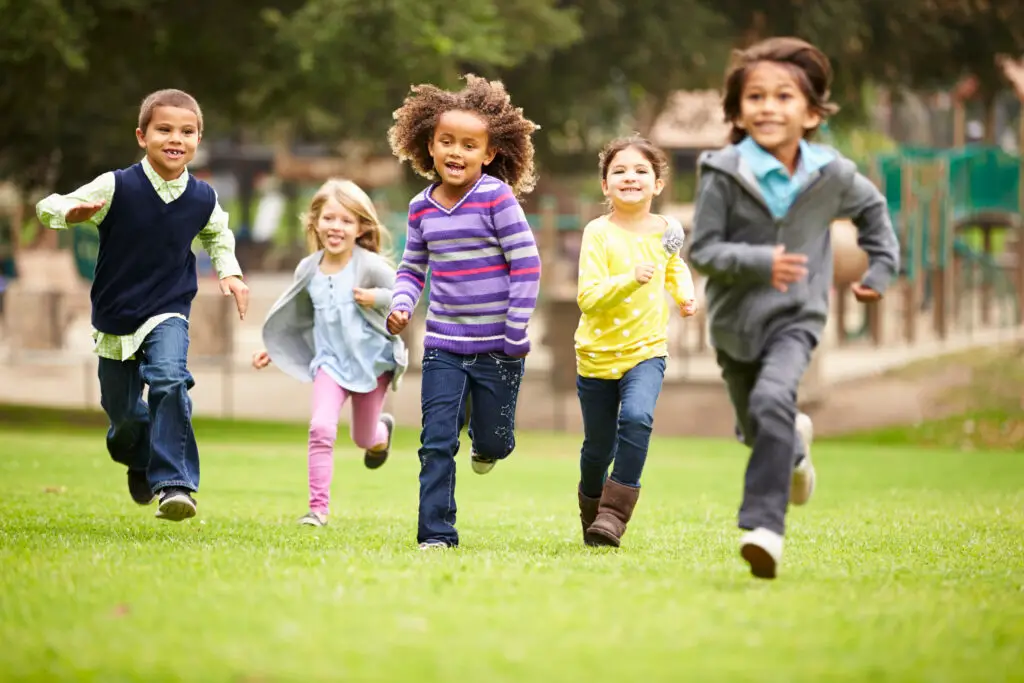
If a neighborhood had a patch of woods or an undeveloped field nearby, kids were almost guaranteed to explore it. These places became the setting for forts, secret clubs and long imaginary adventures. Children climbed trees, built hideouts and followed trails deep into the brush. The only real supervision was whatever older kids happened to be around.
Scrapes, bug bites and muddy shoes were simply part of the experience. Parents expected kids to come home dirty and tired after a day outside. The freedom to roam these spaces helped build creativity and confidence. Kids felt like they had their own secret world just beyond the backyard. Today, many of those areas are either developed or considered off limits without adult supervision.
8. Staying Home Alone After School
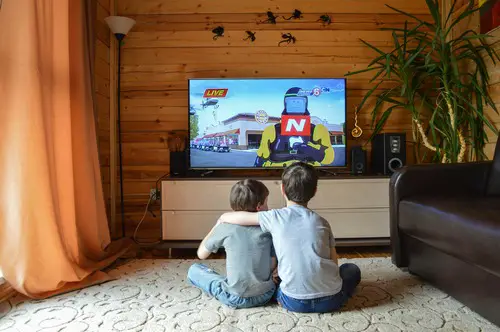
Long before after school programs became common, many kids let themselves into an empty house in the afternoon. They grabbed a snack, turned on the television and waited for their parents to return from work. This routine created the generation sometimes called “latchkey kids.” For them, the quiet hour or two alone felt completely normal.
Kids learned to entertain themselves and manage their time. Some finished homework while others watched favorite shows or played outside until dinner. Parents trusted their children to follow basic rules and stay safe. It was a small but meaningful step toward independence. Today, the idea of younger kids being home alone can spark plenty of debate.
9. Using Power Tools in the Garage
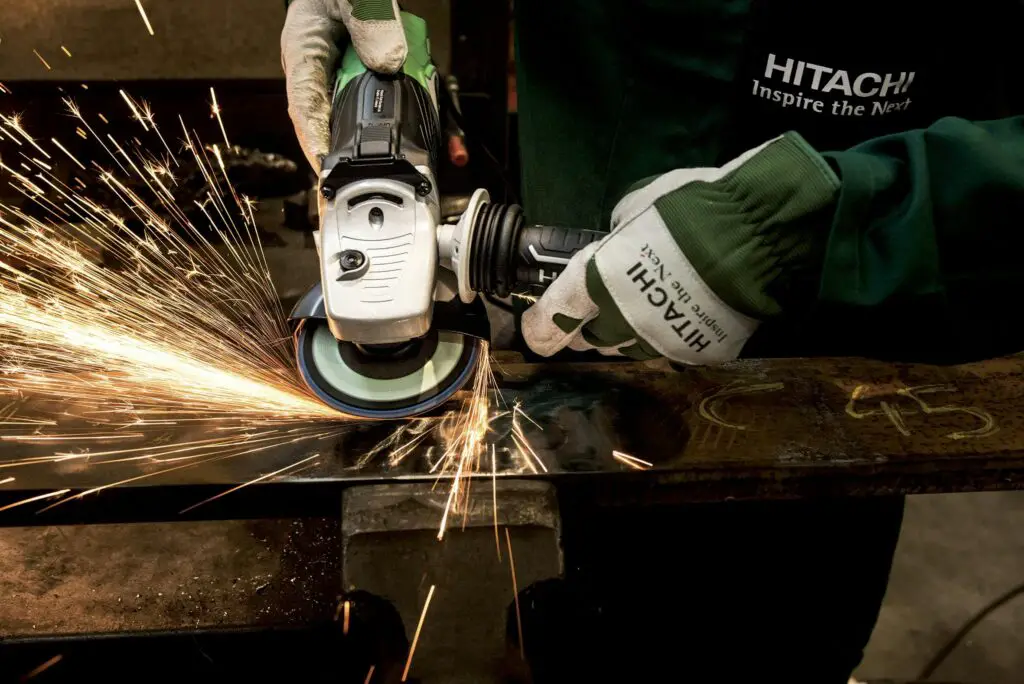
In many households, kids helped with projects in the garage or workshop. A parent might show them how to use a drill, hammer or saw at a surprisingly young age. Building birdhouses, fixing bikes or helping repair furniture was part of everyday life. Safety instructions were given, but hands on learning happened quickly.
These tasks made kids feel like capable members of the family team. They learned practical skills and gained confidence working with their hands. Of course, there were occasional smashed thumbs or crooked cuts along the way. But mistakes were considered part of the learning process. Today, many parents would hesitate to hand a child the same tools so early.
10. Running Lemonade Stands Without Adults

A classic childhood activity was setting up a lemonade stand on the sidewalk or near a park. Kids mixed the drinks, made signs and handled the money themselves. Sometimes friends teamed up to sell cookies or homemade snacks too. Adults might check in occasionally, but the operation usually belonged to the kids.
These stands were about more than just earning a few coins. They were early lessons in creativity, problem solving and basic business. Kids learned how to talk to strangers politely and make change. Some even experimented with pricing or promotions. Today, concerns about permits and safety sometimes make the simple lemonade stand feel surprisingly complicated.
11. Walking to Friends’ Houses Unannounced
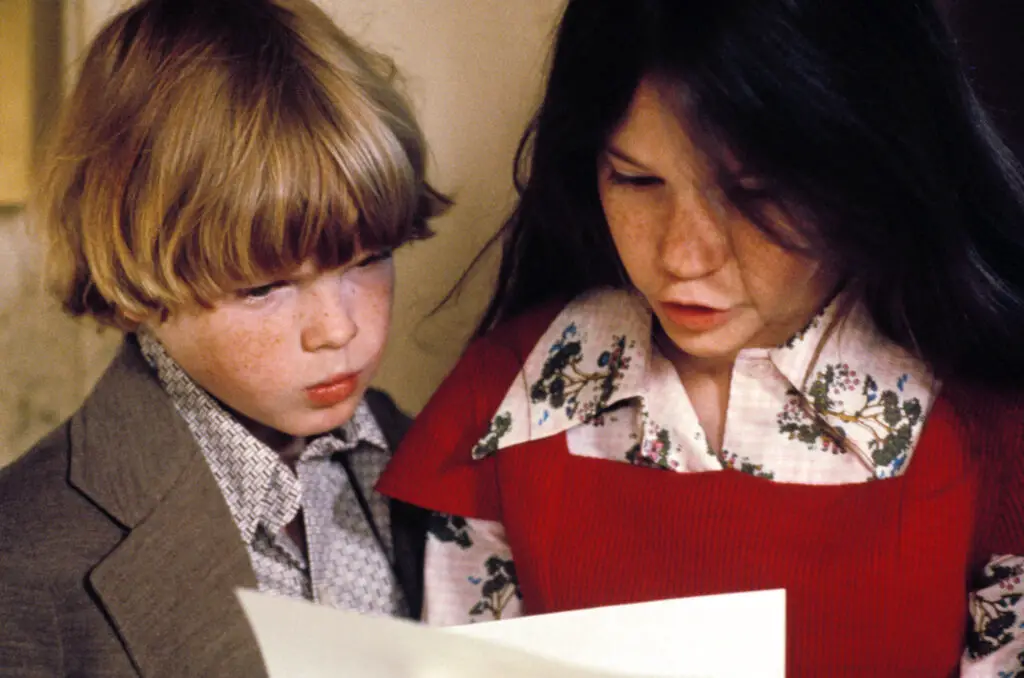
Before texting and group chats, kids often showed up at friends’ homes without warning. A knock on the door and the question “Can they come out and play?” was completely normal. Children walked or biked across the neighborhood to see who was around. Plans were made on the spot.
Parents didn’t usually coordinate these visits in advance. Kids simply figured things out as they went along. Sometimes a group would grow throughout the afternoon as more friends joined in. It created a spontaneous kind of social life that felt very natural. Today, many playdates are scheduled well in advance.
12. Playing in the Street
Residential streets often doubled as playgrounds for neighborhood kids. Games like stickball, street hockey or kick the can unfolded right in the road. When a car approached, someone yelled “Car!” and everyone quickly moved aside. Then the game resumed as soon as the vehicle passed.
Drivers in many neighborhoods expected to see kids playing outside. Streets were quieter and traffic was lighter than in many areas today. For children, the road felt like a shared space rather than a dangerous one. It became the center of neighborhood social life. Today, parents are far less comfortable with kids playing directly in the street.
13. Cooking Simple Meals by Themselves

Many kids learned basic cooking skills earlier than people might expect. By late elementary school, a child might prepare grilled cheese, heat soup or cook pasta on the stove. Parents showed them the basics and trusted them to manage the kitchen. It was often a necessity in busy households.
Kids gained confidence as they learned how to feed themselves and even help the family. Some experimented with recipes or baked cookies after school. Of course, there were the occasional burnt pans or messy counters. But learning by doing was the norm. Today, some parents wait longer before letting kids use the stove alone.
14. Roaming the Neighborhood After Dark

Evenings in many neighborhoods once meant kids playing outside until nightfall. Flashlight tag, hide and seek and ghost in the graveyard were favorite games after sunset. Groups of children ran through backyards and across lawns while adults chatted on porches. The atmosphere often felt relaxed and communal.
Parents usually relied on simple boundaries rather than constant supervision. Kids knew roughly how far they were allowed to go and when to return home. The darkness added a little excitement but rarely caused alarm. Eventually someone’s parent would call them in for the night. Today, fewer kids roam the neighborhood freely after dark.
15. Hitching Rides With Neighbors
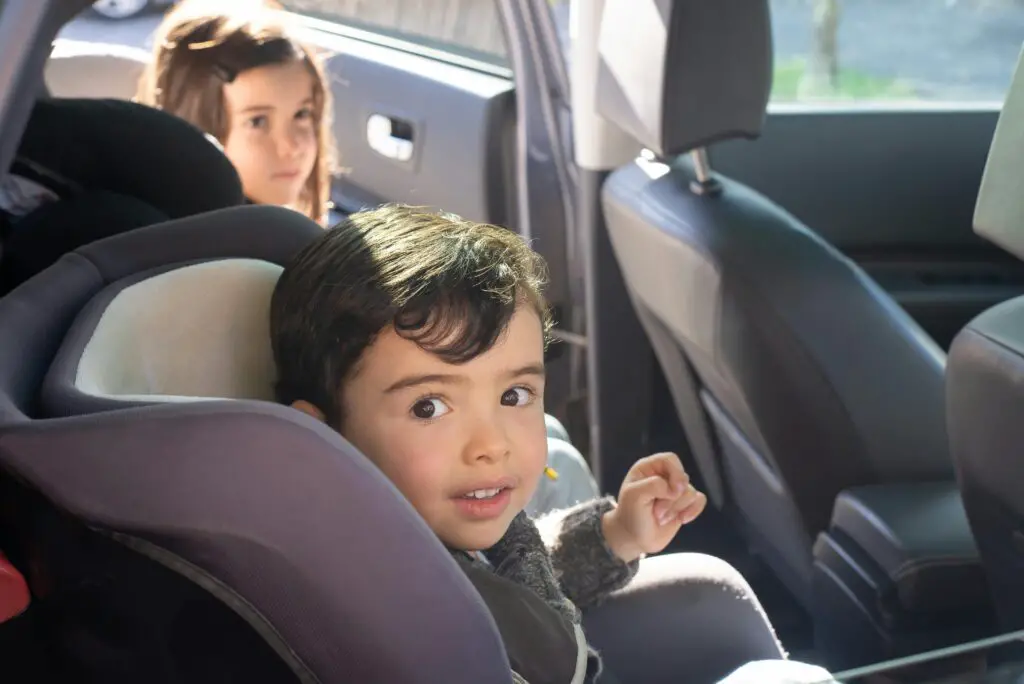
In earlier decades, it was common for kids to accept rides from neighbors or family friends. If a child was walking home and someone from the neighborhood drove by, they might offer a lift. Parents generally trusted the adults who lived nearby. Communities often felt smaller and more familiar.
Children learned which neighbors were considered safe and friendly. A quick ride home or to a nearby park didn’t seem unusual at the time. The idea of refusing such help might even have seemed rude. Over time, attitudes about safety and stranger danger changed dramatically. Today, most parents strongly discourage this practice.
16. Traveling Across Town to See a Movie
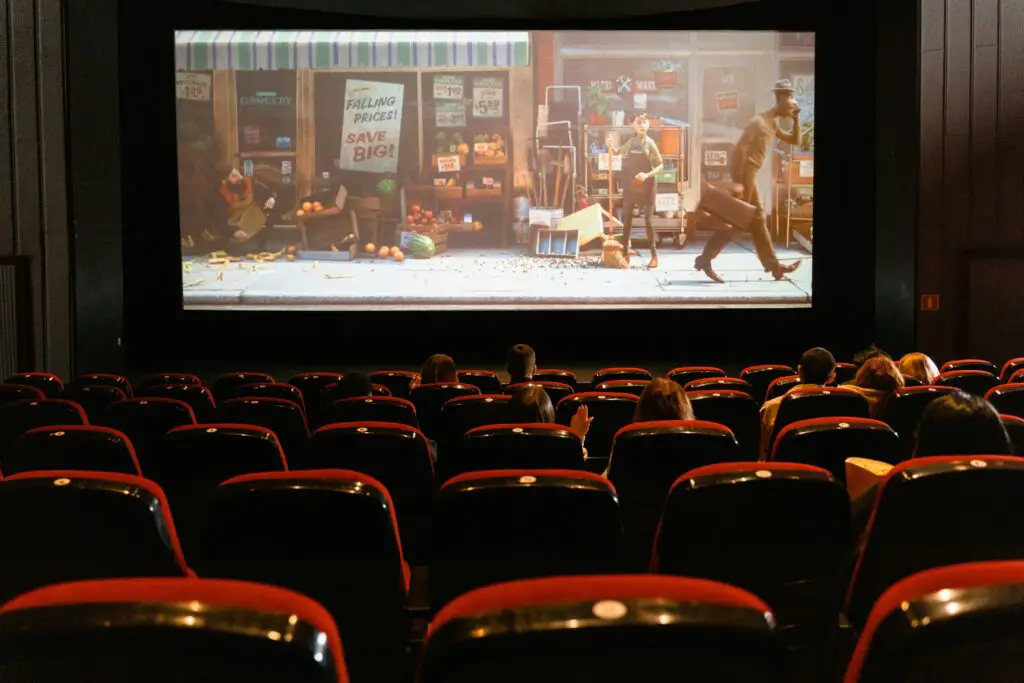
For many kids, going to the movies was an independent adventure. Groups of friends would take bikes or buses to the local theater on a Saturday afternoon. They bought their own tickets, snacks and sometimes stayed for multiple showings. Parents often had little involvement beyond giving them a few dollars.
The theater lobby became a social hub for kids and teenagers. After the movie, they might wander through nearby shops or grab a snack before heading home. These outings helped kids practice navigating public spaces on their own. It was part of the gradual process of growing up. Today, many younger kids attend movies only with adult supervision.