
1. Sewing on a Button
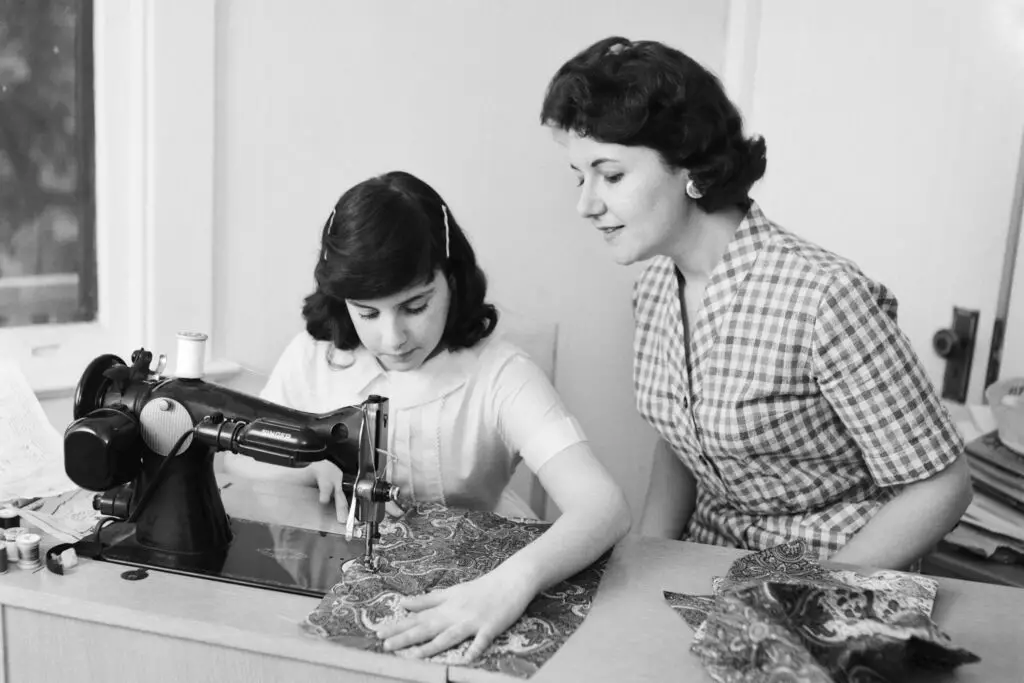
There was a time when every kid was expected to know how to sew on a loose button. It was considered a basic life skill, not a hobby. Parents and grandparents kept small sewing kits in drawers for quick fixes. If a hem came loose or a pocket ripped, you handled it yourself.
Older generations saw sewing as a way to be independent and resourceful. Clothes were meant to be repaired, not thrown away. Learning a few simple stitches saved money and embarrassment. Even people who hated sewing admitted it was useful in a pinch.
2. Cooking a Full Meal From Scratch

Knowing how to cook was once treated like an essential survival talent. Recipes were passed down instead of looked up on a phone. Young adults were expected to leave home with a few reliable dishes in their back pocket. Heating up frozen food did not count as real cooking.
Making a full meal meant understanding ingredients and timing. People learned how to roast a chicken or simmer a proper pot of soup. Older generations believed cooking showed responsibility and care for others. If you could feed yourself and your family, you were considered truly grown.
3. Balancing a Checkbook

Before online banking, balancing a checkbook was a regular part of adult life. People sat at kitchen tables with statements, calculators, and pencils. Every purchase had to be carefully written down and double checked. Mistakes could lead to embarrassing overdraft fees.
Older generations thought this skill taught discipline and attention to detail. It forced people to understand exactly where their money was going. Even teenagers were encouraged to practice once they opened their first account. The idea of not knowing your balance seemed careless back then.
4. Writing a Proper Letter
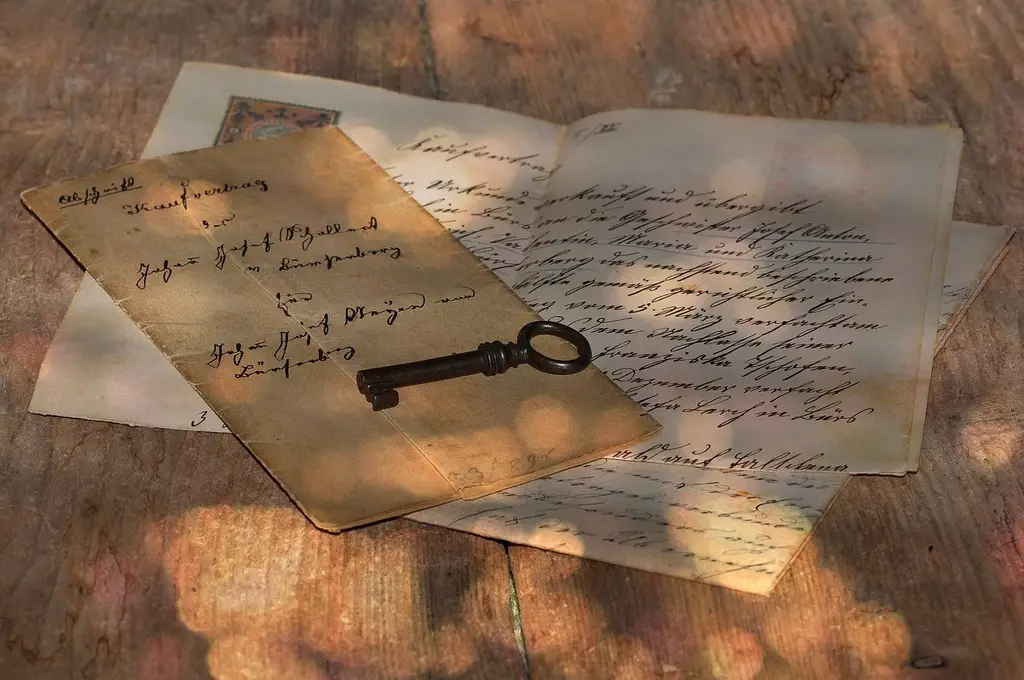
Being able to write a clear, polite letter was once a point of pride. Schools spent time teaching formal letter structure and good penmanship. Thank you notes were not optional, they were expected. A well written letter showed maturity and respect.
Older adults believed this talent helped people communicate thoughtfully. Putting words on paper required planning and patience. It also created a permanent record of feelings and ideas. Even today, many still see letter writing as a lost art worth keeping.
5. Changing a Flat Tire
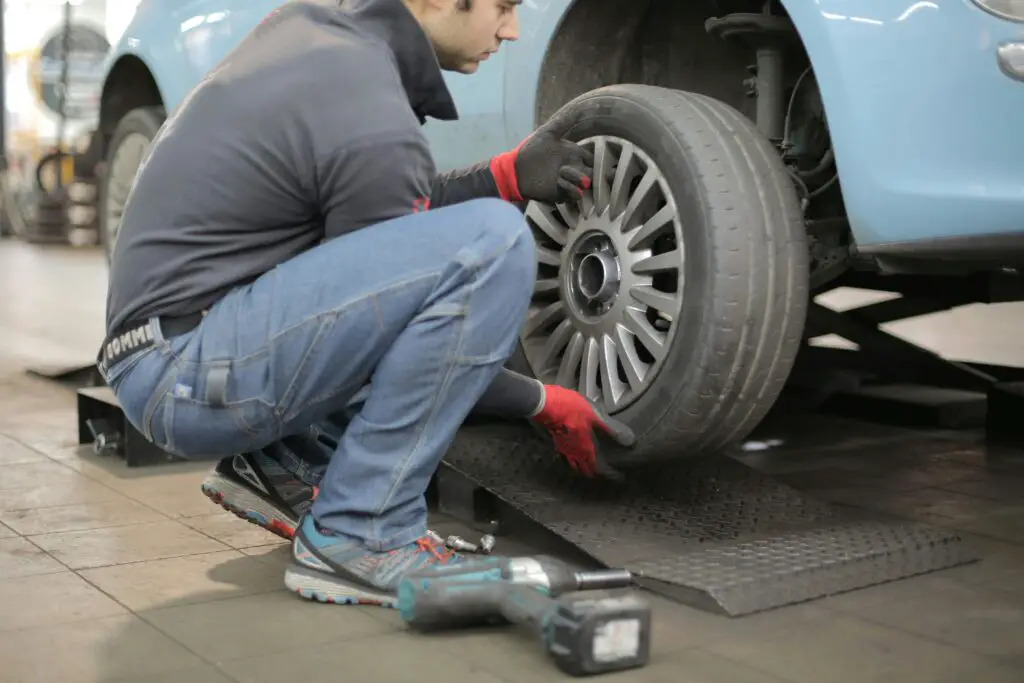
Car trouble used to be something you handled yourself whenever possible. Knowing how to change a tire was treated as basic road knowledge. Parents often made teenagers practice before they were allowed to drive alone. Calling for help was considered a last resort.
Older generations believed self reliance mattered more than convenience. If you could fix a simple problem, you did not have to wait on anyone. Learning to use a jack and a lug wrench built confidence. It was a skill that made people feel capable instead of helpless.
6. Growing a Simple Garden
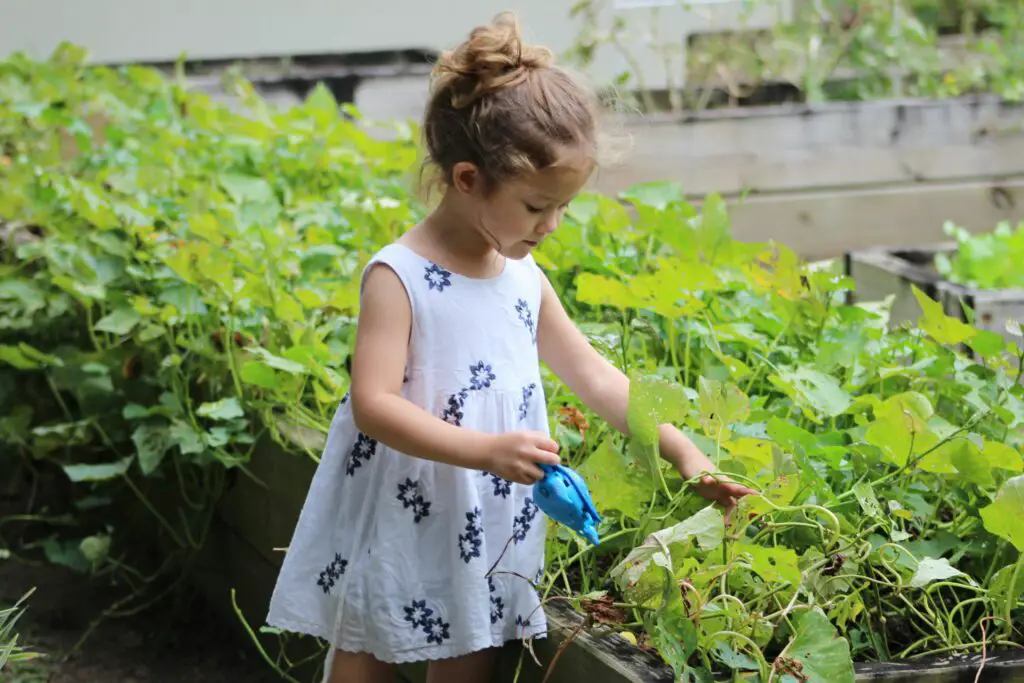
Planting and tending a garden used to be a normal part of everyday life. Families grew tomatoes, beans, and herbs in their own backyards. Kids were taught how to weed, water, and harvest. Fresh food was something you created with your own hands.
Older generations felt gardening connected people to the rhythm of the seasons. It also saved money at the grocery store. Knowing how to keep plants alive was seen as practical and wholesome. Even a small patch of soil gave people a sense of pride.
7. Ironing Clothes Correctly
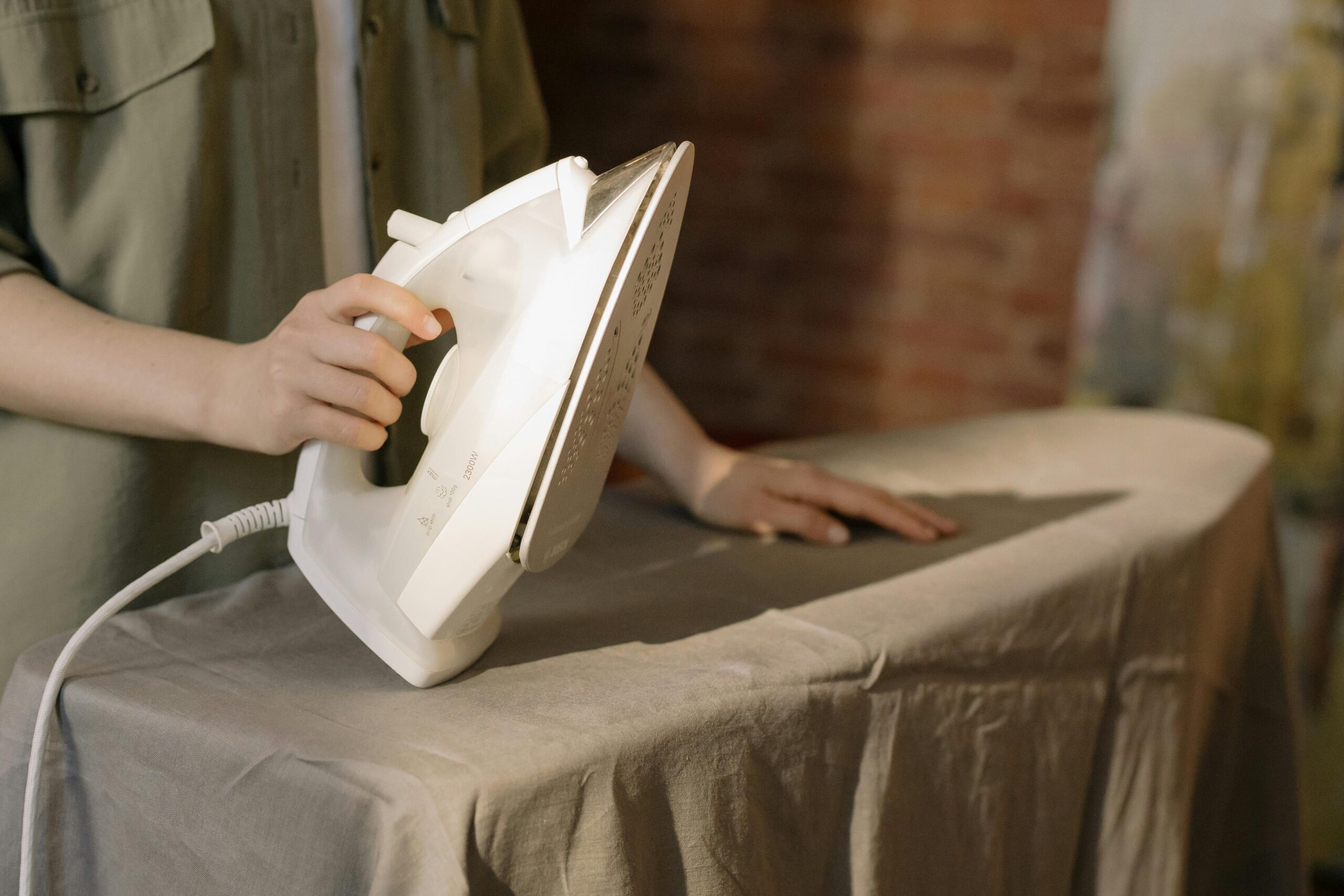
Wrinkled clothes were once considered a sign of laziness. Almost every household owned an ironing board and a heavy iron. Learning to press shirts and trousers neatly was part of becoming an adult. Looking polished mattered in school and at work.
Older generations believed neat clothing showed respect for yourself and others. They took time to teach children how to handle fabrics properly. Even casual outfits were expected to look tidy. The idea of leaving the house rumpled would have seemed unthinkable.
8. Reading a Paper Map
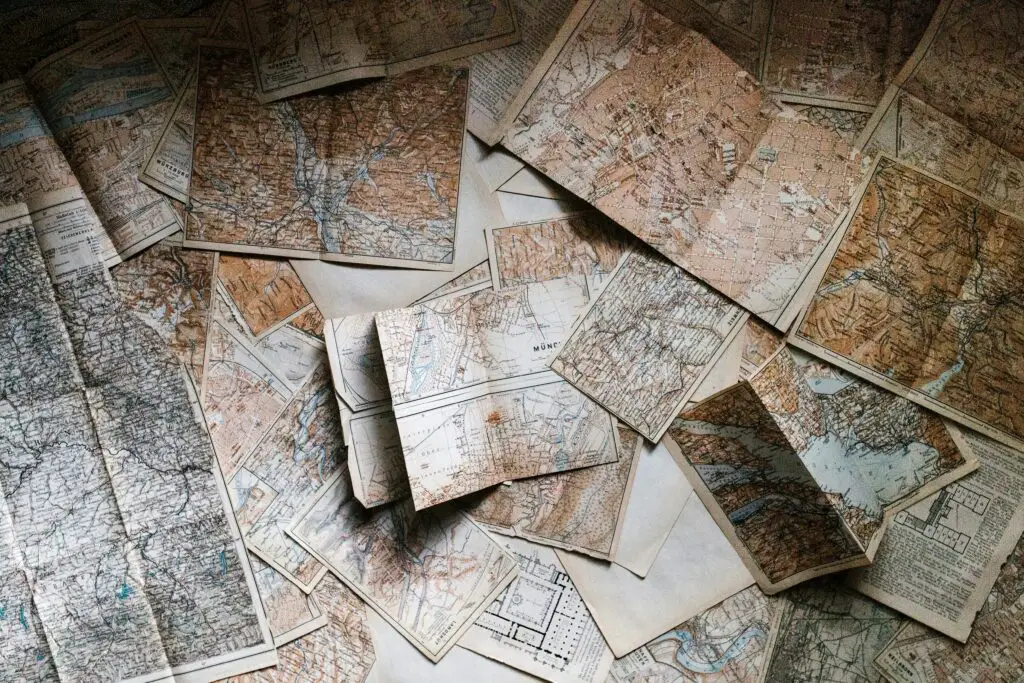
Long before GPS, people had to know how to navigate with real maps. Road trips meant unfolding giant paper atlases on the dashboard. Understanding directions and landmarks was an important talent. Getting lost was embarrassing and inconvenient.
Older generations saw map reading as a sign of intelligence and preparedness. It required paying attention to details and planning ahead. Drivers were expected to figure things out without digital help. Many still believe relying on a phone takes away a valuable life skill.
9. Typing Without Looking
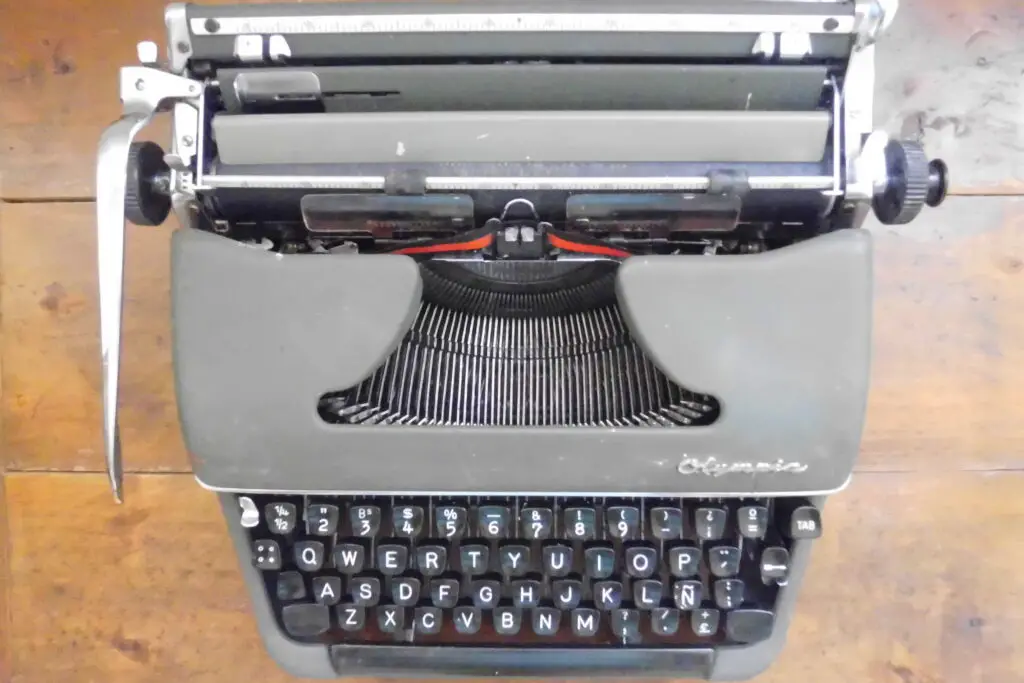
Typing was once taught as seriously as math or grammar. Students spent hours practicing on typewriters in school. The goal was to type quickly and accurately without glancing at the keys. Good typing skills opened doors to office jobs.
Older generations thought this talent was essential for the modern world. Being able to communicate efficiently saved time and effort. Hunt and peck typing was considered sloppy and unprofessional. Even now, fast typists are quietly admired.
10. Basic Home Repairs
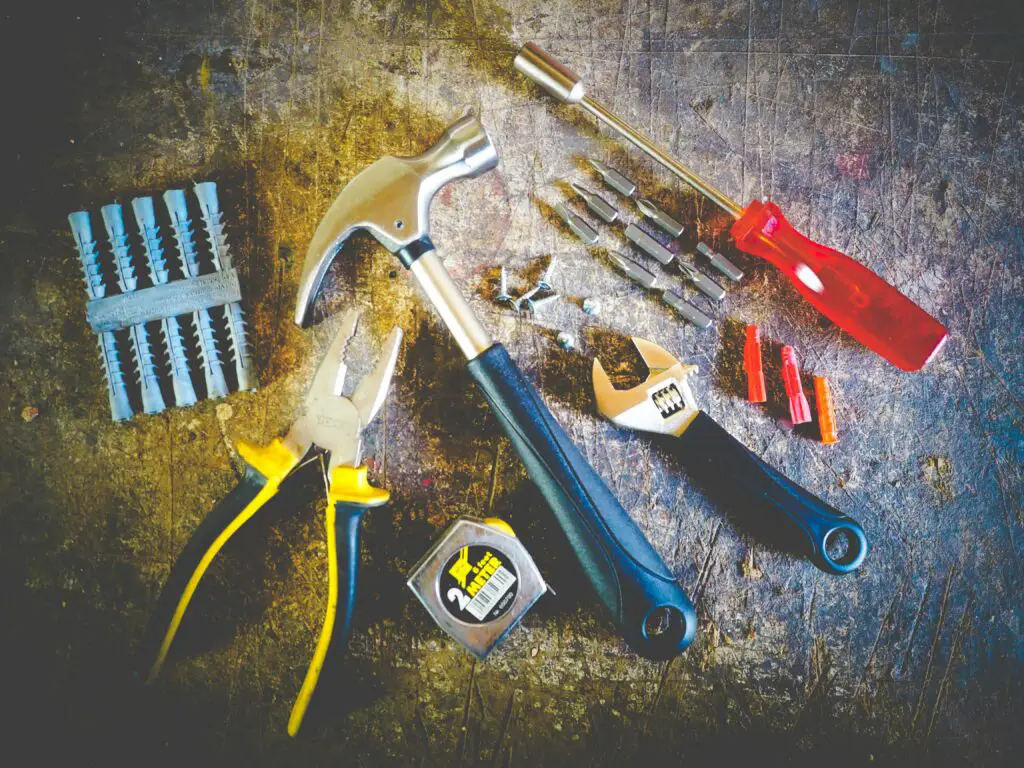
Fixing small problems around the house used to be expected of every adult. People learned how to patch holes, tighten hinges, and unclog drains. Calling a professional was reserved for major disasters. A simple toolbox was considered a household necessity.
Older generations believed hands on skills built character. Knowing how to repair things saved money and frustration. Children often learned by watching parents tackle weekend projects. Being handy was something to feel proud of.
11. Budgeting Every Dollar

Living within your means was a lesson taught early and often. Families kept careful budgets and planned purchases ahead of time. Credit cards were used sparingly, if at all. Impulse spending was frowned upon.
Older generations saw budgeting as a cornerstone of responsible adulthood. It taught patience and self control. People were expected to save for what they wanted instead of buying on a whim. The ability to manage money wisely was considered true maturity.
12. Public Speaking
Standing up and speaking clearly was once treated as a vital social skill. Schools held recitations, debates, and presentations to build confidence. Being able to address a group without fear was highly valued. Shyness was something you were expected to overcome.
Older generations believed strong speaking skills opened opportunities. A confident voice helped in jobs, community meetings, and family events. People practiced projecting their words and organizing their thoughts. It was seen as a talent everyone should develop.
13. Basic First Aid

Knowing how to handle minor injuries used to be common knowledge. Parents taught children how to clean cuts and apply bandages. Simple remedies were passed down through families. Being prepared for emergencies was taken seriously.
Older generations believed first aid skills were part of looking out for one another. You did not panic over small problems, you handled them calmly. Learning how to help someone felt like an important responsibility. It was a talent that could truly make a difference.
14. Playing a Musical Instrument

Many parents insisted their children learn at least one instrument. Piano lessons and school bands were considered part of a well rounded upbringing. Making music was seen as a valuable personal accomplishment. Even a few simple songs counted for something.
Older generations felt music built discipline and creativity. Practicing regularly taught patience and focus. Being able to entertain yourself and others was a charming talent. It was not about becoming famous, just about having a lifelong skill.
15. Proper Table Manners

Good manners at the table were once treated like a serious subject. Children were taught how to set a place, use utensils correctly, and chew politely. Meals were seen as a reflection of character. Sloppy habits were quickly corrected.
Older generations believed manners showed respect for family and guests. Knowing how to behave at dinner was considered essential for social life. These rules followed people into restaurants and special occasions. Even today, many still think good etiquette never goes out of style.