
1. Sewing and Mending Clothes
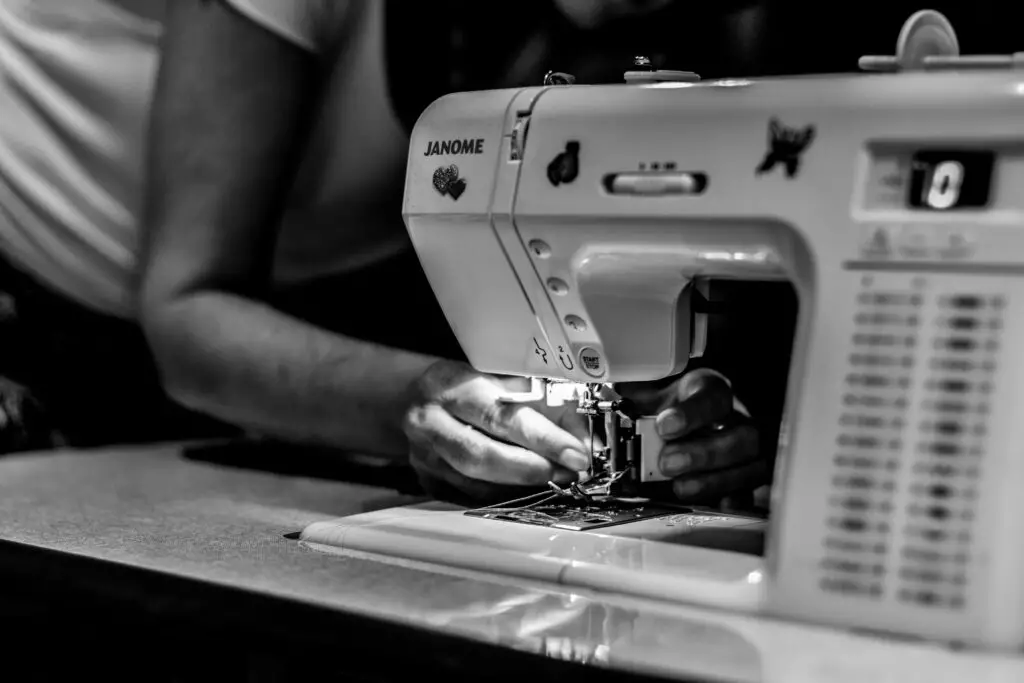
Grandparents often believed everyone should know how to sew a basic hem or replace a button. In their world, tossing out a shirt because of a small rip made no sense at all. A simple needle and thread could solve most wardrobe problems in minutes. Learning to patch knees or darn socks was considered a practical life skill, not a hobby.
They assumed these abilities saved money and built character at the same time. Many of them kept a small sewing kit in a kitchen drawer for quick fixes. If something tore, you fixed it instead of buying something new. Knowing how to mend was just part of being a responsible adult.
2. Cooking a Meal from Scratch
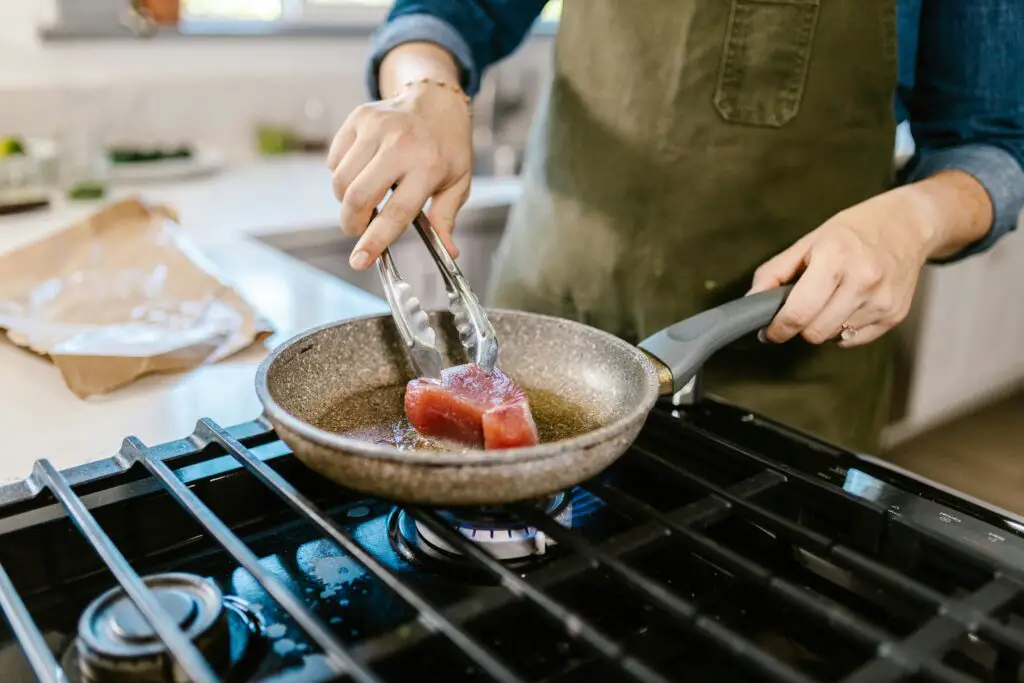
Older generations felt strongly that every person should be able to cook a real meal. Opening a box or heating up frozen food did not count in their eyes. They expected people to understand basic recipes, seasoning, and simple techniques. A full dinner made with fresh ingredients was the gold standard.
Grandparents learned to cook because eating out was rare and expensive. They passed along family recipes without even writing them down. Measuring by feel and taste was considered perfectly normal. Being helpless in the kitchen simply was not an option.
3. Balancing a Checkbook

Long before online banking, balancing a checkbook was a required talent. Grandparents treated it like an essential part of adulthood. Every purchase had to be carefully recorded by hand in a little register. Keeping track of money was a serious responsibility.
They believed this habit taught discipline and awareness about spending. Mistakes could lead to embarrassing overdrafts and stern lectures. Knowing exactly how much was in the account gave them peace of mind. They assumed everyone should be able to do the same.
4. Changing a Flat Tire
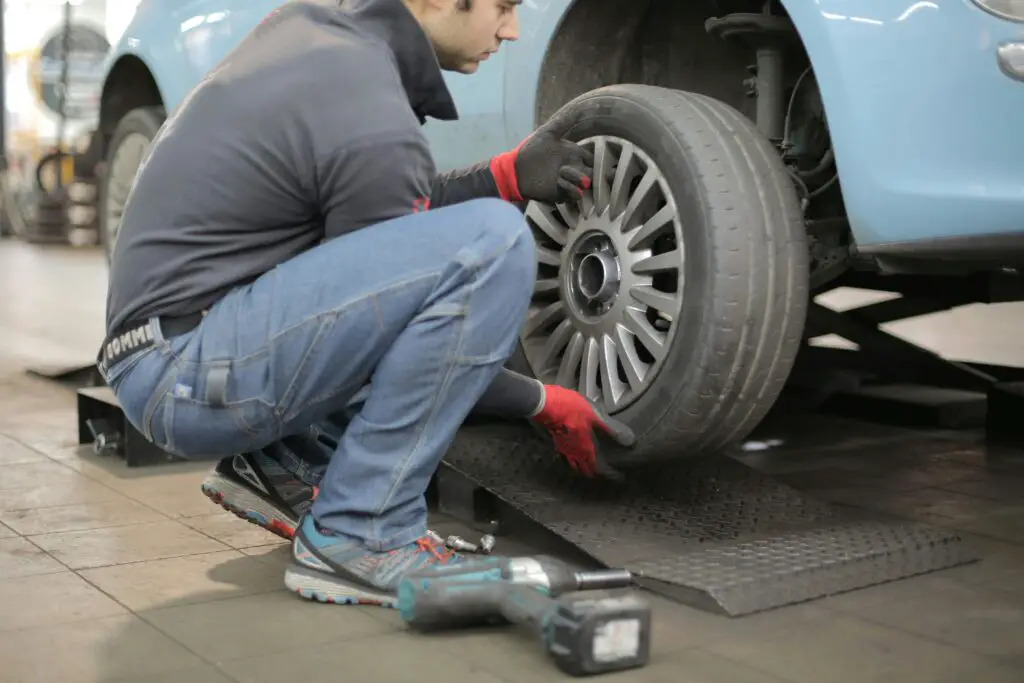
To many grandparents, calling for roadside help felt unnecessary and a little silly. They expected adults to know how to change a tire without panic. A spare, a jack, and a few tools were all anyone really needed. This skill was viewed as basic independence.
They learned by necessity because help was not always close by. Teaching a teenager to change a tire was practically a rite of passage. Waiting for someone else to rescue you was not encouraged. Being prepared was always the smarter choice.
5. Writing Proper Letters
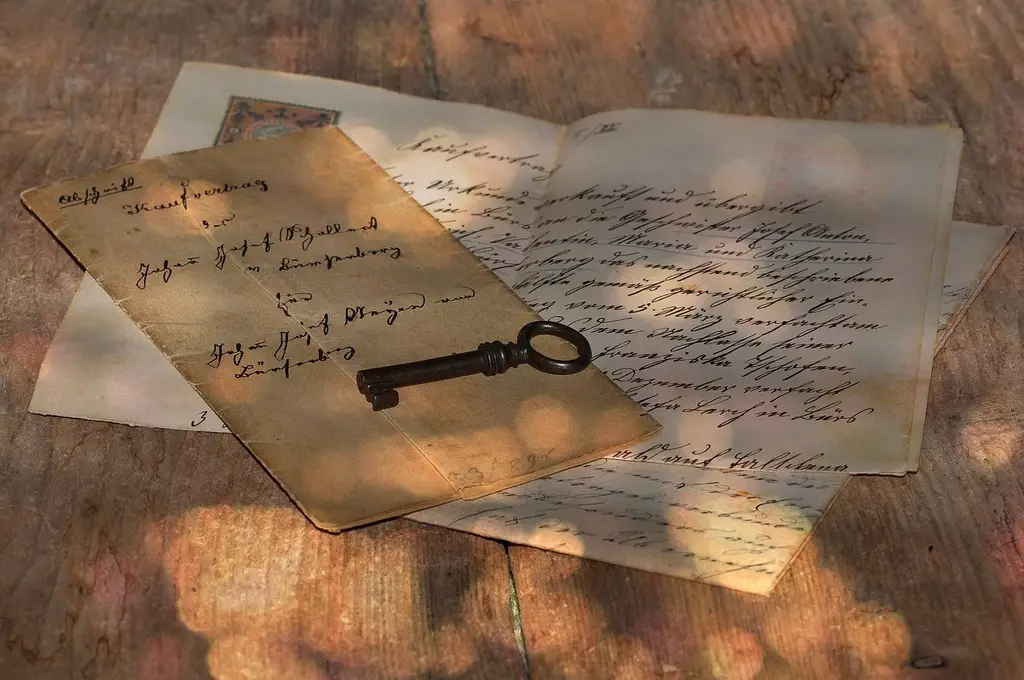
Grandparents grew up in a time when handwritten letters mattered. They believed everyone should know how to compose a thoughtful note. Thank you cards, birthday messages, and sympathy letters were taken very seriously. Good penmanship and polite wording showed respect.
Typing a quick message on a screen would have seemed impersonal to them. They kept stationery, stamps, and address books close at hand. Dropping a letter in the mailbox felt meaningful and deliberate. Clear, careful writing was considered an important social skill.
6. Growing a Small Garden
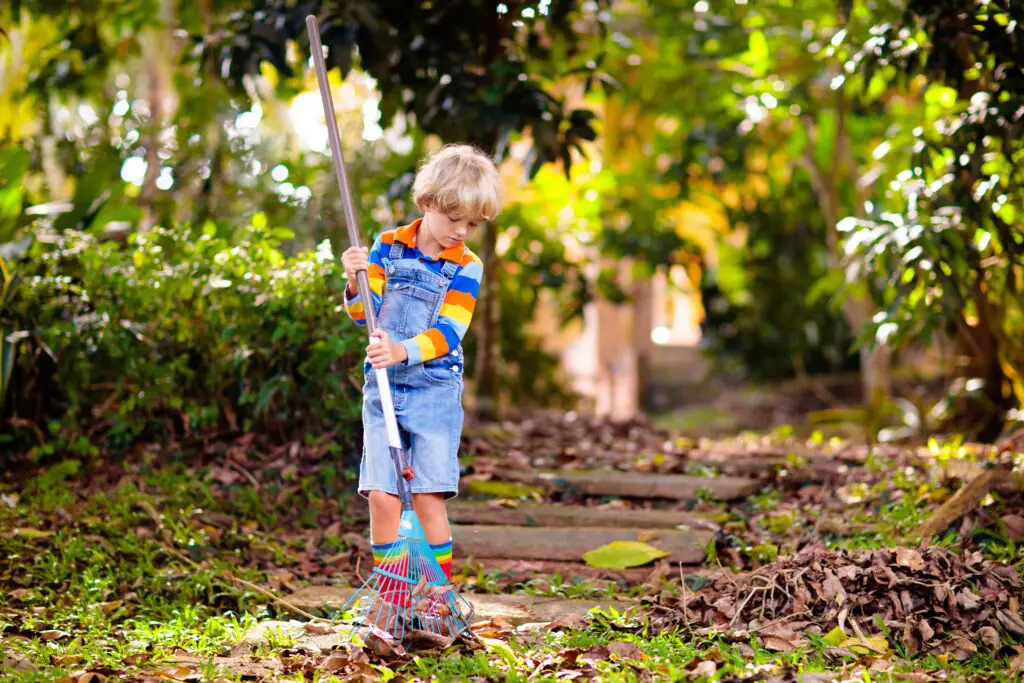
Many grandparents assumed that knowing how to grow food was part of being a capable adult. Even a tiny vegetable patch counted as useful knowledge. Planting seeds, pulling weeds, and watering regularly were normal seasonal routines. Fresh produce from the backyard was a point of pride.
They believed gardening taught patience and responsibility. Understanding the basics of soil and sunlight felt like common sense. Supermarkets were helpful, but self reliance was better. Being able to keep a plant alive was almost a test of character.
7. Ironing Clothes Correctly
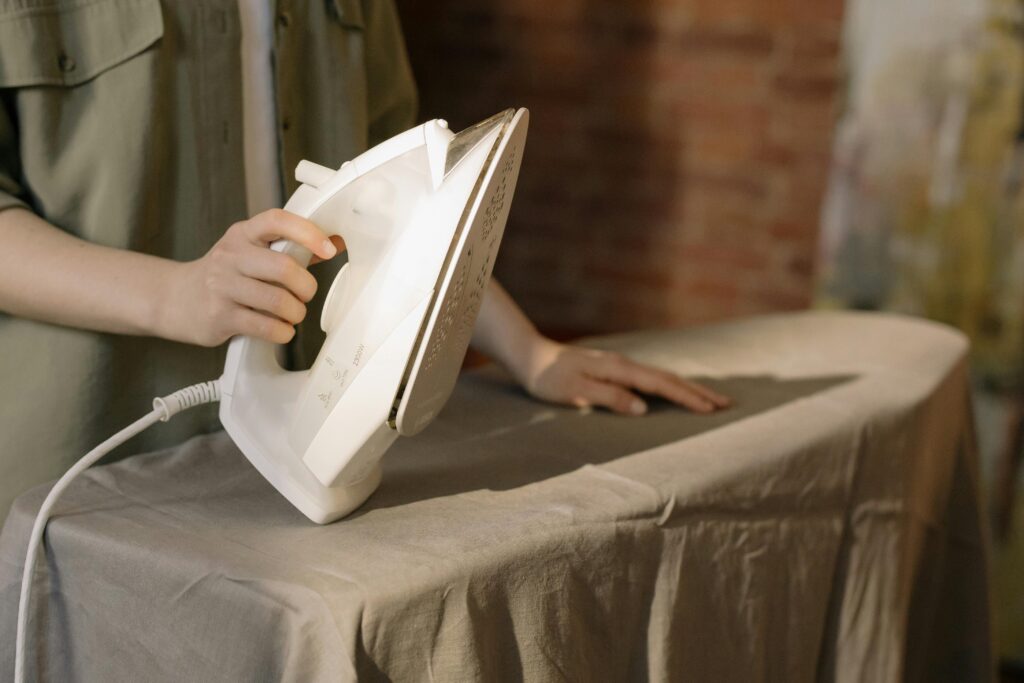
Wrinkled clothing was simply not acceptable in their day. Grandparents expected everyone to know how to use an iron properly. Smooth, crisp shirts and neatly pressed pants were signs of self respect. They treated ironing like a regular household chore.
Learning to adjust heat settings and avoid scorching fabric was important. Many homes had an ironing board permanently set up for quick touch ups. Leaving the house in rumpled clothes would have been embarrassing. Looking neat and tidy showed good manners.
8. Reading a Paper Map

Before phones gave directions, knowing how to read a map was essential. Grandparents assumed this was a talent everyone should master early. Road trips depended on folding maps and careful planning. Getting lost was part of life, but staying lost was not.
They trusted their sense of direction and a few penciled notes. Understanding symbols and mileage scales felt perfectly natural. Asking for directions was fine, but figuring it out yourself was better. Navigation was considered a basic grown up ability.
9. Hosting Guests Properly

Grandparents believed entertaining at home was an important social skill. Setting a table, offering drinks, and making people feel welcome were serious duties. They assumed every adult should know how to host a simple gathering. Good hospitality reflected well on the whole family.
They planned menus carefully and made sure the house looked presentable. A guest should always feel comfortable and cared for. Dropping by unexpectedly was normal, so being prepared mattered. Welcoming others with warmth was seen as good character.
10. Managing a Household Budget
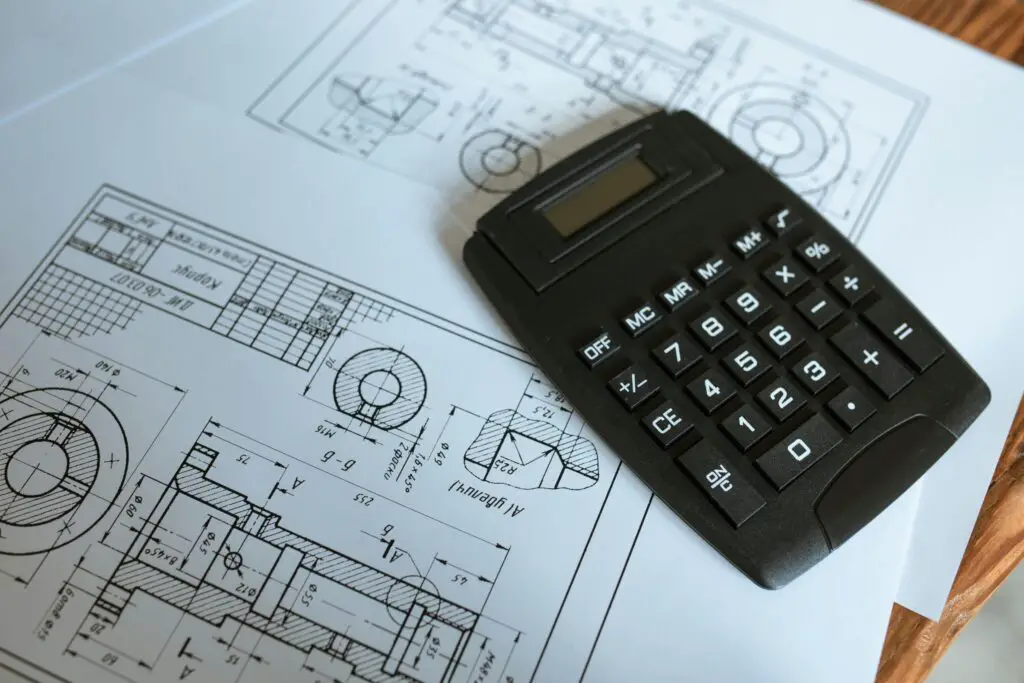
Living within your means was a lesson grandparents never stopped teaching. They expected people to understand how to plan expenses and save for the future. Writing down bills and tracking costs was considered common sense. Spending more than you earned was unthinkable.
They learned to stretch every dollar and avoid waste. Coupons, careful shopping, and modest habits were everyday tools. A well managed budget meant stability and security. They assumed everyone would naturally learn to do the same.
11. Fixing Small Things Around the House
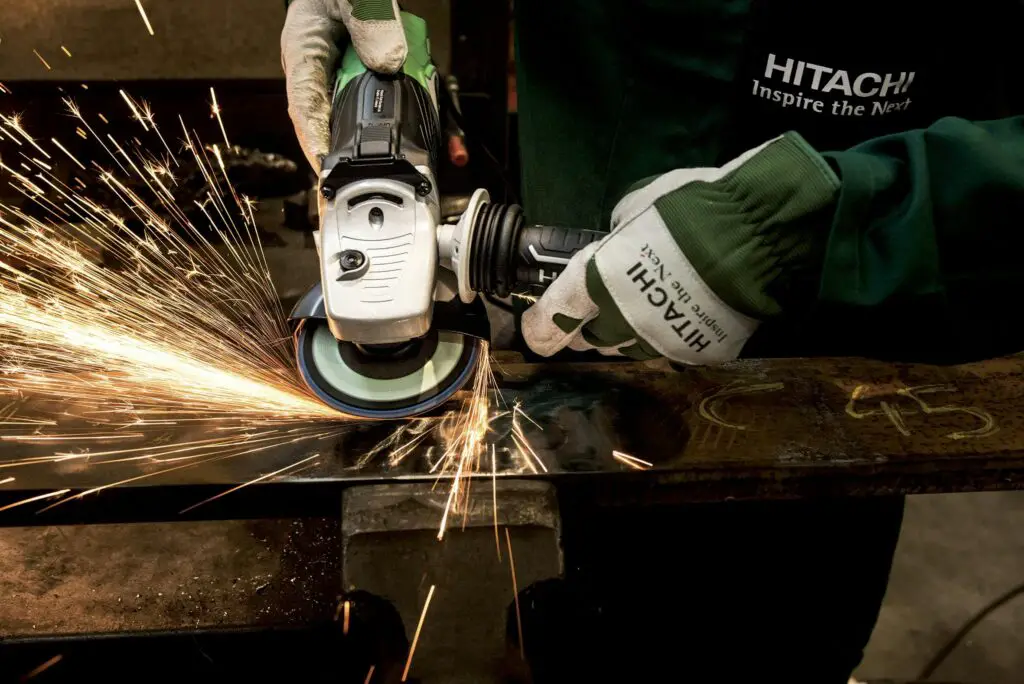
Grandparents often took pride in being able to repair simple problems themselves. A loose doorknob or a leaky faucet did not require a professional. Basic tools and a little know how solved most issues. Calling someone for minor repairs seemed unnecessary.
They believed practical skills saved money and built confidence. Figuring things out with patience was part of adulthood. Watching them work made it seem easy and natural. Being handy was just another expected talent.
12. Practicing Good Table Manners

Finally, grandparents were firm believers in proper manners at the table. Knowing how to set utensils, chew politely, and say please and thank you mattered deeply. They assumed everyone should master these habits early in life. Good manners showed respect for others.
Meals were social events, not rushed chores. Elbows on the table and talking with a full mouth were serious offenses. They believed manners opened doors and created good impressions. To them, polite behavior was one of the most important talents of all.