
1. Never Sweeping After Sunset

In a lot of small towns, grabbing a broom after dark felt like tempting fate. People believed sweeping at night would brush away good luck or money that was meant to come your way. Grandparents would suddenly appear in the doorway, insisting it could wait until morning. Even if no one could explain why, the rule stuck.
What really lingered was the quiet anxiety it created. If someone did sweep after sunset, there was often a pause, followed by a nervous laugh. It was usually brushed off with, “Well, we’ll see what happens,” which said more than anyone wanted to admit. The superstition worked because it made people stop and think twice.
2. Turning Back Once You Left the House

Once you stepped outside, turning back inside was considered bad luck in many small towns. Forgetting your keys or lunch was annoying enough, but realizing you had to go back in felt worse. People believed it could ruin the whole day if you didn’t “fix” it somehow. Sitting down briefly before leaving again was the usual cure.
This habit became automatic over time. You might not even believe in it, but you still did it just in case. Kids learned early to pause on the couch like it was a ritual reset button. It was superstition mixed with routine, and it quietly shaped how mornings unfolded.
3. Never Opening an Umbrella Indoors

Opening an umbrella inside wasn’t just rude, it was unlucky. Small town homes often had low ceilings and tight spaces, which made the warning feel practical at first. Over time, the practical explanation faded and the superstition took over. People would gasp if someone snapped one open by mistake.
The reaction was often stronger than the belief itself. Even skeptics rushed to close it as quickly as possible. Someone would usually say, “That’s bad luck,” even if they laughed afterward. The moment passed, but the rule remained firmly in place.
4. Avoiding the Number Thirteen
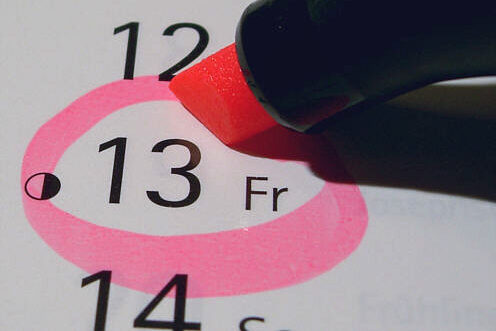
In many small towns, the number thirteen was quietly skipped or avoided. Some houses had no thirteenth step, and local events avoided scheduling important things on that date. People rarely talked about it directly, but the pattern was obvious. It was treated like common sense rather than fear.
This avoidance often showed up in subtle ways. Seating charts skipped the number, and raffle tickets jumped from twelve to fourteen. No one questioned it, because everyone already knew. It was superstition hiding in plain sight.
5. Knocking on Wood to Prevent Bad Outcomes
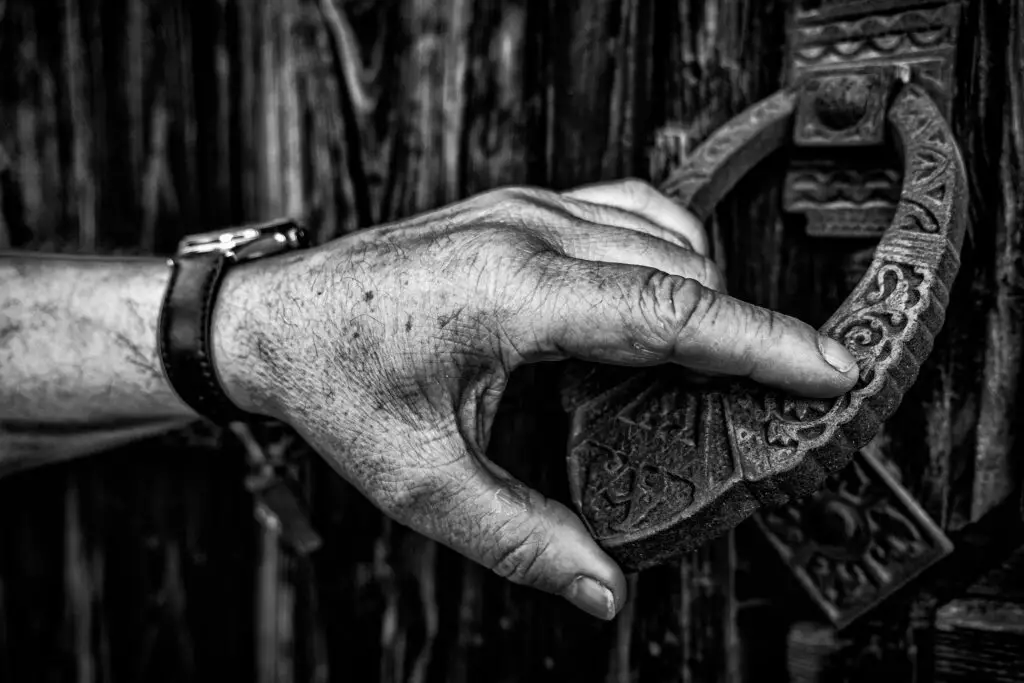
Talking about good luck or future plans often came with a quick knock on wood. People believed it prevented jinxing whatever they just mentioned. Wooden tables, door frames, or even imaginary wood all counted. The action became reflexive.
Even kids picked it up early. You’d hear someone say, “Knock on wood,” before finishing a sentence. It was less about belief and more about habit. Still, nobody wanted to risk not doing it.
6. Never Setting a Hat on a Bed

Placing a hat on a bed was considered an invitation for bad luck. Some said it came from old funeral customs, while others just followed the rule without explanation. Parents corrected kids quickly if they tossed a cap onto the bed. It was treated as a serious mistake.
The superstition lingered even as hats became less formal. Baseball caps weren’t exempt. People would move them off the bed immediately, sometimes without thinking. It was one of those rules that lived quietly in the background of daily life.
7. Walking Under a Ladder

Ladders leaned against houses were something to walk around, not under. People believed passing beneath one invited bad luck. Even if it added a few steps to your walk, you avoided it. It just wasn’t worth the risk.
What’s interesting is how automatic it became. You’d change direction without realizing why. Sometimes someone would point it out if you forgot. The superstition shaped movement in small but consistent ways.
8. Breaking a Mirror Meant Seven Years of Bad Luck

Breaking a mirror was one of the most dreaded accidents. The belief that it caused seven years of bad luck was widely known and rarely questioned. People reacted with genuine panic if it happened. Cleaning it up felt heavy, like damage control.
There were supposed remedies, like burying the pieces or throwing salt over your shoulder. Even those who didn’t believe often followed them anyway. It felt safer to do something than nothing. The superstition lingered long after the glass was gone.
9. Salt as Protection Against Bad Luck

Salt wasn’t just for seasoning in small towns, it was protective. Spilling it meant trouble unless you tossed a pinch over your left shoulder. People did it automatically, sometimes without even stopping the conversation. It was believed to ward off bad spirits or bad luck.
Salt showed up in other ways too. Some folks sprinkled it near doorways or windows. Whether or not anyone admitted believing, the habits stayed. It was superstition disguised as tradition.
10. Never Whistling Indoors

Whistling inside was frowned upon in many small towns. It was believed to invite bad luck or even bad spirits. Parents quickly shut it down, often without explaining why. The rule felt old and unquestioned.
Over time, people just stopped doing it. Even adults hesitated before whistling in the house. The silence that followed felt intentional. It was another way superstition shaped behavior without much discussion.
11. Carrying a Lucky Charm

Many people carried something they believed brought good luck. It might have been a coin, a small stone, or a worn-out keychain. These items were rarely flashy or discussed openly. They stayed tucked away in pockets or purses.
The charm mattered most during stressful moments. Job interviews, long drives, or important meetings brought it to mind. Even if it didn’t change anything, it provided comfort. That quiet reassurance was enough to keep the habit alive.
12. Avoiding Black Cats Crossing Your Path

Seeing a black cat cross your path was taken seriously. People believed it signaled bad luck unless you took steps to counter it. Pausing, turning around, or spitting lightly were common responses. The moment always felt tense.
Even animal lovers followed the rule. They’d laugh afterward but still change course. The superstition didn’t mean people disliked the cats. It just meant they respected the warning.
13. Saying “Bless You” After a Sneeze

Sneezing without hearing “bless you” felt incomplete. The phrase was believed to protect the sneezer from bad luck or illness. In small towns, someone always said it, even strangers. Silence after a sneeze felt awkward.
The habit created small moments of connection. It was a shared understanding that went beyond manners. Even people who didn’t believe in it still said the words. It was superstition wrapped in politeness.