
1. It’s Illegal to Whistle Underwater in West Virginia

Most people joke about being able to whistle underwater, but West Virginia actually has a law on the books that supposedly forbids it. It sounds like something a mischievous cousin would make up at a pool party, yet it’s been repeated in legal-oddity circles for years. While the law isn’t exactly enforced, its continued existence gives locals something to laugh about, especially when new residents bring it up. You have to wonder how this rule ever came to be or who thought it was a genuine problem.
At this point, the law is more of a quirky trivia fact than anything officials truly worry about. Still, if you ever find yourself swimming in West Virginia, you might remember it and chuckle a little. Even police officers reportedly treat it as a humorous relic. It makes you appreciate how many unusual laws were created long before anyone thought about common sense.
2. In Rhode Island, It’s Illegal to Bite Someone’s Leg

If you’re in Rhode Island, don’t go around biting people’s legs, because there’s a law specifically banning it. This rule paints such a vivid picture that you can’t help but imagine a brawl gone wrong. It might have been created to discourage bar fights or keep street scuffles in check. Either way, someone clearly did something bizarre enough to inspire legislation.
The strangest part is that the law singles out the leg, as if anywhere else on the body is somehow less weird. Most locals have never heard of it, and even police admit it’s not something they stumble across often. Still, it remains in the legal code like a silent reminder of one wild incident. It’s hard not to laugh at how oddly specific it is.
3. In Arizona, Donkeys Can’t Sleep in Bathtubs
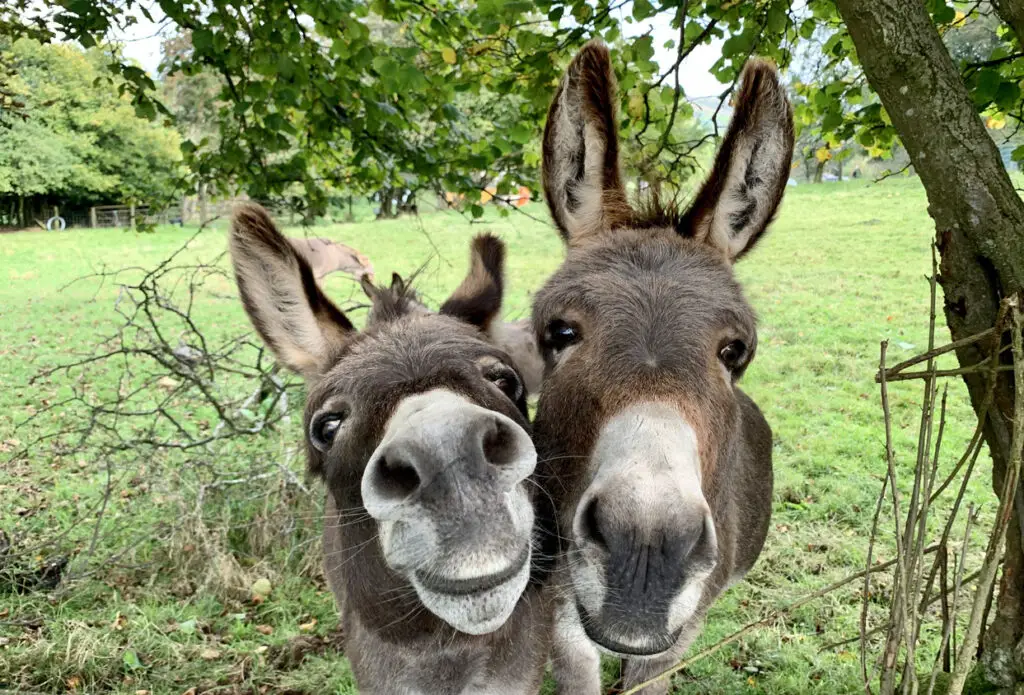
Arizona has a famously strange law that bans donkeys from snoozing in bathtubs. It sounds like the setup to a cartoon, but the rule came from a real incident in the 1920s when a donkey floated away in a flood while resting in a tub. After the chaos that followed, officials decided enough was enough. It’s one of those laws that makes sense only if you know the story behind it.
Still, the mental image of a donkey peacefully lounging in a bathtub is part of the charm. Tourists love hearing about it and often ask locals whether anyone’s tried it recently. Of course, people aren’t exactly keeping donkeys in their bathrooms these days. But the law lingers as a reminder that truth is often stranger than fiction.
4. In Minnesota, You Can’t Chase a Greased Pig
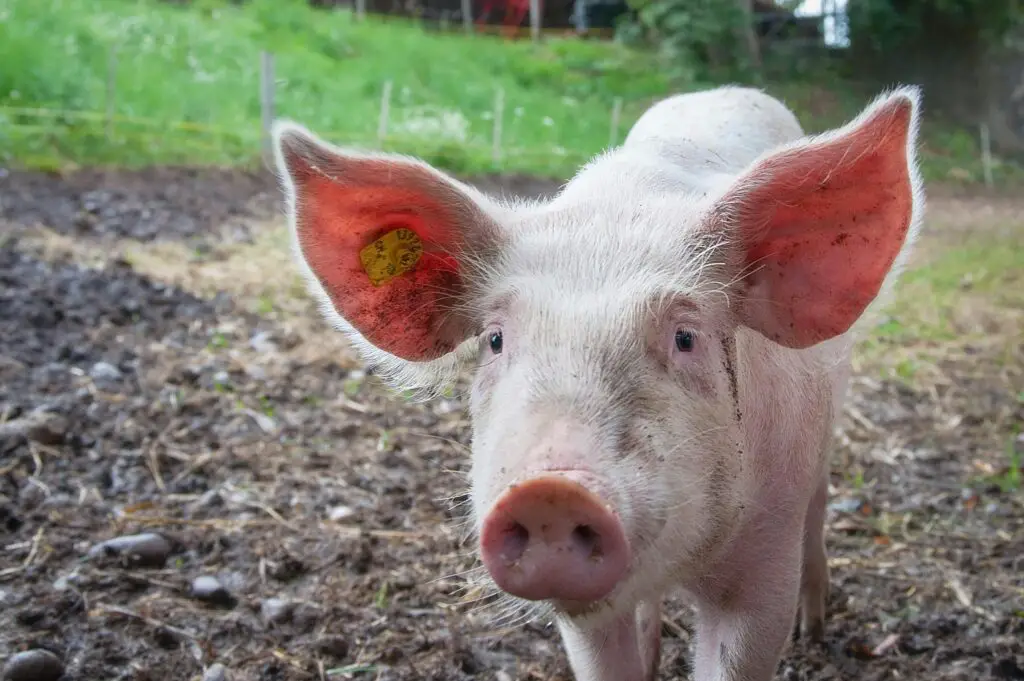
Minnesota has a law that forbids chasing or wrestling a greased pig, which immediately sparks memories of county fairs. The practice was once a popular contest, but animal welfare concerns eventually put an end to it. Even so, the rule remains officially on the books. It’s a perfect example of how some outdated traditions live on in legal form long after people have moved on.
Most Minnesotans today probably couldn’t imagine trying to tackle a slippery pig for fun. The idea feels more like rural folklore than a real Saturday activity. Still, the law captures a bit of the state’s quirky history and the kinds of entertainment that used to bring communities together. It’s one of those rules that earns a fond smile rather than an eye roll.
5. In Kentucky, It’s Illegal to Reptile-Hunt on Sundays
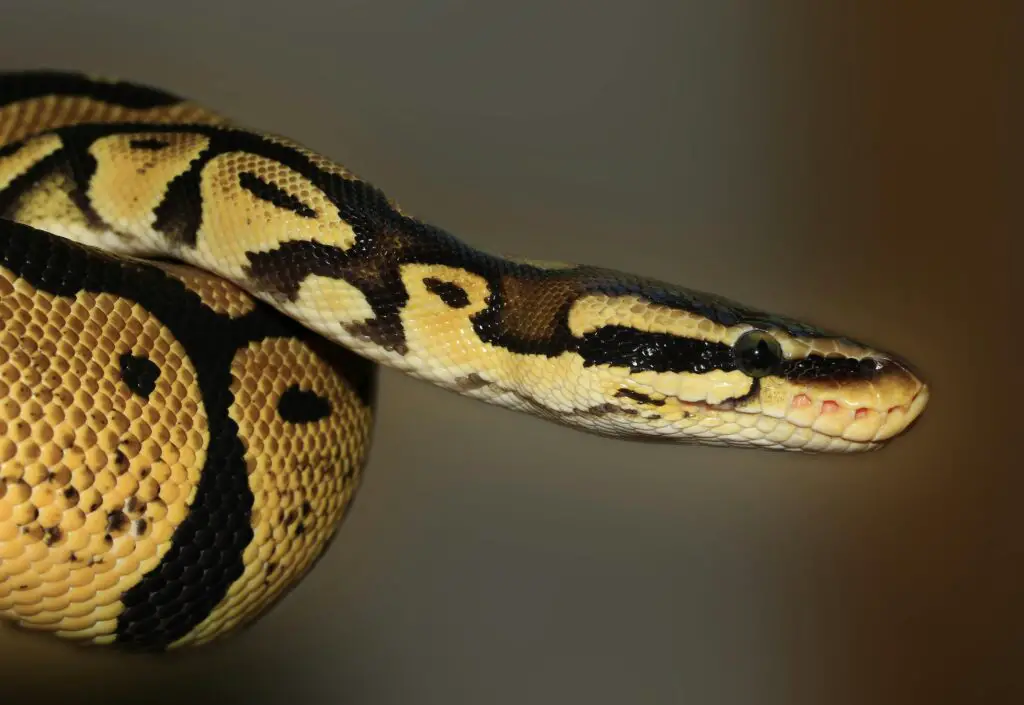
Kentucky’s old laws include a rule that prohibits hunting reptiles on Sundays, which is oddly specific. It may have been tied to early blue laws or efforts to limit certain activities on the Sabbath. Over time, the rule stayed put even as most people moved on to more modern schedules. You can hunt plenty of other things, but snakes and lizards apparently get a day of rest.
For most residents, it’s one of those strange-but-true facts they share with visitors. Few actually participate in reptile hunting in the first place, so the law rarely comes up. Still, it’s amusing to think about lawmakers debating such a niche activity. It gives you a sense of how different daily life once was.
6. In Virginia, It’s Illegal to Hunt Any Animal on Sundays Unless It’s a Raccoon

Virginia takes a slightly different approach by allowing Sunday raccoon hunting but banning everything else. It’s a law so oddly specific that it always gets a laugh. You can’t help but imagine a time when raccoons were considered the exception to every rule. It’s unclear why they were singled out, but it adds a strangely charming footnote to the legal code.
Most Virginians go their whole lives without ever referencing this rule. Yet once you hear about it, it’s hard to forget. It proves how personal and community-driven old laws used to be. Sometimes lawmakers tailored rules to the habits of the people around them, even if it seems unusual now.
7. In Maine, It’s Illegal to Keep Christmas Decorations Up After January 14

Maine has a law that says you can’t keep your Christmas decorations up past January 14, which feels like a personal attack on procrastinators. While most people naturally take down their lights early in the new year, some enjoy leaving them up a little longer. This law suggests that someone in Maine got tired of seeing twinkling lights well past the season.
Today, the rule is rarely enforced, and locals mostly treat it as a seasonal joke. But it still technically exists, giving new meaning to holiday cleanup deadlines. It’s a fun piece of trivia that gets passed around every winter. And it definitely encourages you to pack things away before Valentine’s Day rolls around.
8. In Georgia, You Can’t Keep an Ice Cream Cone in Your Back Pocket on Sundays

Georgia’s bizarre law about keeping an ice cream cone in your back pocket on Sundays is legendary. The story goes that horse thieves once used this trick to lure animals away without technically “stealing” them. Eventually, lawmakers stepped in to close the loophole. The fact that it singled out Sundays makes it even stranger.
These days, it’s a law that no one worries about but everyone loves to share. You never know when it might come up during trivia night or a road trip conversation. It’s a perfect mix of weird history and old-fashioned loophole plugging. And it’s one of those rules that makes you appreciate how creative people used to be.
9. In Alaska, It’s Illegal to Wake a Sleeping Bear to Take a Photo
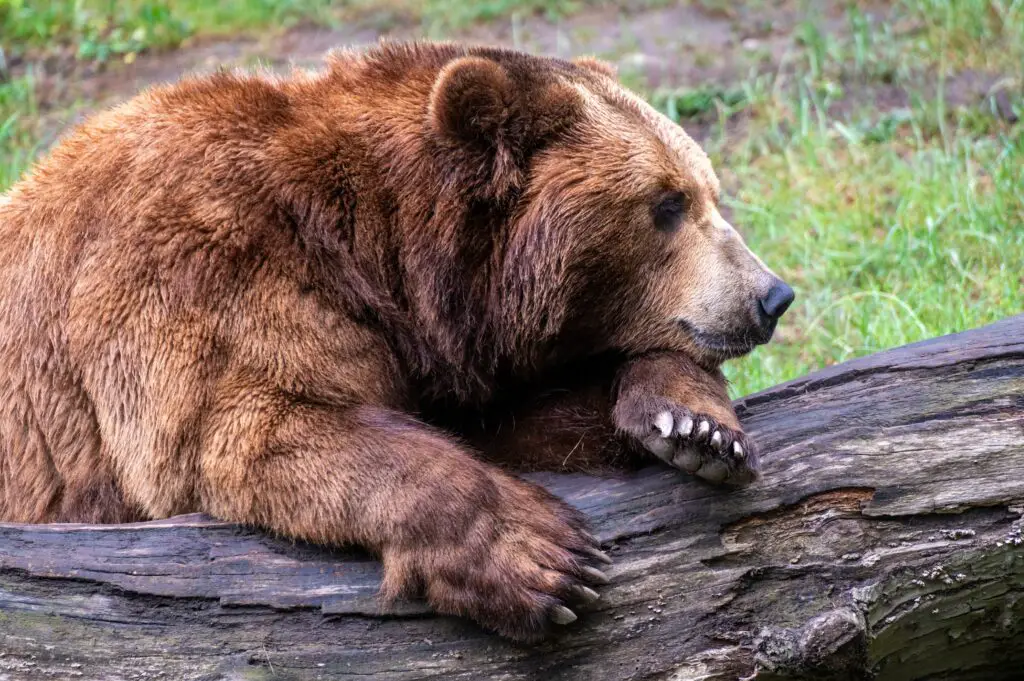
If you’re visiting Alaska, don’t even think about waking a sleeping bear for a photo. Not only is it dangerous, but it’s actually illegal. The rule makes perfect sense, yet it still manages to sound funny. It’s clearly meant to protect both wildlife and overzealous tourists.
Most Alaskans would never dream of approaching a bear in the first place. Still, the fact that this law exists suggests someone once did something truly ill-advised. It sticks around as a reminder that nature should be respected, not irritated for a snapshot. It’s one of the more practical “strange” laws on this list.
10. In Connecticut, Pickles Must Bounce to Be Considered Pickles

Connecticut has a rule that says a pickle isn’t officially a pickle unless it can bounce. This came from an old food regulation meant to stop the sale of unsafe products. Two vendors were once caught selling bad pickles, so officials created a test: if it bounced, it passed. It’s now one of the most famous food-related oddities in U.S. law.
The image of government workers dropping pickles on the floor is impossible to forget. It’s one of those stories that sticks with you long after you hear it. Most Connecticut residents know it’s more folklore than daily practice. But it still brings a smile to anyone who learns about it.
11. In North Carolina, It’s Illegal to Plow Cotton Fields with Elephants
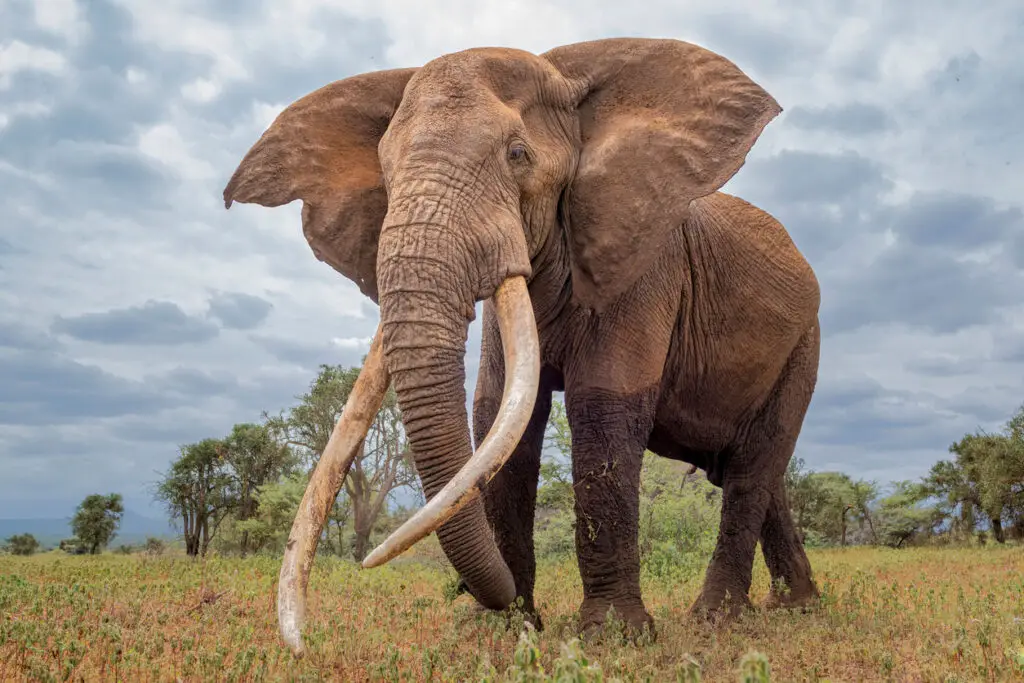
North Carolina has a law that bans using elephants to plow cotton fields, which raises more questions than it answers. You immediately imagine a circus rolling into town and lending out elephants for extra cash. While no one truly knows where it came from, it’s likely a remnant from traveling shows. Still, it stands out as one of the most delightfully confusing agricultural rules.
Residents joke that it’s not exactly something they worry about in modern farming. Yet the law remains in the books like a time capsule of a stranger era. It’s an example of how lawmakers sometimes tried to address extremely niche problems. And honestly, it just makes for a great story at gatherings.
12. In Ohio, It’s Illegal to Get a Fish Drunk
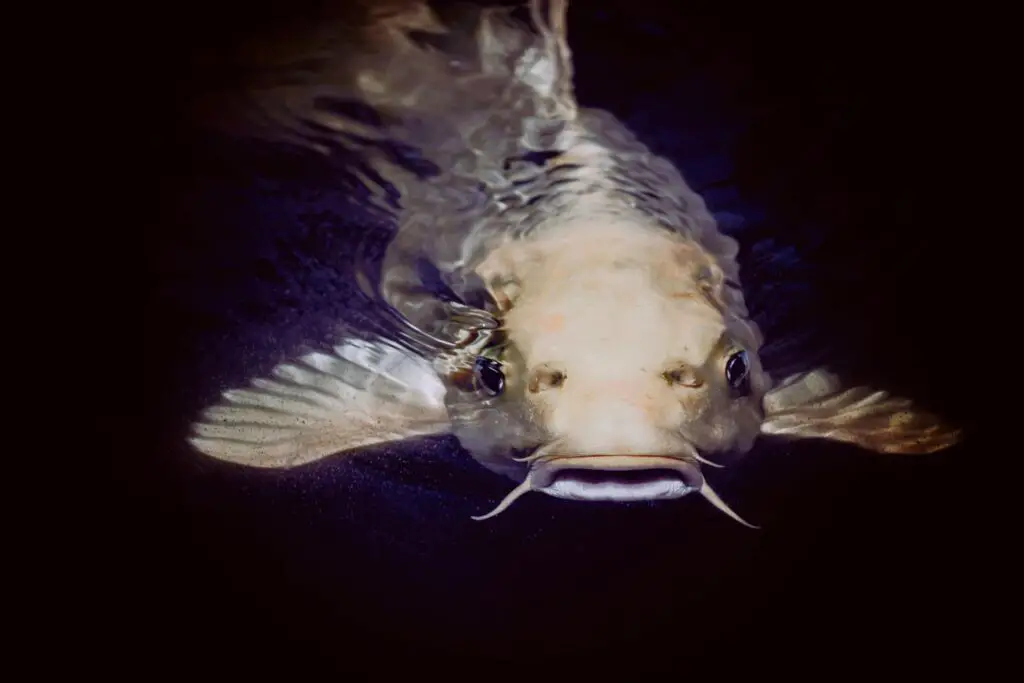
Ohio has a surprising law that forbids giving alcohol to fish. It sounds like a cartoon scenario, but it was probably created to discourage people from doing stunts or pranks. Fish and alcohol obviously don’t mix, yet someone did something memorable enough to spark this rule. It stands today as one of the quirkiest animal protections in the country.
Most Ohioans have never heard of it and certainly aren’t planning any fish-related parties. Still, it’s a fun fact that always gets a laugh. It highlights how creative lawmakers had to be when dealing with local mischief. And it definitely makes you wonder what exactly happened to inspire it.
13. In Utah, It’s Illegal to Not Drink Milk at School

Utah once had a law requiring students to drink milk at school, something that feels very outdated today. It stemmed from nutritional campaigns meant to encourage healthier eating for kids. The rule isn’t actively enforced now, but it lingers in the archives. It’s a reminder of how dietary trends influence legislation.
Kids today have far more options and accommodations for allergies or preferences. The idea of forcing milk on everyone feels old-fashioned. Yet it shows how seriously people once took certain food groups. And it gives you a tiny glimpse into the history of school lunch culture.
14. In Vermont, It’s Illegal to Forbid Clotheslines
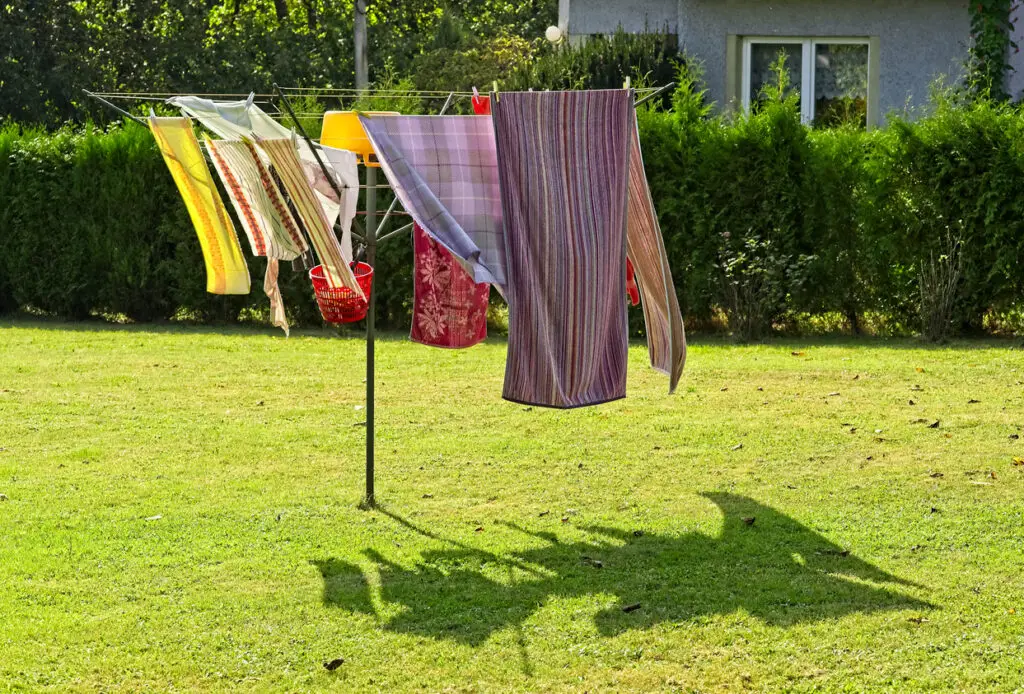
Vermont has a law that protects a person’s right to use clotheslines, which came from environmental concerns. At one point, some communities tried banning clotheslines for aesthetic reasons. Lawmakers pushed back, saying people should have the freedom to dry laundry outdoors. The law is surprisingly practical despite sounding quirky at first.
Most Vermonters appreciate the sentiment, especially in eco-conscious communities. It’s one of those laws that seems strange only until you learn the backstory. Then it becomes a feel-good example of environmental support. Still, outsiders often list it among the “weird” state rules.
15. In California, It’s Illegal to Eat Frogs That Die During Frog-Jumping Contests

California has a law that says if a frog dies during a frog-jumping contest, it cannot be eaten. This rule comes from the famous Calaveras County Jumping Frog Jubilee. It’s meant to protect both the animals and the event’s tradition. While it sounds wild at first, it has surprisingly wholesome intentions.
For locals, the contest is a beloved piece of folklore that brings families together. The law simply ensures the frogs are treated respectfully. Outsiders usually react with surprise or confusion, which is part of the charm. It’s one of those uniquely American rules that blends community pride with quirky history.