
1. Sitting in the “Way Back” of Station Wagons
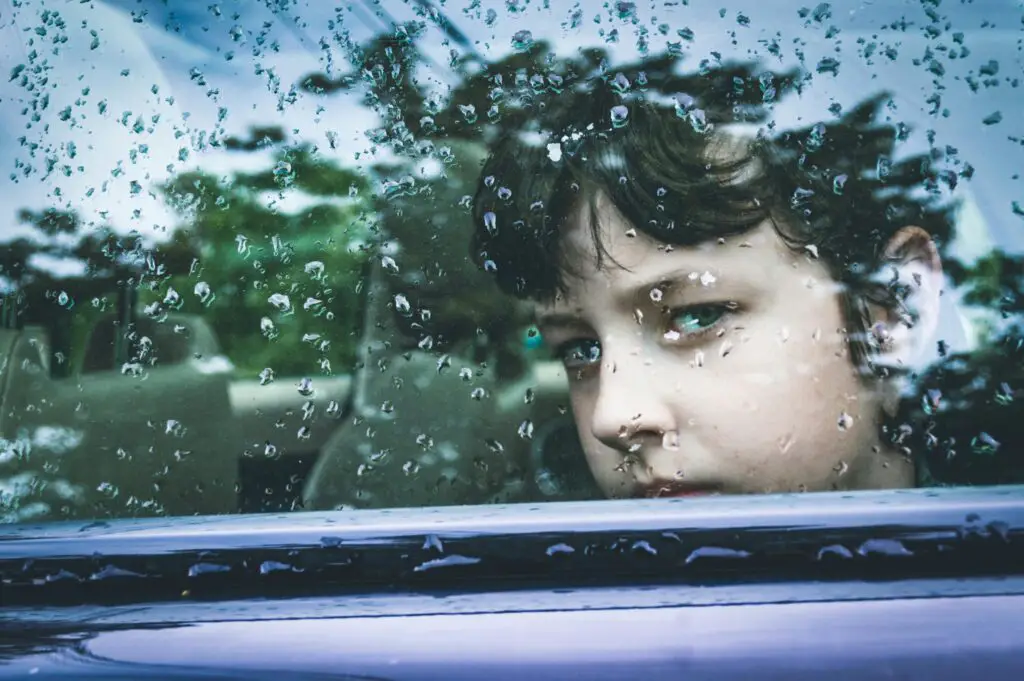
There was a time when kids fought over who got to sit in the rear-facing “way back” seat of a station wagon. It felt like a private little world back there, watching cars disappear instead of approach. Parents didn’t think much about it, and kids didn’t question the lack of modern safety features. It was part novelty, part adventure, especially on long road trips. You’d wave at strangers behind you and sometimes make faces just to get a reaction.
Looking back, it’s hard to imagine that setup passing today’s safety standards. Seat belts were often an afterthought, and the idea of facing backward in traffic now feels unsettling. But at the time, it was a highlight of growing up for a lot of kids. It made even a routine drive feel like something special. That quirky seat turned ordinary errands into something memorable.
2. Drinking Straight from the Garden Hose
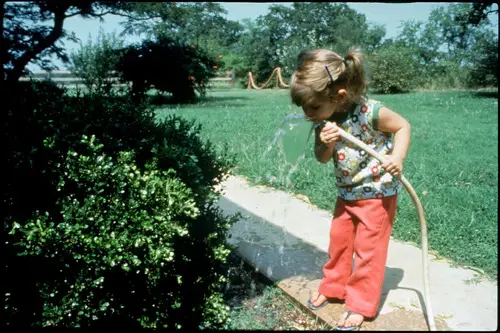
On hot summer days, the garden hose wasn’t just for watering plants, it was the neighborhood’s unofficial water fountain. Kids would run up, twist the nozzle, and take a long drink without a second thought. The water always had that slightly metallic, rubbery taste, but no one cared. It was cold, fast, and available. Parents rarely stepped in to stop it.
Today, most people would hesitate because of concerns about hose materials and contaminants. But back then, it was completely normal. It saved trips inside and kept the play going without interruption. It also felt like a small badge of independence. If you could reach the hose, you were good to go.
3. Riding Bikes Without Helmets

For decades, kids hopped on their bikes and rode for hours with no protective gear. Helmets weren’t part of the routine, and in many places, they weren’t even widely available. You’d see groups of kids racing down the street, hair flying, completely unbothered. Parents expected you to be back before dark, but not necessarily fully padded.
In hindsight, it’s a bit alarming given what we now know about head injuries. Safety campaigns didn’t gain traction until much later. Still, that sense of freedom defined childhood for many. Riding a bike meant independence and exploration. The lack of helmets was just part of the era’s more relaxed attitude toward risk.
4. Leaving the House All Day Without Checking In
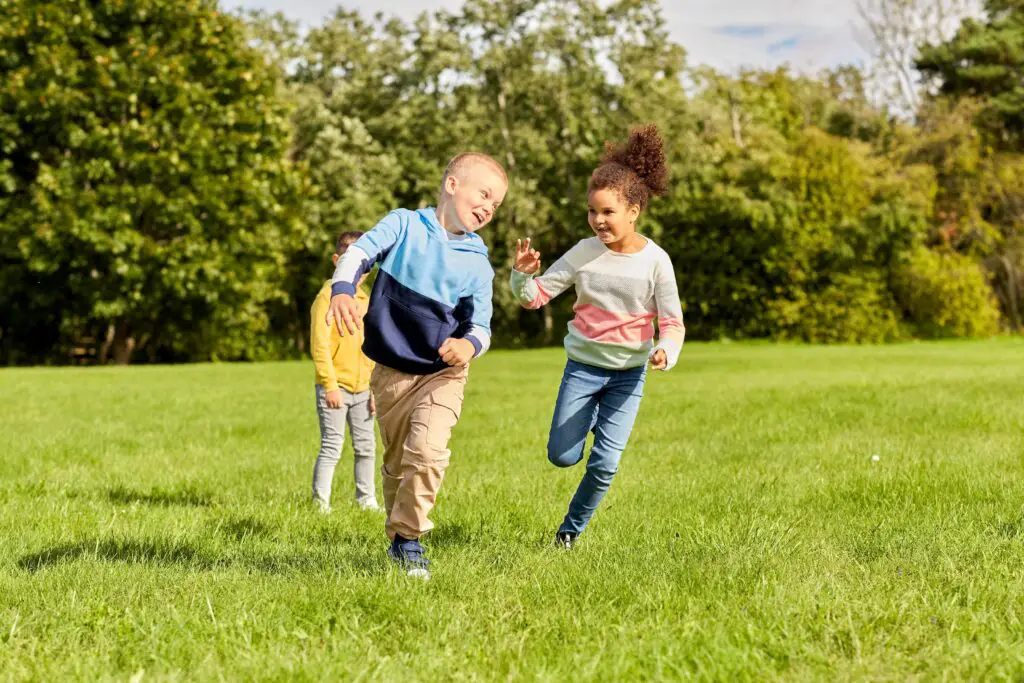
Once kids left the house in the morning, they often stayed out until dinner without contacting anyone. There were no cell phones, no GPS tracking, and no constant updates. You might roam from one friend’s house to another or explore the neighborhood for hours. As long as you showed up when expected, everything was fine.
Parents relied on trust and a general sense of community awareness. If something went wrong, word usually got around quickly through neighbors. Today, that level of independence is far less common. The idea of being unreachable all day feels almost unthinkable. But for many, it was a normal part of growing up.
5. Ashtrays Everywhere, Even at Home

It was once completely normal for homes to have ashtrays in nearly every room. Guests expected them, and many households kept them out as a standard courtesy. Kids grew up around them without thinking much about it. Smoking was woven into daily life in a way that’s hard to picture now.
Even family gatherings often included a haze of cigarette smoke. Health risks weren’t widely understood or emphasized in the same way. Over time, attitudes shifted dramatically as research became more widely known. But for a long stretch, ashtrays were just another household item. They were as ordinary as coasters or lamps.
6. Calling a Friend’s House and Talking to Their Parents First
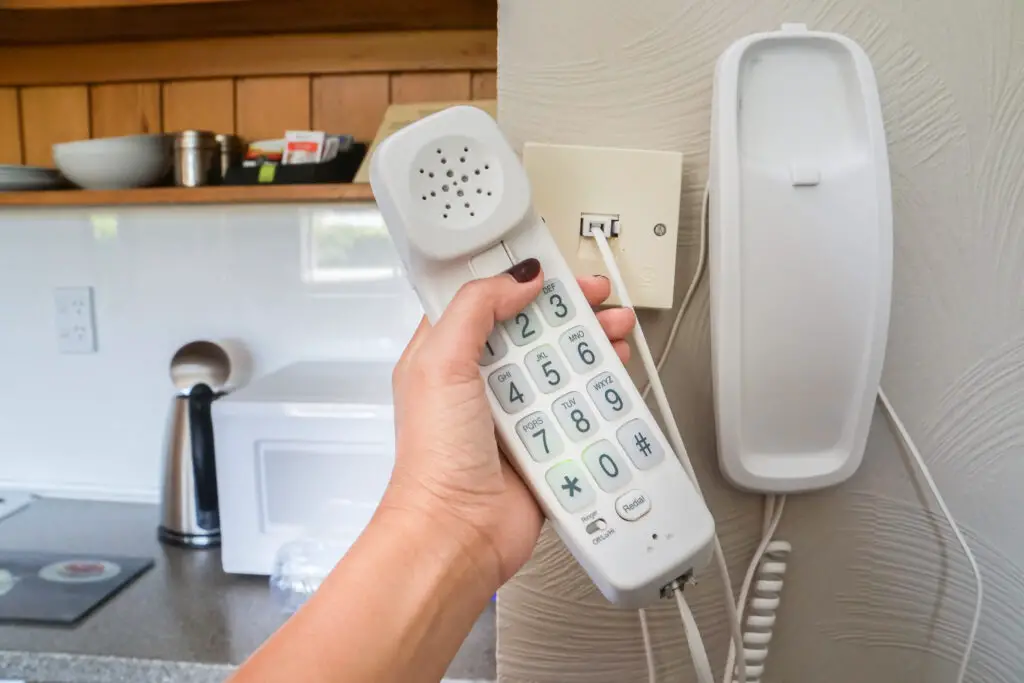
Before texting, reaching a friend meant dialing their home phone and hoping they were available. More often than not, a parent answered first. You had to introduce yourself and politely ask if your friend could come to the phone. It was a small social ritual that taught basic communication skills.
There was always a bit of nervousness involved, especially if you didn’t know the parent well. Sometimes you ended up chatting briefly with them before your friend even got on the line. Today, most kids bypass that entirely with direct messaging. But that old routine was once unavoidable. It was just part of how friendships worked.
7. School Fire Drills That Felt Almost Routine
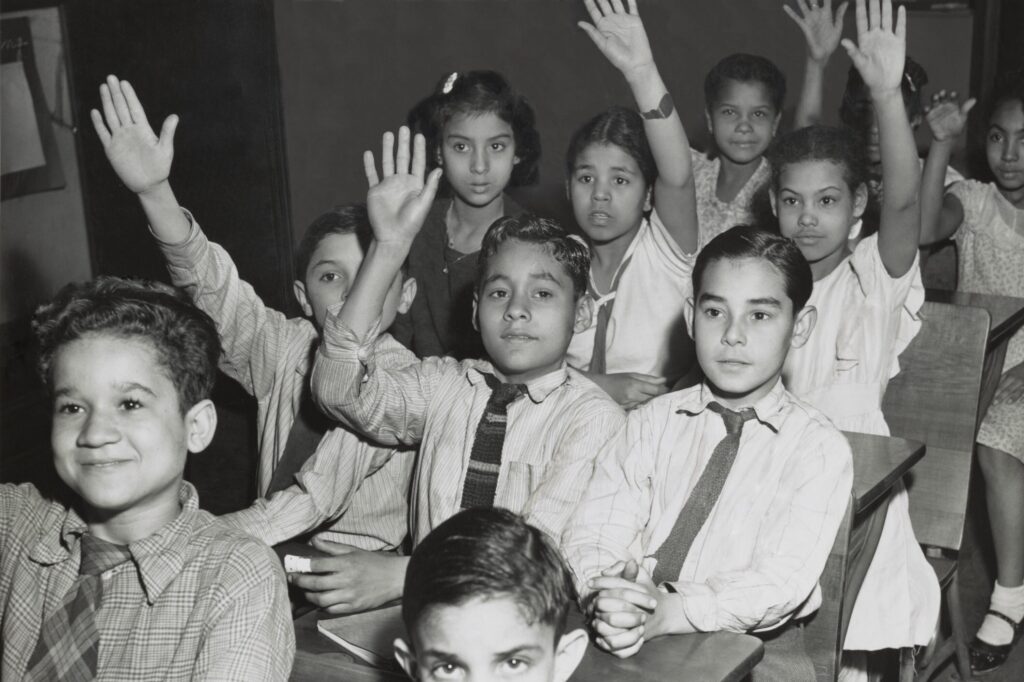
Fire drills were a regular part of school life, and students often treated them casually. You’d line up, walk outside, and wait for the all-clear without much urgency. Over time, they became so routine that they lost their sense of seriousness. Kids sometimes even welcomed them as a break from class.
While drills still exist today, the context around safety has changed significantly. Modern procedures tend to be more structured and detailed. Back then, it was simpler and less formal. The goal was still safety, but the approach felt more relaxed. It reflected a different mindset about preparedness.
8. Watching Whatever Was on TV
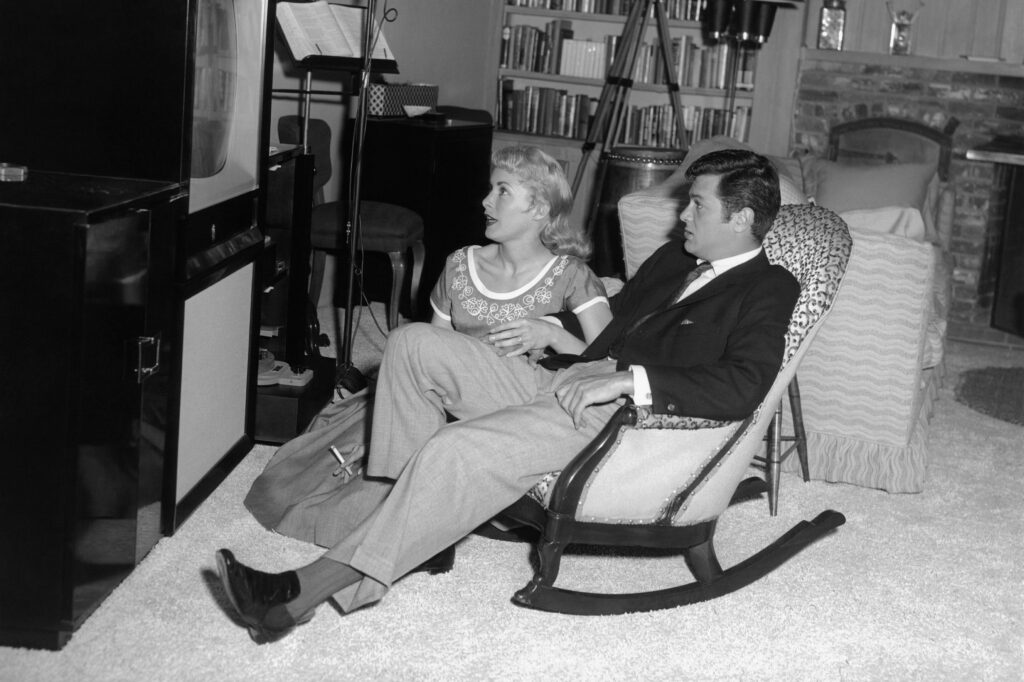
Before streaming, kids didn’t choose from endless options, they watched whatever was airing. If you missed a show, you might not see it again for a long time. That meant planning your day around certain programs or settling for whatever was on. Channel surfing became its own activity.
Families often gathered around a single television, negotiating what to watch together. It created shared experiences that feel less common now. There was something oddly comforting about limited choices. It made certain shows feel like events. You either caught them live or missed out entirely.
9. Playing Outside Until the Streetlights Came On
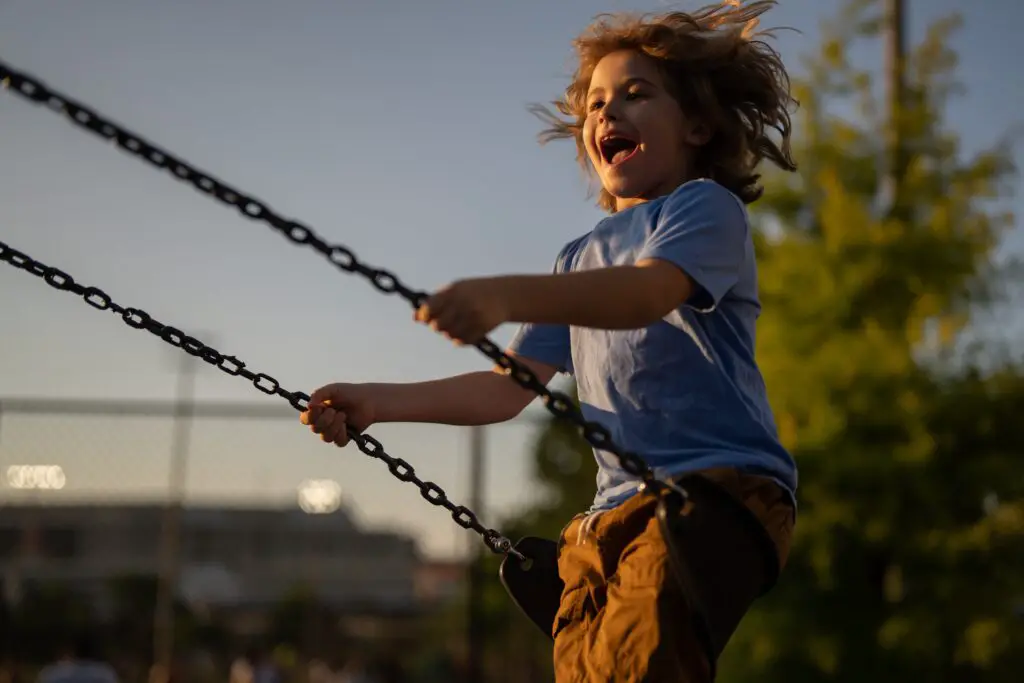
A common rule was simple, come home when the streetlights turn on. It gave kids a clear boundary without constant supervision. Until then, they had free rein to play, explore, and socialize. Neighborhoods often felt like extended playgrounds.
That cue became almost universal across many communities. It was easy to understand and didn’t require checking a clock. Today, schedules tend to be more structured and closely monitored. But back then, the streetlights marked the end of the day’s adventures. It was a quiet signal that childhood freedom had its limits.
10. Passing Notes in Class Instead of Texting

Before smartphones, passing handwritten notes was the go-to way to communicate during class. Notes were folded in elaborate ways and discreetly handed off between desks. It was a mix of creativity and secrecy. Getting caught meant the note might be read aloud or confiscated.
Despite the risk, it was part of everyday school life. Messages ranged from simple jokes to detailed conversations. Today, texting has replaced that entirely. But the physical act of writing and passing notes had its own charm. It made communication feel more personal.
11. Sharing a Single Family Computer

When home computers became more common, they were usually shared by the entire family. It often sat in a central location like the living room. Time on it had to be negotiated, especially if multiple people wanted to use it. Privacy was limited, and everyone knew what everyone else was doing.
Internet access, when available, was often slow and tied to the phone line. That added another layer of coordination. Compared to today’s personal devices, it was a very different experience. Still, it brought families into the early digital world together. It was a collective step into new technology.
12. Memorizing Phone Numbers

Before contact lists and smartphones, kids memorized important phone numbers by heart. You knew your home number, your friends’ numbers, and sometimes even extended family members. It was a practical necessity, not just a mental exercise. Writing them down wasn’t always convenient.
That kind of memorization has largely disappeared. Now, most people rely on stored contacts and rarely recall numbers independently. But back then, it was part of everyday life. It gave kids a sense of responsibility and preparedness. You always had the information you needed, right in your head.
13. Getting Dropped Off at the Mall for Hours
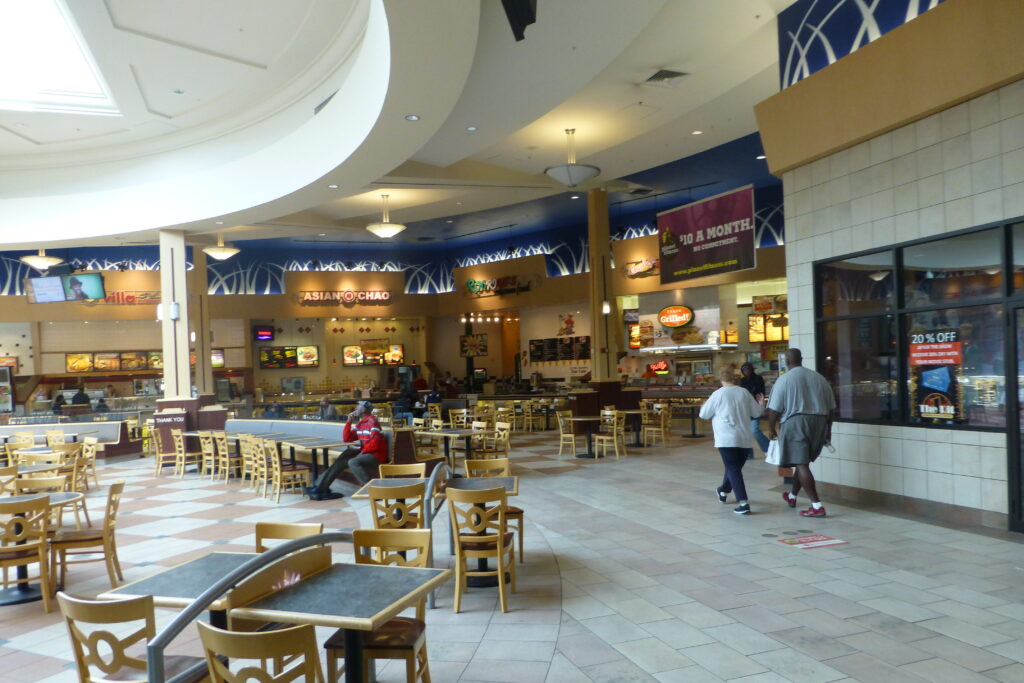
For many teens, the mall was the central social hub. Parents would drop them off and pick them up hours later, no questions asked. It was a place to hang out, browse stores, and meet friends. Food courts and arcades added to the appeal.
This kind of unsupervised time was widely accepted. Malls were seen as relatively safe, public environments. Today, that practice is less common in many areas. Changing retail trends and safety concerns have shifted how teens spend time. But for a while, the mall was the place to be.
14. Writing Letters Instead of Instant Messaging
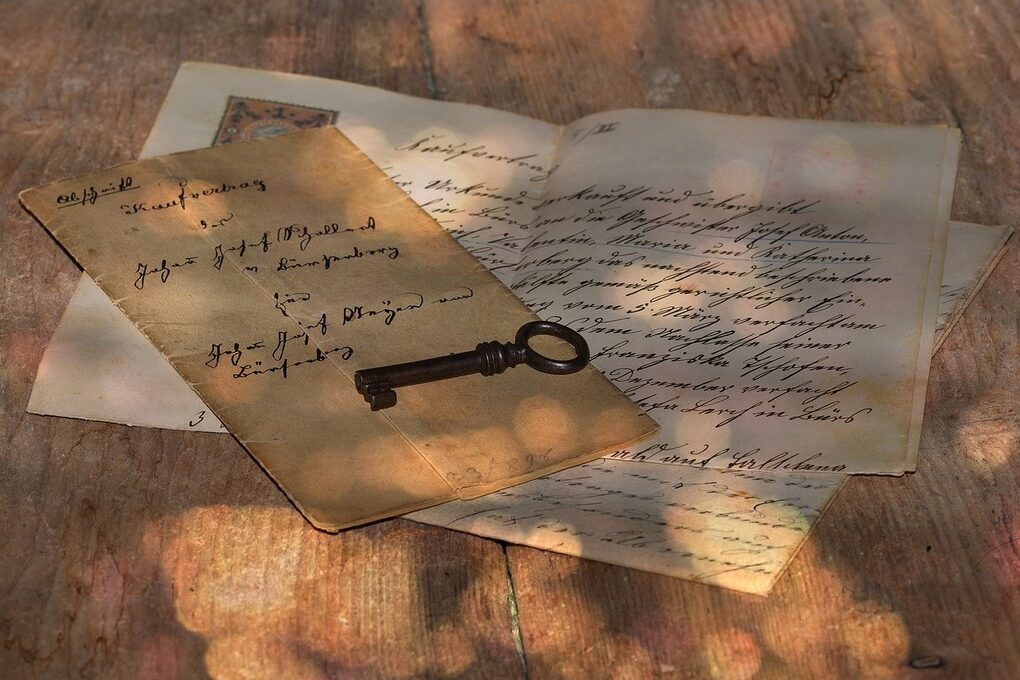
Before email and messaging apps, staying in touch often meant writing letters. This was especially true for long-distance friendships or family connections. Letters took time to write, send, and receive. That delay made communication feel more deliberate.
There was also something meaningful about holding a physical letter. Handwriting, paper choice, and even small details added personality. While faster methods have replaced it, letter writing hasn’t completely disappeared. It just isn’t a default anymore. Back then, it was a normal part of staying connected.