
1. Bone-Handled Tools with No Clear Purpose
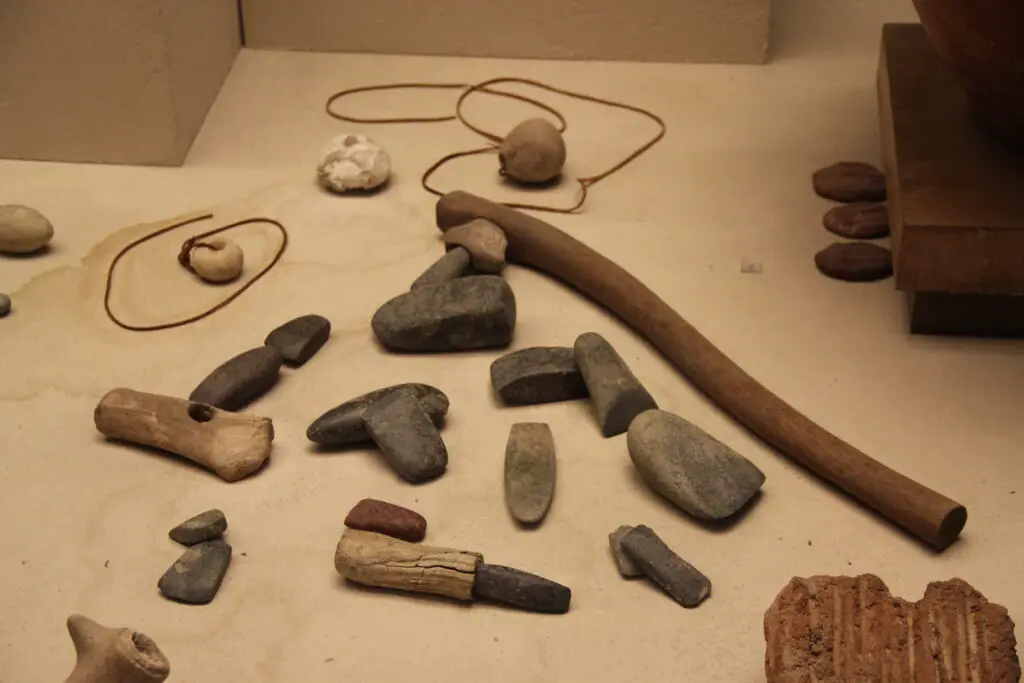
Every so often, someone opens an old metal toolbox and finds a small tool with a polished bone handle and a strangely shaped metal tip. These were often specialty tools from the late 19th or early 20th century, sometimes used in trades like cobbling or dentistry. The problem is, many of these tools were so niche that even experienced collectors struggle to identify them today. Without markings or documentation, their exact function can remain unclear.
In some cases, these bone-handled tools were part of medical or veterinary kits, which explains the unusual shapes. Others may have been custom-made by craftsmen for a specific task that never became widespread. Over time, as industries standardized, these one-off tools disappeared from common use. What’s left behind is a small, well-made object that feels important but has lost its context. That’s usually what makes people pause when they find one.
2. Hand-Forged Nails Mixed in with Hardware
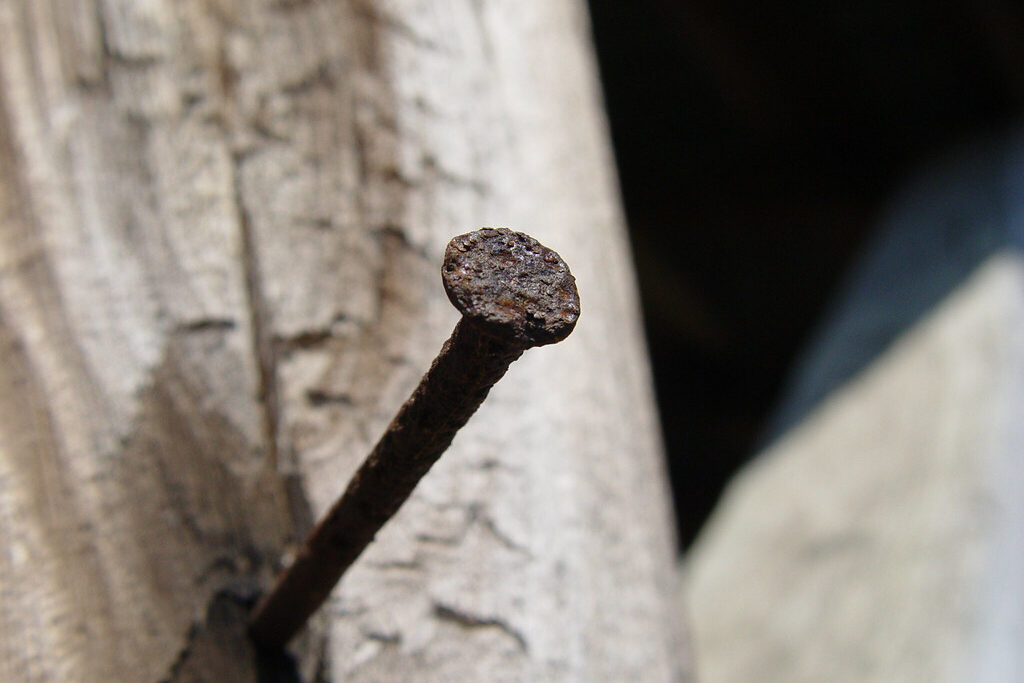
Finding a handful of uneven, square-cut nails in an old toolbox can be surprisingly confusing. These nails were typically made by hand or early machines before modern wire nails became standard in the late 1800s. Their irregular shapes and hammered heads stand out immediately compared to today’s uniform fasteners.
They often ended up in toolboxes because they were salvaged from older buildings. Reusing nails was common practice, especially during times when materials were expensive or scarce. To someone unfamiliar, they can look defective or unfinished. In reality, they’re a small piece of construction history sitting quietly among more modern tools. Their presence usually hints that the toolbox once belonged to someone who worked on much older structures.
3. Tiny Glass Bottles with Residue

It’s not unusual to find small glass vials tucked into corners of old toolboxes. These were often used to hold machine oil, solvents, or other maintenance liquids. Over time, the labels wore off, leaving behind only dried residue and a faint smell. That lack of identification is what tends to raise questions.
Some bottles may have held specialized lubricants used for watches, sewing machines, or firearms. Others contained homemade mixtures, since many workers mixed their own solutions. Without labels, it’s nearly impossible to confirm the contents today. The bottles themselves are usually more informative than what’s inside, especially if they have embossed markings from early manufacturers. They’re a reminder of how much maintenance relied on small, portable supplies.
4. Unusual Measuring Gauges

Old toolboxes often contain small metal gauges with odd cutouts or notches that don’t immediately make sense. These were typically used to measure very specific dimensions, like wire thickness or drill bit sizes. Unlike modern multi-purpose tools, many of these gauges were designed for a single task.
If the original trade is unknown, the gauge can seem almost abstract. A machinist’s tool, for example, might look completely unfamiliar to a carpenter. These tools were essential in their time but depended heavily on context. Without that context, they become puzzles made of metal. People often keep them simply because they’re well-made, even if they no longer know what they measure.
5. Old Razor Blades Stored with Tools
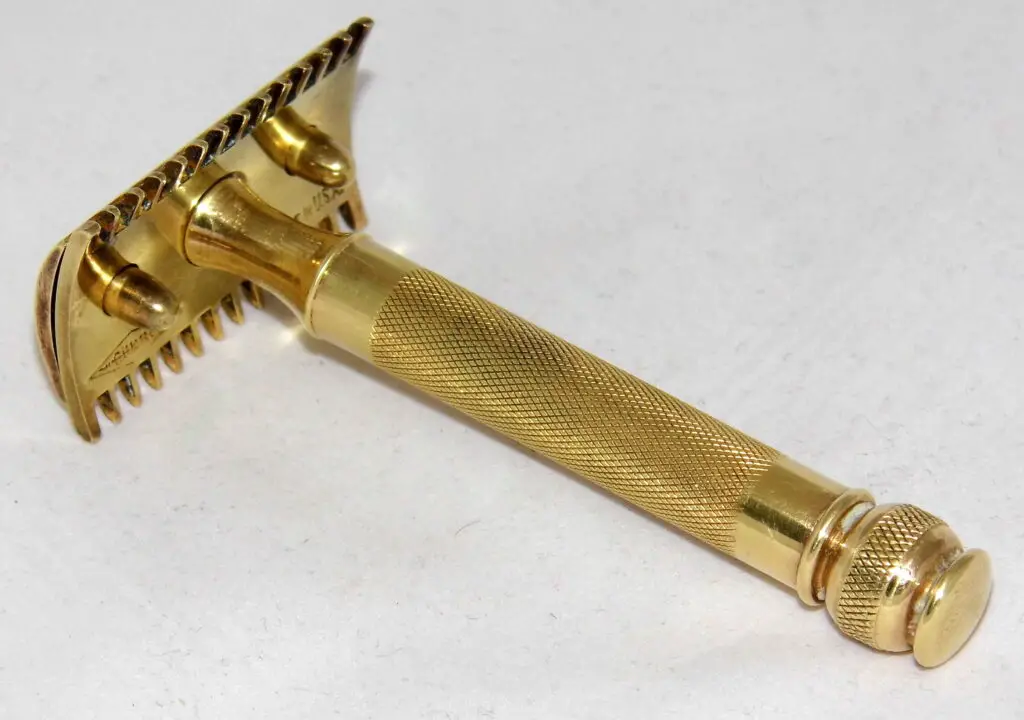
Finding loose razor blades in a toolbox can feel out of place at first. However, they were commonly used for scraping paint, cleaning surfaces, or trimming materials. Before disposable utility knives became widespread, razor blades were a practical multi-use item.
Many of these blades came in small cardboard sleeves or metal dispensers that still show brand names from decades ago. Over time, they were repurposed for whatever task was at hand. Their presence in a toolbox reflects how people used whatever tools were available. Today, without that context, they can seem oddly misplaced among heavier equipment. But they were once considered just as essential.
6. Lead Seals or Tags
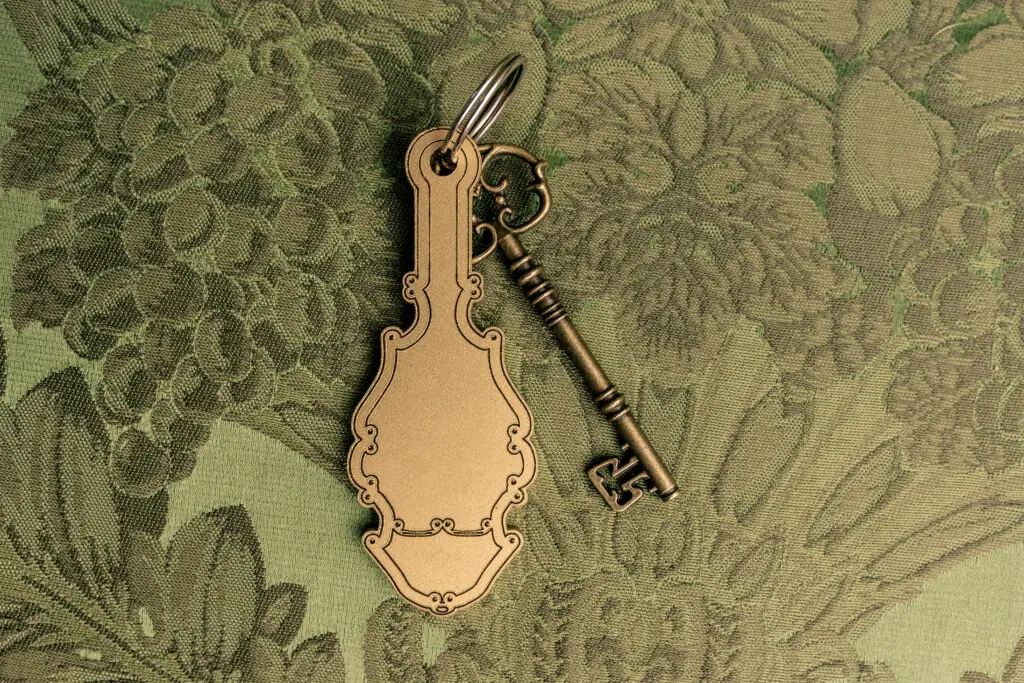
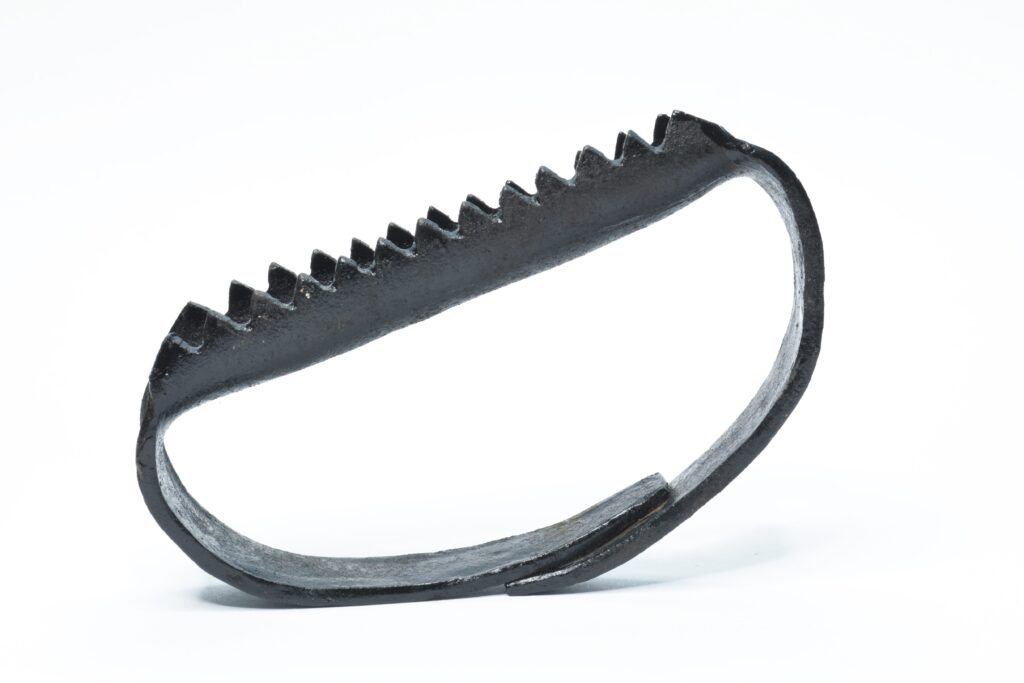
Occasionally, small, flattened pieces of lead with stamped markings turn up in old toolboxes. These are often lead seals, which were used to secure shipments, meters, or equipment. They were crimped onto wire to show that something hadn’t been tampered with.
Once removed, there was no reason to keep them, yet many ended up saved anyway. Some people kept them as proof of work completed or simply out of habit. Without knowing their origin, they can look like random scraps of metal. The stamped symbols or numbers can be intriguing but hard to trace. They’re a small clue that the toolbox owner may have worked in transportation, utilities, or inspection.
7. Worn Wooden Folding Rules
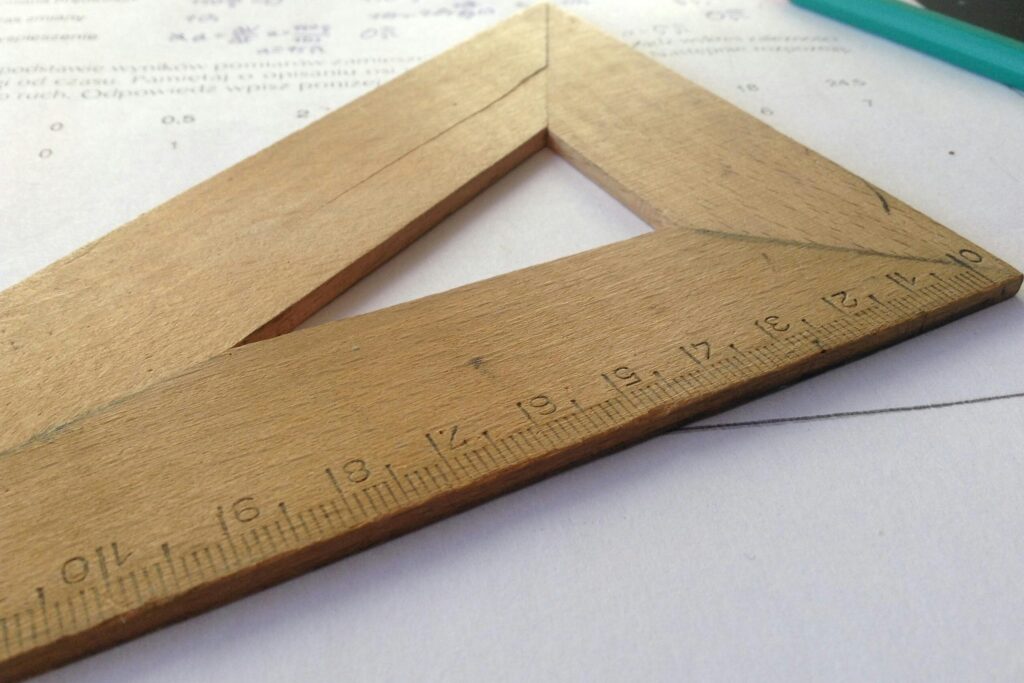
Before tape measures became standard, folding wooden rulers were the go-to measuring tool. Finding one in a toolbox isn’t unusual, but the markings and wear can raise questions. Some have obscure manufacturer names or measurement systems that aren’t immediately recognizable.
Over time, these rules could loosen at the joints or fade from use, making them harder to read. Despite that, they were often kept long after they stopped being precise. Their design reflects a different approach to tools, one focused on durability and repair rather than replacement. When people find them today, they often wonder how accurate they once were. The answer depends heavily on how well they were maintained.
8. Unidentified Electrical Connectors
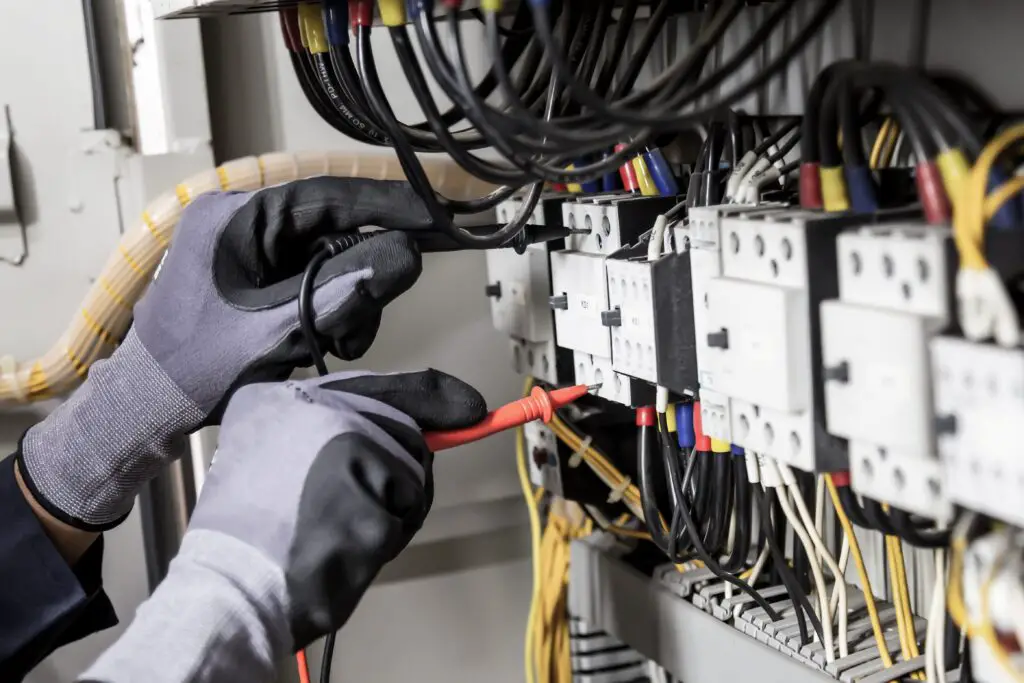
Old toolboxes sometimes contain small metal connectors or terminals that don’t match modern electrical components. These pieces were used in early wiring systems, automotive work, or radio repair. As standards changed, many of these parts became obsolete.
Without packaging or labels, it’s difficult to determine their exact application. Some may have been part of home wiring systems that no longer meet current codes. Others were used in niche equipment that has long since disappeared. To someone unfamiliar, they can look like incomplete or broken parts. In reality, they were once essential components in working systems.
9. Handmade Wooden Tool Handles

It’s not uncommon to find tool handles that look slightly off compared to factory-made versions. Many workers carved or shaped their own handles to replace broken ones. These handmade pieces often fit the tool better than the original, tailored to the user’s grip.
Over time, the tools themselves might wear out, leaving behind just the custom handle. Without the original context, it can be hard to tell what tool it belonged to. The craftsmanship, though, is usually obvious. These handles tell a quiet story about resourcefulness and adaptation. They’re one of the more personal items you can find in an old toolbox.
10. Small Metal Punches with Unique Tips
A set of metal punches with slightly different tip shapes can be confusing if you don’t know their purpose. These tools were used for marking metal, starting drill holes, or creating indentations. Each variation served a specific function depending on the job.
Without a full set or proper labeling, it’s easy to lose track of which punch does what. Over time, they can look nearly identical except for subtle differences. That’s what makes them puzzling to modern eyes. In their original setting, though, they were essential for precision work. Their simplicity hides how specialized they actually are.
11. Vintage Oil Cans with Long Spouts

Old oil cans with thin, curved spouts often show up in toolboxes or workshops. These were designed to deliver small amounts of oil to precise locations, like machinery joints or hinges. Many are made of metal and feature pump mechanisms that still work decades later.
The design can look unusual compared to modern plastic containers. Some even have branding or decorative elements that hint at their age. Without knowing their function, they can seem oddly shaped or overly complex. In reality, they were engineered for accuracy and control. Their continued presence in old toolboxes shows how effective they were.
12. Mystery Keys with No Locks

Loose keys with no obvious matching lock are a common find in older toolboxes. These could belong to tool chests, machinery, padlocks, or even vehicles long gone. Without context, they’re almost impossible to trace back to their original use.
People often kept spare keys just in case, even if they forgot what they opened. Over time, they accumulated into small collections of metal fragments. Some keys have distinctive shapes or stamps that hint at their origin, but not enough to confirm it. That uncertainty is what makes them so intriguing. They feel important, even when their purpose has been lost.
13. Oddly Shaped Files and Rasps
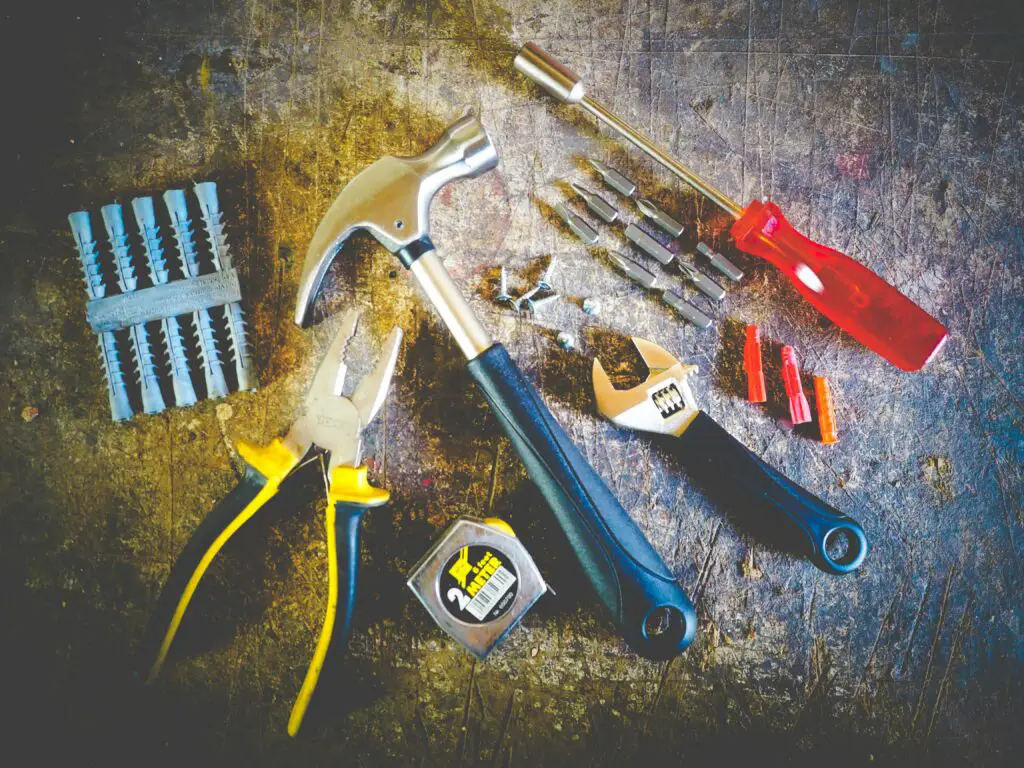
Files and rasps come in a wide range of shapes, and older ones can look especially unusual. Some have curved, triangular, or tapered forms designed for very specific tasks. Without experience, it’s not always clear what surface they were meant to shape.
These tools were often part of specialized trades like metalworking or instrument making. Each shape served a purpose, even if that purpose isn’t obvious today. Over time, as certain trades declined or evolved, these specific tools fell out of common use. What remains is a collection of oddly shaped metal pieces that invite questions. Their design reflects a level of specialization that isn’t always visible at first glance.