
1. No Bathroom Stops Until the Next State Line
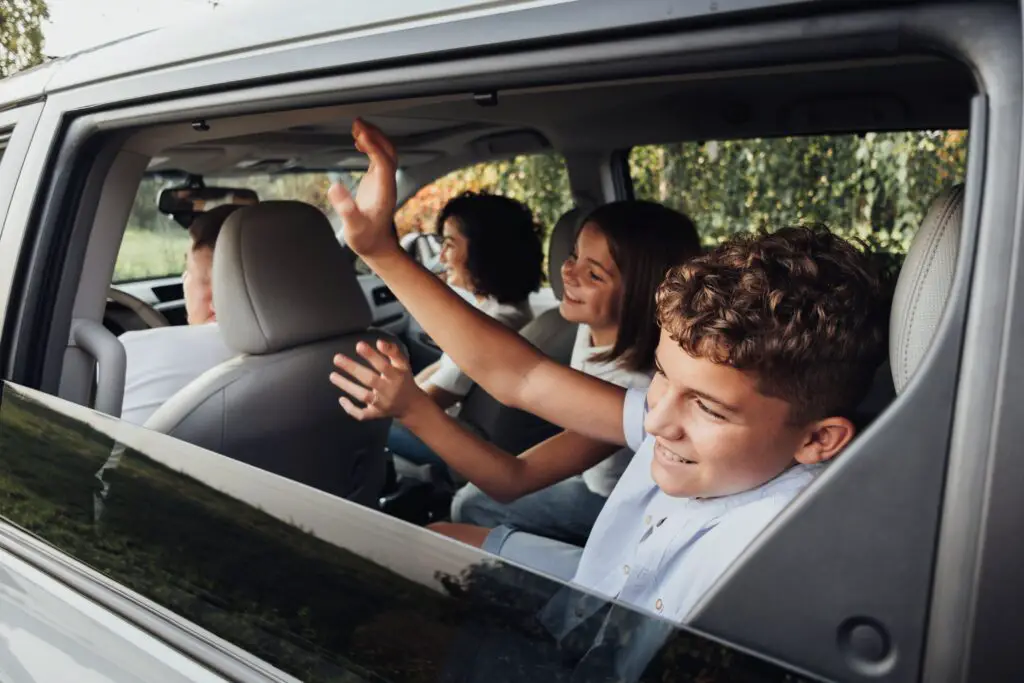
Some families treated state borders like magical permission slips for restrooms. You could be five minutes from a rest stop, but if the sign didn’t say “Welcome to Ohio” yet, you were out of luck. Parents insisted this built character, patience, or some vague life skill no one could ever explain. Kids learned to measure distances by pain rather than miles.
By the time the car finally crossed the line, the relief was dramatic and usually loud. Someone always sprinted toward the bathroom like they were winning Olympic gold. Years later, those kids still feel a weird sense of urgency when they see a state welcome sign. The rule made no sense, but it was enforced like federal law.
2. The Driver Controls the Radio Forever
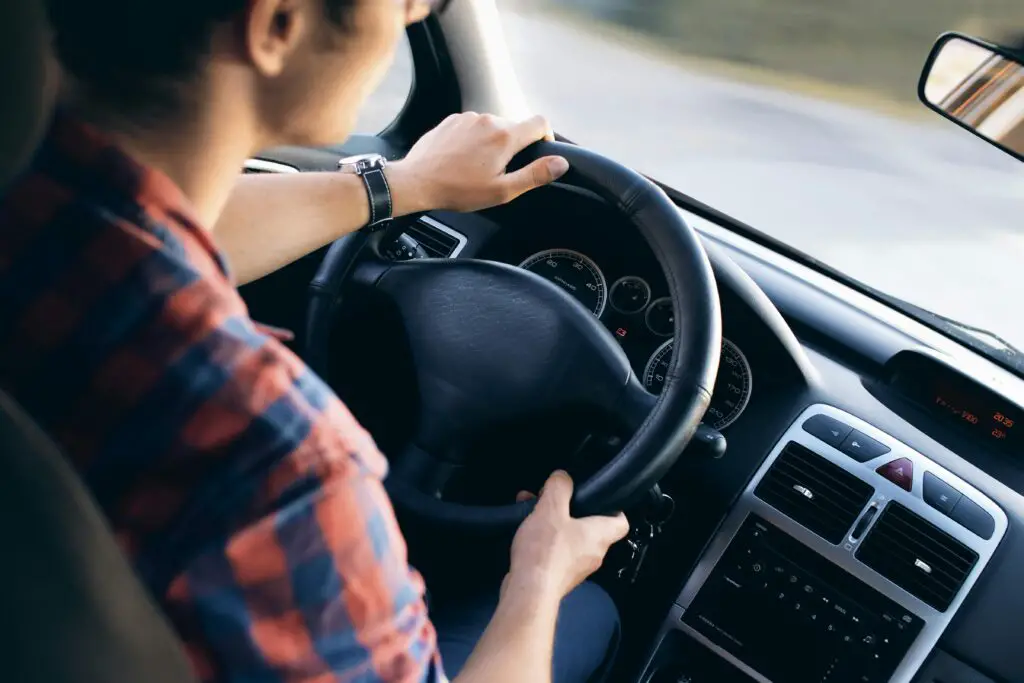
Whoever sat behind the wheel automatically became the DJ for the entire trip. It didn’t matter if the passengers hated talk radio, polka, or the same cassette on repeat. Complaining only made the volume go up. Silence was considered suspicious and unacceptable.
This rule taught kids to quietly judge music tastes without saying a word. Many learned every lyric to songs they never chose willingly. The driver’s music somehow became the soundtrack of family history. Even now, certain songs still smell like vinyl seats and gas station coffee.
3. Windows Down or Windows Up, No Debates
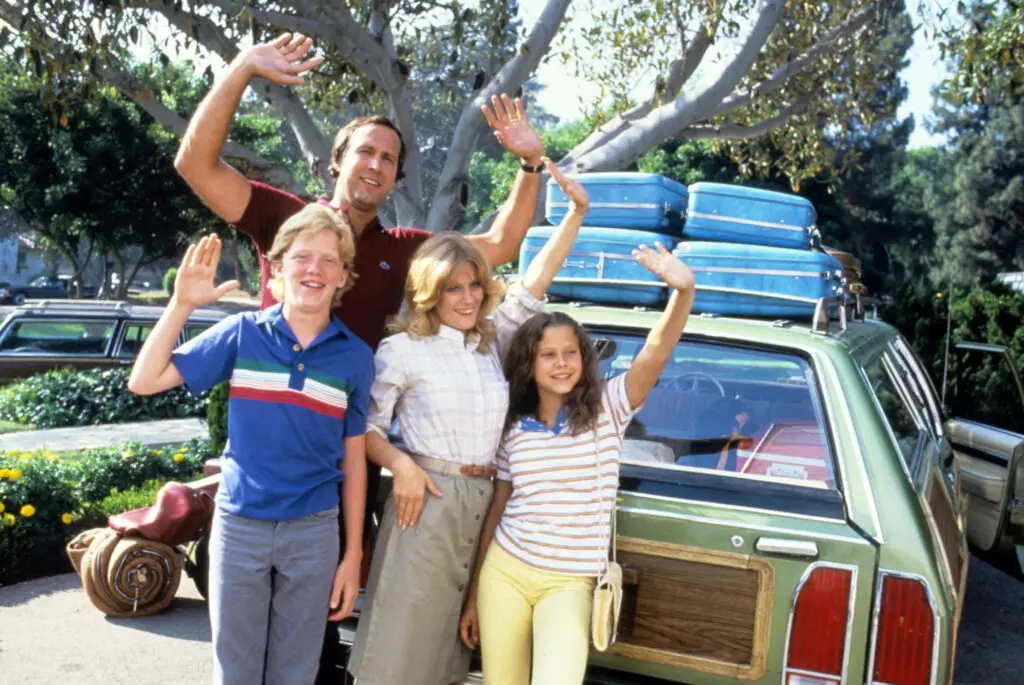
Some parents had a firm stance on airflow and refused to budge. Either all windows stayed down no matter the weather, or they stayed sealed like a submarine. Requests for “just a crack” were treated like acts of rebellion. Logic had no place here.
Kids adapted by sticking hands out the window or fogging up glass in protest. Jackets were layered on and off without permission to adjust the car itself. Everyone remembers exactly which parent believed fresh air cured everything. That belief was never questioned mid trip.
4. Eating Was Only Allowed at Certain Times

Snacking rules were serious business on the road. You could have a full bag of chips beside you, but eating before the approved time was forbidden. Meals were planned around exits, not hunger. Asking early just made the wait longer.
When food finally appeared, it felt ceremonial. Wrappers were opened carefully to avoid crumbs, even though crumbs were inevitable. Kids learned to savor snacks slowly, like they were rationing supplies. That rule somehow made gas station food taste better.
5. No Sleeping Until Dad Gets Tired

Naps were oddly discouraged in some cars. Parents believed sleeping meant you’d miss something important, like cornfields or billboards. Kids were told to “look out the window” as if the scenery might disappear forever. Heavy eyelids were considered a personal failure.
Eventually, heads bobbed and necks bent at impossible angles. Someone always claimed they were “just resting their eyes.” Photos from these trips show kids asleep anyway, mouths open, rules clearly broken. The attempt to stay awake is what made it memorable.
6. Everyone Must Read the Road Signs Aloud
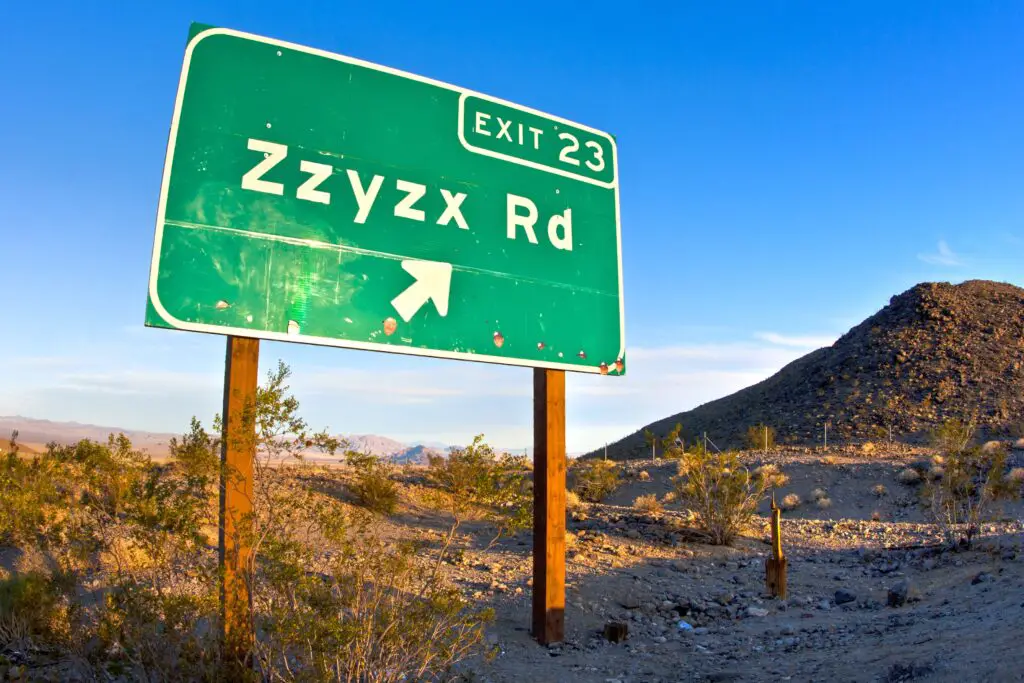
Some families turned signage into group participation. Kids were expected to announce exit numbers, town names, and distances. Missing a sign was treated like missing homework. This somehow counted as entertainment.
Long trips became spelling lessons and pronunciation challenges. Nobody knew how to say half the town names, but guesses were encouraged. The rule made kids hyper aware of geography without realizing it. Years later, those signs still echo in their heads.
7. Don’t Touch Anything in the Back Window
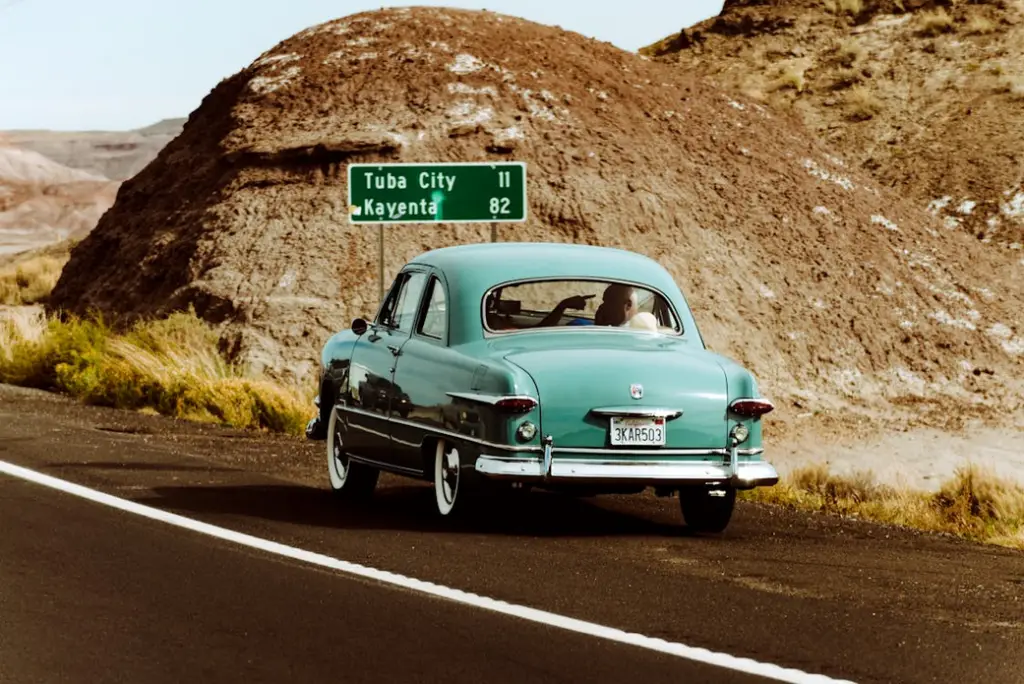
The back window area was sacred ground in many cars. Hats, tissues, or stuffed animals placed there had to remain perfectly still. Touching them risked sudden stops or parental lectures. No one knew why, but everyone obeyed.
Kids stared at those items like forbidden treasure. Sun faded shapes became permanent fixtures over long trips. The rule felt mystical, like disturbing the balance would cause chaos. To this day, some adults still avoid putting anything back there.
8. Bathroom Stops Were Timed Events
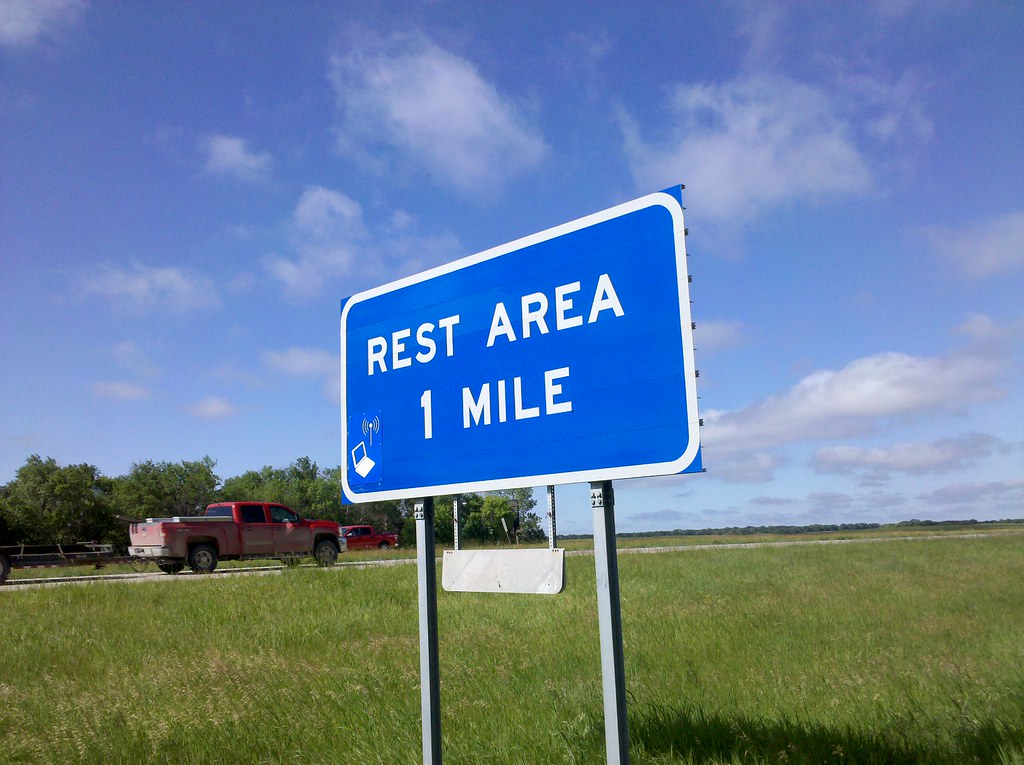
Stopping for the bathroom wasn’t just a break, it was a race. Parents announced how many minutes everyone had, usually far fewer than needed. Anyone late felt personally responsible for delaying the trip. Pressure was intense.
This rule turned rest stops into stressful obstacle courses. Kids learned to multitask at record speed. Hand washing was rushed and mirrors ignored. Somehow, everyone still made it back just in time.
9. You Pack It, You Carry It
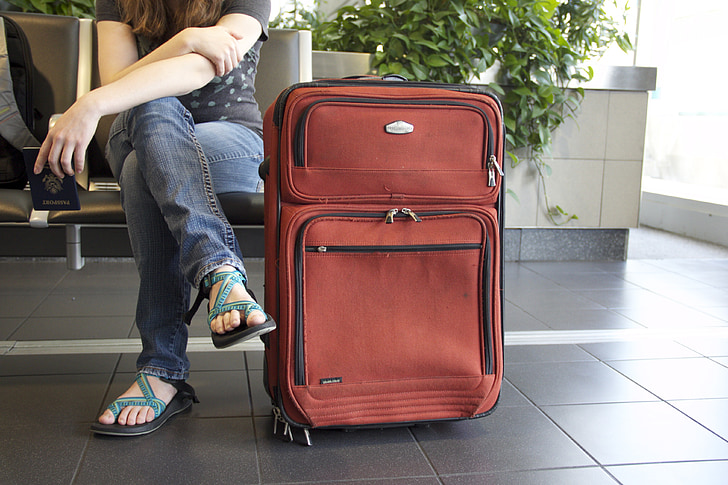
Bags were your responsibility from start to finish. If you brought it, you hauled it into motels, rest stops, and relatives’ houses. Complaints were met with reminders of personal choice. This was framed as a lesson in responsibility.
Kids learned quickly what not to bring next time. That extra toy lost its appeal halfway through the trip. The rule stuck with many people into adulthood. Packing light still feels like a moral virtue.
10. No Complaining About Distance
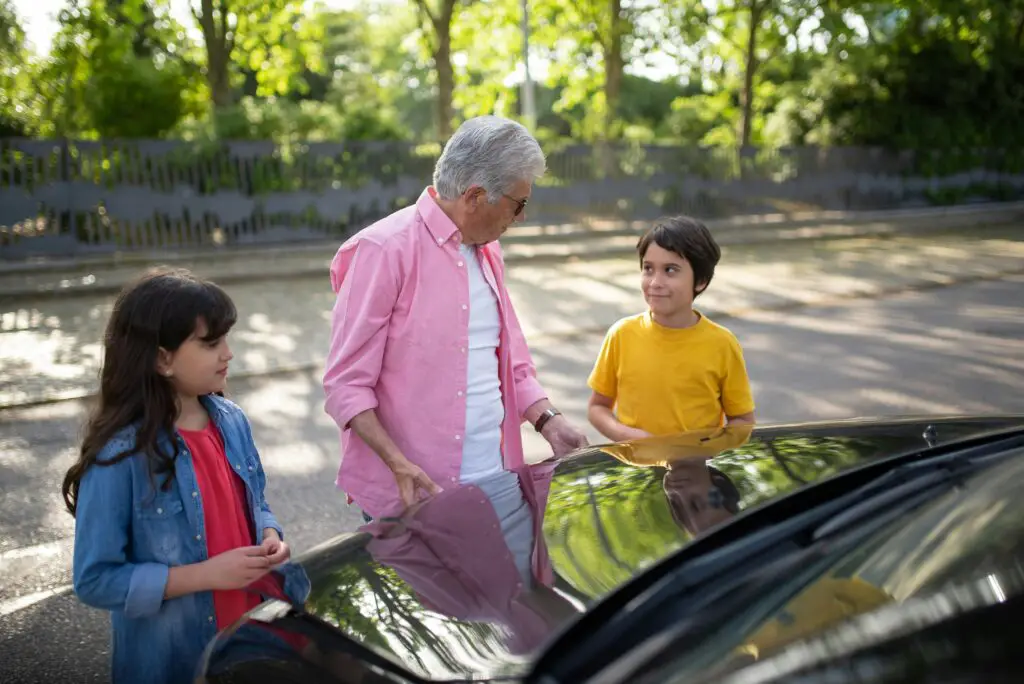
Asking “Are we there yet?” was strictly prohibited. Even sighing too loudly could count as a violation. Parents believed acknowledging the length of the trip made it longer. Silence was preferred over honesty.
Kids found creative ways to express boredom anyway. Counting cars or clouds became survival tactics. Time stretched endlessly under this rule. The destination always felt mythical until it finally appeared.
11. Everyone Must Be Present for Scenic Stops
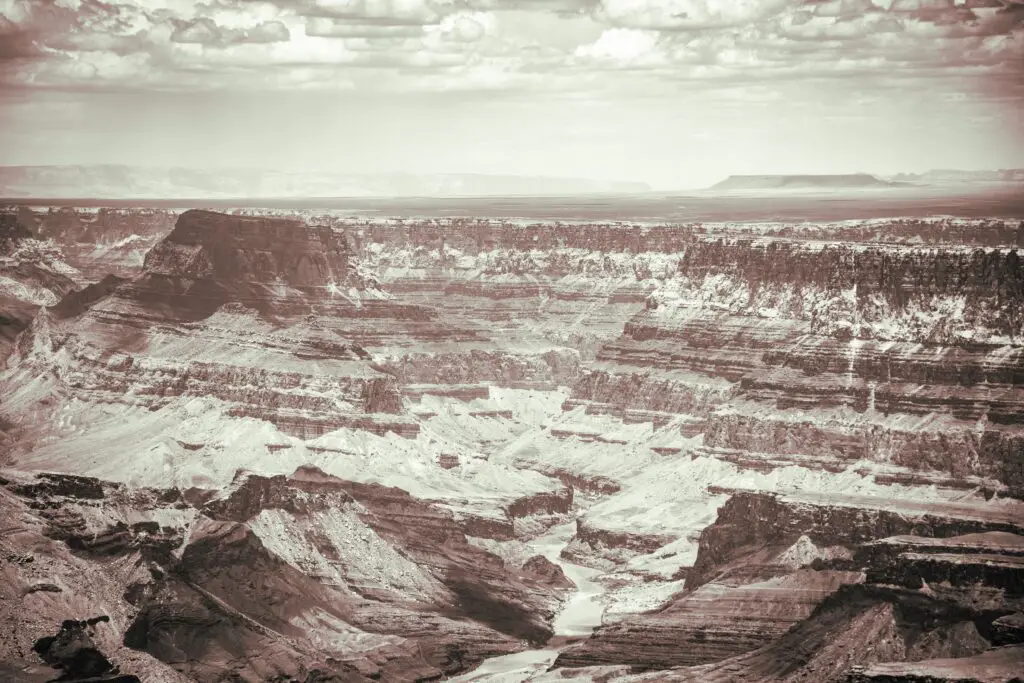
If the car stopped for a view, everyone got out. No exceptions for tired legs or bad moods. The moment was declared important, whether you agreed or not. Cameras appeared instantly.
Kids shuffled to overlooks pretending to care. Photos show forced smiles and crossed arms. At the time, it felt unnecessary and dramatic. Years later, those pictures somehow became favorites.
12. The Car Stays Clean No Matter What
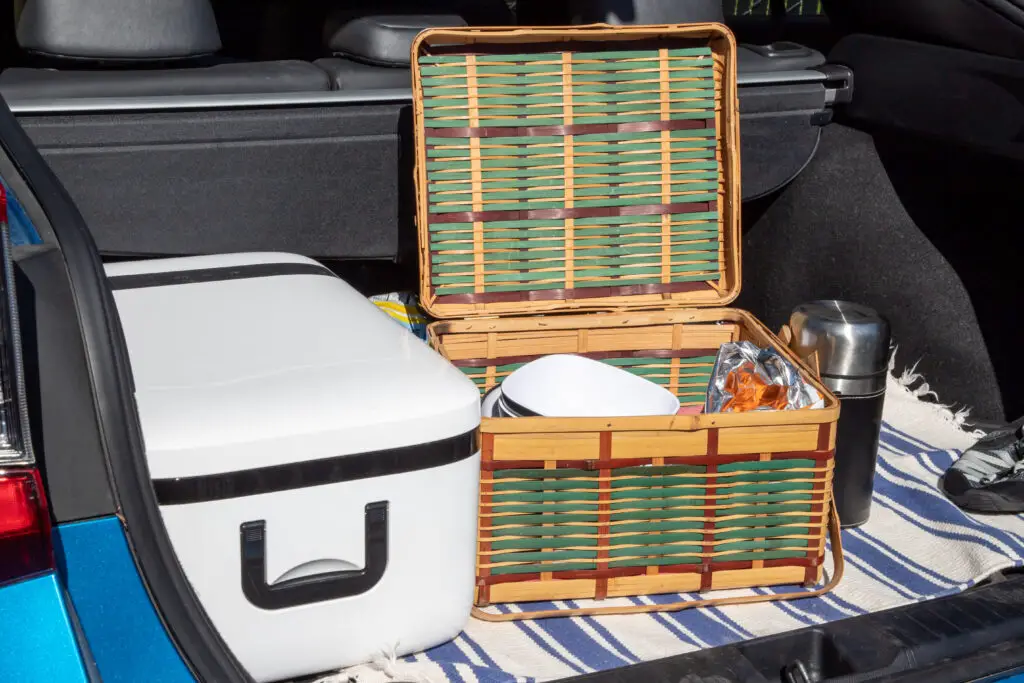
Mess was treated as a personal offense. Spills were scolded, crumbs were hunted, and trash was monitored closely. Parents believed a clean car made the trip smoother. Reality disagreed.
Kids learned to eat like surgeons and still failed. The car inevitably looked lived in by the end. That tension between control and chaos defined the whole journey. Somehow, the mess became part of the memory too.