
1. The Cadillac Ranch (Amarillo, Texas)
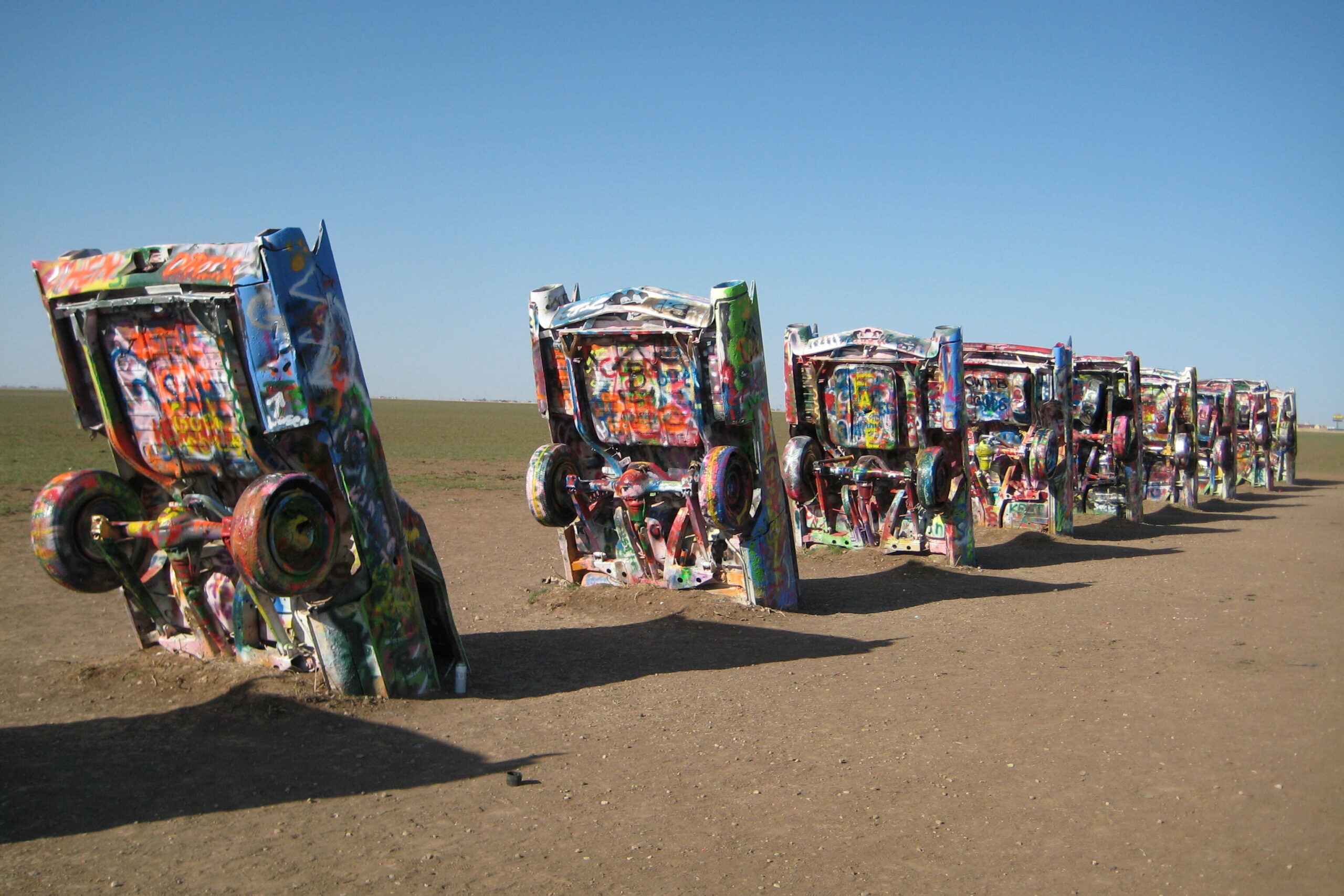
If you drove along Route 66 near Amarillo in the mid 1970s or later, you probably saw a line of vintage Cadillacs sticking nose first into the dirt like some kind of mechanical Stonehenge. Cadillac Ranch was installed in 1974 by a group of artists called Ant Farm, and it quickly became one of the most photographed roadside oddities in America. Visitors were encouraged to bring spray paint and leave their own mark on the cars. Over the decades the vehicles have been covered again and again in colorful layers of graffiti.
People didn’t just stop for a quick picture either. Families would wander around the dusty field, painting messages or climbing on the buried cars while traffic hummed along the highway nearby. The cars themselves represent models from 1949 through 1963, all positioned at the same angle as the Great Pyramid of Giza. It’s strange, slightly surreal, and somehow exactly the kind of thing travelers hoped to stumble across on a long road trip.
2. The Mystery Spot (Santa Cruz, California)
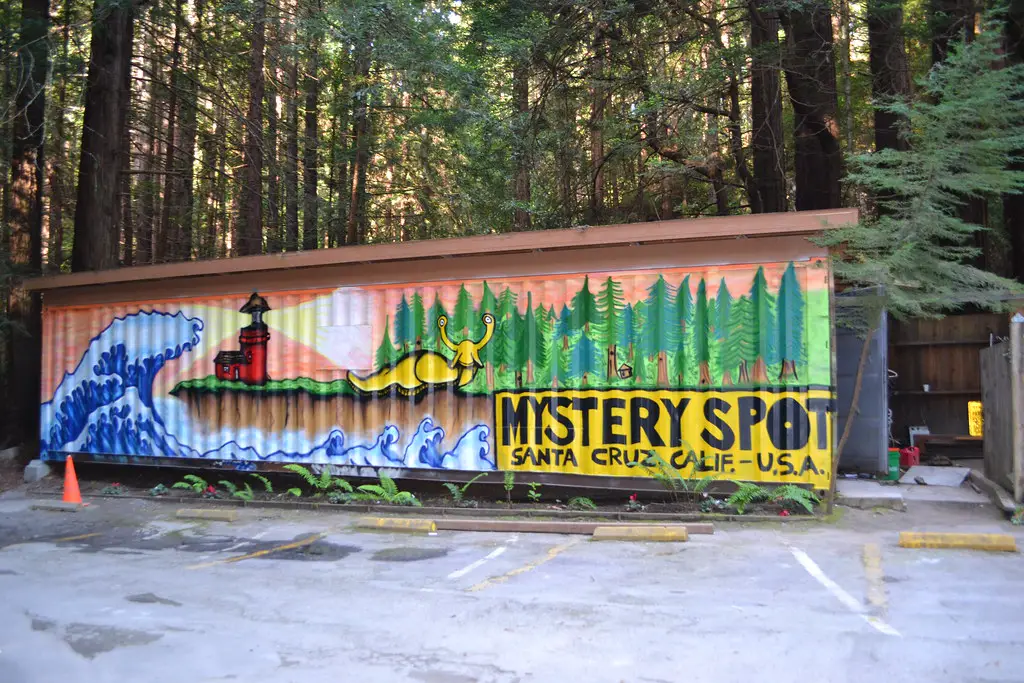
The Mystery Spot opened in 1940 and has been confusing visitors ever since. According to the attraction, the small circular area contains unusual gravitational forces that cause balls to roll uphill and people to appear tilted at impossible angles. Guides demonstrate the effect inside a crooked cabin where nothing seems to behave the way physics says it should.
Whether you believe the explanations or assume it’s all clever illusion, the experience is oddly entertaining. Visitors lean sideways without falling and stand on slanted floors that somehow feel level. Generations of tourists have taken photos that make them look like they’re defying gravity. The attraction became a classic California roadside stop long before theme parks dominated vacation plans.
3. Wall Drug (Wall, South Dakota)
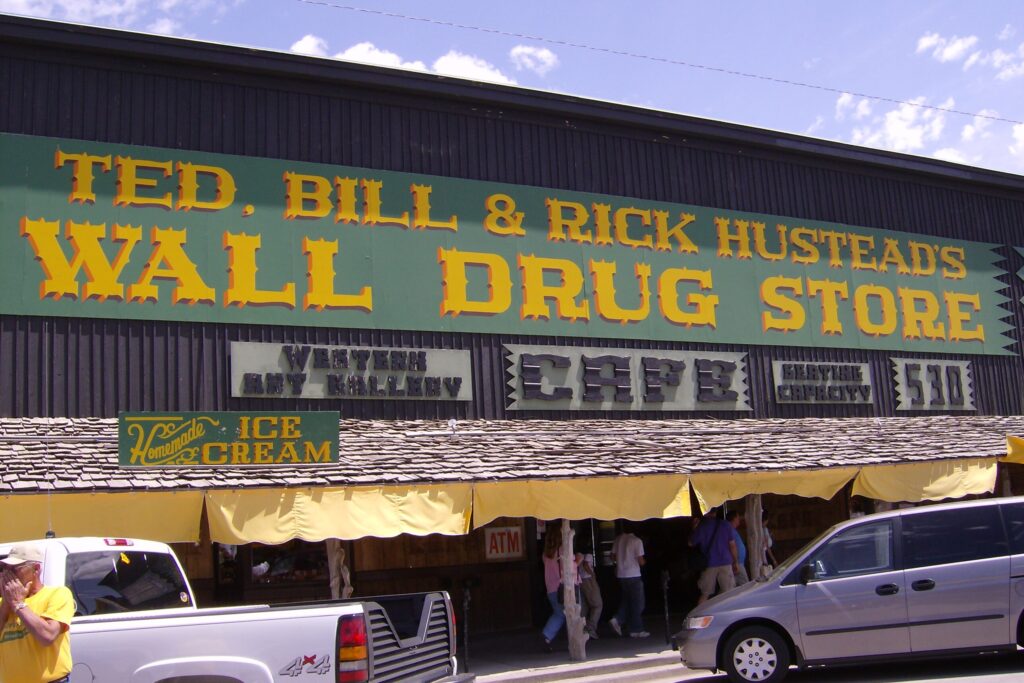
Wall Drug started as a simple pharmacy in 1931, but it became legendary thanks to a clever roadside advertising campaign. Billboards promising free ice water began appearing across the Midwest during the hot summer months. Travelers curious about the offer would detour into the tiny town of Wall just to see what the fuss was about.
What they found eventually turned into an enormous complex filled with shops, restaurants, and odd displays. There were animatronic cowboys, giant jackalope statues, and Western themed attractions everywhere you looked. Families often planned entire stops around the place while driving through South Dakota. For decades it stood as proof that even a free glass of water could launch a roadside empire.
4. Lucy the Elephant (Margate, New Jersey)
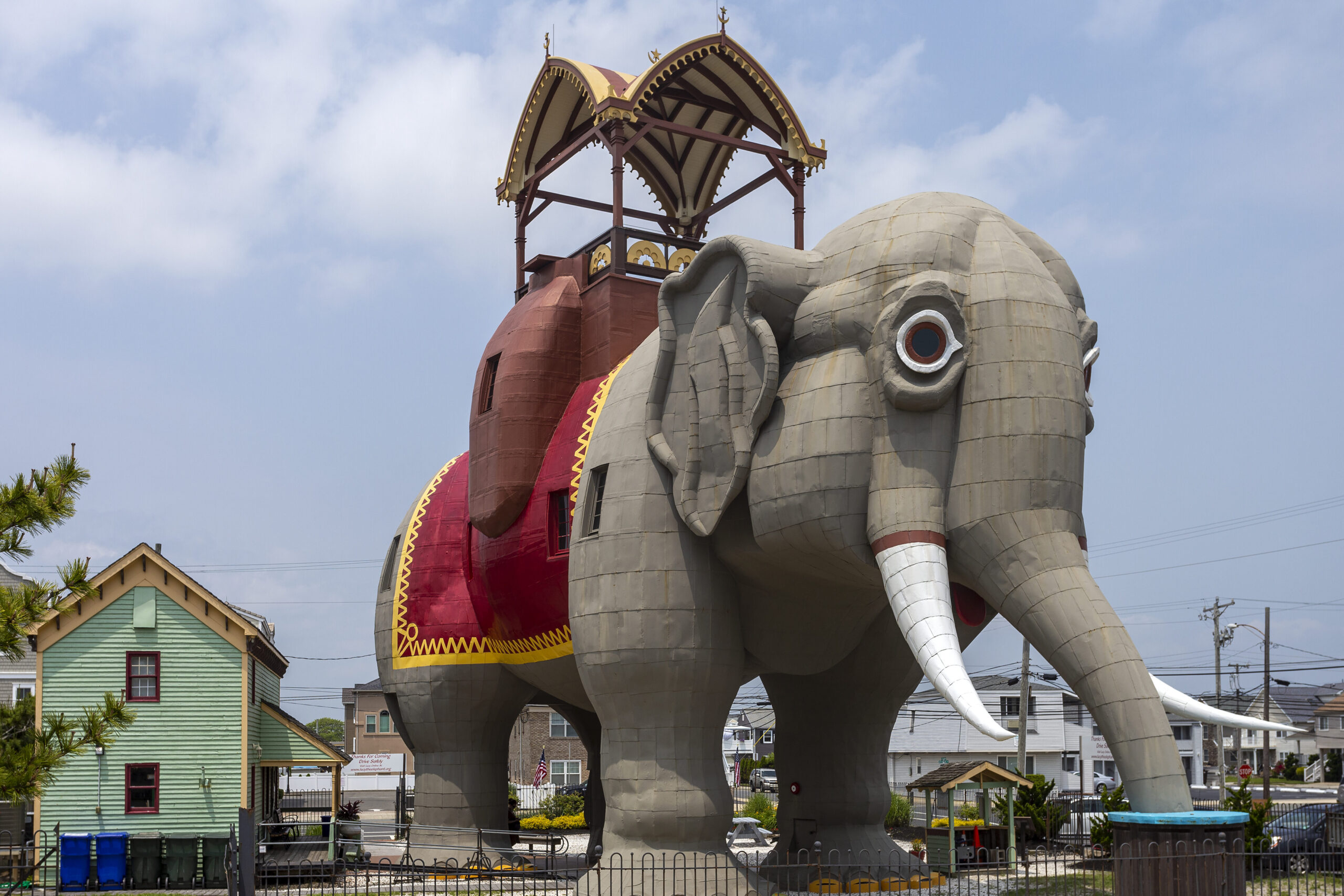
Lucy the Elephant looks exactly like it sounds, a six story building shaped like a giant elephant standing near the Jersey Shore. Built in 1881, it originally served as a marketing gimmick to attract buyers to nearby real estate developments. Visitors could climb inside the structure and look out from the top for a sweeping view of the coast.
Over time Lucy became a beloved landmark rather than just a sales tool. Generations of beachgoers stopped to see the enormous elephant towering above the town. At various points Lucy has been used as a tavern, a restaurant, and even a summer home. Today it survives as one of the oldest and strangest roadside attractions still standing in the United States.
5. Carhenge (Alliance, Nebraska)
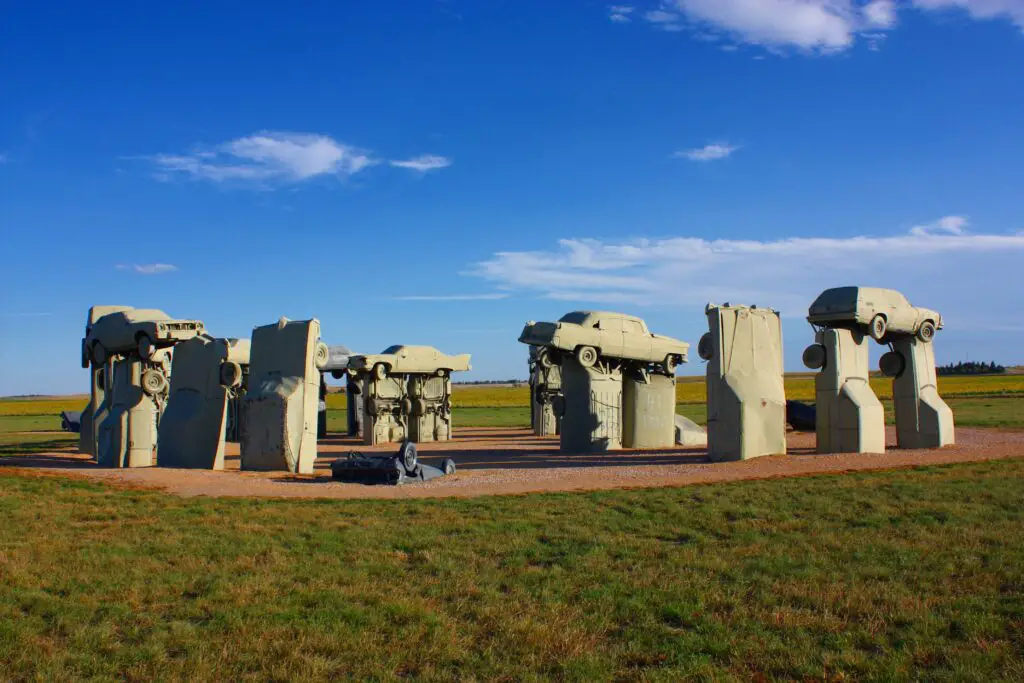
Carhenge looks like the famous prehistoric monument Stonehenge, except the stones are replaced with old automobiles. The sculpture was created in 1987 by artist Jim Reinders as a tribute to the ancient structure in England. Instead of massive rocks, he arranged 38 cars into the same circular pattern.
Visitors arriving in rural Nebraska often can’t believe what they’re seeing at first. The cars are painted gray to resemble stone, giving the whole scene a slightly eerie look against the wide prairie sky. Travelers walk among the vehicles just as people do at the real Stonehenge. It became such a popular roadside stop that additional car themed sculptures were later added nearby.
6. The Corn Palace (Mitchell, South Dakota)
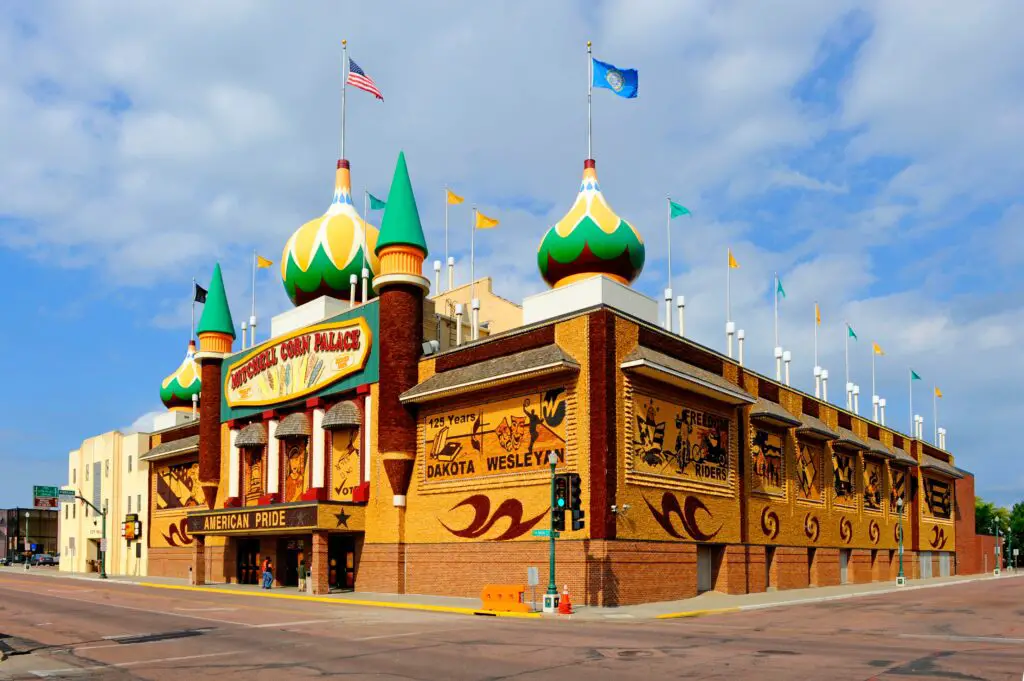
At first glance the Corn Palace looks like a colorful Eastern European cathedral, but a closer look reveals that the decorations are made almost entirely of corn. The building’s murals are created each year using thousands of ears of corn in different colors. Local artists redesign the entire exterior annually, which means the attraction literally changes with every harvest.
The Corn Palace dates back to the late 1800s when towns in the Midwest were eager to celebrate their agricultural success. Visitors would travel from miles away just to see the elaborate corn mosaics covering the walls. Inside the building there are events, concerts, and community gatherings. The idea might sound unusual, but it has drawn curious travelers for more than a century.
7. The Big Texan Steak Ranch (Amarillo, Texas)
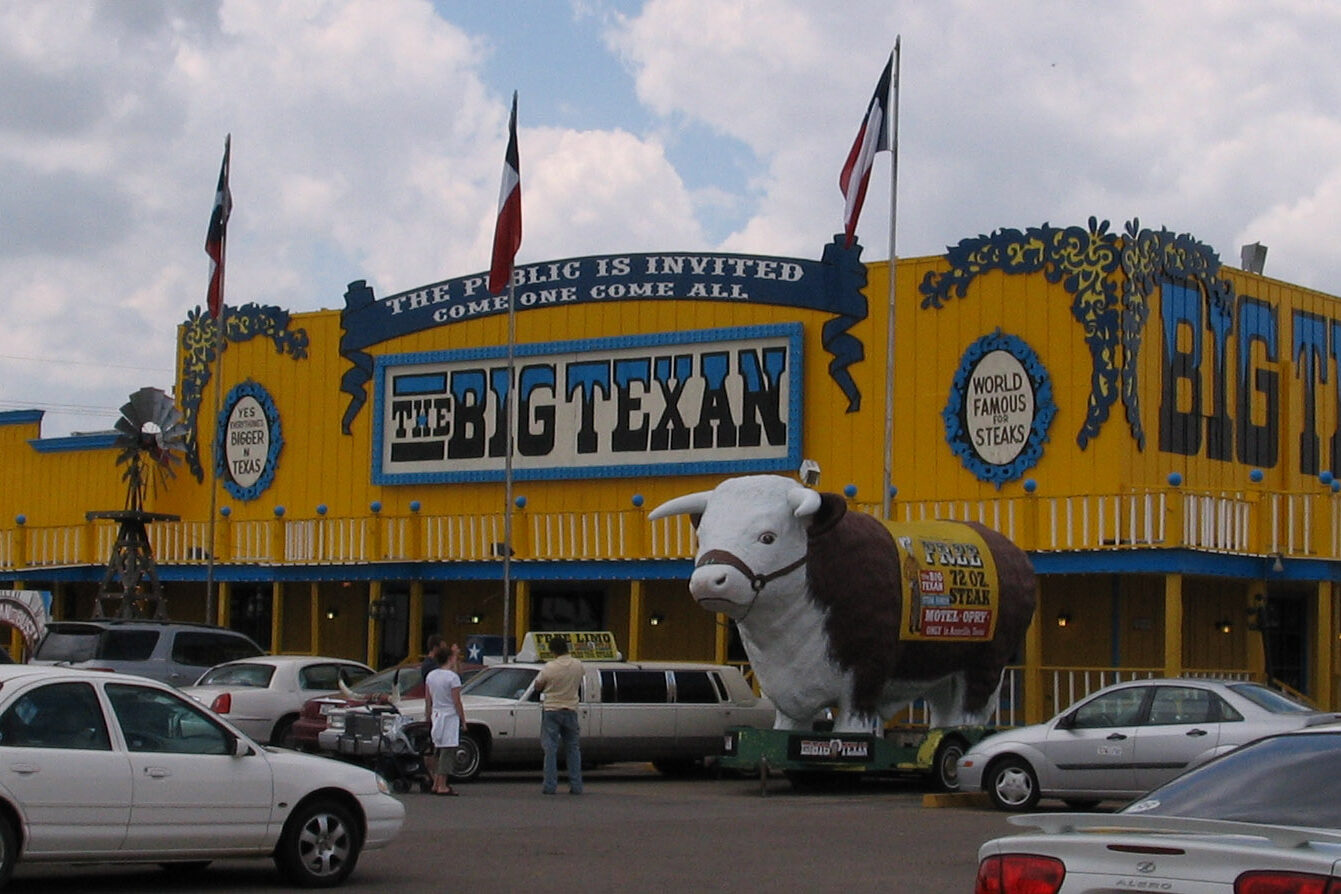
The Big Texan Steak Ranch became famous for one challenge that sounds almost impossible. If you could finish a 72 ounce steak along with a baked potato, shrimp cocktail, salad, and bread within one hour, the entire meal was free. If you failed, you had to pay for it.
Travelers flocked to the restaurant just to watch brave diners attempt the challenge. Contestants sat on a small stage while the rest of the dining room cheered or groaned with every bite. Some people succeeded, but most tapped out long before the hour was up. Even those who never tried the challenge stopped by simply to experience the spectacle.
8. South of the Border (Hamer, South Carolina)
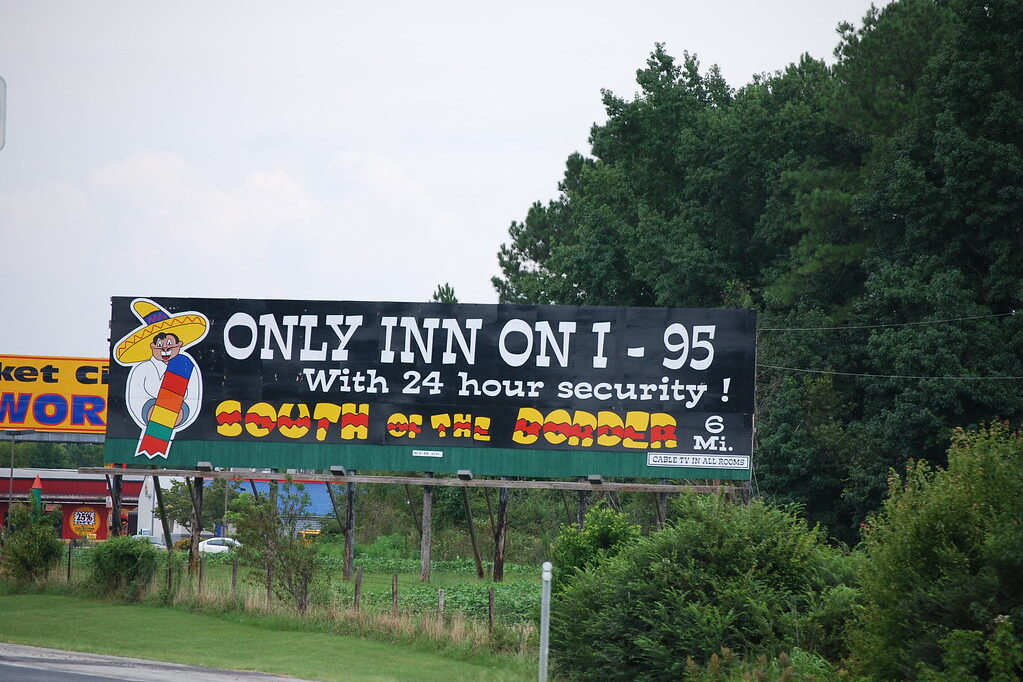
Drivers traveling along Interstate 95 in the Southeast have seen the billboards for miles before they ever reach South of the Border. The attraction began in the 1950s as a simple roadside beer stand just south of the North Carolina border. It gradually grew into a massive complex filled with motels, restaurants, and colorful statues.
The giant sombrero shaped tower became the most recognizable landmark on the property. Visitors could ride an elevator to the top and look out over the surrounding countryside. The place was loud, kitschy, and impossible to miss. For decades families on road trips used it as a familiar landmark that meant they were getting close to the beach.
9. The Thing? (Arizona)
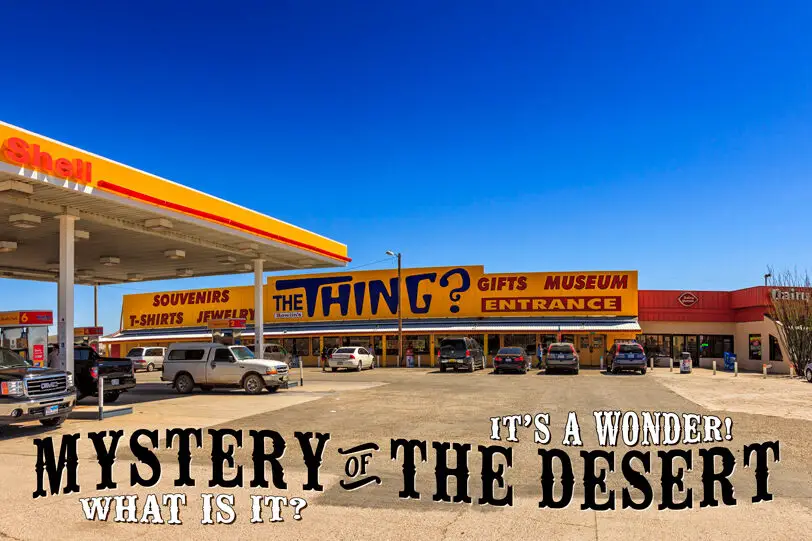
Along Interstate 10 in Arizona, travelers began seeing mysterious billboards asking a simple question: “What is The Thing?” The signs appeared miles apart, building curiosity long before drivers reached the attraction itself. Eventually people would pull off the highway just to find out what the mysterious object was.
Inside a small building, visitors were guided through displays that built suspense toward the final reveal. The attraction’s centerpiece was a strange mummified figure displayed in a glass case. Some claimed it was a human alien hybrid, while others assumed it was an elaborate hoax. The mystery and the buildup were really the point, and travelers talked about it for years afterward.
10. The House on the Rock (Spring Green, Wisconsin)
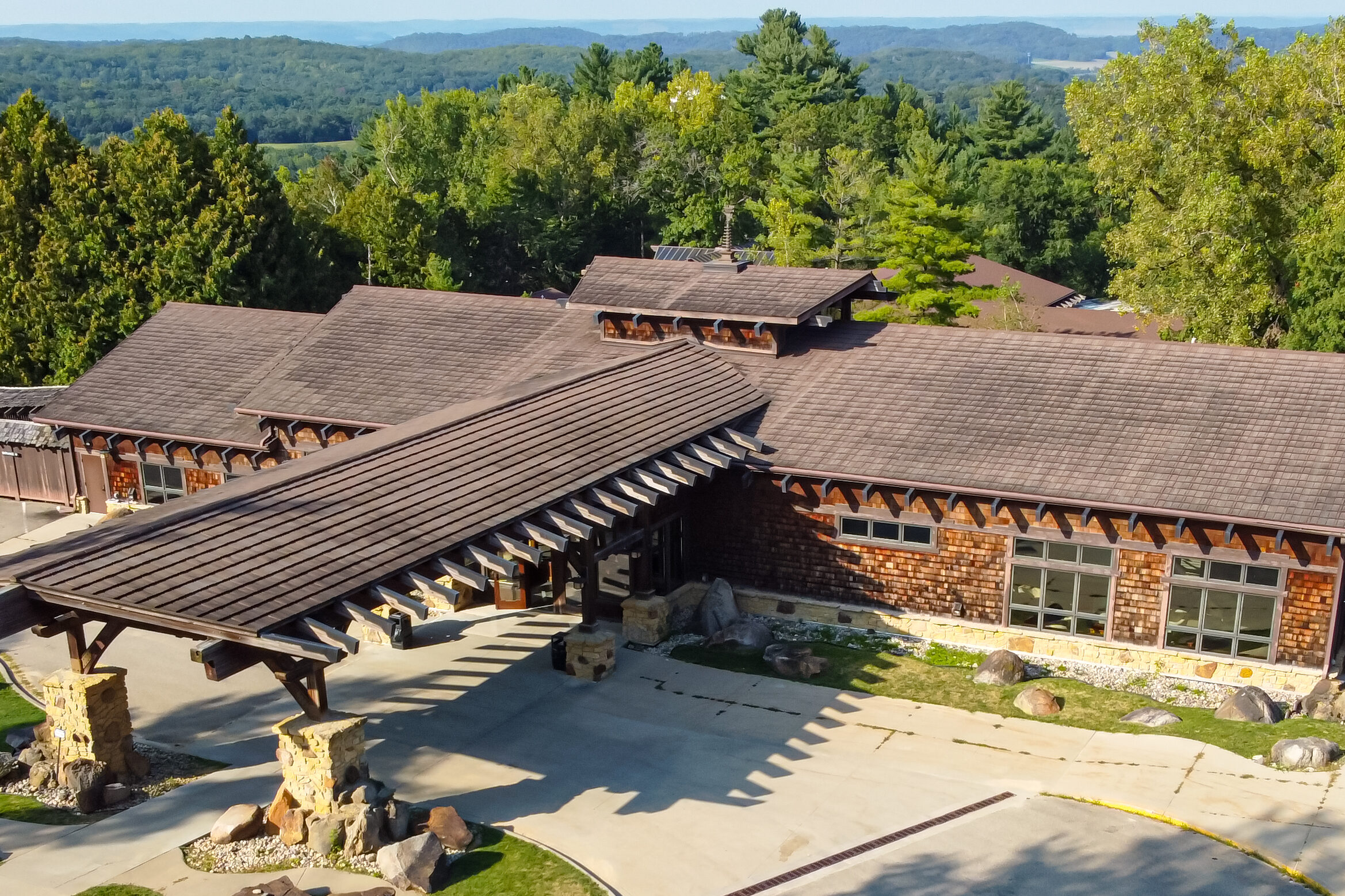
The House on the Rock began as an unusual home built by Alex Jordan Jr. in the 1940s. Over time it expanded into a sprawling maze of rooms, exhibits, and collections that seem almost impossible to describe. Visitors wander through endless halls filled with automated music machines, elaborate model scenes, and enormous chandeliers.
One of the most famous features is the Infinity Room, a narrow glass corridor that stretches hundreds of feet out over the valley. Standing inside it feels like walking out into empty space. The attraction kept growing year after year as new displays were added. By the time many visitors left, they felt like they had explored a dreamlike museum that never quite ended.
11. Foamhenge (Natural Bridge, Virginia)
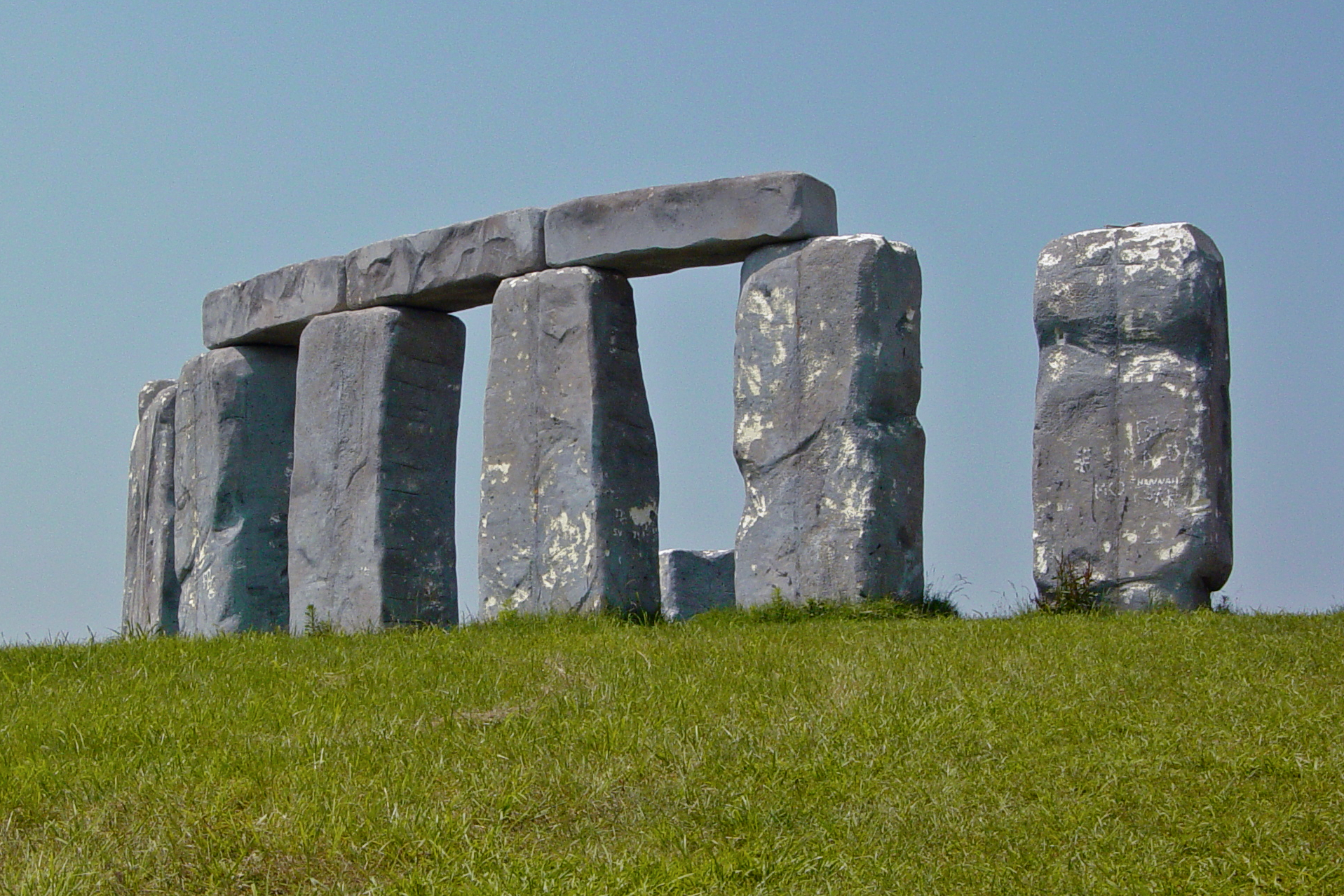
Foamhenge was a playful recreation of Stonehenge built entirely from giant blocks of painted foam. Artist Mark Cline constructed it in 2004 as a humorous tribute to the original monument in England. From a distance it looked surprisingly convincing, though the materials were far lighter.
Travelers loved the idea that they could walk right up to the “stones” without worrying about ancient preservation rules. Families posed for photos pretending to push the giant blocks over. The attraction gained a reputation as one of the quirkiest stops along Virginia’s scenic roads. Even though it started as a joke, it quickly became a beloved roadside landmark.
12. The Enchanted Highway (Regent, North Dakota)
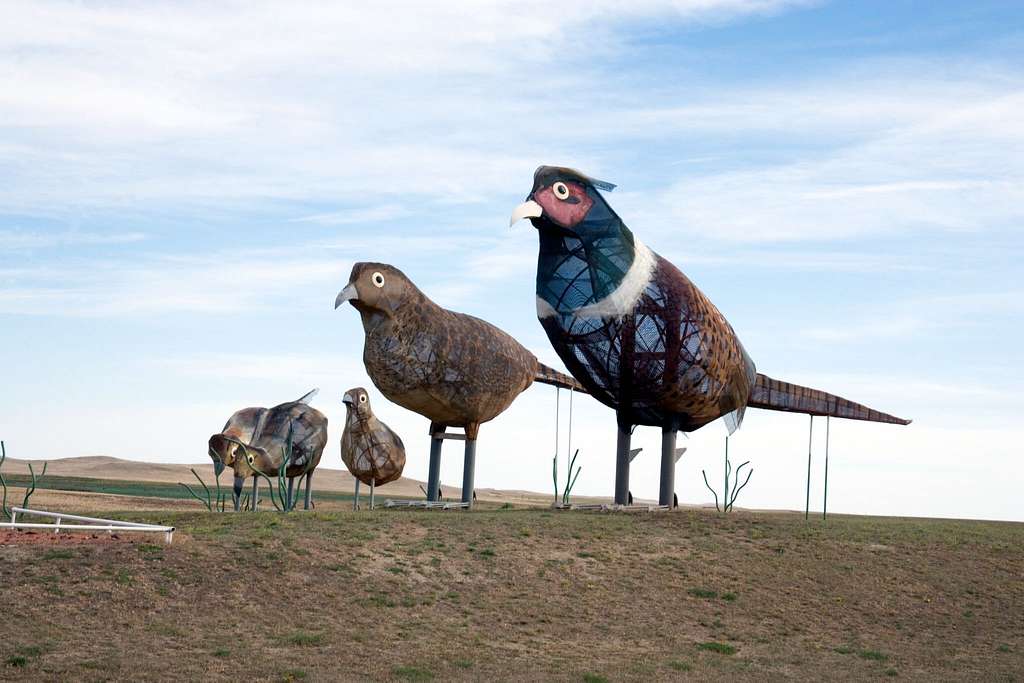
The Enchanted Highway is not a single attraction but a stretch of road filled with enormous metal sculptures. Beginning in the early 1990s, artist Gary Greff began installing massive works along a 32 mile highway in North Dakota. Each sculpture has its own theme, ranging from giant grasshoppers to a towering flock of geese.
Drivers often slow down just to take in the scale of the artwork. Some sculptures stand several stories tall and stretch across entire fields. The project was designed to draw travelers into the small town of Regent, which had been losing population for years. Over time the highway became a destination in its own right.
13. The World’s Largest Ball of Twine (Cawker City, Kansas)
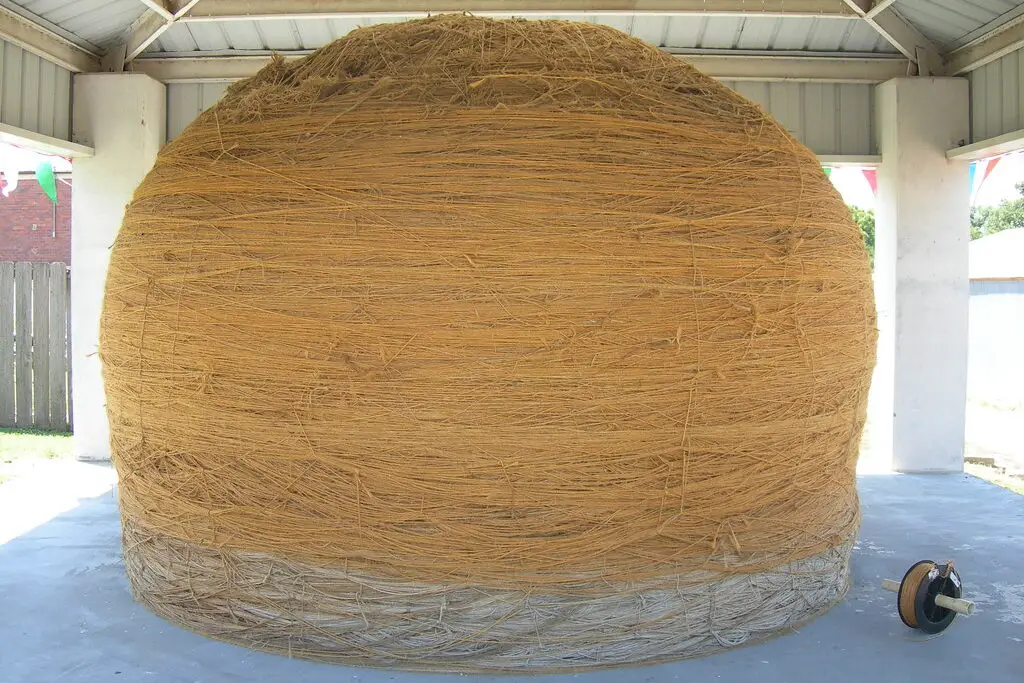
The idea sounds simple, someone began rolling a ball of twine and just kept adding to it year after year. In Cawker City, Kansas, that simple idea turned into a massive roadside attraction that continues to grow. The twine ball was started by farmer Frank Stoeber in 1953 and eventually became a community project.
Today the enormous ball sits in a small park where visitors can see just how large it has become. Locals host an annual “Twine-a-thon” where people add even more twine to the growing mass. Travelers stop by out of curiosity, often surprised at the sheer size of it. It remains one of the most famous examples of the classic “world’s largest” roadside gimmick.
14. The International Banana Museum (Mecca, California)
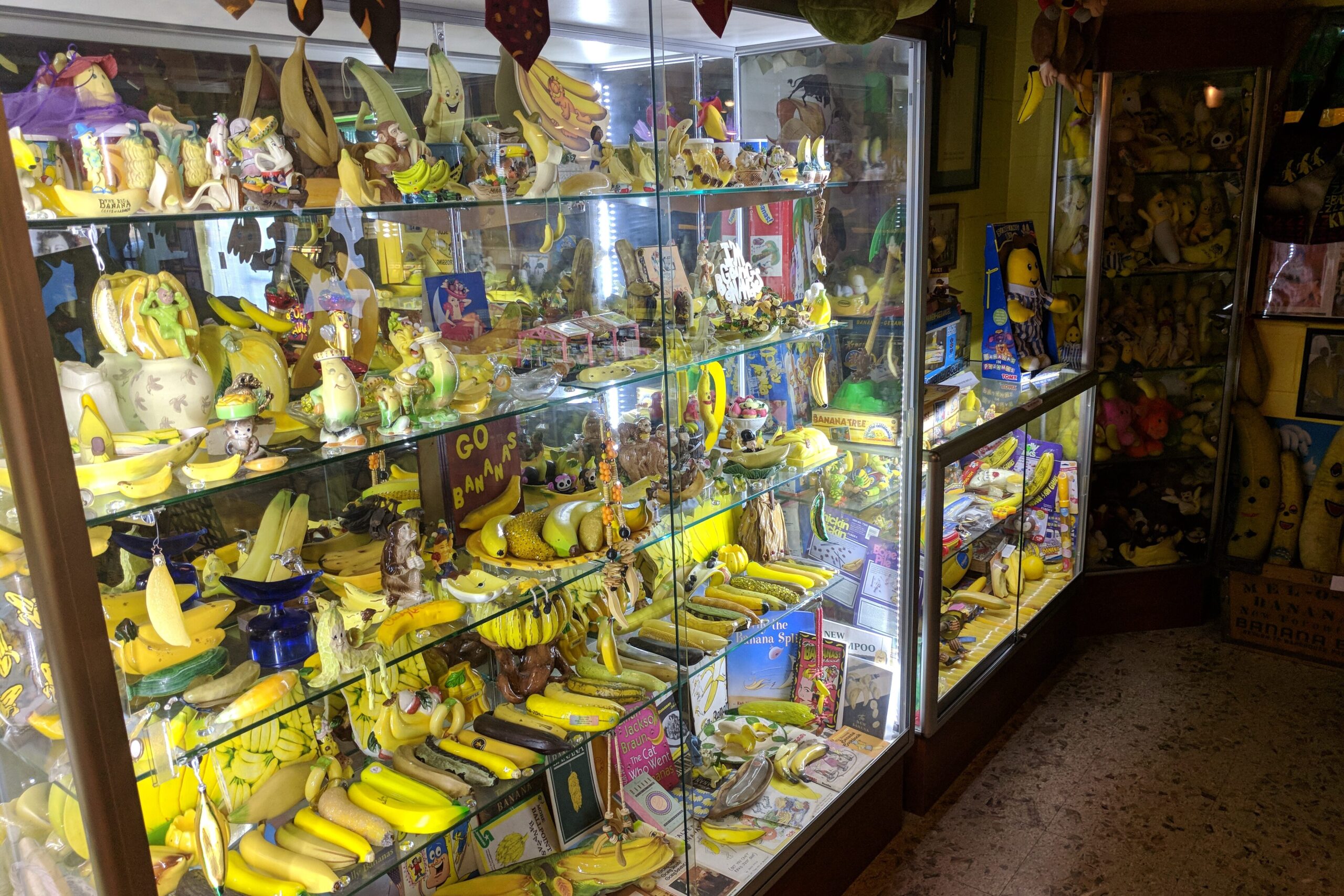
The International Banana Museum is exactly what it sounds like, a museum dedicated entirely to bananas. It holds thousands of banana themed items, including toys, posters, kitchen tools, and even banana shaped telephones. The collection began as a private hobby that eventually expanded into a public attraction.
Visitors browse shelves packed with bright yellow memorabilia from every decade imaginable. There are banana records, banana board games, and even banana flavored treats available at the snack counter. The place has a cheerful, slightly absurd atmosphere that makes people laugh as soon as they walk in. For road trippers passing through California’s desert, it’s the kind of stop that turns a routine drive into a memorable story.