
1. When Your Knee Aches, Rain Is Coming

People used to joke that their joints could predict the weather, but there’s actually some truth behind it. As barometric pressure drops before a storm, tissues in the body can expand, which makes old injuries or sensitive joints feel stiff or achy. It’s not exactly a crystal ball, but plenty of people swear they can tell when rain is on the way just by how their knees feel. Scientists have studied it for years, and while not everyone experiences it, many do. It’s one of those little moments where folklore and physiology unexpectedly meet. And honestly, listening to your joints isn’t the worst forecasting method out there.
It’s funny how this tale went from being teased as a grandma thing to something doctors have acknowledged as pretty plausible. While it can’t replace your weather app, it does make you pay a little more attention to what your body is saying. Some people even track their symptoms to see how accurate their internal weather system is. You might find that your own aches line up with changes in pressure more than you realized. It gives “I feel it in my bones” a whole new level of credibility. Oddly enough, nature has been dropping clues inside us all along.
2. Eating Garlic Keeps You Healthy
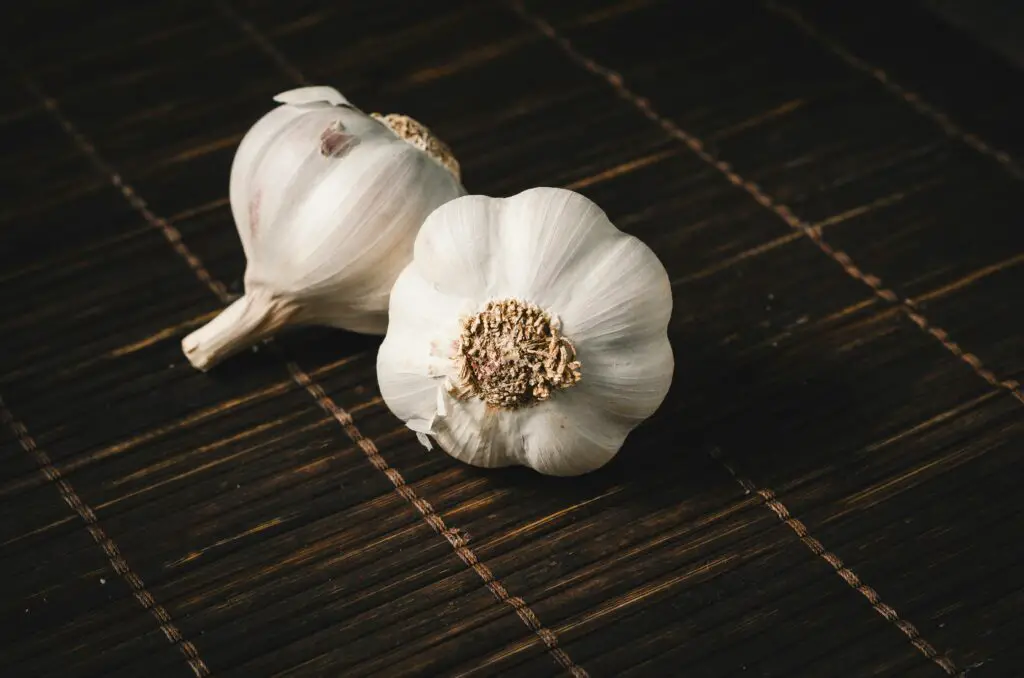
Garlic has long been credited with warding off everything from vampires to illnesses, and while one of those is questionable, the health part isn’t. Garlic contains compounds that help the immune system fight germs, especially allicin, which forms when you crush or chop it. People relied on garlic for centuries to keep colds at bay, and science later confirmed they weren’t too far off. It’s even shown to have antibacterial and antiviral properties, which is pretty impressive for something you toss into pasta sauce. It won’t make you invincible, but it definitely gives your body a little boost.
Modern cooks use garlic for flavor, but old healers used it because they knew it worked. It won’t cure everything, but adding it to meals can support your immune health in a surprisingly simple way. Some people take garlic supplements now, which feels like proof that old remedies still have a place today. Even so, fresh cloves tend to pack the biggest punch. It’s a small ingredient with a long history of keeping people well. And as it turns out, grandma’s garlic soup wasn’t just comfort food, it was science in disguise.
3. Chicken Soup Really Does Help

Chicken soup has always been the universal comfort food for anyone with a cold, and it turns out it’s not just emotional. The warm broth helps with congestion, and the ingredients provide hydration when you need it most. Some studies have even found it has mild anti-inflammatory effects, which can ease symptoms a bit. It’s not a cure, but it does make you feel better in ways that go beyond nostalgia. There’s a reason your parents practically forced a bowl into your hands when you sniffled.
What’s funny is that science eventually backed up what generations already practiced. The steam helps open your airways, and the salt and nutrients can help restore balance when you’re run-down. It’s also comforting, which does wonders for your mood when you’re stuck in bed. People have tried to recreate the magic in canned versions, but homemade seems to have that extra something. Whether it’s love or just good ingredients, the effect is noticeable. So yes, chicken soup isn’t just tradition, it’s a time-tested remedy.
4. Honey Soothes a Sore Throat
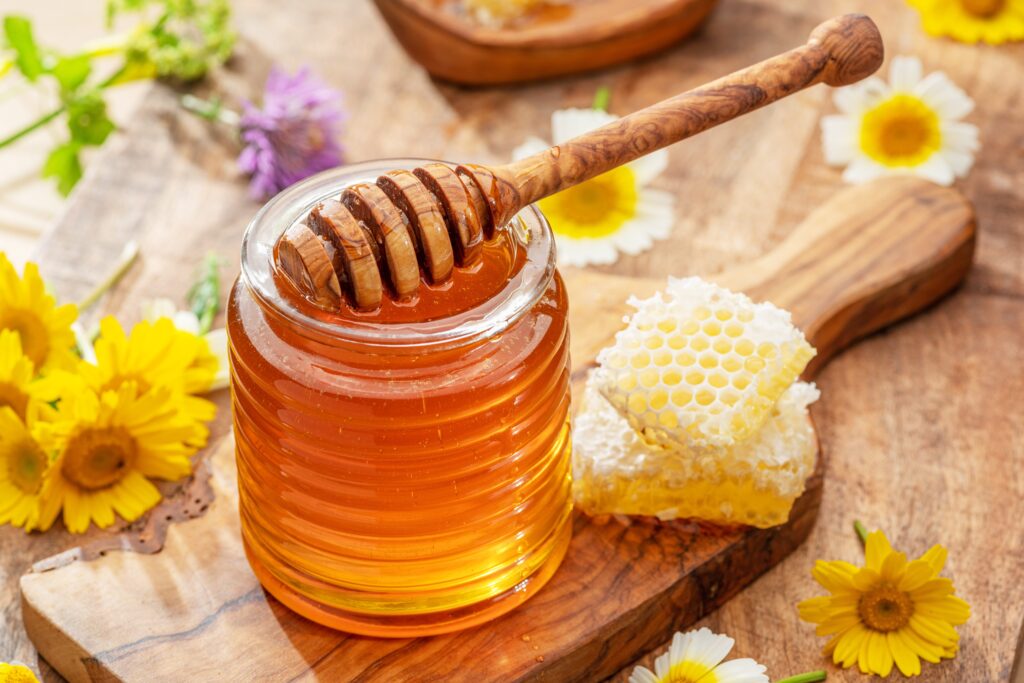
Honey has been used for thousands of years to help calm scratchy throats, and researchers later confirmed it actually works. Its thick texture coats the throat, helping reduce irritation while also offering mild antibacterial properties. It’s especially helpful before bed, since it can quiet a cough and help you sleep better. Many cultures had their own honey remedies, from warm tea mixtures to herbal blends. The fact that it’s natural makes it even more appealing. And unlike some medications, kids often like the taste.
Doctors now recommend honey as a simple and safe home remedy for certain types of coughs, which feels like a big win for old-fashioned wisdom. People mix it with lemon, ginger or warm water for extra relief. It’s also a staple for anyone who likes natural remedies because it’s gentle and effective. Of course, you shouldn’t give it to babies under one, but for older kids and adults, it can work wonders. It’s proof that sometimes the simplest solutions are the best ones. And nothing beats that warm, soothing feeling after a spoonful.
5. Ice Really Helps Reduce Swelling
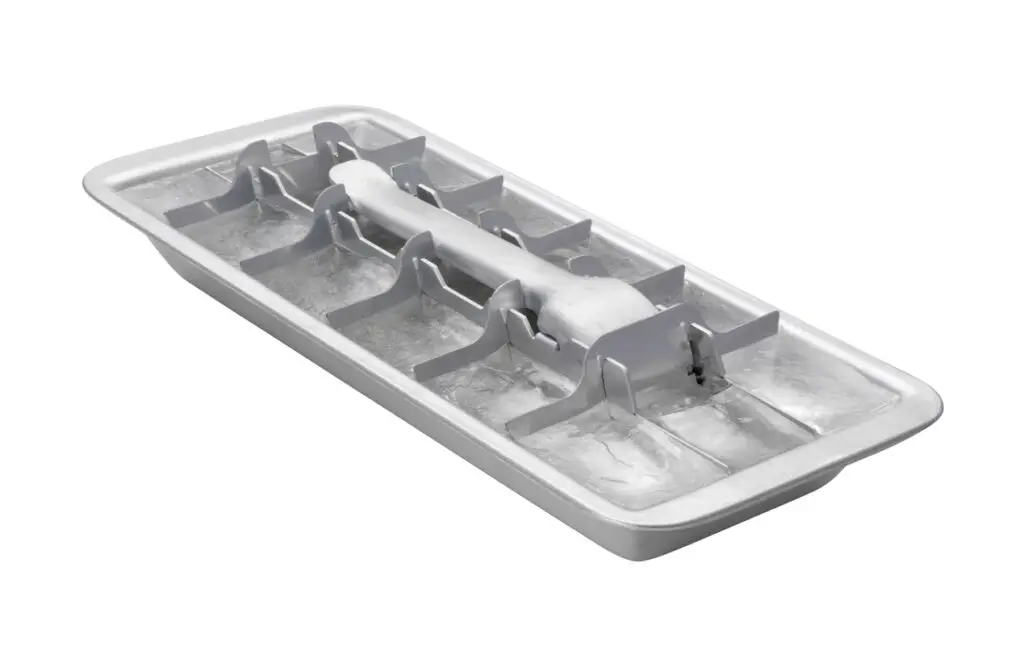
Generations have sworn by icing injuries, and while it feels like common sense now, it started as an old wives’ tale for everyday sprains and bumps. Cold constricts blood vessels, which slows swelling and numbs the pain. People used to grab a bag of frozen vegetables long before ice packs were a thing. Science validated the approach, making icing a standard recommendation in first aid. It’s one of those rare remedies that passed from folk wisdom right into medicine without much pushback.
Athletes and doctors now use cold therapy for everything from twisted ankles to pulled muscles. It isn’t a cure-all, but it’s incredibly effective in those early moments after an injury. Some people alternate hot and cold, but ice alone can still make a huge difference. The key is not overdoing it, since too much cold can irritate the skin. Even so, it’s amazing how something as simple as ice can help the body heal. It’s a perfect example of everyday wisdom standing the test of time.
6. Ginger Settles Your Stomach
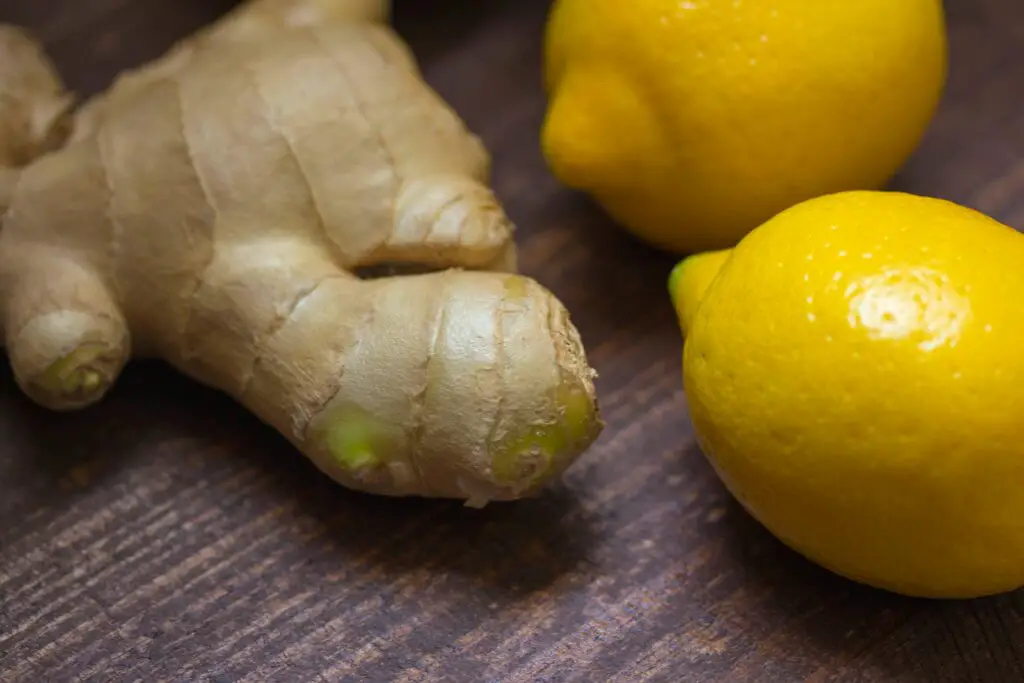
If your grandmother ever gave you ginger tea or ginger ale when you were queasy, she was onto something. Ginger contains compounds that help with nausea and digestion, making it a trusted remedy across cultures. It’s been used for centuries to ease morning sickness, motion sickness and digestive upset. Modern medicine eventually agreed, recommending ginger as a natural option in many cases. It’s one of those rare old remedies that’s still used exactly the same way today.
Ginger candies, teas and capsules are everywhere now, and people rely on them regularly. It doesn’t fix every stomach issue, but it can make a surprising difference when things feel off. Some people even cook with more ginger when they’re feeling run-down. It’s refreshing to see a traditional remedy hold its ground in a world full of modern medicine. And the next time someone offers you ginger tea when you’re nauseous, you’ll know it’s more than just kindness, it’s science-backed comfort.
7. An Apple a Day Actually Does Help
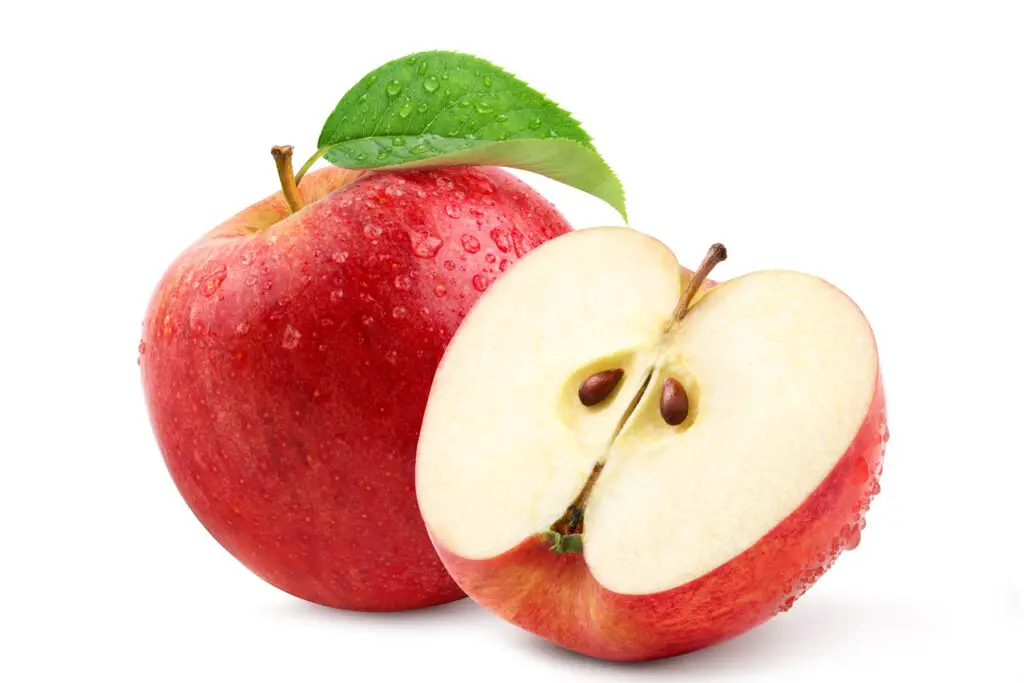
The old saying claiming an apple a day keeps the doctor away always sounded too cute to be true, but it has some real merit. Apples are packed with fiber and antioxidants, which support digestion and overall health. They’re also filling, making them a healthy snack that doesn’t feel like a chore to eat. People have leaned on them for centuries because they were easy to store and grow. Science eventually caught up, confirming they can help support heart health and reduce certain risks.
Of course, apples alone won’t guarantee perfect health, but they make a meaningful difference as part of a balanced diet. They also encourage people to eat more fruit, which is always a plus. Many doctors still recommend them as a simple way to improve nutrition. And with so many varieties, it’s hard to get bored. Whether you slice them, bake them or eat them whole, they offer benefits that go way beyond the old saying. Turns out, the rhyme wasn’t so silly after all.
8. Grandma’s “Walk It Off” Advice Sometimes Works

We’ve all heard the line about walking off a minor pain or worry, and while it’s not universal, movement really does help more than you’d think. Gentle walking increases blood flow and can ease stiff muscles or mild aches. It also boosts your mood, which is great when stress or anxiety is part of the problem. Old wives’ tales didn’t always distinguish between injury types, but they knew that staying still often made things worse. Science now shows that moderate movement can help recovery in many cases.
It doesn’t apply to serious injuries, of course, but for everyday discomfort, it can be surprisingly effective. Even doctors often recommend light activity instead of total rest. People who take short walks throughout the day often feel better both mentally and physically. It’s a good reminder that sometimes the simplest choices make a big difference. So when someone tells you to walk it off, they might actually be pointing you toward a solid solution. Just maybe skip the advice if there’s anything seriously wrong.
9. Peppermint Helps With Headaches
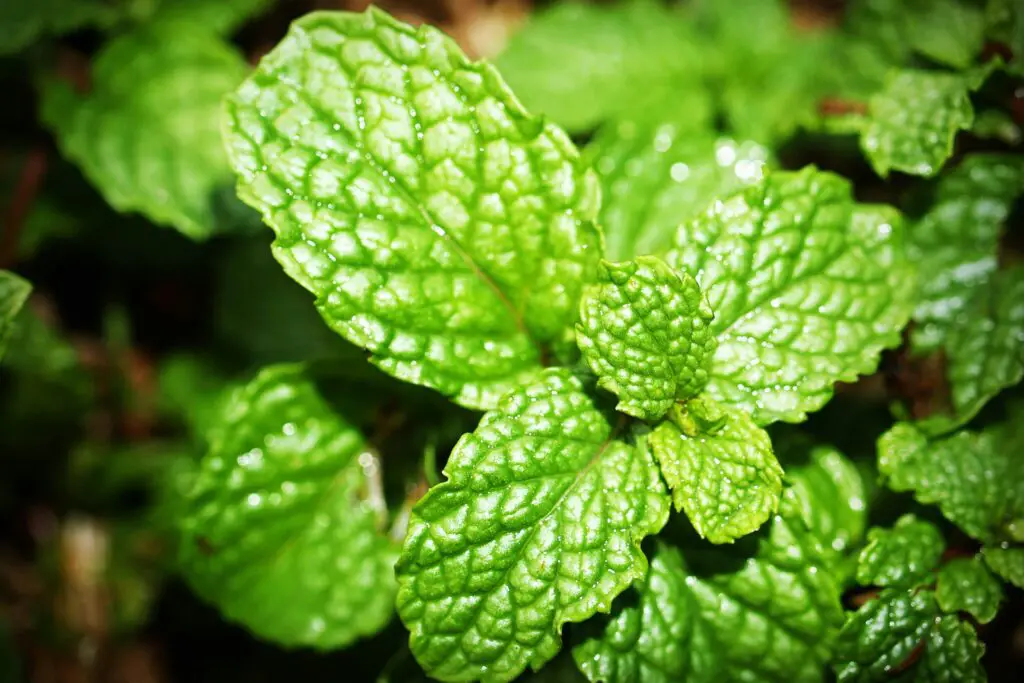
Peppermint has long been used to help soothe headaches, and it turns out it wasn’t just wishful thinking. Peppermint oil contains menthol, which can relax muscles and improve blood flow. When applied to the temples or inhaled in small amounts, it can help ease tension headaches. People once relied on homemade balms or mint leaves, not knowing why it worked, only that it did. Science eventually came in to explain the mechanism behind the relief.
Many people now carry peppermint rollers or essential oils as a natural remedy. It doesn’t replace medication for severe headaches, but it can be helpful for mild to moderate ones. Some people even drink peppermint tea to relax tight muscles. It’s a gentle option for people who prefer non-medication approaches when possible. The fact that it traces back to such a simple tradition makes it even better. And for many, that cool, refreshing sensation provides exactly the kind of comfort they need.
10. Vinegar Can Soothe Bug Bites

Using vinegar on bug bites sounds like a strange leap of faith, but it’s actually grounded in how acidity helps reduce irritation. Vinegar can neutralize some of the itching by balancing skin pH, and its mild antimicrobial properties offer a bonus. People used whatever they had in the kitchen, and vinegar was cheap and accessible. Even though it seems odd, a dab of it can genuinely help take the sting out of a bite. It’s not perfect, but it’s better than suffering through the itch.
Today, some people still turn to vinegar when they need quick relief. It’s especially handy when you’re outdoors and don’t have anti-itch cream nearby. Just a small amount on a cotton ball can make a surprising difference. The smell isn’t for everyone, but many swear it’s worth it. It’s one of those low-tech solutions that hasn’t disappeared, even with modern products on the shelves. And it proves that the old ways sometimes stick around for a reason.
11. Warm Milk Helps You Sleep

Drinking warm milk before bed has been a cozy tradition for generations, and scientists later offered a reason why it might work. Milk contains tryptophan, which plays a role in creating serotonin and melatonin. The warmth also has a soothing psychological effect, helping you unwind at the end of the day. People have used this ritual for ages because it felt comforting and effective. Even if part of the effect is placebo, the results still help.
Some people prefer non-dairy milk warmed up the same way, finding the routine alone relaxing. It’s less about the temperature and more about signaling to your brain that it’s time to slow down. Practicing this small habit can help set a nighttime rhythm that your body responds to. It’s a reminder that sleep isn’t just about shutting off the lights, but also easing into the moment. And while science doesn’t say it’s a miracle cure, it does back up the idea that it can help. Sometimes comfort and chemistry work together beautifully.
12. Lavender Helps Reduce Stress
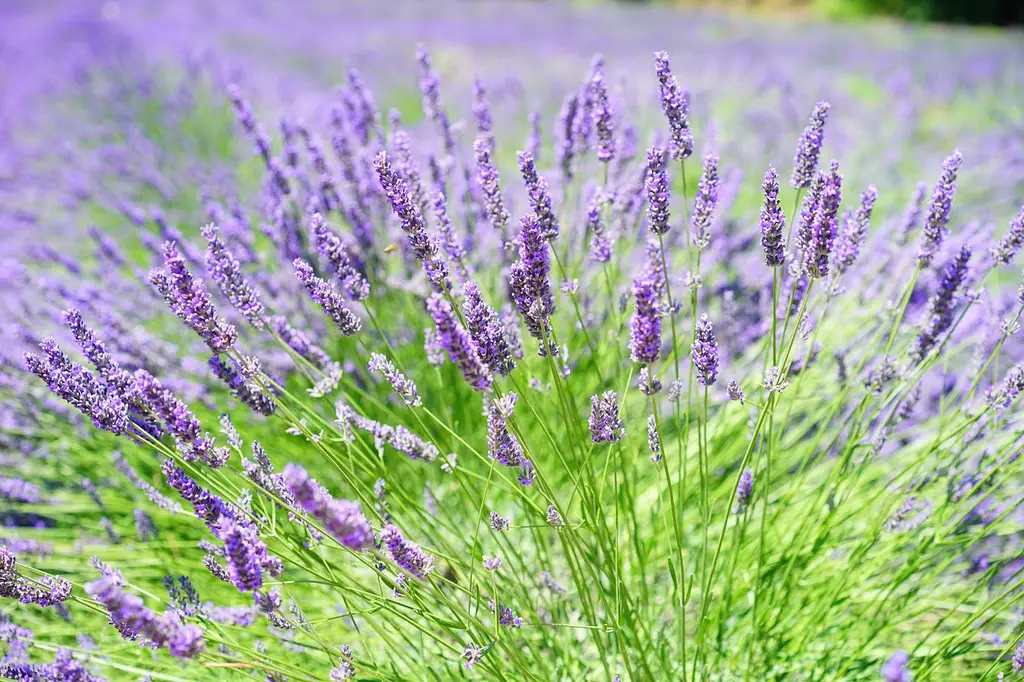
People have used lavender for centuries to calm nerves and promote relaxation, and research later confirmed it really does have stress-reducing properties. The scent interacts with receptors in the brain that help regulate anxiety. It doesn’t fix everything, but it can create a sense of calm that’s noticeable. Many old traditions included lavender in sachets, oils or baths for exactly this reason. The soothing aroma wasn’t just pleasant, it was doing more behind the scenes.
Now, lavender is a staple in aromatherapy and self-care routines. People use it in diffusers, lotions or pillow sprays to wind down. Some even keep dried lavender by their bedside. It’s amazing how a simple flower earned such a lasting reputation. And unlike many old remedies, this one is backed by modern research showing real relaxation effects. When stress builds up, lavender offers a gentle, fragrant nudge toward peace. It’s one of nature’s most calming gifts.
13. Cranberry Juice Helps Prevent Some UTIs

Long before cranberry juice became a grocery store staple, people used it as a folk remedy for urinary health. Later research showed that certain compounds in cranberries can help prevent bacteria from sticking to the urinary tract. It’s not a cure, but it can reduce the risk for some people. That’s a far cry from just being a tart drink, and it gives new respect to the old advice many brushed off. Sometimes the simplest ingredients have the biggest impact.
Many doctors now recommend cranberry products as part of UTI prevention for those who benefit from it. Not everyone responds the same, but when it works, it can be incredibly helpful. People prefer juice, capsules or dried cranberries depending on taste. It’s especially popular for those wanting a more natural approach. And while it won’t replace medical treatment when needed, it can be a good supportive habit. It’s one folk remedy that’s earned its place on the modern shelf.
14. Prunes Really Do Keep You Regular
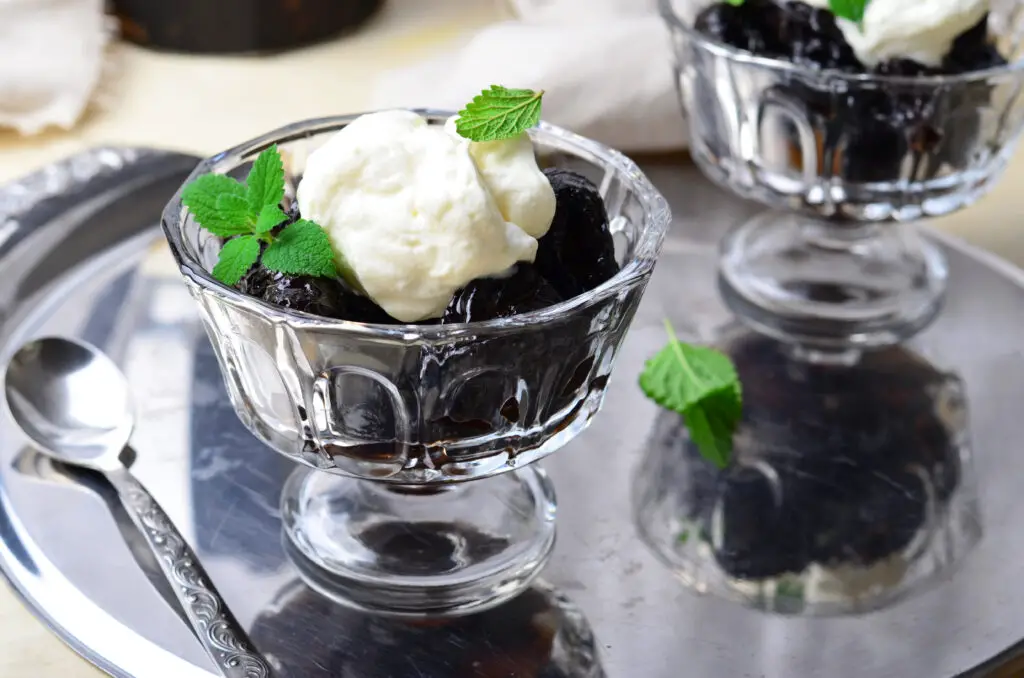
Prunes have always been the butt of jokes, but they earned their reputation honestly. They’re rich in fiber and sorbitol, a natural sugar alcohol with a mild laxative effect. People relied on prunes long before over-the-counter solutions existed because they genuinely worked. Science later confirmed just how effective they can be for digestion. Even a few prunes can help things move along more smoothly.
Today, prunes are still recommended for digestive health, and many people incorporate them into their diet for that reason. They’re also full of nutrients, which makes them a surprisingly powerful little fruit. Some prefer prune juice, while others just snack on them. Once you get past the jokes, they’re a tried-and-true remedy. And they show that sometimes the oldest solutions are the most reliable. It’s hard to argue with results that have held up for generations.
15. A Little Sunshine Boosts Your Mood
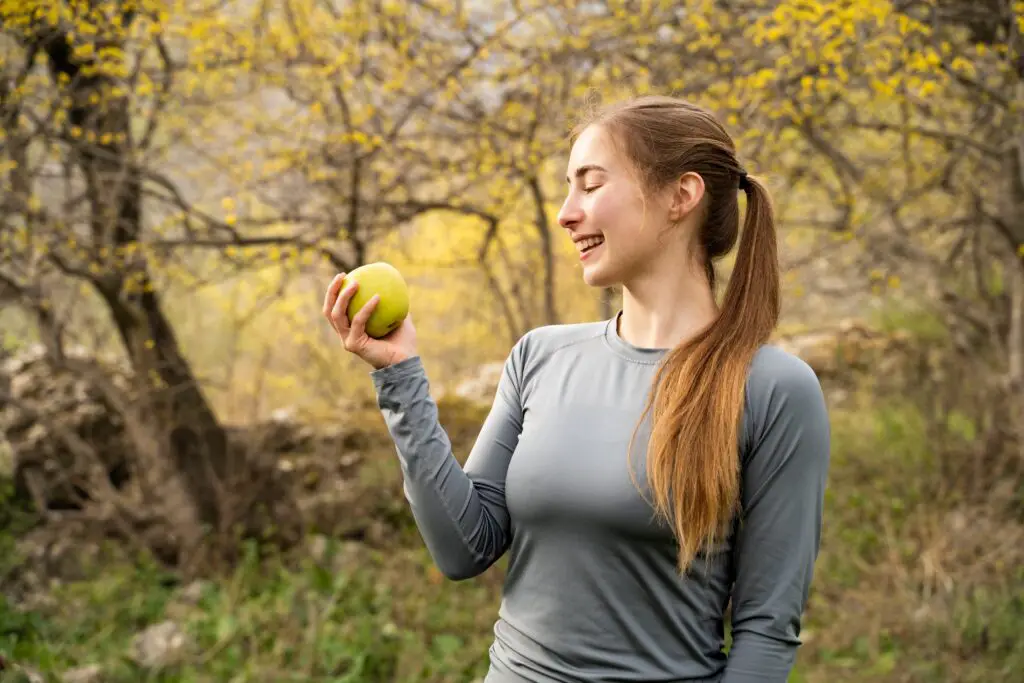
The old belief that sunshine lifts your spirits seemed poetic, but it turned out to be scientifically accurate. Sunlight helps your body produce vitamin D, which plays a role in mood regulation. It also supports healthy sleep cycles by reinforcing your internal clock. For generations, people noticed they felt better after spending time outdoors, even if they didn’t understand why. Science eventually gave the explanation, confirming what people already sensed.
These days, doctors often recommend outdoor time as part of managing mood and well-being. Even short walks in the sun can help you feel more grounded. It’s a gentle, natural way to give your mind a boost. Of course, sunscreen is still important to stay safe. But the idea that sunshine can brighten your day isn’t just a cute saying, it’s a real biological effect. Sometimes nature really knows what it’s doing.