
1. Shoes Hidden Inside Walls

For centuries, people have discovered old shoes tucked inside walls, chimneys, and under floorboards in historic homes across Europe and the United States. These aren’t just random losses either, they’re often single, well-worn shoes deliberately placed during construction or renovation. The practice dates back at least to the 16th century, and examples have been documented in England, New England, and beyond. What makes it strange is how consistent the pattern is, with shoes frequently found near entry points like doors or fireplaces.
Historians believe they may have been used as protective charms, meant to ward off evil spirits or bad luck entering the home. However, there is no single written explanation from the time confirming this theory. The meaning has been pieced together from folklore and repeated discoveries rather than direct evidence. So while the pattern is well documented, the exact reasoning remains uncertain. It leaves you wondering what the original homeowner thought they were protecting against.
2. Witch Bottles Buried Beneath Floors

Witch bottles are one of the more unsettling discoveries people report when renovating older homes. These sealed glass or ceramic bottles are often found buried under hearths or hidden beneath floorboards. Inside, they typically contain a mix of nails, pins, hair, and sometimes dried urine. Archaeologists have confirmed that these objects date back to at least the 17th century.
They are widely believed to have been used in folk magic as a way to trap or repel harmful forces, particularly witchcraft. The idea was that the bottle would “capture” negative energy directed at the household. While historical records describe their use, there’s still no definitive explanation for why certain homes have them while others do not. It suggests a personal belief system rather than a widespread standard practice. That randomness is part of what makes the finds feel so eerie.
3. Newspapers Stuffed Inside Walls

People restoring older houses often stumble across bundles of newspapers hidden behind plaster or insulation. At first glance, it seems like careless construction debris left behind by workers. But in many cases, the newspapers are carefully folded and deliberately placed in specific areas. Some date back over a century and are remarkably well preserved.
One practical theory is that they were used as insulation or soundproofing before modern materials were available. Another possibility is that they were used to mark the date of construction or renovation, almost like a time capsule. Still, not every discovery fits neatly into those explanations. Some are placed in ways that serve no clear structural purpose. That inconsistency keeps the true intention open to interpretation.
4. Old Photographs Hidden Behind Walls

Renovation stories sometimes include the discovery of personal photographs hidden behind walls or under floorboards. These images can range from family portraits to candid snapshots, often without any labels or identifying information. In many cases, they appear intentionally placed rather than accidentally dropped. That’s what makes them feel more mysterious than just lost belongings.
There’s no clear consensus on why people hid them. Some speculate they were meant as keepsakes for future generations, while others think they may have had sentimental or even superstitious significance. Without written context, it’s impossible to confirm the intent. Occasionally, families have been able to trace the photos back to former residents, but that still doesn’t explain why they were hidden. The emotional weight of these finds often makes them feel more personal than practical.
5. Coins Sealed Into Foundations
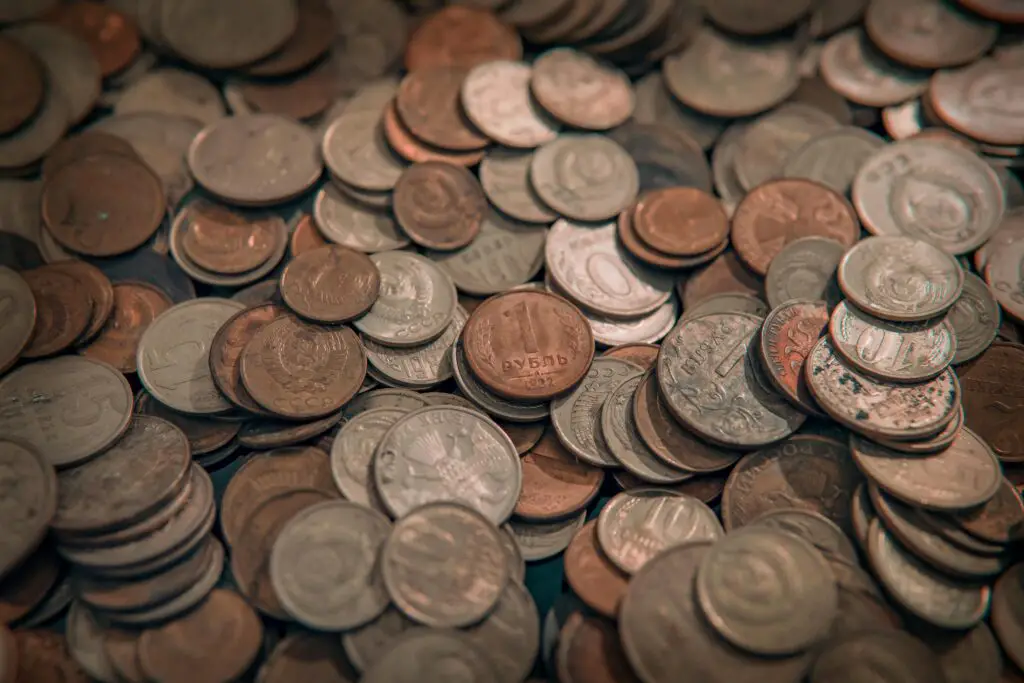
Coins embedded in walls, foundations, or beneath floorboards show up in homes built across multiple centuries. These coins are often from the time the house was constructed, suggesting they were placed there intentionally. In some cases, they’re tucked into cornerstones or hidden beneath thresholds. The placement is usually deliberate enough that it rules out accidental loss.
There is a long-standing tradition of placing coins in buildings as a symbol of good luck or prosperity. However, not every discovery aligns with known rituals or customs. Some coins are placed in unusual or inconsistent locations that don’t match common practices. This makes it difficult to say whether all such finds had the same meaning. The act may have been symbolic, but the specifics remain unclear.
6. Writing Scribbled Inside Walls

When walls are opened during renovations, it’s not uncommon to find writing left behind by previous occupants or builders. These messages can include names, dates, jokes, or even short notes about daily life. Some are clearly signed, while others are cryptic or incomplete. The handwriting itself often becomes part of the intrigue.
In many cases, these markings seem to be informal time capsules, a way for someone to leave a trace of themselves behind. But not all of them are easy to interpret. Some include strange phrases or symbols with no obvious meaning. Without context, it’s difficult to determine whether they were meant to be humorous, serious, or symbolic. The result is a small glimpse into the past that raises more questions than answers.
7. Animal Bones Hidden in Chimneys
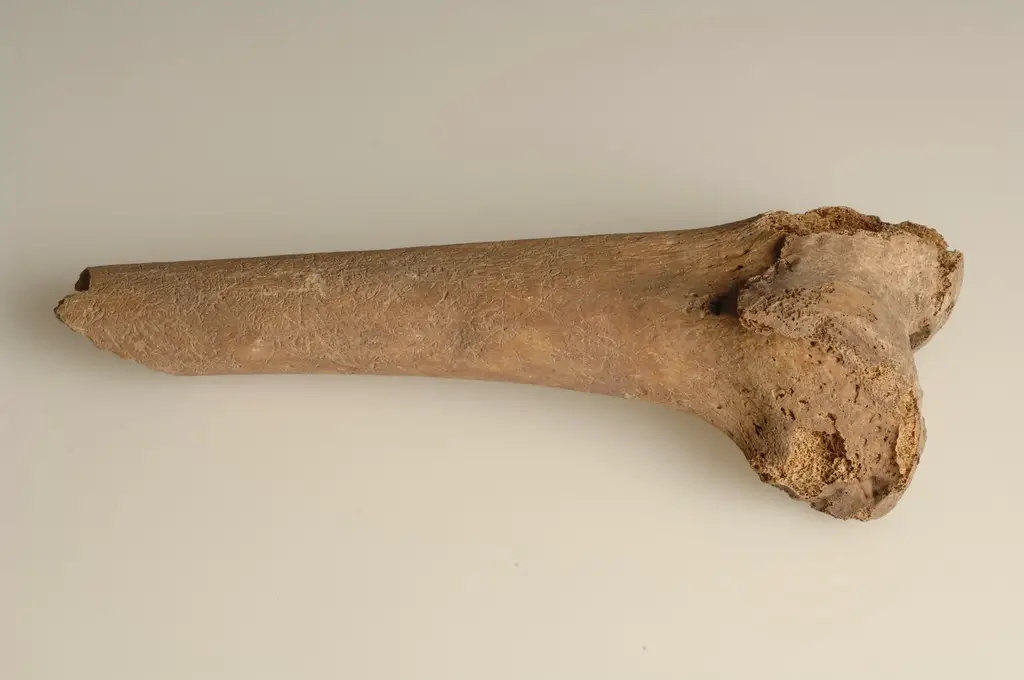
Discovering animal bones inside a chimney is not as rare as it sounds, especially in older homes. Birds and small animals can fall in and become trapped, which explains some cases. But there are instances where the bones appear deliberately placed or arranged. That’s where the explanation becomes less straightforward.
Some researchers suggest that animal remains may have been used in protective rituals, similar to witch bottles. Others argue that many of these finds are simply the result of natural causes over time. The challenge is that both explanations can apply depending on the situation. Without clear evidence, it’s often impossible to determine intent. That ambiguity keeps the mystery alive.
8. Dolls Hidden in Walls

People occasionally report finding old dolls hidden inside walls or attics, often in surprisingly good condition. These aren’t always broken or discarded toys either, many appear carefully placed. The unsettling part is their positioning, sometimes facing outward as if meant to be seen. It’s the kind of discovery that immediately raises questions.
There’s no single explanation for why dolls were hidden this way. Some theories suggest they were used as protective figures or charms, while others believe they were simply stored and forgotten. The lack of consistent documentation makes it difficult to confirm either idea. In some cultures, dolls have been associated with warding off evil, but that doesn’t explain every case. The result is a pattern that feels intentional but not fully understood.
9. Glass Bottles Filled With Unknown Liquids

Beyond witch bottles, some homeowners have discovered sealed glass bottles containing unidentified liquids hidden within walls. These liquids can appear discolored or layered, suggesting they’ve been sitting undisturbed for decades. Unlike documented witch bottles, these don’t always contain obvious objects like nails or hair. That makes them harder to categorize.
There’s no confirmed explanation for many of these finds. Some may be homemade remedies or experimental mixtures stored away and forgotten. Others could be related to older traditions that were never widely recorded. Without testing or documentation, their purpose often remains unknown. It’s one of those discoveries that feels significant but resists easy answers.
10. Hidden Rooms With No Clear Purpose
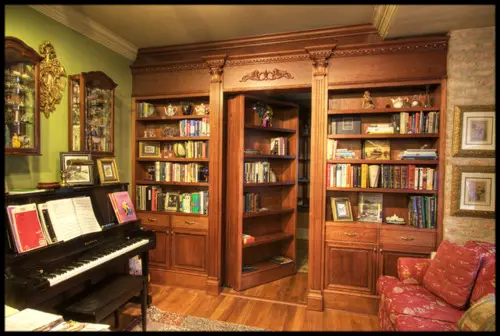
Occasionally, renovations uncover small hidden rooms or compartments that don’t seem to serve a practical function. These spaces can be too small to live in and too oddly placed to be simple storage areas. Some are sealed off entirely, with no obvious entrance until a wall is opened. Their existence raises immediate questions about why they were built.
There are logical explanations in some cases, such as hiding valuables or creating private storage. However, not every hidden room fits those scenarios. Some lack ventilation, access, or any signs of use. That makes it difficult to determine their original purpose. The absence of clear evidence leaves their function open to speculation.
11. Children’s Toys Buried Under Floorboards
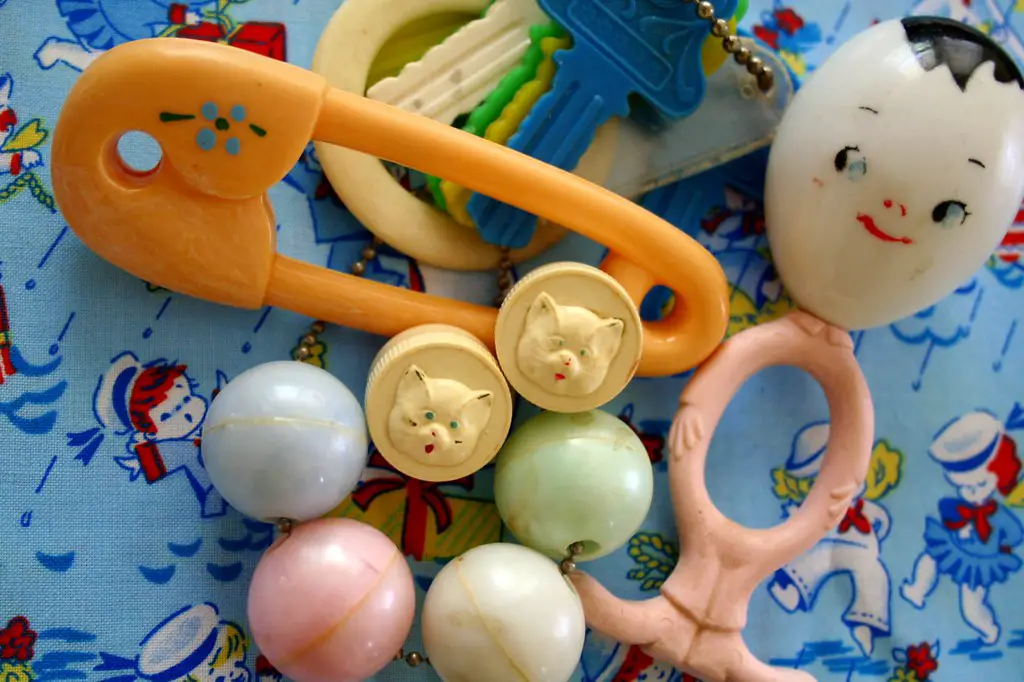
Old toys found beneath floorboards often look like they were placed there intentionally rather than dropped. These can include marbles, small figurines, or handmade items. Many are found in clusters, suggesting they were gathered and hidden at the same time. The careful placement makes them stand out from typical lost objects.
One theory is that children themselves hid them, either as a game or to keep them safe. Another possibility is that adults placed them there for sentimental or symbolic reasons. There is no definitive documentation explaining the practice. In some cases, the toys date back generations, adding to the mystery. It creates a quiet reminder of lives once lived in the space.
12. Locked Boxes With No Keys
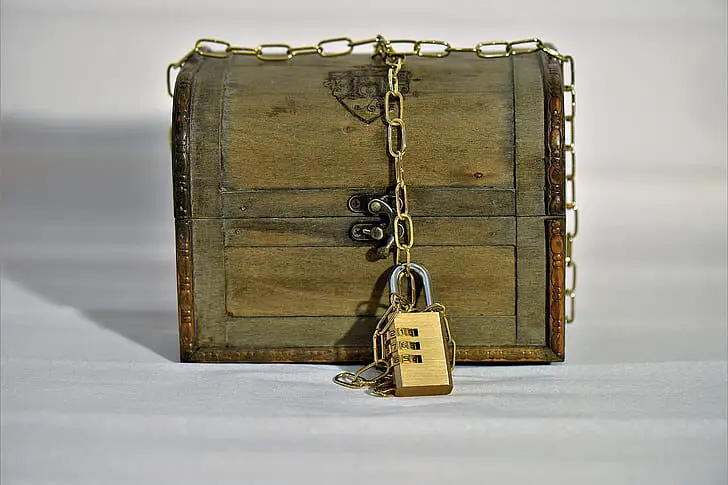
Perhaps one of the most frustrating discoveries is a locked box hidden within a wall or attic with no key in sight. These boxes are sometimes small and plain, while others are more decorative and clearly meant to hold something important. When opened, they may contain documents, photographs, or nothing at all. The mystery lies not just in what’s inside, but why it was hidden in the first place.
Without the original owner, it’s often impossible to know the full story behind these boxes. Some may have been hidden for security reasons, while others could have held deeply personal items. The absence of context leaves their purpose unresolved. Even when the contents are revealed, they don’t always provide clear answers. In many ways, the box itself remains the biggest mystery.