
1. The Milky Way Was Spilled Divine Milk
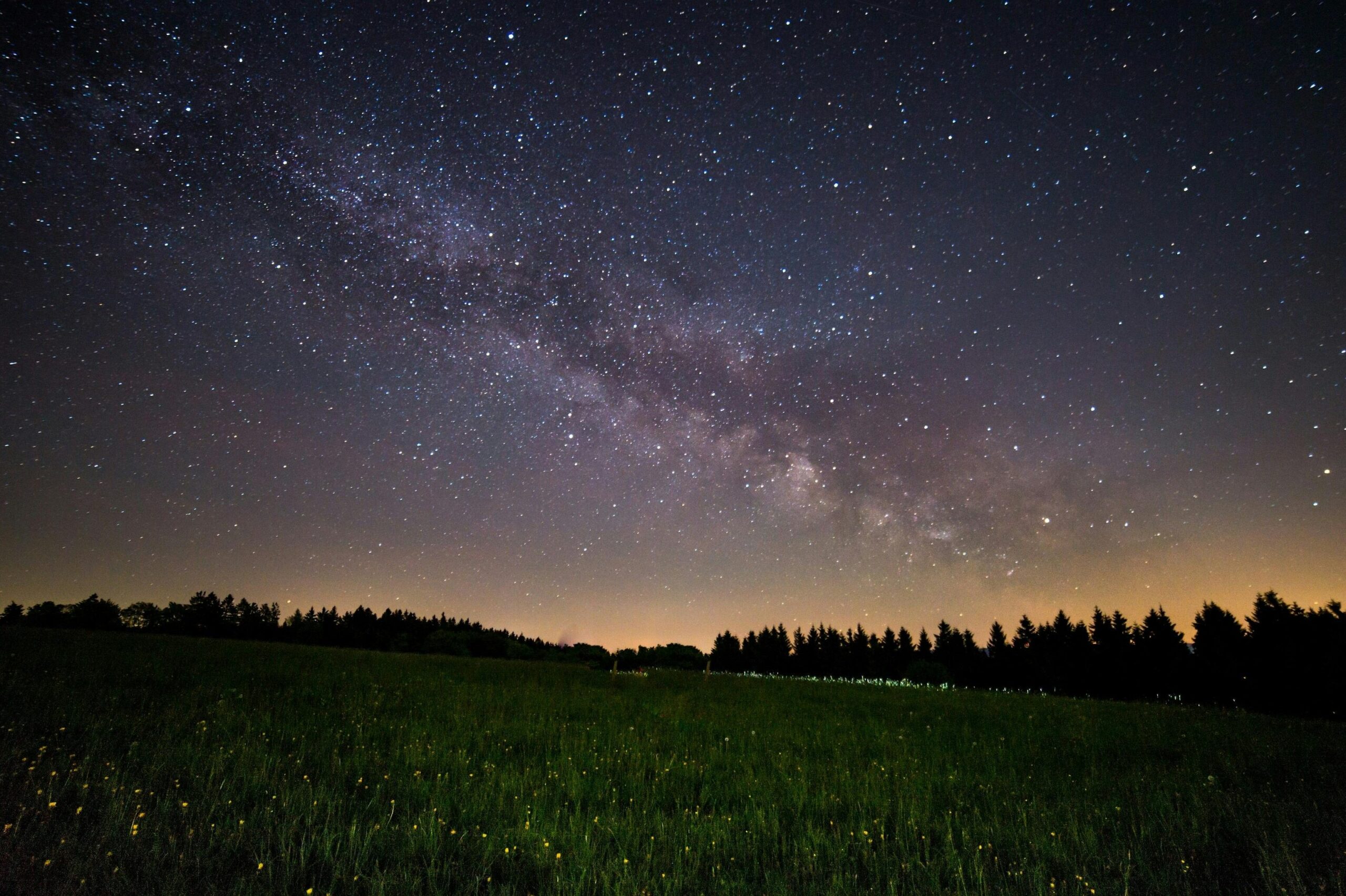
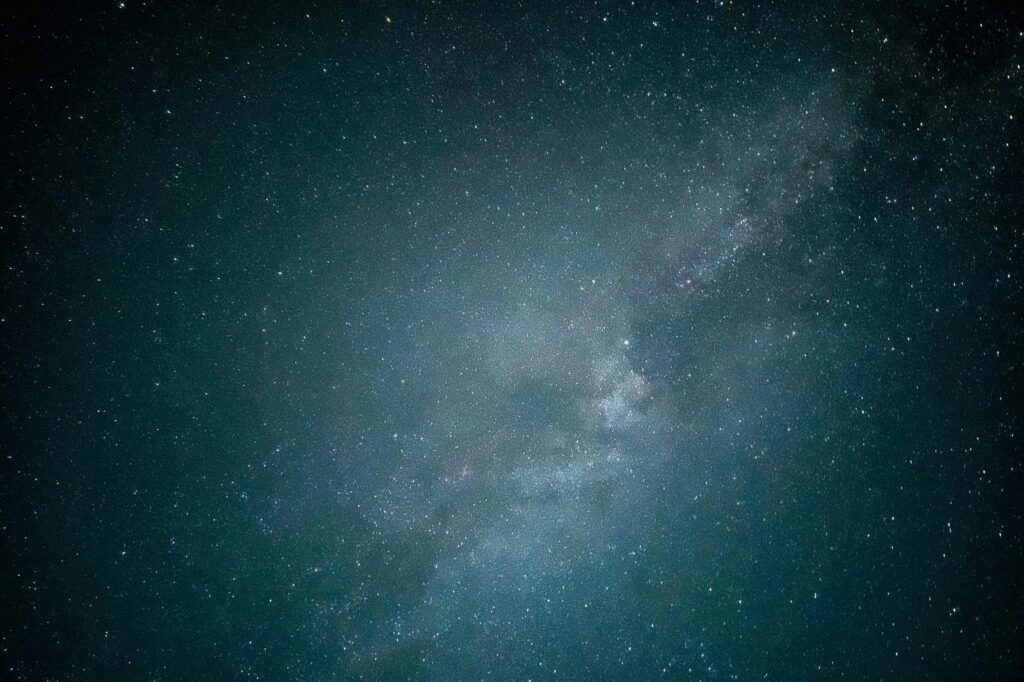
In ancient Greece, the Milky Way was said to have formed when the goddess Hera spilled her milk across the sky. The story connects to the infant Heracles, who was secretly nursed by Hera and then pushed away. The splash of divine milk supposedly froze into a glowing band of stars. Even the word “galaxy” comes from the Greek word for milk.
People looked up and felt they were literally seeing evidence of the gods’ domestic drama. It made the sky feel personal, almost like gossip written in light. Long before telescopes, this explanation helped make sense of that hazy stripe overhead. Today we know it is our own galaxy seen edge on, but the image of spilled starlight still sticks.
2. The Moon Holds a Rabbit, Not a Man
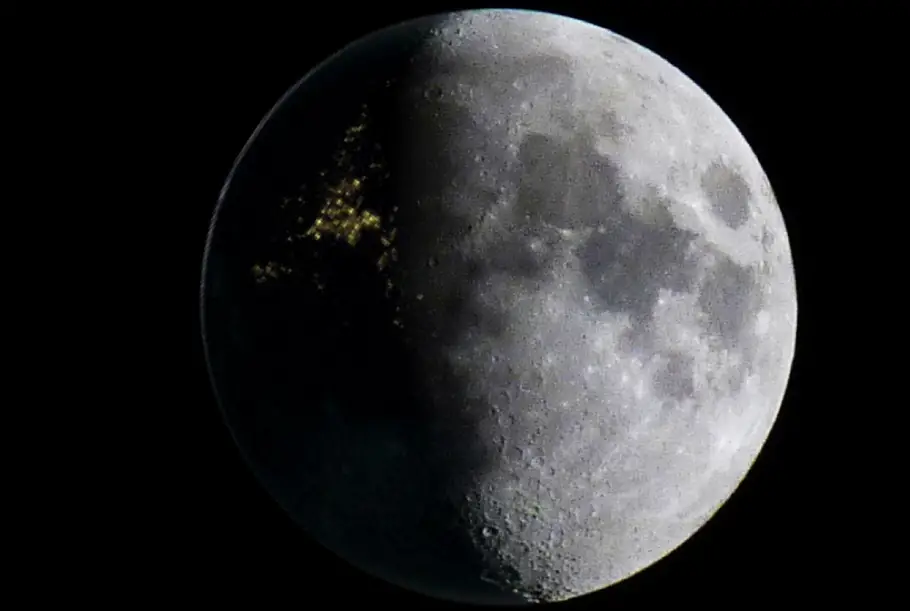
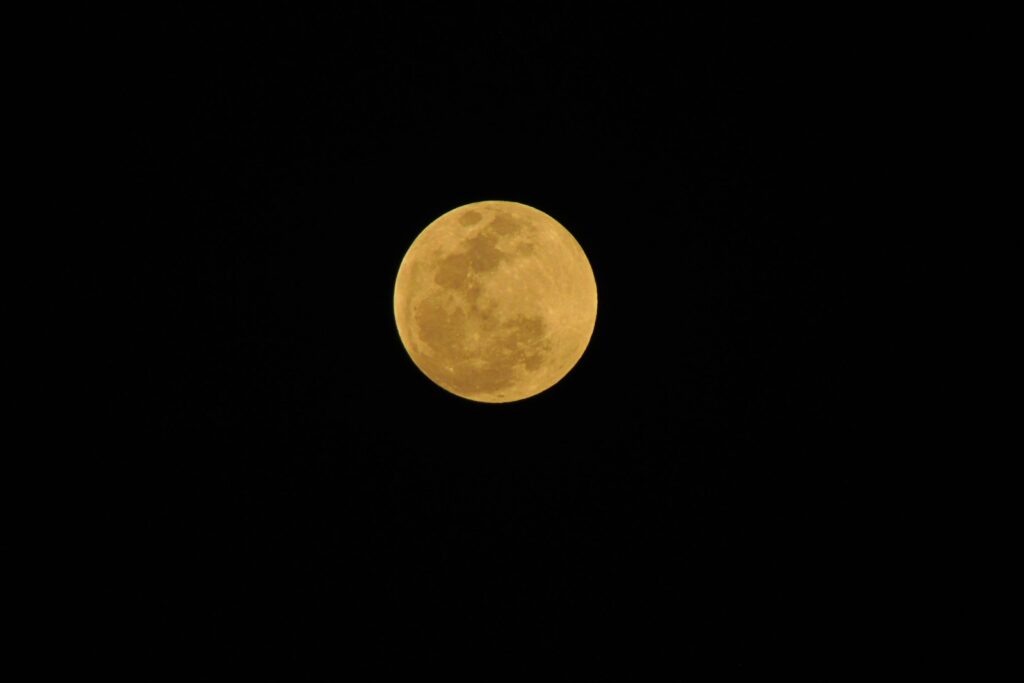
In many East Asian cultures, especially in China, Japan, and Korea, people see a rabbit in the patterns on the Moon instead of a human face. The rabbit is often shown pounding herbs or making an elixir of immortality. Folktales say the rabbit sacrificed itself to help a hungry traveler who turned out to be a god. As a reward, the rabbit was placed on the Moon.
Once you hear the story, it becomes hard to unsee the long ears and rounded body in the shadows. Children grow up spotting the rabbit the same way others spot the “man in the Moon.” The tale also ties the Moon to kindness and selflessness, not just mystery. It shows how the same sky can tell very different stories depending on where you stand.
3. Eclipses Were Caused by a Sky Monster
In ancient China and other parts of Asia, eclipses were believed to happen when a dragon or demon tried to eat the Sun or Moon. People would bang drums, shout, or fire arrows into the sky to scare the creature away. The noise was meant to save the heavenly body before it vanished completely. This practice shows how urgent and frightening eclipses once felt.
Without scientific explanations, the sudden darkening of the sky really did look like an attack. Communities often treated eclipses as emergencies rather than curiosities. Even rulers worried eclipses were bad omens for their reigns. Today we calmly track eclipses years in advance, but the instinct to stare in awe still remains.
4. Shooting Stars Were Departing Souls
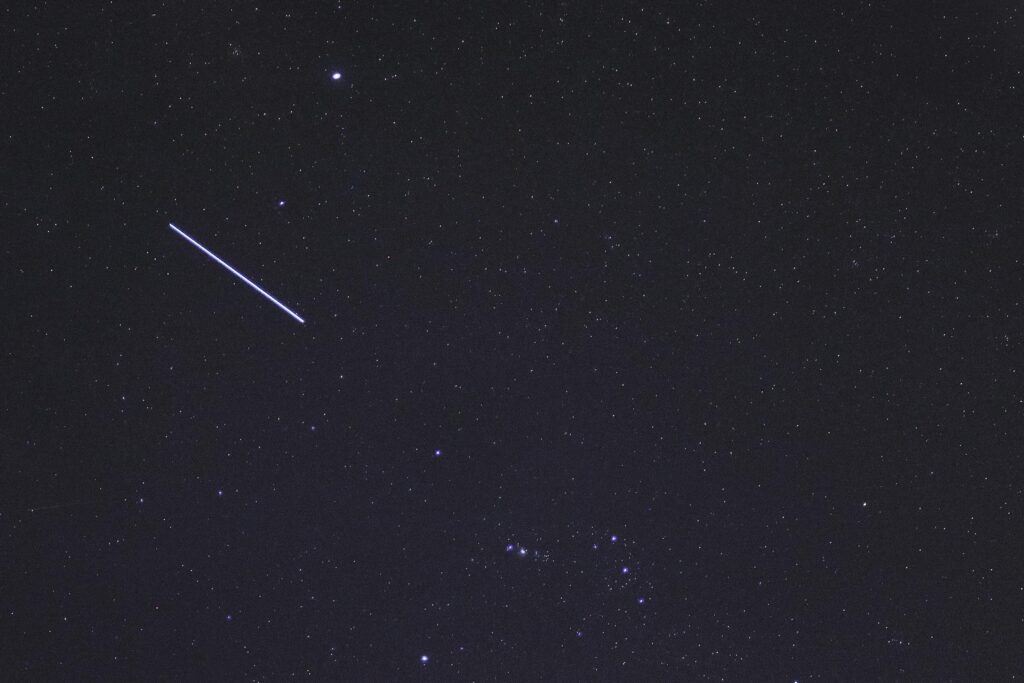
Many cultures believed shooting stars were souls traveling between worlds. Some thought they were spirits being born, while others believed they marked someone’s death. That sense of motion across the sky made the idea feel emotionally believable. It also explains why people started making wishes on them.
Seeing a sudden streak of light can feel oddly intimate, like the sky is sending a private signal. A wish feels appropriate when something appears and disappears so quickly. Even now, people instinctively react with excitement when they spot one. Science calls them meteors, but the emotional response has never really changed.
5. The Pleiades Were Seven Transformed Sisters
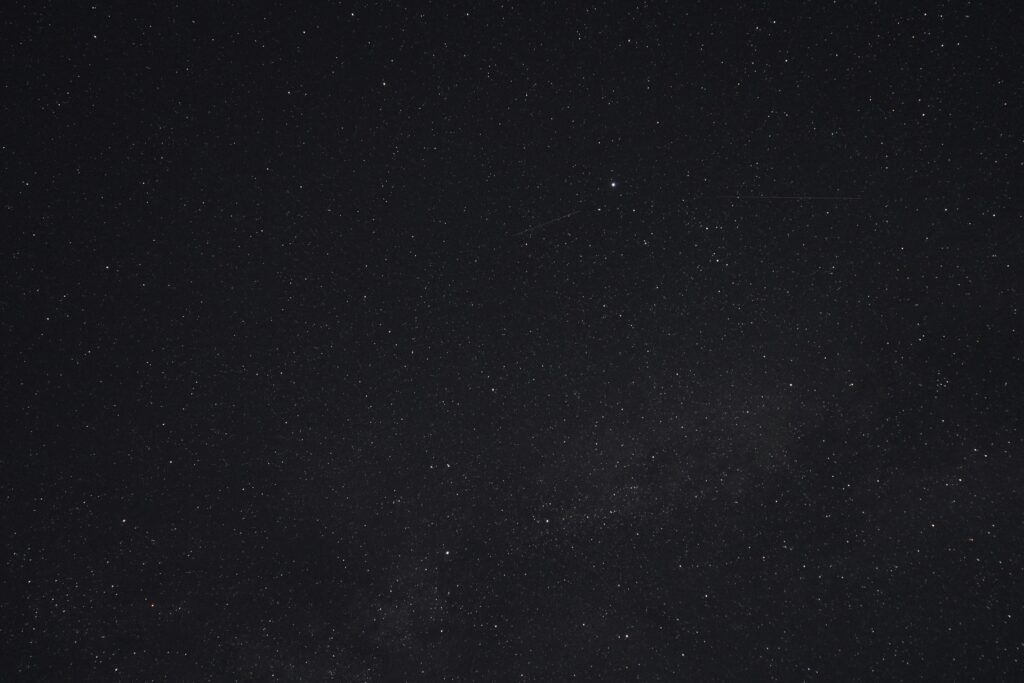
In Greek mythology, the Pleiades were seven sisters who were transformed into stars to escape a relentless pursuer. Zeus placed them in the sky to protect them. Many cultures around the world also recognized this tight star cluster and created their own versions of the story. The number seven shows up repeatedly, even though some people only see six stars clearly.
The cluster is easy to spot and naturally invites storytelling. It feels like a small family huddled together in the darkness. Farmers even used the Pleiades to track seasons and planting cycles. Myth and practicality blended together every time people looked up.
6. The Northern Lights Were Spirits at Play
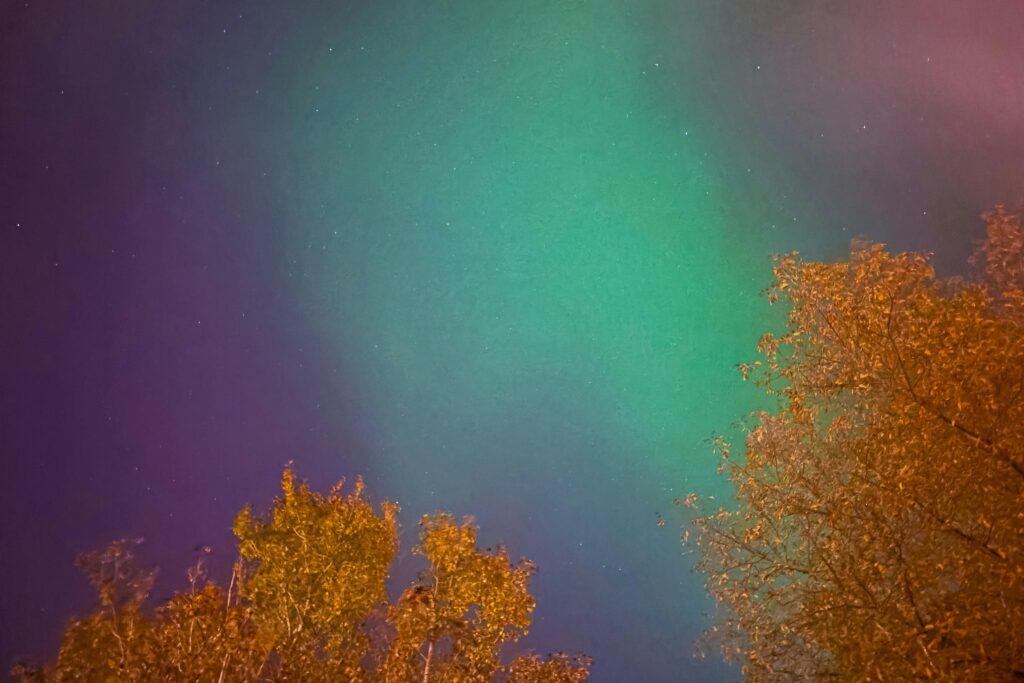
Among Inuit and some Nordic traditions, the aurora borealis was believed to be spirits dancing or playing games in the sky. Some stories said they were the souls of the dead communicating with the living. Others warned children not to whistle at the lights, fearing the spirits might come closer. The moving curtains of color made these ideas feel very real.
Watching the lights ripple and shift can still feel otherworldly today. Even with scientific explanations about solar particles and magnetic fields, the display feels alive. People often grow quiet when the aurora appears, almost instinctively respectful. It is easy to understand why earlier cultures treated it as a doorway between worlds.
7. Comets Were Harbingers of Disaster
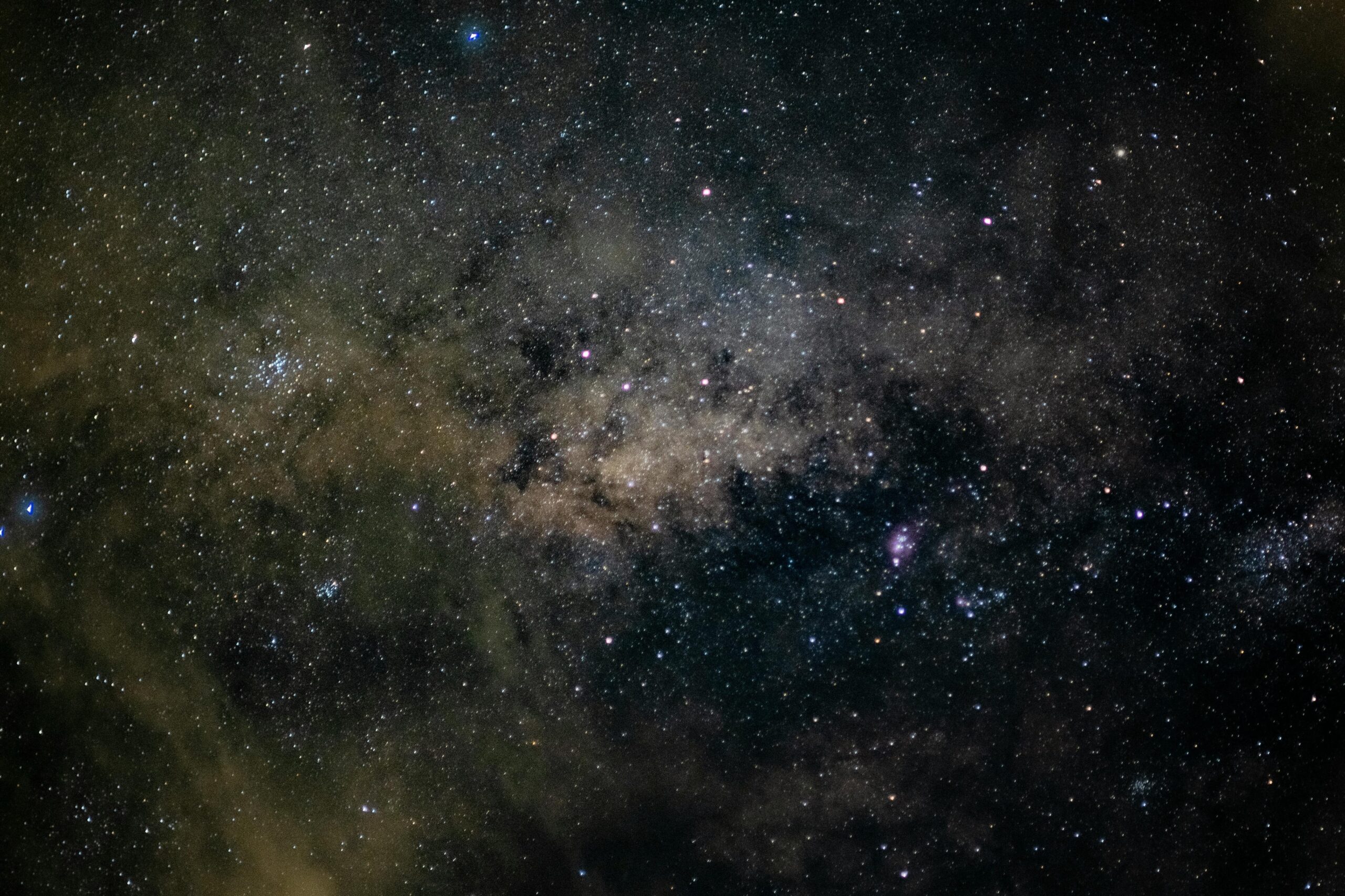
For centuries, comets were widely seen as signs of impending disaster or major political change. Ancient historians recorded comets appearing before wars, plagues, or the deaths of rulers. Their unpredictable arrival made them feel threatening and uncontrollable. A bright comet could spark genuine fear across entire cities.
Even famous comets like Halley’s were once treated with dread rather than excitement. Over time, astronomy turned them into predictable travelers instead of messengers of doom. Still, old superstitions linger in language and storytelling. A blazing comet still carries a dramatic emotional weight when it appears in the sky.
8. The Moon Could Cause Madness
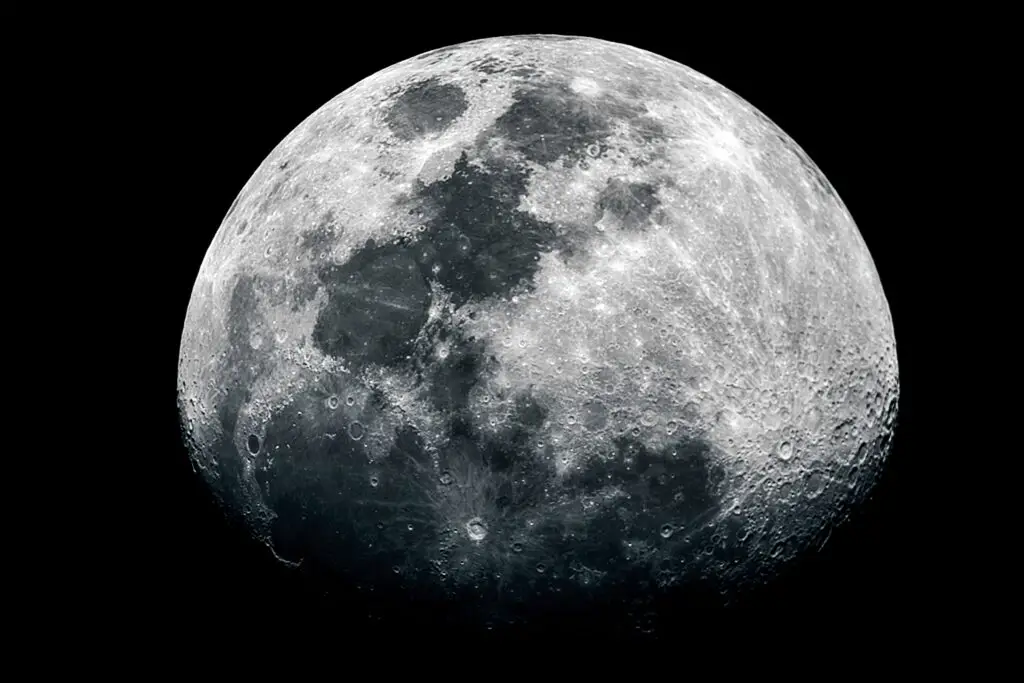
The idea that the full Moon could influence human behavior appears in many cultures. The word “lunatic” itself comes from the Latin word for Moon. People once believed the Moon could stir insanity, sleepwalking, or strange behavior. Werewolf legends also grew from this association.
Although modern studies do not support strong links between lunar phases and behavior, the belief remains popular. Emergency rooms and police stations still sometimes brace for a “busy full Moon.” The glow of a full Moon naturally heightens emotion and imagination. It shows how deeply the night sky can shape human psychology.
9. Stars Controlled Human Fate
Astrology grew from the belief that the positions of stars and planets directly influenced human lives. Ancient civilizations carefully tracked the sky to predict fortunes, marriages, and political outcomes. The zodiac became a cosmic map of personality and destiny. For many people, the sky felt like a massive instruction manual for life.
Even today, horoscopes remain widely read, even by skeptics. There is comfort in feeling connected to something vast and orderly. The regular motion of the heavens created a sense of structure in unpredictable times. It reflects humanity’s long desire to find meaning written into the universe.
10. Sirius Brought the Deadliest Heat of Summer
In ancient Egypt and Greece, the rising of Sirius marked the hottest and most dangerous part of summer, known as the “dog days.” People believed the star amplified the Sun’s heat and caused sickness, drought, and fatigue. Its bright appearance in the dawn sky made it feel powerful and influential. The timing coincided with seasonal changes that affected crops and health.
The belief blended astronomy with daily survival. Farmers and sailors paid close attention to the star’s cycle. While we now understand seasonal heat comes from Earth’s tilt, the phrase “dog days” remains in common use. Sirius still carries a faint reputation as a troublemaking star.
11. The Milky Way Was the Road of Souls
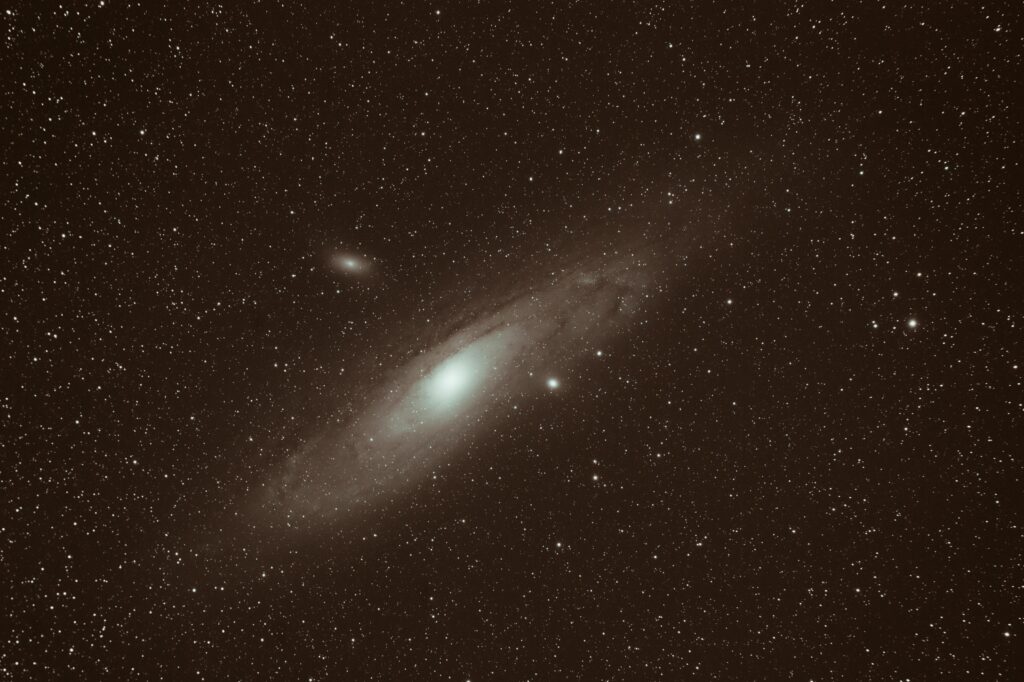
Several Indigenous cultures in the Americas believed the Milky Way was a pathway for souls traveling to the afterlife. It was seen as a spiritual highway connecting the living and the dead. The glowing band naturally resembled a road stretching across the sky. This idea gave comfort by placing loved ones on a visible cosmic journey.
Looking up at the Milky Way could feel like watching generations move onward together. The sky became a reminder of continuity rather than finality. Stories helped transform grief into something meaningful and shared. Even today, many people describe the Milky Way as feeling like a bridge between worlds.
12. Dark Shapes in the Sky Formed Living Animals
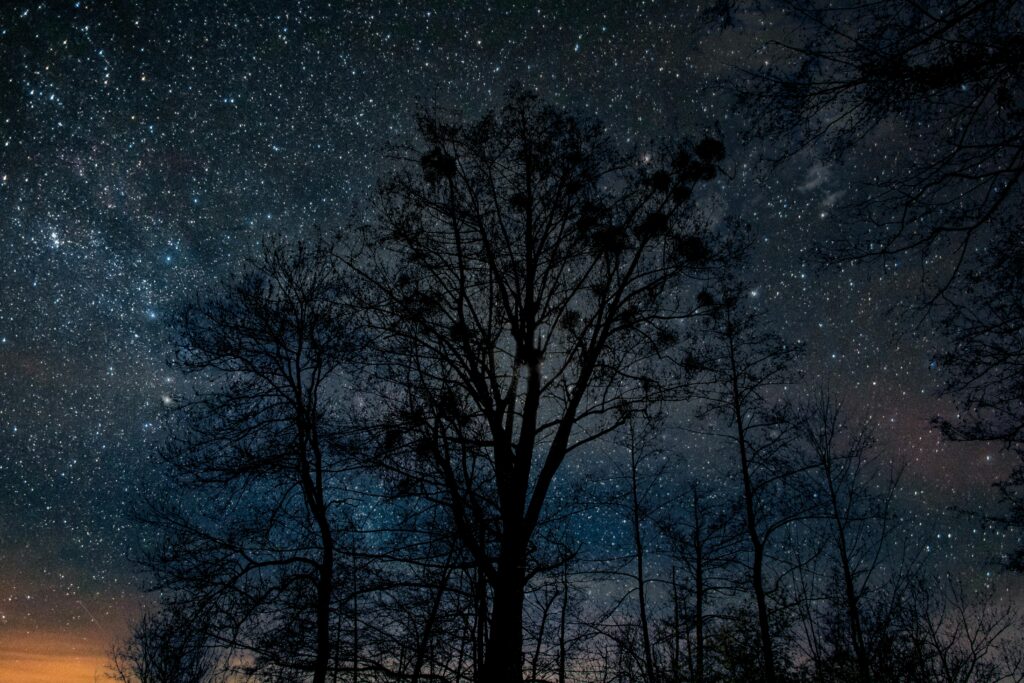
Australian Aboriginal astronomy includes “dark constellations,” which are shapes formed not by stars but by dark dust clouds in the Milky Way. One famous example is the Emu in the Sky, whose outline appears in the darker regions of the galaxy. These shapes guided seasonal hunting and cultural stories. Instead of connecting bright dots, people read meaning in the shadows.
It changes how you learn to look at the night sky. Suddenly emptiness becomes just as important as light. The practice shows how observation can be shaped by culture and environment. It is a reminder that the sky holds more stories than most of us ever notice.