
1. Knocker Up

Before alarm clocks became affordable and reliable, some towns hired people whose entire job was to wake everyone else up. A knocker up would walk the streets in the early morning tapping on bedroom windows with a long pole or shooting dried peas through a straw. It sounds charming until you imagine doing it in freezing rain or pitch dark streets. The job existed mainly in industrial cities where factory shifts started before sunrise. Once cheap alarm clocks flooded the market in the early twentieth century, the role faded quickly. People realized they preferred a clock over a stranger tapping on their glass. It is one of those jobs that feels almost fictional now. Yet it was once a very real part of daily life.
The short lifespan came from technology solving a very simple problem more efficiently. Alarm clocks became more accurate, easier to maintain, and much less awkward socially. Nobody missed having someone outside their bedroom window at five in the morning. In some towns the job disappeared within just a few years once clocks became common. It also depended heavily on dense factory neighborhoods, which began changing as cities modernized. The idea of hiring someone just to wake you up feels almost unbelievable today. It is a reminder of how quickly small conveniences can erase entire professions.
2. Airship Steward

During the brief golden age of passenger airships in the late 1920s and early 1930s, luxury zeppelins employed stewards much like ocean liners did. These staff members served meals, helped passengers settle into cabins, and maintained a sense of elegance while floating thousands of feet in the air. The work combined hospitality with the novelty of early aviation. It attracted adventurous workers who wanted to be part of the future of travel. The glamour was real, but so were the risks. Public confidence collapsed after several high profile airship accidents. Commercial airship travel essentially vanished almost overnight.
When airships disappeared, so did the job of airship steward. Airplanes quickly replaced them as the safer and faster option. There simply was no industry left to support that type of role. Many stewards transitioned into traditional airline or hotel work. The career existed for only a narrow window of time. Today it survives mostly in photographs and travel memoirs. It remains one of the strangest and shortest lived transportation jobs in history.
3. Telephone Sanitizer

During the 1918 influenza pandemic, businesses and public buildings worried about shared telephone receivers spreading illness. Some organizations hired workers specifically to wipe down phones constantly throughout the day. The job required moving quickly from station to station with disinfectant cloths and cleaning every mouthpiece and handle. It was repetitive but considered essential during the height of the outbreak. Employers saw it as a public health measure before modern sanitation standards were widely understood. Once the pandemic eased, the urgency disappeared. Businesses stopped paying for a role that no longer felt necessary.
As health practices improved and phone design changed, the position became obsolete. Regular cleaning protocols replaced the need for a dedicated employee. The job lasted only as long as the emergency demanded it. It is a fascinating snapshot of how society reacts to crisis with temporary solutions. Many similar roles emerged during that period and vanished just as quickly. It also feels strangely familiar in a post pandemic world. History tends to repeat itself in unexpected ways.
4. Human Traffic Light Operator
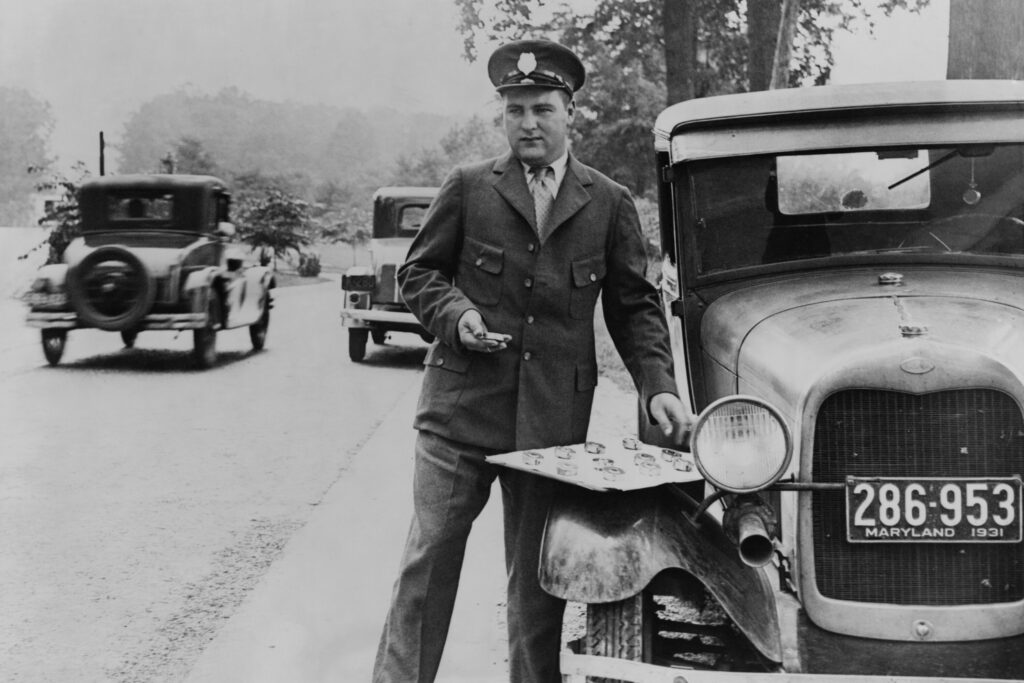
In the early days of automobiles, some busy intersections experimented with people manually directing traffic from raised platforms. These workers used hand signals or rotating signs to tell drivers when to stop or go. It was an attempt to bring order to rapidly increasing car congestion. The job required sharp focus and a strong sense of timing. Unfortunately, it was also dangerous, loud, and physically demanding. As electric traffic signals were developed, the human version became unnecessary. Cities quickly embraced automation for safety and efficiency.
The role existed only briefly in the early twentieth century before modern traffic lights became standard. Mechanical systems were more consistent and could operate nonstop. Insurance concerns also pushed cities away from putting workers in the middle of traffic. Within a few years, most intersections had converted to automated signals. The human traffic light became a historical footnote. It feels almost surreal to imagine someone standing in the road managing cars by hand. Technology solved the problem decisively.
5. Civil Defense Aircraft Spotter

During World War II, many countries organized civilian volunteers to watch the skies for incoming enemy aircraft. These spotters stood on rooftops, towers, or open fields with binoculars and identification charts. Their job was to recognize plane silhouettes and report suspicious activity. It required sharp eyesight and constant vigilance. For a time, it felt like a vital layer of homeland defense. Once radar systems became widespread and the war ended, the need vanished quickly. The job was tied entirely to a specific moment in history.
After the war, governments dismantled most of the observation networks. Technology made human spotting redundant and far less reliable. Many spotters returned to their previous occupations almost immediately. The role existed intensely for only a few years. Today it survives mainly in wartime photographs and training manuals. It reflects how quickly entire workforces can appear and disappear based on global events. Few modern jobs feel that temporary and urgent.
6. Gas Rationing Clerk
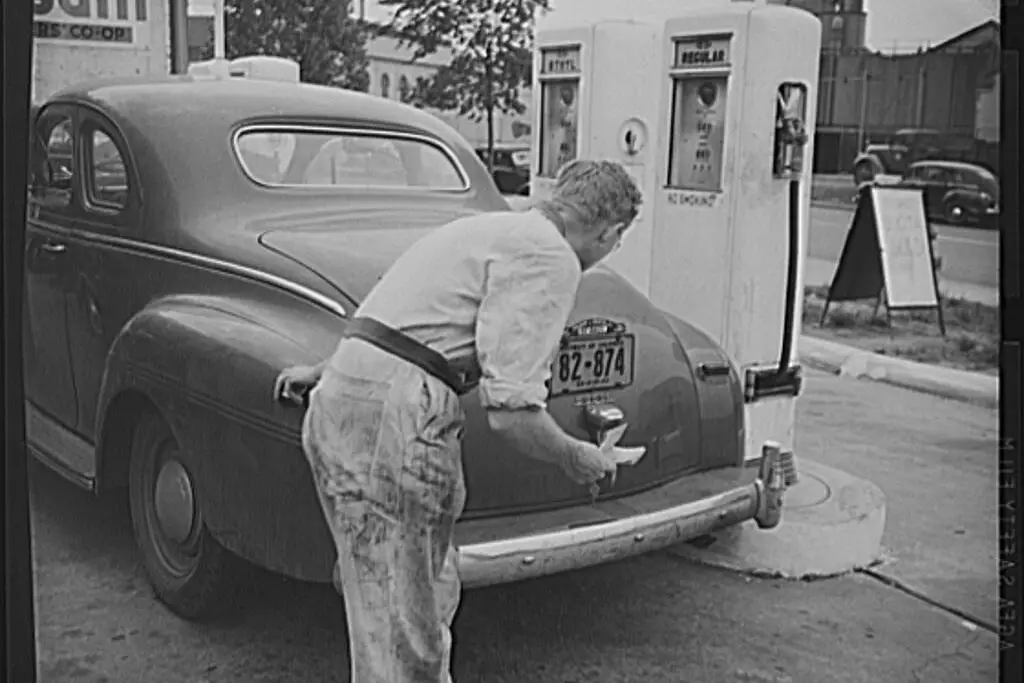
When fuel was rationed during World War II, governments issued coupons and stamps that controlled how much gasoline people could buy. Clerks were hired to manage paperwork, verify eligibility, and track allocations. The job required organization and strict attention to rules. It was often stressful because shortages created frustration and long lines. Once the war ended and fuel supplies stabilized, rationing programs were dismantled. That meant the clerical jobs tied to them disappeared almost immediately.
The role existed only for the duration of wartime restrictions. There was no long term industry to support it afterward. Many workers transitioned back into standard administrative roles. It is an example of how temporary economic systems create equally temporary careers. Few people today realize how much labor was devoted simply to managing scarcity. The job feels strange because it was built entirely around a short term emergency. Once normal supply returned, it had no reason to exist.
7. Y2K Remediation Consultant

As the year 2000 approached, companies feared that computer systems would fail due to date formatting issues. This created a sudden boom in specialists who audited software and corrected code. Y2K consultants were hired rapidly and paid extremely well in many cases. The work involved scanning legacy systems and updating outdated programming. It felt like a looming technological apocalypse at the time. When January 1, 2000 passed without widespread disaster, the demand collapsed. Many consultants found themselves out of work almost overnight.
The job existed mainly for a few intense years in the late 1990s. Once the deadline passed, there was no ongoing need for that specific expertise. Some workers shifted into broader IT roles. Others returned to different fields entirely. It remains one of the clearest examples of a temporary tech driven profession. The fear created a massive but short lived labor market. Few modern jobs have appeared and vanished so quickly on a global scale.
8. Web Ring Manager

In the early days of the internet, websites often linked together in curated circles called web rings. A web ring manager maintained the list, approved new sites, and ensured links stayed functional. It was a small but real job within early online communities and hosting companies. The role helped users discover related content before search engines became powerful. As Google and modern search tools improved, web rings became unnecessary. Traffic discovery shifted almost entirely to algorithms. The niche role faded quietly.
The job existed mainly in the late 1990s and early 2000s. Once automated indexing replaced manual curation, there was no reason to maintain rings. Many early web professionals moved into other digital roles. It feels like a relic of a very specific moment in internet history. New users today may not even recognize the concept. The career disappeared as quickly as the technology evolved. It is a reminder of how fast digital ecosystems change.
9. VHS Rewinder Store Clerk
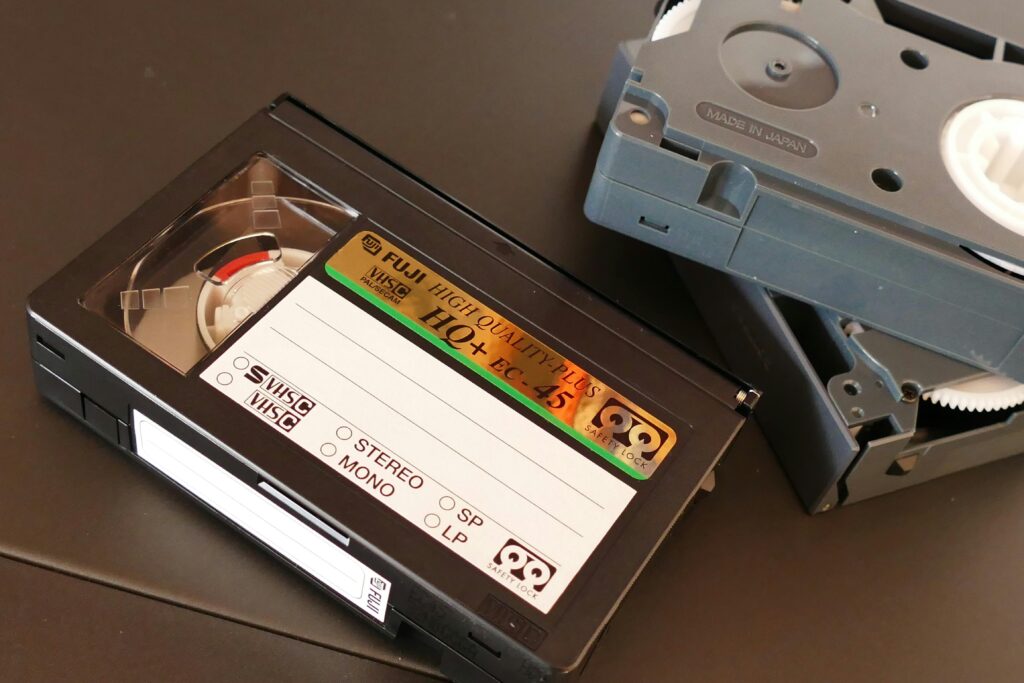
Video rental stores once sold or provided dedicated machines that rewound VHS tapes quickly. Some busy locations hired employees specifically to rewind returns during peak hours. It saved customers time and kept inventory moving. The job involved feeding tapes into machines all day and organizing shelves. It was repetitive but oddly satisfying for some workers. As DVDs replaced VHS tapes, rewinding became irrelevant. Rental stores eliminated the role entirely.
The position existed mainly during the peak VHS years in the 1990s. Once physical media formats changed, the task vanished overnight. Many stores closed altogether shortly afterward. It is a job tied tightly to a single piece of technology. Younger generations may never have even seen a rewinder machine. The idea of hiring someone just to rewind tapes feels quaint now. It highlights how physical media created unique labor needs that digital streaming erased.
10. Pneumatic Tube Messenger

Large offices, banks, and hospitals once used pneumatic tube systems to send documents and small items across buildings. Some facilities employed workers whose main job was loading capsules and monitoring the flow. It required coordination and constant movement between stations. The systems felt futuristic at the time. As digital communication replaced physical document transfer, the networks were gradually removed. The dedicated messenger role disappeared with them.
While pneumatic tubes lasted in some places for decades, the specialized messenger job often existed only briefly during expansion phases. Once systems stabilized or were automated, staffing needs dropped sharply. Many institutions phased the technology out entirely in the late twentieth century. The job became unnecessary as email and scanners took over. It now feels like something from an old science fiction movie. The role survives mostly in historical photos of busy office floors.
11. Victory Garden Advisor
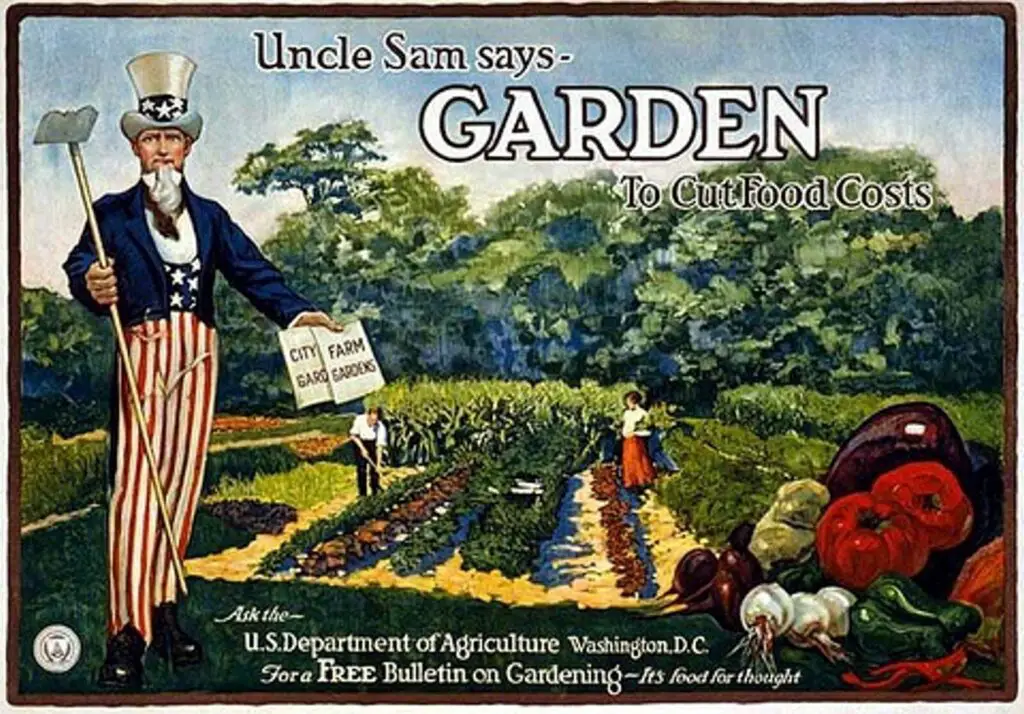
During World War II, governments encouraged citizens to grow their own food to support the war effort. Some municipalities hired advisors to teach families how to plant, harvest, and preserve crops. These workers traveled through neighborhoods offering guidance and demonstrations. The job blended agriculture education with community outreach. It was widely supported during food rationing periods. Once the war ended and commercial food supplies normalized, the program faded. The advisory roles were no longer funded or needed.
The career existed primarily for a few intense years during wartime. It disappeared as quickly as it appeared. Many advisors returned to farming or teaching roles. The job reflects how national priorities can reshape employment almost instantly. It also shows how community based efforts were mobilized during emergencies. Today it feels unusual to imagine government sponsored gardening advisors. Yet for a short time, it was a practical necessity.
12. Drive In Theater Speaker Attendant
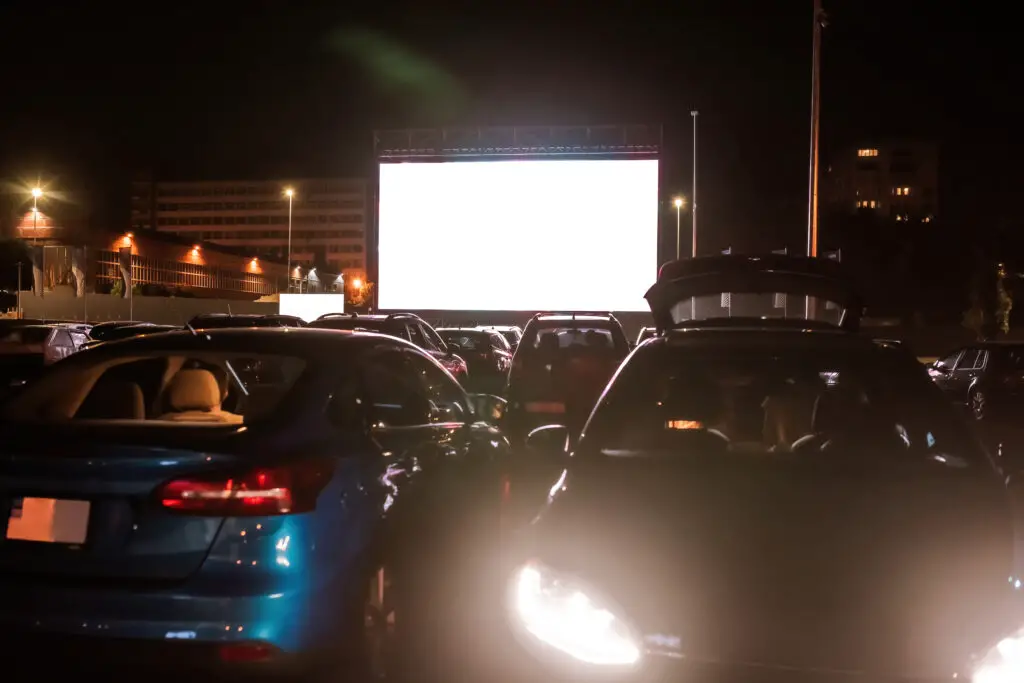
Early drive in theaters used individual window speakers that hooked onto car windows. Some theaters employed attendants to distribute, collect, and repair these speakers during showtimes. The job required moving quickly between rows of cars and troubleshooting audio issues. It was a hands on role that kept the experience running smoothly. When in car radio transmission systems replaced external speakers, the need disappeared. The job vanished as technology improved.
The role existed mainly during the mid twentieth century drive in boom. Once theaters upgraded their equipment, staffing needs dropped. Many drive ins modernized within just a few years. The speaker attendant became obsolete almost immediately after upgrades. It is a small but charming example of how entertainment technology shapes labor. Few people today remember those heavy metal speaker boxes. The job now exists only in nostalgia and old photographs.
13. Photo Booth Film Developer

Before digital photography, some busy photo booths processed film on site or nearby. Small operators hired technicians to quickly develop and cut photo strips for customers. The work required chemical handling and fast turnaround times. It was often located in malls, arcades, or train stations. As digital imaging replaced film, instant printing became automated. The technician role disappeared rapidly.
The job existed mainly during the late film era of the 1980s and 1990s. Once digital booths became common, human developers were no longer necessary. Many small labs closed entirely. It is another example of a job erased by automation and software. The smell of developer chemicals and warm photo strips feels like a different era now. The profession faded quietly as technology moved on.