
1. A Single Child’s Shoe
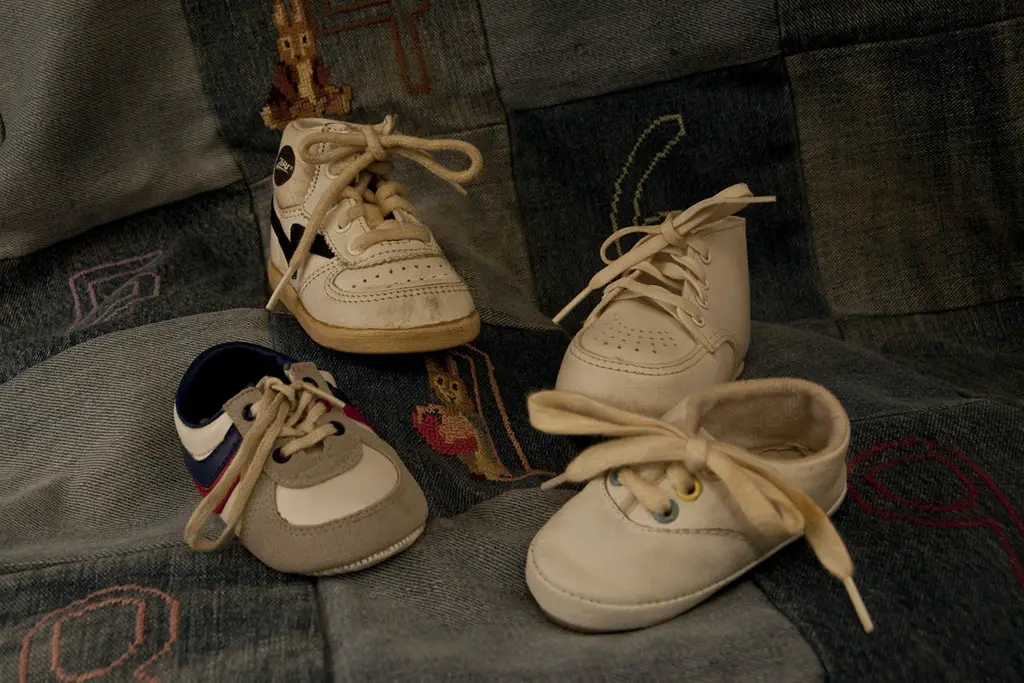
Finding a lone child’s shoe tucked into a toolbox feels oddly unsettling, especially when nothing else nearby explains it. It is too small to be practical and too personal to feel accidental. You start wondering if it was kept as a good luck charm or simply shoved there during a hurried cleanup. Leather stiffened with age suggests it was not meant to be worn again. It feels more symbolic than useful, which only deepens the mystery.
Old-timers sometimes saved odd keepsakes without much logic, but a shoe still raises questions. Was it meant to remind someone of home while working long hours? Did it belong to a child who liked hanging around the garage? No matter the reason, it always feels like a story was interrupted mid-sentence.
2. Bent Nails Carefully Wrapped in Paper
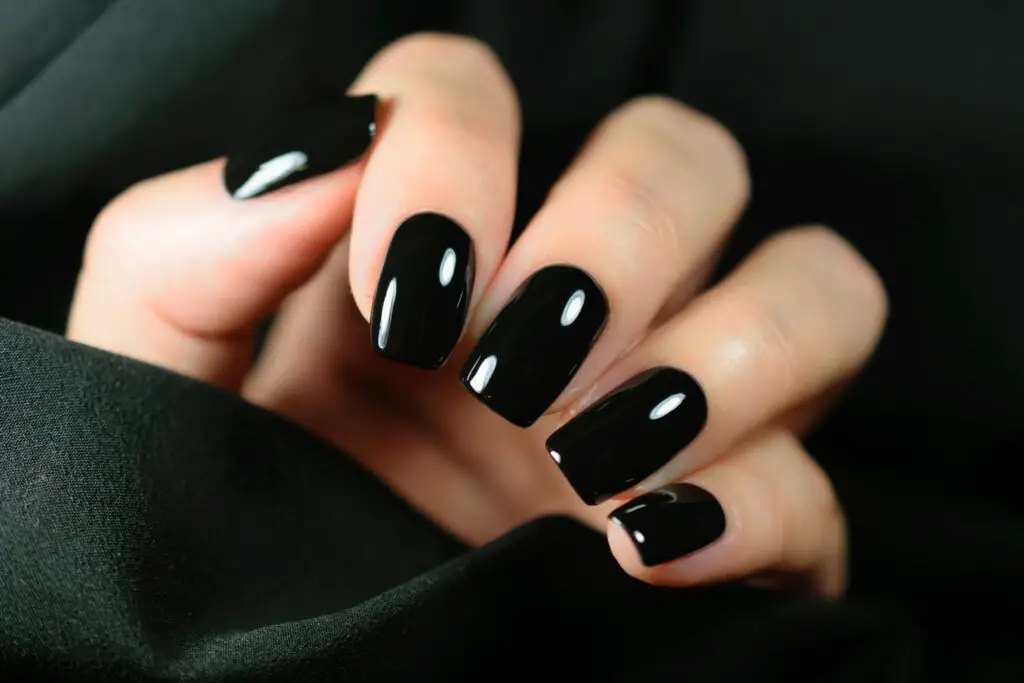
Bent nails are common, but nails wrapped neatly in paper suggest intention. Someone took time to save what most people would toss. The paper is often yellowed or brittle, making it feel deliberate rather than random. You cannot help but assume they were meant for something specific.
Maybe they were reused during lean years when nothing went to waste. Or maybe the bends matched a particular job that never got finished. Whatever the case, their careful packaging makes them feel more important than they look.
3. A Tiny Glass Bottle With No Label
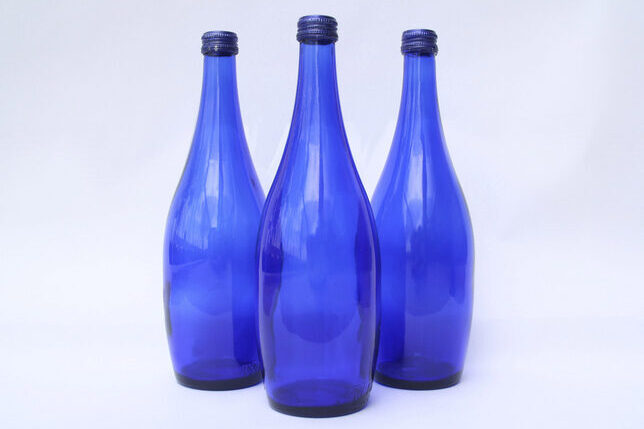
A small glass bottle rolling around in a toolbox instantly raises eyebrows. Without a label, it feels secretive, even if it is probably harmless. The glass is often thick, like it once held something valuable. Sometimes there is still a faint smell you cannot quite place.
It could have held oil, medicine, or something homemade. Older households reused bottles endlessly, so its original purpose may be long forgotten. Still, the fact that it stayed in the toolbox instead of the kitchen makes it feel oddly out of place.
4. A Rusted Key That Fits Nothing
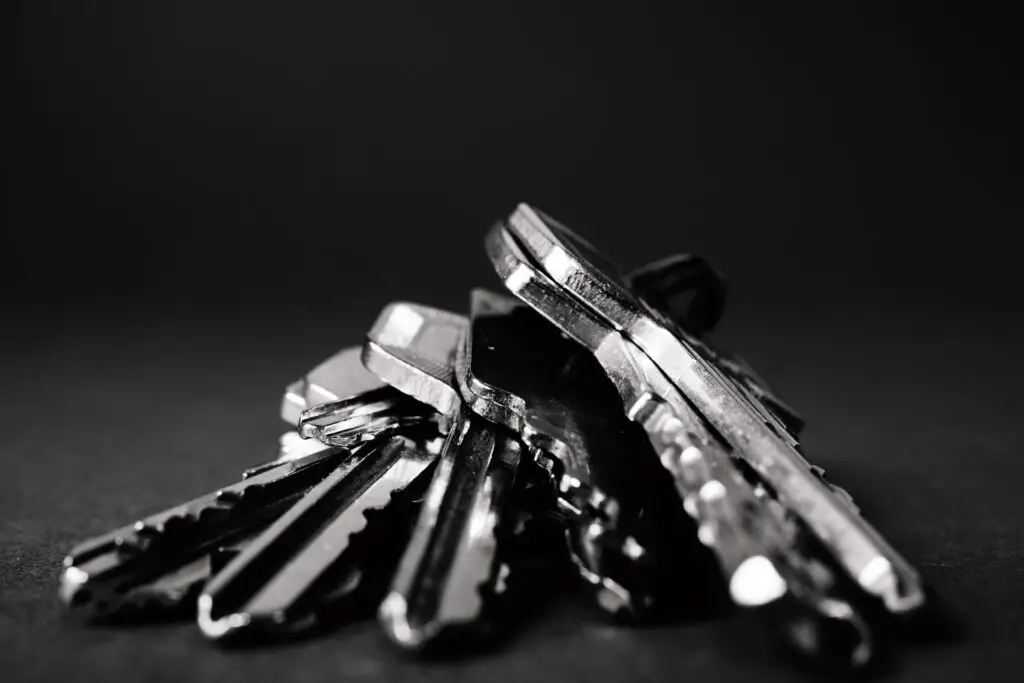
Loose keys are common finds, but a single rusted one with no matching lock feels different. It begs the obvious question of what it once opened. The teeth are often worn smooth, suggesting years of use. And yet, the door or box it belonged to is nowhere in sight.
Keys like this often get saved long after their usefulness ends. Maybe it opened a shed that was torn down decades ago. Or maybe it unlocked something personal that no one else ever knew about.
5. A Broken Watch With No Band
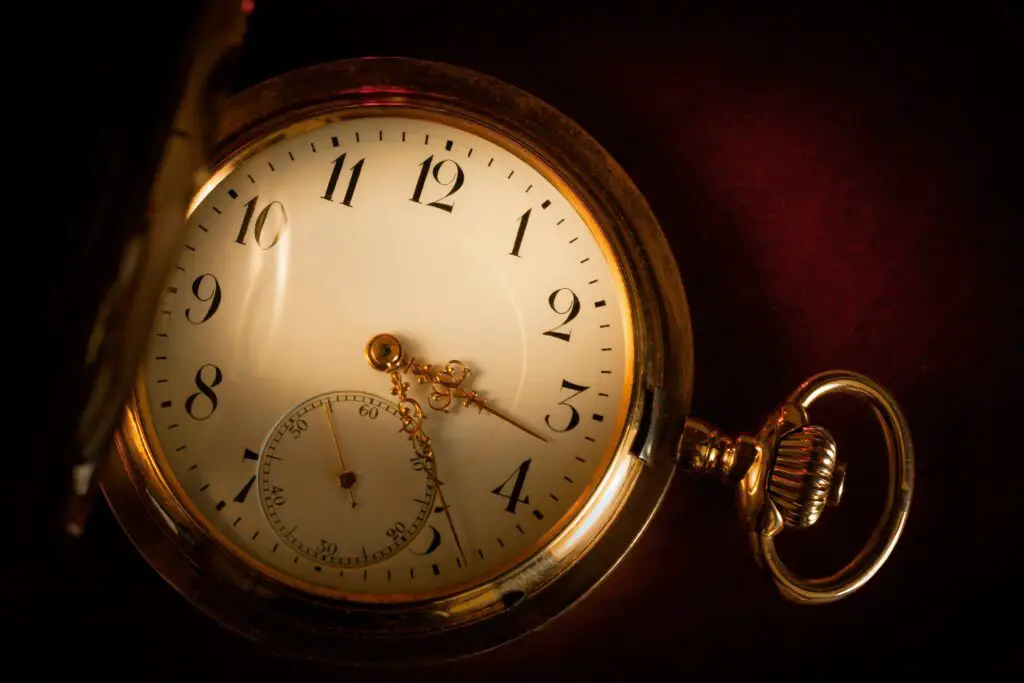
A watch without a band feels intentionally separated from time itself. The face might be cracked or frozen at a specific hour. It was clearly not wearable anymore, yet it was not thrown away either. That pause in time feels oddly deliberate.
People often held onto broken watches because they marked an important moment. It could have stopped during a significant event or accident. Keeping it in a toolbox suggests it was nearby when something meaningful happened.
6. A Single Glove

One glove, especially a work glove, raises immediate questions. Gloves usually come in pairs, and losing one makes the other useless. Yet there it is, folded or shoved into a corner. It feels like half of a conversation you will never hear.
Maybe the other glove wore out first, or maybe it vanished somewhere else in the garage. Some people kept one glove for dirty jobs that did not need full protection. Still, its loneliness always stands out.
7. A Handmade Wooden Object
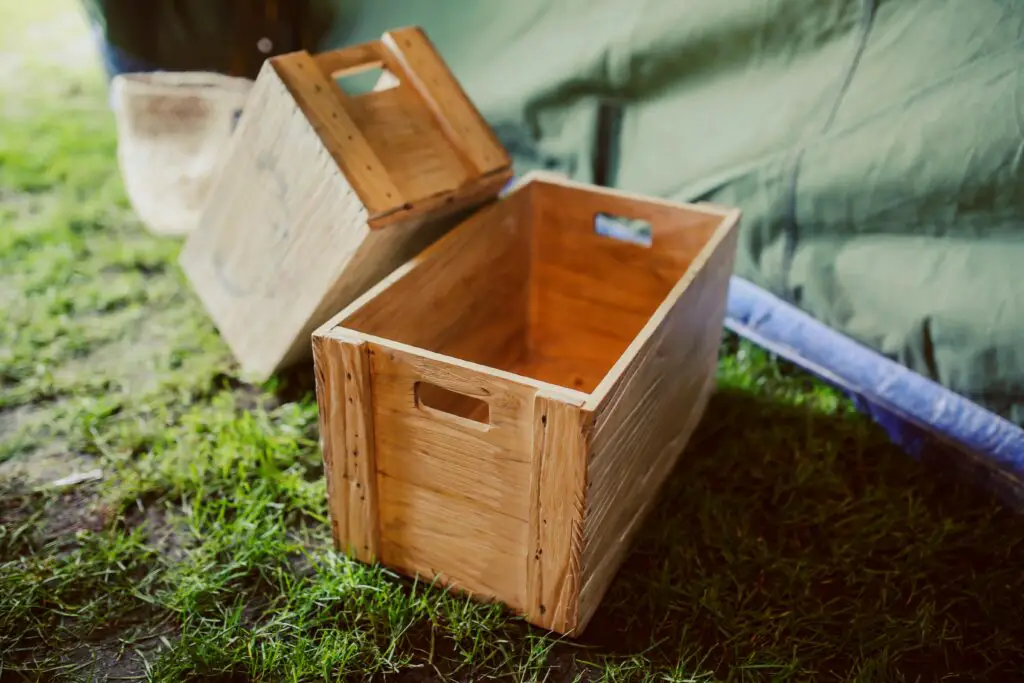
Hand-carved wooden items in toolboxes often defy easy identification. They might look like handles, wedges, or tools for a very specific task. The smooth wear suggests frequent use. And yet, no one today can quite name what it was for.
Older trades relied on custom tools made by hand. Once the original owner was gone, the knowledge went with them. What remains is a shape that hints at purpose without revealing it.
8. A Bundle of Twine Tied With a Knot
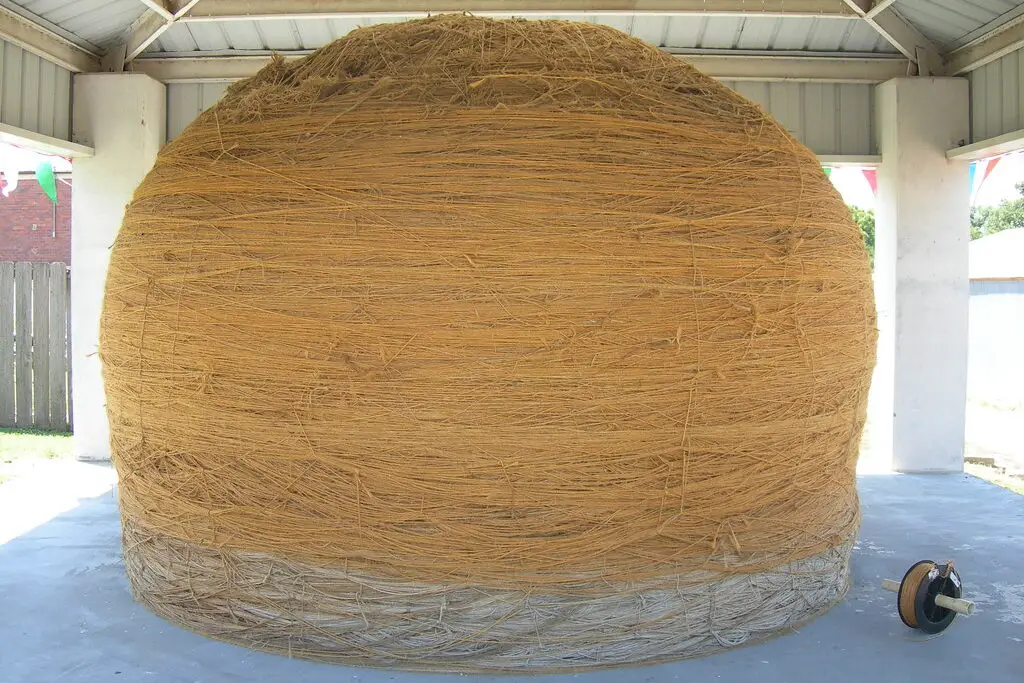
Twine is normal, but twine tied into a very specific knot feels intentional. The knot may be complex or decorative, not something done casually. It suggests someone who knew rope work well. And it was saved, not discarded.
Knots often had meanings or practical functions tied to certain jobs. This one might have been a reminder or a demonstration. Without context, it becomes a small puzzle left behind.
9. A Coin With a Hole Drilled Through It
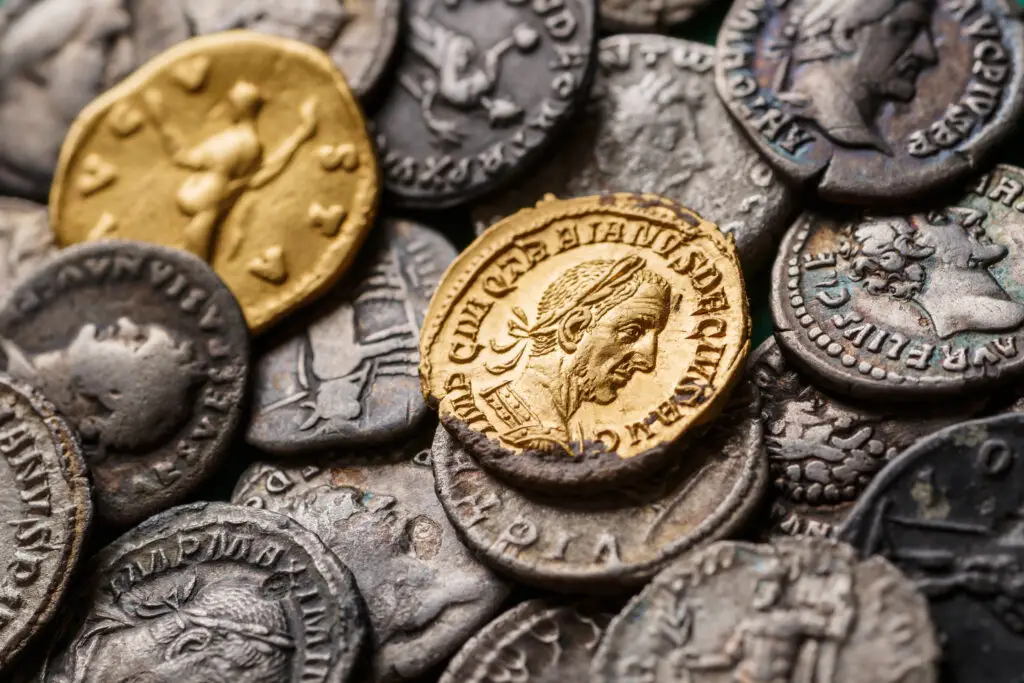
Coins with holes feel immediately wrong, like rules were broken. Someone altered something meant to stay whole. The hole is often clean and centered, showing care rather than damage. That alone makes it feel deliberate.
These coins were sometimes worn as charms or used as washers. Others were keepsakes or markers of travel. Finding one in a toolbox blurs the line between practical and personal.
10. A Folded Scrap of Paper With Numbers
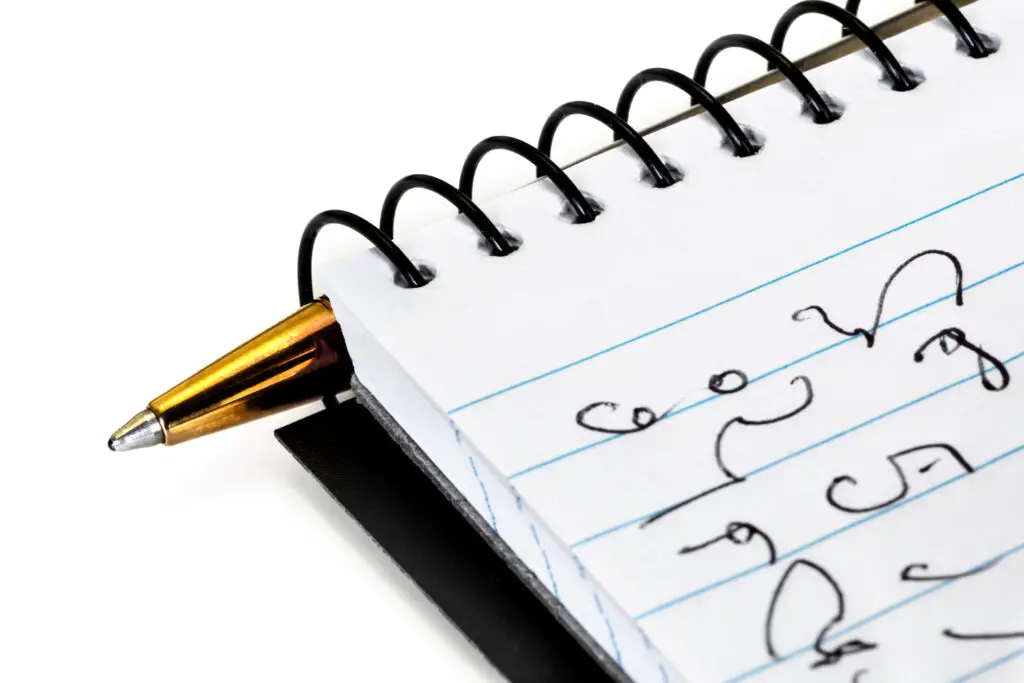
A scrap of paper covered in numbers feels like a secret code. The handwriting is usually quick and informal. It does not look like a shopping list or a phone number. And it was tucked away, not posted where it would be useful.
The numbers could be measurements, calculations, or reminders for a job. They might also be meaningless now that the context is gone. Without explanation, they feel strangely important.
11. A Small Bone or Tooth
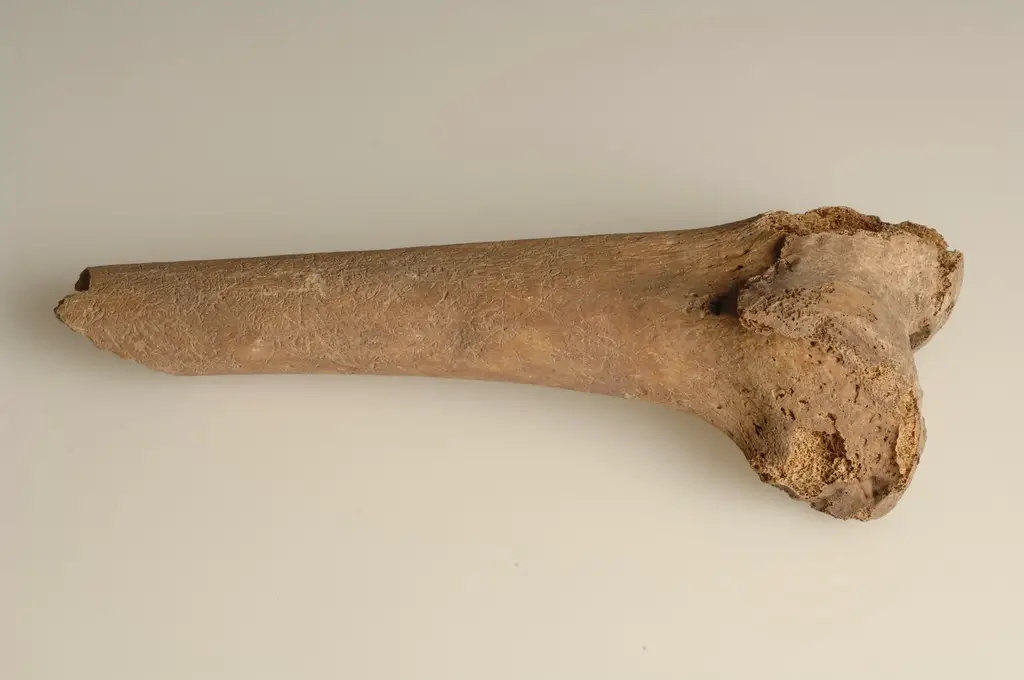
Finding a bone or tooth in a toolbox stops you cold for a moment. It feels out of place among metal and wood. The object is often clean, as if intentionally kept. That care makes it even more puzzling.
It might be an animal tooth saved as a charm or curiosity. Some people believed such items brought luck or protection. Even if the belief is gone, the unease lingers.
12. A Matchbook With All Matches Missing
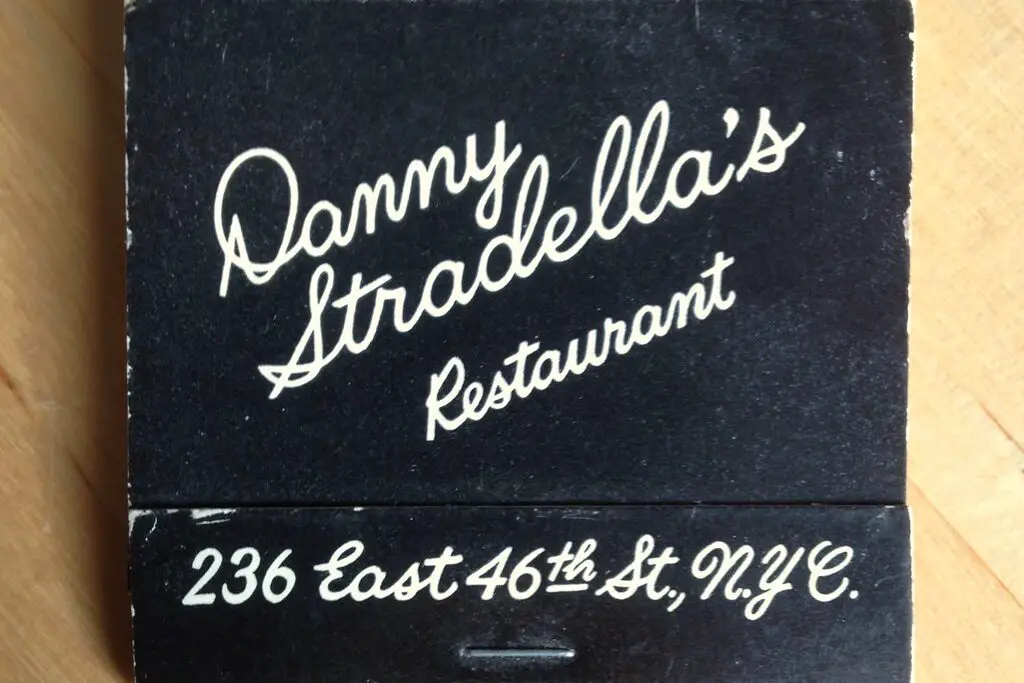
An empty matchbook feels incomplete by design. Someone used every match but kept the cover. The cover might advertise a long-closed business. Its survival feels deliberate.
People often saved matchbooks as souvenirs. Keeping it in a toolbox suggests it was handy or meaningful. Without the matches, it becomes more memory than tool.
13. A Tool That No One Can Identify
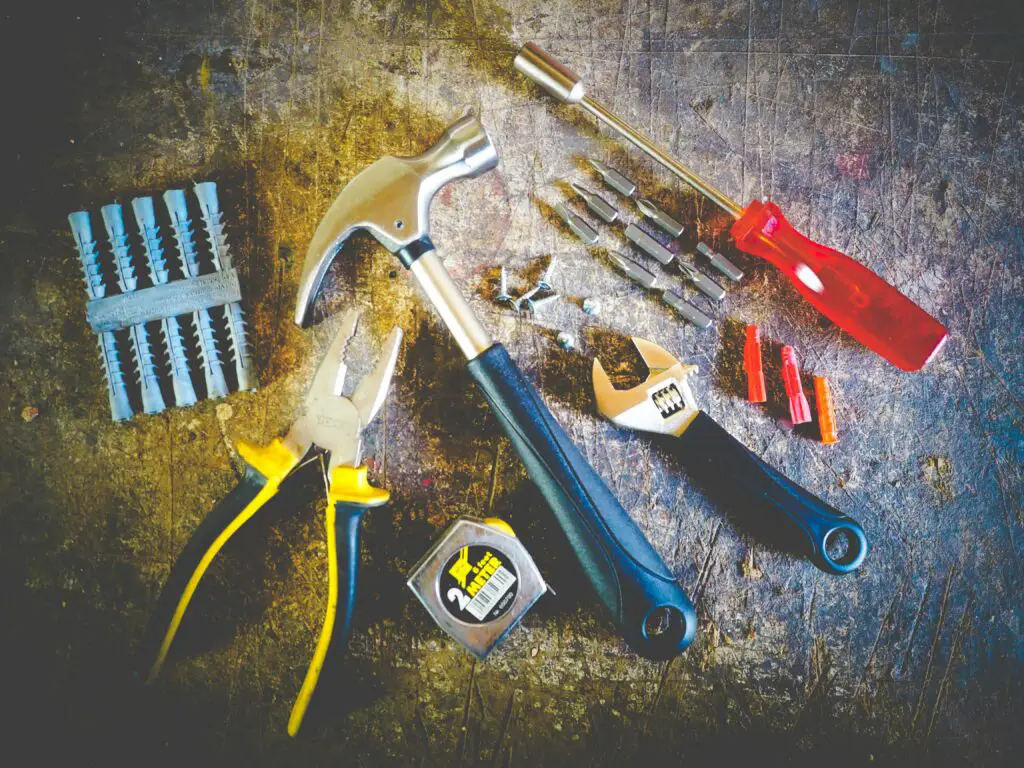
Every old toolbox seems to have one tool that defies explanation. It has moving parts or unusual shapes that do not match anything familiar. It looks too well-made to be junk. Yet no one can say what it does.
These mystery tools often belonged to trades that no longer exist. Once the skill vanished, the tool became an artifact. It sits there quietly, reminding you that not everything is meant to be understood later.