
1. Plastic Covers Stayed on the Furniture
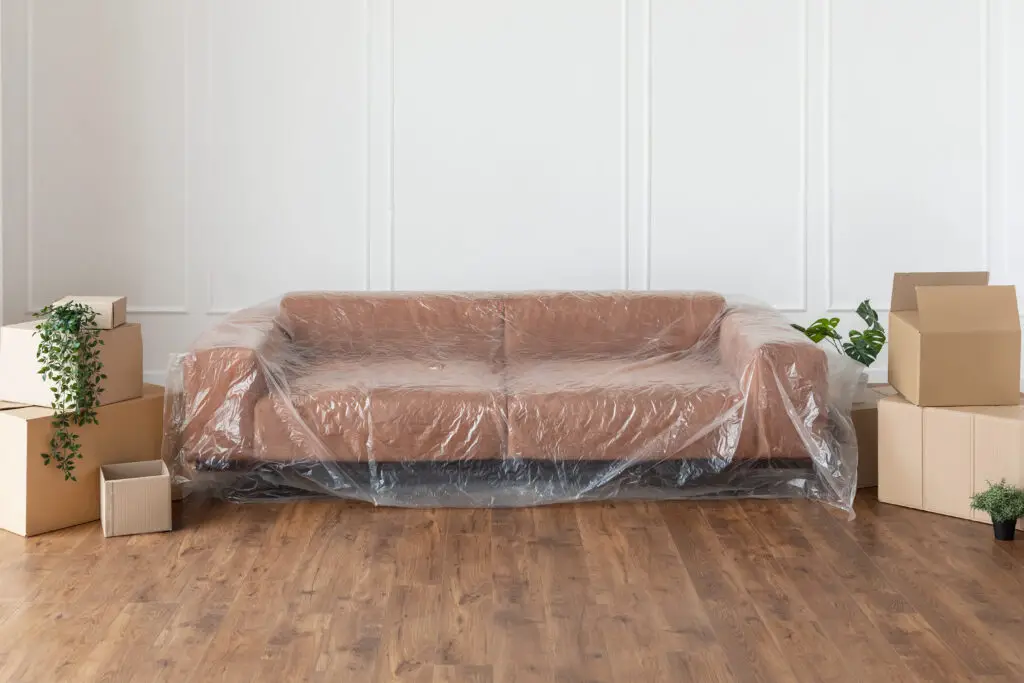
If you grew up in certain households, especially in the ’60s, ’70s, or ’80s, there’s a good chance the couch was wrapped in clear plastic. It wasn’t temporary either, it stayed there year-round, squeaking every time someone sat down. The idea was simple, protect the furniture so it stayed “new” for as long as possible. In practice, it made relaxing a little uncomfortable, especially in the summer when it stuck to your legs.
Still, plenty of families treated this as completely normal. Guests didn’t question it, kids learned to accept it, and no one dared remove the plastic without permission. It was tied to a broader mindset about preserving expensive items rather than using them freely. Looking back, it feels excessive, but at the time it was just part of how some homes operated.
2. “Good” Towels No One Was Allowed to Use
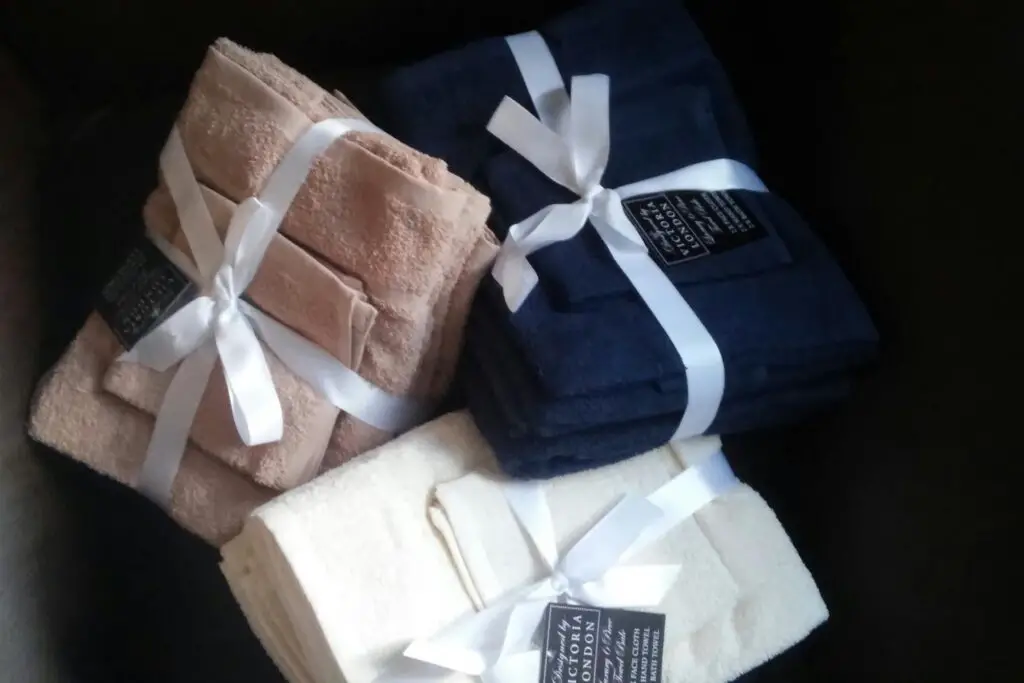
Many homes had a set of towels that looked perfectly usable but were quietly off-limits. These were the “good” towels, often kept neatly folded in the bathroom or linen closet. They were reserved for guests or special occasions, even though those occasions rarely seemed to happen. Everyday use was reserved for older, thinner towels that had clearly seen better days.
Kids usually figured this out the hard way after grabbing the wrong one. It wasn’t about practicality so much as maintaining appearances and having something “nice” on standby. Over time, the good towels became more symbolic than functional. They were part of a larger habit of saving things instead of actually using them.
3. Aluminum Foil Covering the Stove or Oven
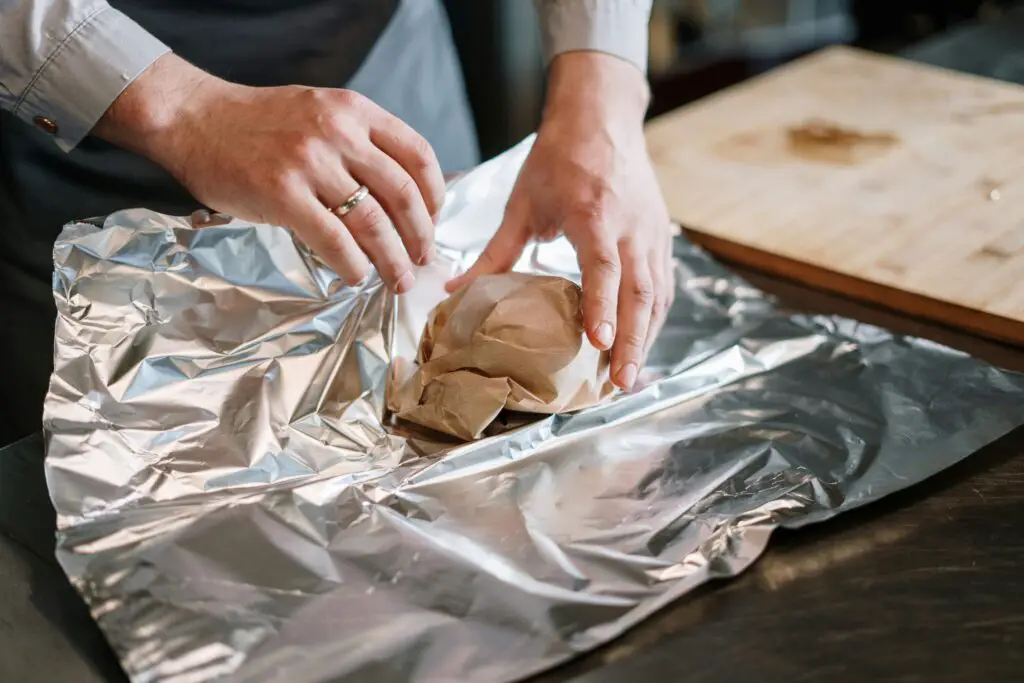
In many kitchens, you’d find aluminum foil carefully laid across stovetops or lining the bottom of ovens. The reasoning was straightforward, it made cleanup easier by catching spills and grease. Instead of scrubbing baked-on messes, you could just replace the foil. It was a small effort upfront to avoid a bigger chore later.
Even so, it became such a routine that people stopped questioning it. Some households replaced the foil regularly, almost like changing a liner. Others left it in place for long stretches, letting it collect evidence of countless meals. It was one of those habits that quietly passed from one generation to the next.
4. Saving Every Glass Jar “Just in Case”
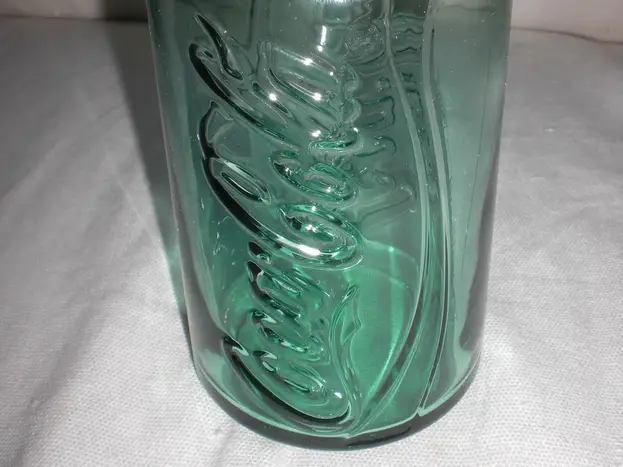
Before recycling programs were widespread, many families held onto glass jars from foods like pasta sauce or pickles. The idea was that they might come in handy someday, whether for storage, crafts, or leftovers. Cabinets and shelves slowly filled up with mismatched jars, each with potential future use. It wasn’t hoarding in the extreme sense, but it definitely leaned in that direction.
Over time, those jars became part of everyday life. People used them for everything from drinking glasses to makeshift containers for nails or screws. Even when better storage options existed, the habit stuck around. It reflected a mindset shaped by thrift and a reluctance to throw away something still usable.
5. Turning Off Lights the Second You Left a Room
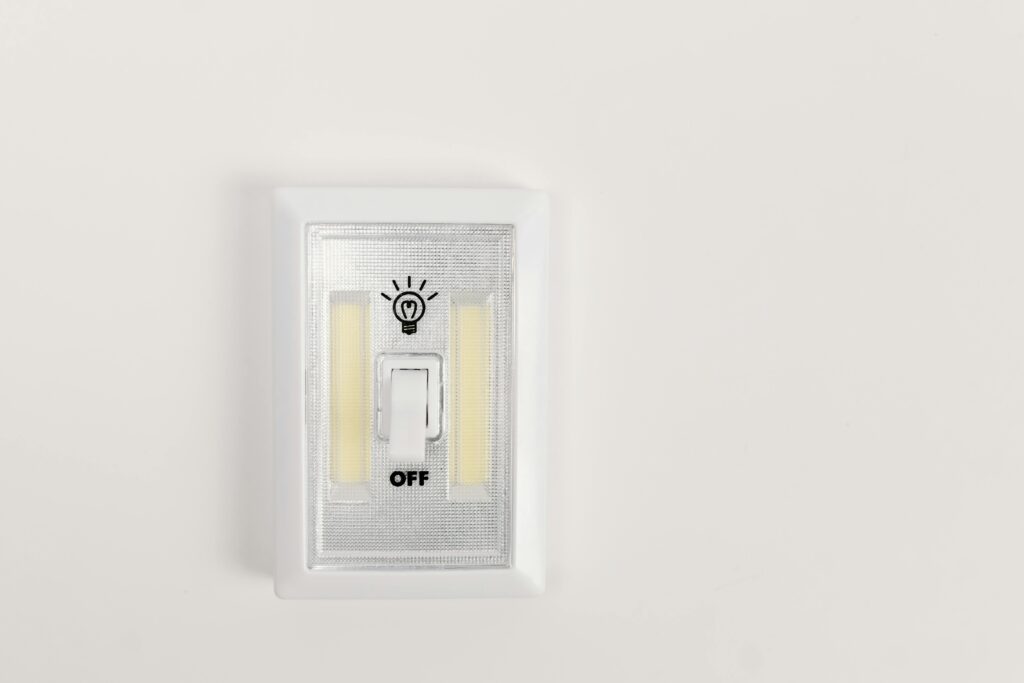
“Turn off the lights” was practically a household rule in many homes. Kids heard it constantly, sometimes within seconds of leaving a room. The goal was to save electricity and keep utility bills down. Even a briefly empty room didn’t justify leaving a light on.
While the savings from a single bulb might have been small, the habit became ingrained. It turned into a kind of reflex, something people carried into adulthood without thinking. In earlier decades, when energy costs were a bigger concern relative to income, this made practical sense. Today, it still lingers as a default behavior in many households.
6. Using Margarine Tubs as Storage Containers
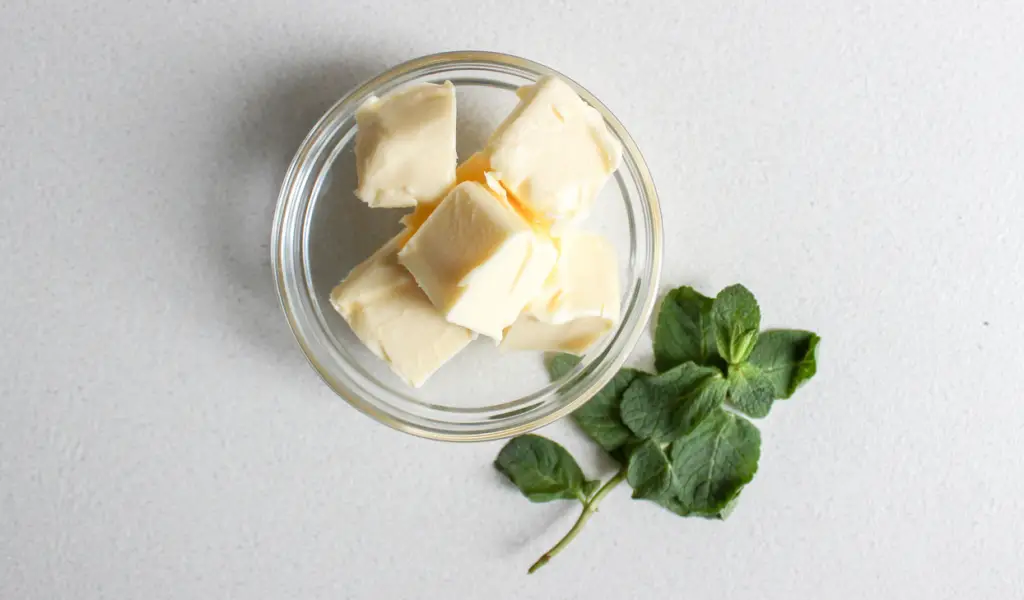
Empty margarine or butter tubs rarely went straight into the trash. Instead, they were washed out and reused as storage containers for leftovers. Lids got mismatched, stacks grew in cabinets, and somehow there was always another one. It was a simple way to avoid buying dedicated containers.
This practice was especially common in the ’70s and ’80s. Over time, the tubs became a kind of informal food storage system. Opening the fridge often meant guessing what was inside each one. Even after plastic storage sets became more common, many families kept doing it out of habit.
7. Keeping Shoes Strictly by the Door
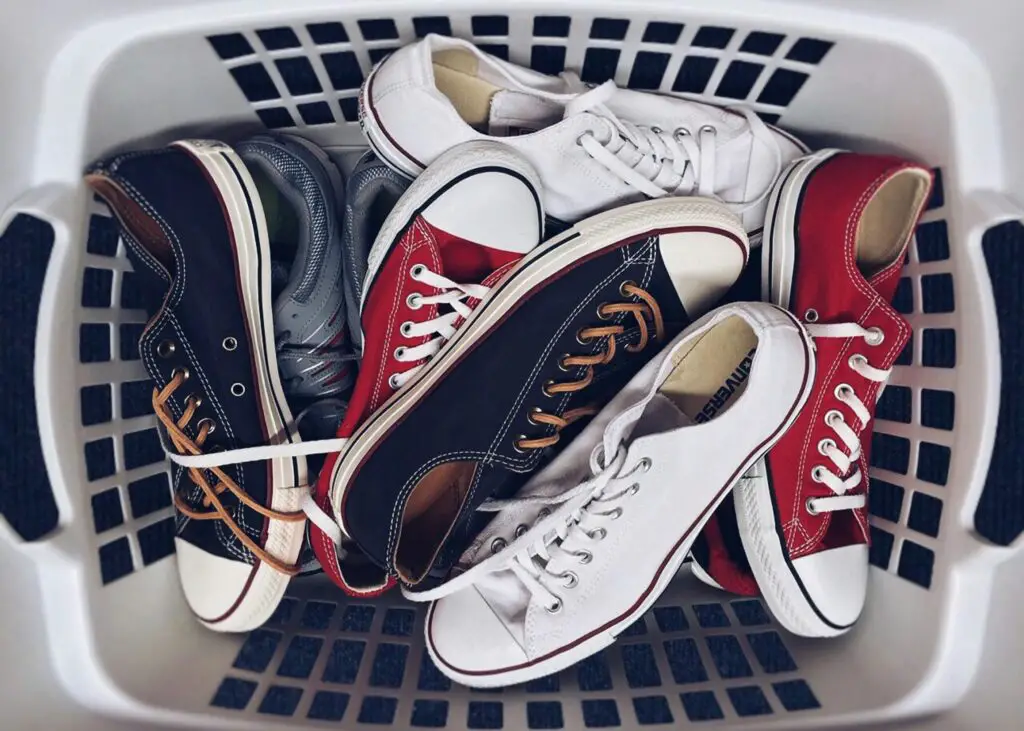
In some households, wearing shoes inside simply wasn’t allowed. The rule was clear, shoes came off as soon as you walked in. This helped keep floors clean and reduced the amount of dirt tracked through the house. It also meant entryways often filled up with piles of sneakers, boots, and sandals.
For families who followed this rule, it didn’t feel strict, it felt normal. Guests were expected to follow it without question. The habit has practical roots, especially in areas with harsh weather or muddy conditions. Over time, it became less about rules and more about routine.
8. Covering Remote Controls in Plastic

As televisions and remote controls became more common, some families treated them like delicate equipment. One way they protected them was by wrapping the remote in plastic. It kept dirt, spills, and wear from affecting the buttons. It also made the remote look slightly awkward and crinkly.
Despite that, it served its purpose. The remote stayed clean and functional for longer. Like plastic-covered furniture, it reflected a desire to preserve rather than replace. It might look unusual now, but at the time it felt like a sensible precaution.
9. Ironing Everything, Even When It Didn’t Need It
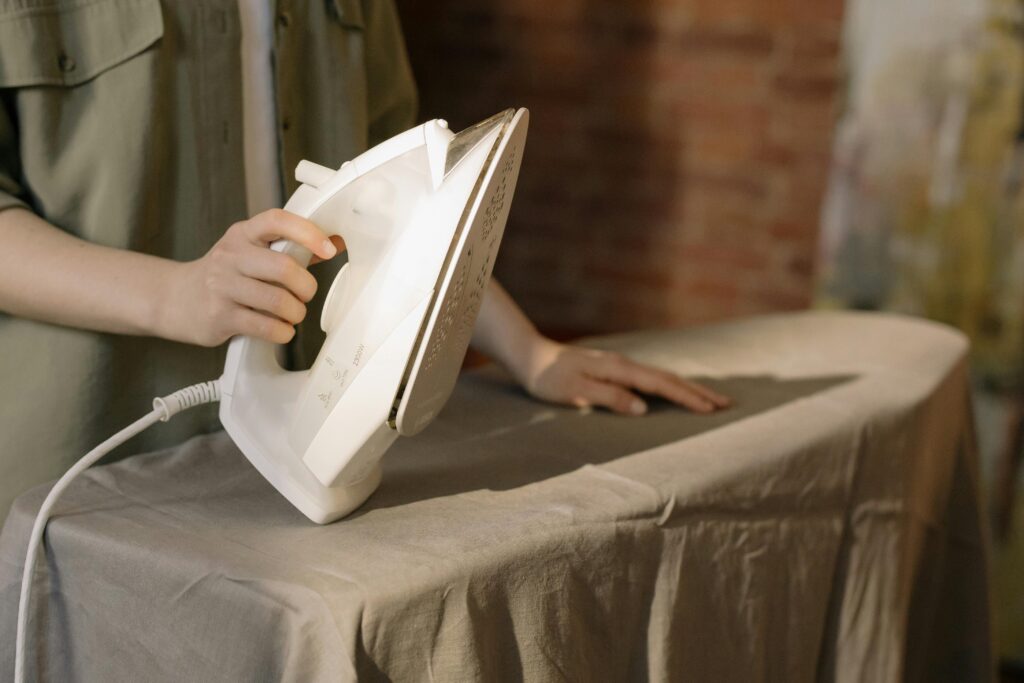
There was a time when ironing wasn’t optional, it was expected. Some households ironed nearly everything, from dress shirts to bedsheets. Even items that didn’t necessarily need it went under the iron. The goal was to present a neat, polished appearance at all times.
This routine could take up a surprising amount of time. Still, it was treated as a normal part of keeping a home in order. Wrinkle-free clothing was tied to ideas about respectability and effort. Over time, as fabrics and lifestyles changed, the habit faded, but it was once a standard expectation.
10. Not Sitting in the Living Room Unless It Was a Special Occasion
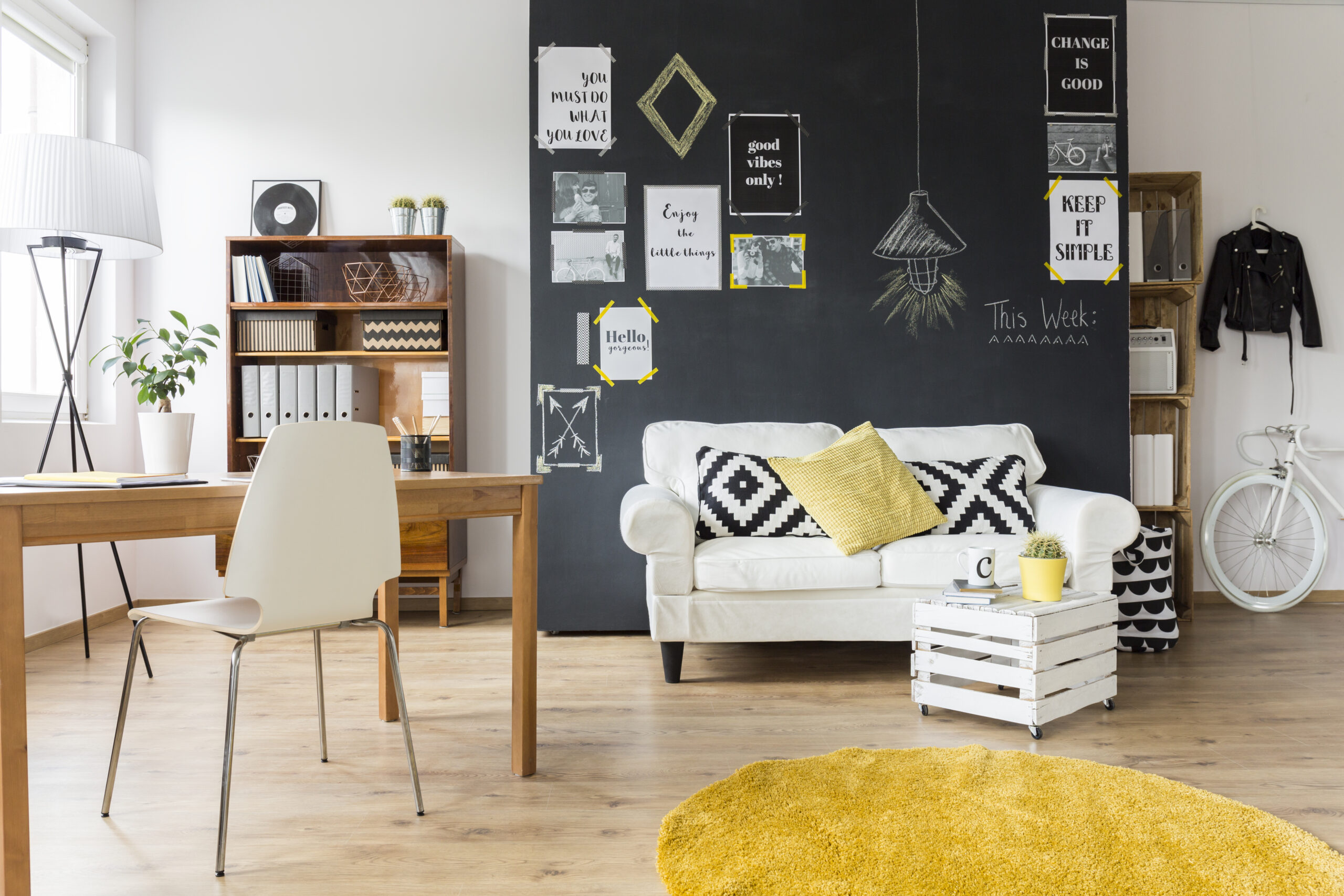
Some homes had a formal living room that was rarely used. It stayed clean, quiet, and almost untouched most of the time. Family members spent their time in other areas, like the den or kitchen. The living room was reserved for guests or holidays.
Because of that, it sometimes felt more like a display space than a functional room. Kids were often told not to play or relax there. The furniture stayed in perfect condition, but at the cost of everyday use. It was another example of preserving something rather than fully living with it.
11. Hanging Clothes to Dry Instead of Using the Dryer
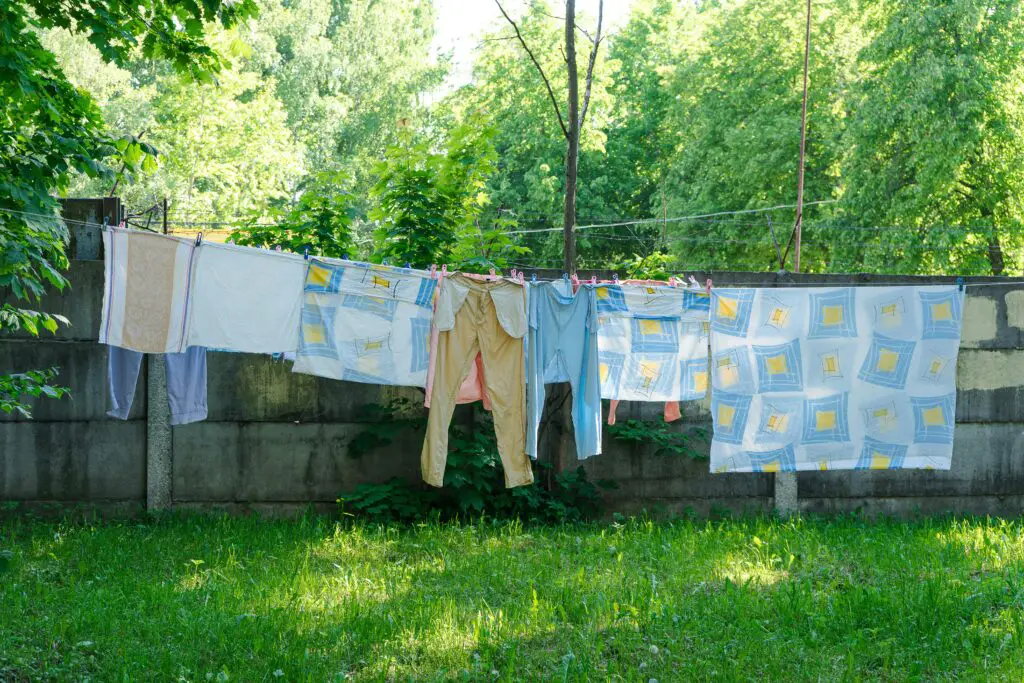
Before dryers became standard in every home, many families relied on clotheslines. Laundry was hung outside or in basements to air dry. This saved energy and extended the life of clothing. It also meant planning around the weather and available space.
Even after dryers became more common, some households stuck with the practice. Clothes dried naturally and often smelled fresher. It required more effort, but it was seen as worthwhile. In many cases, it was simply how things had always been done.
12. Saving Gift Bags, Wrapping Paper, and Boxes
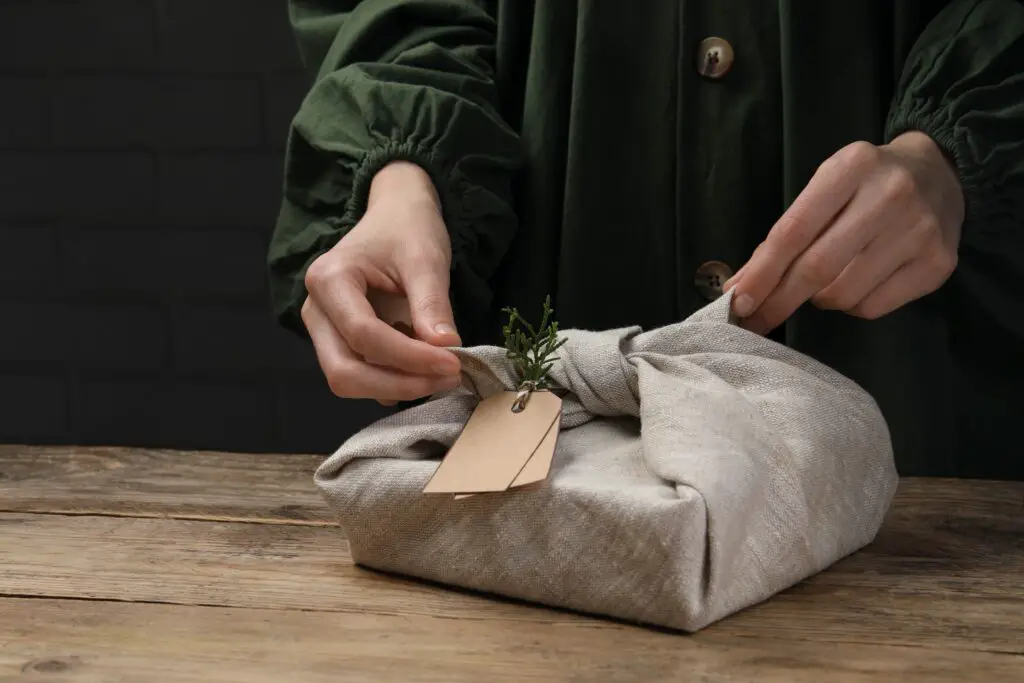
Opening a gift didn’t mean throwing away the packaging. Many families carefully saved gift bags, ribbons, and even wrapping paper. Boxes were folded or tucked away for future use. It turned every celebration into a small opportunity to stock up on reusable materials.
Over time, collections of these items built up in closets and drawers. When the next occasion came around, something could be reused instead of bought. It was a practical habit rooted in avoiding waste. For many people, it became second nature and still is today.