
1. A Hidden Room Behind a Bookcase
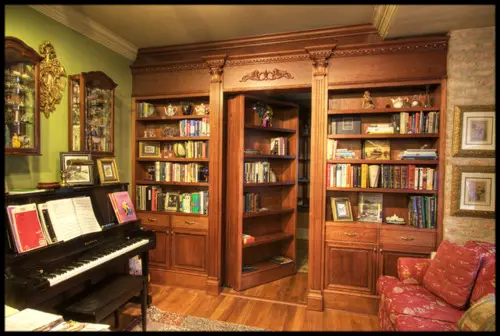
It sounds like something out of a movie, but people really have discovered entire rooms concealed behind built-in bookcases in older homes. In some cases, these rooms were intentionally designed as hidden spaces for privacy or security, especially in large houses built in the early 20th century. Others were more practical, like storage areas that were later sealed off during renovations. When homeowners stumble across them decades later, it can feel like opening a time capsule.
What makes these finds especially strange is how completely they can be forgotten, even by previous owners. Some hidden rooms have been found fully furnished, with old chairs, trunks, or even outdated décor still intact. There have also been cases where these spaces revealed original blueprints or construction quirks that were never documented. It’s a reminder that older homes were often modified over time in ways that didn’t always make it into official records.
2. Newspapers Stuffed Inside Walls

When people open up walls during renovations, they sometimes find old newspapers used as insulation. This was a fairly common practice in the late 19th and early 20th centuries, before modern insulation materials became standard. Builders would stuff whatever was readily available into wall cavities, and newspapers were cheap, abundant, and easy to handle. In many cases, the papers are still readable, preserving a snapshot of everyday life from decades ago.
Homeowners often find themselves flipping through headlines from another era, reading about events that were once considered urgent but are now long forgotten. These discoveries can also help date parts of the home or confirm when certain renovations were done. Occasionally, the papers include local advertisements or personal notices, which adds another layer of connection to the past. It’s a strange but surprisingly common find that turns a renovation into a bit of historical research.
3. Old Medicine Bottles and Tins

Another frequent discovery in older homes is a stash of antique medicine bottles or tins, often tucked away in cabinets, crawl spaces, or behind walls. Many of these date back to a time when regulations were looser and products were marketed with bold, sometimes questionable claims. Labels might advertise cures for everything from headaches to “nervous conditions,” reflecting the medical understanding of the time.
What makes these finds unusual is how casually they were left behind, sometimes still containing residue of whatever was inside. Glass bottles with embossed branding are especially common, and they’ve become collectible in some circles. Occasionally, homeowners find entire collections, suggesting a former occupant either saved them intentionally or simply never threw anything away. These items offer a glimpse into everyday health practices that feel very distant from modern medicine.
4. Forgotten Cash Hidden in Walls

There have been multiple documented cases of homeowners discovering cash hidden inside walls, under floorboards, or in ceilings. In many instances, the money dates back to periods like the Great Depression, when people distrusted banks and preferred to keep their savings close by. The bills are sometimes carefully wrapped or stored in envelopes, suggesting they were hidden intentionally for safekeeping.
The strange part is that the original owners never retrieved it, often because they moved, forgot, or passed away. Some finds have totaled thousands of dollars in old currency, though the value can vary depending on condition and age. In certain cases, the money is still usable, while in others it’s more valuable as a collectible. It raises the unsettling thought that there may still be hidden stashes waiting in other homes, completely unknown to current owners.
5. Vintage Children’s Toys in Crawl Spaces
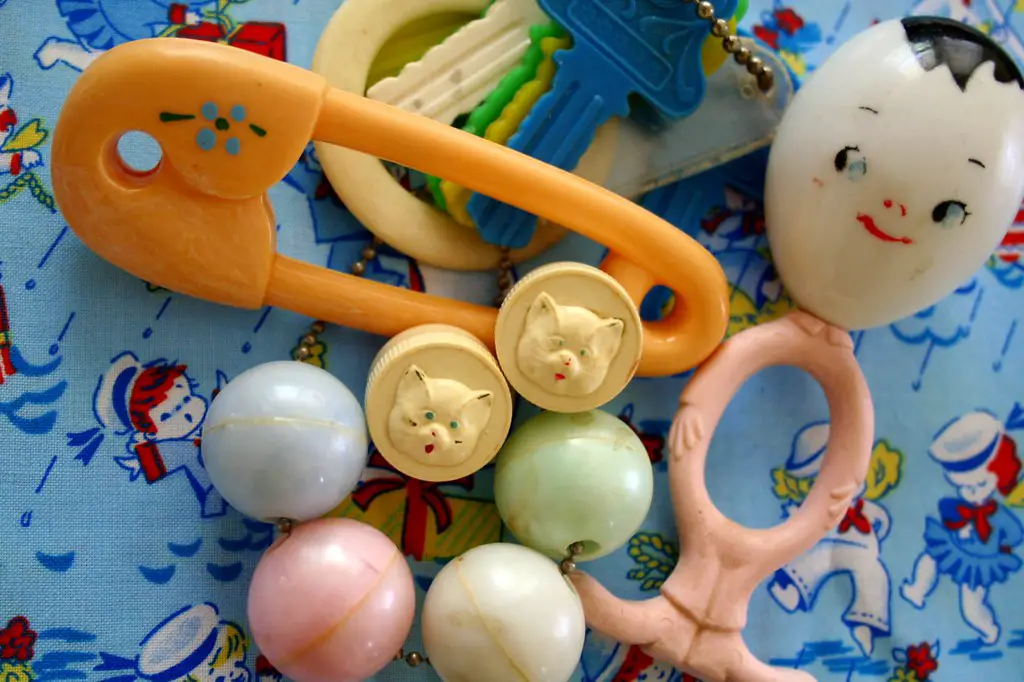
Crawl spaces and attics often turn up old toys that were lost or deliberately stored away and never recovered. These can include dolls, tin cars, board games, or handmade items from decades past. Because they were left undisturbed for so long, many of them are surprisingly well preserved, even if they look a little eerie by modern standards.
There’s something unsettling about finding a child’s toy in a dark, forgotten part of a house, especially when no one knows exactly how it ended up there. In some cases, the toys clearly belonged to previous families who lived in the home generations earlier. They can provide small but meaningful clues about the lives of children who once played there. It turns an ordinary renovation into something that feels oddly personal.
6. Old Letters and Personal Documents
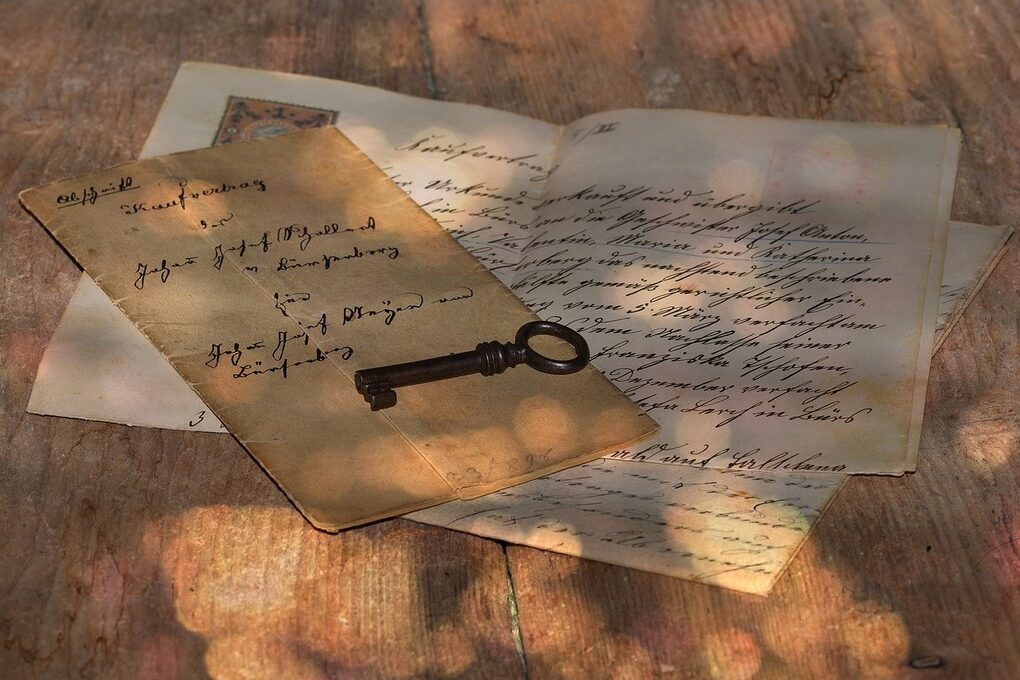
Stacks of letters, diaries, and personal documents are another discovery people report when renovating older homes. These are often tucked into drawers, hidden compartments, or even sealed inside walls. Unlike more generic items, these materials can tell detailed stories about the people who once lived in the house. Some include handwritten correspondence, family records, or even photographs.
Reading through them can feel intrusive, but also deeply fascinating. In certain cases, historians or archivists have taken interest in these finds because they provide firsthand accounts of everyday life. They might reveal details about local events, relationships, or personal struggles that were never recorded elsewhere. It’s one of the few discoveries that can turn a house into a direct link to someone else’s past.
7. Antique Wallpaper Layered Over Decades
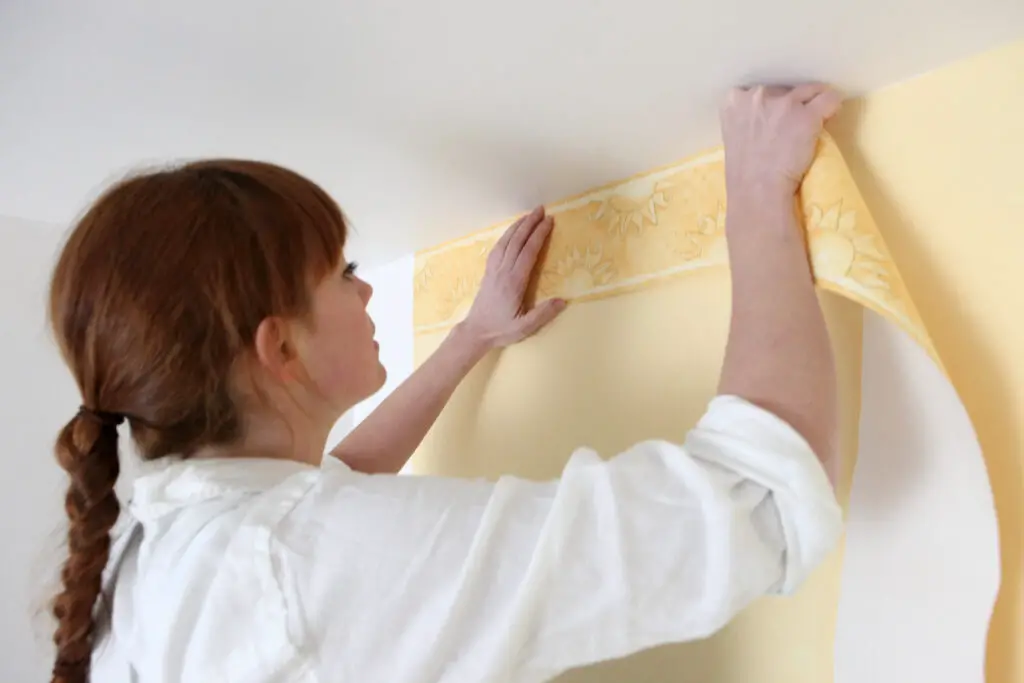
When homeowners strip away wallpaper in older houses, they sometimes uncover multiple layers underneath, each from a different era. It wasn’t unusual for people to simply paste new wallpaper over the old instead of removing it. Over time, this created a kind of visual timeline of changing tastes and design trends.
Some homes have revealed five or more distinct layers, with patterns ranging from ornate Victorian prints to mid-century florals. In rare cases, these layers are preserved well enough to be studied or even displayed. It’s not a single object, but the accumulation itself that feels strange, like peeling back decades of decisions made by different families. Each layer represents a moment when someone tried to update the space without erasing what came before.
8. Concealed Staircases That Lead Nowhere

Hidden or sealed staircases are another unusual feature occasionally discovered in older homes. These staircases might have once connected to servant quarters, secondary entrances, or parts of the house that were later removed or remodeled. Over time, they were boarded up or hidden behind walls, leaving no visible trace.
When they’re rediscovered, they often lead to spaces that no longer exist or have been repurposed. This can make the layout of the house feel confusing or incomplete, as if parts of it have been erased. In some cases, the staircases are still structurally sound, while in others they’re partially collapsed or unsafe. It’s a reminder that homes can change so much over time that their original design becomes almost unrecognizable.
9. Old Food Storage Jars in Unexpected Places
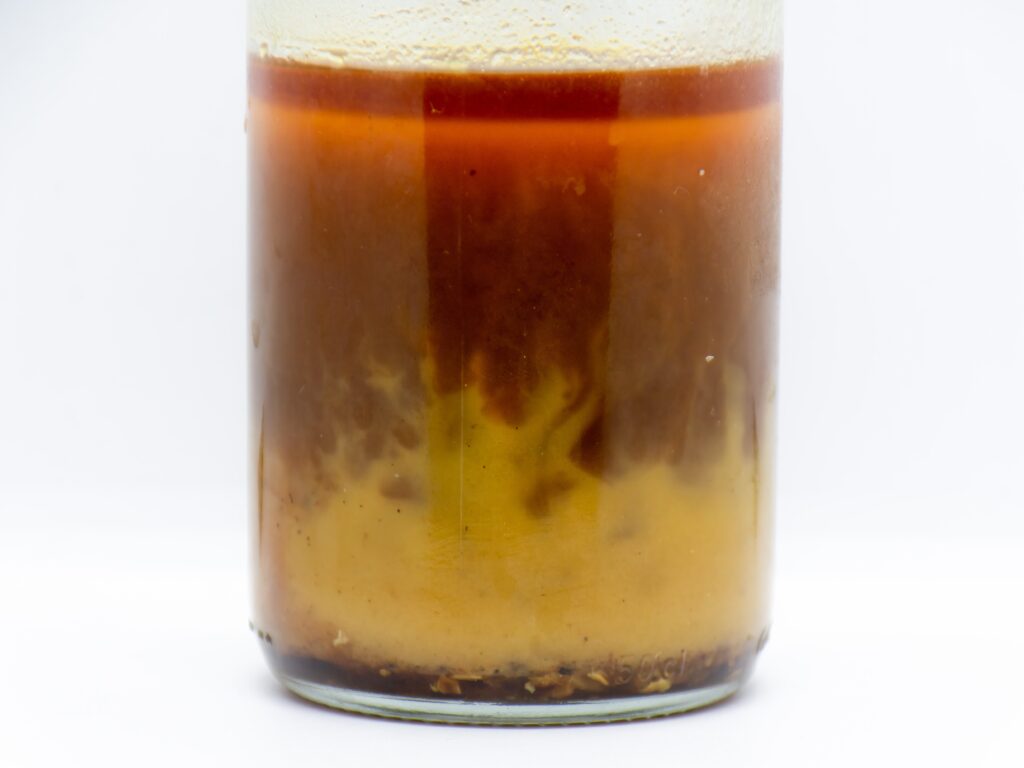
Homeowners have reported finding jars of preserved food hidden in basements, walls, or cupboards that were sealed off long ago. In earlier decades, home canning was a common practice, and people often stored large quantities of food for the winter. Sometimes these jars were forgotten when spaces were closed up or repurposed.
Opening them years later is usually not recommended, as the contents can be unsafe, but the jars themselves can still be intact. Labels, if present, may indicate what was stored or when it was made. These discoveries highlight how much daily life once depended on self-sufficiency. It’s strange to think of food sitting untouched for decades, hidden just a few feet away from where people are now living.
10. Old Tools Built Into the Structure
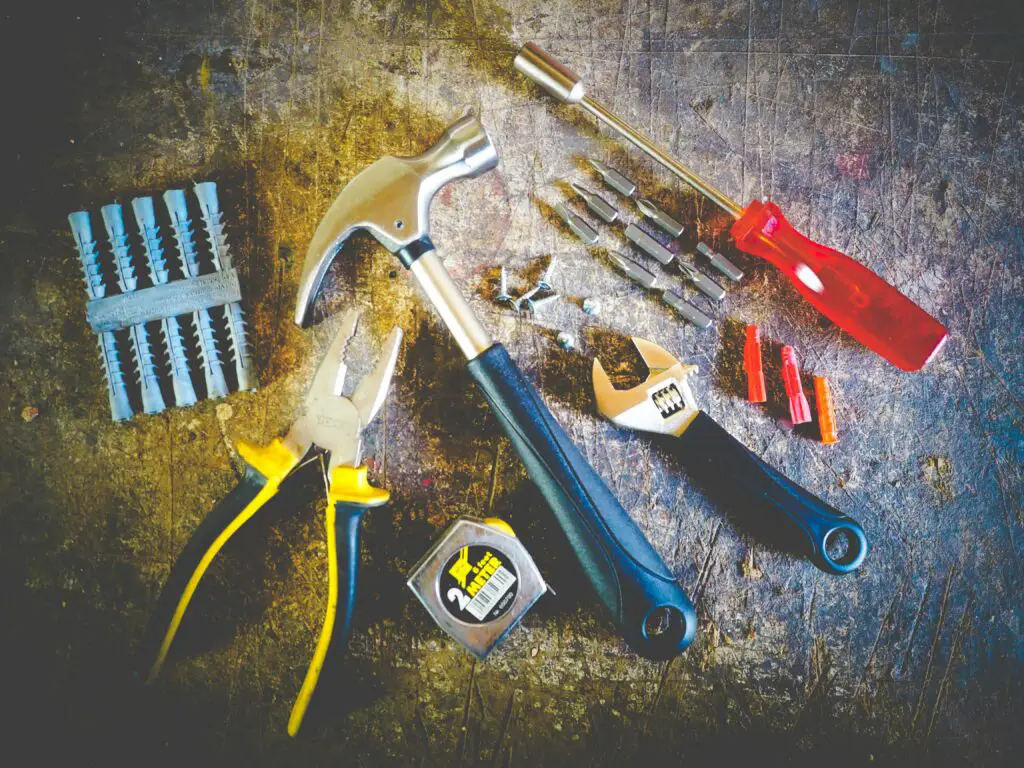
During renovations, some homeowners have found tools embedded inside walls or ceilings, left behind by builders. These might include hammers, saws, or measuring tools that were accidentally dropped or intentionally stored and forgotten. Because construction standards and practices were different in the past, it wasn’t always practical to retrieve items once walls were sealed.
Over time, these tools become artifacts of the home’s original construction. In some cases, they’re still in usable condition, while in others they’ve deteriorated significantly. Finding them can give insight into how the house was built and what techniques were used. It’s a small but tangible connection to the people who physically constructed the space.
11. Old Photographs Hidden in Walls or Attics

Photographs are another deeply personal item that sometimes turns up in old homes. These are often found in attics, tucked into insulation, or hidden in forgotten boxes. Many are unlabeled, leaving current homeowners to guess who the people in the images might have been.
Despite that mystery, the photos can still feel meaningful. They often show everyday moments, family gatherings, or portraits that were once important to someone. In some cases, homeowners have been able to track down descendants and return the images. It’s one of the more emotional discoveries, turning a renovation into an unexpected connection between past and present.
12. Sealed Fireplaces and Chimney Openings
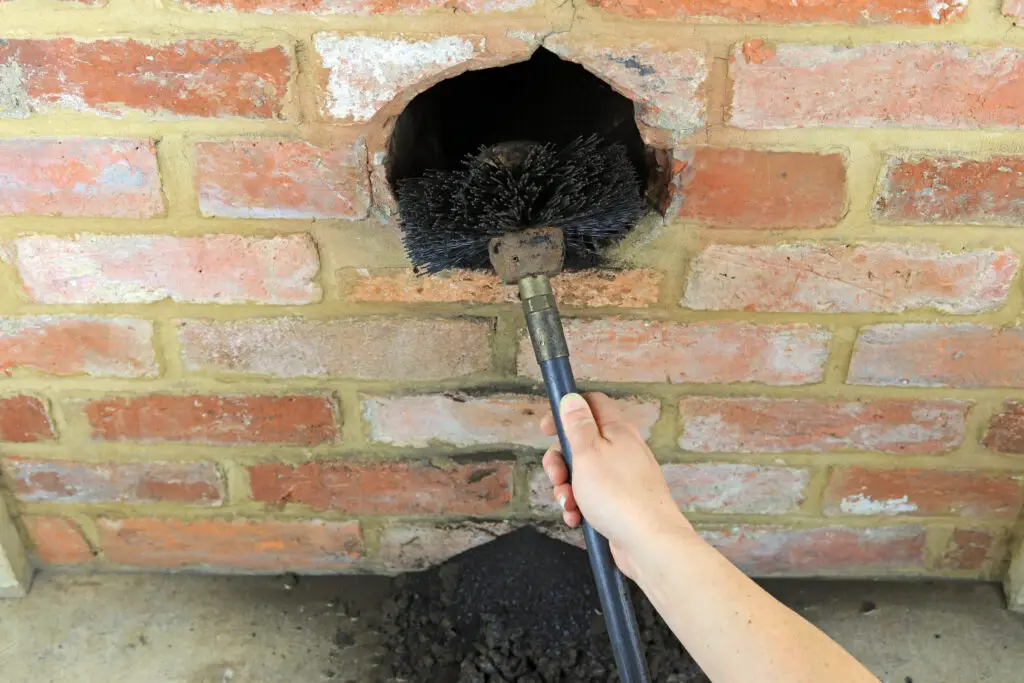
It’s not uncommon for older homes to have fireplaces that were sealed off during renovations or when heating systems were updated. When these are reopened, homeowners sometimes find objects hidden inside, including tools, debris, or even old household items. In some cases, the fireplace itself was simply covered over, leaving the original structure intact behind a wall.
Revealing these features can change how a room looks and functions, but it can also uncover things that were never meant to be seen again. Chimneys, in particular, have been used as convenient places to discard or hide items over the years. The result is a mix of practical renovation work and unexpected discovery. It reinforces how much of a home’s history can remain hidden just beneath the surface.