
1. Never Opening an Umbrella Indoors

People truly believed opening an umbrella inside invited bad luck, even if it was dripping all over the floor. The superstition was strong enough that kids were scolded instantly, as if something terrible might happen on the spot. It did not matter if it was raining buckets or the carpet was already ruined. The umbrella had to stay closed, no exceptions.
Some families went so far as to shake umbrellas outside until they were nearly dry just to avoid tempting fate. Guests would awkwardly hover in doorways, unsure where to put them. The belief was rarely explained beyond a vague warning that “something bad” would follow. Nobody questioned it because luck was not something you wanted to test.
2. Avoiding Walking Under Ladders

Walking under a ladder was seen as practically inviting disaster. People would step off sidewalks or pause mid stride rather than pass beneath one. It felt safer to inconvenience yourself than risk whatever bad luck might be waiting.
Even construction zones became anxiety inducing obstacle courses. Kids learned early to grab a friend’s arm and steer them away from the danger zone. If someone accidentally walked under one, there was often an immediate ritual to undo the damage. Spitting or crossing fingers became emergency luck repair.
3. Sleeping with Your Head Facing a Certain Direction

Some households believed the direction you slept could shape your fortune. Beds were rotated to face east or avoid north, depending on family tradition. It was treated like common sense rather than superstition.
People blamed restless nights or bad moods on sleeping the wrong way. Rearranging furniture became a solution to vague life problems. Guests sometimes found themselves politely informed which way to position the pillow. Luck, apparently, started at bedtime.
4. Carrying a Lucky Penny Everywhere
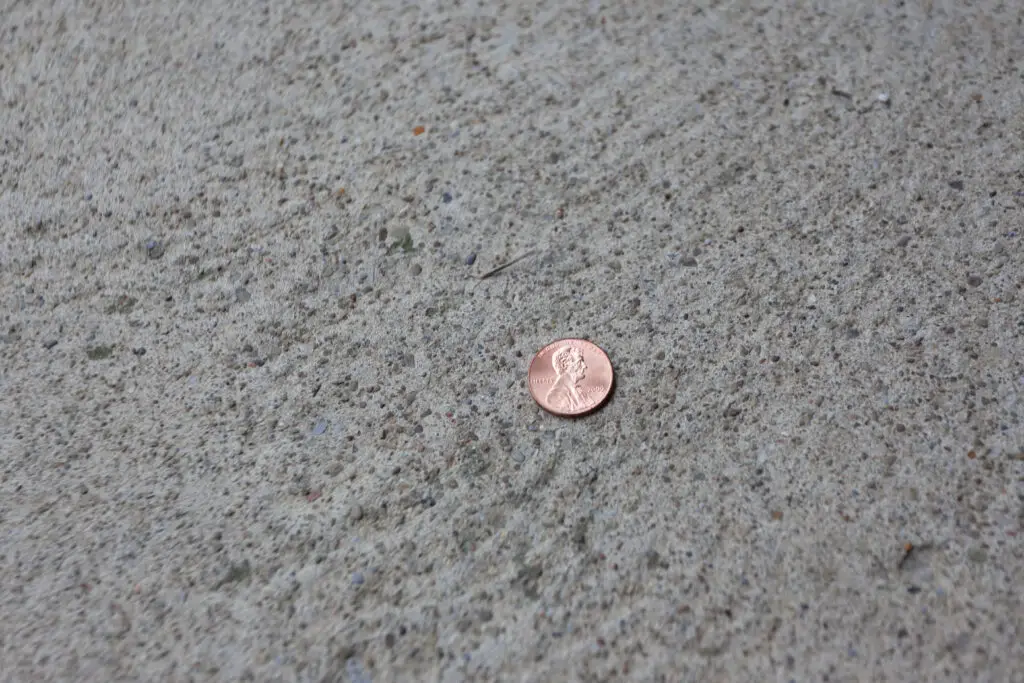
A single coin could take on enormous importance. If you found a penny heads up, it was almost criminal not to keep it. People tucked them into wallets, purses, or coat pockets like tiny insurance policies.
The penny became something you noticed when things went well. Lose it and suddenly every inconvenience felt suspicious. Some refused to spend it under any circumstances. It was not about money, it was about control over luck.
5. Never Placing Shoes on a Table

Shoes on a table were believed to invite misfortune, illness, or even death depending on who you asked. It was an instant correction kind of rule, enforced without debate. Shoes belonged on the floor and nowhere else.
Even new shoes fresh from the store were not exempt. People would rush to move them, sometimes knocking over chairs in the process. The logic never mattered because the rule felt ancient and serious. Nobody wanted to be responsible for tempting fate over footwear.
6. Knocking on Wood After Saying Something Good

Talking about good news required immediate follow up protection. Knock on wood or risk jinxing it completely. It became muscle memory for many people.
Tables, doorframes, and even heads were fair game. If there was no wood nearby, people would scramble to find some. Forgetting to knock felt genuinely unsettling. Luck needed reinforcement, not confidence.
7. Avoiding the Number Thirteen
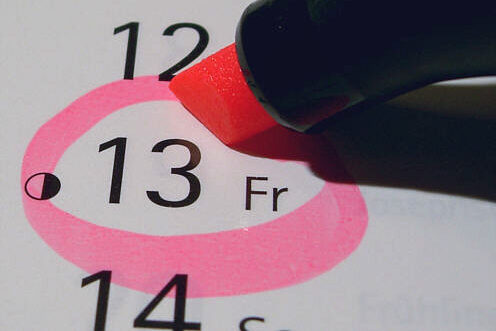
Thirteen carried a weight far heavier than other numbers. People avoided hotel rooms, rows, and even dates tied to it. The number alone felt risky.
Some refused to schedule appointments or events on the thirteenth. Others felt uneasy simply seeing it written down. The fear was inherited rather than learned. It lingered quietly in everyday choices.
8. Turning Back Home After Forgetting Something

Leaving the house and then returning was considered a bad omen. People would hesitate at the door, debating whether the forgotten item was worth the risk. Some believed it doomed the entire day.
To fix it, rituals appeared. Sitting down briefly or looking in a mirror supposedly reset the luck. The goal was to trick fate into forgetting you messed up. Leaving again felt safer once the ritual was complete.
9. Breaking a Mirror Means Years of Bad Luck

Breaking a mirror was not just clumsy, it was catastrophic. The threat of seven years of bad luck made the accident feel much bigger than shattered glass. Cleanup came with a sense of dread.
People blamed future mishaps on that single moment. The idea lingered long after the mirror was gone. Even small chips caused anxiety. Mirrors were treated with cautious respect.
10. Never Giving a Knife as a Gift
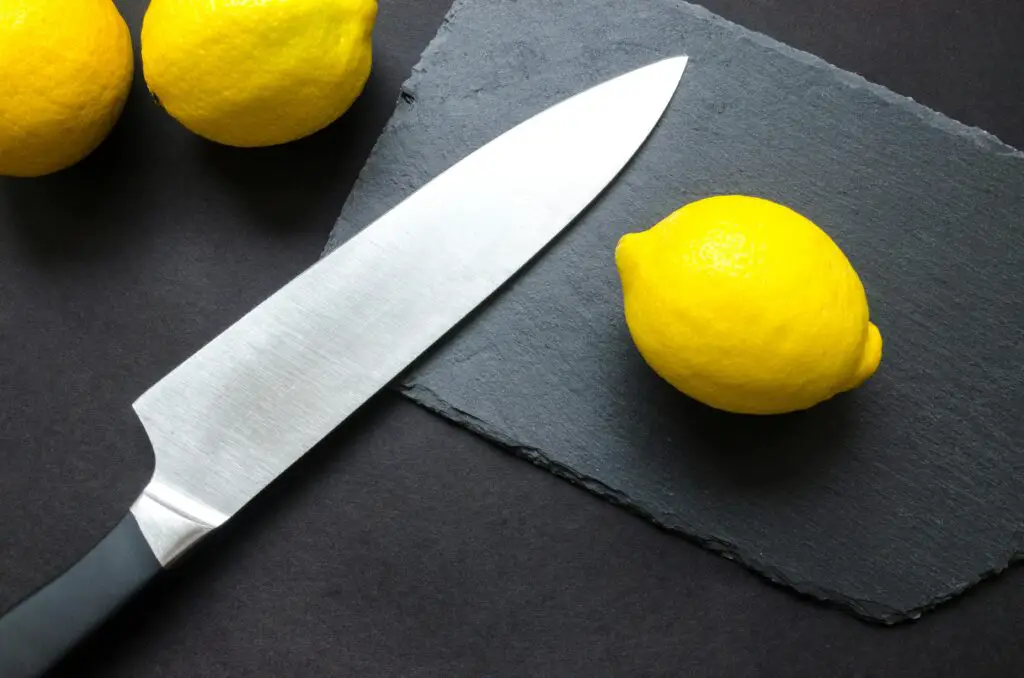
Knives were believed to cut relationships along with wrapping paper. Giving one as a gift felt risky, even if it was practical or expensive. The solution was symbolic payment.
Recipients would hand over a coin to cancel the bad luck. This turned the gift into a purchase instead. Everyone felt safer once the ritual was complete. Relationships, thankfully, remained intact.
11. Keeping Lucky Clothing for Important Days

Certain clothes became unofficial good luck charms. A specific shirt or pair of socks was saved for tests, interviews, or big events. It did not matter if they were uncomfortable or outdated.
Wearing them felt like stacking the odds in your favor. If things went well once, the item gained power. Washing them before an important day sometimes felt risky. Luck, apparently, could live in fabric.
12. Making a Wish on Eyelashes and Fallen Stars

Finding an eyelash meant you had a chance to improve your fortune. People placed it on a fingertip and made a silent wish before blowing it away. The moment felt oddly important.
The same belief followed shooting stars. You had to wish quickly or miss the opportunity. The wish stayed secret to protect it. Luck worked best when handled carefully.