
1. Cold Cream as an All-Day Companion
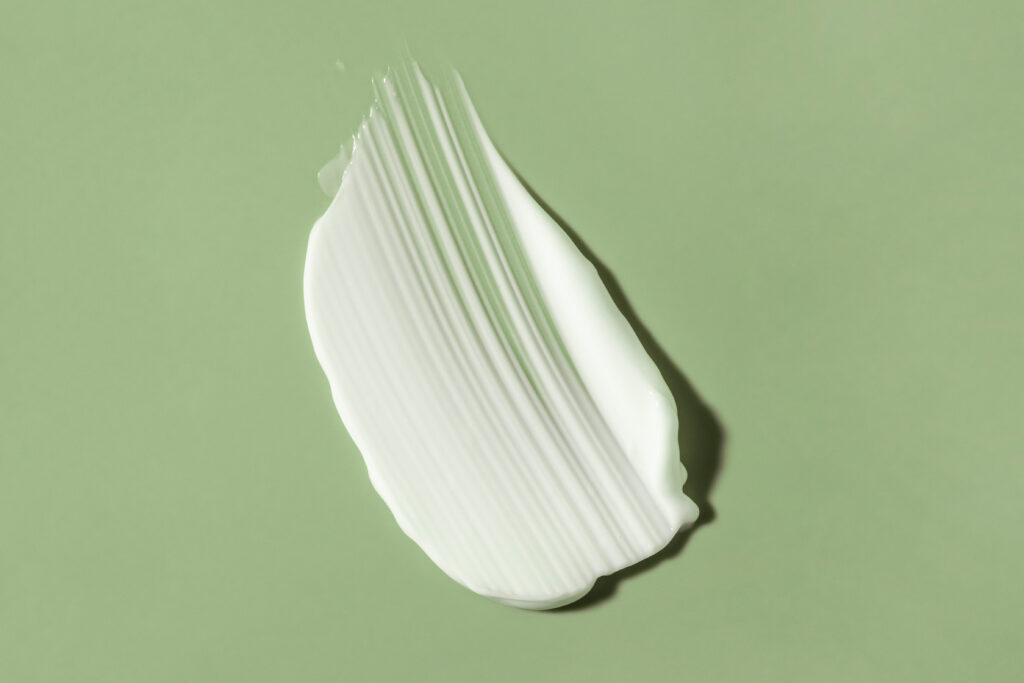
Women in the ’40s practically lived with a jar of cold cream by their side. It wasn’t just a makeup remover, it doubled as moisturizer, cleanser, and sometimes even a stand-in for foundation when mixed with a bit of powder. Many women learned the routine from their mothers and stuck with it because it felt comforting and reliable. The scent alone could take you back to a familiar bathroom vanity. Housewives used it before chores, after chores, and again before bed. It was worked into morning and nighttime routines with total dedication. Looking back, it’s funny to think how one little jar did so much heavy lifting.
But that multipurpose use meant layering it on thick, then wiping it off with tissues until only a thin sheen remained. Women swore the leftover glow made skin look softer in photographs, especially those moody studio portraits from the era. The cream left a slightly waxy texture that promised “dewy” before that was even a word people used. Plenty of women said it was the closest thing to a spa treatment they could afford. And during rationing years, it was cheaper than experimenting with multiple products. Whether it worked miracles or not, it became a beauty staple that defined a generation.
2. Eyebrow Stencils and the Ultra-Thin Look
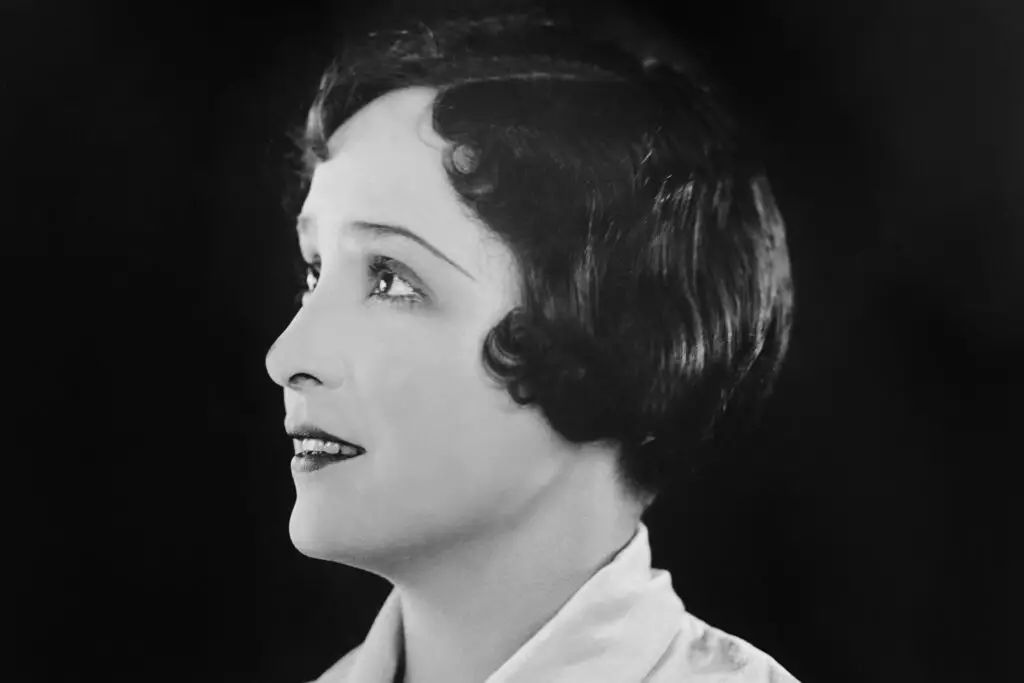
The ’40s loved expressive brows, but they had to be thin and dramatically arched. Women used eyebrow stencils to get that perfect look, and these guides were often included in magazines or beauty kits. If a brow didn’t match the preferred shape, it was plucked into submission without hesitation. These thin lines created an instantly glamorous expression. The process took patience, mirrors, and plenty of tweezing time. Even teenage girls secretly practiced the technique behind closed doors. That dramatic brow was seen as polished and movie-star worthy.
When women couldn’t get the arch just right, they’d fill in the line with a pencil sharpened down to a fine point. This gave an ultra-defined look that photographed beautifully in black-and-white film. Because brows were so thin, upkeep became a weekly discipline. Beauty columns insisted that a woman’s entire expression could be “lifted” by the right brow shape. The trend hung on for years thanks to actresses who made it look effortless. The funny part is how many women later wished they’d left a little more hair behind.
3. Leg Makeup as a Stocking Substitute

Nylon shortages during World War II meant stockings were nearly impossible to find. So women turned to leg makeup, a tinted lotion meant to mimic the smooth look of hosiery. Some even asked a friend or sister to carefully draw a “seam” down the back of the leg with an eyebrow pencil. The ritual could turn into a social moment, with women helping one another get the line straight. Others did it themselves, balancing in front of a mirror and hoping for the best. Leg makeup became a necessity for feeling polished. Shops sold out of it as quickly as they stocked it.
This routine required patience, drying time, and a steady hand. Rainy weather meant risking streaks and smudges. Women learned which brands stayed put and which faded too fast. It was considered embarrassing to get caught with a crooked seam. Yet many women remembered it fondly because it made them feel pulled together at a time when luxuries were scarce. Once nylons returned to stores, the leg-makeup era faded overnight.
4. Sleeping in Pin Curls
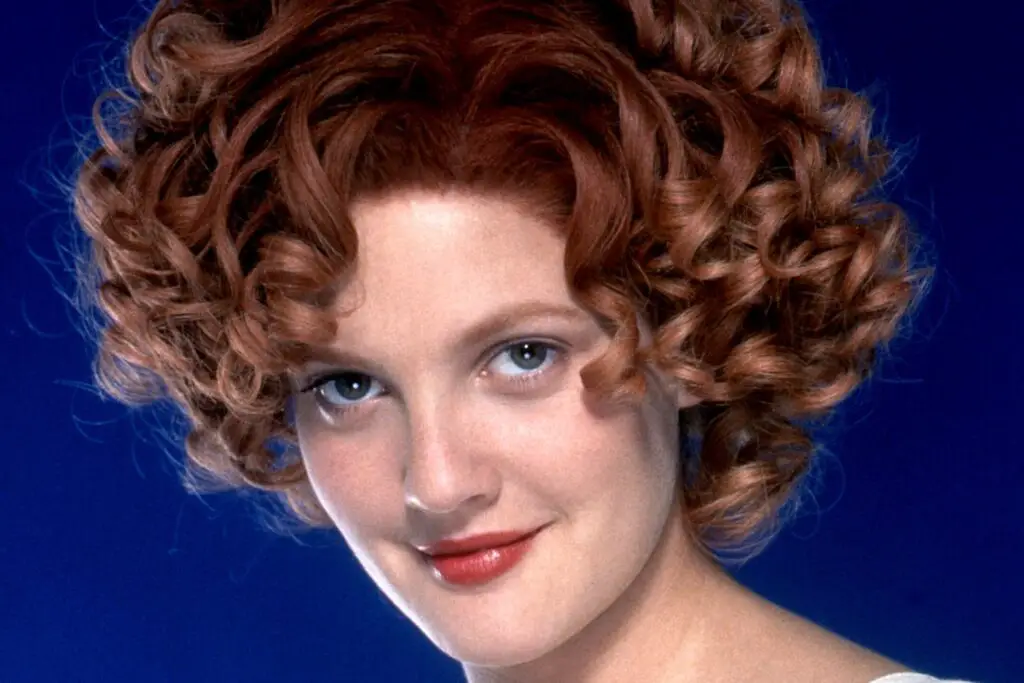
Pin curls were the secret behind those soft, bouncy waves you see in vintage portraits. Women set their hair at night, twisting sections and securing them with metal pins. This usually meant sleeping uncomfortably on a pillow full of tiny bumps. But waking up with the perfect wave pattern made it worth it. Some even wrapped scarves around their heads to keep curls in place. It was a nightly routine that took real commitment. The results lasted for days, especially with a bit of hairspray or setting lotion.
The morning reveal always felt like a mini event. Women carefully unpinned each curl to avoid frizz. They brushed everything into smooth waves and sculpted the iconic S-shapes. With practice, the process became quick and familiar. Beauty magazines printed diagrams showing exactly how to place each curl. The whole thing took patience but became second nature. Those well-formed waves were a major point of pride.
5. Using Petroleum Jelly for Everything
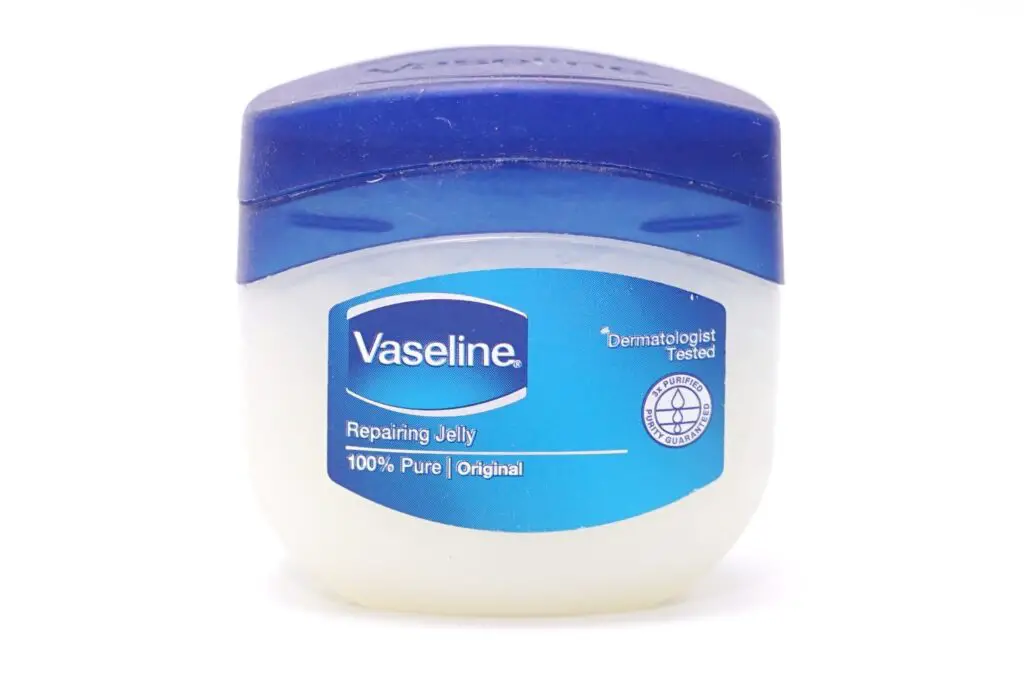
If someone in the ’40s handed you a tin of petroleum jelly, it was like receiving a Swiss Army knife of beauty. Women applied it to lips, lashes, dry patches, and even cuticles. Some used it to tame brows or give cheeks a subtle glow. It was seen as an all-purpose solution that didn’t break the budget. Many women kept a tin in their purse and another on their nightstand. The texture wasn’t for everyone, but those who loved it, loved it.
Because cosmetics were limited, petroleum jelly filled in the gaps. It doubled as a protective barrier in harsh winter weather. Women used it to smooth rough hands after chores or factory work. Some even dabbed it on their eyelids for a glossy effect. While modern products have taken its place, the nostalgia around that tiny metal tin still lingers. It was simple, reliable, and always within reach.
6. Homemade Facials with Pantry Staples
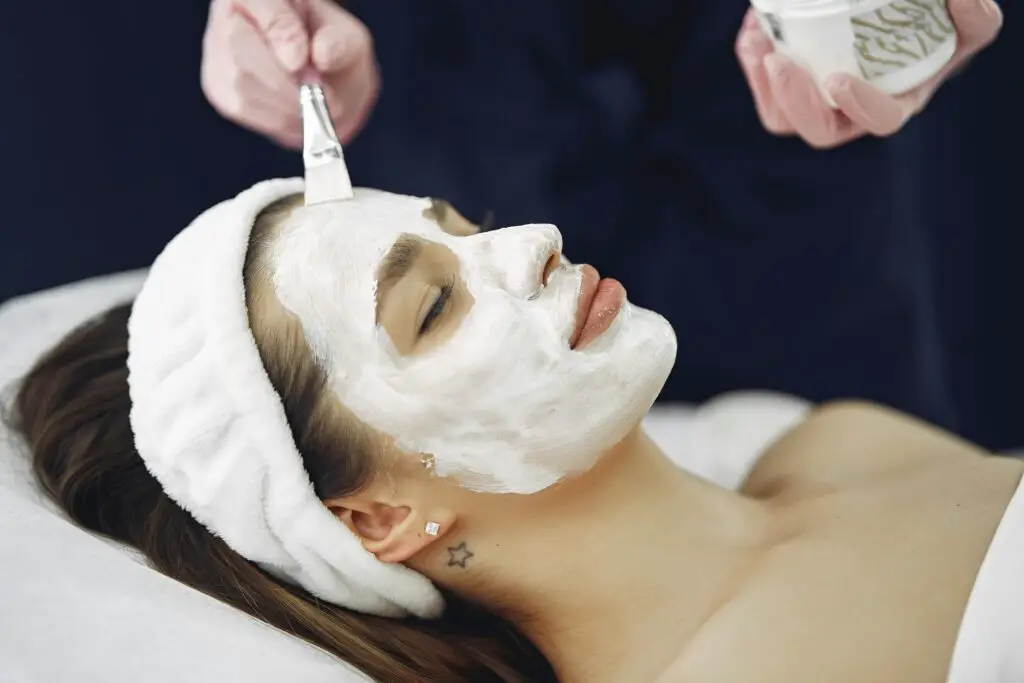
When trips to the beauty counter weren’t possible, women got creative in the kitchen. They mixed oatmeal, honey, egg whites, or mashed fruit into makeshift face masks. Some recipes came from magazines, but many were shared between neighbors. These concoctions were meant to tighten, soften, or brighten the skin. Women loved the feeling of pampering themselves, even if the ingredients were humble. It became a little ritual to unwind after a long day. Cleanup was usually the hardest part.
Because packaged products were expensive, DIY beauty felt both thrifty and empowering. Women swapped tips like treasured secrets. Some masks worked surprisingly well, and others were more of an experiment. But the conversations and trial-and-error made it a fun hobby. Even if the results weren’t dramatic, it felt good to carve out that moment of self-care. These homemade facials became a charming part of ’40s beauty culture.
7. Using Lemon Juice as a Natural Lightener
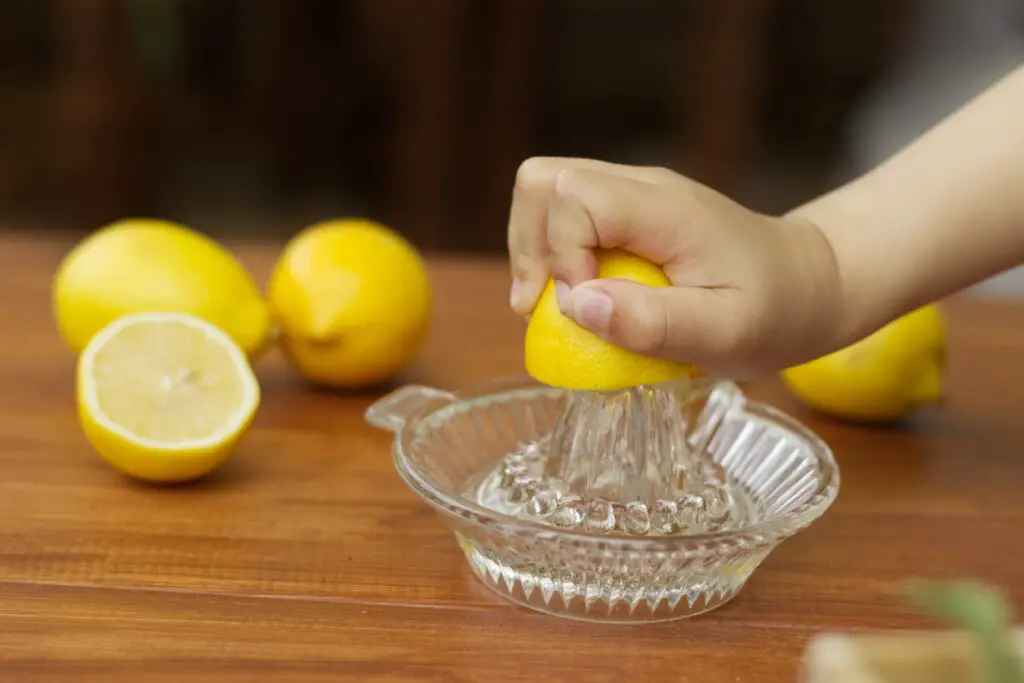
Before highlights were mainstream, women reached for lemon juice to brighten their hair. They’d apply it generously, then sit by a sunny window or step outside to let nature do the work. It was an easy way to get a lighter, sun-kissed look. Some women swore by it, claiming it added warmth and shine. Others found it made hair a bit dry, but still liked the subtle color shift. It became a go-to trick for a quick refresh.
The process was simple but required patience. The results were gradual, which added to the anticipation. Friends often compared notes on how many applications it took to see a difference. Beauty magazines sometimes mentioned it as a budget-friendly alternative to salon treatments. Whether it worked flawlessly or unevenly, women enjoyed experimenting. It felt like holding a little secret between you and the sun.
8. War-Time Hair Rinses with Vinegar
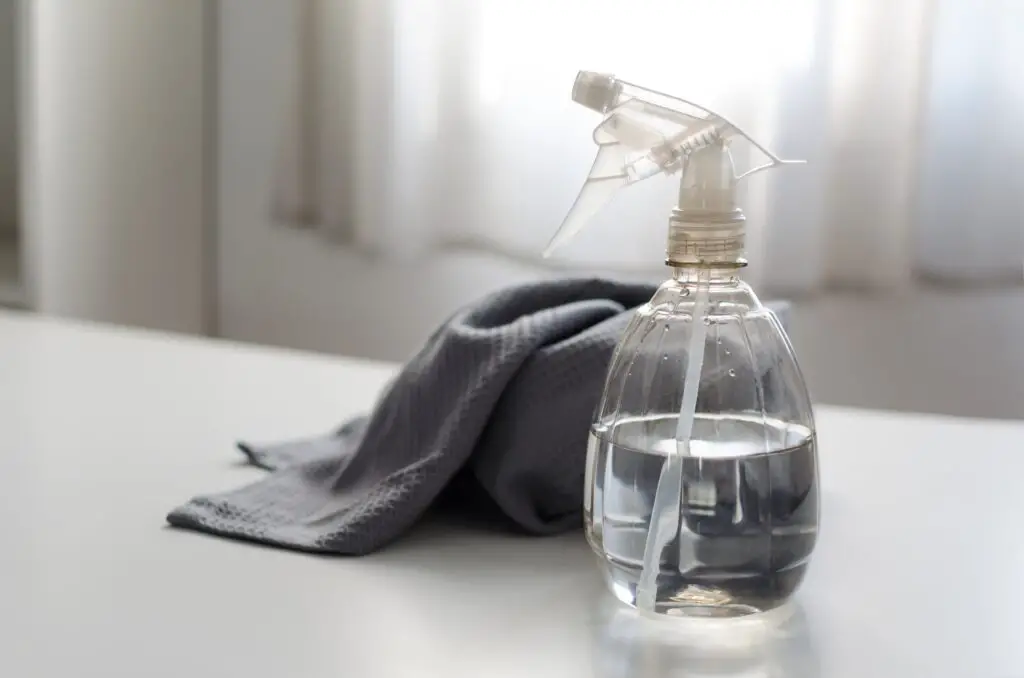
Vinegar hair rinses became popular as an inexpensive way to add shine. Women diluted it with water, poured it over their hair after washing, and hoped the smell disappeared quickly. They swore it removed soap residue and left strands soft. It was especially useful because shampoo formulas back then were harsher than today. The rinse became a modest but reliable finish to a wash day. Many women learned the trick from their mothers or beauty columns.
Despite the odor, the results often made it worth it. The shine could be surprisingly noticeable in photographs. Some added simple herbs to make the scent more pleasant. It was a low-cost way to feel polished without buying fancy products. Women felt proud when the rinse transformed dull hair into something glossier. The ritual stuck around long after the war because it truly worked.
9. Facial Exercises to “Preserve Youth”
Beauty guides from the ’40s frequently promoted facial exercises. Women believed these movements kept wrinkles at bay and improved circulation. They were supposed to stretch and tone the muscles, kind of like a workout for the face. Some routines looked downright silly, which made it easier to practice them privately. Women followed diagrams in magazines that showed exaggerated expressions. It became a daily ritual for those hoping to age more gracefully.
Whether the exercises were effective or not, they created a sense of control. Women felt they were doing something proactive for their appearance. Some claimed their skin looked firmer after a few weeks. It also offered a quiet moment of routine that felt soothing. Even if results were subtle, the practice gave women confidence. It’s one of those forgotten rituals that feels surprisingly modern now.
10. Wearing Rubber Masks for At-Home “Lifts”
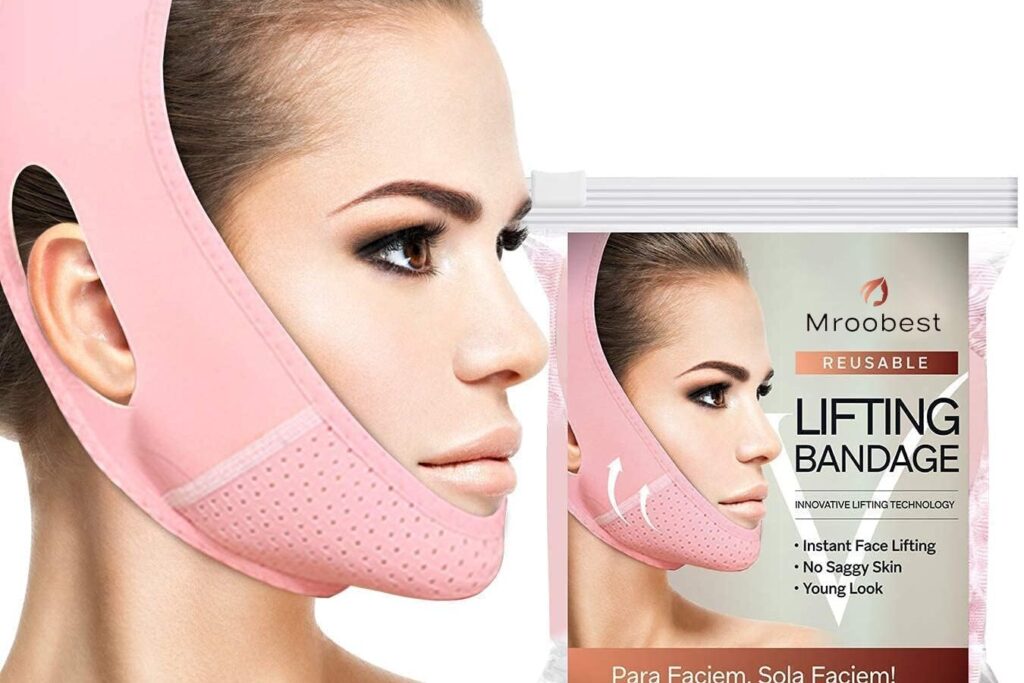
Rubber beauty masks were marketed as a way to firm the face. Women would wear them tightly over the skin, hoping to smooth out puffiness and lines. The masks looked a bit dramatic, especially to family members who walked in unexpectedly. But the promise of a “lifted” look kept women dedicated. These masks were advertised heavily in magazines. Some versions even claimed to improve circulation.
Most women wore them while doing chores or relaxing before bed. The tightness could feel strange but gave the impression of instant toning. Results varied, but many women believed in the ritual. It added a touch of glamour to an ordinary day. The masks eventually faded from popularity, but they were a memorable part of the era’s beauty experiments.
11. Using Rouge for Lips, Cheeks, and Even Eyelids
Rouge was the multitasking hero of ’40s makeup bags. Because resources were limited, women used one compact for multiple purposes. A little went a long way, especially on the cheeks. Some dabbed it lightly on lips or even eyelids for a coordinated flush. It created that soft, rosy look popular during the decade. With just one product, they could feel instantly put together.
Applying rouge was almost an art form. Women blended it carefully to avoid looking too bold. The subtle color brightened the face in photos and daily life. Many passed down application tips through generations. It simplified beauty routines and felt economical. Even without a drawer full of cosmetics, women managed to look polished. Rouge truly carried the era’s makeup trends.
12. Curling Lashes with a Spoon
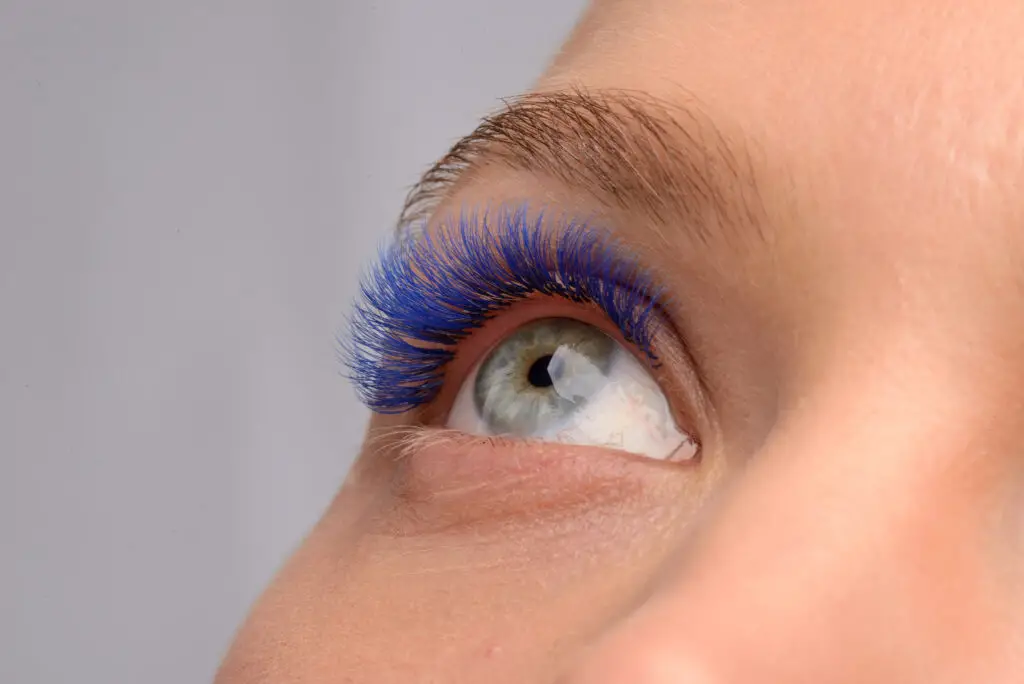
When eyelash curlers were less common, women improvised with a spoon. They’d warm the spoon slightly, place the edge against their lashes, and gently press upward. It required practice and a steady hand. The trick became well known through beauty columns and friendly advice. Some women preferred it because it felt gentler than metal curlers. The results could be surprisingly effective.
The ritual added a little thrill because the metal had to be warmed just right. Too cool and nothing happened, too warm and it got uncomfortable. Women perfected their technique through trial and error. It became a clever workaround when tools were scarce. Friends often shared tips on the best way to angle the spoon. It remains one of the most inventive beauty hacks from the decade.