
1. Tuna and Lime Jell O Mold
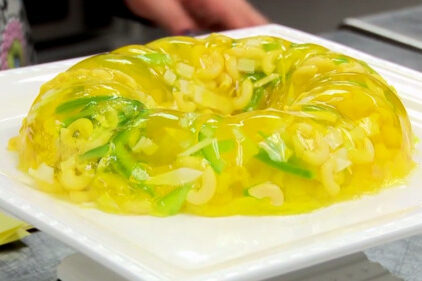
If you ever want proof that the ’60s were a fearless decade in the kitchen, this one delivers instantly. Canned tuna suspended in lime gelatin was considered elegant, especially when unmolded in a shiny ring shape and placed on lettuce. The idea was part convenience food culture, part fascination with modern “space age” presentation. Home cooks liked that it could be made ahead and sliced neatly for guests. Unfortunately, the combination of fishy salt and sugary citrus never quite made sense on the palate. Even period cookbooks admitted you should drown it in mayonnaise to make it tolerable. It looks more like a prop from a lab than something you’d serve at a bridge luncheon.
Still, people genuinely thought this was sophisticated entertaining. Gelatin molds were everywhere because refrigerators were becoming more common and symbolized modern living. The wobble factor alone made it feel futuristic and impressive. If you see vintage photos, the glossy green glow almost looks radioactive. It’s the kind of dish that makes you appreciate how far party food has evolved. You can almost hear a hostess saying, “Isn’t it clever?” while guests quietly wonder how to take the first bite.
2. Hot Dog and Pineapple Kabobs in Gelatin
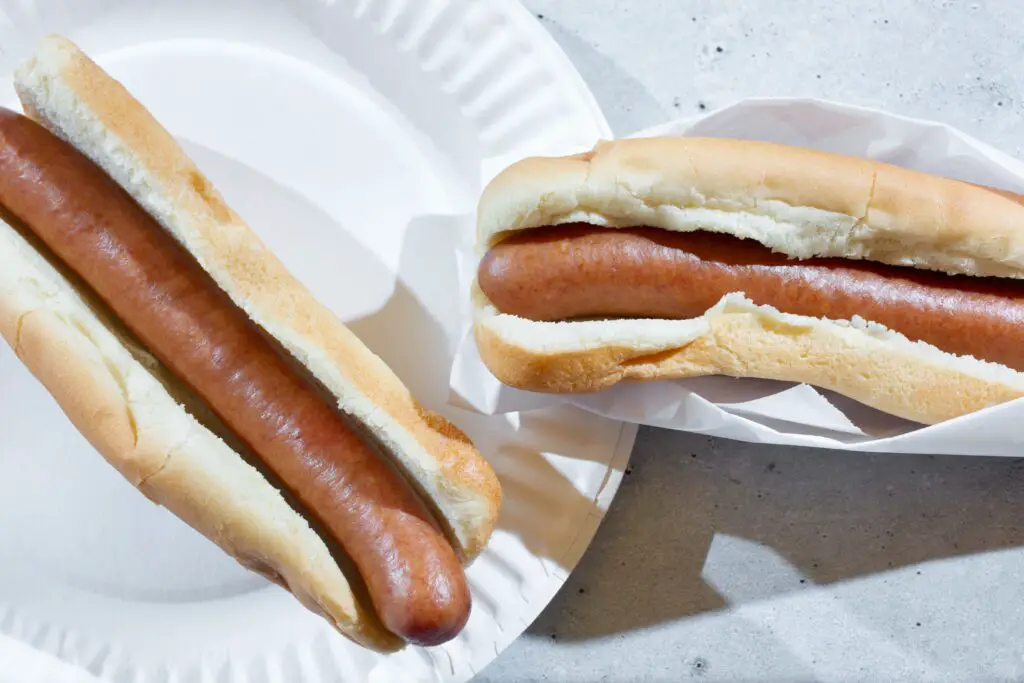
This recipe feels like someone dared a neighbor to combine everything in the fridge and call it a centerpiece. Chunks of hot dog and canned pineapple were often set into clear gelatin and skewered for visual drama. The contrast of pink meat cubes floating beside bright yellow fruit is startling even now. It was meant to be playful, colorful, and perfect for cocktail parties or kids’ birthdays. The savory and sweet pairing might sound trendy today, but gelatin changes the whole experience. Texture becomes the real challenge, with rubbery meat inside slippery jelly.
What’s fascinating is how proudly these dishes were photographed in magazines and advertisements. They looked like edible science displays, proudly showcasing modern convenience foods. The shine and symmetry mattered more than flavor. Guests probably smiled politely and took a nibble to be polite. It’s a reminder that presentation trends can age faster than fashion. Today, this would probably live only as a dare on social media.
3. Perfection Salad
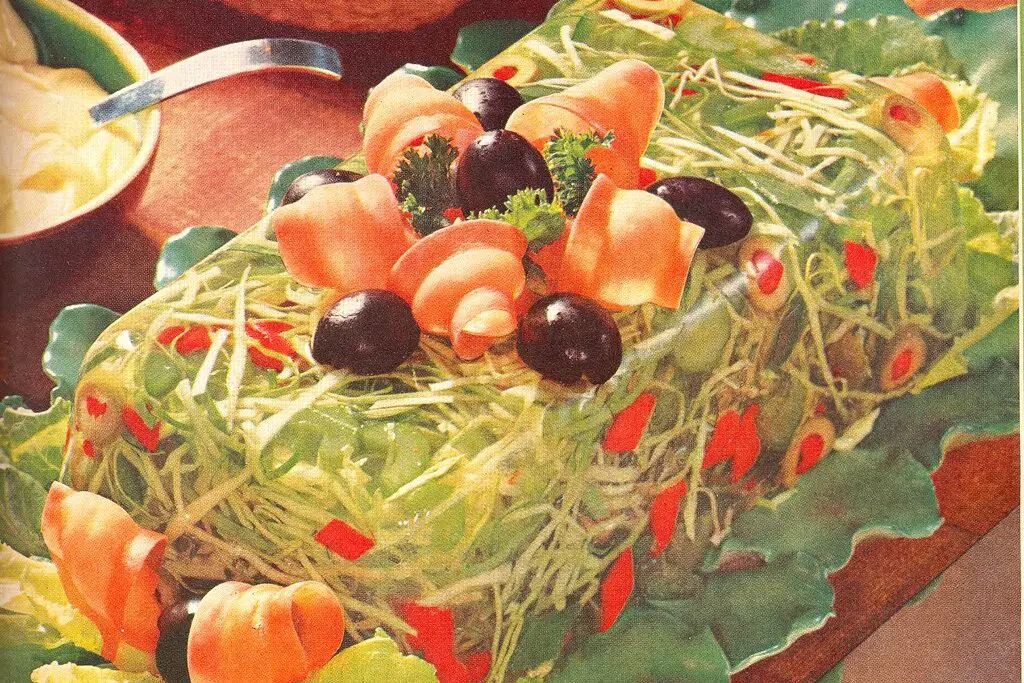
Perfection Salad sounds virtuous and wholesome, but the reality is a shimmering block of shredded cabbage, carrots, and pimentos suspended in gelatin. It was often flavored with vinegar and sugar to create a sweet and sour balance. The name came from early twentieth century recipes, but it reached peak popularity in the ’50s and ’60s. Served in tidy slices, it looked like stained glass under dining room lights. The vegetables stayed perfectly frozen in place, giving it that eerie laboratory look. You could almost admire it more than you wanted to eat it.
People liked that it felt light and refreshing while still being easy to prepare ahead of time. It also photographed beautifully for cookbooks and magazines. The crunch of cabbage inside jelly is a texture that most modern eaters would find baffling. Still, hosts loved how tidy and controlled it looked on the plate. It embodied the era’s obsession with order, efficiency, and novelty. Calling it “perfection” feels ambitious in hindsight.
4. Banana and Ham Hollandaise Bake

This dish takes the idea of sweet and savory harmony to an extreme. Whole bananas were wrapped in slices of ham, baked, and then smothered in hollandaise sauce. The result was creamy, salty, sweet, and intensely confusing all at once. It often appeared in entertaining cookbooks as a chic brunch or luncheon dish. On the plate, it looked like something engineered rather than cooked. The glossy sauce added to its almost artificial appearance.
Some people swore by the flavor combination and insisted it was surprisingly good. Others quietly wondered who first thought of pairing fruit, cured meat, and rich egg sauce. It reflects the era’s love of dramatic combinations and rich sauces. There was also a sense of adventure in mixing flavors that didn’t traditionally belong together. Today, it reads like a culinary experiment that escaped the lab. It’s definitely memorable, even if not especially appetizing.
5. Aspic Suspended Vegetable Loaf
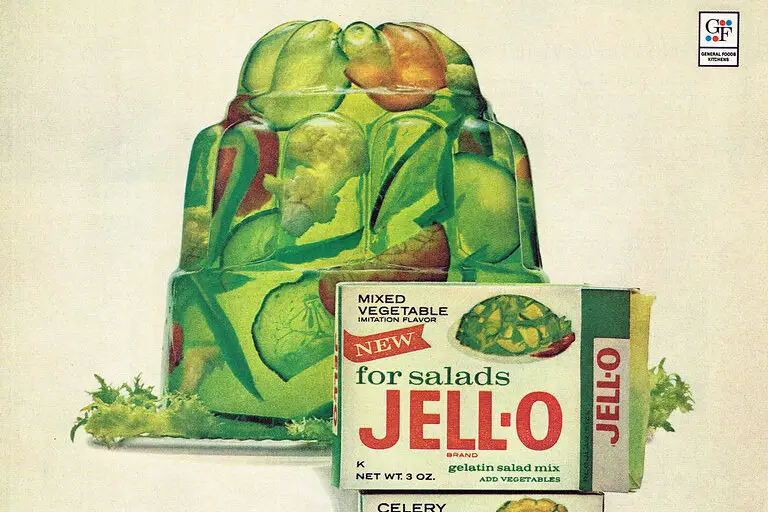
Aspic was the clear, savory gelatin that made everything look like it was trapped in amber. In the ’60s, cooks often embedded sliced vegetables, olives, and sometimes bits of meat inside loaf-shaped molds. The finished dish was sliced like a terrine and served cold. Visually, it looked more like a museum specimen than lunch. The transparency was meant to show off the cook’s precision and patience. Every carrot coin and pea was carefully positioned.
This was peak molded food culture, where control and symmetry were prized. It also signaled sophistication and European influence, even if the ingredients were humble. Guests could admire the artistry before cautiously tasting it. The mouthfeel of cold savory jelly is what usually made people hesitate. It’s one of those recipes that feels more impressive than enjoyable. Still, it captures the era’s love of edible architecture.
6. Candle Salad
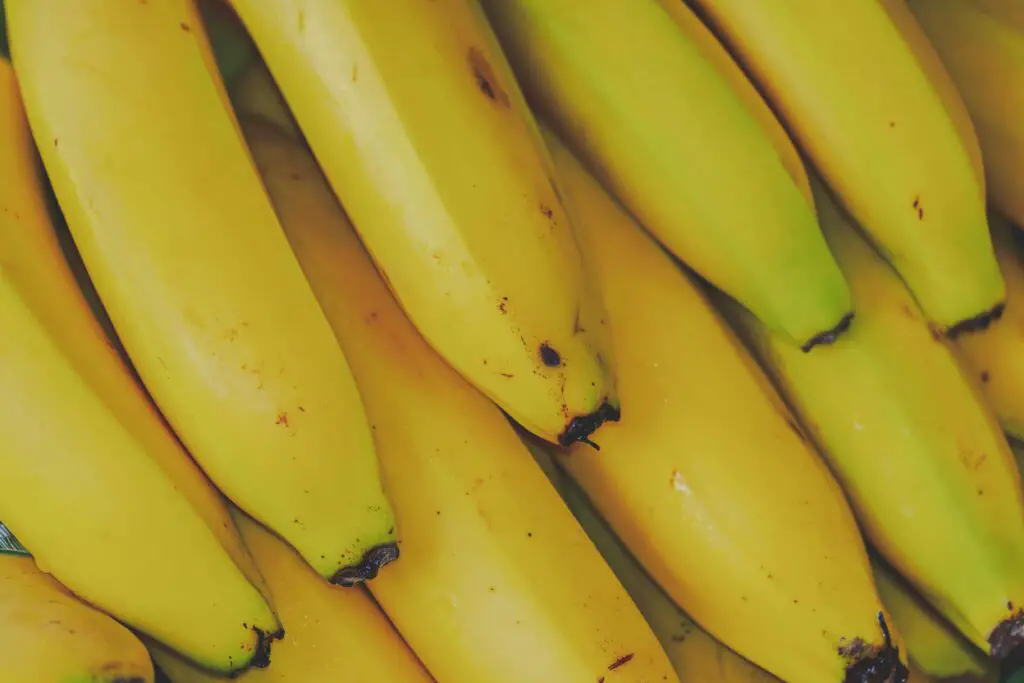
Candle Salad is oddly charming and unsettling at the same time. A peeled banana stood upright in a pineapple ring, topped with a cherry to resemble a candle flame. Sometimes mayonnaise or whipped topping was added as “wax” dripping down the sides. It was often served to children or at luncheons as a whimsical surprise. The visual gag mattered more than the taste. On a plate, it looked like a craft project pretending to be food.
This recipe actually dates back earlier but remained popular into the ’60s. It reflects how much fun people had with presentation, especially when entertaining. The flavor combination itself is harmless, mostly fruit with a bit of creamy topping. What makes it strange is the theatrical staging. It blurs the line between edible art and party decoration. You can almost imagine kids being delighted while adults quietly question the mayonnaise choice.
7. Shrimp and Tomato Gelatin Ring
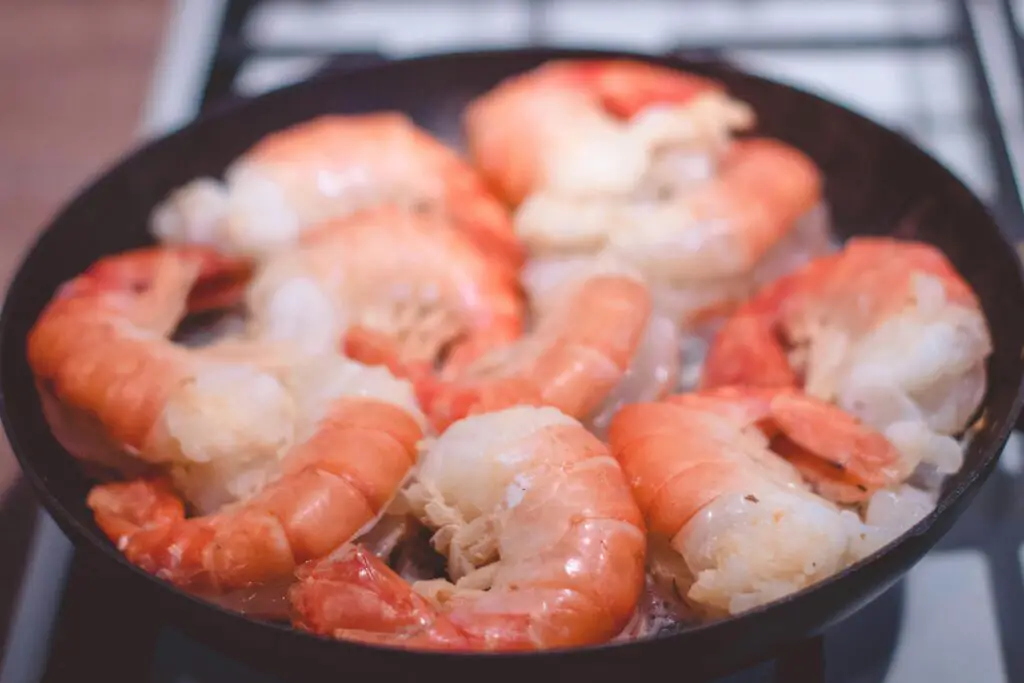
Seafood gelatin molds were considered upscale party fare. Tiny shrimp and diced tomatoes were suspended in tomato-flavored gelatin and shaped into decorative rings. It was often served with a dollop of mayonnaise or cocktail sauce in the center. The glossy red surface made it look almost synthetic under bright lights. The shrimp appeared frozen mid swim, which adds to the science experiment vibe. It was meant to be refreshing and elegant.
This dish showed off both convenience foods and fancy aspirations. Canned shrimp, powdered gelatin, and bottled sauces made entertaining feel effortless. The flavor was probably fine, but the texture was divisive. Cold gelatin and seafood is not a combination most people crave today. It’s a perfect example of how visual drama sometimes trumped comfort. It looks like something you’d expect in a chemistry classroom rather than a dining room.
8. Frosted Ribbon Loaf

The Frosted Ribbon Loaf was a layered meat loaf, usually made with alternating colors of ground meat and fillings. Once baked and chilled, it was “frosted” with mashed potatoes or cream cheese. Decorative piping sometimes turned it into a savory cake lookalike. Sliced, it revealed colorful stripes inside, which was part of the appeal. On the outside, it genuinely resembled dessert. That visual trick alone made it feel strange and slightly unsettling.
Hostesses loved the surprise factor when guests realized it wasn’t sweet. It reflected the era’s fascination with novelty and presentation tricks. The flavors were typically fine, classic comfort ingredients in disguise. But the mismatch between appearance and expectation could throw people off. It’s a reminder that food illusions aren’t always comforting. Still, it made for a memorable centerpiece.
9. Prune Whip Mold
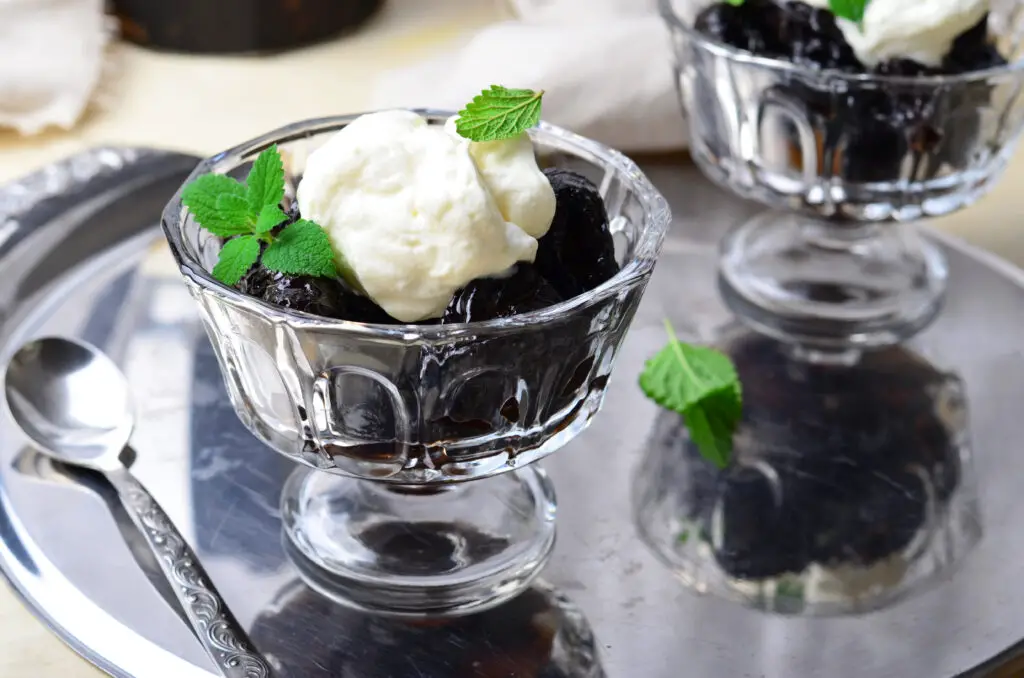
Prune whip was a fluffy dessert made from pureed prunes folded into whipped egg whites or cream. In the ’60s, it was often set into molds to hold dramatic shapes. The glossy brown color wasn’t exactly inviting. It looked more like a science sample than a sweet treat. Despite its appearance, it was promoted as nutritious and elegant. Prunes carried a health halo at the time.
Many people actually liked the flavor, which was sweet and mild. The texture, however, could be oddly airy and gelatinous. Serving it in molded form made it feel more formal and modern. Today, the name alone makes people hesitant. It’s another example of how health trends influence what ends up on the table. Visually, it remains one of the stranger desserts of the era.
10. Spaghetti Os and Vienna Sausage Casserole
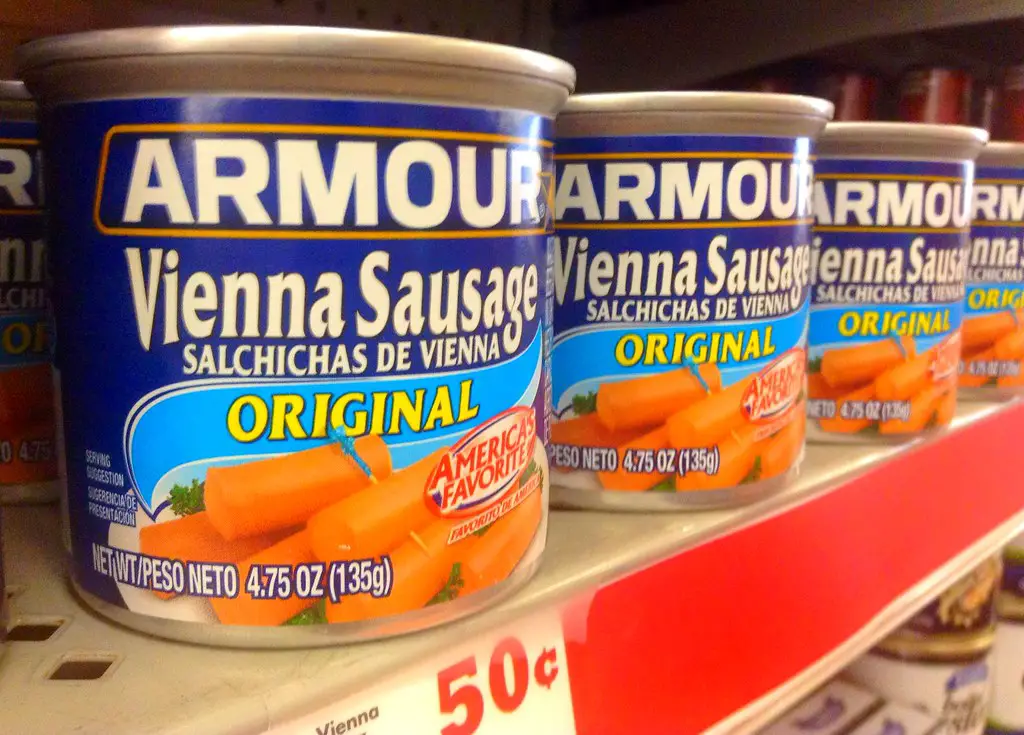
Convenience foods were celebrated as futuristic miracles in the ’60s. Some casseroles combined canned pasta, Vienna sausages, and processed cheese into one bubbly bake. It was colorful, soft, and intensely uniform in texture. On the plate, it looked more like a lab mixture than dinner. Everything blended into a glossy, orange and pink mass. It was meant to be kid friendly and fast.
Families appreciated how affordable and easy it was to assemble. It reflected the era’s trust in packaged foods and industrial efficiency. Flavor took a back seat to convenience and novelty. Today, the ingredient list reads like a pantry experiment gone wrong. It’s a time capsule of how processed food once symbolized progress. The visual alone feels oddly scientific.
11. Cottage Cheese and Lime Gelatin Salad
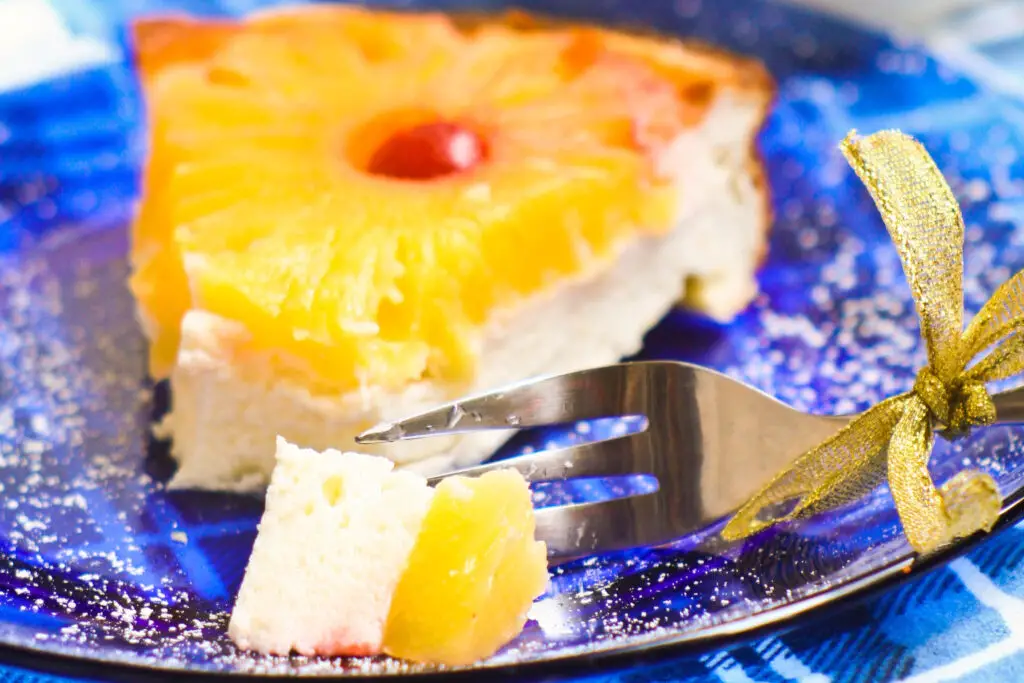
This salad combined bright green gelatin with curds of cottage cheese, sometimes mixed with pineapple or nuts. The result was speckled, neon, and slightly unsettling. It was served chilled in bowls or molded shapes. The color alone made it look artificial. The contrast between creamy curds and firm gelatin added to the strange texture experience. It was marketed as light, modern, and health conscious.
Many people genuinely enjoyed the sweet and tangy combination. It fit perfectly into the era’s obsession with molded salads. The visual effect, however, hasn’t aged well. It looks like something created in a food lab rather than a home kitchen. Still, it was a staple at potlucks and holiday tables. Nostalgia keeps it alive more than appetite.
12. Beef and Vegetable Gelatin Cube Platter
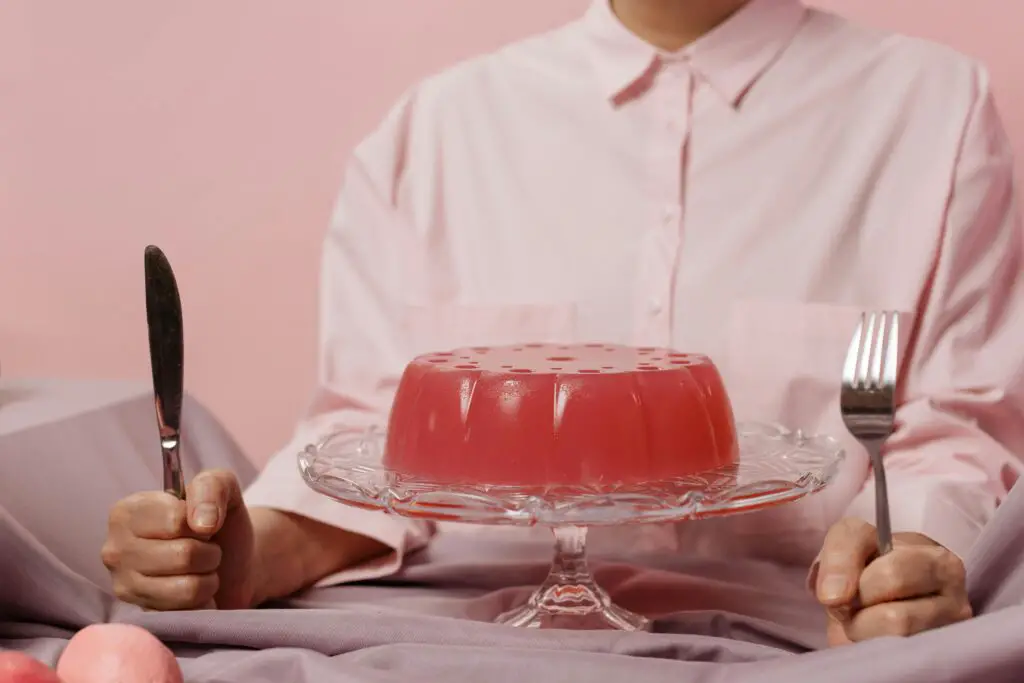
Savory gelatin cubes were sometimes arranged like hors d’oeuvres. Beef broth gelatin trapped tiny cubes of carrots, peas, and meat inside. They were cut into neat squares and served cold on decorative platters. The clear sides revealed every suspended ingredient like a cross section sample. It was meant to look refined and precise. In reality, it looked like a biology display.
This dish appealed to hosts who wanted tidy, no mess finger foods. It also reflected the era’s fascination with structure and order. Guests could admire the craftsmanship even if they hesitated to eat it. The flavor was essentially cold soup in solid form. That concept alone can feel strange to modern diners. It perfectly captures the experimental spirit of ’60s entertaining.