
1. Midnight Séances
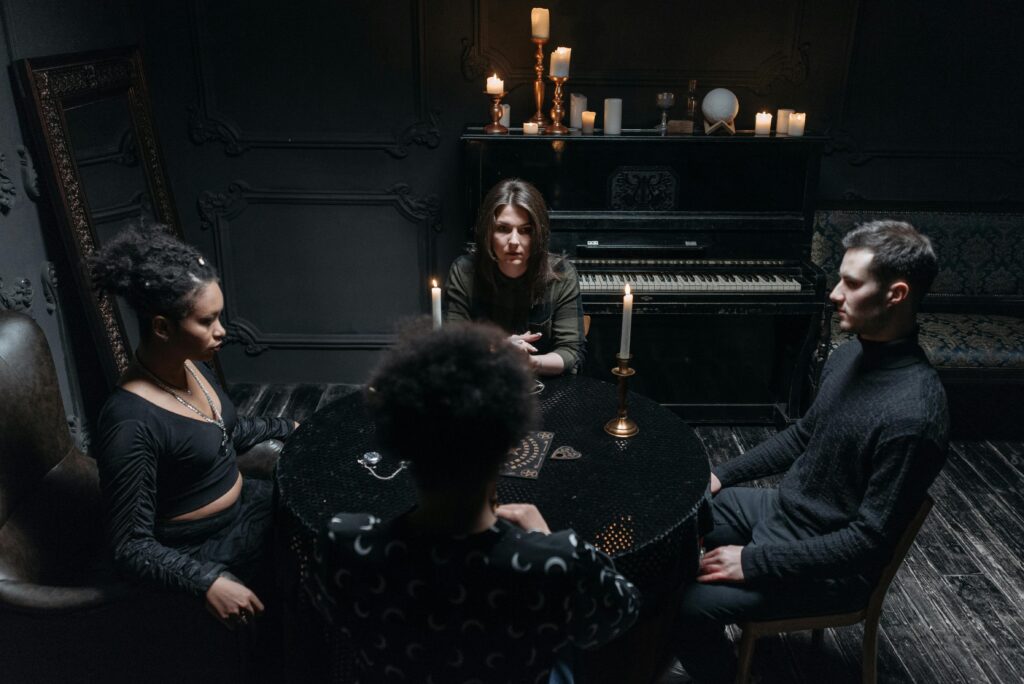
Gathering around a table after dark to attempt communication with spirits has long been treated as something that simply does not work in daylight. The quiet of night is believed to thin the barrier between worlds, making every creak and flicker feel loaded with meaning. Candles replace overhead lights, which instantly changes the mood and heightens anticipation. People speak in hushed tones, as if volume alone could scare something away. Even skeptics admit the atmosphere feels heavier at midnight. The darkness does a lot of the work.
Séances also tend to follow strict nighttime rules that add to their mystique. Sessions often begin exactly at midnight, not a minute before. Participants may hold hands to form a “circle,” which feels far more intimate in the dark. Shadows can make small movements seem significant, which feeds the tension. Whether anything supernatural happens or not, the ritual itself feels powerful at night.
2. Leaving Food for Spirits

In many cultures, offerings for the dead or wandering spirits are left out only after the sun goes down. Night is believed to be when ancestors or unseen visitors are most active. Plates of food, cups of water, or small treats are placed quietly and respectfully. The act is meant to be private, not performative. Darkness gives the moment a sense of solemnity.
People who practice this tradition often insist the food should not be watched. You leave it and walk away, trusting it will be received. Morning brings removal of the offering, sometimes without comment. The night-only rule reinforces the idea that this is not for the living. It is a quiet exchange meant to happen unseen.
3. Ringing Bells to Ward Off Evil

Ringing bells after dark is a tradition meant to scare away negative forces believed to roam at night. The sound is thought to disrupt harmful energy when visibility is low. Some families ring bells at doors or windows just before bedtime. Others walk through a house with a small bell, moving room to room. The practice feels oddly comforting.
At night, the sound travels differently, sharper and more startling. Silence makes the ringing feel intentional and protective. Daytime noise would dilute the effect. Many who keep this tradition say it helps them sleep more peacefully. Whether symbolic or not, it marks the night as something to be guarded.
4. Walking the Property at Midnight
Some rural traditions involve walking the boundaries of land after dark for protection. Midnight is considered the moment when threats are most likely to cross unseen. Carrying a lantern or candle is often part of the ritual. The walk is slow and deliberate, never rushed. It is meant to assert presence.
Doing this during the day would feel practical, but at night it becomes symbolic. Darkness makes the land feel larger and less predictable. Each step feels intentional. People often describe a strong emotional connection to the space afterward. It is less about fear and more about claiming safety.
5. Burning Protective Herbs

Herbs like sage, rosemary, or juniper are traditionally burned at night for cleansing. Nighttime smoke is believed to reach deeper into hidden corners. Windows are often cracked open to let negative energy escape. The glow of embers replaces bright light. The ritual feels calmer and more focused after dark.
At night, the scent lingers longer and feels more immersive. There are fewer distractions to break concentration. People move slowly, waving smoke with care. Daytime cleansing feels rushed by comparison. Darkness turns it into a meditative act.
6. Mirror Covering Rituals
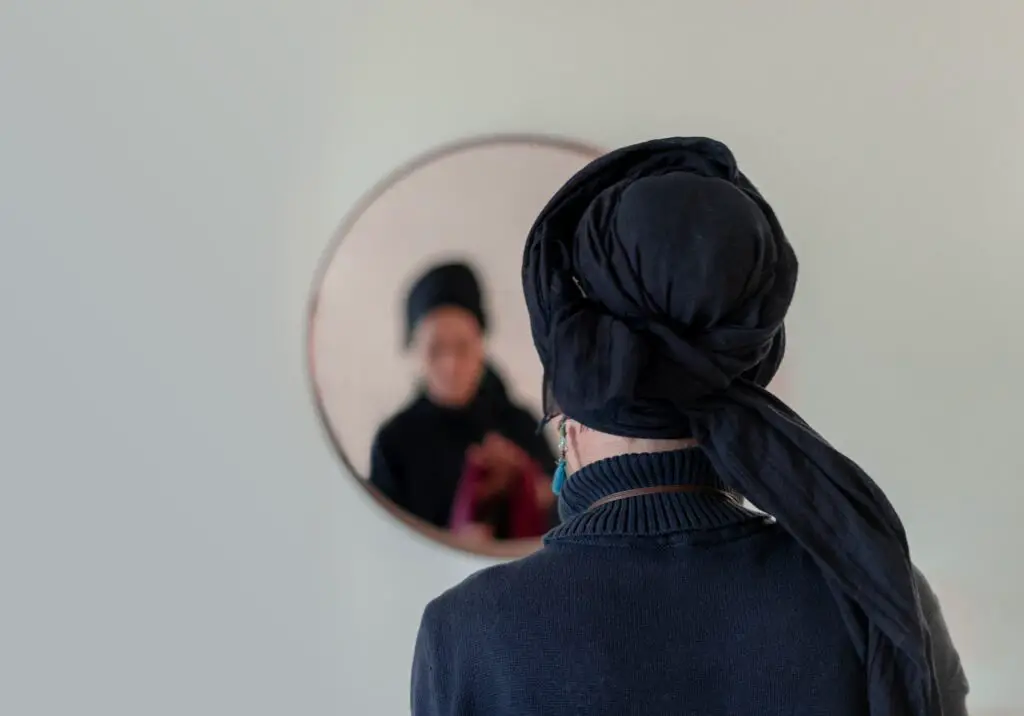
Covering mirrors at night is tied to fears of reflection becoming a gateway. Some traditions say mirrors are more dangerous after dark. Cloths are placed carefully, often before bedtime. The act is quiet and intentional. It is meant to prevent spirits from entering or escaping.
At night, reflections can feel unsettling even to skeptics. Low light distorts familiar shapes. Covering mirrors removes that unease. During the day, the practice would seem unnecessary. Darkness gives it purpose.
7. Midnight Prayers for Protection
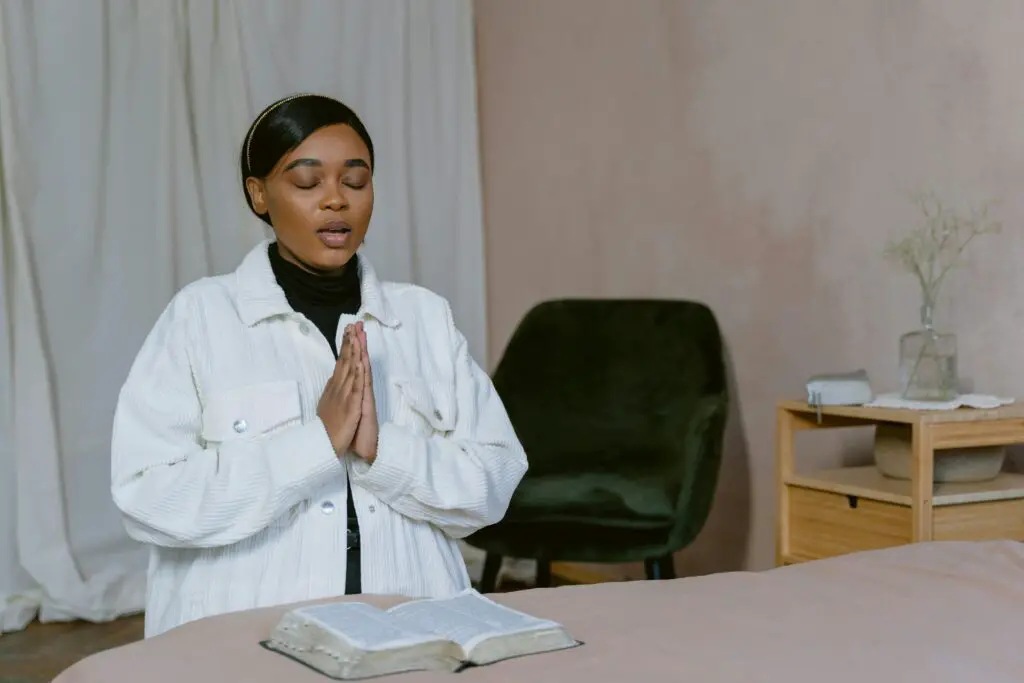
Certain protective prayers are only said at night, often right before sleep. The idea is that vulnerability increases after dark. Words spoken then are believed to carry extra weight. Candles or oil lamps are sometimes used instead of electric light. The mood is solemn but comforting.
Nighttime prayers feel more personal and urgent. There is less performance and more intention. People speak softly, as if confiding in something unseen. Daylight prayers are often routine. Midnight prayers feel like a shield.
8. Keeping Vigil for the Dead

Staying awake with a body overnight is an old tradition meant to protect the soul. Night is when spirits are thought to linger. Family or community members take turns sitting quietly. Lights are kept low, conversations minimal. The stillness is part of the respect.
Doing this during the day would lack the same meaning. Night amplifies grief and reverence. Time seems to slow down. The vigil becomes a shared experience of watchfulness. Darkness reinforces the boundary between life and death.
9. Listening for Omens

Some traditions involve stepping outside at night to listen for signs. Sounds like owls, dogs, or sudden silence are interpreted carefully. Night strips away visual distractions. Hearing becomes the focus. People often stand still longer than expected.
During the day, noise is constant and chaotic. At night, each sound feels deliberate. The tradition relies on that contrast. Silence itself can feel meaningful. It is an exercise in attention and patience.
10. Lighting Path Candles
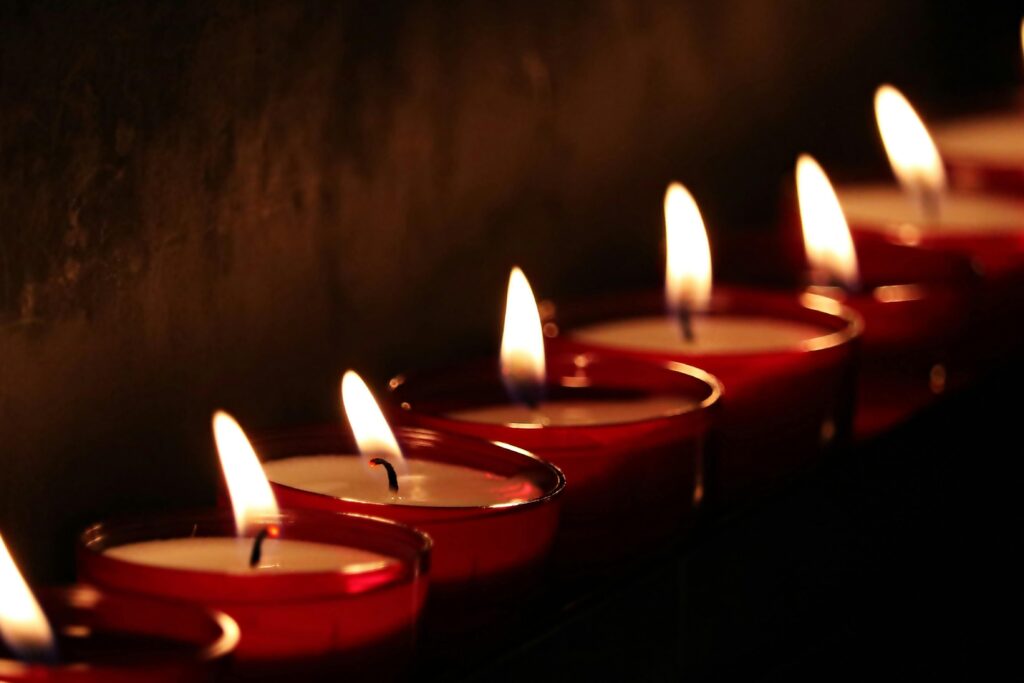
Candles placed along paths or doorways at night are meant to guide or protect. The flickering light marks safe passage. This is often done during specific nights tied to folklore or remembrance. Each candle is placed with care. The glow feels intentional.
In daylight, the gesture would be invisible. Night allows the light to stand out. Shadows make the path feel dramatic. People often report a sense of calm afterward. The ritual turns darkness into something navigable.
11. Whispering Names of the Dead
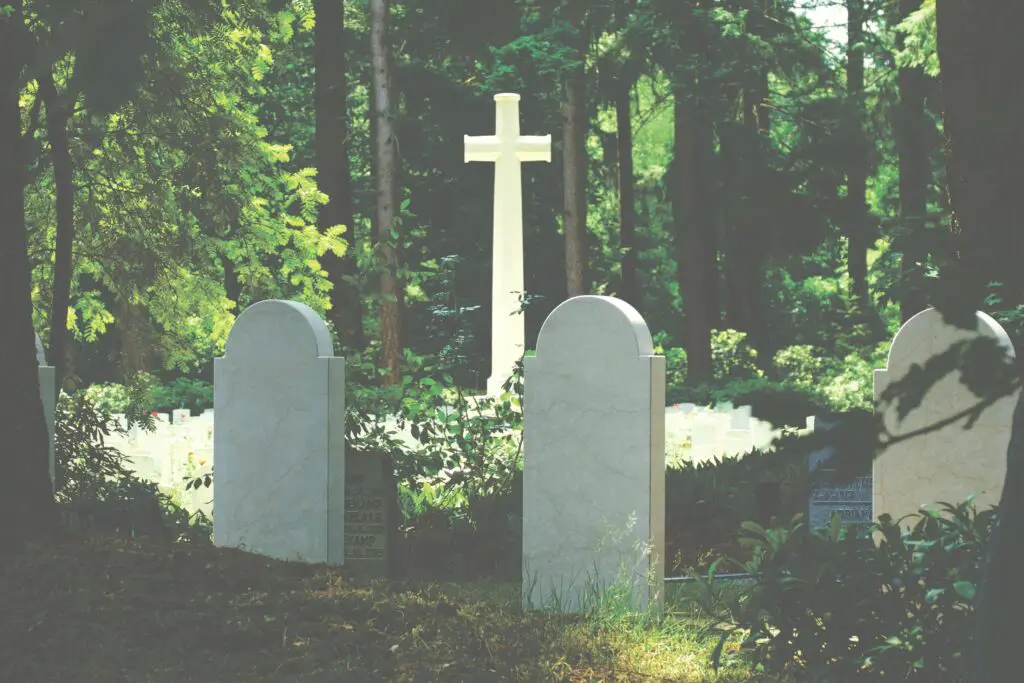
In some cultures, names of the deceased are whispered at night to honor them. Speaking softly is considered respectful. Nighttime ensures privacy and focus. The act is brief but emotional. It is not meant for an audience.
Darkness makes the moment feel intimate. There is less fear of interruption. People often describe feeling closer to memories afterward. Saying names during the day feels too exposed. Night protects the ritual.
12. Opening Windows at Midnight
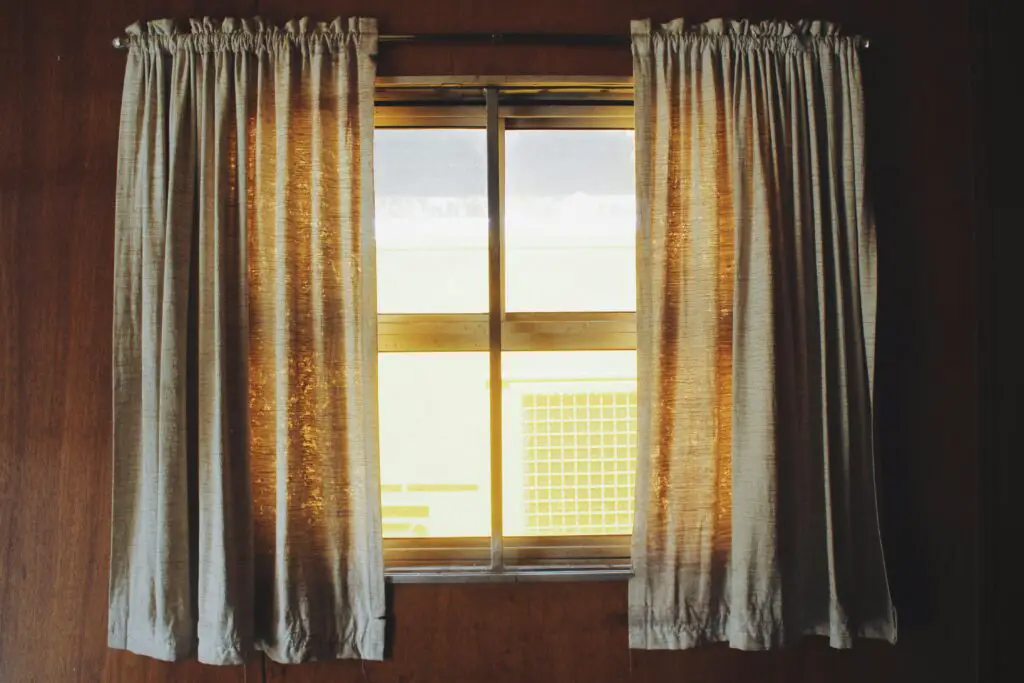
Opening windows at midnight is believed to let spirits pass through freely. The timing is precise and intentional. Windows are opened briefly, then closed again. The house remains quiet. The moment feels ceremonial.
At night, air feels cooler and more symbolic. Daytime airflow lacks the same meaning. The darkness outside suggests movement unseen. People often pause before closing the window. It feels like a controlled invitation.
13. Writing Fears and Burning Them
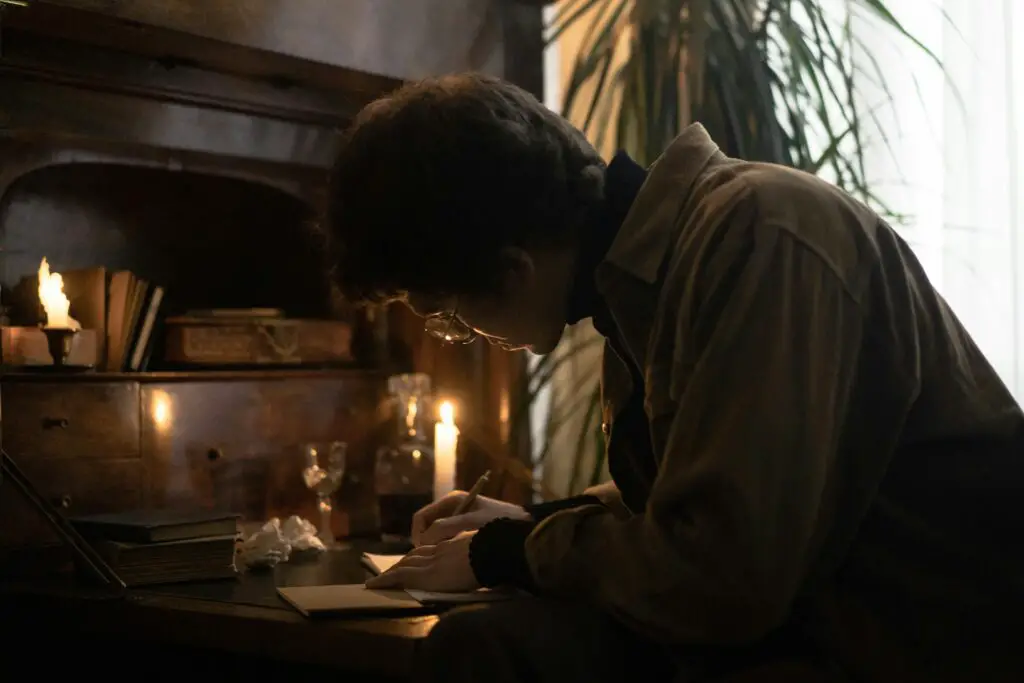
Some nighttime rituals involve writing fears down and burning the paper. Night represents the unknown those fears live in. The flame becomes the only light source. The process is slow and deliberate. Ashes are often buried or scattered afterward.
Darkness makes the release feel dramatic and final. Daylight would soften the impact. Watching paper burn in the dark feels intense. People often report sleeping better afterward. The ritual belongs to the night.
14. Knocking on Wood After Dark
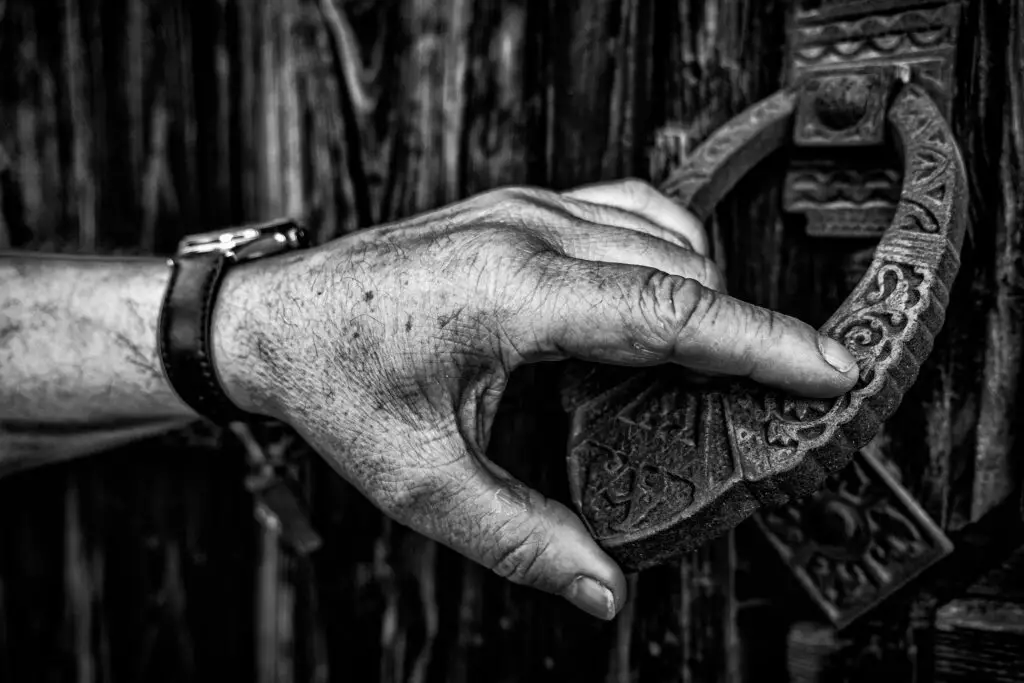
Knocking on wood at night is treated more seriously than its daytime version. The act is often done quietly, sometimes three times. Nighttime is believed to awaken listening spirits. The knock is meant as a signal. Silence follows immediately.
During the day, it is almost a joke. At night, it feels deliberate. The sound echoes more sharply. People often pause to listen afterward. The darkness gives weight to the action.
15. Sitting in Silence Until Midnight Passes
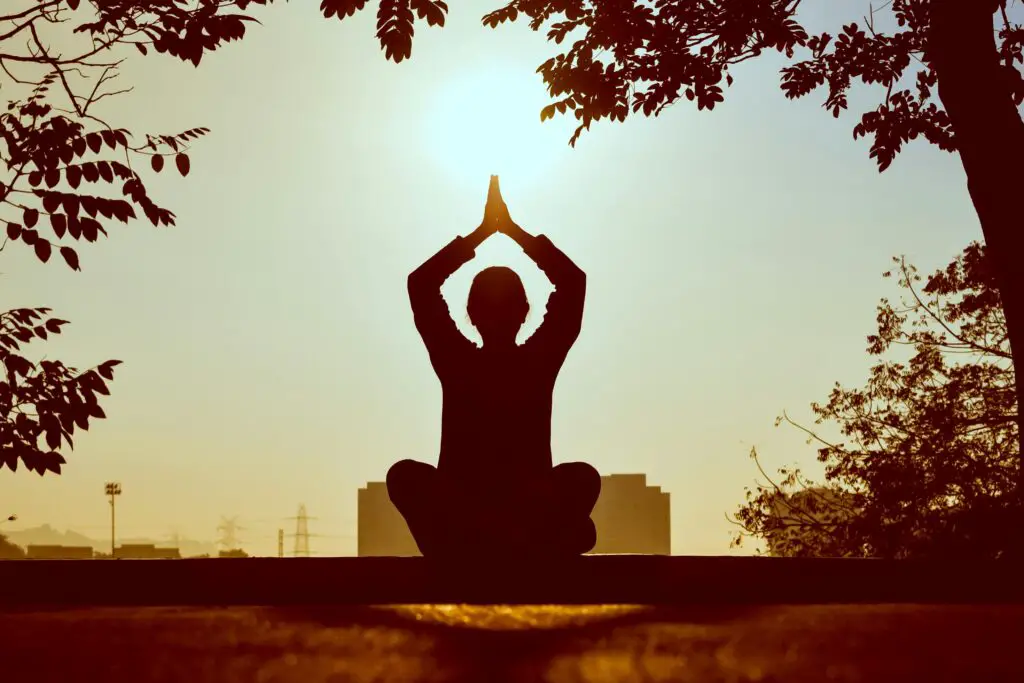
Some traditions involve sitting silently as midnight approaches and passes. The goal is awareness, not meditation. People focus on the transition from one day to the next. Lights are kept low or off. The room remains still.
Night makes the passing of time feel significant. You notice small changes, like distant sounds or shifting shadows. Daytime transitions feel rushed. Midnight silence feels earned. It turns an ordinary moment into a ritual.