
1. Windows Were Once Considered Easy Entry Points for Spirits
For centuries, people believed windows were not just for light and air but were vulnerable openings for spirits to slip through after dark. This idea shows up in old European folklore where windows were shut tightly at night, even in warm weather. Families worried that an open window could invite wandering souls into the home. Curtains were often drawn as an added layer of protection.
This fear influenced how windows were placed and used, especially in sleeping areas. Smaller windows or higher placement made people feel safer. Shutters became common, not just for weather but for spiritual security. Even today, the instinct to close blinds at night echoes that old unease.
2. Sleeping Near a Window Was Thought to Drain Life Energy

In several cultures, sleeping beside a window was believed to weaken the body and spirit. Night air was seen as dangerous, capable of carrying illness or malevolent forces. People worried that a sleeper’s soul was more vulnerable during rest. Windows near beds were viewed as especially risky.
This belief led to bedroom layouts that avoided large windows near sleeping areas. Beds were pushed toward interior walls instead. Heavy drapes became standard in bedrooms, even in modest homes. The practice stuck long after the superstition faded.
3. Windows Were Feared as Portals During the Witching Hour
The idea that supernatural activity peaked late at night made windows a focal point of fear. Folklore warned that witches or spirits could peer in or enter through uncovered glass. Leaving a window exposed after midnight was considered reckless. Some households marked windows with protective symbols.
This myth encouraged architectural features like deep window recesses. Thick frames and small panes made windows feel more secure. Decorative grilles also gained popularity. What started as fear eventually became design tradition.
4. Looking Out a Window at Night Was Said to Invite Bad Luck
Many households warned against staring out windows after dark. Seeing something unexpected was thought to invite misfortune or even death. Reflections in the glass added to the fear, making people distrust what they saw. Windows at night became something to avoid, not enjoy.
This belief reinforced the habit of closing curtains as soon as the sun went down. Homes were designed with clear separation between day and night spaces. Front-facing windows were often covered early. Privacy became a form of protection.
5. Open Windows Were Linked to Illness and Death
Before modern medicine, night air was blamed for sudden sickness. Open windows were thought to let in harmful vapors or spirits tied to disease. People associated chills with serious consequences. Closing windows was seen as a life saving measure.
As a result, many homes were built with windows that sealed tightly. Cross ventilation was avoided in sleeping rooms. The preference for heavy, insulated window coverings grew. Health fears quietly shaped home construction.
6. Windows Facing Cemeteries Were Considered Dangerous
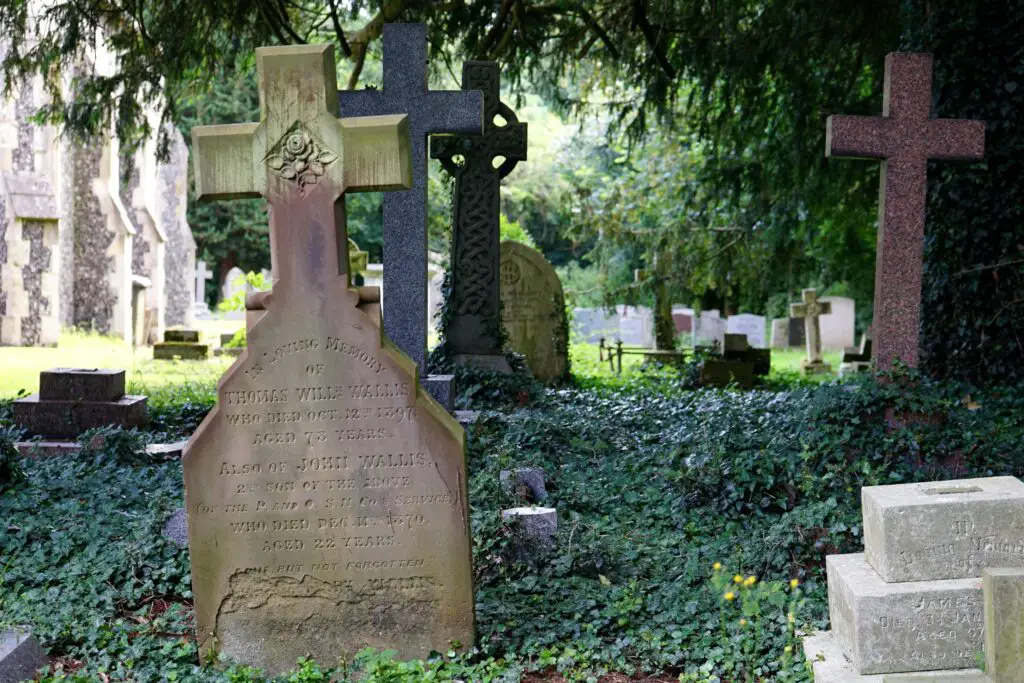
Homes near graveyards often treated windows differently. Looking directly toward burial grounds was thought to attract restless spirits. People believed the dead could follow a line of sight into the house. Windows facing cemeteries were sometimes blocked or minimized.
This led to strategic window placement in certain neighborhoods. Builders avoided large panes on specific sides of a house. Landscaping was used to block views. The design choices were rooted in fear, not aesthetics.
7. Whistling Near a Window Was Believed to Summon Spirits

A strange but persistent myth warned against whistling near open windows at night. The sound was said to attract supernatural attention. Windows acted like amplifiers, carrying the sound outward. Families took this warning seriously.
This belief added to the idea that windows needed to be controlled and quiet spaces. Nighttime behavior around windows became restricted. Children were often scolded for lingering near them. Silence and closed glass went hand in hand.
8. Windows Were Thought to Trap Souls After Death

In some traditions, windows were opened briefly after someone died. The soul needed a clear exit, or it might linger. Leaving windows closed was believed to trap the spirit inside the home. This ritual shaped how people viewed windows as spiritual pathways.
Because of this, windows gained symbolic importance in death rituals. Their placement in bedrooms mattered more than in other rooms. Easy to open designs were preferred. Even architecture reflected beliefs about the afterlife.
9. Cracked or Broken Windows Were Seen as Omens
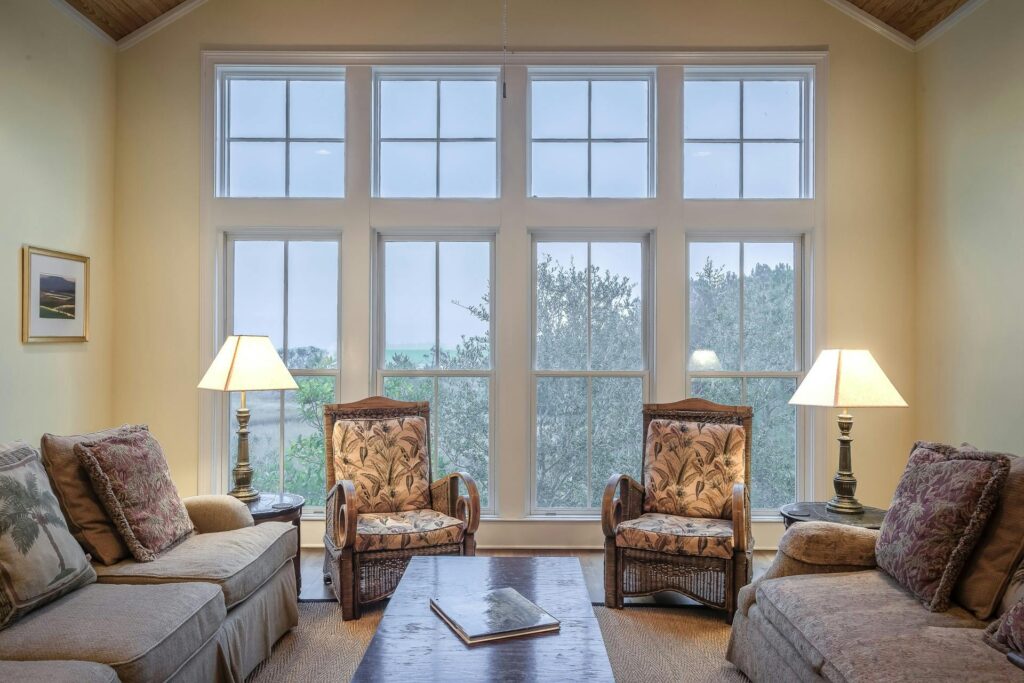
A damaged window was not just a maintenance issue, it was a warning sign. Cracks were thought to weaken the barrier between worlds. Some believed it predicted illness or loss. Broken glass created anxiety far beyond the practical concern.
Homeowners prioritized window repairs quickly. Stronger glass and smaller panes became desirable. Multi pane designs reduced the risk of large breaks. Fear encouraged sturdier construction methods.
10. Windows Were Avoided Directly Opposite Doors
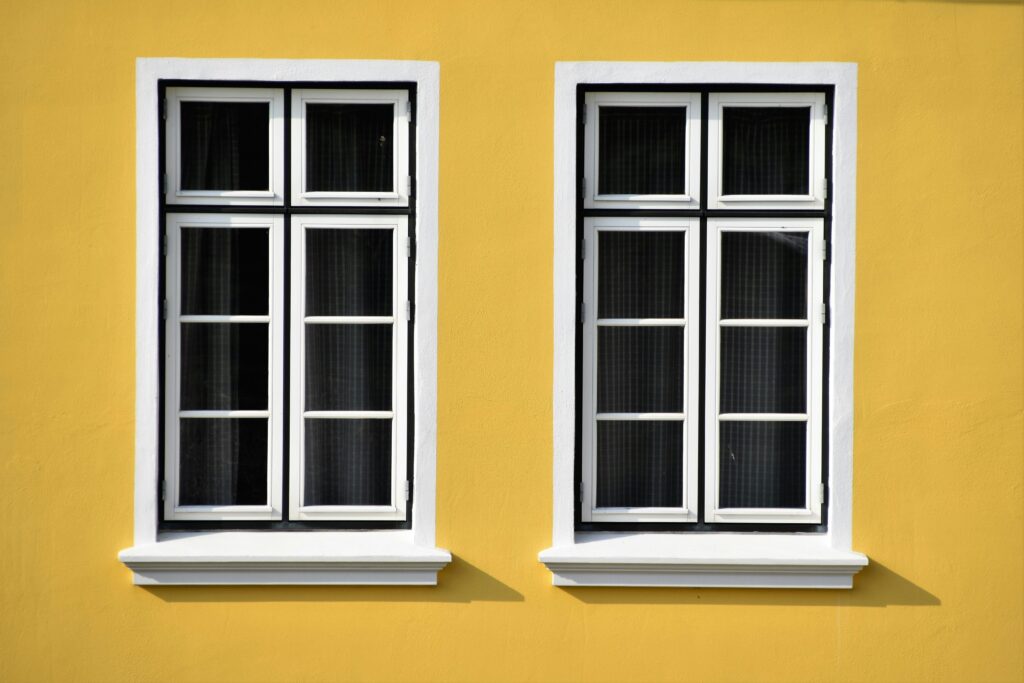
There was a belief that energy or spirits could rush straight through a house. A window lined up with a door created a clear path. This was thought to invite trouble or drain protective energy. Homes were designed to interrupt that flow.
Builders offset windows or added walls to block straight lines. Hallways and entryways became more enclosed. Decorative screens served both style and superstition. The layout was intentional and cautious.
11. Nighttime Reflections in Windows Were Feared

Seeing your own reflection in a dark window unsettled many people. Folklore warned that reflections could show more than just yourself. Mistaking a spirit for a reflection was a common fear. Windows became unsettling mirrors after sunset.
This encouraged the use of lace curtains and frosted glass. Softening reflections made homes feel safer. Bright indoor lighting near windows was avoided. Design choices aimed to reduce eerie visual effects.
12. Windows Were Thought to Invite the Evil Eye

In some cultures, windows allowed harmful glances from outside. Envy or ill intent could pass through glass. Windows facing neighbors were treated with suspicion. Covering them was seen as protection.
This belief popularized shutters and layered curtains. Decorative elements doubled as spiritual shields. Privacy became essential, not optional. Exterior window treatments took on deeper meaning.
13. Children Were Warned Not to Sit in Windowsills at Night
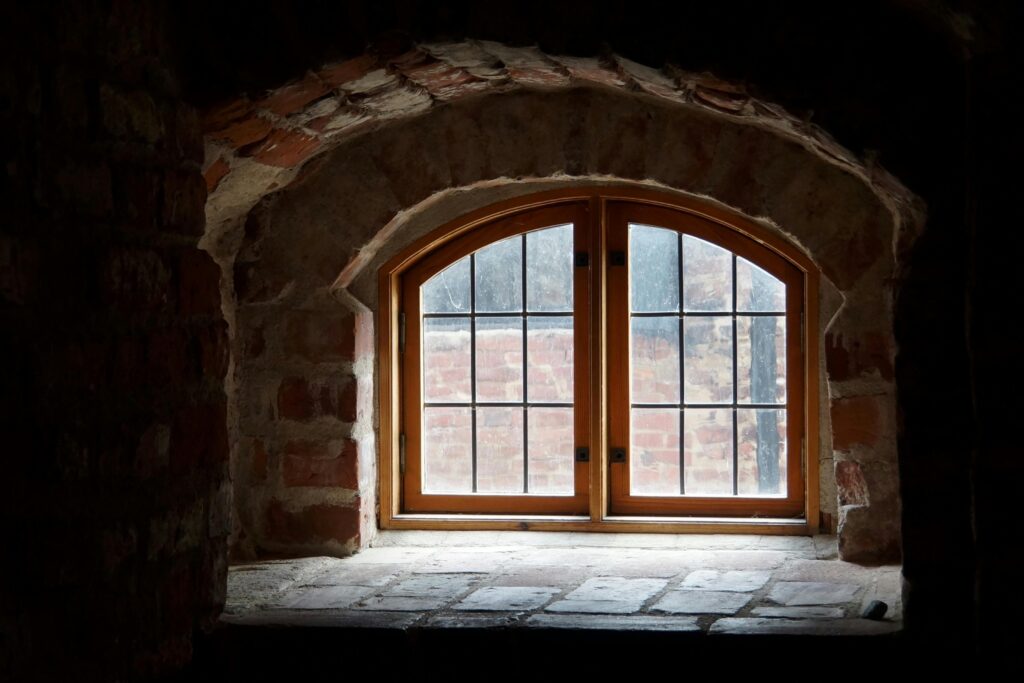
Letting children sit in windows after dark was strongly discouraged. Folklore claimed spirits were drawn to youthful energy. A child near a window was considered especially vulnerable. Parents enforced strict nighttime rules.
As a result, windowsills were made less inviting. Narrow ledges replaced deep ones in many homes. Furniture placement avoided window areas. Fear quietly shaped the spaces where children grew up.