
1. Flannan Isles Lighthouse, Scotland
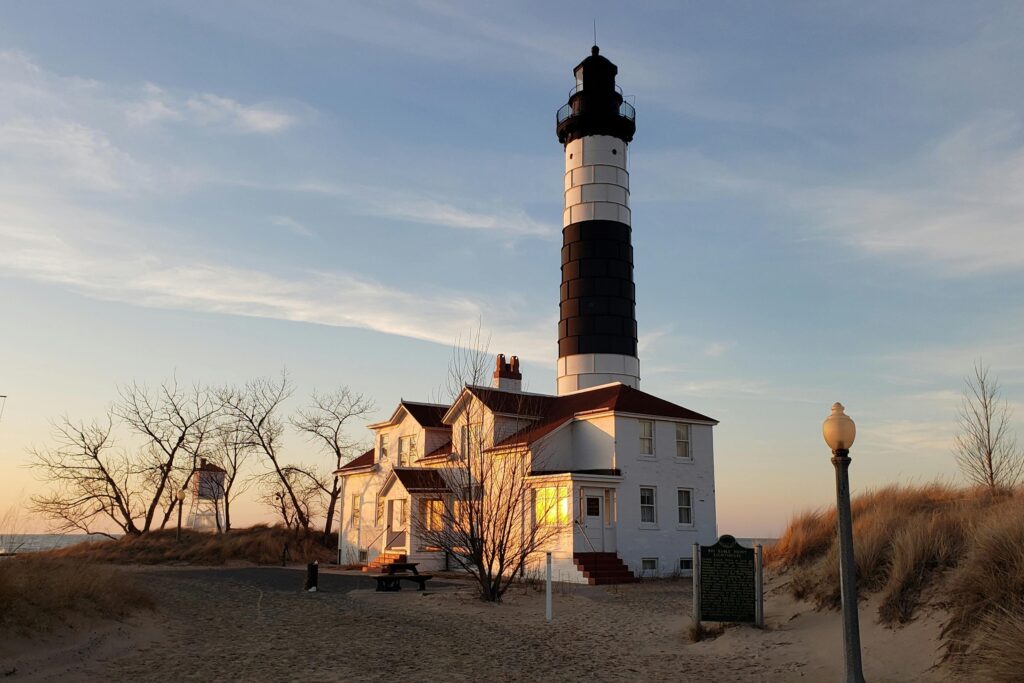
The Flannan Isles case is the gold standard of lighthouse mysteries, and it still sends chills more than a century later. In December 1900, three keepers vanished from the remote Eilean Mòr station without leaving a single clear explanation behind. Relief workers arrived to find the lamps cleaned, clocks stopped, and meals seemingly abandoned mid-routine. No bodies were ever recovered, and official inquiries could only speculate about rogue waves or sudden storms. What unsettled investigators most was that experienced keepers were unlikely to abandon protocol all at once. Even today, the disappearance remains officially unresolved.
The isolation of the Flannan Isles only deepens the unease. The Atlantic there is brutal, but the lack of physical evidence has fueled endless theories. Some point to damaged railings as proof of a wave, while others insist the scene does not quite add up. Poems, books, and folklore have since immortalized the case. It remains one of the most documented and debated vanishings in maritime history.
2. Eilean Mòr Lighthouse, Outer Hebrides
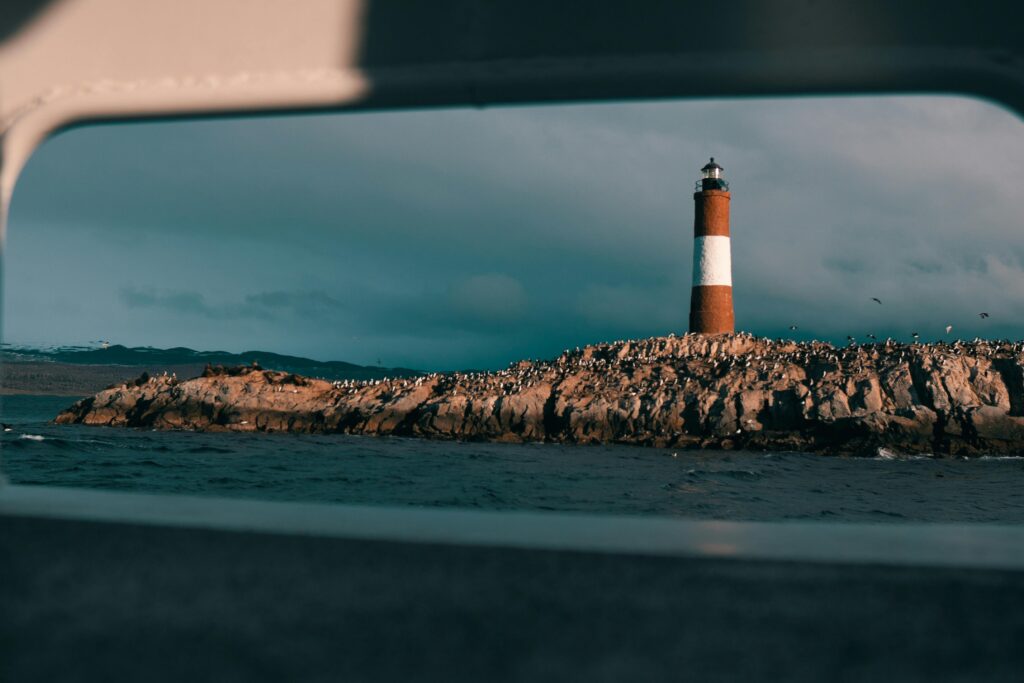
Often grouped with the Flannan Isles mystery, Eilean Mòr is sometimes mistakenly thought of as a separate case, but the island itself became infamous after the 1900 disappearance. The name alone now carries a sense of foreboding in Scottish maritime lore. What makes this case unsettling is how ordinary the station appeared upon inspection. Everything suggested normal operations right up until the moment the keepers were gone. No distress signals were ever recorded.
Over time, Eilean Mòr became a symbol of how quickly isolation can turn deadly. Weather records showed storms, but nothing definitively catastrophic at the moment the men vanished. The absence of physical remains left families without closure. That unanswered question continues to echo through lighthouse history. It is less about what happened, and more about the silence left behind.
3. Great Isaac Cay Lighthouse, Bahamas
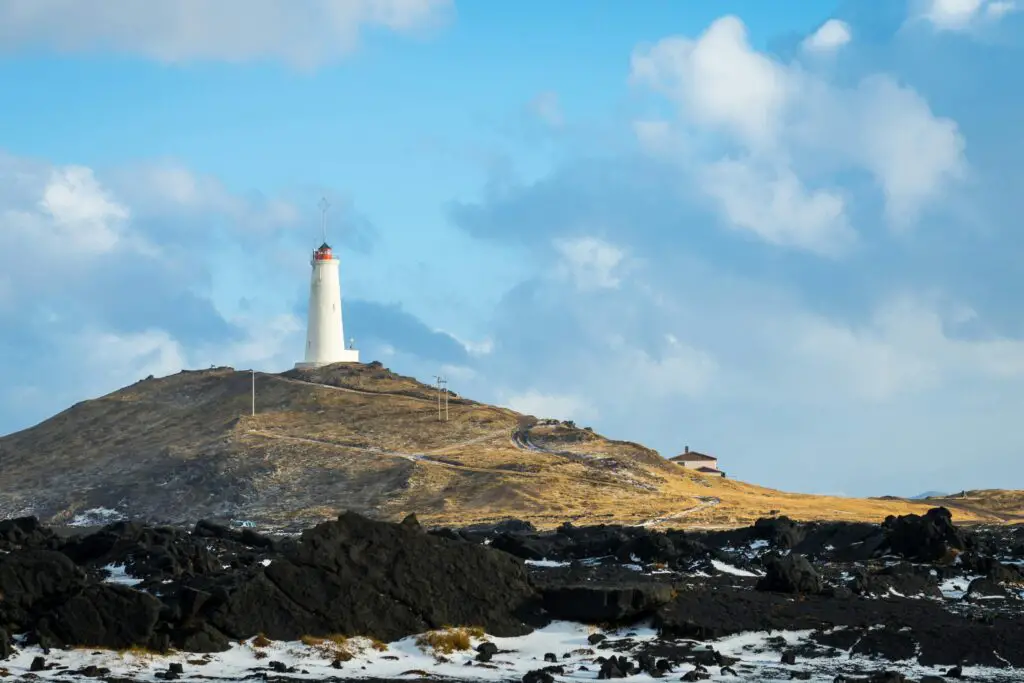
In 1969, two keepers stationed at Great Isaac Cay disappeared under circumstances that still trouble investigators. When a relief crew arrived, they found the lighthouse in working order but eerily abandoned. One of the men had been in regular radio contact, then abruptly stopped responding. Personal belongings were left behind, suggesting no planned departure. No trace of the keepers was ever found.
The remoteness of the cay adds to the mystery. Strong currents surround the island, but no wreckage or remains surfaced. Some speculate about foul play, while others point to sudden illness or an accident at sea. What makes the case unsettling is the lack of any clear trail. Like many lighthouse mysteries, it exists in the space between evidence and imagination.
4. St. George Reef Lighthouse, California
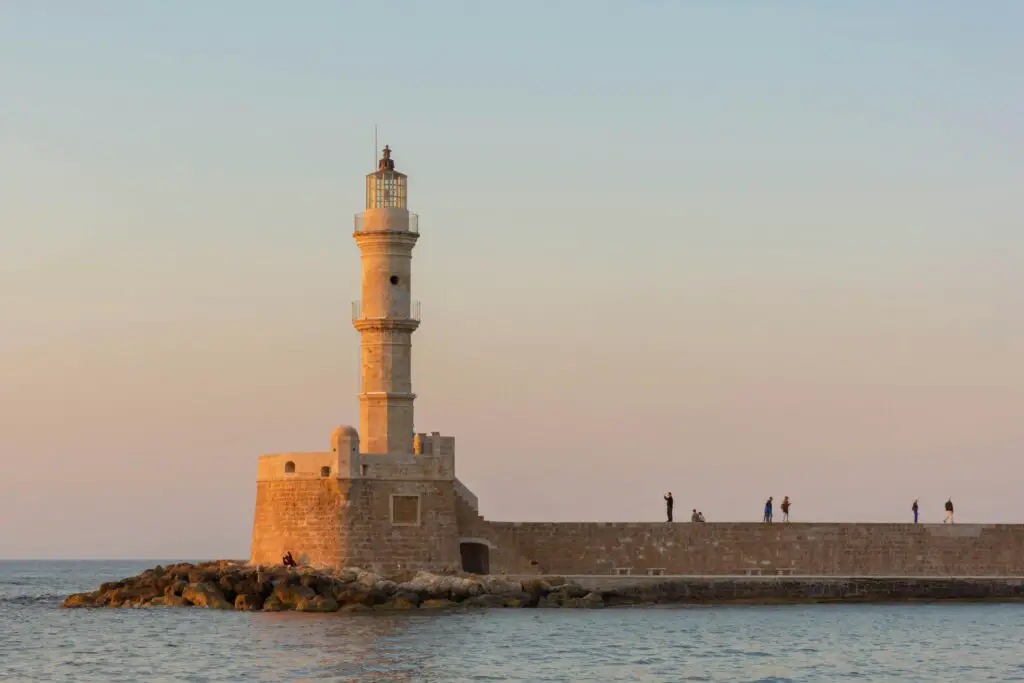
St. George Reef was known as one of the most dangerous lighthouse postings in the United States. While not all losses here were mysterious, several keepers vanished or were swept away without witnesses during violent storms. The reef sits miles offshore, surrounded by relentless Pacific waves. In more than one case, men disappeared while simply performing routine duties. Their bodies were never recovered.
The lighthouse earned a grim reputation among maritime workers. Supplies were often delayed, and isolation took a mental toll on crews. When someone vanished, there were rarely survivors to tell the story. Official records often listed drownings, but details were scarce. The uncertainty surrounding these losses continues to haunt the site’s history.
5. Talacre Lighthouse, Wales

Talacre Lighthouse is infamous not just for ghost stories, but for the disappearance of its final keeper in the late nineteenth century. While records confirm his death, the circumstances were never clearly documented. His body was reportedly found later, but conflicting accounts muddied the truth. Locals began telling stories of a keeper who vanished into the sea. Over time, legend and fact became tightly intertwined.
What remains unsettling is how little clarity survives in official records. The isolation of the lighthouse meant few witnesses to daily life. As stories passed through generations, the disappearance became part of local folklore. Whether fully documented or not, the mystery persists in public memory. Talacre stands as a reminder of how easily truth can fade.
6. Little Ross Island Lighthouse, Scotland
Little Ross Island is best known for a murder rather than a disappearance, but earlier records mention unexplained absences of keepers before modern documentation improved. Isolated stations like this often had incomplete logs. In some cases, keepers were reported missing during relief rotations. Bodies were not always recovered from surrounding waters. The lack of detail leaves room for unanswered questions.
The island’s reputation grew darker over time. With limited oversight, anything could happen between scheduled visits. Storms frequently cut off access, delaying investigations. Disappearances were often quietly attributed to accidents. That silence still lingers in the historical record.
7. Longships Lighthouse, England
Perched off Land’s End, Longships Lighthouse sits in notoriously rough seas. Historical accounts describe keepers vanishing during storms, never to be seen again. Official explanations often cited accidental falls or waves. In several cases, no remains were recovered. The lack of witnesses made confirmation nearly impossible.
The danger of the location cannot be overstated. Even experienced keepers worked under constant threat. When someone failed to appear for duty, there were few clues left behind. Logbooks sometimes ended abruptly. Those gaps in the record continue to unsettle historians.
8. Smalls Lighthouse, Wales
Smalls Lighthouse is better known for a psychological horror story, but it also includes reports of unexplained deaths and disappearances at sea. Early keepers sometimes vanished during supply runs. Documentation from the nineteenth century was inconsistent. In some cases, names appear in records without clear endings. The sea kept its answers.
The isolation pushed men to their limits. When something went wrong, help was days away. Disappearances were often assumed to be drownings. Without bodies, certainty was impossible. Smalls remains a symbol of how isolation erases clarity.
9. Eddystone Lighthouse, England
The early Eddystone structures were famously dangerous. Keepers were lost during storms, sometimes with no witnesses and no recovered remains. Records mention men swept away during violent weather. In several instances, names simply vanish from logs. The lighthouse itself was rebuilt multiple times after destruction.
Life at Eddystone was perilous in every sense. Survival depended on timing and luck. When men disappeared, official causes were often educated guesses. The absence of remains left families with unanswered questions. Those early losses still shadow its history.
10. Bishop Rock Lighthouse, Isles of Scilly
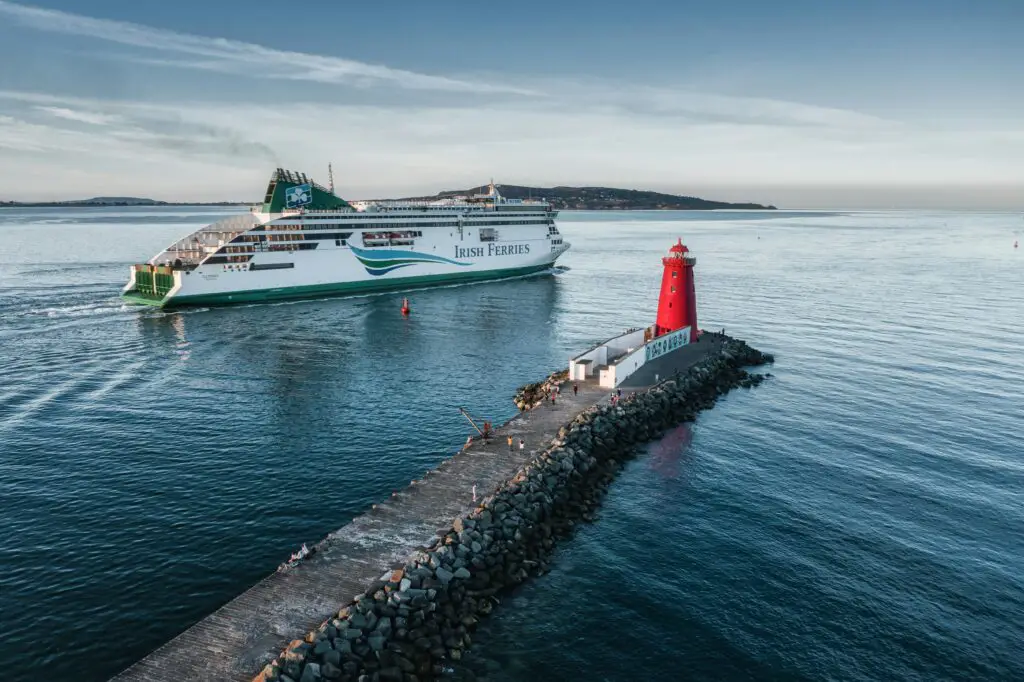
Bishop Rock stands on a rock barely large enough to support it. Keepers here faced extreme weather and isolation. Historical records note keepers lost to the sea under unclear circumstances. In some cases, relief crews arrived to find stations operating but missing personnel. The ocean offered no explanations.
The site earned a reputation as one of the most exposed lighthouses in the world. Even small mistakes could be fatal. Disappearances were often recorded without detail. Over time, those gaps became part of the lighthouse’s mystique. Bishop Rock remains a testament to maritime risk.
11. Wolf Rock Lighthouse, England
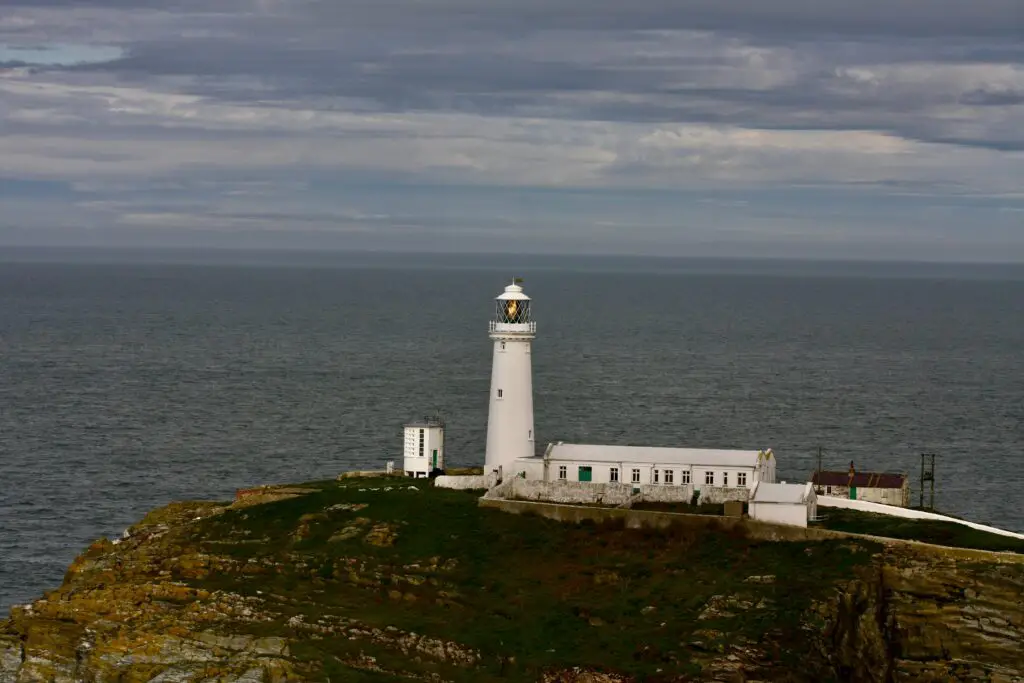
Wolf Rock Lighthouse sits far from shore, battered by Atlantic storms. Early accounts include keepers who vanished during maintenance work. In rough seas, a single misstep could mean disappearance without witnesses. Several incidents ended with no recovered bodies. Official explanations were limited by lack of evidence.
Isolation defined life at Wolf Rock. Supplies were unpredictable, and communication was minimal. When someone failed to return, the sea was blamed. Yet without proof, certainty remained elusive. The lighthouse’s history carries that lingering uncertainty.
12. Cape Wrath Lighthouse, Scotland
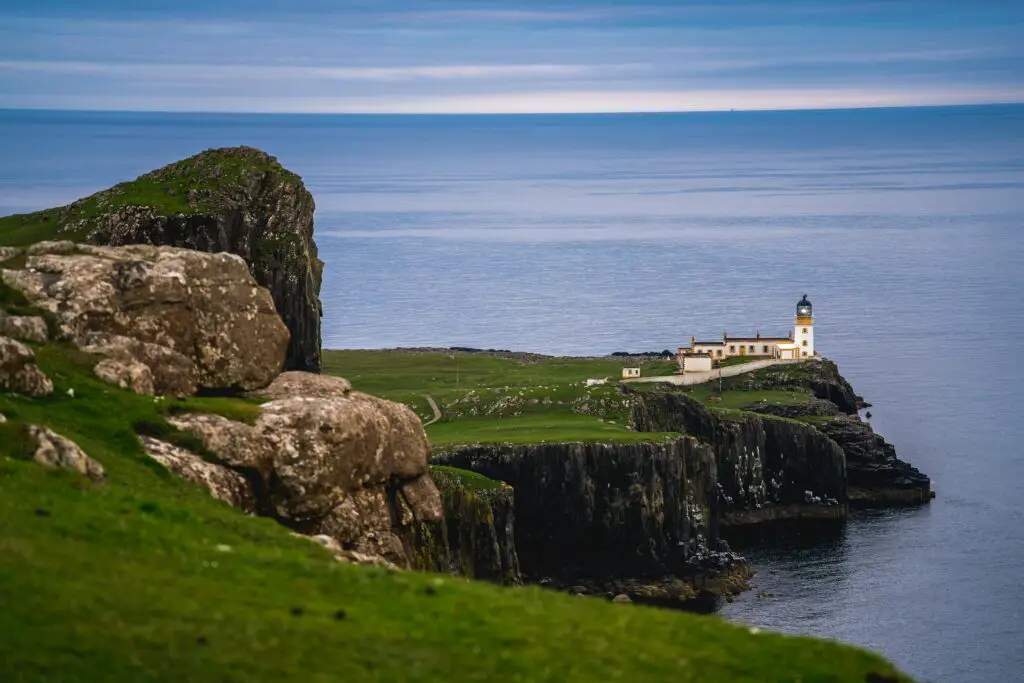
Cape Wrath is one of the most remote locations in mainland Britain. Keepers here worked under harsh conditions and extreme isolation. Historical mentions include keepers who disappeared during patrols. In some cases, records simply note a missing man. No remains were found.
The environment itself was unforgiving. Fog, cliffs, and violent seas surrounded the station. Investigations were slow and often inconclusive. The lack of closure fed speculation. Cape Wrath remains steeped in unanswered questions.
13. Fastnet Rock Lighthouse, Ireland
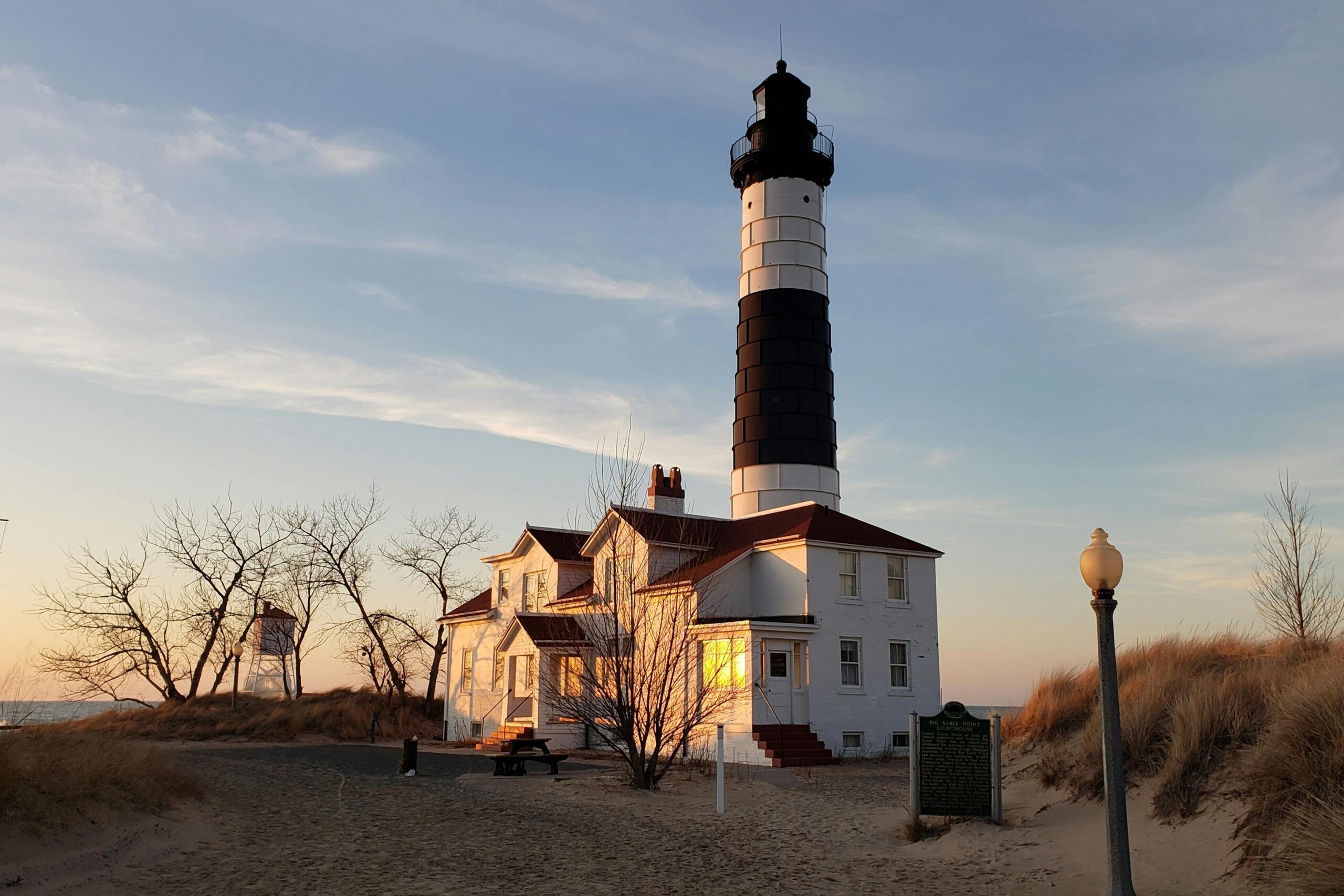
Fastnet Rock has long been associated with maritime tragedy. Keepers were occasionally lost during supply transfers. In rough seas, men could vanish instantly. Several cases ended without recovered bodies. Official records were brief and factual.
The lighthouse’s isolation made every task dangerous. Relief ships could not always dock safely. When accidents occurred, the sea erased evidence. Families were left with little explanation. That silence still echoes through Fastnet’s history.
14. Minot’s Ledge Lighthouse, Massachusetts
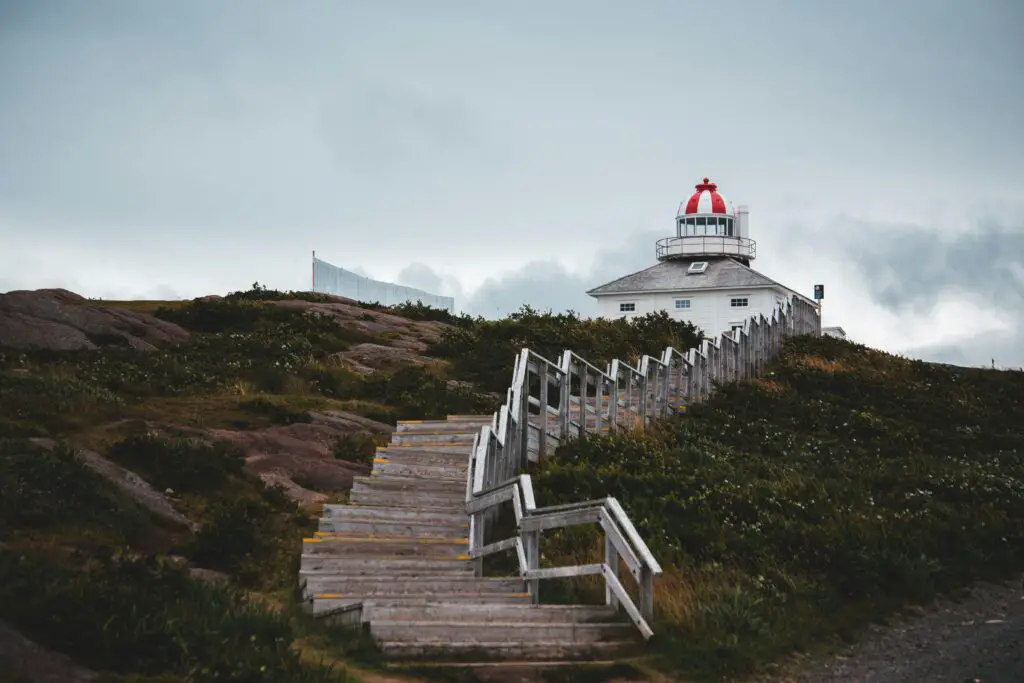
Minot’s Ledge is famous for disaster and loss. Early keepers vanished when the original structure collapsed during a storm. While their deaths are documented, their bodies were never recovered. The sea claimed them completely. No physical remains were ever found.
The tragedy reshaped lighthouse engineering forever. It also left a haunting legacy. Families had no graves to visit. The ocean kept its secrets. Minot’s Ledge stands as a reminder of how final the sea can be.