
1. The Mineral Springs of French Lick, Indiana

Long before it was a casino hub, this quiet Indiana town was the “Miracle Valley” for weary travelers seeking healing waters. People would ride the rails for hundreds of miles just to soak in the sulfur-rich springs that promised to cure everything from gout to simple exhaustion. The air used to be thick with the scent of minerals and the sound of jazz echoing from grand hotel porches. It felt like a secluded oasis where the elite could disappear for a few days of luxury and liquid therapy.
Today, the massive gold-domed hotels still stand as beautiful relics of that era, though the vibe is much more relaxed. You can still taste the “Pluto Water” if you’re brave, but most visitors are there for the history rather than the medicine. Walking through the manicured gardens feels like stepping into a postcard from 1920. It is a place where time slowed down enough to preserve the elegance of a weekend getaway that once rivaled European spas.
2. The Grotto of the Redemption in West Bend, Iowa

In the heart of the Midwest, this massive collection of precious stones was once a premier pilgrimage site for families on Sunday drives. A single priest spent decades hand-setting millions of dollars worth of shells, fossils, and semi-precious gems into towering religious shrines. It wasn’t just a church; it was an artistic marvel that drew crowds who wanted to see a bit of the exotic in the middle of a cornfield. The sheer scale of the labor involved made it a must-see destination for anyone passing through the region.
The Grotto remains a stunning, slightly surreal sight that anchors the tiny town of West Bend. While the massive bus tours have thinned out over the decades, the quiet intensity of the place hasn’t faded. You can spend an hour just looking at a single wall, marveling at how many lifetimes of work went into the mosaics. It serves as a beautiful reminder of how one person’s obsession can put a small town on the map for generations.
3. The Boardwalk of Keansburg, New Jersey

While its neighbor Asbury Park gets all the glory, Keansburg was once the blue-collar king of weekend escapes. It was the place where city families escaped the heat of the tenements to enjoy salt air and affordable mechanical rides. The boardwalk was a neon-lit dreamscape of spinning carousels and the smell of frying funnel cakes. For a few decades, it was the quintessential summer Saturday destination for anyone with a few nickels and a need for a breeze.
The town has weathered plenty of storms, both literal and economic, leaving behind a nostalgic, weathered charm. The rides are still there, humming with a vintage energy that you just can’t find at modern theme parks. It’s the kind of place where you can still get a classic slice of pizza and watch the sunset over the water without the massive crowds. It feels like a hidden pocket of the past that refused to change just because the world did.
4. The Petrified Creatures Museum of Richfield Springs, New York
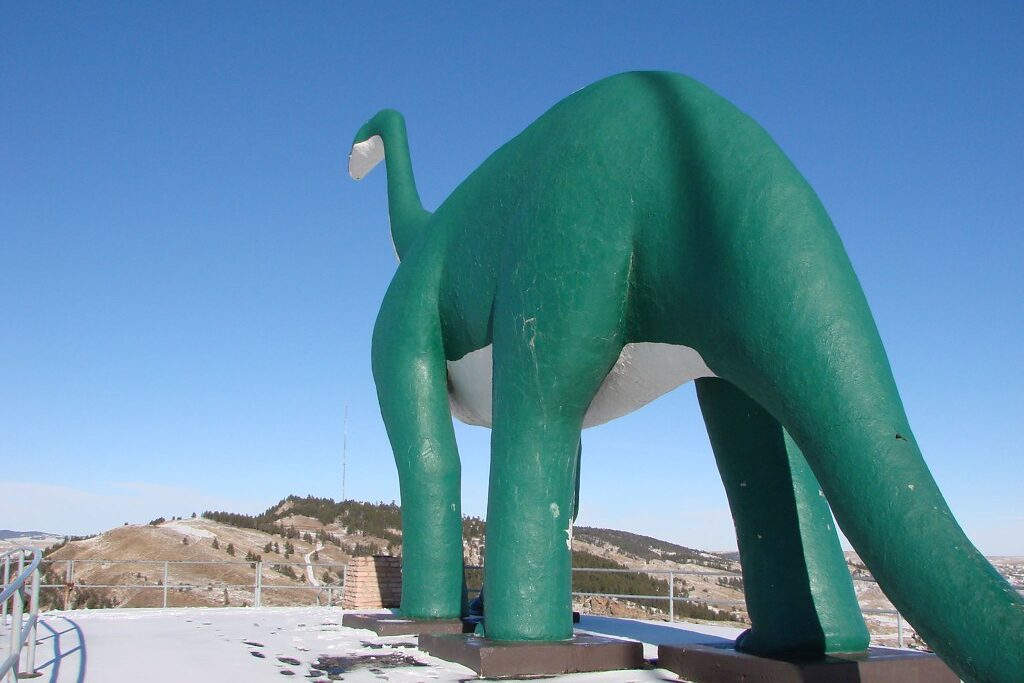
Nestled in upstate New York, this quirky roadside stop was once a staple for families road-tripping toward the Adirondacks. It featured life-sized, hand-painted dinosaur statues that stood guard over actual prehistoric fossils found in the local soil. Kids would scramble out of station wagons, eyes wide at the “monsters” looming over the trees. It represented that golden age of travel where the weird and the wonderful were just a turn off the main highway.
The museum eventually closed its doors to the public, but the faded silhouettes of the dinosaurs still peak through the foliage. It has become a legendary landmark for locals and urban explorers who remember the thrill of the “Dino Land” era. The property still holds that eerie, magical atmosphere of a place that was once full of laughter and wonder. It stands as a silent monument to the days when a weekend trip was defined by the strange things you found along the way.
5. The Glass Bottom Boats of Silver Springs, Florida

Before the era of massive theme parks, Silver Springs was the undisputed champion of Florida tourism. Travelers would flock to these crystal-clear waters to peer through glass panels at an underwater world that looked like another planet. It was a place of Hollywood glamour, where movies like Tarzan were filmed among the cypress trees and wild monkeys. A weekend here meant feeling like an explorer in a tropical wilderness, all from the safety of a wooden boat.
The springs are now a state park, moving away from the flashy commercialism toward a more natural, peaceful experience. The monkeys are still there, swinging through the canopy and surprising unsuspecting kayakers. The glass-bottom boats still run, offering that same mesmerizing view of the deep blue vents. It is a much quieter escape now, perfect for those who want to see Florida the way it looked before the neon took over.
6. The Historic Bathhouses of Hot Springs, Arkansas

There was a time when Hot Springs was essentially the Las Vegas of the South, but with a medicinal twist. People traveled from all over the country to “take the waters” in opulent marble bathhouses that felt like Roman temples. The town was a buzzing hive of activity, filled with baseball players in spring training and even notorious gangsters looking to relax. It was a high-energy destination where the weekend never seemed to end and the luxury was unparalleled.
While the gambling dens are long gone, the “Bathhouse Row” remains one of the most beautiful streets in America. You can still soak in the thermal water at a few historic spots, feeling the weight of the past in the heavy porcelain tubs. The surrounding mountains offer hiking trails that lead right back into the heart of the downtown area. It has transitioned from a rowdy resort town into a sophisticated, scenic retreat for history buffs.
7. The Rock City Gardens in Lookout Mountain, Georgia
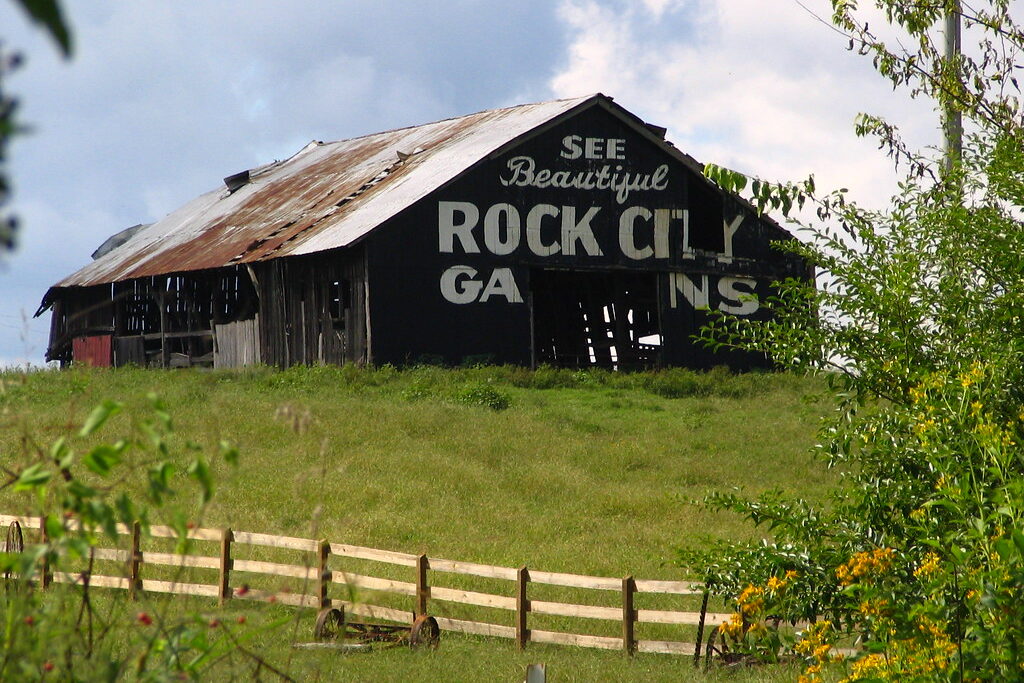
“See Rock City” was the slogan that defined Southern road trips for half a century, painted on the roofs of barns across the land. This mountaintop attraction offered a labyrinth of ancient rock formations and a view that famously claimed you could see seven states. It was a whimsical wonderland filled with fairytale dioramas and swinging bridges that tested the nerves of weekend travelers. For many, a trip to the South wasn’t complete without a photo standing on Lovers Leap.
The charm of Rock City hasn’t aged a day, even if the world around it has sped up significantly. The mossy paths and narrow stone “fat man’s squeezes” still provide a sense of adventure for new generations. It remains a masterclass in how to turn a natural landscape into a narrative experience. Walking through the gardens today feels like visiting a storybook that has been carved directly into the mountainside.
8. The Wigwam Motel in Holbrook, Arizona
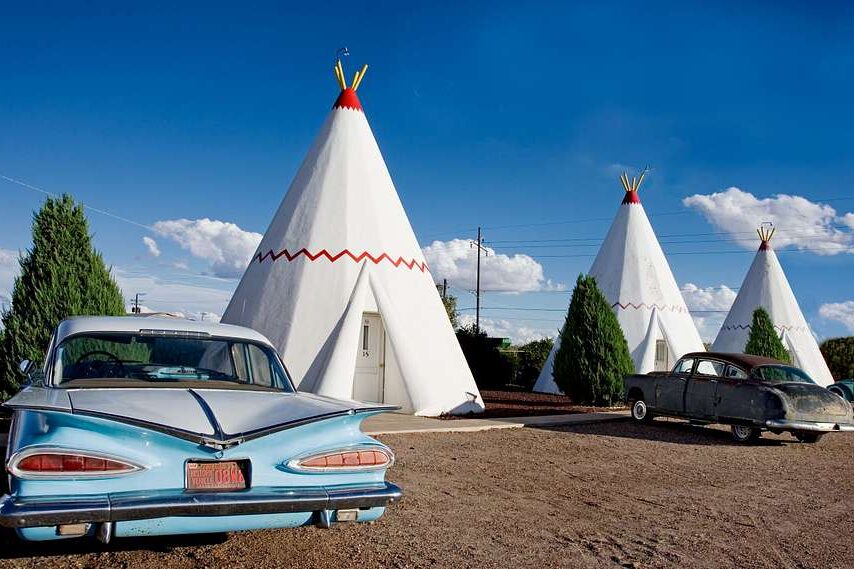
During the heyday of Route 66, the Wigwam Motel was the ultimate novelty stay for cross-country adventurers. Each room was a concrete teepee, offering a kitschy but cozy place to rest after a long day of driving through the desert. It represented the spirit of the “Mother Road,” where the journey was just as important as the destination. Families would plan their entire weekend around securing one of these iconic spots for a night under the stars.
Today, the Holbrook location is one of the few survivors of this quirky architectural trend. Vintage cars are parked permanently out front, adding to the feeling that you’ve driven straight into a 1950s movie set. It is a quiet, evocative spot that serves as a sanctuary for those chasing the ghost of the American highway. Staying here isn’t just about a bed; it’s about touching a piece of travel history that refused to be demolished.
9. The Old Mill in North Little Rock, Arkansas

This stunning recreation of an 1880s water mill gained international fame when it appeared in the opening credits of Gone with the Wind. For decades, it was a prime destination for couples and families looking for a picturesque weekend picnic spot. The park was designed to look weathered and ancient, with concrete bridges sculpted to look like fallen logs. It offered a sense of rustic fantasy that transported visitors to a simpler, more romantic version of the past.
The Old Mill is now a peaceful city park that feels hidden away from the modern world. It is meticulously maintained, with flowers blooming year-round around the silent water wheel. While it doesn’t draw the massive movie-buff crowds it once did, it remains a favorite for local photographers and dreamers. It’s the perfect place to sit on a stone bench and forget about your phone for a few hours.
10. The Corn Palace in Mitchell, South Dakota
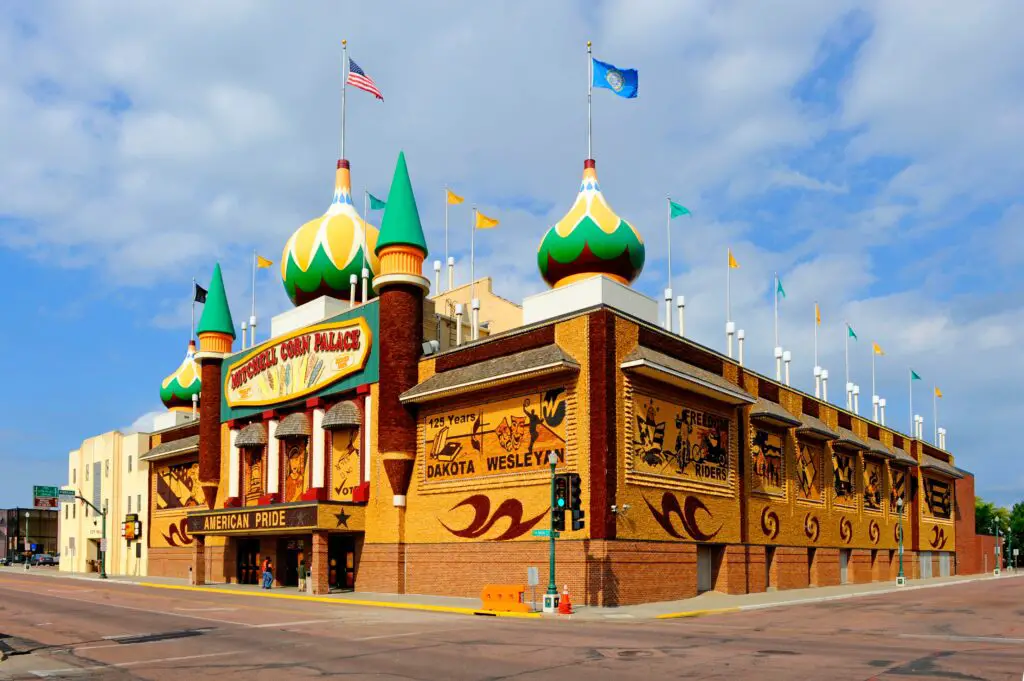
Every year, the citizens of Mitchell redecorate this massive building with thousands of bushels of corn and grain to create intricate murals. In its prime, the Corn Palace was a major cultural hub that hosted world-famous entertainers and huge harvest festivals. People would travel across the plains just to see what the “theme” of the year was and to marvel at the folk art. It was a celebration of the American heartland that turned a functional space into a shimmering golden temple.
The building still stands as a testament to agricultural pride and community spirit. The murals are still updated annually, ensuring that no two visits are ever exactly the same. While it may seem like a quirky roadside stop to some, it remains a vital part of the town’s identity. Visiting the palace today gives you a deep appreciation for the creativity and hard work of the people who live in the “Big Sky” country.
11. The Paul Bunyan Statues of Bemidji, Minnesota
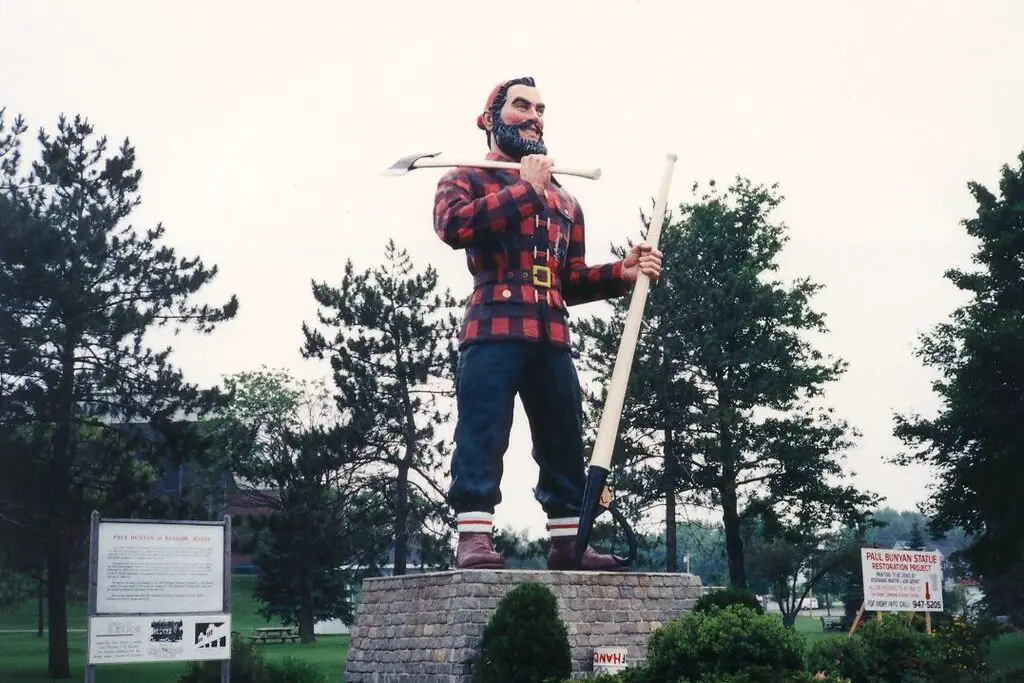
Bemidji once served as the unofficial headquarters for the folklore of the Great North Woods. The massive statues of Paul Bunyan and Babe the Blue Ox were the first major roadside icons built to attract the growing number of automobile tourists. A weekend trip to see the giant lumberjack was a rite of passage for families across the Midwest. It was a place where tall tales felt real and the wilderness felt just a little bit more magical.
The statues are still the most photographed spots in the state, standing proudly on the shores of Lake Bemidji. The town has grown up around them, but the sense of Northwoods wonder remains largely intact. You can still feel the crisp lake air and imagine the legendary Paul walking through the pines. It’s a nostalgic destination that proves some legends are big enough to last forever.
12. The Mystery Hole in Ansted, West Virginia
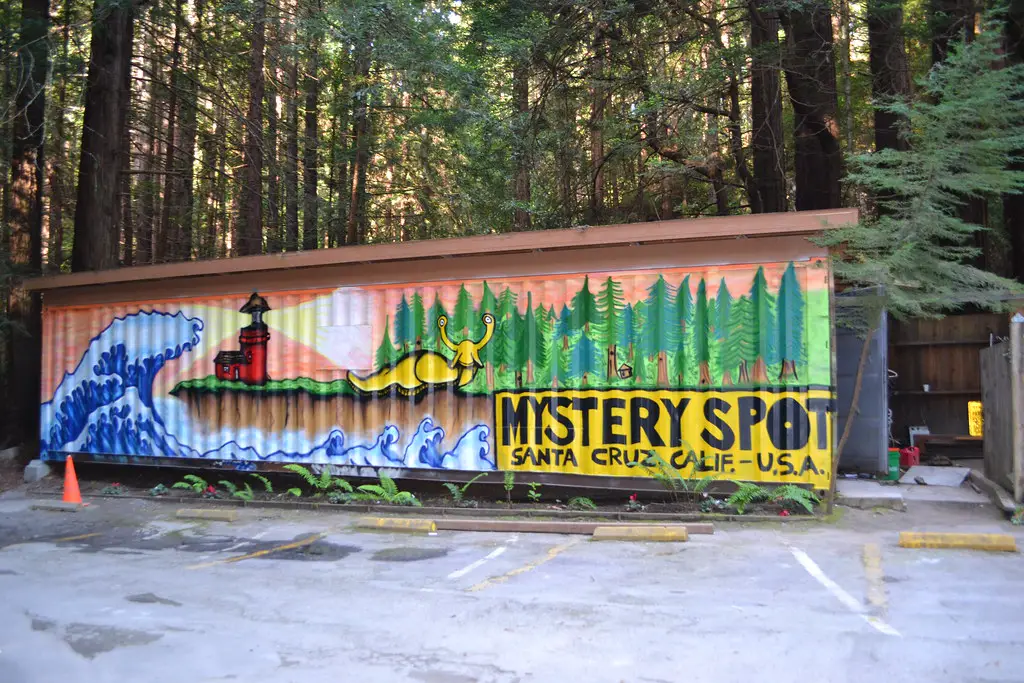
Tucked away in the mountains of West Virginia, this gravity-defying attraction was once a mandatory stop for anyone seeking the “weird America.” It’s a place where water seems to flow uphill and people can stand at impossible angles without falling over. During the mid-century travel boom, these “mystery spots” were everywhere, providing cheap thrills and plenty of laughs for bored kids in the backseat. It was a celebration of the inexplicable and the joy of being fooled.
The Mystery Hole is still operating, preserved in all its colorful, hand-painted glory. The experience is intentionally campy, led by guides who lean into the hokey fun of the whole concept. It’s a refreshing break from the high-tech, polished entertainment of the modern world. There is something deeply human about wanting to be baffled by a simple trick in a roadside shack.
13. The Wall Drug Store in Wall, South Dakota

What started as a tiny pharmacy offering “free ice water” to thirsty travelers became one of the biggest tourist traps in history. At its peak, people would follow signs for hundreds of miles just to see the giant jackalope and eat a five-cent donut. It was a sprawling, wooden maze of souvenir shops, animatronic dinosaurs, and Western history. For a weekend traveler crossing the Badlands, Wall Drug wasn’t just a stop; it was the destination itself.
The store is still a massive operation, retaining its chaotic and charming frontier atmosphere. You can still get that free ice water, and the donuts are just as famous as they were fifty years ago. It’s a place that embraces its own absurdity with a wink and a smile. Walking through the various “rooms” feels like exploring a museum of American consumer culture and roadside ingenuity.
14. The Pavilion of Myrtle Beach, South Carolina

For decades, the Pavilion was the beating heart of the Grand Strand, a place where teenagers met and families made memories. It was a massive amusement area right on the ocean, filled with the sounds of a classic German pipe organ and the screams from the wooden roller coaster. A weekend at the Pavilion was a sensory overload of salt air, bright lights, and the mechanical hum of the rides. It was the quintessential summer escape for the entire Southeast.
The original Pavilion building was eventually torn down, but its spirit lives on in a nostalgia park nearby. Many of the historic rides, including the famous carousel, were saved and restored for a new generation to enjoy. While the landscape of the beach has changed into a forest of high-rise hotels, the memory of those summer nights remains vivid. It serves as a reminder of the simple joy found in a boardwalk ride and a cool ocean breeze.
15. The Enchanted Forest in Turner, Oregon
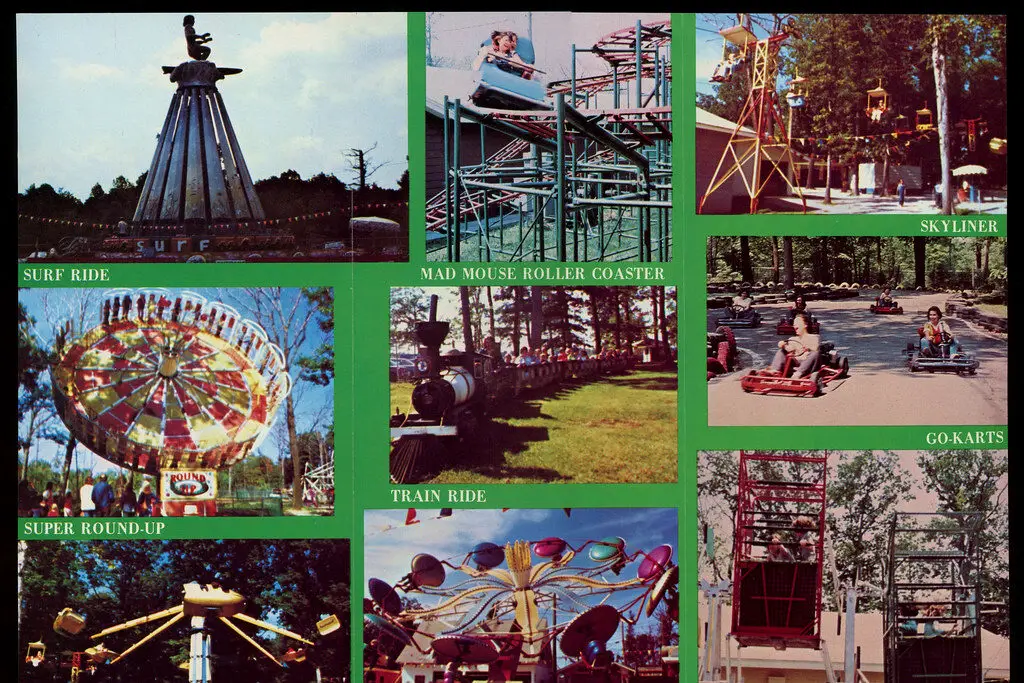
Located just off the highway, this family-built theme park was once the ultimate weekend fantasy for children in the Pacific Northwest. It features a walk-through forest filled with scenes from Mother Goose rhymes and a crumbling “English Village.” It wasn’t built by a massive corporation but by a man with a vision and a lot of concrete. This personal touch gave the park a unique, slightly eerie charm that made it stand out from any other attraction.
The park is still owned and operated by the same family, who continue to add new, hand-crafted details every year. It has managed to survive the era of mega-parks by staying true to its whimsical, DIY roots. Walking through the mouth of the “Old Woman’s Shoe” still feels like a genuine adventure into a storybook. It’s a beautiful example of how a small-town dream can become a lasting legacy for generations of dreamers.