
1. Driving a Manual Transmission
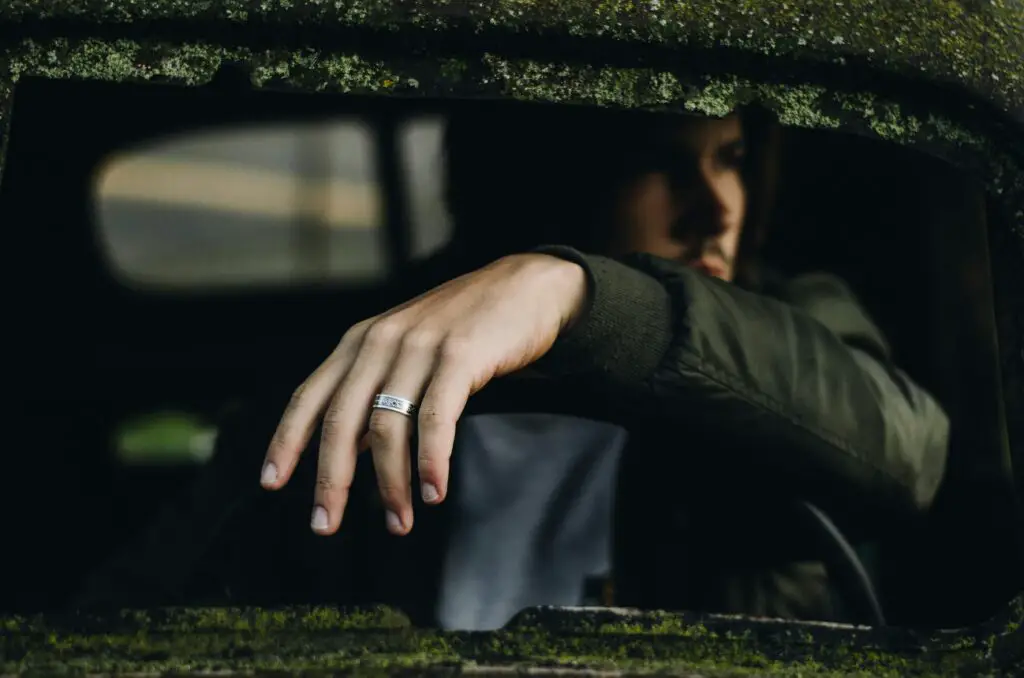
For decades, learning to drive didn’t just mean steering and braking. Many teenagers learned how to operate a manual transmission long before their 16th birthday, especially if the family car had a stick shift. Parents often took kids to empty parking lots or quiet back roads to practice. Stalling the engine was practically a rite of passage. Eventually they learned the delicate balance between clutch and gas.
Once they got the hang of it, the skill stayed with them for life. A teenager who could drive stick was suddenly very useful in the family. If someone needed the car moved or a quick errand run, they were ready. Today, many younger drivers have never even seen a clutch pedal. Back then, it was just part of growing up.
2. Cooking an Entire Family Meal
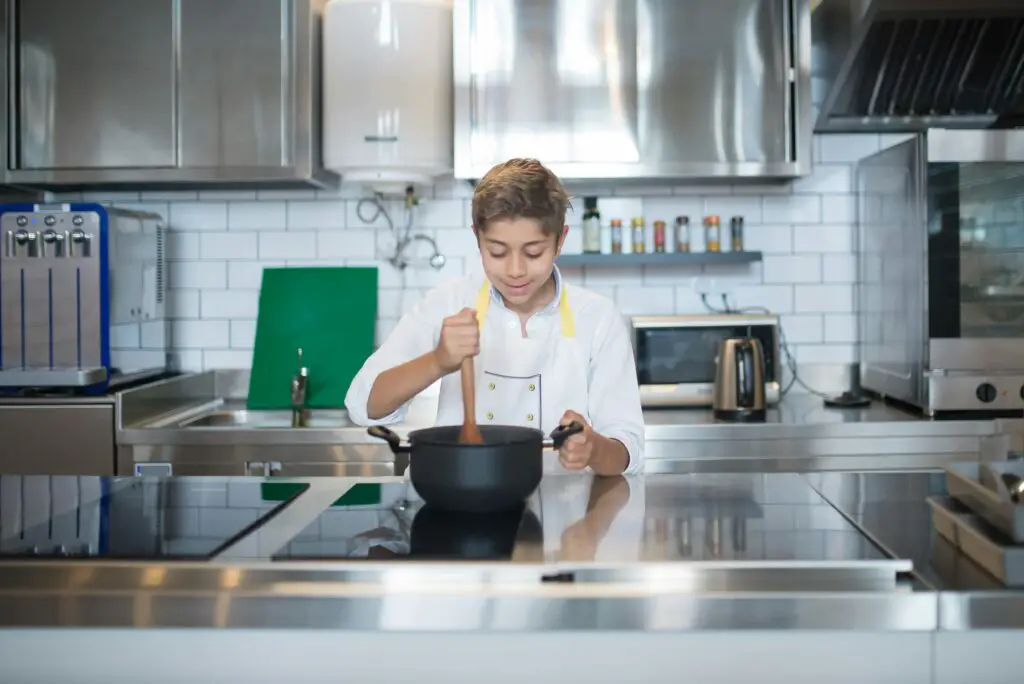
Many kids were expected to know their way around a kitchen well before high school. By their early teens, they could cook basic meals like spaghetti, meatloaf, or fried chicken. Parents showed them how to measure ingredients and manage a stovetop safely. Sometimes they were responsible for getting dinner started while the adults were still at work.
It wasn’t just about convenience. Cooking was considered an important life skill. Kids learned how to stretch ingredients and make something filling from simple pantry staples. A teenager who could prepare a meal for the family earned real respect. Those early lessons often turned into lifelong cooking habits.
3. Using Basic Hand Tools
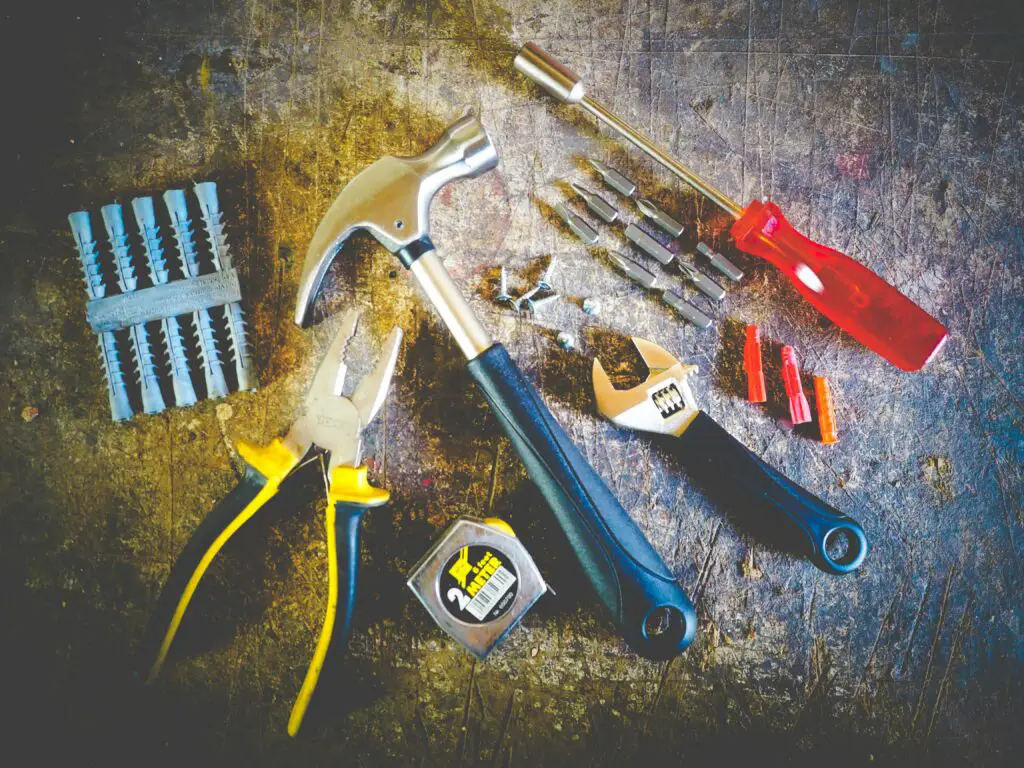
Hammers, screwdrivers, wrenches, and saws were common sights in garages and basements. Kids were often handed tools early and expected to help with simple repairs. Fixing a loose hinge or tightening a bolt was something they picked up just by watching adults. Before long, they could handle small projects on their own.
These early lessons built confidence and independence. A teenager who could repair a broken chair or patch something around the house became incredibly handy. Today many households simply replace things when they break. In earlier generations, learning to fix them was part of everyday life.
4. Sewing and Mending Clothes
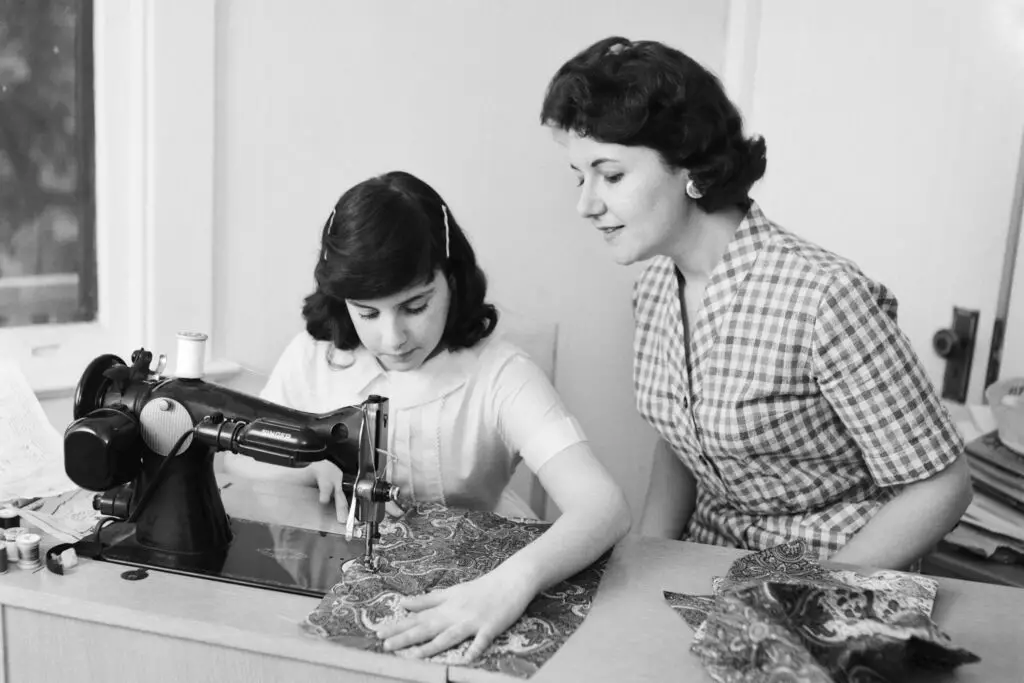
Before fast fashion and cheap clothing, people repaired what they owned. Many kids learned basic sewing from parents or grandparents. They could stitch a button back on, mend a torn seam, or patch worn jeans. A simple sewing kit was a normal household item.
For many families, this wasn’t optional. Clothes had to last longer, especially for growing kids. Learning to mend things helped stretch the family budget. It also created a sense of pride in taking care of your belongings. Those quiet lessons often happened at the kitchen table.
5. Writing a Proper Letter
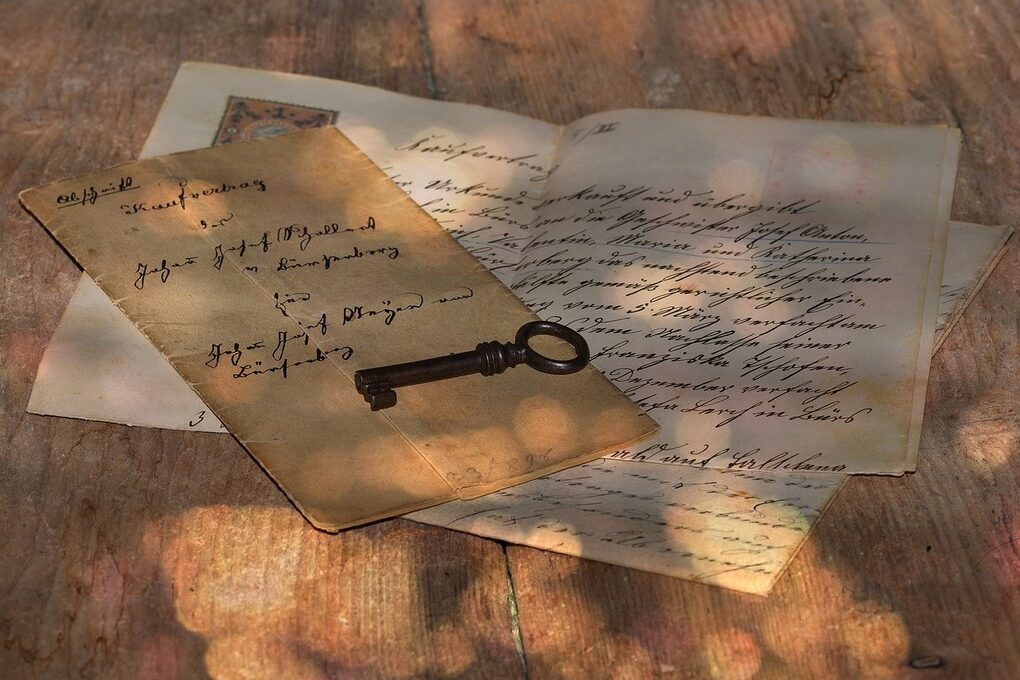
Long before texting and email, written letters were a major form of communication. Kids were taught how to write proper greetings, structure a message, and close politely. Thank you notes were especially important. Parents often insisted children write them after birthdays or holidays.
By the time they reached their teens, many kids could compose thoughtful letters. It was considered a sign of good manners. Penmanship also mattered, since handwriting needed to be readable. Today that skill is fading quickly. At the time, it was simply expected.
6. Reading a Paper Map

Travel once required a little navigation skill. Kids often helped parents unfold large road maps during family trips. They learned how to follow highways, locate towns, and estimate distances. It was easy to get lost if you didn’t pay attention.
Many teenagers could navigate entire routes by the time they were in high school. Gas stations frequently handed out maps, and families kept them in the glove compartment. It turned road trips into a shared puzzle. Today GPS handles almost all of that thinking.
7. Riding and Repairing a Bicycle
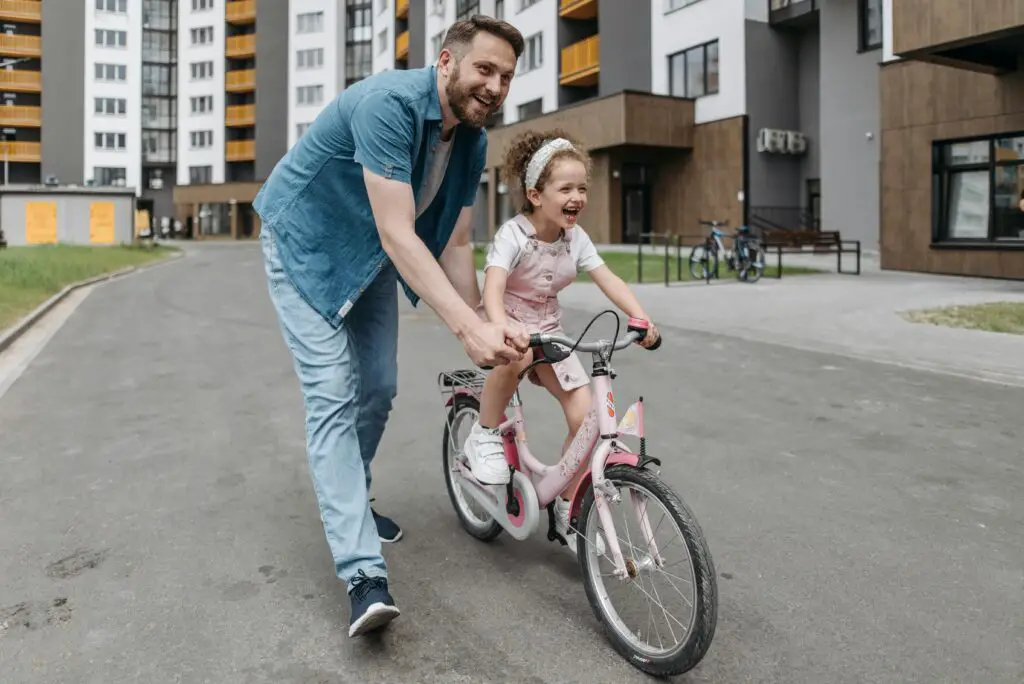
Bikes were one of the main forms of freedom for kids. Learning to ride usually happened early, sometimes before elementary school. By the teenage years, kids knew how to maintain their bikes as well. Fixing a flat tire or adjusting the chain became second nature.
Local bike shops sold patch kits and tools that kids learned to use. If your tire went flat miles from home, you needed to know what to do. Waiting for help wasn’t always an option. Those small mechanical skills built a lot of independence. A bike meant mobility and responsibility.
8. Caring for Younger Siblings
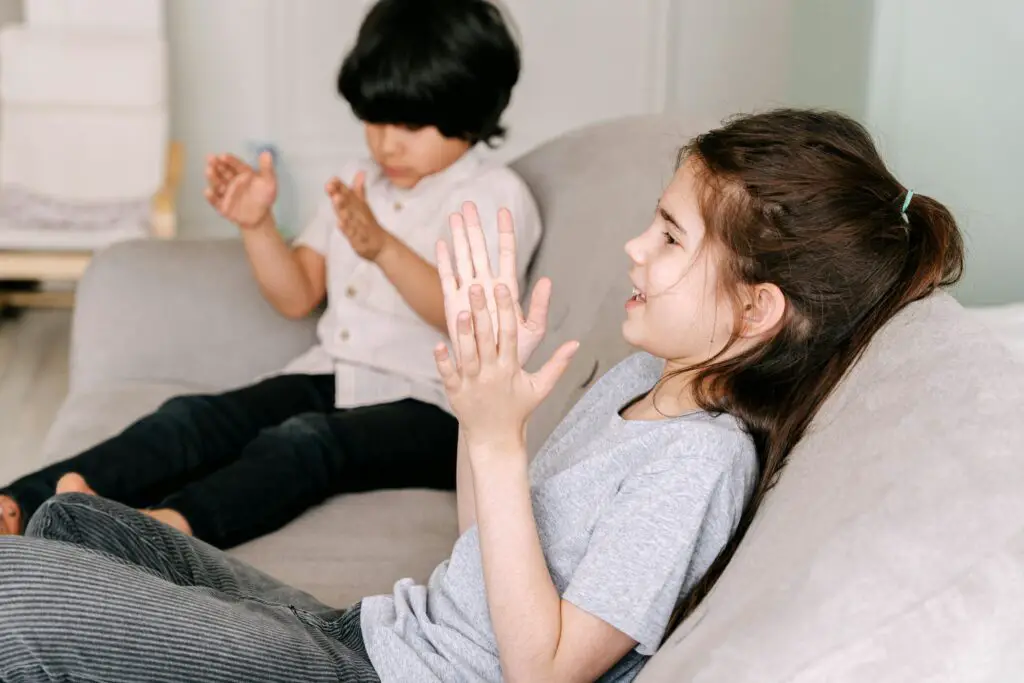
In many families, older kids helped look after younger brothers and sisters. Babysitting wasn’t just for hired teenagers. It often started inside the family itself. Kids learned how to keep younger siblings entertained and safe.
They might prepare snacks, settle small arguments, or help with homework. Parents trusted them with real responsibility. These early experiences helped develop patience and leadership. It also made older kids feel like important members of the household.
9. Balancing a Checkbook

Money management started early for many teenagers. Kids who opened bank accounts were taught how to track deposits and spending. Balancing a checkbook meant making sure every dollar was accounted for. It required careful attention to detail.
Parents often walked them through the process step by step. Writing checks for small purchases was common practice. Mistakes could lead to overdrafts or embarrassment. Learning this skill helped teenagers understand budgeting. It also made them more careful with money.
10. Lawn and Yard Maintenance
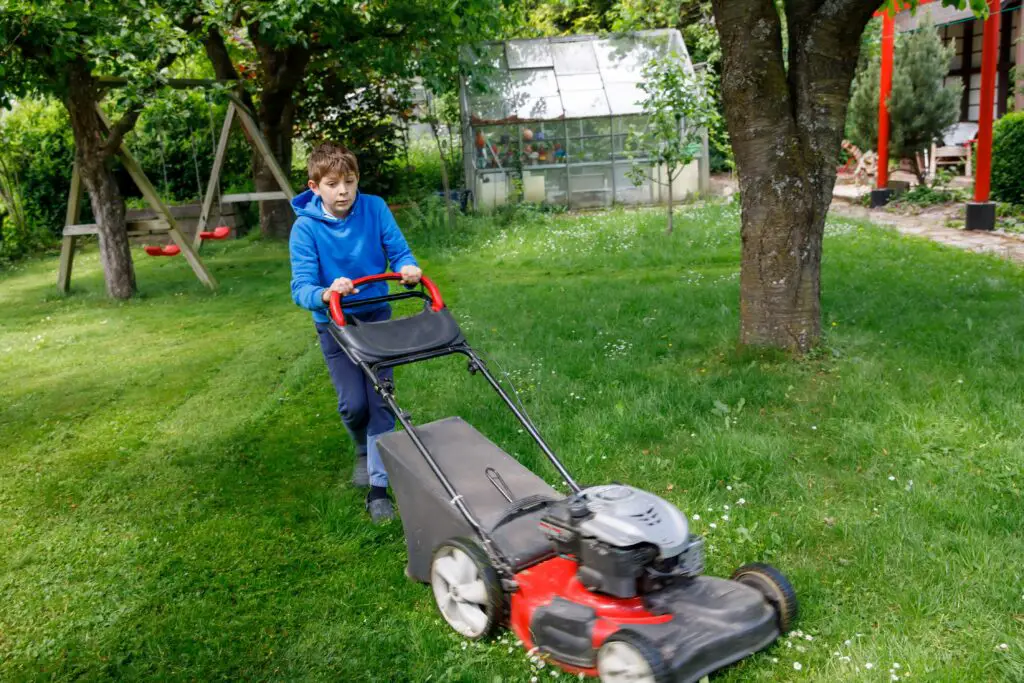
Cutting the grass was practically a teenage tradition. Many kids learned how to operate a push mower or riding mower before they were 16. It was often their regular weekend chore. In some cases, they even earned extra money mowing neighbors’ lawns.
Beyond mowing, they also learned to rake leaves and trim hedges. Seasonal yard work became part of the rhythm of family life. These tasks taught responsibility and time management. The yard didn’t take care of itself. Someone had to step up.
11. Polite Phone Etiquette

Answering the household telephone used to be a small social test. Kids were taught to greet callers politely and take messages carefully. Saying “Hello, this is the Johnson residence” wasn’t unusual. Parents expected good manners even over the phone.
Teenagers also learned how to ask for friends respectfully. You didn’t just blurt out a name. Conversations often began with a polite exchange with a parent first. These small habits reflected broader expectations about courtesy. The phone was part of learning social skills.
12. Basic First Aid
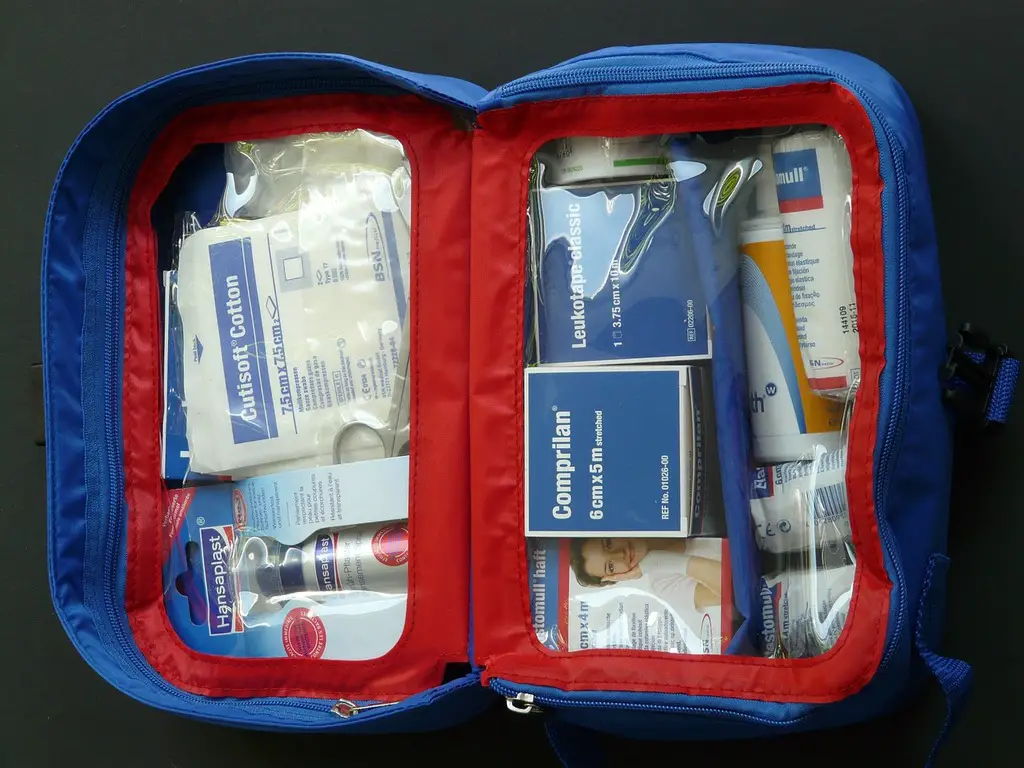
Scrapes, cuts, and minor injuries were common parts of childhood. Many kids learned simple first aid early on. They knew how to clean a wound, apply a bandage, or treat a minor burn. Parents and schools often taught these basics.
Knowing what to do in a small emergency built confidence. A teenager who could stay calm and help someone else was valued. First aid kits were common in homes and cars. Those simple skills sometimes prevented bigger problems.
13. Washing and Maintaining a Car
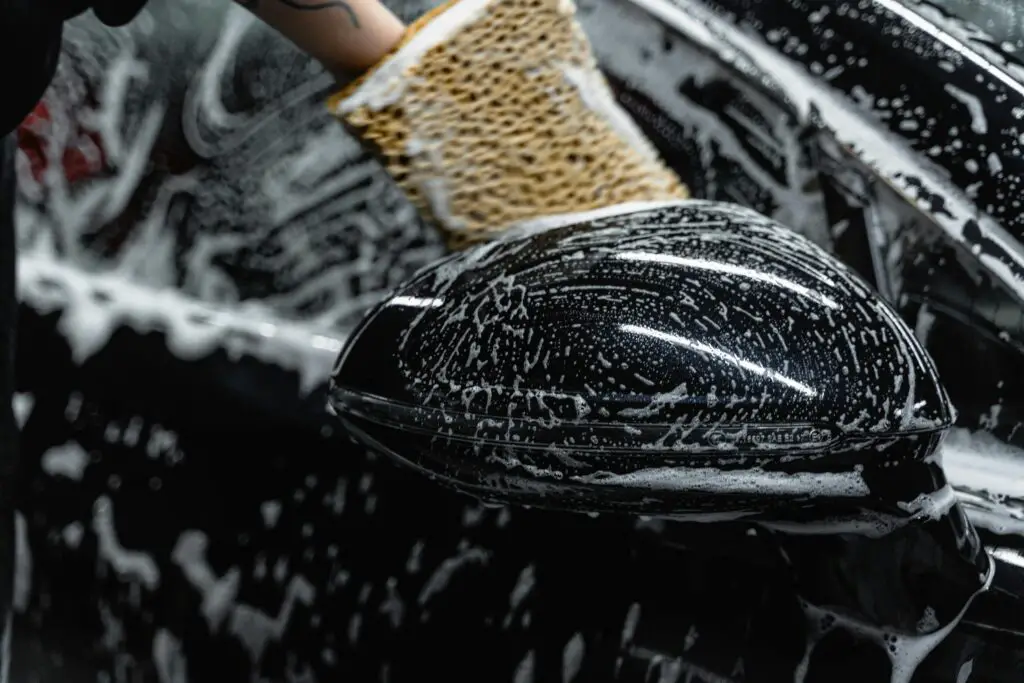
Teenagers often helped care for the family car. Washing it in the driveway was a regular chore during warm months. Kids learned how to rinse, soap, and dry the vehicle properly. Some even learned basic maintenance tasks.
Checking oil levels or topping off windshield fluid became part of the routine. Parents explained why these things mattered. Understanding how a car worked made young drivers more responsible. It also created a sense of pride in keeping things in good condition.
14. Gardening and Growing Food

Many families kept backyard gardens. Kids helped plant seeds, water vegetables, and pull weeds. Over time they learned how long things took to grow. Watching tomatoes or beans develop from tiny plants was a small lesson in patience.
Gardening also connected kids to where food came from. They saw how weather, soil, and care affected the harvest. In many households, the garden helped stretch the grocery budget. A teenager who understood gardening carried that knowledge into adulthood. The skill also encouraged a respect for nature.
15. Polishing Shoes and Caring for Clothes

Keeping clothes neat was taken seriously in many households. Kids learned how to polish leather shoes until they shined. They were also taught to iron shirts or fold laundry properly. Appearance mattered more than many younger people realize today.
These habits often started with school clothes or church outfits. Parents emphasized taking care of what you owned. A well-polished pair of shoes signaled pride and discipline. These small routines reinforced personal responsibility. They also taught attention to detail.
16. Holding a Part-Time Job
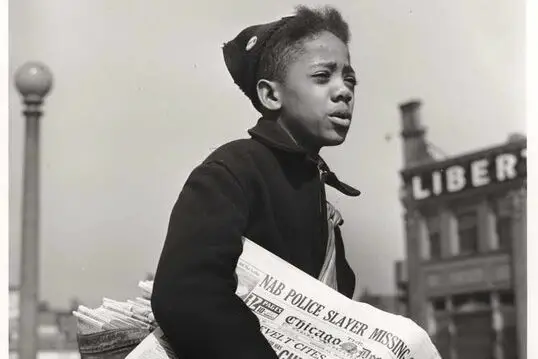
Many teenagers started working well before they turned 16. Paper routes, farm work, or small neighborhood jobs were common. Kids learned how to show up on time and take instructions seriously. Earning their own money felt like a big step toward independence.
These early jobs also taught the value of hard work. Saving for a bike, record player, or later a car gave teenagers clear goals. Adults expected them to take the responsibility seriously. The experience helped prepare them for adult life. For many people, it was their first taste of real independence.