
1. Answering the Phone Politely
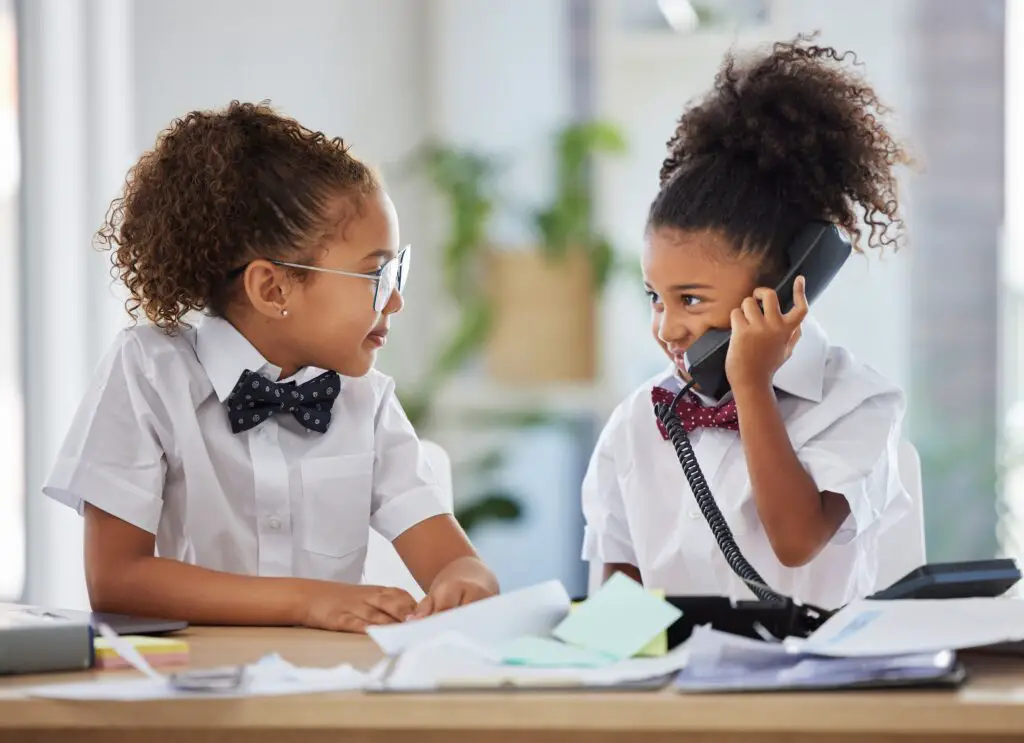
Kids didn’t need a lesson plan to learn phone manners, they just heard adults do it over and over. Watching someone say hello, pause, listen, and respond calmly made it feel natural. There was a rhythm to it that sank in without explanation. Even the way adults lowered their voices felt instructional. Kids learned quickly that the phone was different from regular conversation.
By the time they were tall enough to reach it, they knew what to say. They understood when to ask who was calling and when to pass the phone along. It wasn’t about confidence, it was familiarity. Being around it long enough did the teaching.
2. Making Small Talk with Strangers
Grocery store lines and waiting rooms were quiet classrooms. Kids watched adults comment on the weather or make polite observations. Those little exchanges seemed effortless and harmless. Over time, they learned that silence wasn’t always required.
Eventually, kids started copying the tone and timing. They learned when a smile helped and when to keep things brief. It was never framed as a skill, just something people did. Years later, it showed up in job interviews and elevators.
3. Reading a Room
Adults rarely explained why they whispered or changed topics, but kids noticed. They picked up on lowered voices, quick glances, and sudden pauses. Certain moods meant sitting still and staying quiet. Others meant laughing was allowed.
Without realizing it, kids learned social awareness. They sensed when something was serious or when humor would land wrong. That instinct came from observation, not instruction. It stuck because it mattered.
4. Doing Mental Math
Kids watched adults total receipts or count cash at the kitchen table. Numbers were handled quickly and casually. There was no worksheet involved, just everyday necessity. Math lived in real life, not textbooks.
Eventually, kids tried it themselves. They learned shortcuts and estimates by copying what they saw. It felt practical, not academic. That made it stick.
5. Handling Awkward Silences
Silence wasn’t always filled, and kids noticed who let it linger. Some adults didn’t rush to speak just to avoid discomfort. That restraint made an impression. It showed that pauses were allowed.
Kids absorbed that lesson quietly. They learned that not every moment needed commentary. That confidence with silence came from watching, not coaching. It made conversations easier later on.
6. Multitasking Without Talking About It
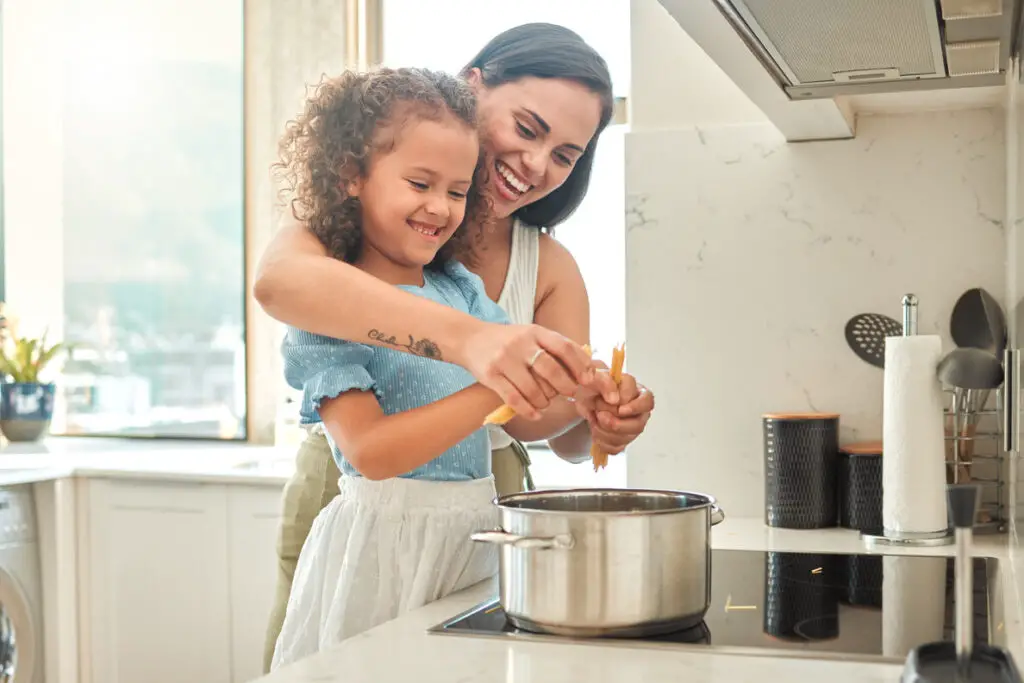
Adults cooked dinner while listening to the news or folding laundry mid conversation. They moved seamlessly between tasks. No one announced they were multitasking, they just did it. Kids saw efficiency in action.
Over time, kids mirrored the behavior. They learned to juggle without thinking of it as a skill. It became normal to switch focus briefly. That adaptability followed them into adulthood.
7. Waiting Patiently
Kids spent a lot of time waiting because adults did. Waiting at counters, on hold, or in traffic was unavoidable. They saw frustration handled quietly or not at all. Patience was modeled, not praised.
Eventually, kids learned how to sit with waiting. They understood that some things took time. That tolerance came from repetition. It became part of how they moved through the world.
8. Knowing When Not to Interrupt
Adults didn’t always explain why interruptions weren’t welcome. Kids learned by watching reactions. A raised eyebrow or paused sentence said enough. Timing mattered more than enthusiasm.
Slowly, kids figured out when to speak. They learned to read cues and wait their turn. It wasn’t about being silent, it was about awareness. That lesson carried weight.
9. Fixing Small Problems on the Spot
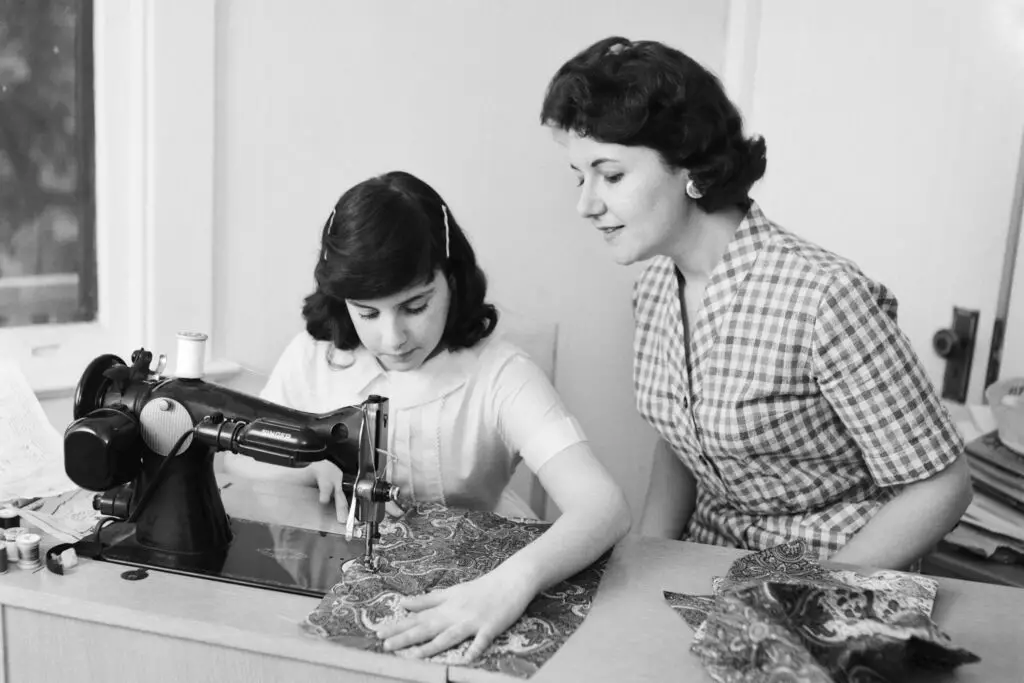
Loose buttons, jammed drawers, or squeaky doors were handled quickly. Adults didn’t dramatize repairs, they just fixed things. Kids saw that problems didn’t always require experts. Sometimes they required patience.
That mindset stuck. Kids learned to try before giving up. They became comfortable with basic problem solving. Confidence grew quietly.
10. Keeping Secrets Lightly
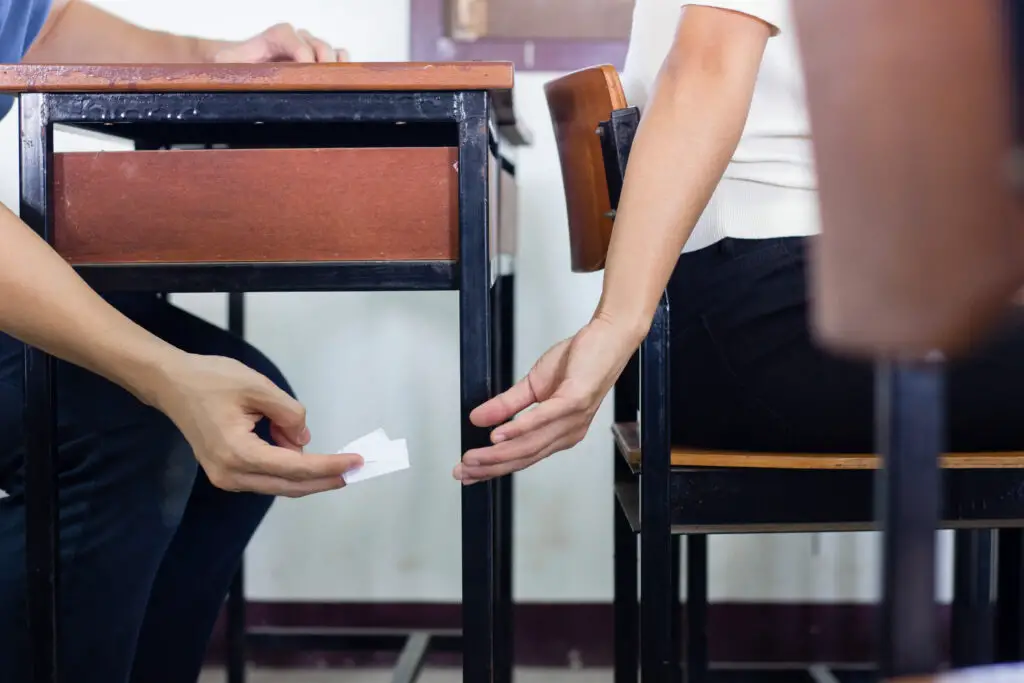
Kids overheard adults lower their voices or change the subject. They learned that not everything was meant to be shared. Privacy had its place. Trust mattered.
Without formal rules, kids absorbed discretion. They learned when to keep something to themselves. It wasn’t framed as secrecy, just respect. That distinction stayed with them.
11. Navigating Adult Conversations
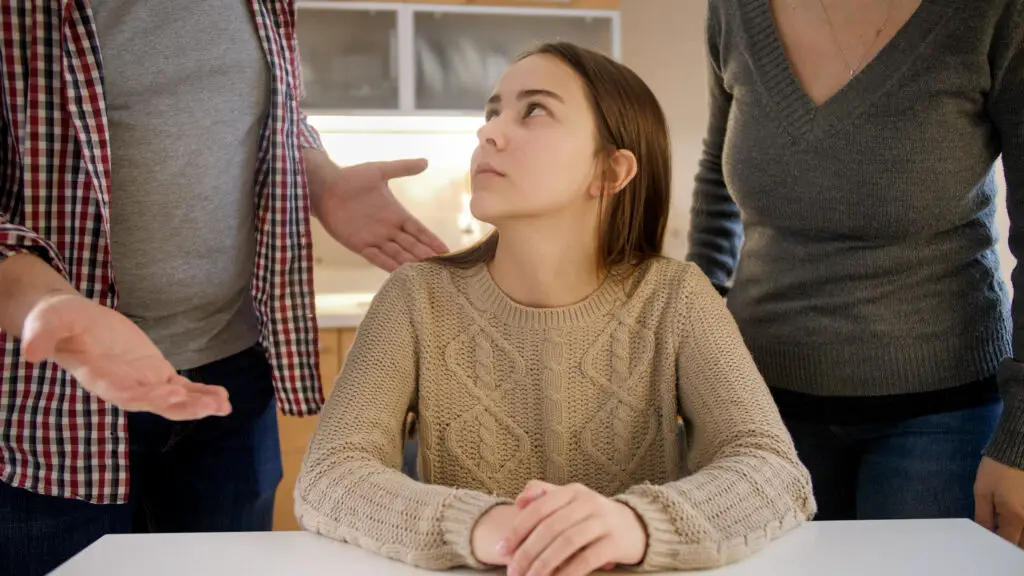
Kids listened to discussions they didn’t fully understand. Politics, finances, and plans floated past them. They learned tone before content. Serious conversations sounded different.
Over time, they grasped how adults spoke to one another. They learned pacing and restraint. It helped them later in professional settings. Exposure did the teaching.
12. Reading Written Instructions

Kids watched adults skim manuals or recipes. They saw steps followed in order. Instructions weren’t intimidating, just necessary. Reading had a purpose.
Eventually, kids followed directions themselves. They learned to trust written guidance. It felt practical rather than academic. That skill became useful fast.
13. Knowing When to Apologize
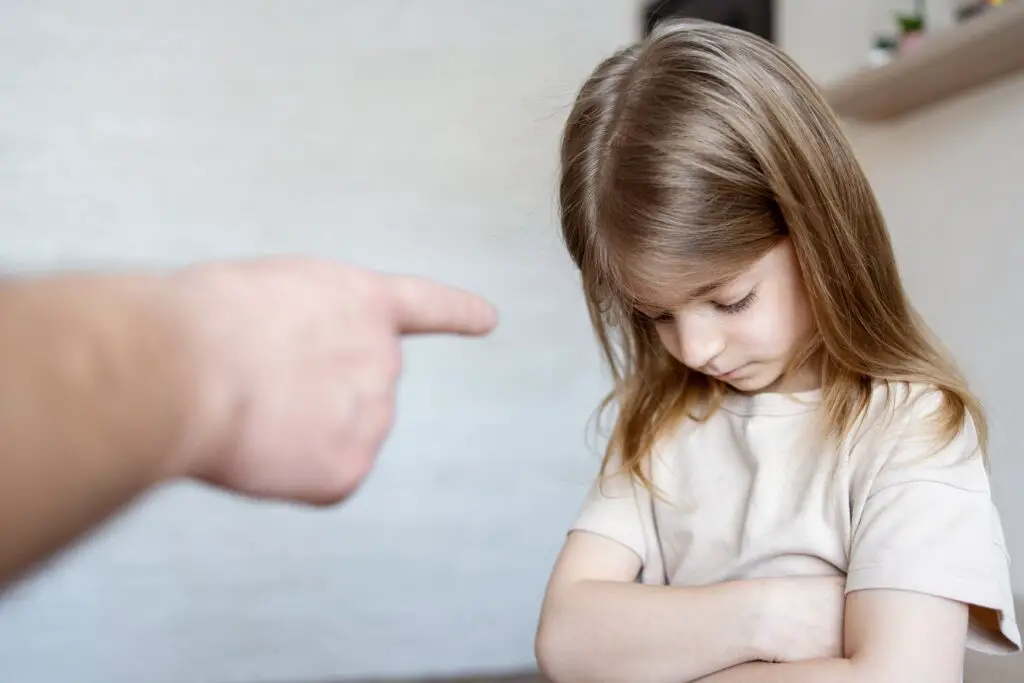
Adults modeled apologies in subtle ways. A quick acknowledgment or sincere tone mattered. Kids noticed when it eased tension. Apologies weren’t always dramatic.
They learned when to say sorry and mean it. They saw how accountability worked. That understanding came from observation. It shaped relationships later on.
14. Managing Money Casually

Kids saw wallets opened and bills sorted. Money was discussed openly or quietly, but always present. They learned that choices had consequences. Spending wasn’t abstract.
Over time, kids absorbed financial awareness. They understood budgeting without vocabulary. It felt intuitive. Exposure made it familiar.
15. Handling Boredom
Adults didn’t always rush to entertain themselves. Sometimes boredom just existed. Kids noticed that too. It wasn’t treated as an emergency.
They learned to sit with it. Creativity or patience followed. That tolerance came from example. It became a strength.
16. Ending Conversations Gracefully
Kids heard adults wrap things up politely. There was a rhythm to goodbyes. Ending a conversation didn’t require awkwardness. It required awareness.
Eventually, kids copied it. They learned how to exit without discomfort. That skill wasn’t taught directly. It was absorbed naturally.