
1. Sewing on a Button
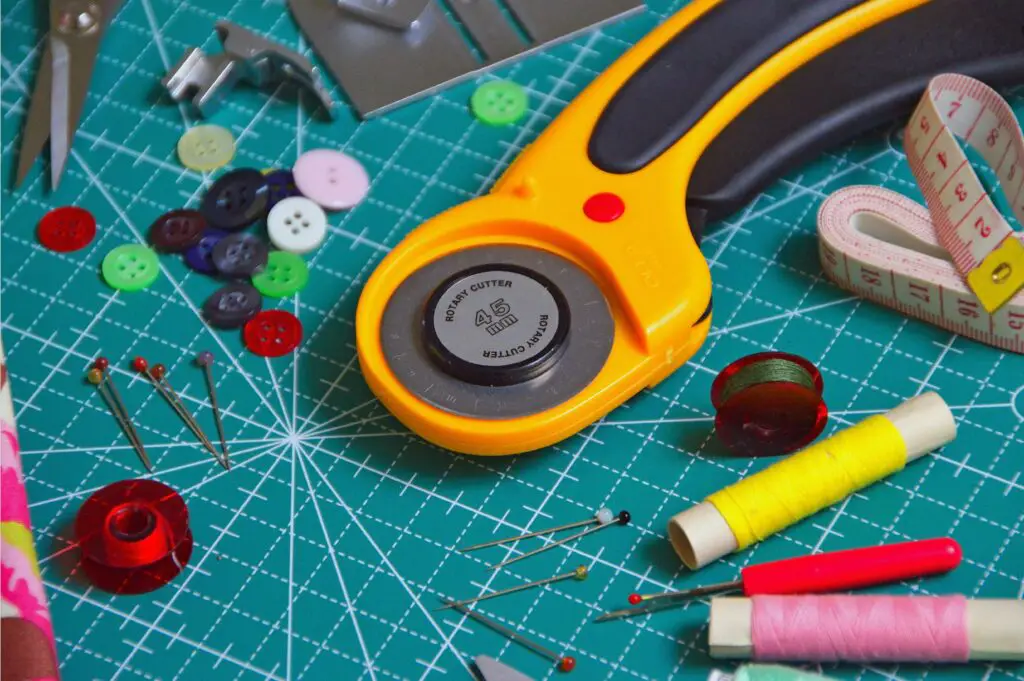
Grandparents truly believed that everyone would need to know how to sew sooner or later. If a button popped off a shirt, you were expected to fix it yourself instead of tossing the garment aside. They kept little tins full of needles, thread, and spare buttons for exactly that reason. Learning to stitch a straight line was considered a basic life skill, right up there with brushing your teeth.
Most homes had a small sewing kit tucked into a drawer just in case. Children were often taught the basics at a young age, usually by watching an older relative work patiently. A simple repair could make clothing last for years, which mattered when money was tight. To them, sewing was not a hobby, it was practical knowledge everyone would rely on.
2. Balancing a Checkbook

Long before online banking existed, balancing a checkbook was something every adult was expected to do. Grandparents kept careful records of every purchase and deposit in neat little registers. They believed that understanding your finances meant writing everything down by hand. Forgetting to track your spending was considered careless and irresponsible.
At the end of each month, people would sit at the kitchen table and compare their notes to the bank statement. It required patience, attention, and a little bit of math. Grandparents assumed this routine would always be part of everyday life. The idea that computers would one day do it all for us never crossed their minds.
3. Reading a Paper Map

Getting from one place to another used to require real navigation skills. Grandparents kept folded maps in their cars and knew how to read them without hesitation. They could trace routes with a finger and figure out alternate roads when traffic got heavy. Relying on your own sense of direction was seen as a mark of independence.
Road trips often turned into lessons about highways, exits, and mileage charts. Children were handed maps in the back seat and told to help guide the way. No one imagined a future where a tiny device would give spoken directions. To them, map reading was simply something every capable person needed to know.
4. Writing Letters by Hand

Grandparents grew up in a world where handwritten letters kept families connected. They believed everyone would always need to know how to put thoughts on paper with a pen. Birthday cards, thank you notes, and long letters to faraway relatives were part of normal life. Good handwriting was something to be proud of and practiced regularly.
Stationery sets were common gifts, and people saved meaningful letters for decades. Sitting down to write was considered thoughtful and respectful. Grandparents assumed future generations would communicate the same way. The idea of instant messages and emails would have sounded like pure science fiction.
5. Cooking Without a Recipe
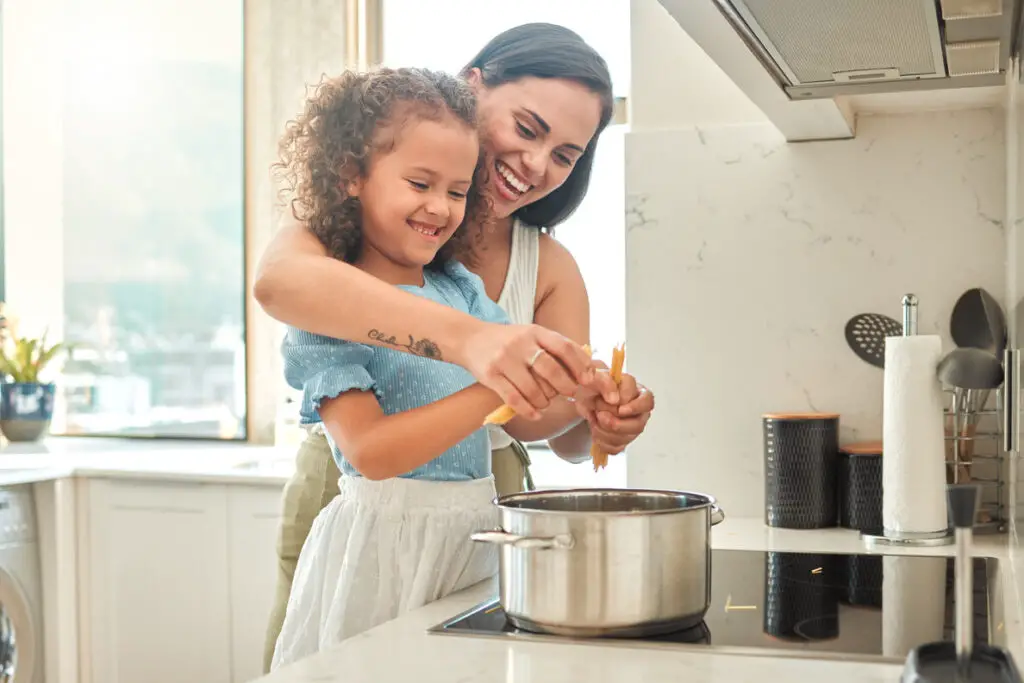
Knowing how to cook from memory was once seen as essential for survival. Grandparents rarely measured ingredients and often relied on instinct instead. They believed everyone should be able to turn simple pantry items into a real meal. Following a detailed recipe every time seemed unnecessary to them.
Children learned by watching, stirring, and tasting alongside older relatives in the kitchen. Meals were built from scratch using whatever was on hand that day. Grandparents assumed these skills would always be passed down naturally. To them, cooking was just part of being a responsible adult.
6. Growing a Vegetable Garden

Many grandparents assumed that gardening would always be a normal part of life. They believed everyone should know how to grow at least a few basic vegetables. Tending a small patch of soil was considered practical and even patriotic. Fresh food from your own yard was healthier and cheaper than anything from a store.
Families once planned entire summers around planting, weeding, and harvesting. Children were taught how to recognize ripe tomatoes and ready potatoes. Grandparents expected those lessons to remain useful forever. They never imagined a time when most people would rely completely on supermarkets.
7. Fixing Small Appliances
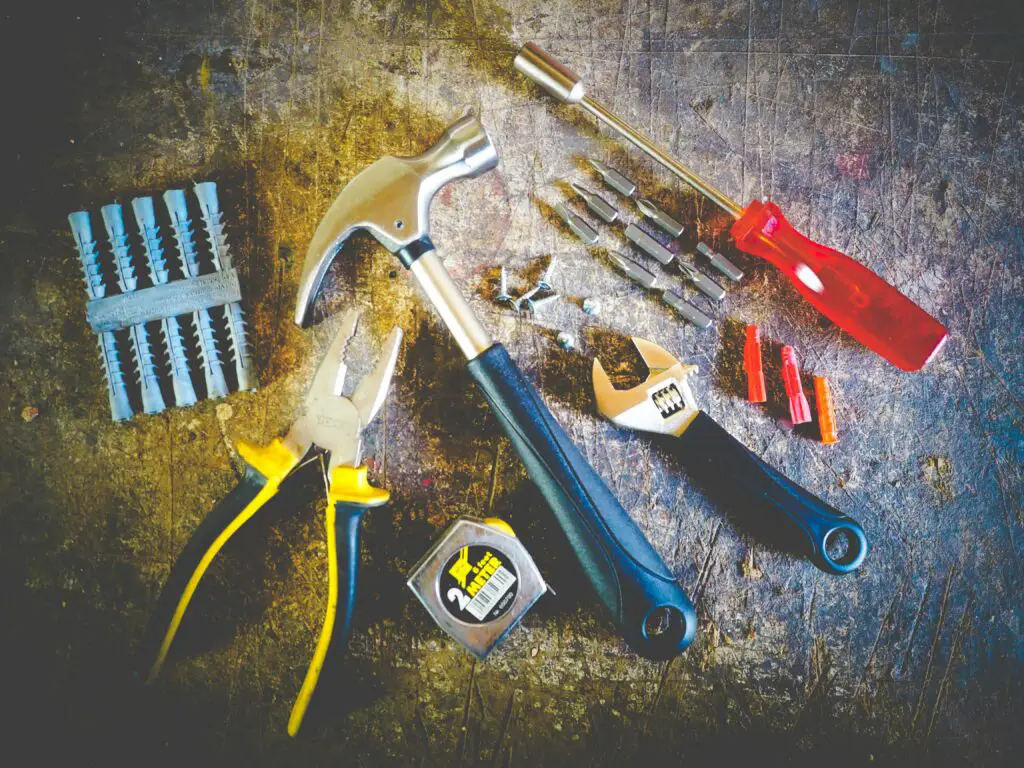
When something broke in the house, grandparents usually tried to repair it first. They assumed everyone would need to know how to handle simple tools and basic fixes. Calling a professional for every little problem was seen as wasteful. A good screwdriver and a bit of patience could solve many everyday issues.
People kept toolboxes full of odds and ends just in case something needed attention. Kids grew up watching adults take apart radios, lamps, and toasters. Grandparents believed this kind of practical knowledge would always be necessary. Replacing things instead of repairing them would have seemed very strange.
8. Ironing Clothes
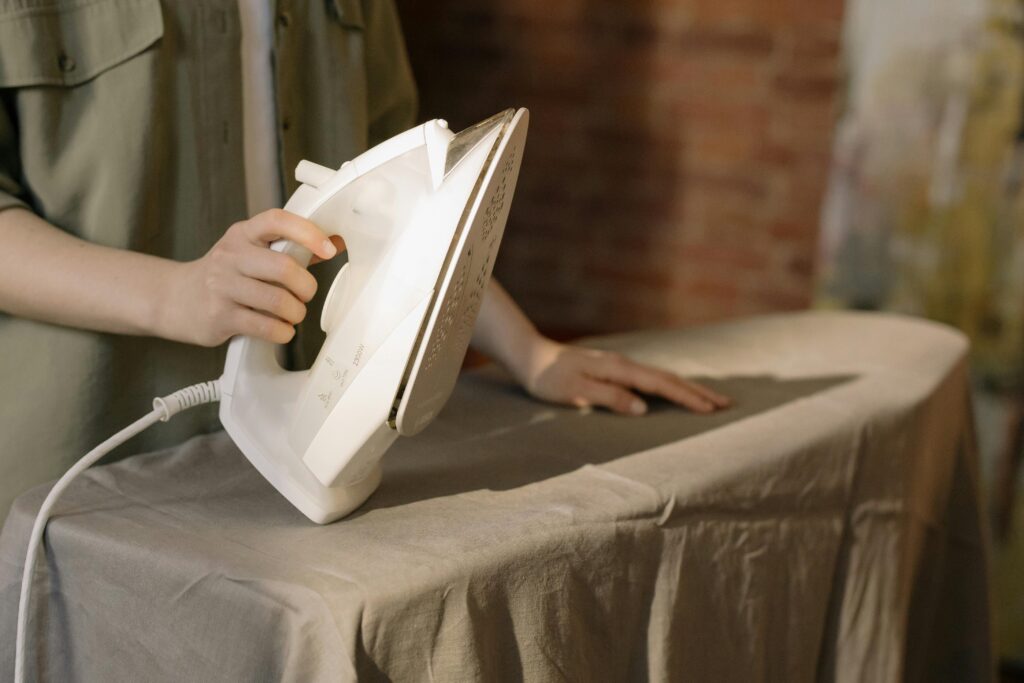
Wrinkled clothing was once considered a sign of poor habits and laziness. Grandparents expected everyone to know how to iron properly. They kept heavy irons and sturdy boards ready for weekly use. Looking neat and presentable mattered, even for ordinary daily activities.
Laundry day usually included a big pile of shirts and dresses waiting to be pressed. Children were taught how to smooth out collars and cuffs with care. Grandparents assumed this routine would never disappear from normal life. The idea of wrinkle free fabrics would have amazed them.
9. Changing a Flat Tire
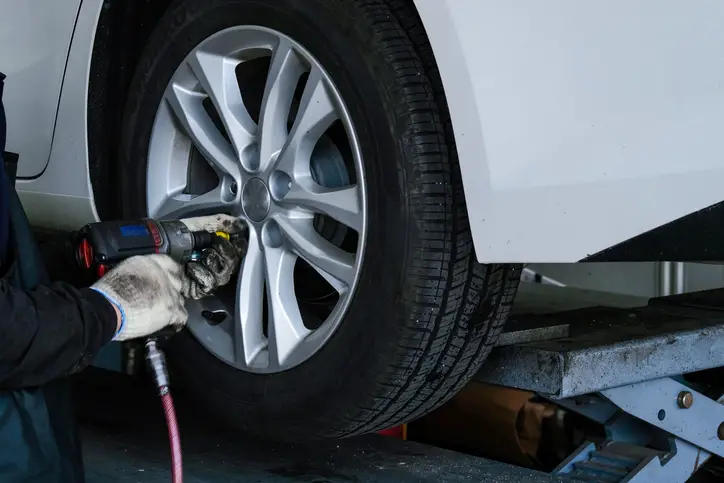
Knowing how to change a tire was treated as a basic requirement for drivers. Grandparents believed you should never be stranded on the side of the road waiting for help. Every car came with a spare, a jack, and simple instructions. Learning to use them was considered part of becoming an adult.
Teenagers were often given lessons in the driveway before they were allowed to borrow the car. Getting your hands dirty was just part of the process. Grandparents assumed this skill would always be passed down through generations. Depending on a phone call for roadside assistance would have seemed unnecessary to them.
10. Canning and Preserving Food

Stocking the pantry with home preserved food was once a normal part of the year. Grandparents expected everyone to know how to can fruits and vegetables safely. It was a way to make summer harvests last through long winters. Rows of glass jars filled with colorful produce were a source of pride.
Families spent weekends peeling, boiling, and sealing foods together. Children learned how to listen for the satisfying pop of a properly sealed lid. Grandparents assumed these traditions would continue forever. Buying everything prepackaged from a store would have felt wasteful and odd.
11. Typing on a Typewriter
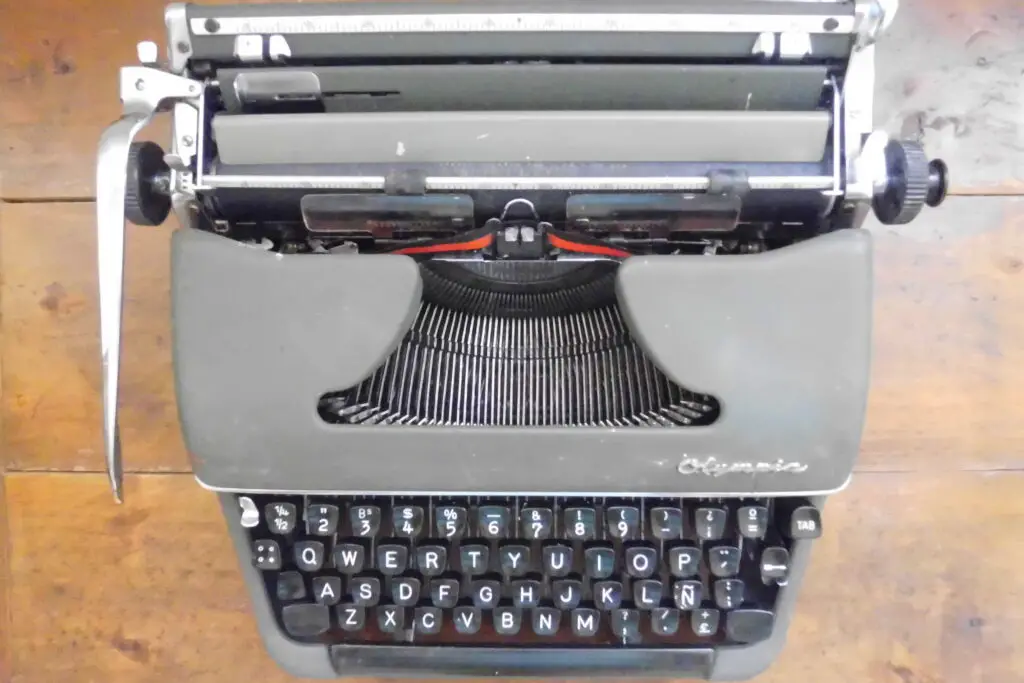
Before computers took over, typing was a serious and useful skill. Grandparents believed everyone would need to know how to use a typewriter efficiently. Writing school papers, business letters, and job applications required quick and accurate fingers. Mistakes meant starting over or using messy correction tape.
Typing classes were common in high schools and treated almost like a rite of passage. The steady clacking of keys was a familiar sound in many homes. Grandparents assumed this tool would always be part of everyday work. They never dreamed that keyboards would one day be silent and digital.
12. Managing Cash and a Budget

Handling money wisely was a lesson grandparents took very seriously. They assumed everyone would always pay for things with actual bills and coins. Keeping track of expenses in envelopes or small notebooks was completely normal. Living within your means was considered a basic responsibility.
Credit cards were rare, and buying things on impulse was discouraged. Children were taught to save carefully for items they truly wanted. Grandparents expected those habits to remain important for future generations. A world where most payments are invisible and electronic would have surprised them greatly.
13. Telling Time on an Analog Clock

Reading a traditional clock face was once as natural as reading a book. Grandparents assumed every child would grow up knowing how to tell time with hands and numbers. Digital displays did not exist, so there was no alternative. Understanding minutes, hours, and half hours was an early childhood milestone.
Classrooms and kitchens were filled with ticking wall clocks that everyone relied on. Kids practiced counting by fives and learning the difference between big and little hands. Grandparents believed this simple skill would always be necessary. The idea that some people might struggle with it today would truly puzzle them.