
1. Rachel Green’s Always Pristine Coffeehouse Outfits (Friends)
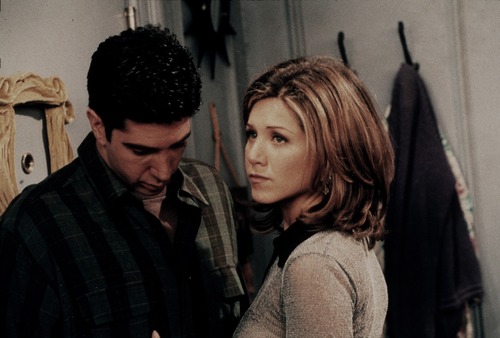
Rachel somehow worked long shifts at a coffee shop while dressed like she was headed to a fashion shoot. Crisp skirts, spotless sweaters, and perfectly styled hair never showed a hint of spilled espresso. Anyone who has worked food service knows that stains happen fast. The outfits looked great on camera but made her job feel more like a runway fantasy. It quietly suggested that customer service work was cute and glamorous. Real life baristas know better.
It also made it harder to track time on the show. Rachel’s clothes always looked new, pressed, and expensive, even when her character was supposed to be broke. The wardrobe never reflected long hours or wear and tear. It created a disconnect between the story and the visuals. Looking back, it feels more aspirational than believable.
2. Al Bundy’s Endless Tight Polos (Married… with Children)
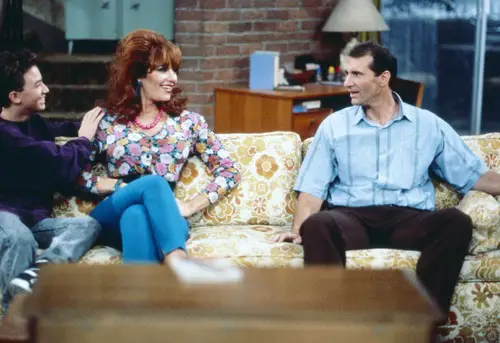
Al Bundy wore tight polo shirts that never seemed to stretch, fade, or give up. Considering his job and constant complaining, his clothes were oddly consistent. The polos hugged him the same way year after year. There was never a sign of laundry mishaps or aging fabric. It was a uniform that defied time.
Today, the look feels like a sitcom shorthand rather than a real wardrobe. Most people cycling through the same shirts would show wear eventually. The polos became part of the joke, but also froze Al in place visually. It made the character feel more like a cartoon than a person. Modern shows tend to let clothes age along with the characters.
3. Blanche Devereaux’s Bedroom Ready Glamour (The Golden Girls)
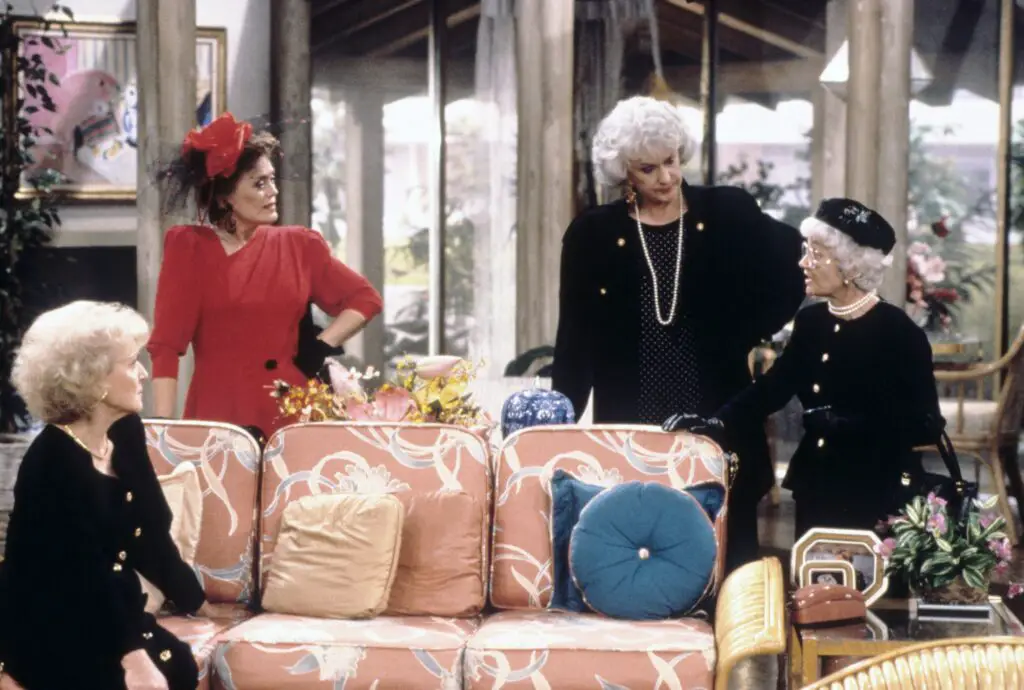
Blanche dressed like she might bump into paparazzi in her own living room. Silk robes, plunging necklines, and heels appeared at all hours. Even casual scenes felt styled to the max. It was fabulous but completely impractical. No one lounges that glam every day.
Now it reads as a deliberate fantasy choice. The wardrobe emphasized Blanche’s confidence and vanity over realism. Comfort rarely factored into the equation. Today’s shows often balance personality with lived in clothing. Blanche’s closet was pure television magic.
4. Danny Tanner’s Perpetually Tucked In Everything (Full House)
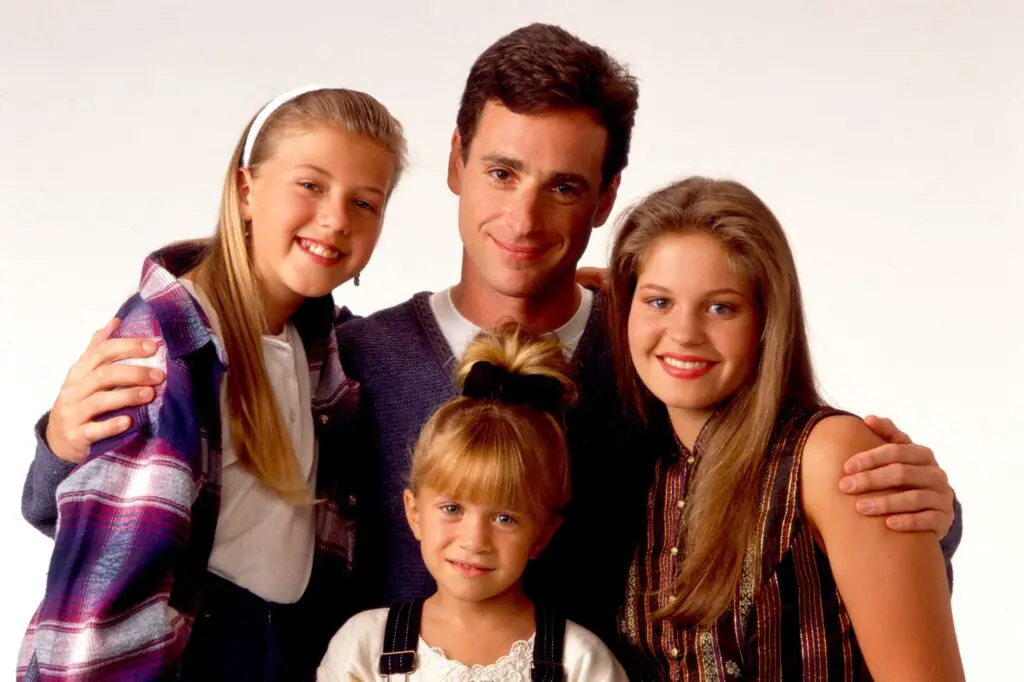
Danny Tanner tucked in every shirt no matter the situation. Casual hangouts, cleaning marathons, even relaxing at home all got the same treatment. The look screamed order and control. It also felt stiff for someone chasing kids around the house. Comfort clearly came second.
Watching now, the wardrobe feels symbolic rather than natural. It visually reinforced Danny’s personality traits. Real parents prioritize flexibility and ease. The clothes did the character work for the writers.
5. Fran Fine’s High Fashion Nanny Look (The Nanny)
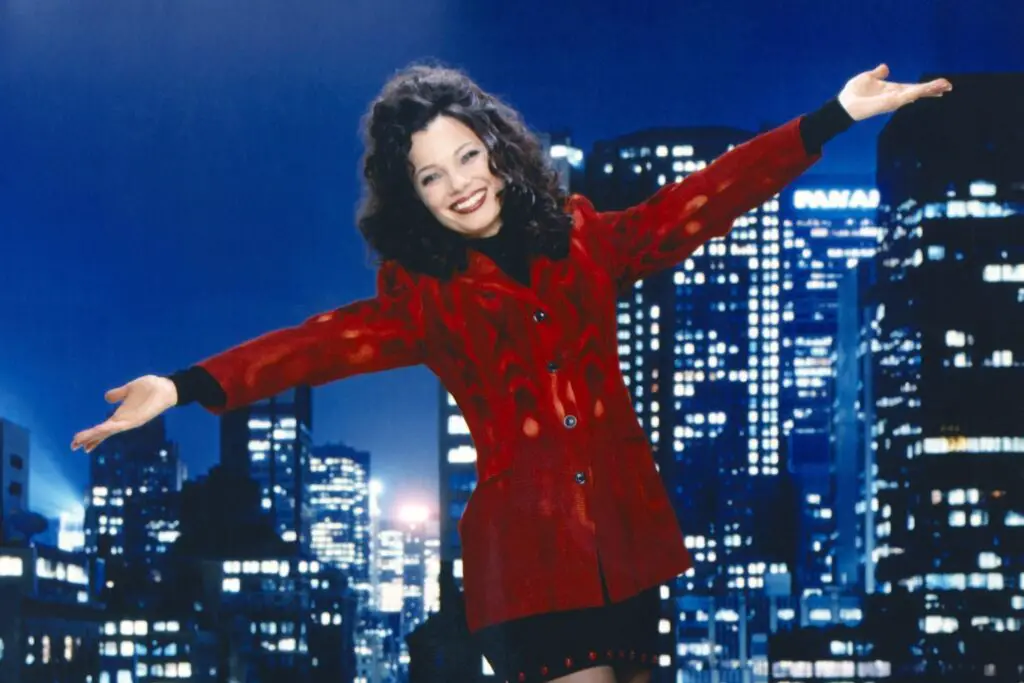
Fran Fine dressed like she was attending Fashion Week while caring for kids. Bodycon dresses, sky high heels, and bold patterns ruled her closet. The outfits were fun but wildly impractical. Childcare and couture rarely mix well. Somehow, nothing ever got wrinkled or ruined.
At the time, it was part of the charm. Now it feels like a heightened fantasy that ignored reality. The wardrobe became the point, not the practicality. Modern viewers notice the disconnect immediately. Fran’s clothes made sense for TV, not real life.
6. Sheldon Cooper’s Spotless Graphic Tees (The Big Bang Theory)
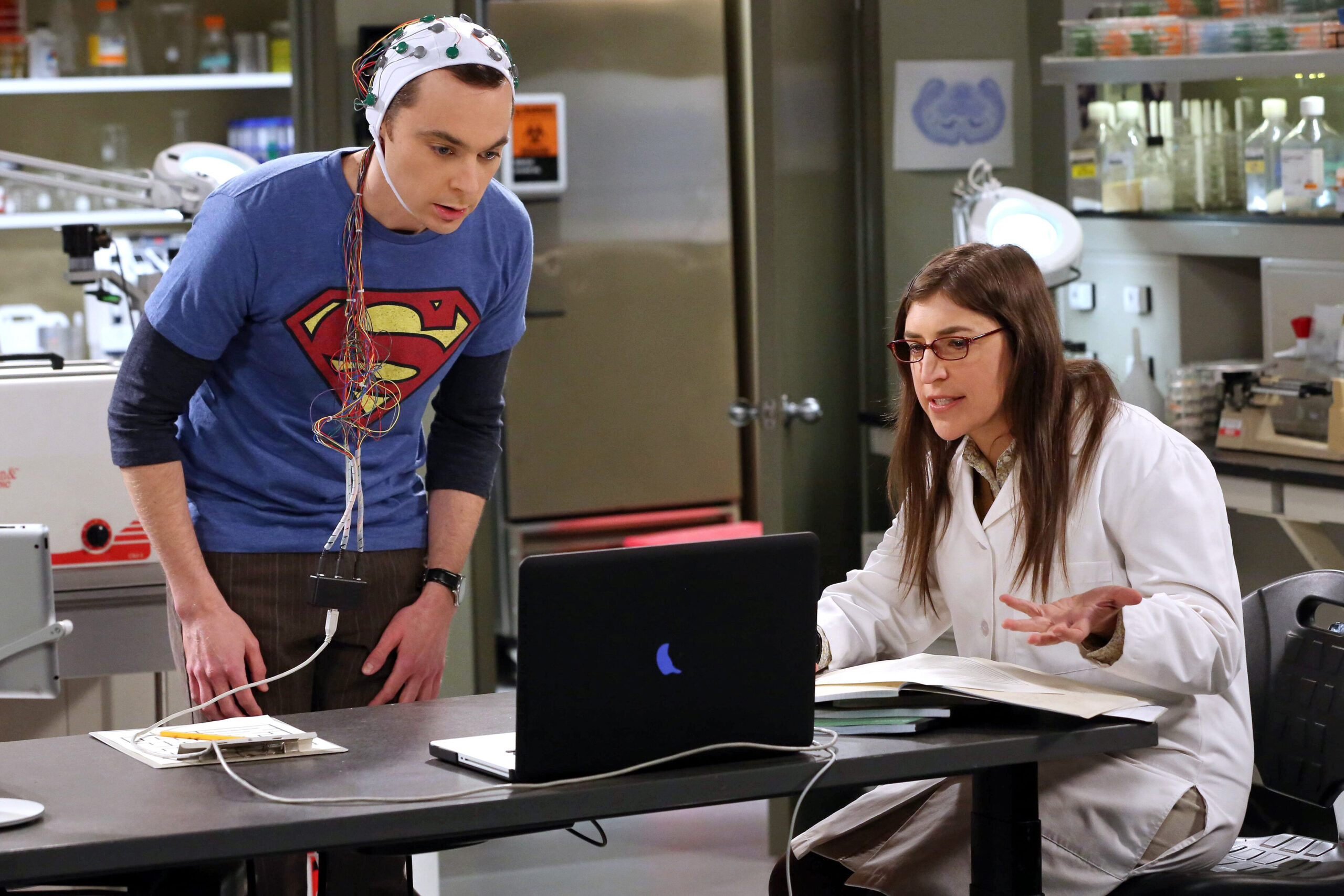
Sheldon wore the same type of graphic tees every day without a hint of fading. They never stretched, stained, or lost color. Anyone with a favorite shirt knows that is impossible. His wardrobe existed in a vacuum. Laundry rules did not apply.
Looking back, the consistency feels overly manufactured. It simplified the character visually. Real people cycle through versions of their favorites. Sheldon’s shirts felt cloned rather than worn.
7. Carrie Bradshaw’s Rent Defying Closet (Sex and the City)
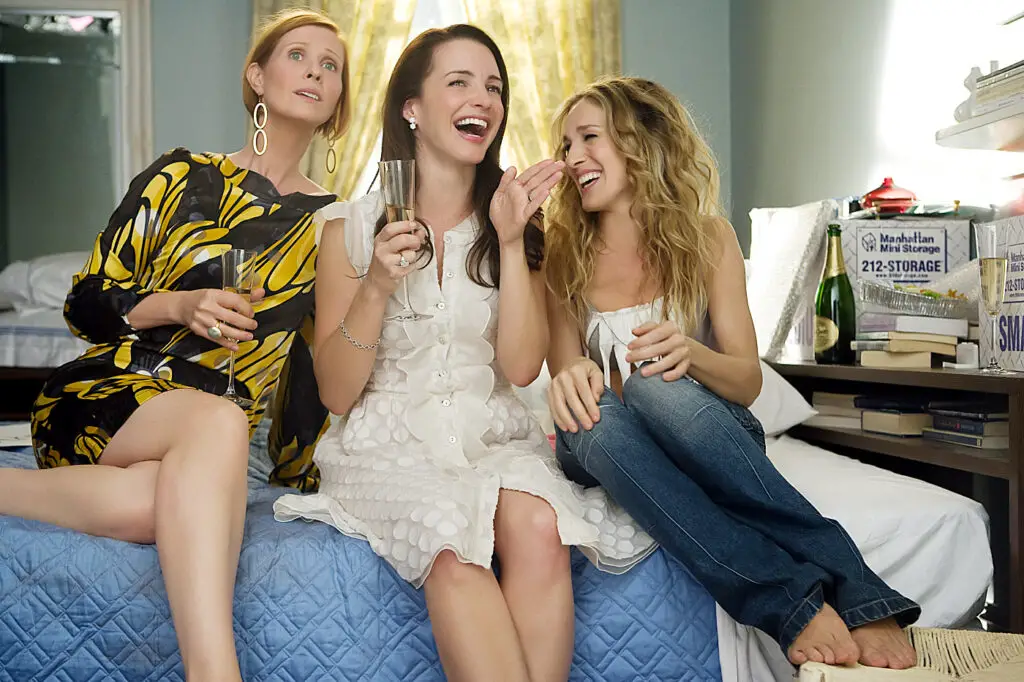
Carrie lived in a small apartment but owned an enormous designer wardrobe. Shoes alone could have paid several months of rent. The math never added up. The show rarely addressed how she afforded it all. Fashion came first, finances second.
Now viewers are quicker to question the logic. The wardrobe symbolized her priorities but ignored reality. It made the city feel more like a dream than a place. Today’s shows often at least acknowledge the cost. Carrie’s closet remains iconic but baffling.
8. George Costanza’s Baggy Everything (Seinfeld)
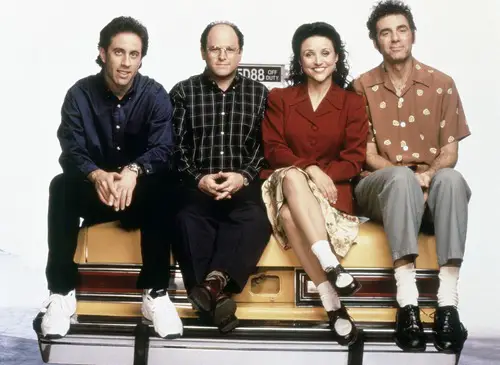
George lived in oversized suits and bulky layers that swallowed him whole. The clothes aged him and flattened his personality. Even in social settings, nothing ever fit quite right. It became part of the joke. His wardrobe reflected insecurity more than style.
Rewatching now, the look feels intentionally uncomfortable. It exaggerated the character’s self image. Real people eventually replace ill fitting clothes. George seemed stuck forever.
9. Will Smith’s Constantly Fresh Streetwear (The Fresh Prince of Bel-Air)
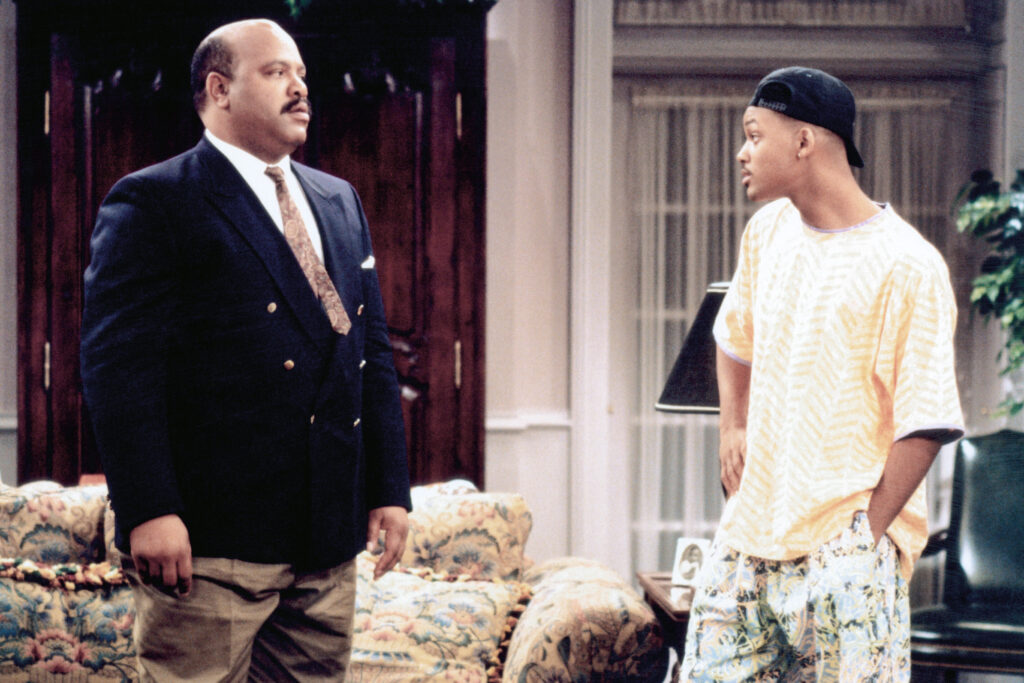
Will always looked like he stepped out of a music video. Bright colors, pristine sneakers, and bold prints never showed wear. Considering his active lifestyle, that felt unrealistic. Nothing ever scuffed or faded. Laundry again worked miracles.
The wardrobe helped define his personality instantly. It also froze him in perpetual cool. Modern shows allow more visual evolution. Will’s clothes stayed locked in place.
10. Monica Geller’s Restaurant Proof Wardrobe (Friends)
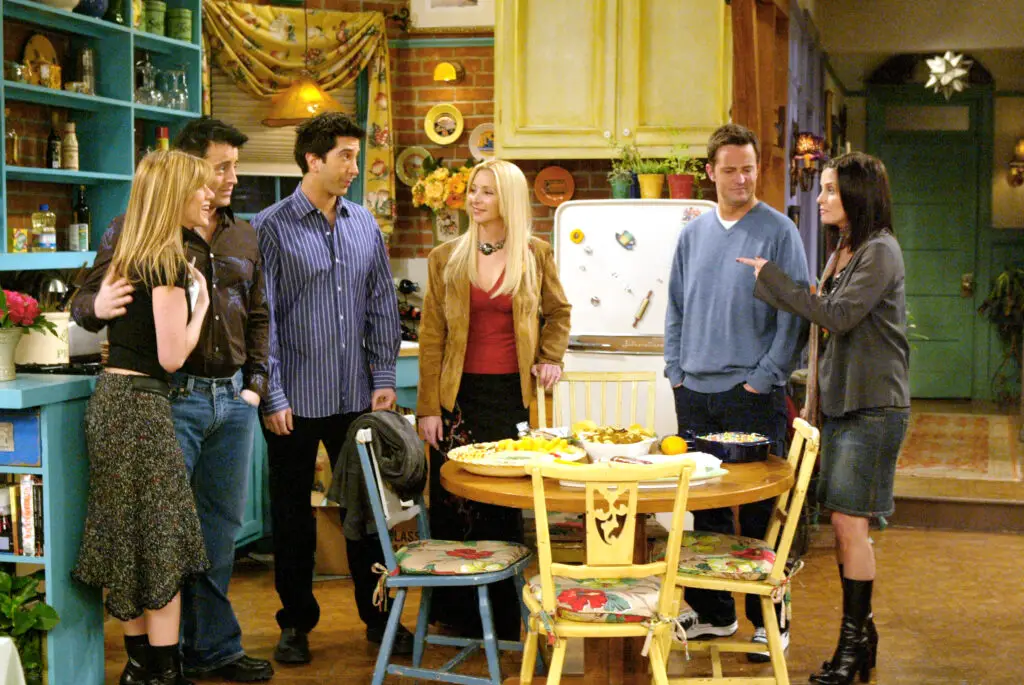
Monica worked in professional kitchens yet never wore anything that looked work appropriate. No stains, no practical shoes, no hair containment. Her outfits stayed stylish and clean. Kitchens are messy places. Reality rarely looked like that.
Now it feels especially off. Cooking shows have made viewers more aware of kitchen realities. Monica’s clothes prioritized aesthetics over function. It worked for TV but not logic.
11. Lucille Bluth’s Always Formal Attire (Arrested Development)
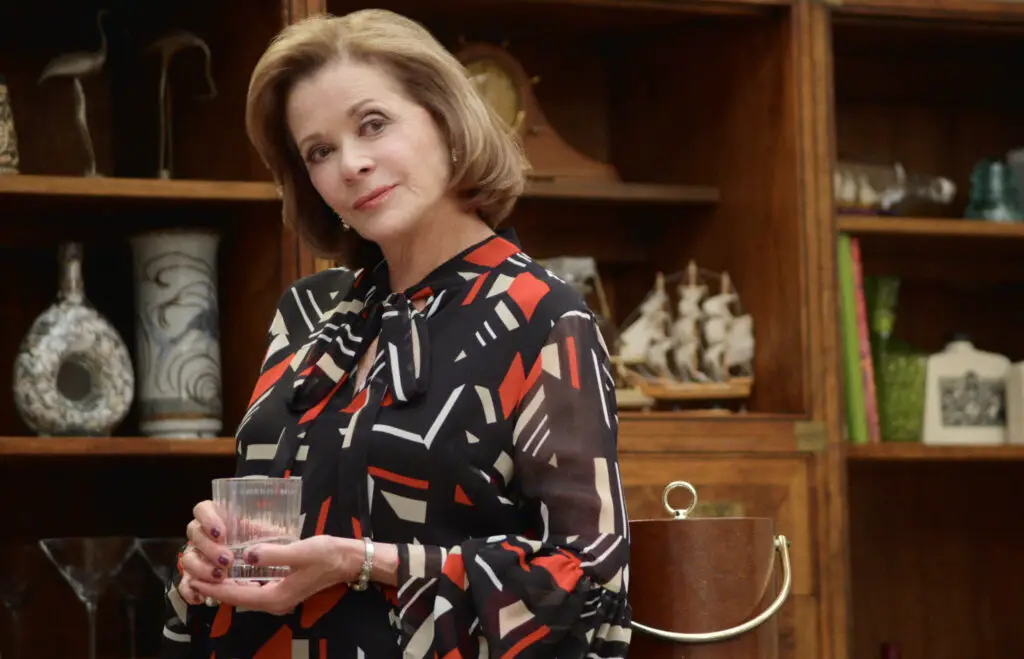
Lucille dressed like she was attending a charity gala every day. Tailored suits, jewelry, and heels were constant. Even casual moments got full polish. Comfort never seemed to matter. It reinforced her detachment from reality.
Today, the exaggeration is easier to spot. The wardrobe acted as a visual punchline. Real people mix casual and formal wear. Lucille never did.
12. Homer Simpson’s Never Changing Outfit (The Simpsons)

Homer wore the same white shirt and blue pants forever. They never aged or changed. For an animated show, it worked. In real life, it makes no sense. Clothes wear out.
Now the outfit reads as pure symbolism. It represents routine and stagnation. Live action shows usually evolve wardrobes. Homer’s never budged.
13. Mindy Lahiri’s Office Inappropriate Fashion (The Mindy Project)
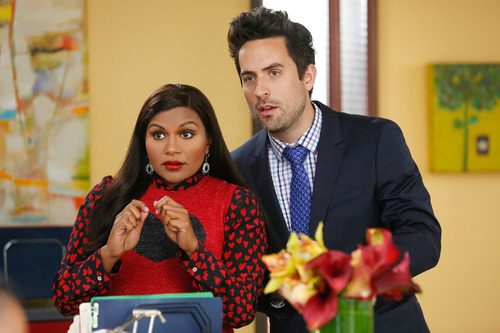
Mindy wore bright, fitted dresses to a medical office. High heels and bold colors ruled. Hospitals are practical environments. Her wardrobe ignored that completely. It favored style over function.
Rewatching now, it feels like a fashion blog in scrubs territory. The clothes expressed her personality clearly. They just did not match the job. Today’s medical shows lean more realistic.
14. Peg Bundy’s Couch Ready Glam (Married… with Children)
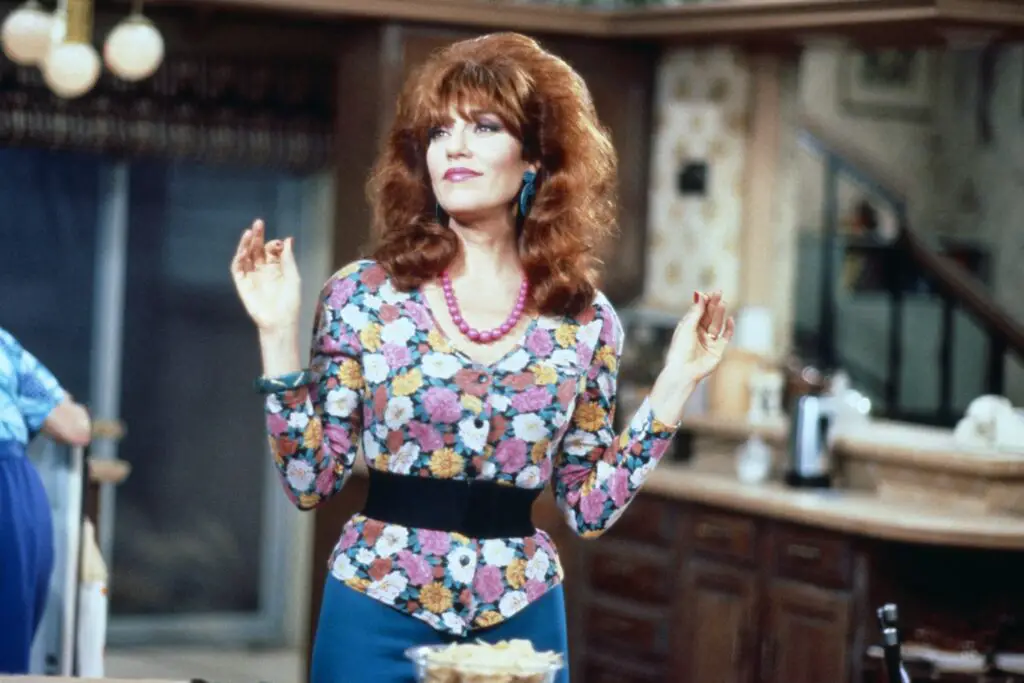
Peg spent most of her time lounging but dressed like she was going out. Big hair, tight dresses, and heels were the norm. Comfort never factored in. Even the couch was no excuse to relax. It was all visual attitude.
Looking back, the wardrobe feels like satire turned up high. It defined Peg instantly. Real people dress for their day. Peg dressed for the camera.
15. Ross Geller’s Ever Changing Style Personality (Friends)
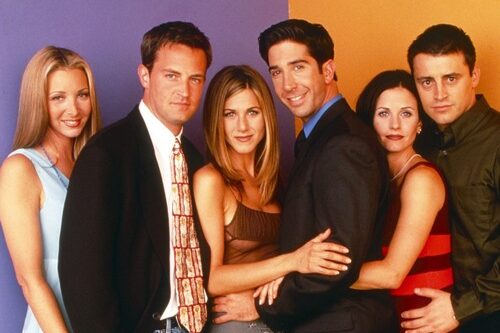
Ross cycled through fashion phases with no explanation. Leather pants one week, sweaters the next. The shifts were abrupt and often mocked. His wardrobe did emotional storytelling fast. It also felt inconsistent.
Now it reads as a sitcom shortcut. Clothes stood in for character development. Real style changes take time. Ross’s closet moved at plot speed.