
1. “The Bicycle Man” on Diff’rent Strokes
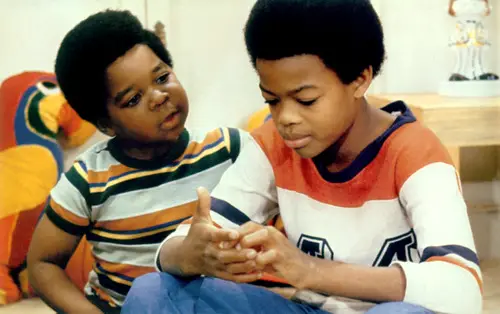
One of the most discussed sitcom episodes ever aired is “The Bicycle Man” from Diff’rent Strokes, which tackled child sexual abuse head-on. In the 1983 two-part episode, Arnold and Dudley are groomed by a seemingly kind bike shop owner played by Gordon Jump. The storyline was unusually direct for a sitcom, including uncomfortable dialogue and a very serious tone. It was meant as a public service message and even included a closing statement from the cast. At the time, it was praised for raising awareness, but it also shocked viewers who were used to lighter content. The episode didn’t rely on jokes once the subject became clear. That tonal shift is part of what made it so memorable.
Today, networks tend to approach this kind of subject matter very differently, usually within dramas or carefully framed limited series. A traditional multi-camera sitcom would likely avoid presenting such a storyline so bluntly. Even with its educational intent, the episode’s execution would likely be considered too jarring for modern audiences expecting consistent tone. It’s not that the topic is off-limits, but the format and delivery would be heavily reconsidered. Current shows often separate serious issues from comedic settings more clearly. That episode remains a rare example of how far sitcoms once stretched their boundaries.
2. “Edith’s 50th Birthday” on All in the Family
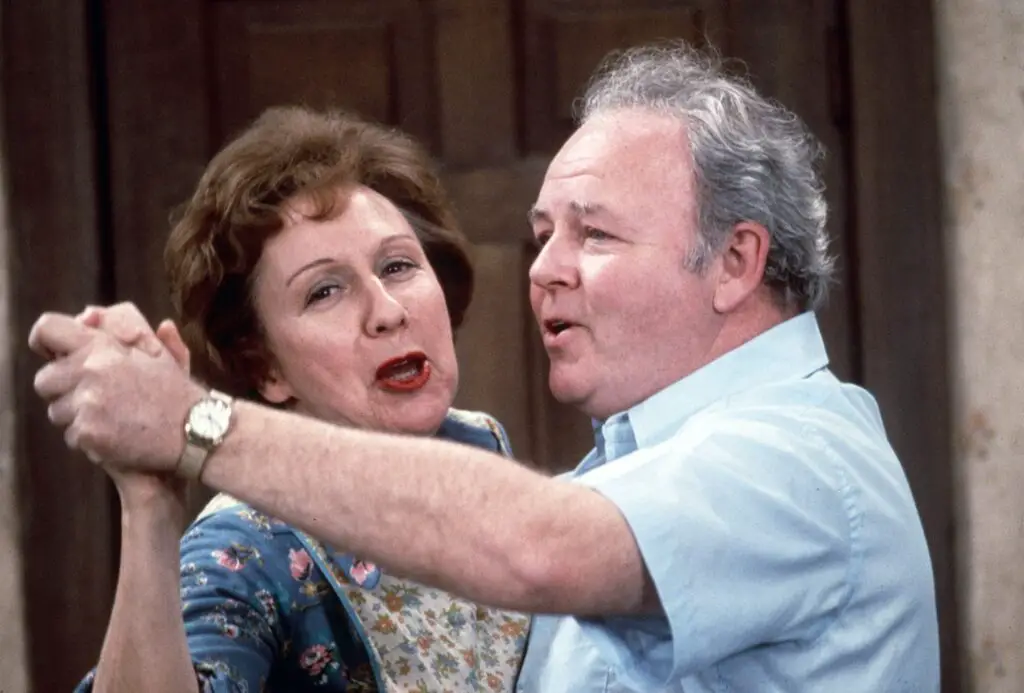
All in the Family was known for pushing limits, but “Edith’s 50th Birthday” stands out even within that context. In the 1977 episode, Edith is nearly assaulted in her own home by a man posing as a police officer. The scene unfolds slowly and builds tension in a way that feels more like a thriller than a sitcom. Jean Stapleton’s performance is grounded and emotional, and the episode avoids humor during the central conflict. It was praised critically and remains one of the show’s most powerful installments. Still, the subject matter is extremely heavy.
Modern sitcoms rarely include attempted assault in such a direct and extended way. The tonal clash between a familiar living room setting and a serious threat would likely be seen as too unsettling. While today’s television still addresses violence, it is usually placed in more appropriate genres. Even prestige comedies tend to handle sensitive topics with more distance or symbolism. This episode worked in its time partly because All in the Family regularly blended social commentary with comedy. Replicating that balance today would be difficult without significant backlash.
3. “The Puppy Episode” on Ellen
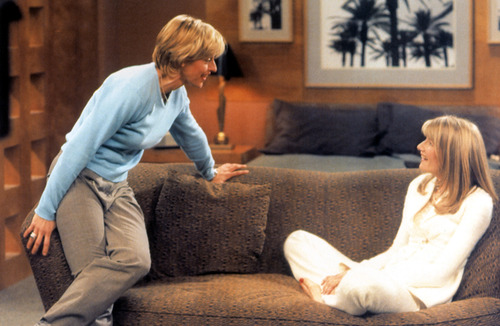
When Ellen Morgan came out as gay in “The Puppy Episode” in 1997, it was a landmark moment for television. Both the character and Ellen DeGeneres publicly came out, and the episode drew massive attention. It was handled with a mix of humor and sincerity, and it won an Emmy. However, the aftermath revealed how risky the storyline was at the time. Some affiliates refused to air it, and advertisers pulled support. The show itself was canceled the following season.
Interestingly, the risk today would not be the same for the storyline itself, but for how networks handle it. Coming out stories are far more common and widely accepted now. What might be considered risky is the intense media spectacle and backlash that surrounded it. A modern sitcom would likely integrate such a storyline more casually rather than building an entire event around it. The episode reflects how groundbreaking the moment was, even if the environment has changed significantly since then.
4. “The Contest” on Seinfeld
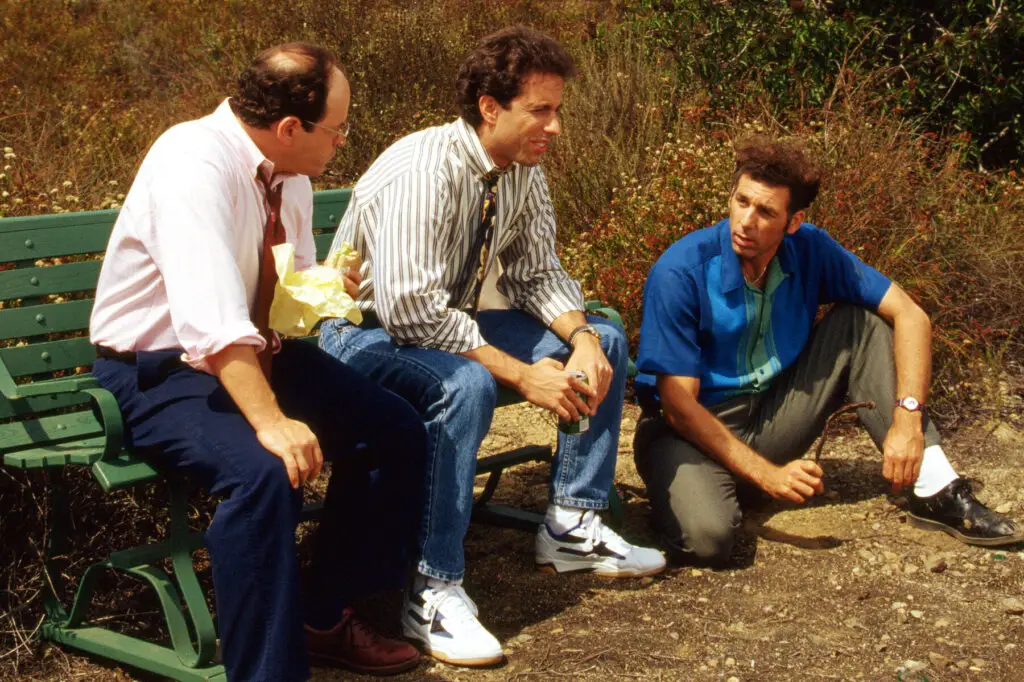
“The Contest,” a 1992 episode of Seinfeld, revolves around the four main characters betting on who can abstain from self-gratification the longest. The script famously avoids ever saying the actual word, relying on euphemisms like “master of your domain.” It was considered daring at the time and still managed to air in prime time. The clever writing allowed it to pass network standards while making the joke clear to adults. It even won an Emmy for writing. The humor is built entirely on implication.
Even today, the premise would likely raise concerns for a network sitcom. While cable and streaming platforms push boundaries further, traditional broadcast shows still operate under stricter guidelines. The episode’s success depended on walking a very fine line. Modern audiences might also view the storyline as overly juvenile or dated in its framing. It remains a standout example of how suggestive humor was handled within tight restrictions. Replicating that balance now would be difficult in the same format.
5. “Mixed Blessings” on The Jeffersons
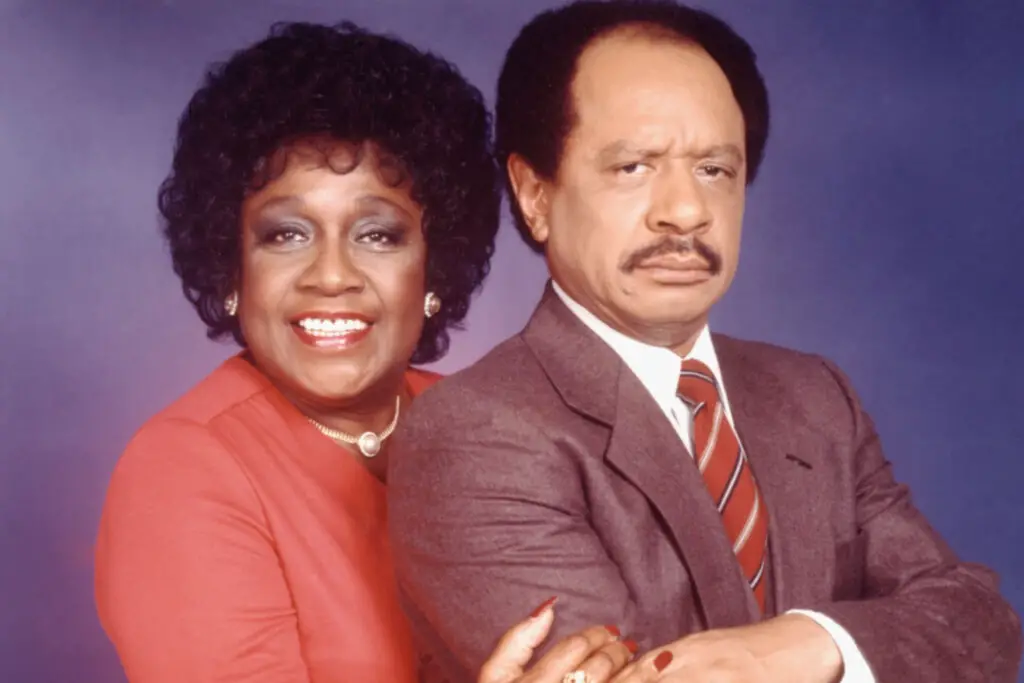
In “Mixed Blessings,” George Jefferson reacts strongly when his son Lionel becomes engaged to a white woman. The episode deals directly with interracial relationships and George’s prejudice, which is portrayed openly and often loudly. Sherman Hemsley delivers the character’s lines with intensity, reflecting generational and cultural tensions of the time. The show uses humor to expose and challenge those attitudes. It was part of a broader effort to address race relations on television. Audiences were expected to sit with uncomfortable conversations.
Today, this kind of storyline would still be relevant, but the delivery would likely be more nuanced. The blunt language and comedic framing of prejudice might be seen as too abrasive. Modern shows often aim for more layered character development rather than overt confrontations. There is also greater sensitivity around how racial issues are portrayed for humor. The episode reflects its era’s approach to tackling serious topics directly. A contemporary version would probably look very different in tone and structure.
6. “Sammy’s Visit” on All in the Family
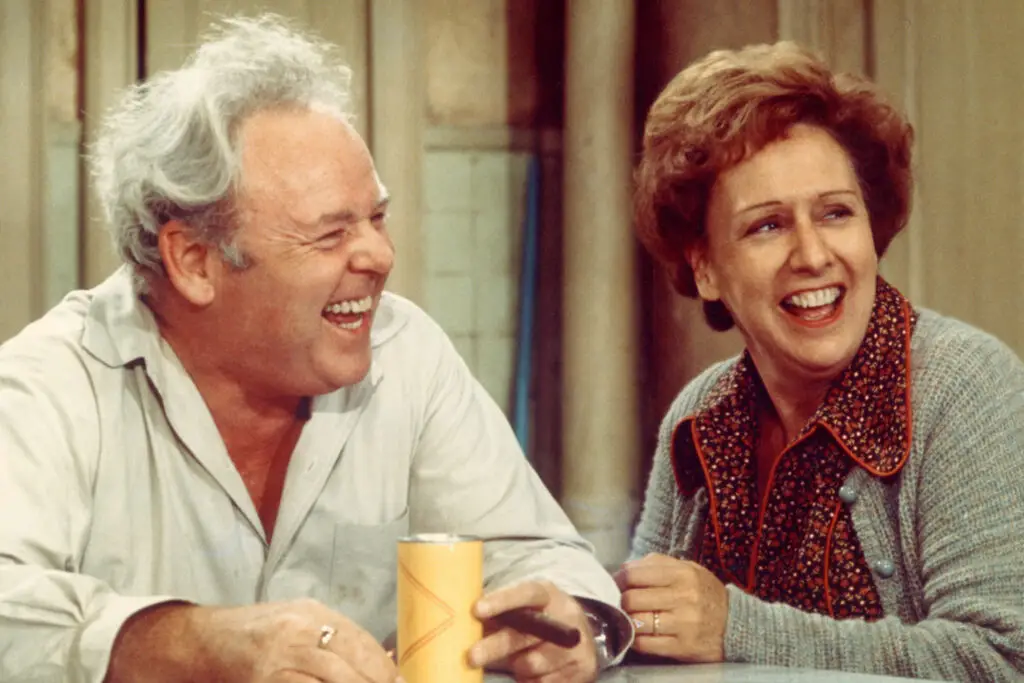
When Sammy Davis Jr. guest-starred on All in the Family, the episode built toward a now-famous moment where he kisses Archie Bunker on the cheek. Archie’s discomfort and earlier remarks about race set up the punchline. The scene was meant to challenge prejudice while still getting a laugh. It became one of the most iconic moments in sitcom history. The humor depends heavily on Archie’s bigotry being exposed. The audience is meant to laugh at him, not with him.
In a modern context, the setup might be considered too reliant on shock value. While the intention was progressive, the use of racial tension as a comedic device would likely be scrutinized more closely. Today’s shows tend to avoid building humor around a single provocative moment like that. Instead, they often explore identity and bias in more sustained ways. The episode remains important historically, but its structure reflects a different comedic era. It’s a reminder of how television has evolved in addressing social issues.
7. “Roseanne’s Abortions Episode” on Roseanne
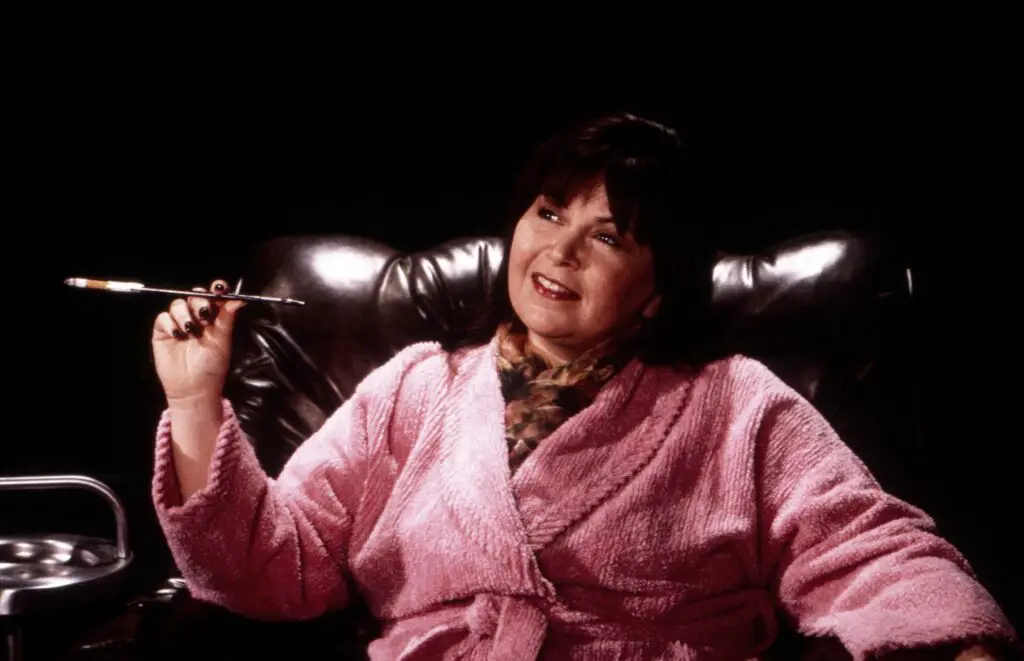
Roseanne addressed abortion in multiple episodes, including one where Roseanne discusses her past decision to have one. The show treated the topic as a normal part of real life rather than a taboo subject. Roseanne Barr pushed for storylines that reflected working-class realities. The episode avoided sensationalism and focused on conversation within the family. It was notable for presenting different viewpoints among the characters. At the time, it sparked both praise and controversy.
Today, abortion remains a highly sensitive and politically charged issue. A sitcom addressing it so directly would likely face significant backlash depending on its framing. Networks tend to approach the topic cautiously, often within dramas rather than comedies. Even when discussed, it is usually handled with careful messaging. The straightforward approach used in Roseanne might be considered too blunt for current broadcast standards. It remains an example of how sitcoms once engaged directly with major social debates.
8. “The Puerto Rican Day” on Seinfeld
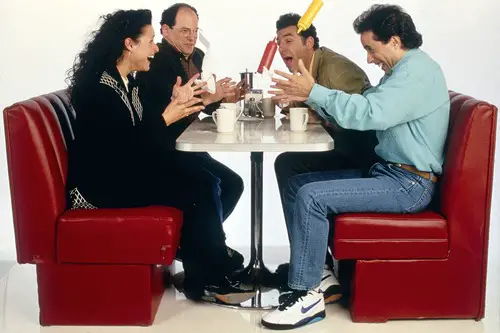
“The Puerto Rican Day” episode aired in 1998 and follows the characters getting stuck in traffic during the Puerto Rican Day Parade in New York City. One scene shows Kramer accidentally setting a Puerto Rican flag on fire and then attempting to stomp it out. The moment led to immediate backlash and the episode was pulled from syndication for years. Critics argued it was disrespectful and culturally insensitive. The controversy overshadowed the rest of the episode. It remains one of the most debated moments in Seinfeld history.
In today’s media environment, that scene would almost certainly not make it to air in the same form. Standards around cultural representation and symbolism have become much stricter. Networks are more cautious about content that could be seen as offensive to specific communities. The backlash in 1998 already indicated shifting expectations. A modern version would likely avoid using a national or cultural symbol as part of a gag. The episode serves as a clear example of changing boundaries in comedy.
9. “The KKK Episode” on The Golden Girls
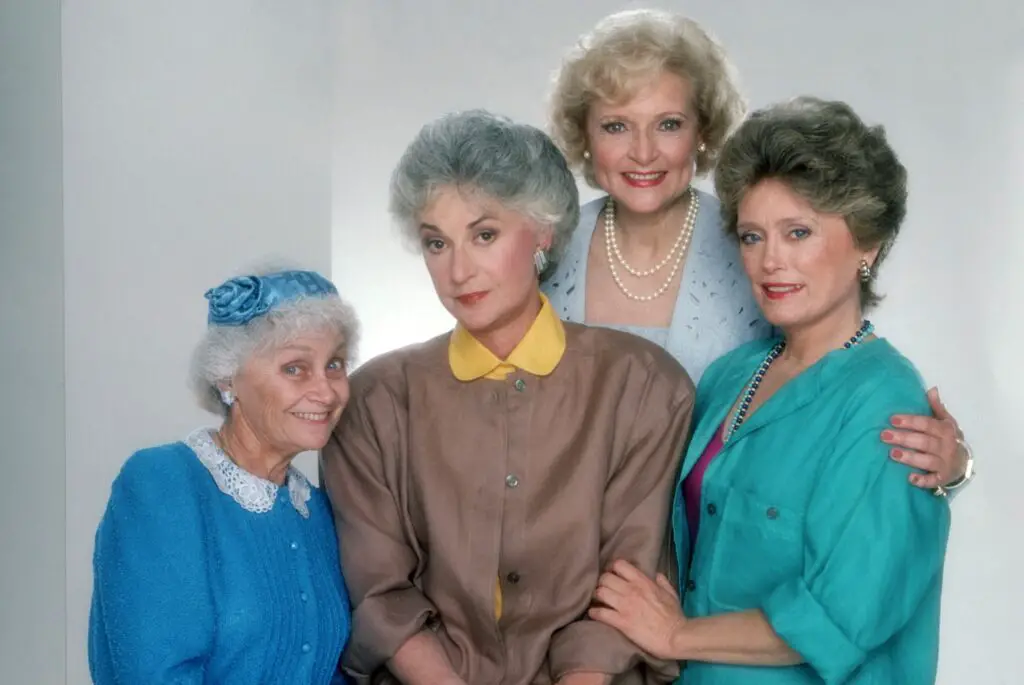
In a 1992 episode of The Golden Girls, Blanche’s daughter dates a man who turns out to be a member of the Ku Klux Klan. The storyline is played with a mix of shock, humor, and moral clarity. Blanche confronts both her daughter and the man, making it clear the show does not support his views. The episode uses comedy to highlight the absurdity and harm of racism. It was bold for a sitcom known for lighter, character-driven humor. The reveal is treated as a major turning point in the episode.
Today, featuring a character tied to an extremist group in a sitcom would be approached very carefully. While the show clearly condemned the ideology, the premise itself might be seen as too sensitive for comedic framing. Modern audiences often expect more context and less reliance on surprise reveals for serious topics. The balance between humor and condemnation would be difficult to achieve. The episode reflects how earlier sitcoms sometimes addressed extreme issues directly. It remains a striking example of that approach.
10. “The Draft Dodger” on All in the Family
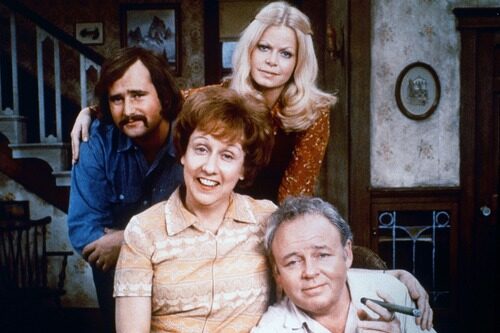
“The Draft Dodger” aired in 1976 and centers on a heated argument between a Vietnam War veteran and a draft resister. Archie Bunker hosts both men for Christmas dinner, leading to intense political and personal conflict. The episode explores patriotism, trauma, and moral responsibility without offering easy answers. It was notable for airing so soon after the end of the Vietnam War. The dialogue is confrontational and emotionally charged. The holiday setting adds another layer of tension.
A modern sitcom would likely avoid such a direct and extended political debate. While shows still address current events, they often do so with more humor or less sustained conflict. The rawness of the arguments might feel out of place in a traditional comedy format today. Audiences are also more fragmented, which can make politically charged content riskier for networks. The episode demonstrates how sitcoms once served as a forum for national conversations. That role has largely shifted to other formats.
11. “The Bicycle Thief” on Three’s Company
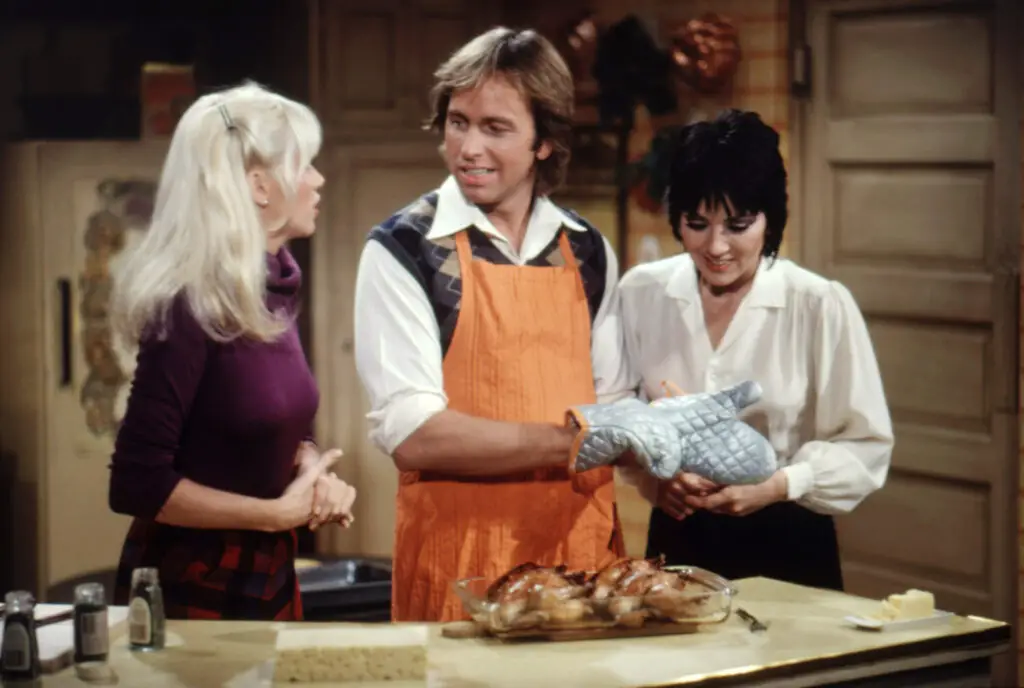
In this early episode of Three’s Company, misunderstandings lead Jack to believe that Chrissy and Janet think he is gay. To maintain their living arrangement, he plays along with the assumption. The humor relies heavily on stereotypes and exaggerated behavior. John Ritter performs the role with physical comedy and timing that defined the show. At the time, this was a common sitcom device. The premise allowed the show to bypass landlord restrictions within the storyline.
Today, that kind of humor would likely be seen as outdated and insensitive. Using sexual orientation as a running joke is no longer widely accepted in mainstream comedy. Modern sitcoms tend to portray LGBTQ+ characters more authentically. The misunderstanding trope itself might still exist, but it would be handled differently. The episode reflects a period when such jokes were normalized. It stands in contrast to how representation has evolved.
12. “Cousin Oliver Syndrome” on The Brady Bunch
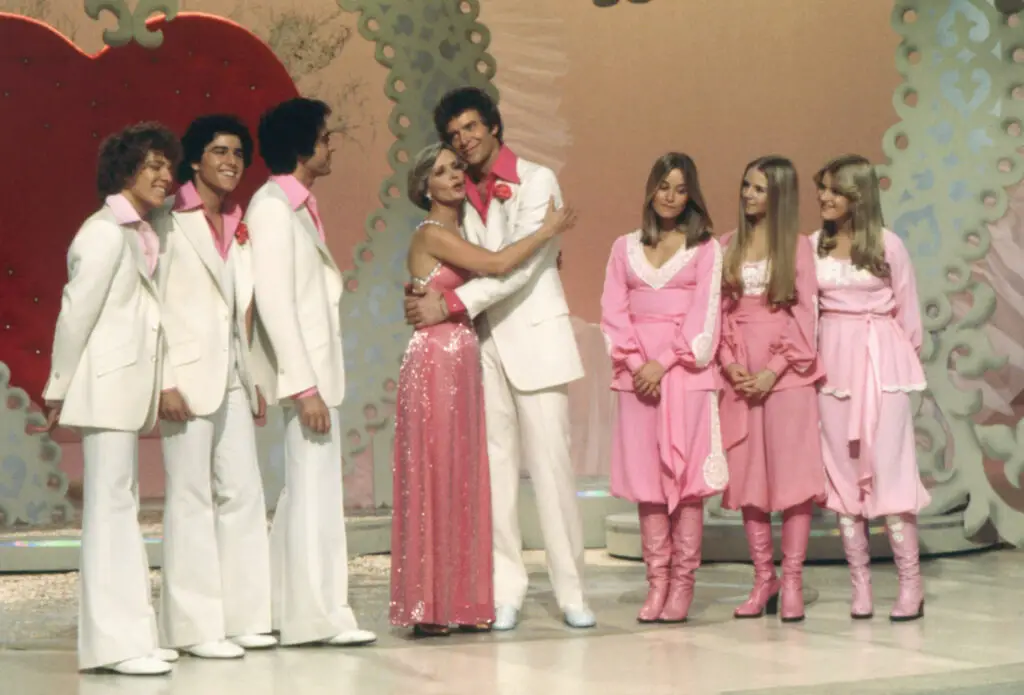
When The Brady Bunch introduced Cousin Oliver in its final season, the storyline centered on adding a younger child to boost ratings. While not controversial in a social sense, it represents a production decision that audiences often criticize. The character was inserted into existing dynamics without much development. It became an example of a trope now known as “Cousin Oliver Syndrome.” The move was widely seen as a sign that a show was running out of ideas. It has since been referenced in television criticism.
Today, such a sudden and transparent attempt to refresh a show might be met with immediate backlash online. Audiences are more aware of behind-the-scenes decisions and more vocal about them. Streaming platforms also allow for more controlled storytelling without the need for abrupt changes. While adding new characters still happens, it is usually done with more planning. The reaction to Cousin Oliver shows how even non-controversial choices can feel risky in hindsight. It highlights the changing relationship between viewers and television production.