
1. Three’s Company – Jack Pretends to Be Gay to Live With Two Women
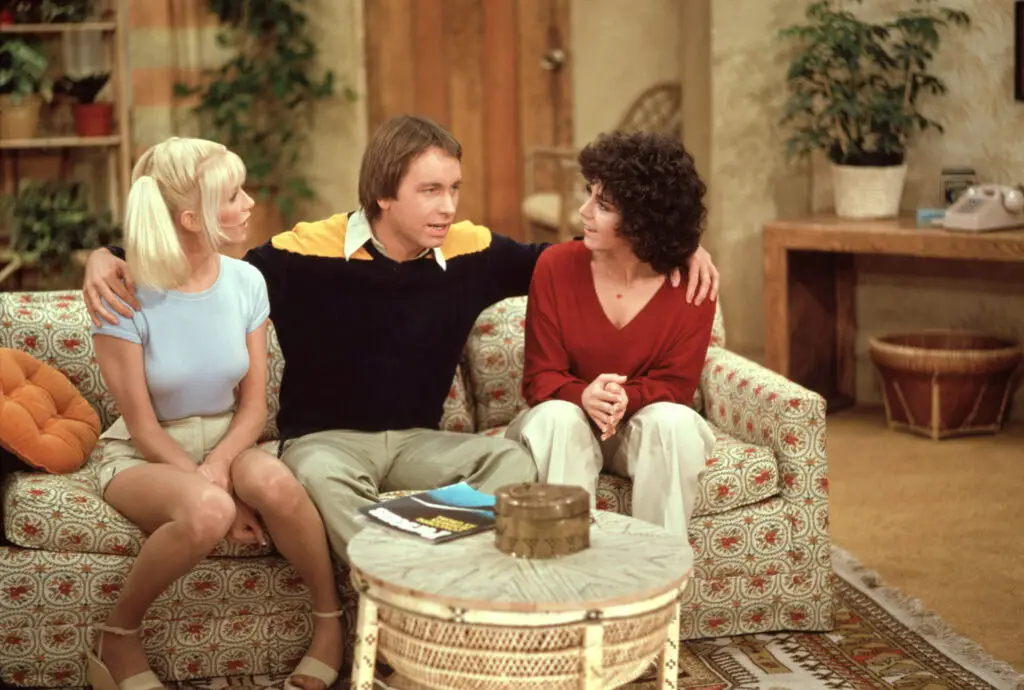
When Three’s Company premiered in 1977, the central premise depended on Jack Tripper pretending to be gay so he could legally live with Janet and Chrissy under Mr. Roper’s rules. The show used the lie as an ongoing joke and played heavily into stereotypes throughout its run. Many of the gags centered on Jack exaggerating mannerisms or getting caught in awkward situations where he had to “perform” his fake identity. At the time, this was seen as goofy farce, but modern audiences view it as reducing sexuality to a punchline. Viewers today also point out how often humor was derived from homophobic misunderstandings. The storyline feels particularly dated now that representation has evolved so significantly. While the show remains beloved, this plot device is often criticized as one that couldn’t be used today.
The premise forced the character to continually maintain the ruse, which resulted in countless scenes that would now be considered insensitive. Situations that were once seen as lighthearted comedy now come across as mocking or dismissive. People who revisit the show today often express surprise that such jokes were so normalized. The show’s writers were limited by what network television allowed in the late ’70s, which contributed to these choices. Even so, modern standards for representation have changed dramatically. The storyline stands as a clear example of shifting cultural expectations.
2. Saved by the Bell – Jessie’s Caffeine Pill “Addiction”

The 1990 episode “Jessie’s Song” is one of the most famous “very special” sitcom episodes ever produced, portraying Jessie Spano as struggling with an addiction to caffeine pills. The dramatic breakdown scene became iconic, especially her emotional “I’m so excited!” moment. At the time, networks were unwilling to show stronger substances, so the writers were forced to use caffeine pills instead. This created a storyline that now feels wildly disproportionate to the actual effects of the pills. Modern viewers often criticize the episode for unintentionally trivializing addiction, even though the intention was to warn teens about stress and pressure. The mismatch between tone and topic has made it one of the most parodied episodes in TV history. Despite the odd execution, the episode remains deeply memorable for fans.
Today, conversations around mental health and stress look very different. Jessie’s storyline would likely involve anxiety, overwork, or perfectionism rather than an exaggerated drug metaphor. Critics have pointed out that the episode simplifies her deeper emotional issues. The heightened drama was meant to convey seriousness, but it now plays as unintentionally campy. Fans still discuss the episode because it reflects how teen programming balanced education and entertainment during the ’90s. It remains a cultural reference point for how sitcoms sometimes struggled with heavy topics.
3. Diff’rent Strokes – The “Bicycle Man” Grooming Episodes
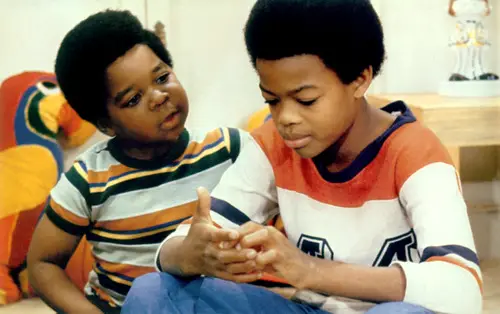
In 1983, Diff’rent Strokes aired a two-part storyline about a bicycle-shop owner who attempts to groom Arnold and Dudley. It was meant as a cautionary tale, but the content remains among the darkest ever shown on a family sitcom. Many viewers recall how jarring it felt to see such serious material mixed with the show’s usual laugh track. Modern discussions often note that the storyline would require stronger warnings and sensitivity guidelines today. While the intention was educational, the execution feels unsettling to revisit. Even contemporary critics described the episodes as unusually intense. The fact that such themes were portrayed on primetime network TV still surprises viewers.
These episodes are now studied as early examples of sitcoms taking on extremely heavy topics without the support systems used today. People often point out that the tone shift was so drastic that it felt like an entirely different show. The handling of such subject matter is now far more regulated and usually reserved for dramas. Some fans appreciate the effort to educate, but many find the episodes disturbing. The controversial nature of the storyline continues to spark debate.
4. The Brady Bunch – Greg Tries to Date His Teacher
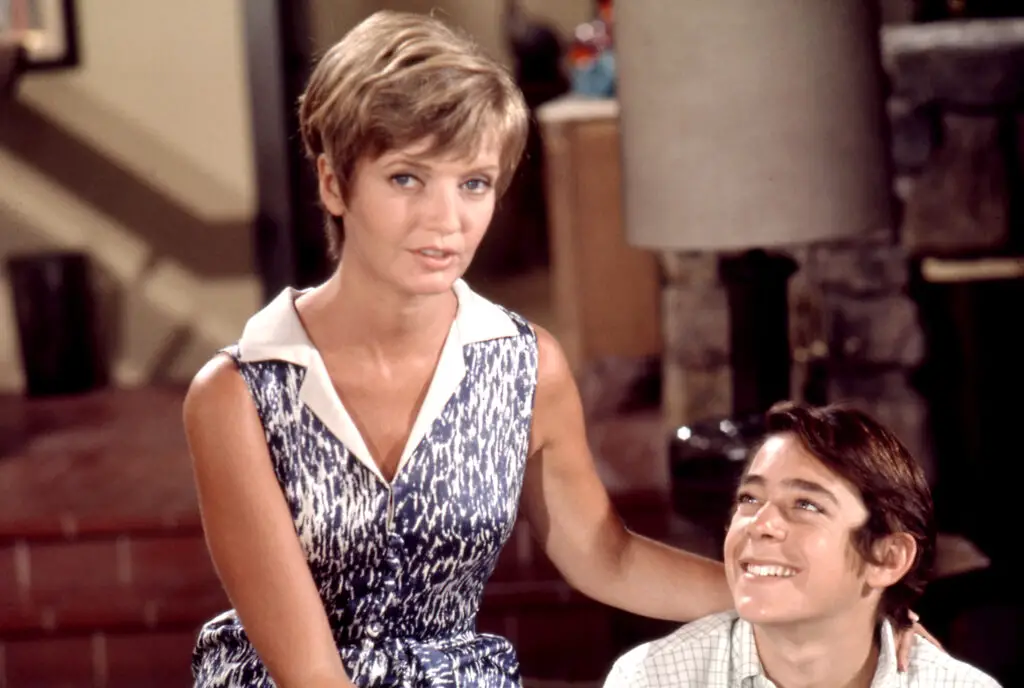
In the 1970 episode “Going, Going…Steady,” Greg Brady develops a crush on his high-school teacher, Miss Lynn, and briefly believes she might return his feelings. The show plays the plot as an innocent misunderstanding, and Miss Lynn gently turns him down when she realizes what’s happening. Although nothing inappropriate occurs, the premise itself would raise red flags today. Modern viewers are quick to point out how the episode overlooks the seriousness of a student pursuing a teacher. Social media discussions frequently highlight how differently the situation would be handled now. The storyline would likely be treated with more gravity or avoided entirely in modern family TV.
Rewatching the episode today often makes people uncomfortable because it glosses over professional boundaries. The show frames Greg’s crush as a harmless teenage mix-up, but audiences now see the power imbalance as a core issue. Educators today are trained to address these situations much more directly. The episode remains a time capsule of looser ’70s norms. It’s a plot that simply wouldn’t be written the same way anymore.
5. Family Ties – Alex Dates an Older Woman in a Power Imbalance
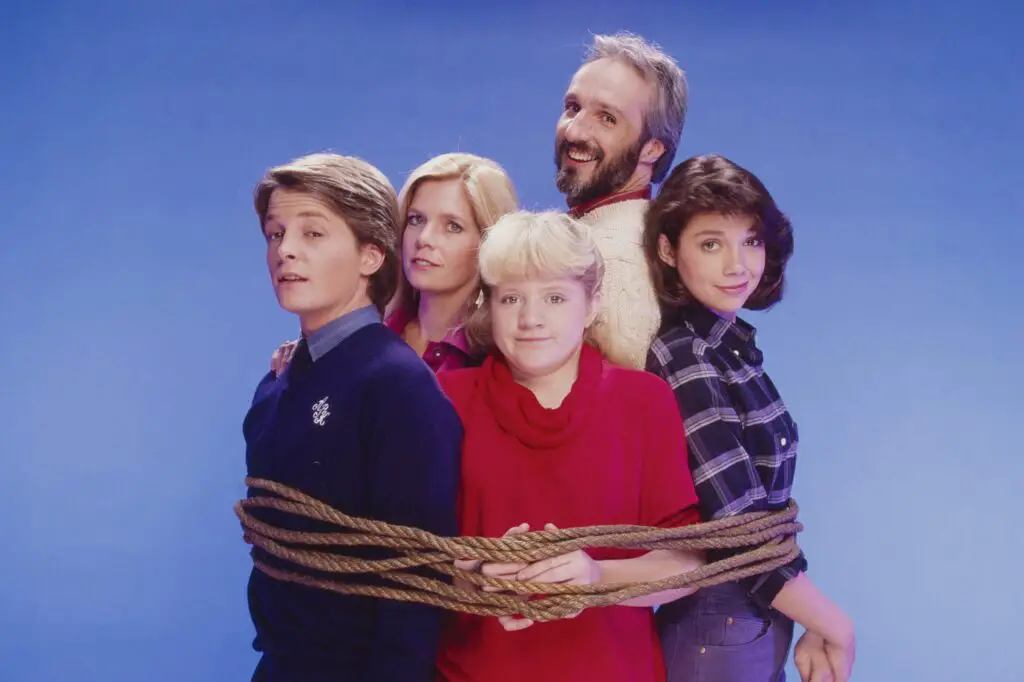
In the 1987 episode “The Real Thing,” Alex P. Keaton begins dating his psychology professor, Ellen Reed. While both characters are adults, Ellen is his instructor and holds academic authority over him. The storyline is presented as a sweet romance and ultimately becomes one of the show’s biggest love stories. Today, however, many viewers would flag the relationship because of the power imbalance. In many schools, such relationships are prohibited or require disclosure. The episode never directly grapples with that ethical concern. Modern audiences often point out that the romance likely would be handled differently now.
Rewatchers also discuss how the show leaned heavily into the charm of the pairing without acknowledging professional boundaries. Ellen grading Alex’s work or influencing his academic life is something that would require strict oversight today. The storyline is remembered fondly, but it also reflects a time before stricter institutional policies. Many fans now debate whether the show glossed over issues that would spark immediate controversy in the present.
6. Growing Pains – Mike Dates a Much Younger Girl

In a 1985 episode, Mike Seaver unknowingly begins dating a 12-year-old girl named Carrie, who lies about her age. Mike is in high school, and the storyline is initially played for laughs when he discovers the truth. Today, even accidental age-gap storylines involving minors and older teens are handled with far more care. Modern discussions often point out how uncomfortable the premise feels now. While Mike immediately stops the relationship once he knows her age, the episode still treats the situation lightly. Many viewers now find the humor misplaced.
People who revisit the episode often say it would be written very differently today, with more focus on safety and boundaries. The show used the storyline to highlight honesty, but the comedic tone now feels odd. It’s another example of how sitcoms in the ’80s approached topics that would now be considered too sensitive for a laugh-based plot. Audiences have expressed discomfort with how casually the situation is resolved.
7. Friends – Ross Dates His Student

In Season 6, Ross begins dating Elizabeth Stevens, a much younger undergraduate student in his class. The storyline is played for humor, especially with reactions from other characters. Today, this would instantly violate university ethics rules and could lead to disciplinary action. Even though Elizabeth is an adult, the power imbalance is significant. Modern viewers often comment on how inappropriate the relationship feels in hindsight. The show uses it to poke fun at Ross’s judgment, but the actual consequences are minimized.
Recent discussions frequently point out how university policies have changed since the early 2000s. Relationships between professors and students are widely prohibited or heavily regulated. The storyline now reads as something that would cause immediate controversy. Fans still debate the ethics of the plot when rewatching.
8. Cheers – Sam Hides His Infertility from Diane
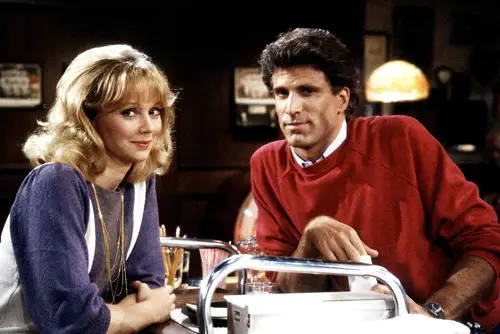
In a 1987 episode, Sam discovers that he is infertile but decides not to tell Diane. Instead, he allows her to believe they might start a family together, even as she makes plans for their future. The episode presents the deception as part of their ongoing romantic tension. Today, hiding major medical information from a partner would be considered emotionally manipulative. Viewers now often comment on how unethical Sam’s behavior was. The storyline feels especially uncomfortable because Diane is planning her life around inaccurate information.
Discussions online often highlight how sitcoms once played secrecy for humor in ways that wouldn’t be accepted today. Medical privacy is a sensitive topic, but hiding the truth from a partner has very different implications now. The show portrays Sam’s fear and embarrassment, but it also ignores Diane’s right to make informed choices. It’s a storyline that modern writers would likely handle with far more transparency.
9. Full House – Jesse Kidnaps the Twins for a Road Trip

In the 1994 episode “Subterranean Graduation Blues,” Jesse takes baby Nicky and Alex on a cross-country trip without telling Becky. The episode treats it as a heartfelt adventure and a moment of bonding. Today, removing children from the home without the other parent’s knowledge would be a serious issue. Modern viewers often point out that Jesse’s actions could be considered parental kidnapping. The show resolves the situation with humor and sentimentality, but the implications are much more serious by today’s standards. Fans frequently discuss how Becky forgave him far more quickly than expected.
The episode highlights how sitcoms often softened the consequences of extreme decisions. What was framed as a touching fatherhood storyline now reads as reckless and dangerous. Rewatchers frequently comment on how differently the situation would unfold with modern parenting expectations. It’s one of the more surprising plotlines when viewed through today’s lens.
10. The Fresh Prince of Bel-Air – Will and Carlton Get Pulled Over Because of Racial Profiling

In the 1990 episode “Mistaken Identity,” Will and Carlton are pulled over and detained because they are driving a nice car in a wealthy area. While the episode addresses racial profiling, it mixes serious commentary with sitcom humor. Some viewers now feel the comedic framing undercuts the severity of the topic. The storyline remains extremely relevant, but people discuss how such a subject would be handled with more gravity today. The inclusion of a laugh track is often cited as jarring. The balance between message and humor is widely debated among fans.
Even so, the episode is remembered for pushing boundaries and addressing an issue rarely acknowledged on sitcoms at the time. Modern viewers analyze how much the conversation around policing has changed. The episode’s legacy is complicated because it is both praised and critiqued depending on modern expectations. It remains one of the show’s most talked-about storylines in the present day.
11. Seinfeld – Jerry and George Pretend to Be Gay for Laughs
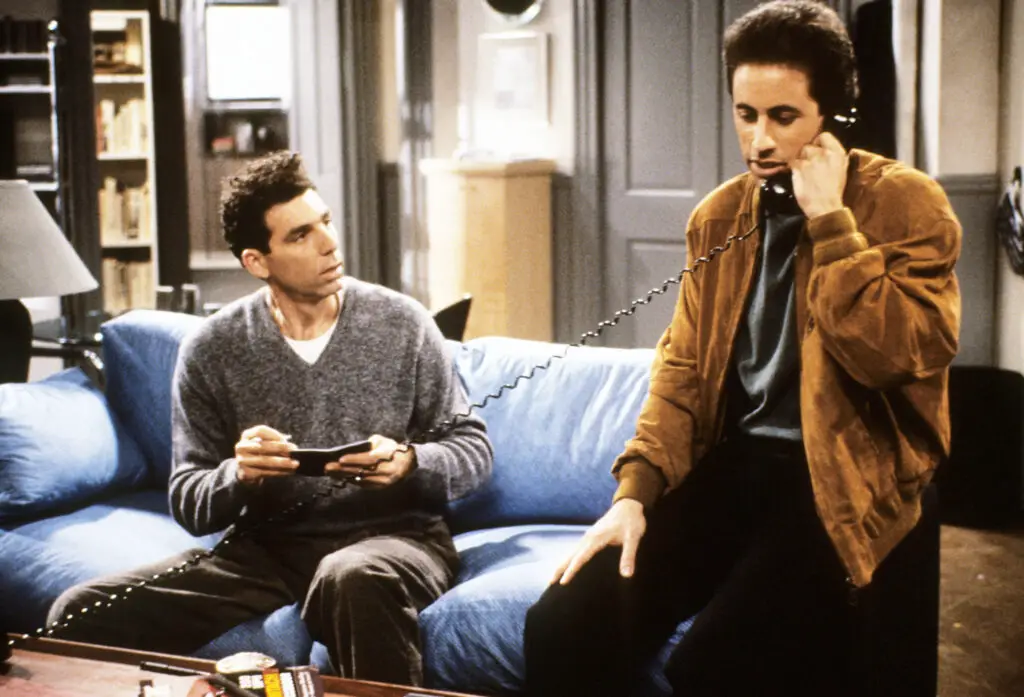
In the 1993 episode “The Outing,” a reporter mistakenly believes Jerry and George are a couple, and they spend the episode insisting they’re not while repeatedly saying “not that there’s anything wrong with that.” While intended as progressive for acknowledging acceptance, the humor relies heavily on discomfort and denial. Today, many people feel the storyline still reinforces stereotypes by treating a misunderstanding about sexuality as embarrassing. The episode is often referenced in discussions of how ’90s sitcoms handled LGBTQ topics. Critics note that the plot would likely be rewritten with more nuance today.
The episode remains memorable but polarizing. Some fans appreciate its cultural significance, while others point out its dated framing. The humor centers on characters who fear being misidentified, which reads differently now. It highlights how sitcoms once approached representation with a mix of good intentions and comedic limitations.
12. Home Improvement – Tim Peeping on the Woman Next Door

In the 1994 episode “Don’t Tell Momma,” Tim uses a telescope and accidentally spies on his attractive neighbor while she is undressing. The show plays the scene for awkward humor, with Tim panicking and trying to hide what he saw. Today, this would be considered a serious invasion of privacy. Viewers often comment that such a storyline would generate immediate backlash. The episode glosses over the severity by treating it as a harmless mishap. Tim faces minimal consequences, and the situation resolves quickly.
Modern audiences criticize how the plot excuses behavior that would be treated very differently now. The casual tone feels out of place with contemporary conversations about consent and privacy. It’s an example of how sitcom humor once crossed boundaries without acknowledging the impact. The storyline is frequently mentioned as one that has not aged well.
13. Golden Girls – Blanche’s Brother Comes Out and She Responds Poorly
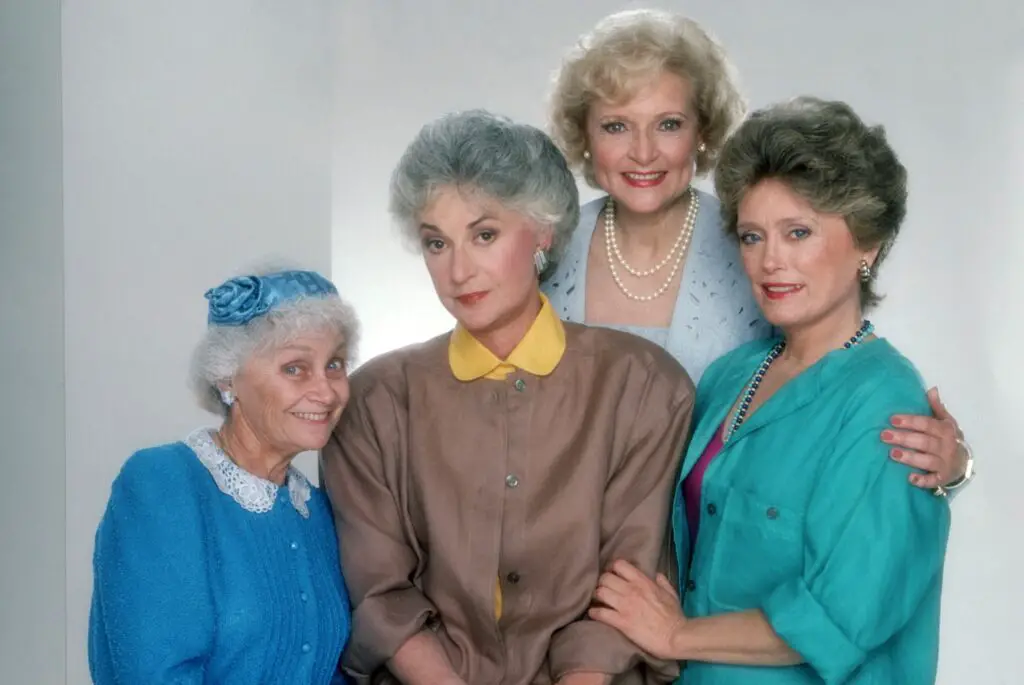
In a 1991 episode, Blanche’s brother Clayton comes out as gay, and Blanche initially reacts with shock and denial. While the episode ultimately lands on acceptance, much of the humor revolves around Blanche struggling with outdated views of masculinity. Modern viewers appreciate the inclusion of LGBTQ themes but find some of Blanche’s jokes insensitive. The storyline is often discussed as a mix of progressive representation and problematic framing. It reflects the limitations of early ’90s sitcom portrayals.
People now analyze how Clayton’s story might be handled differently today, likely with more focus on his perspective rather than Blanche’s discomfort. Some of the humor feels dated because it relies on stereotypes. Still, the episode remains significant for tackling a topic that many sitcoms avoided. Its legacy is complex but important in TV history.
14. All in the Family – Edith’s Sexual Assault Episode
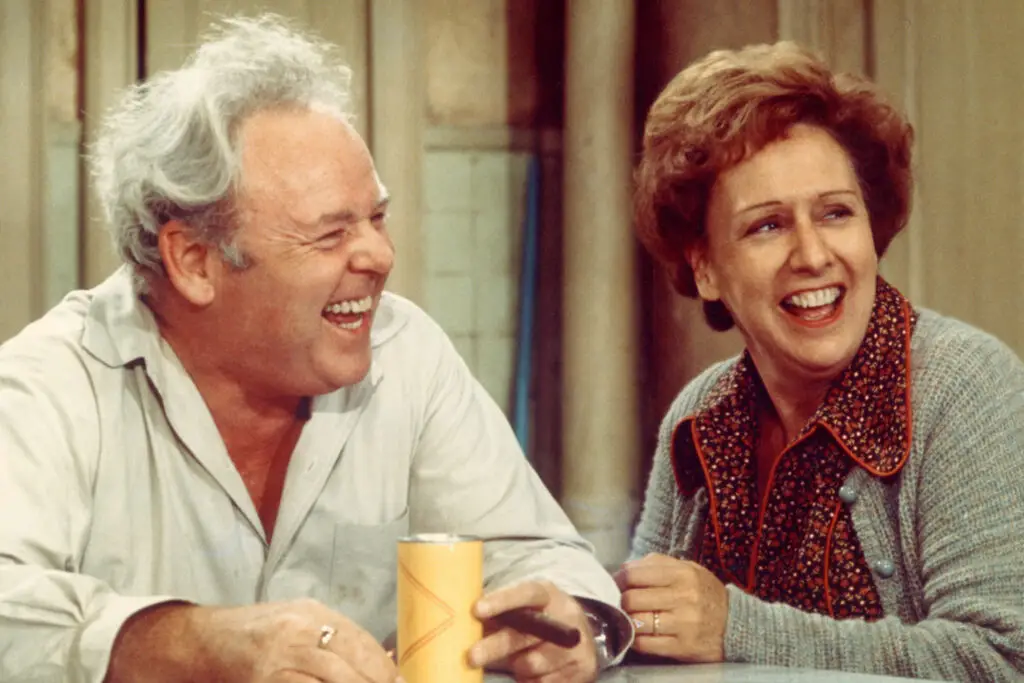
In the 1977 episode “Edith’s 50th Birthday,” Edith is nearly assaulted by a man posing as a repairman. The show plays parts of the situation for nervous humor before the tone shifts dramatically, which modern audiences often find unsettling. The inclusion of a laugh track during tense moments has been widely debated by fans and critics. Today, such a serious storyline would be handled with far clearer boundaries, warnings, and tonal consistency. While the episode is remembered as groundbreaking for addressing assault, its presentation feels jarring by contemporary standards. The tension between comedy and trauma creates an experience that many viewers say would not be attempted in the same way now. Still, it remains a defining and controversial moment in television history.
The episode paved the way for sitcoms to explore darker, more serious issues, but the execution reflects the norms of 1970s TV. Edith’s emotional aftermath is treated with minimal exploration, focusing instead on immediate danger rather than long-term effects. Viewers today often wish her experience had been given more depth, sensitivity, and follow-up. The storyline stands as an example of early efforts to tackle taboo subjects on network television. Discussions about it frequently highlight how much audience expectations have changed. Many fans see the episode as significant but difficult to rewatch.
15. Growing Pains – Carol Is Fat-Shamed by Her Family

In a 1985 episode, Carol Seaver overhears boys at school insulting her weight, and the storyline shifts into various characters making comments about dieting and body image. The show attempts to be supportive, but many of the jokes and reactions now come across as insensitive. Today, body-shaming storylines are handled far more carefully, especially for teen characters. Modern viewers often say that the episode minimizes Carol’s emotional experience by treating the issue lightly. The framing can feel dismissive rather than empowering. People frequently note how sitcoms in the ’80s used weight-related humor that would not be considered acceptable now.
The episode tries to conclude with a message about inner confidence, but the journey there includes dialogue that feels harsh in hindsight. Discussions online point out how the storyline reflects a time when diet culture was ubiquitous and largely unquestioned. The humor now reads as uncomfortable because it reinforces stereotypes. Many viewers believe the show would handle Carol’s feelings with more nuance if it were produced today. The episode remains a reminder of how sitcoms once approached sensitive topics without the awareness now expected.
16. The Facts of Life – Natalie Has Sex and Public Outcry Follows
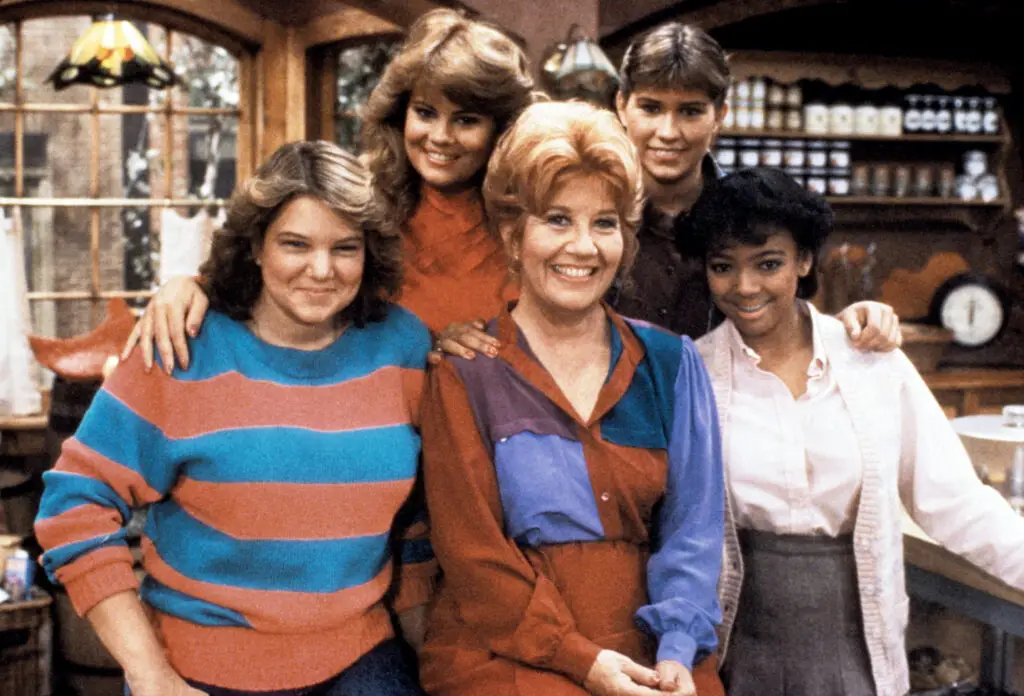
In a 1988 episode titled “The First Time,” Natalie loses her virginity, making her one of the first teen sitcom characters to have sex on network television. The episode sparked controversy among parents and some affiliates even refused to air it. Today, the storyline itself wouldn’t be shocking, but the way it’s framed as a morality crisis reflects the era’s anxieties. Modern viewers often comment on how the show treats the situation with seriousness yet still frames Natalie’s choice as something requiring community judgment. The heavy tone now feels at odds with the character’s maturity. The cultural reaction at the time overshadowed the episode itself.
Rewatchers often discuss how the storyline would likely be handled with more balance and less stigma today. The show attempted to empower Natalie, but the surrounding characters’ reactions feel restrictive through a modern lens. The episode stands out because it tried to break ground but was constrained by network limitations of the era. Many find it fascinating as a document of shifting attitudes toward teen sexuality on television. It remains one of the show’s most discussed episodes.
17. Mork & Mindy – Mork Gives Birth to an Egg
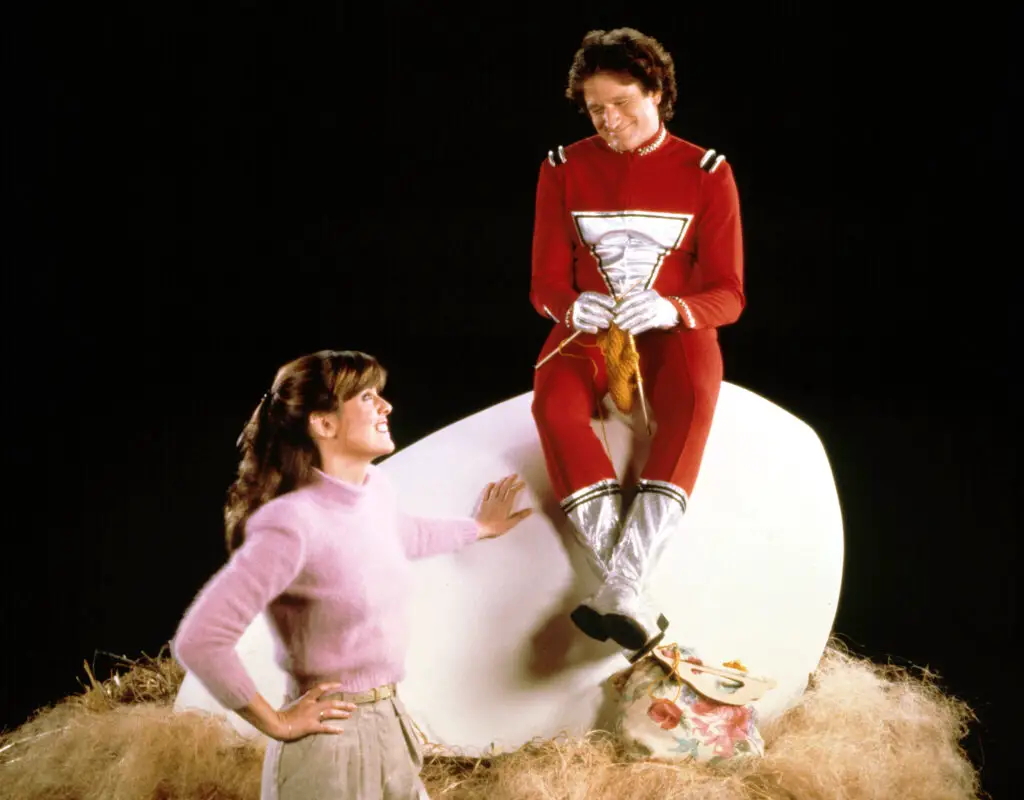
In the 1979 episode “Mork’s Favorite Orkan,” Mork lays an egg and “gives birth” to a baby version of himself. While intended as surreal sci-fi comedy, the storyline plays fast and loose with themes of childbirth, gender roles, and parental responsibility. Modern viewers often see it as an example of how sitcoms once exploited gender-based humor that now feels dated. Some fans now note that the jokes rely heavily on stereotypes about pregnancy and parenting. The bizarre premise made audiences laugh, but today it would be scrutinized more closely.
The episode also glosses over emotional and logistical implications of parenthood in favor of slapstick. While this matches the whimsical tone of the series, modern audiences tend to look for more intentional messaging. Many rewatchers view the storyline as a product of its time, when sitcoms embraced high-concept plots without considering larger implications. The episode is still beloved for its creativity, but some of its humor lands differently now. It stands as a reminder of how comedic sensibilities evolve.
18. Happy Days – Fonzie Dates a Teenage Girl

In a 1977 episode, Fonzie begins dating a girl named Lori Beth’s cousin, only to discover she is much younger than he assumed. While Fonzie ends the relationship immediately upon learning the truth, the early scenes treat the situation lightly. Today, a storyline involving an adult unknowingly dating a minor would be handled with much more seriousness. Modern viewers often point out that the comedic setup feels uncomfortable now. The show treats the misunderstanding as part of Fonzie’s romantic charm rather than a potentially serious issue.
Fans revisiting the episode note how norms around age gaps and responsible behavior have changed dramatically. What was once a quick comedic misunderstanding now reads as something that would require far clearer boundaries and consequences. The storyline is widely cited as an example of how ’70s sitcoms downplayed sensitive topics. Although Fonzie ultimately does the right thing, the framing feels out of step with modern expectations. It remains a storyline that invites debate when watched today.