
1. The Cleavers from Leave It to Beaver
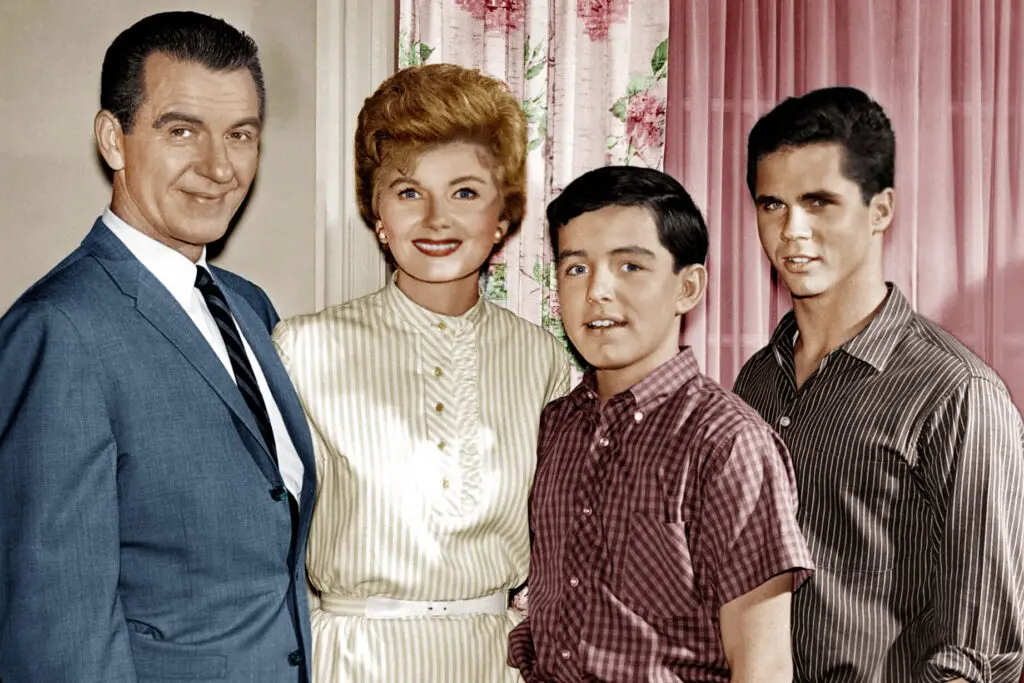
Ward and June Cleaver always looked like they had parenting down to a science, but their style would raise eyebrows today. Ward’s lectures went on forever, and June doing every household and childcare task in heels would feel a little unrealistic to modern parents trying to juggle everything at once. Their picture-perfect routine might seem sweet, but it left nearly no room for kids to make everyday mistakes on their own. You can almost imagine someone suggesting they loosen up just a bit.
They also trusted Wally and Beaver to wander the neighborhood without much supervision, which feels wild by today’s standards. The boys got into all sorts of trouble, yet the consequences were usually a gentle talk rather than anything more concrete. June’s approach of quietly smoothing every hiccup away might not fly now, especially with how much pressure parents feel to set boundaries. Still, those gentle heart-to-hearts are part of what made their household feel so warm.
2. Archie and Edith Bunker from All in the Family
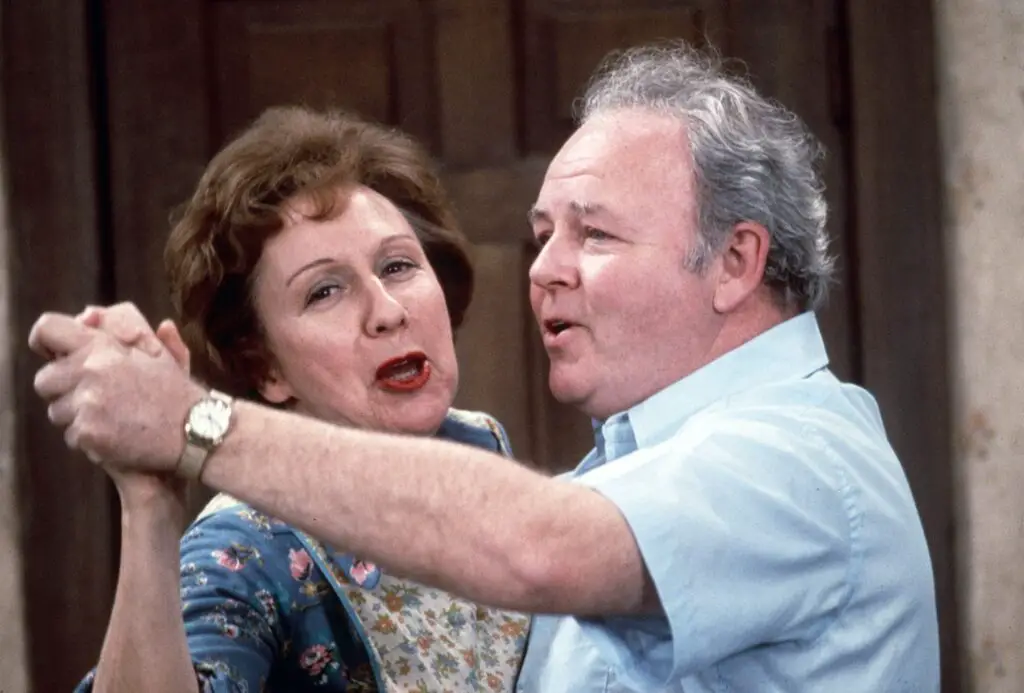
Archie Bunker’s parenting style was more “my house, my rules” than anything collaborative, and he never held back with his opinions. His quick temper and old-fashioned worldview would send today’s parenting blogs into a spiral. Even Edith’s soft, calming presence couldn’t cancel out Archie’s tendency to shout first and ask questions later. Modern audiences would likely insist on a few parenting classes.
Gloria grew up in a home where arguments were practically background noise, and her father’s harsh comments would absolutely be called out today. Edith, sweet as she was, often kept the peace by staying quiet, which doesn’t exactly line up with current advice on healthy communication. The Bunkers loved each other, but their dynamic would definitely raise concerns about emotional well-being. It’s a good thing Gloria developed her own voice along the way.
3. Lucy and Ricky Ricardo from I Love Lucy
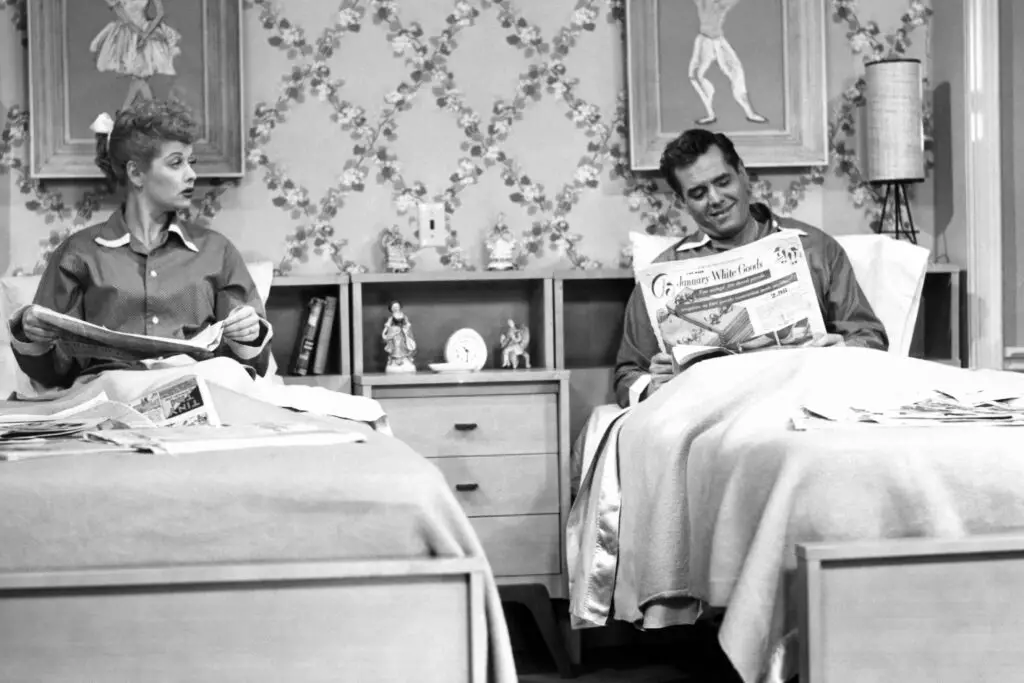
Lucy and Ricky meant well, but Lucy’s habit of diving headfirst into wild schemes would keep any modern parent on edge. She was always chasing a dream with little thought to the chaos that followed, and that kind of unpredictability would make headlines today. Ricky, meanwhile, had a tendency to lecture rather than listen. Their household was full of laughter, but not exactly structure.
As parents, their reliance on neighbors like Fred and Ethel to jump in during emergencies would feel questionable now. Baby Ricky was often off-screen or casually mentioned as staying with someone else while Lucy cooked up trouble. The love was real, but the oversight was a little loose. Today’s parents might hesitate before leaving the baby with Fred for the third time in a week.
4. George and Louise Jefferson from The Jeffersons
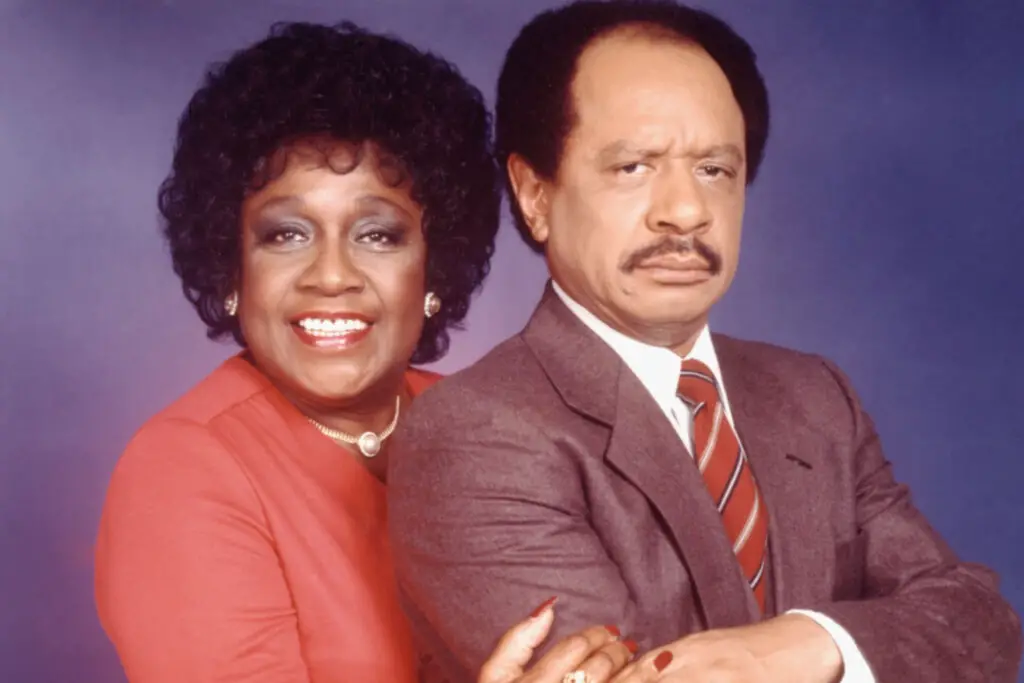
George Jefferson’s larger-than-life personality made him a memorable TV dad, but his style could be a bit intense. He often expected Lionel to meet his high standards without much room for error. His controlling streak, while rooted in wanting the best for his family, would spark debates about pressure and perfectionism today. Louise’s calmer presence balanced things out, but even she had trouble keeping George in check.
They also handled conflict with a lot of yelling, sarcasm, and dramatic exits, which might not be the best model for healthy communication now. Lionel often wound up mediating between his parents and neighbors, a role kids today are encouraged not to shoulder. Still, the Jeffersons truly cared for each other, even when George’s stubbornness made everything harder. Their heart was in the right place, even if the delivery wasn’t.
5. Frank and Marie Barone from Everybody Loves Raymond
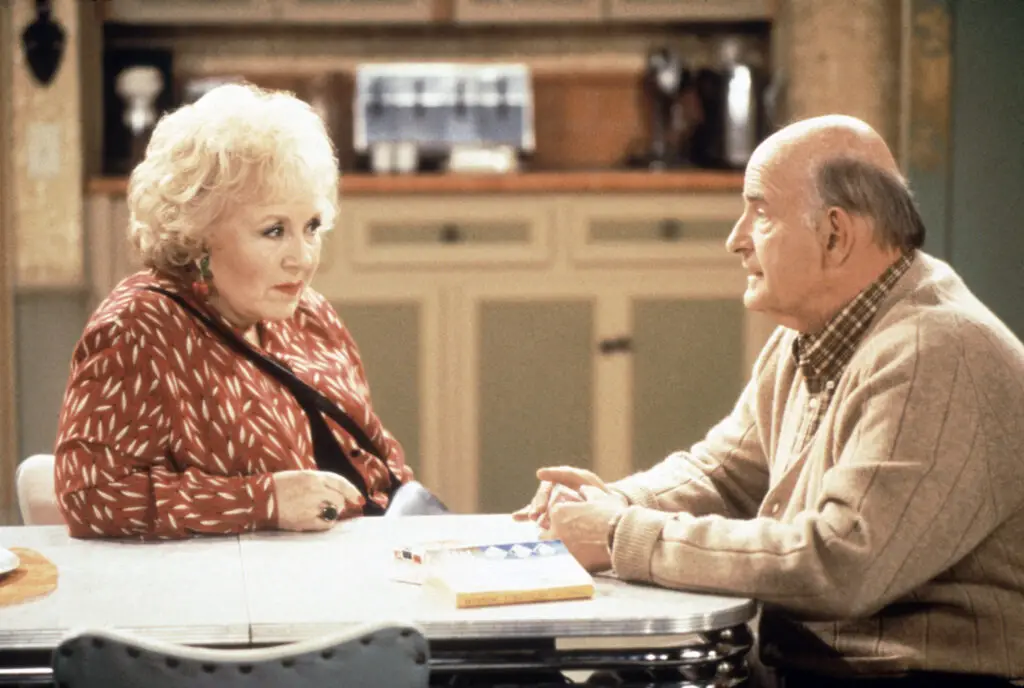
Frank and Marie Barone were iconic, but nobody today would recommend their hands-on, always-in-your-business style of parenting. Marie’s way of smothering her kids, even well into adulthood, would dominate every “what not to do” list. Frank’s gruff attitude didn’t help, as he preferred sarcasm over sensitivity. Together, they created plenty of drama Raymond and Robert spent years trying to escape.
Even when their intentions were good, their lack of boundaries would be a huge talking point today. Marie wandering into her grown children’s homes without knocking would spark so many think pieces. Frank’s habit of shrugging off emotional conversations would also feel old-fashioned compared to today’s emphasis on openness. Despite everything, they adored their sons, even if they showed it in chaotic ways.
6. Danny Tanner from Full House
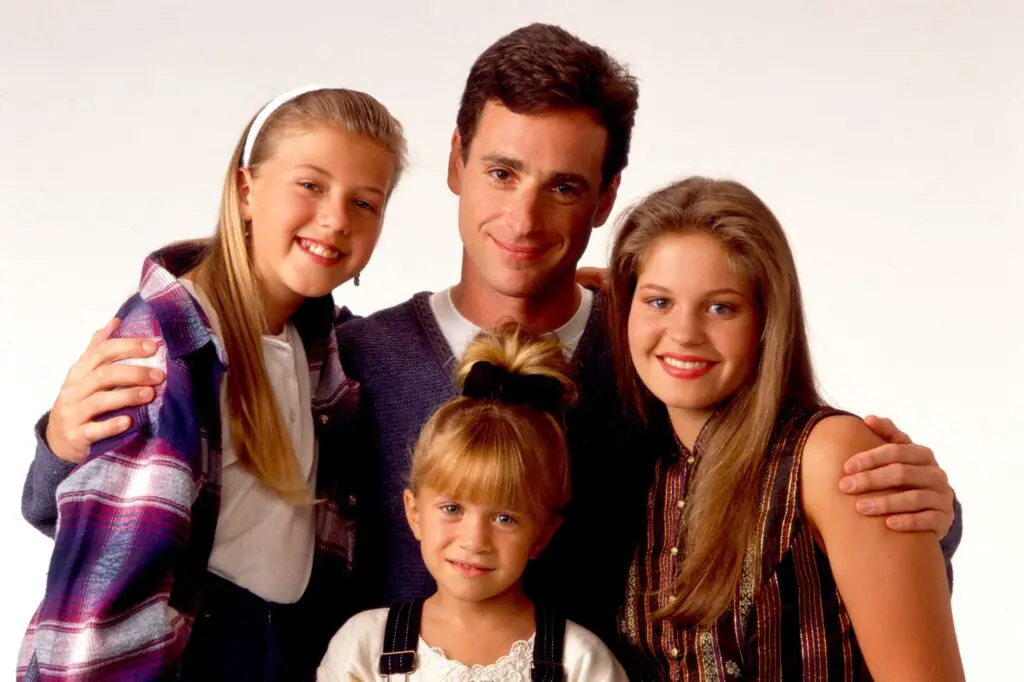
Danny Tanner was the epitome of the “talk it out” dad, but even he had some habits that would raise eyebrows today. His obsession with cleaning often spilled into controlling territory, and the girls sometimes felt pressure to keep everything spotless. His constant reliance on heartfelt speeches was sweet, but it also left little room for natural problem-solving. Some might say he hovered a bit more than necessary.
Being a single dad with a full house of helpers certainly helped him survive. Still, handing off parenting duties to Joey and Uncle Jesse whenever the plot called for it might feel a little scattered now. Today’s audiences might question the lack of consistent routines with so many adults rotating roles. But Danny’s heart was always in the right place, even if he cleaned a little too much along the way.
7. Roseanne and Dan Conner from Roseanne

Roseanne and Dan Conner were refreshingly real, but their parenting approach could get pretty rough around the edges. They often used sarcasm to cope with stress, which made for great comedy but wouldn’t be recommended in the parenting books. Roseanne especially had a way of using sharp humor to get her point across. Dan provided balance, but he wasn’t shy about laying down the law either.
Their kids grew up with a lot of independence, sometimes a little too much. Arguments were loud, constant, and usually ended with someone storming off. They loved fiercely, but the chaos would probably have experts suggesting healthier communication. Even so, their relatability made them feel like a real family trying their best with what they had.
8. Howard and Marion Cunningham from Happy Days
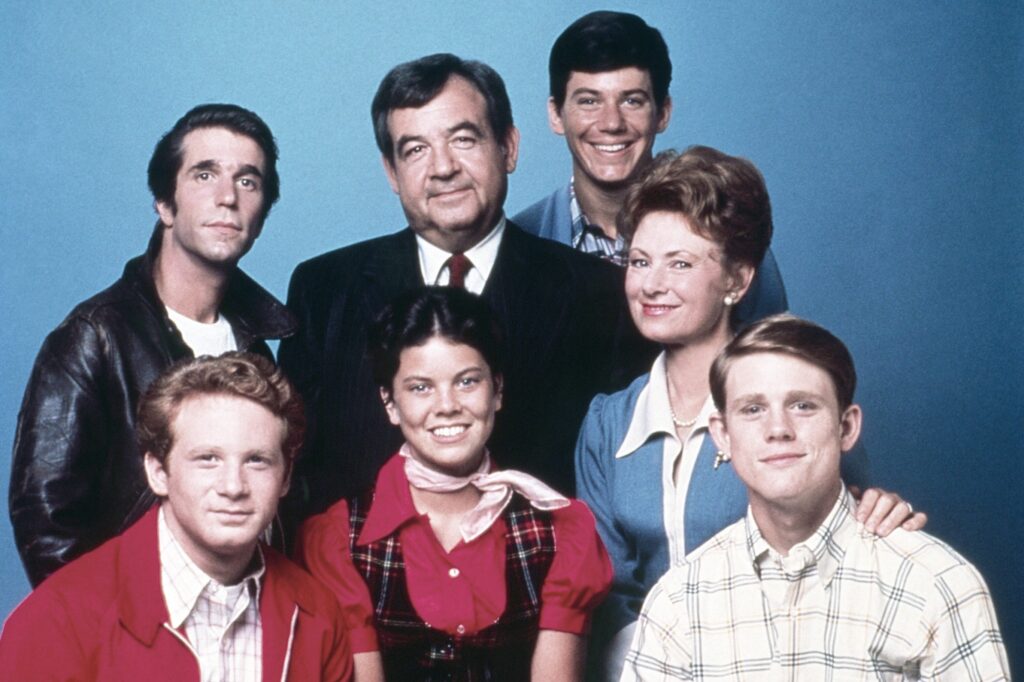
Howard and Marion were kind and steady, but their parenting style was hands-off in a way that might feel surprising now. Richie spent most of his time roaming around town with friends, often without checking in. Howard rarely questioned where Richie was going, figuring he’d find out sooner or later. Marion offered guidance, but mostly when someone asked for it.
They also played favorites in small ways, often expecting Richie to be the responsible one without offering much emotional support. Their household worked because Richie genuinely tried to be good, not because of strict rules or structure. Today’s parents might wonder how they stayed so calm while their teenagers were out all hours of the night. Still, the Cunninghams’ gentle reassurance was part of their charm.
9. Homer and Marge Simpson from The Simpsons

Homer Simpson is practically a guidebook for what not to do as a parent, even if he is hilarious. His impulsive decisions and questionable judgment land the family in trouble constantly. Marge does her best to hold the household together, but she often ends up carrying the emotional load alone. Their household chaos would definitely have people raising concerns today.
Bart and Lisa navigate most of their problems without much parental oversight. Homer’s temper, especially toward Bart, would cause major discussions about appropriate discipline. Marge’s kindness keeps everything from falling apart, but she’s overworked and overwhelmed. Still, the Simpsons’ messy love is part of what keeps viewers coming back.
10. George and Angie Lopez from George Lopez
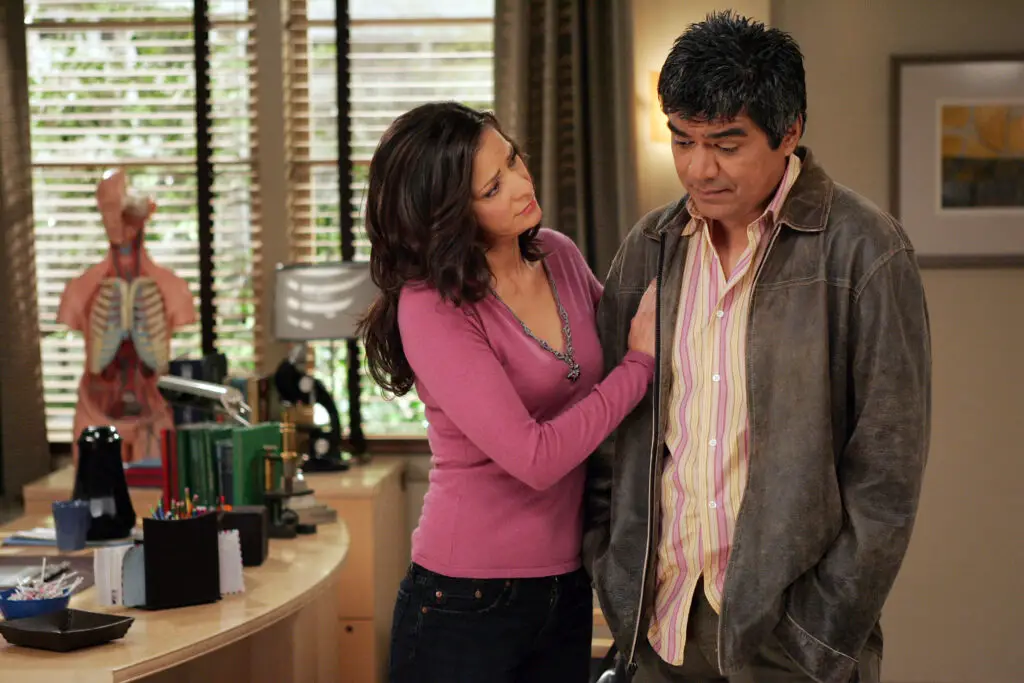
George Lopez loved his family, but he could be stubborn and overly sarcastic, especially when dealing with teenage issues. His teasing often went a little too far, even if humor was his way of showing affection. Angie was more nurturing, but she sometimes underestimated how much structure their kids really needed. Together, they walked a fine line between loving guidance and mixed signals.
Their home often revolved around managing crises instead of preventing them. George’s difficulty expressing emotions made it harder for the kids to feel heard. Angie tried to smooth things over, but the inconsistency would probably spark discussions about communication today. Still, they always found a way back to each other, even if it was messy.
11. Steven and Elyse Keaton from Family Ties
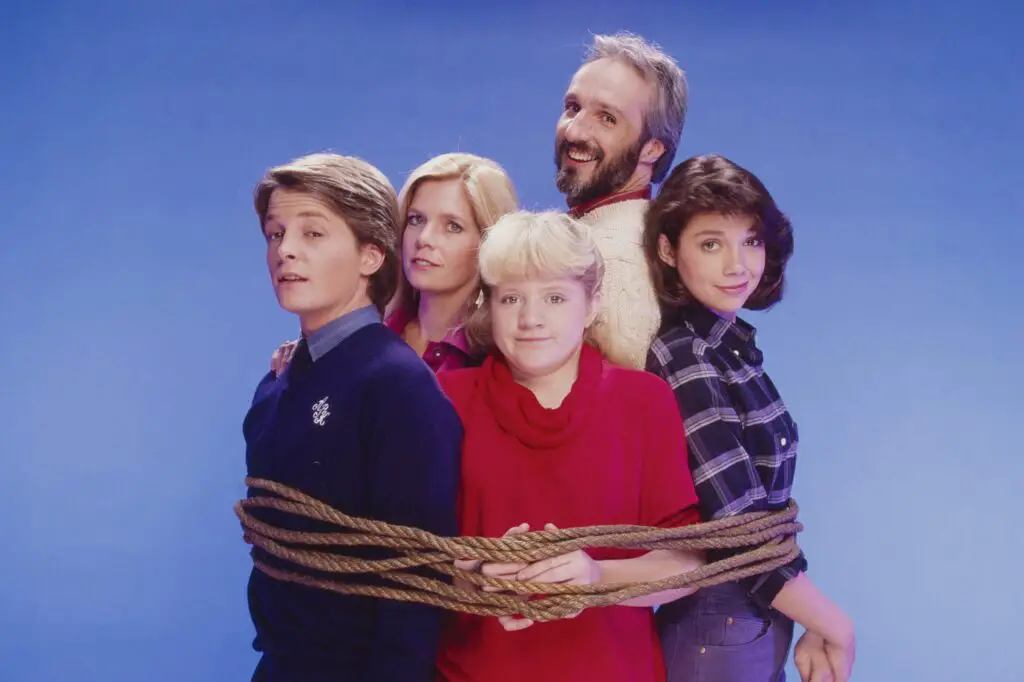
Steven and Elyse Keaton were loving parents, but they were so laid-back that their home felt more like a commune sometimes. Their focus on open dialogue often meant their kids ended up guiding the conversations instead. Their shock whenever Alex pushed back on their beliefs suggests they may not have set as many boundaries as they thought. Today’s parenting experts might suggest a bit more structure.
Mallory and Jennifer grew up with a lot of room to explore their identities, but sometimes without enough guidance. Steven and Elyse were more interested in talking about big ideas than monitoring day-to-day routines. While that freedom helped their kids grow, it also led to more than a few misunderstandings. Still, the Keatons’ warmth helped make everything feel safe in the end.
12. Philip and Vivian Banks from The Fresh Prince of Bel-Air
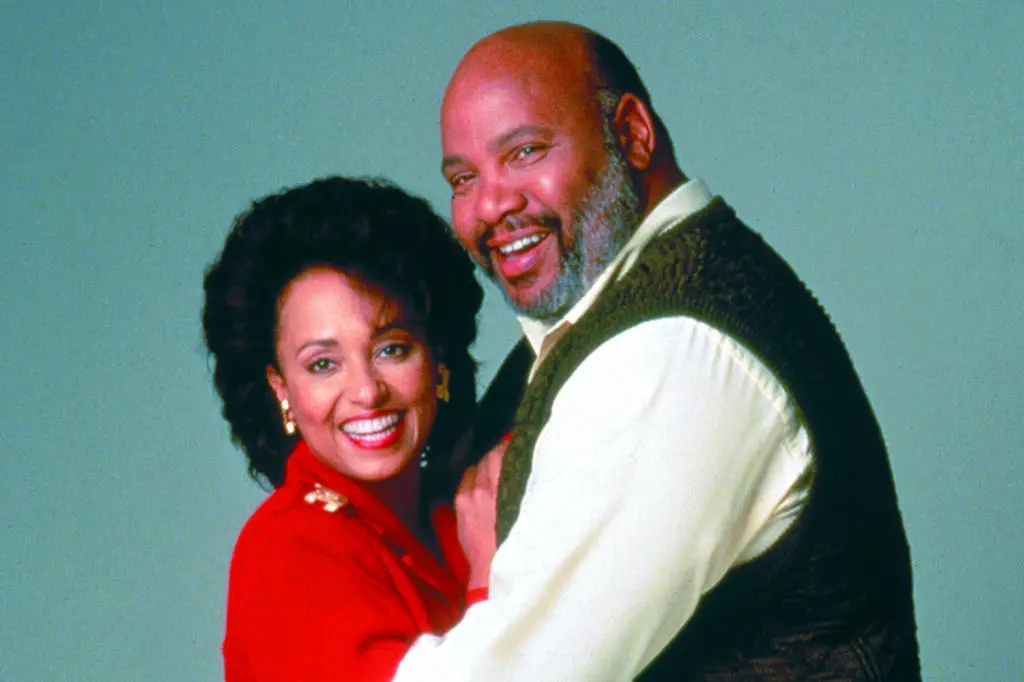
Philip and Vivian Banks were wonderful parents, but their old-school expectations sometimes clashed with Will’s free-spirited nature. Philip in particular expected respect and discipline, sometimes without offering the space for conversation first. Vivian balanced him beautifully, but she could be tough when needed. Their mixture of structure and pressure might be considered a bit intense now.
Will and Carlton grew up in a home with a strong emphasis on success, which meant failure wasn’t always handled gently. The Bankses loved deeply, but their standards were sky-high. Today’s parenting experts might suggest encouraging more emotional expression instead of relying on lectures. Still, the love and stability they offered were undeniable.
13. Red and Kitty Forman from That ’70s Show
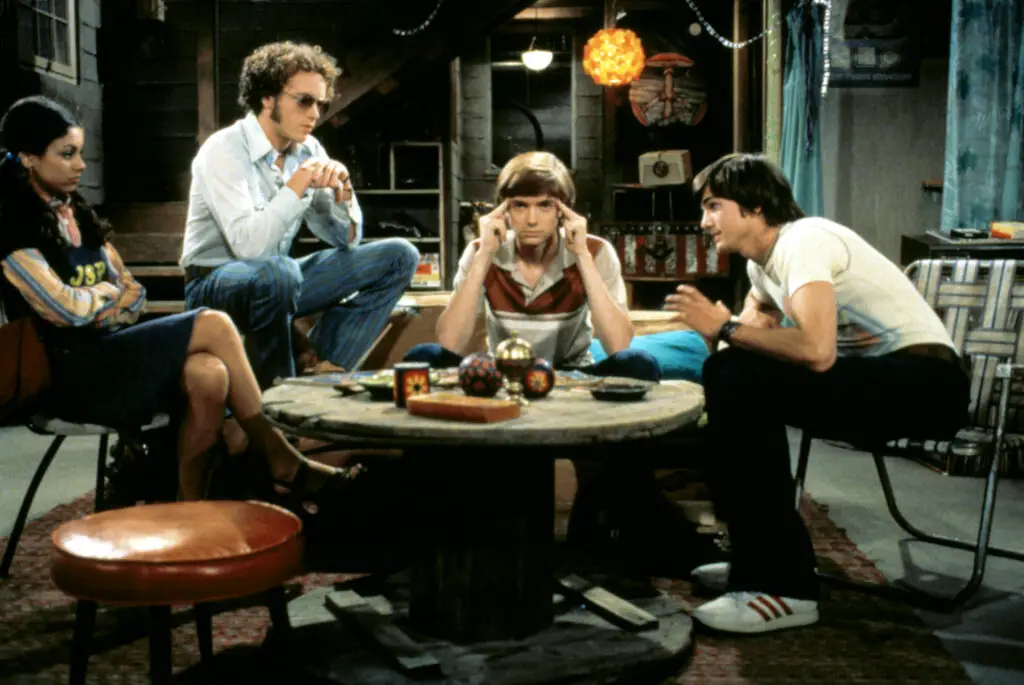
Red Forman’s parenting approach was famously strict, and his no-nonsense attitude would be intimidating in any era. His favorite threat practically became a catchphrase, and modern parents would probably cringe every time he used it. Kitty, meanwhile, tried to keep things light, but even she sometimes brushed off her kids’ feelings. Their home relied heavily on humor as a coping mechanism.
Even with the tough love, Eric and Laurie often slipped through the cracks. Red’s refusal to discuss emotions would be a huge red flag today. Kitty’s tendency to avoid conflict didn’t help much either. Still, their quirky love made the Forman household unforgettable.
14. Fred and Wilma Flintstone from The Flintstones
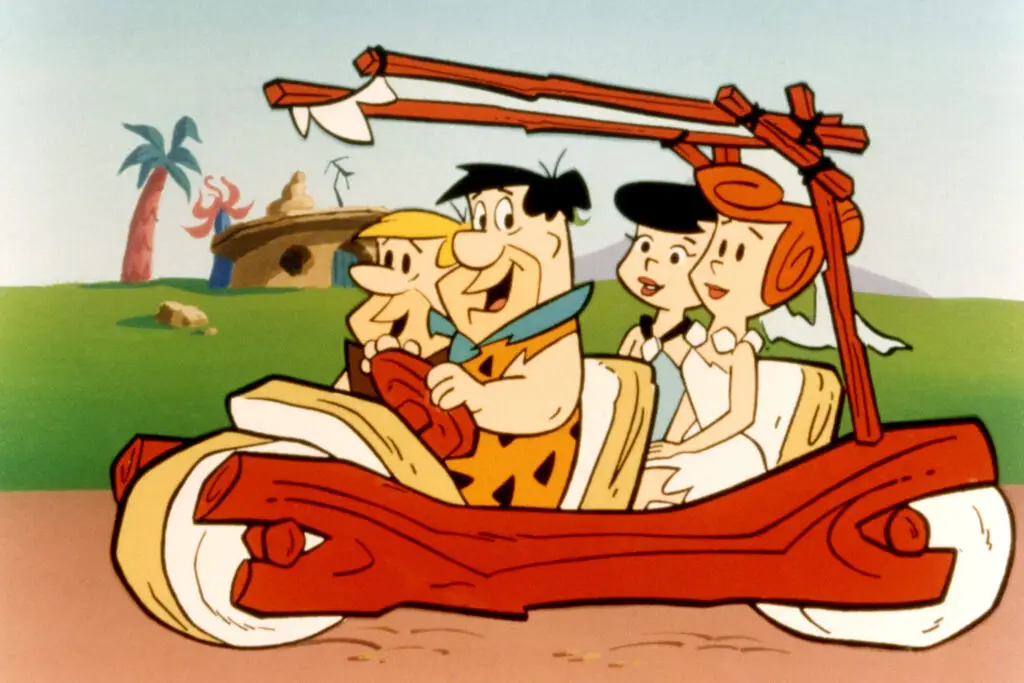
Fred Flintstone’s temper and tendency to make impulsive decisions would be a parenting nightmare today. He often got himself into situations that affected the whole family, and Wilma had to clean up most of the mess. His loud personality overshadowed quieter moments of guidance. Modern advice would suggest more listening and less yelling.
Pebbles grew up in a home where chaos was pretty much a constant. Wilma provided the steady hand, but even she seemed exhausted at times. Their prehistoric parenting was more about surviving the moment than teaching life lessons. Still, they loved their daughter fiercely, even when Fred’s instincts led them into trouble.