
1. The Full House Victorian in San Francisco
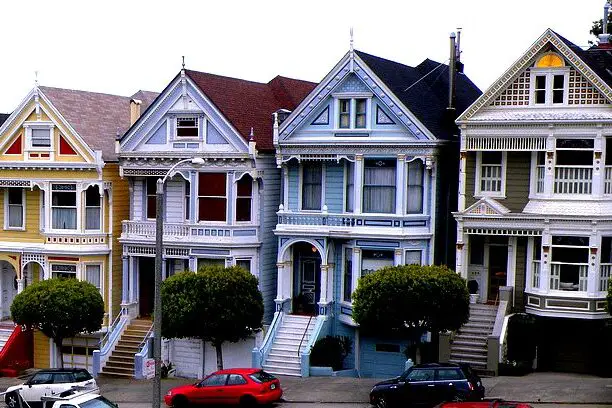
That iconic Tanner home always looked cozy and surprisingly roomy, especially considering it supposedly housed Danny, DJ, Stephanie, Michelle, Jesse, Becky, and the twins. In real San Francisco, a house that size in that neighborhood would run in the multi-millions, and the idea of multiple adults raising kids in it without constant financial panic feels almost magical. The show gave us huge bedrooms, wide hallways, and a living room that seemed to expand whenever a heart-to-heart was needed. And yet, the real exterior home is much smaller inside than we were led to believe. The staircase placement alone makes the TV layout impossible. Fans have tried to map it out, but it never quite works. It’s basically an MC Escher house with a laugh track.
Even the shared bedrooms never made sense for a house of that size. DJ and Stephanie would have likely had smaller rooms, while Michelle might have ended up in a cramped nook. The attic that Jesse turned into a full apartment would have been blazing hot in summer and freezing in winter, not the ideal nursery. And don’t get us started on that magically spacious backyard for a house in such a dense area. The Tanners lived in a dream version of San Francisco that traded square footage reality for sitcom warmth. Maybe that’s why we loved it.
2. The Brady Bunch Split-Level
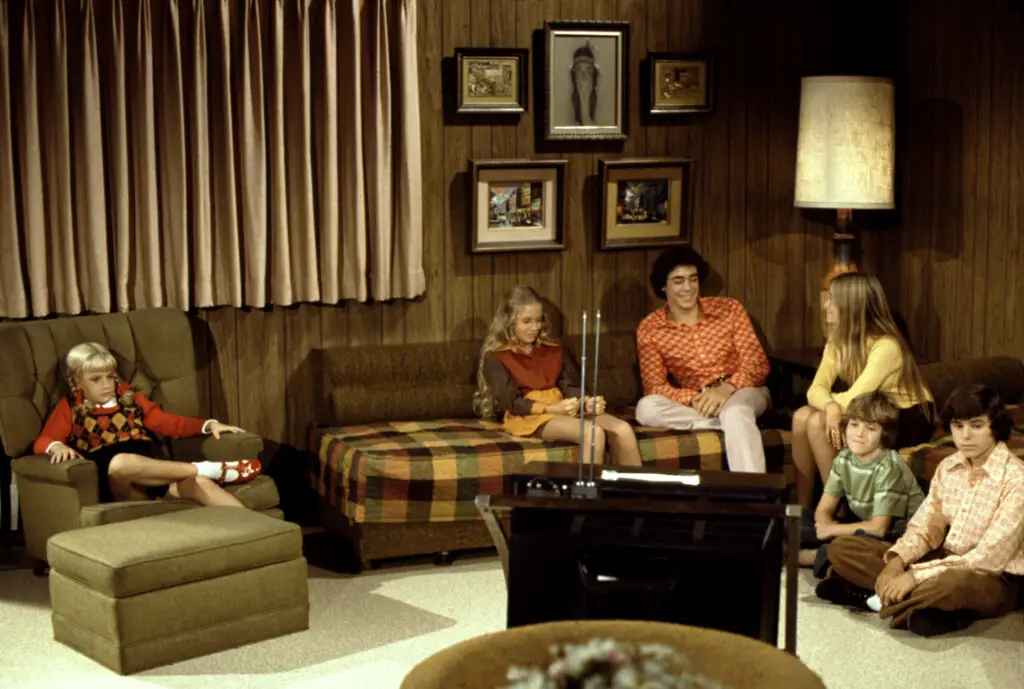
The Bradys somehow squeezed two parents, six kids, and Alice into a home that never seemed to burst at the seams, even when the boys wanted privacy or the girls wanted more closet space. In real life, a house with that many people would need at least three bathrooms to avoid morning meltdowns. Yet the Bradys apparently survived with one main bathroom shared by six kids. The bedrooms were also suspiciously large for suburban California in the early ’70s. And the boys’ room didn’t even have a proper closet.
The architecture also makes zero sense if you ever try to draw it out. The famous staircase suggests a second floor, but the show gives glimpses of rooms that should technically overlap. And that den Mike used as an office, which somehow shifted locations whenever needed, defied every layout rule. The entire house is a jigsaw puzzle that doesn’t fit together, but the charm of the Bradys made it easy to ignore. Fans still debate the floor plan to this day.
3. The Friends Apartments
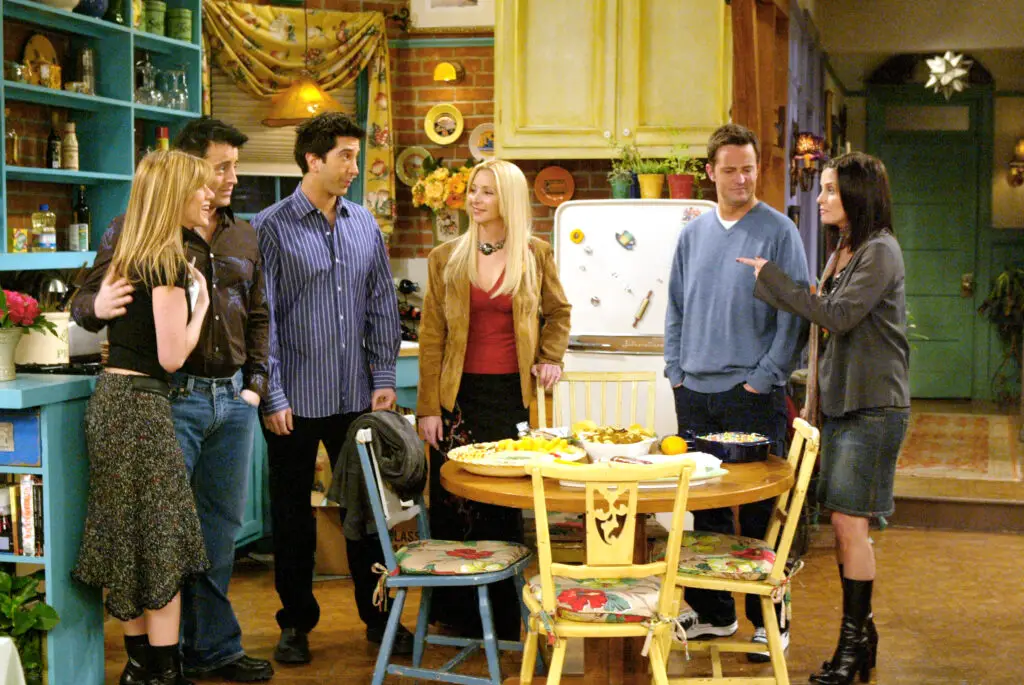
Monica’s apartment is the crown jewel of unrealistic TV living, with its giant windows, open kitchen, and enough seating for a small restaurant. A chef and a waitress affording that rent, even under “rent control,” would still be a fantasy in Manhattan. Her place supposedly belonged to her grandmother, but even then, the size and location would be worth thousands a month. And somehow, despite all the mismatched furniture, it always looked picture-perfect. Rachel just waltzed in and lived there like it was no big deal.
Across the hall, Joey and Chandler’s apartment was slightly smaller but still too generous for two guys constantly behind on rent. Their kitchen was enormous compared to a real New York apartment, and that living room had more space than most starter homes. The layout was a production designer’s dream, not a landlord’s reality. Plus, their infamous “guest room” somehow existed only when the writers needed it. New York apartments are rarely this flexible, let alone this sunny.
4. The Gilmore Girls House in Stars Hollow
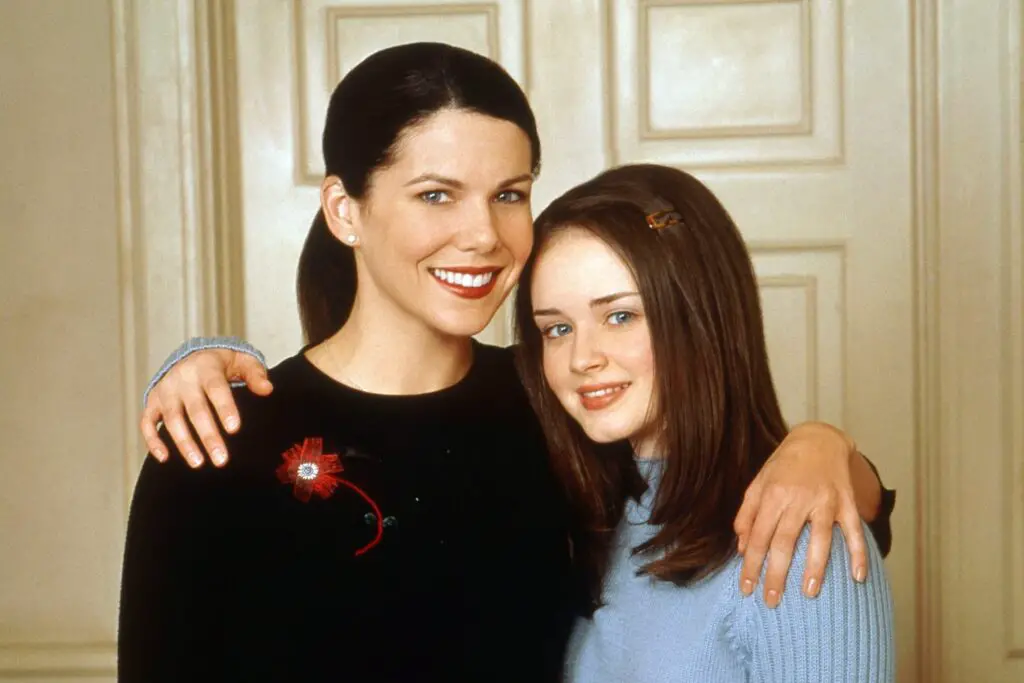
Lorelai’s charming home is one of the coziest houses on television, but the reality of a single mom affording it in a New England town is questionable at best. Even a fixer-upper in picturesque Connecticut would run steep, especially for someone working hotel jobs early on. The interior also seems to shift whenever the story needs more space, with the kitchen and living room stretching in mysterious ways. That seemingly endless backyard isn’t exactly typical either. And the number of quirky repairs she avoided felt like sitcom magic rather than true home maintenance.
The house also appears to have more rooms than they ever admit. Rory’s bedroom is spacious, Lorelai’s is even bigger, and there’s an attic that somehow works as a full guest room whenever needed. The front porch magically expands for important conversations. And the heating bills for a home that drafty would have eaten half her paycheck. But Stars Hollow works best when it feels like a cozy embrace, so the house became part of the show’s charm, not its realism.
5. The Fresh Prince of Bel-Air Mansion
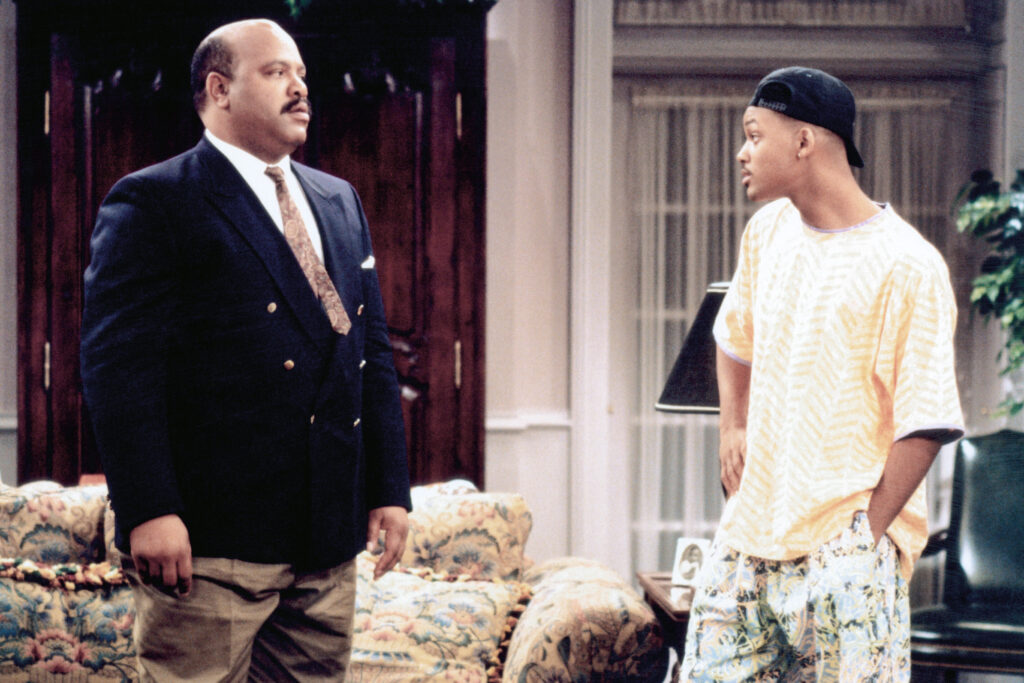
The Banks family mansion is pure Beverly Hills fantasy, with its grand foyer, sweeping staircase, and backyard big enough for multiple summer parties. In real life, a house like that would cost tens of millions and require a staff larger than just Geoffrey to keep it running smoothly. The show made it seem like only a handful of people lived there, yet the space looked excessive even for a wealthy family. The kitchen alone felt large enough to host a catered wedding. And the dining room seemed to grow whenever extra guests arrived.
The layout of the mansion also changed depending on the episode. The pool area sometimes connected to the living room, then moved mysteriously in later seasons. Bedrooms expanded or shrank on demand. And the famous pink kitchen from early episodes vanished without explanation. Even Will’s pool house could pass as a luxury studio apartment in Los Angeles. The Banks mansion wasn’t meant to represent reality, it was meant to look like the ultimate upgrade, and it delivered.
6. The Golden Girls Miami Home
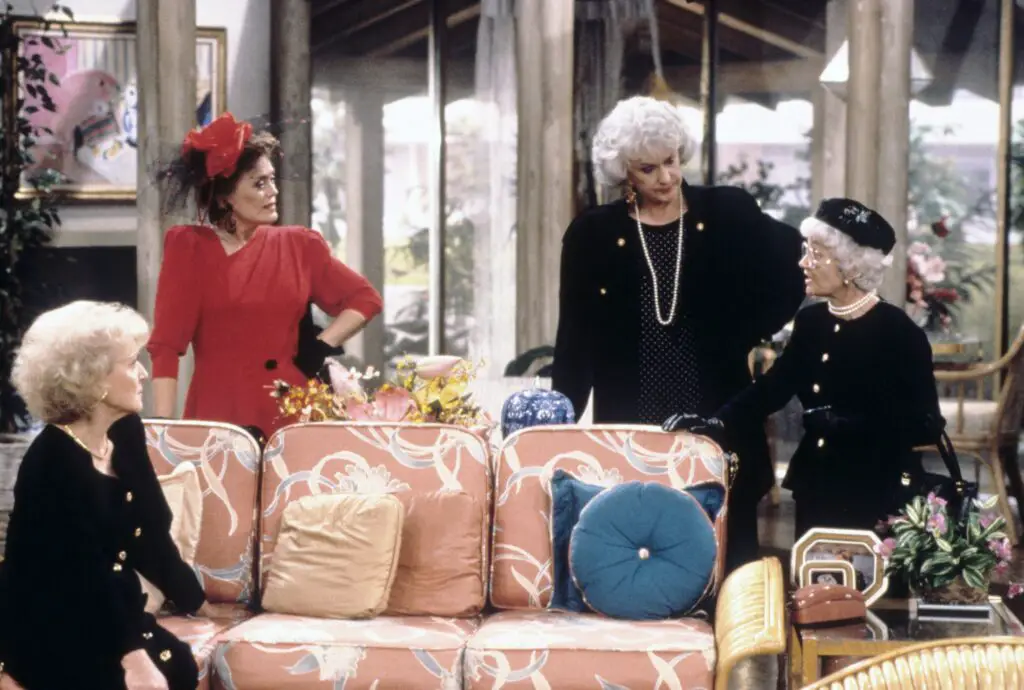
Dorothy, Blanche, Rose, and Sophia lived together in a house that didn’t quite match its own exterior shots. The footprint of the interior is wildly inconsistent with what a real Miami ranch house would offer. The kitchen is enormous, the living room doubles in size depending on the episode, and the bedrooms seem to exist in a maze that doesn’t track with the exterior angles. Blanche’s master bedroom was practically the size of a boutique hotel suite. And the lanai moved around like it had wheels.
The number of people living in the home also stretches believability. Four retirees splitting the cost makes sense, but their home looked more like a mini-resort than a modest shared living situation. The square footage alone would put it firmly in luxury real estate territory. And that guest room they always had available would have bumped up the rent significantly. Still, the house offered the perfect setup for cheesecake chats and heartfelt moments, even if the blueprint made no sense.
7. The Fuller House Reboot Home
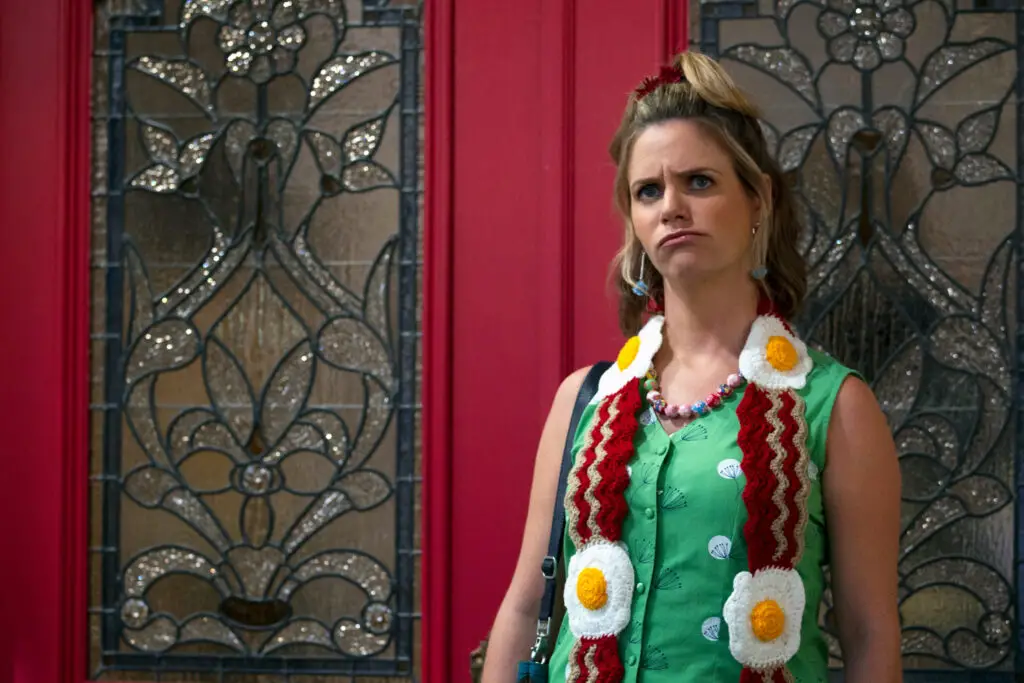
The reboot brought back the iconic Full House exterior, but the interior somehow grew even more impossible. With DJ, Stephanie, Kimmy, and all their kids living under one roof, the house should have felt like a crowded dorm. Instead, it remained open, airy, and weirdly uncluttered. The kids had spacious bedrooms with plenty of privacy, which feels like fantasy for a home filled with that many people. The magical attic and basement continued to absorb new characters without issue.
The kitchen remodel also revealed just how much the floor plan depended on sitcom physics. Walls seemed to vanish, rooms expanded, and the dining area morphed into a multi-use zone with endless seating. The backyard somehow fit parties, pets, and multiple vehicles. If the Tanners’ home was unrealistic before, the reboot made it into a full architectural fever dream. But the heart of the show meant the space needed to feel warm and roomy, even if no real San Francisco house ever could.
8. The Waltons Mountain Home
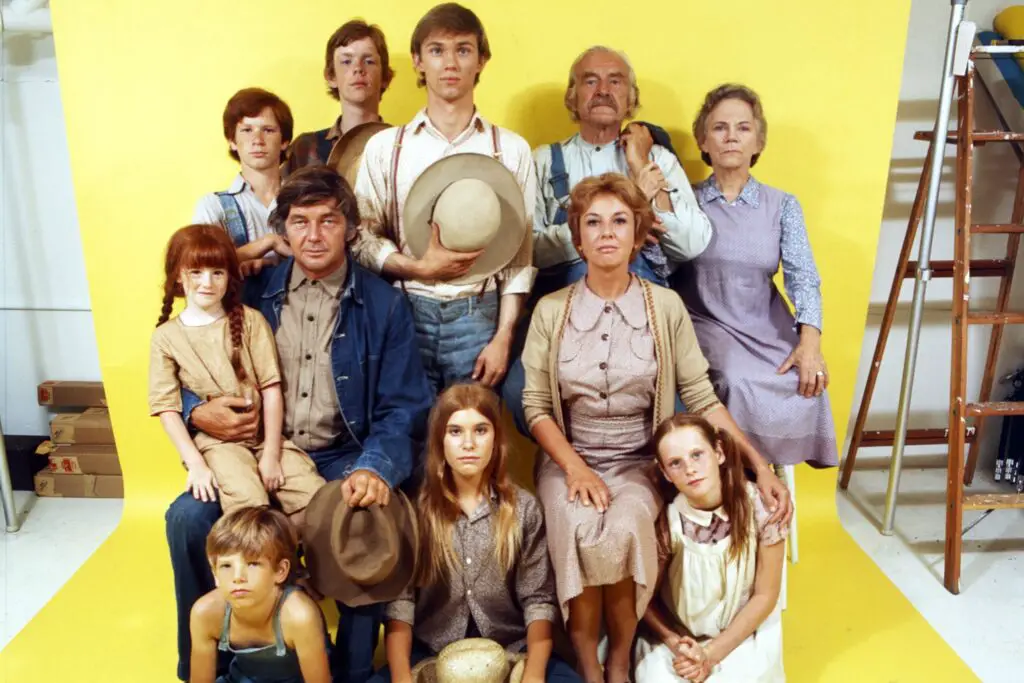
The Waltons portrayed a large, multi-generational family living in a modest farmhouse in rural Virginia. But the house shown on screen was much larger and more polished than what most families of that era and income level could afford. The bedrooms seemed endless, with room for the parents, seven children, and even extended relatives when needed. The living room and dining room were spacious enough to host holiday gatherings without anyone bumping elbows. And the kitchen felt surprisingly modern for the Depression era.
In reality, a family that size in the 1930s would have lived in a more cramped home with fewer amenities. Indoor plumbing would not have been guaranteed in all rural homes at that time. The set’s pristine woodwork and roomy hallways were far nicer than what a working-class family would likely have had. The writers needed a functional space to fit an entire cast and crew, which meant stretching history a bit. Still, the Waltons’ home became a symbol of warmth, even if it wasn’t historically accurate.
9. The Bewitched Suburban Dream House

Samantha and Darrin lived in the kind of perfectly manicured suburban home that looked cozy, sleek, and surprisingly spacious. But the floor plan doesn’t hold up to any real architectural scrutiny. The living room and kitchen appear far larger than the exterior suggests, and the second floor somehow fits multiple bedrooms without affecting the roofline. The backyard also shifted depending on the storyline. And the garage seemed to teleport whenever a magical mishap occurred.
Even the décor evolved constantly, often without any on-screen explanation, as if Samantha used a little magic to remodel. The house also featured extra closets, hallways, and corners that didn’t exist from the outside view. If Darrin really worked in advertising, his income alone wouldn’t have supported such a spacious home in a desirable suburb. But the charm of Bewitched depended on that dreamlike domestic setting. It made magic feel like a natural part of everyday life.
10. The That ’70s Show Forman Home
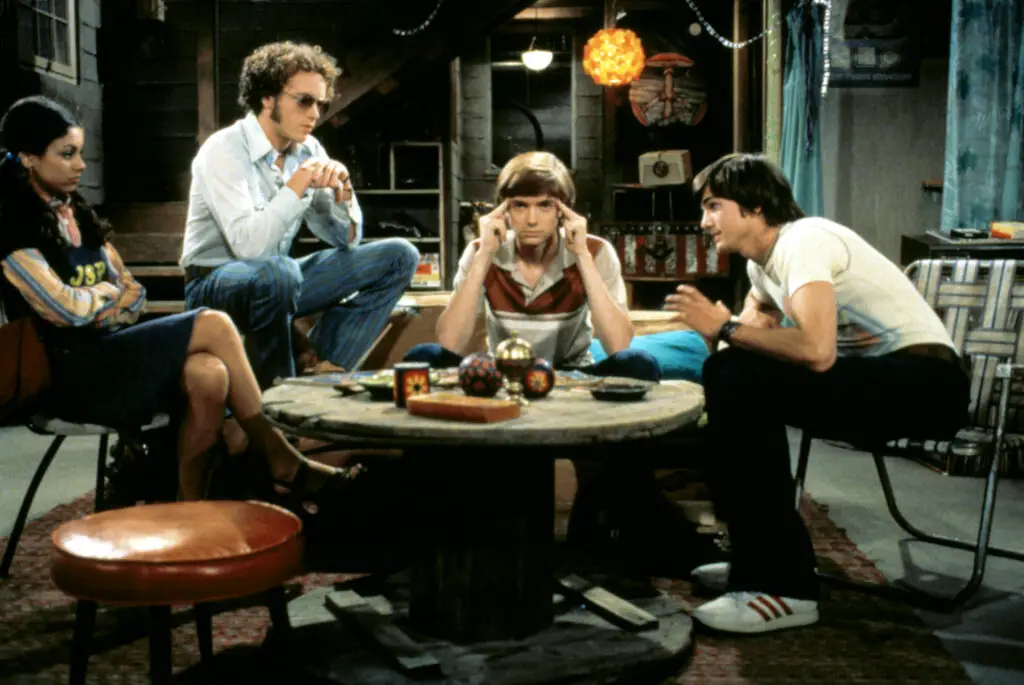
Eric Forman’s basement became the series’ unofficial hangout spot, and it was huge for a regular middle-class Wisconsin home. The space easily fit a full couch, chairs, a bar, a laundry area, and room for a rotating cast of teenagers. In real life, a basement like that would be partially finished at best, not a comfy teen clubhouse. The kitchen upstairs was also massive for the time period. And the living room always had room for one more dramatic entrance.
The upstairs bedrooms offered more square footage than typical ’70s homes had. Eric’s room alone seemed far bigger than a standard teen room in a working-class household. And the family somehow managed to keep the entire house immaculately maintained even with constant teen traffic. The Forman home worked beautifully for storytelling, but it definitely belonged to the world of sitcom inflation. No wonder the kids never wanted to leave.
11. The Modern Family Houses

Between the Dunphys, Pritchetts, and Tucker-Pritchetts, the families lived in homes that were simply too luxurious for their stated incomes. Phil, a real estate agent, and Claire, working part-time for much of the show, somehow afforded a sprawling suburban home with multiple upgrades. Mitchell and Cameron’s home was also a designer’s dream, with high ceilings, an enormous kitchen, and a backyard perfect for parties. Jay’s house, of course, made sense given his business success, but even then, it looked more like a magazine spread than a lived-in home.
The square footage for all three families felt stretched beyond reality. The bedrooms were huge, the kitchens pristine, and the common areas photo-ready at all times. In real life, the mortgages and upkeep alone would have cost a fortune. Their homes served the show’s visual storytelling first and realism second. That glossy California fantasy was part of the appeal.
12. The New Girl Loft

Jess, Nick, Schmidt, and Winston lived in a massive industrial loft in Los Angeles that would cost an astronomical amount in real life. The open floor plan, high ceilings, and giant windows were straight out of a designer catalog. Their rent was inexplicably low for a space that could easily pass for a film set. The loft also had more square footage than any struggling teacher or bartender could ever hope to afford. Even splitting it four ways doesn’t make it realistic.
The bedrooms appeared whenever the script needed them, and the loft’s layout changed depending on the episode. The kitchen alone was restaurant-quality. And somehow, despite their financial chaos, they always had space for new roommates, guests, and group shenanigans. LA does have lofts like this, but they’re usually reserved for celebrities or tech millionaires. For our favorite misfits, it was pure sitcom luck.
13. The Everybody Loves Raymond Homes
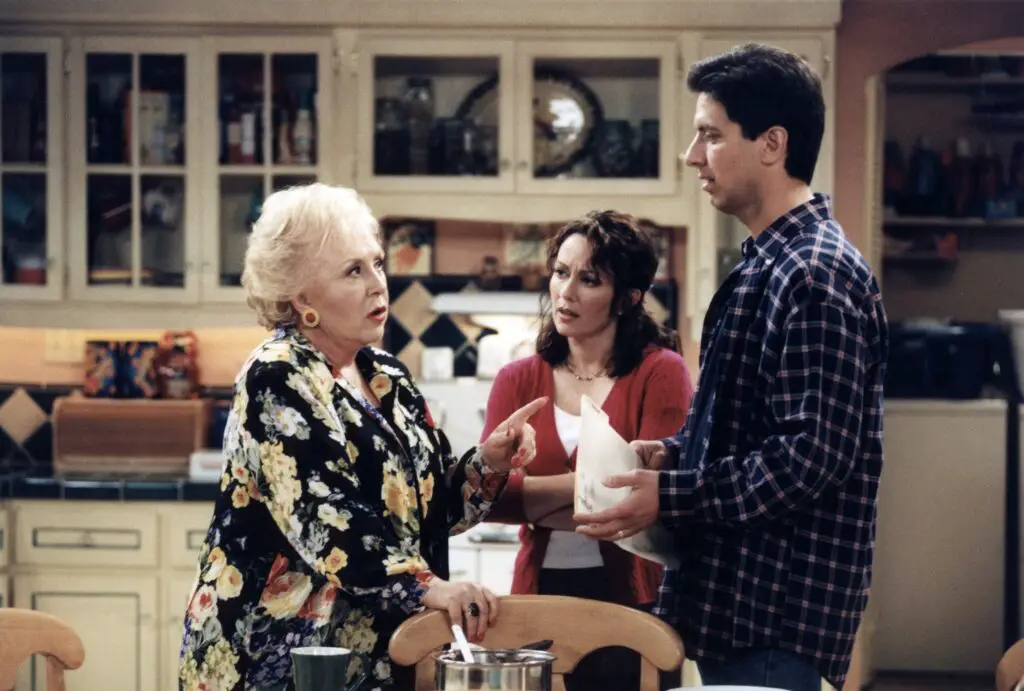
Ray and Debra’s Long Island house felt pretty normal at first glance, but the size and layout don’t quite match the exterior. The interior is far deeper than the façade suggests, with rooms stretching well beyond where the physical walls would end. The kitchen is massive, the living room even bigger, and Ray’s office appears only when convenient. And the number of people constantly coming and going would have created far more noise and chaos in a real home. Yet the space always felt oddly calm.
Across the street, Marie and Frank’s house also got the sitcom expansion treatment. The living areas seemed huge for an older couple’s modest home. And the basement, which Ray constantly visited, felt more like a full second apartment. The show needed these spaces to support punchlines and emotional moments. Even if the geography is questionable, the layout made for perfect comedy.
14. The Family Matters House
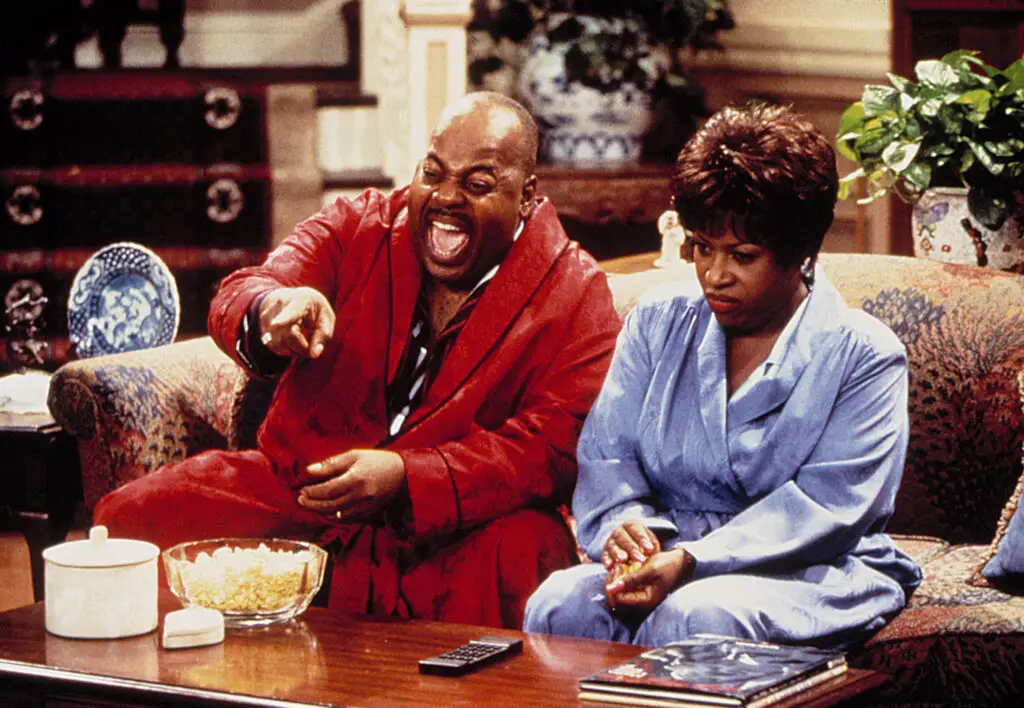
The Winslow family lived in a comfortable Chicago home that seemed plausible at first glance, but the interior tells another story. The living room and kitchen are far larger than the exterior of the house could support. Rooms seem to appear when needed, including a basement that somehow fit everything from a full lab setup to disaster-causing inventions. The backyard also seemed bigger or smaller depending on the plot. And the upstairs bedrooms had more space than most urban homes.
Steve Urkel’s constant drop-ins would have caused far more noise and structural damage in a house of realistic size. And the Winslow family hosted more guests than the home should reasonably hold. The house had sitcom elasticity, expanding to fit every storyline. Still, its cozy look made it feel like a real family home, even if the blueprint belonged to another dimension.