
1. Diff’rent Strokes – “The Bicycle Man”
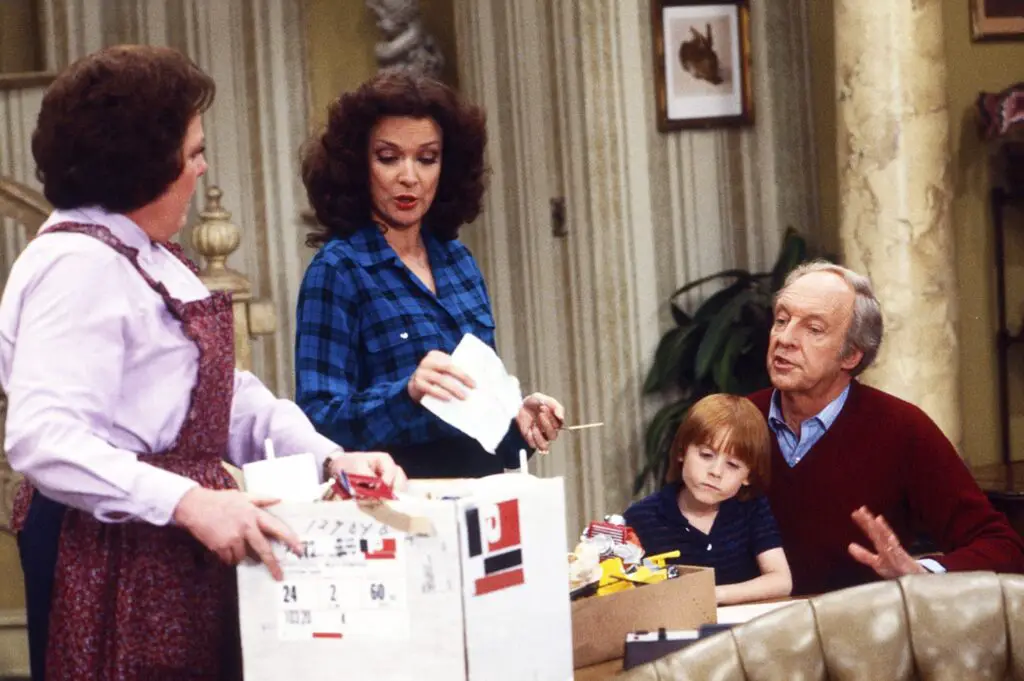
This two-part episode from the early ’80s tackled child molestation in a way that was groundbreaking but would likely be handled much differently today. The storyline had Arnold and Dudley befriending a bike shop owner who tried to lure them with gifts and cartoons. It was heavy subject matter for what was marketed as a lighthearted family sitcom. While its intent was to warn kids, the explicit setup would probably be deemed too unsettling for network TV now.
The episode was praised for raising awareness at the time, but the approach feels jarring through a modern lens. Today, such a storyline might be reserved for a drama rather than a comedy. Networks and streaming services now take extra care when tackling sensitive topics involving children. As a result, the blunt and uncomfortable tone of “The Bicycle Man” wouldn’t likely survive the pitch room today.
2. Friends – “The One with Chandler’s Dad”
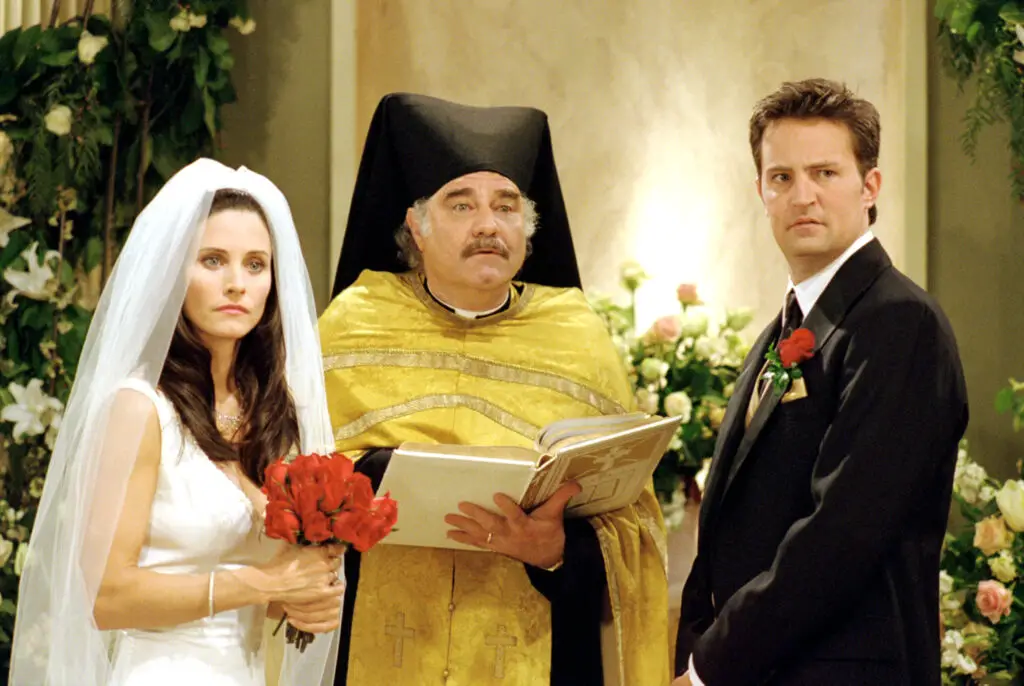
When Chandler’s father, a transgender woman, appeared on the show, it was played mostly for laughs. Kathleen Turner took on the role with confidence, but the jokes often leaned into stereotypes that feel outdated now. The storyline didn’t offer nuance or respect for transgender identity. Instead, it became a running gag about Chandler’s embarrassment.
Back in the late ’90s and early 2000s, viewers didn’t question these portrayals as much as they would now. Today, representation is viewed through a much more inclusive lens, and humor at the expense of someone’s gender identity wouldn’t fly. The episode might have been rewritten to focus on reconciliation rather than ridicule. It remains an example of how much TV comedy has evolved.
3. The Jeffersons – “Lionel’s Problem”
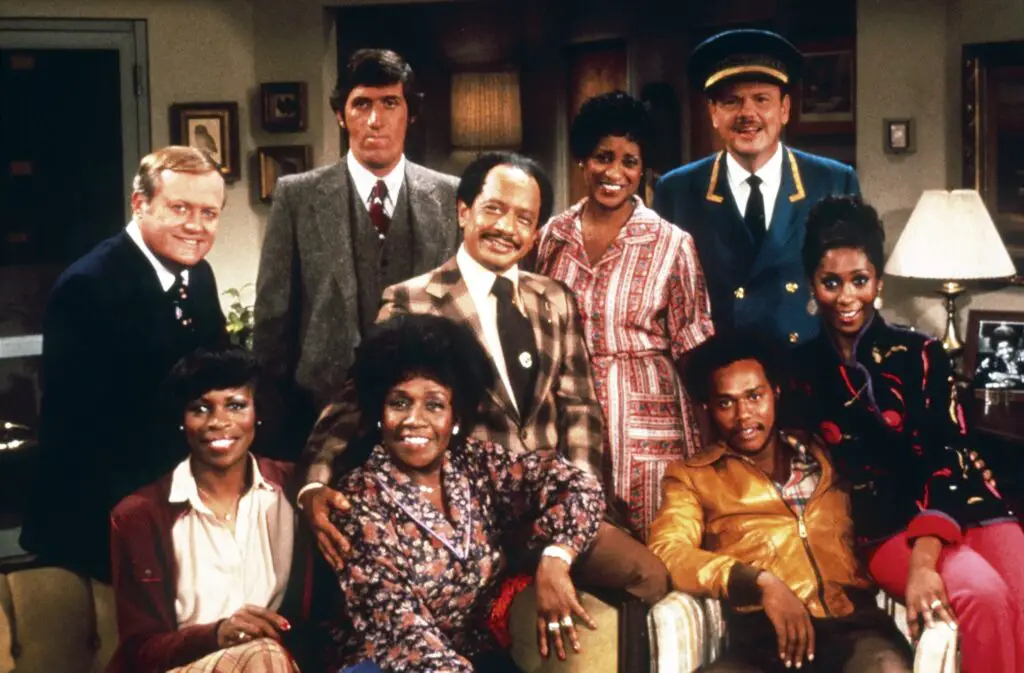
This episode centered on Lionel developing a drinking issue, which escalated into some uncomfortable scenes. While it tried to teach a lesson about the dangers of alcohol, the humor around his drunkenness clashed with the seriousness of the topic. Watching a beloved character stumble and slur his way through conversations feels more alarming than funny today.
What made sense as a cautionary tale in the ’70s doesn’t quite land the same way anymore. With modern sensitivity around substance abuse, mixing comedy and alcoholism in this way would raise red flags. Networks now typically separate serious topics like addiction from laugh-track sitcoms. It’s another case of a good intention getting lost in tone.
4. Married… with Children – “Her Cups Runneth Over”
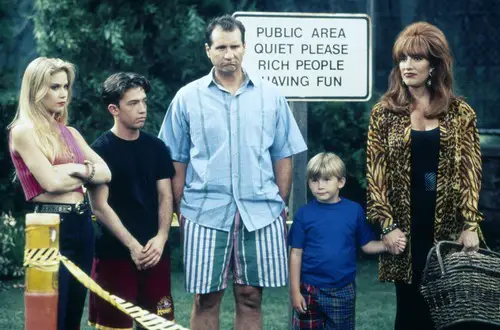
This episode revolved around Al Bundy hunting for a particular bra after discovering his wife’s favorite had been discontinued. The story quickly turned into crude humor about women’s bodies and lingerie. While that kind of low-brow comedy was the bread and butter of the show, it would be seen as objectifying and outdated now.
At the time, audiences laughed along because it fit the irreverent, anything-goes style of the series. But modern viewers expect a bit more care when it comes to jokes about women and their bodies. In today’s climate, this plot would probably be rewritten to poke fun at Al’s cluelessness rather than focusing on the lingerie itself. Standards of what’s considered “harmless fun” have definitely shifted.
5. All in the Family – “Edith’s 50th Birthday”
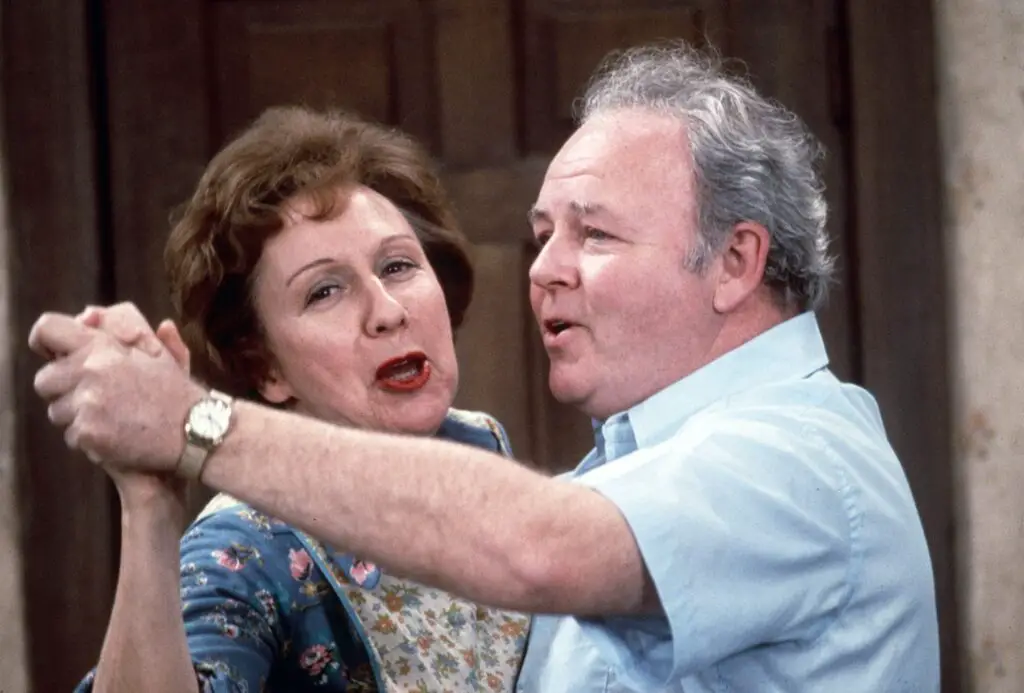
This infamous episode showed Edith narrowly escaping a sexual assault in her home. It was a shocking and dark turn for a sitcom that already thrived on pushing boundaries. The tension in the episode was palpable, and while it ended with Edith safe, the subject matter was deeply unsettling.
Back then, the show was praised for addressing real issues, but today the balance between comedy and trauma would feel off. A sitcom audience might not be prepared to handle such an intense storyline sandwiched between laugh tracks. While dramas often explore these themes now, a half-hour comedy would steer clear. It’s one of those episodes that feels almost surreal in hindsight.
6. Three’s Company – “The Bake-Off”
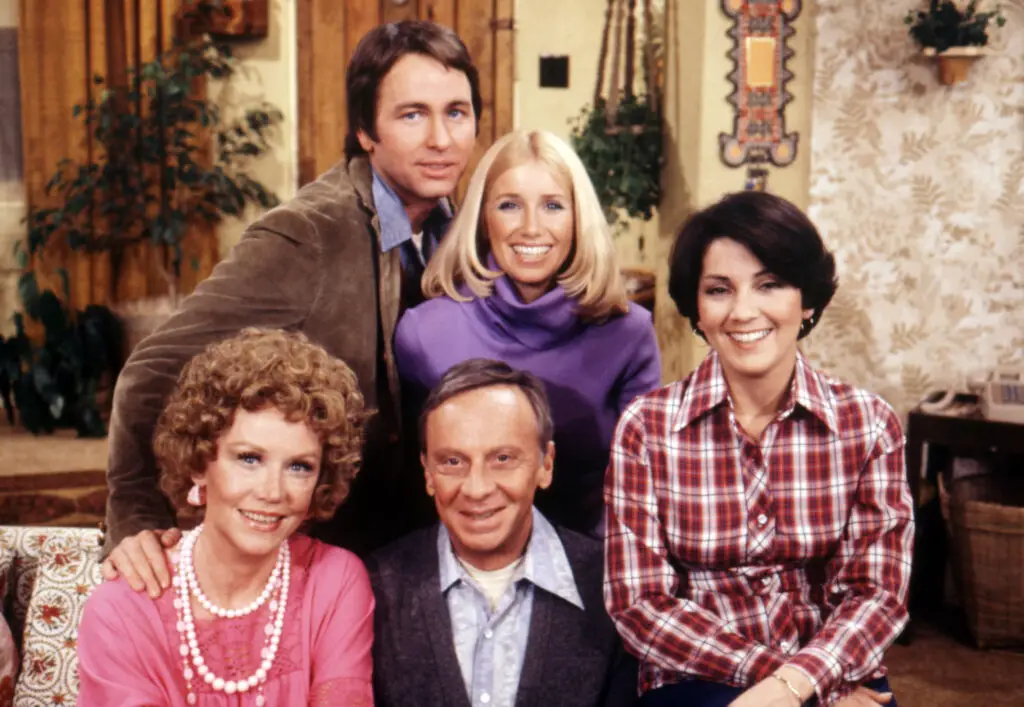
The humor in this episode centered around a marijuana-laced cake that Jack, Janet, and Chrissy unknowingly consumed. The result was a string of goofy high jinks and exaggerated stoner stereotypes. While drug humor has always had a place on TV, the way it was played for clueless laughs doesn’t sit as comfortably today.
Modern sitcoms tend to approach recreational drug use either very lightly or with a more grounded perspective. Watching beloved characters unknowingly get high raises questions about consent and safety that weren’t considered back then. The carefree treatment of drugs as a throwaway gag is why this episode probably wouldn’t get the green light today.
7. Seinfeld – “The Puerto Rican Day”
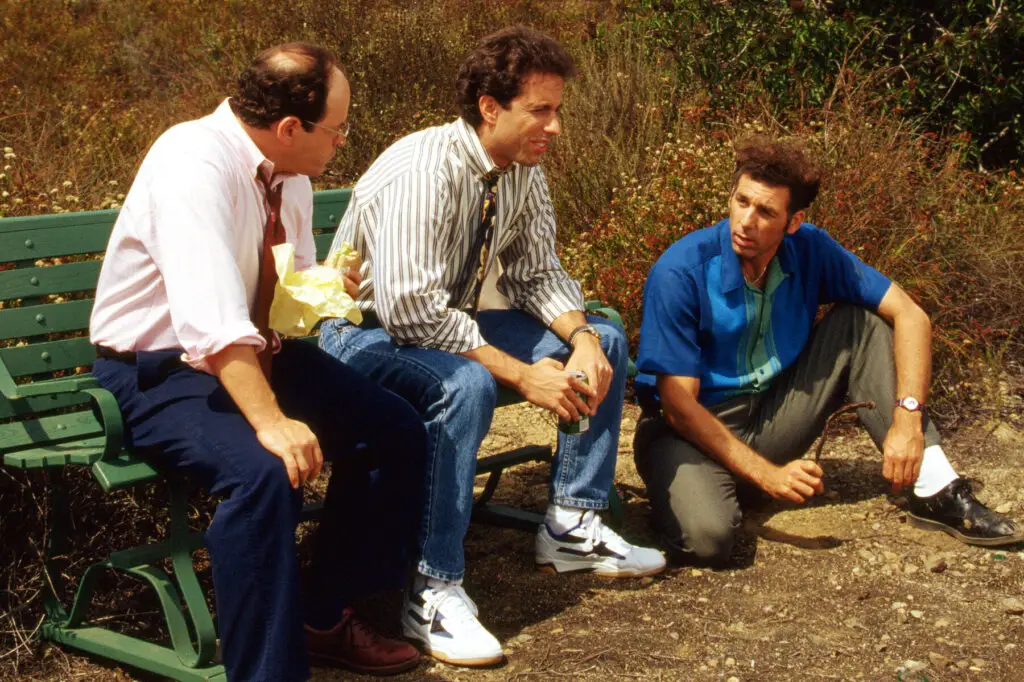
This episode drew heavy criticism when it aired because of its depiction of Puerto Rican culture. In one scene, Kramer accidentally sets fire to a Puerto Rican flag, which sparked outrage among viewers. The storyline also leaned into broad stereotypes that felt cheap and offensive.
Even at the time, NBC received complaints, and the episode was briefly pulled from syndication. In today’s climate, where cultural sensitivity is taken much more seriously, it would almost certainly never make it to air. It’s an example of how humor at the expense of an entire community has shifted from edgy to unacceptable.
8. Family Ties – “Say Uncle”
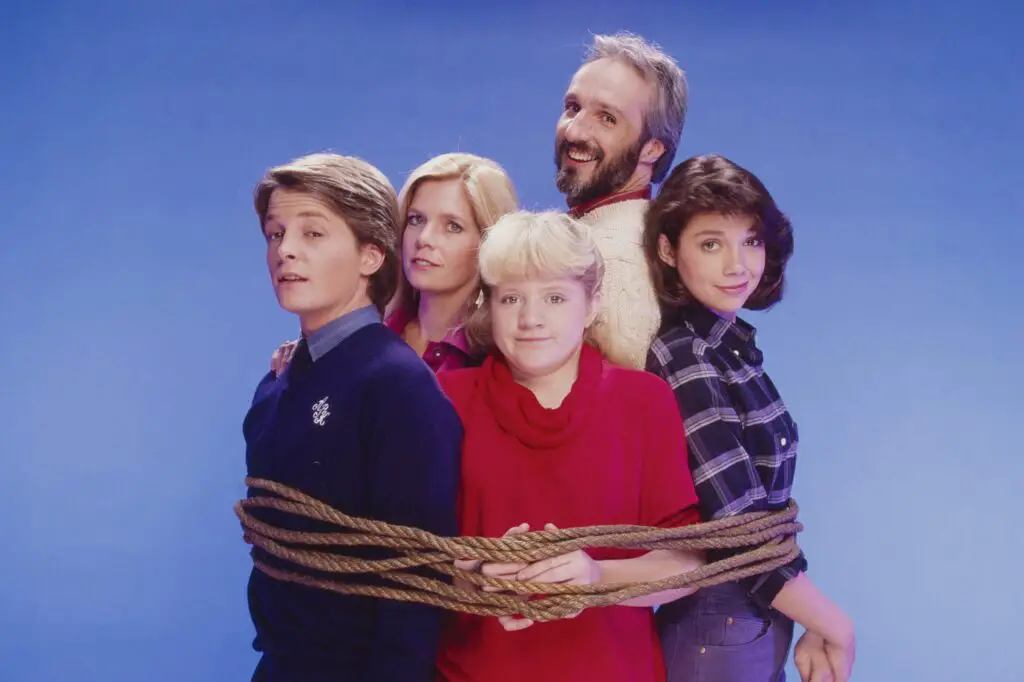
This episode dealt with alcoholism, with Tom Hanks guest starring as Alex’s uncle who couldn’t control his drinking. In one scene, he even slaps Alex in a drunken rage, which shocked audiences. While it tried to show the dangers of alcohol, the unsettling physical violence would make it hard to frame as sitcom material today.
In the ’80s, episodes like this were often used as “very special episodes” to teach lessons. But now, the blending of laugh-track comedy with serious abuse feels unbalanced. Modern shows would likely address such a storyline in a drama or limit it to a more serious comedy-drama format. The tonal whiplash makes this one tough to imagine airing today.
9. Cheers – “The Boys in the Bar”
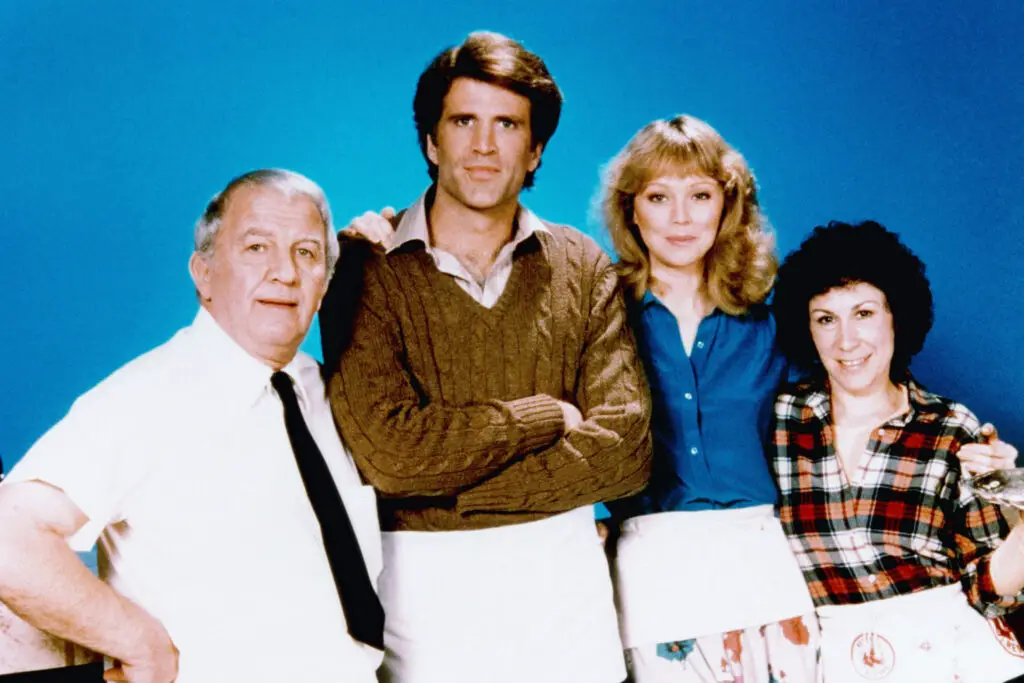
This early episode of Cheers centered on homophobia when the bar regulars feared that gay men were going to take over their hangout. While the show ultimately sided with tolerance, the jokes along the way leaned heavily on stereotypes. The nervousness of the straight male characters was played as the punchline.
In the early ’80s, this was considered progressive since it acknowledged the issue at all. But now, the idea of using homosexuality as a source of fear or comedy wouldn’t fly. The episode’s heart was in the right place, but the execution feels clumsy today. It shows just how much representation and acceptance have shifted in mainstream TV.
10. Saved by the Bell – “Jessie’s Song”
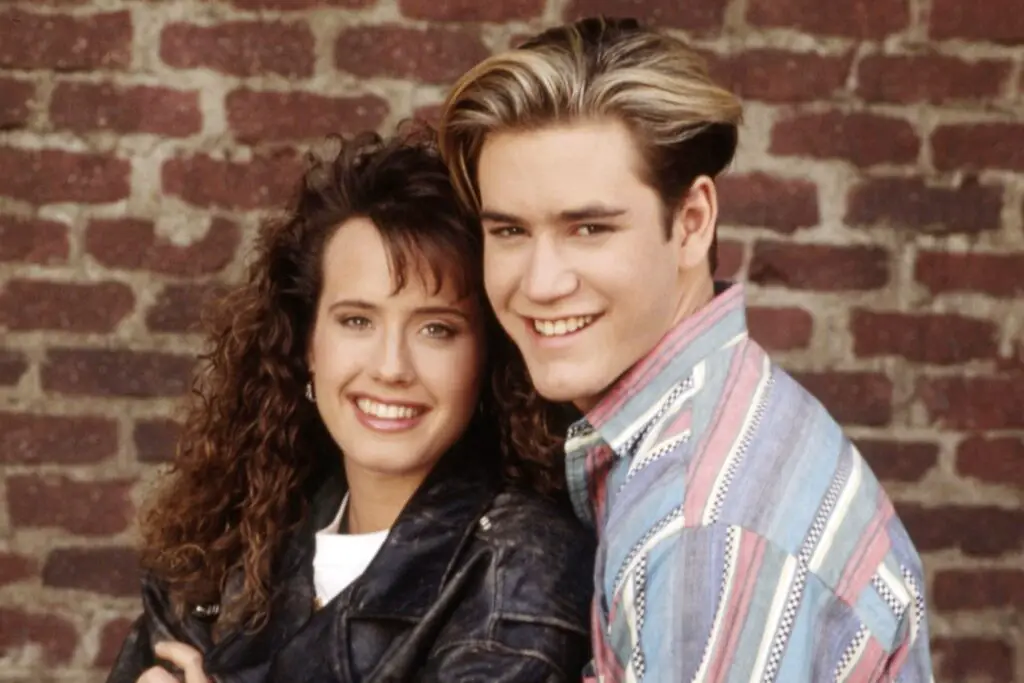
Jessie’s addiction to caffeine pills became one of the most infamous “very special episodes” of all time. Her dramatic breakdown, crying “I’m so excited!” has since become a meme. At the time, it was meant to show the dangers of drug use, but today it feels melodramatic and almost laughable.
While the message was important, the way it was packaged in a teen comedy doesn’t quite hold up. The over-the-top performance combined with the triviality of caffeine pills makes it seem unintentionally silly now. In a modern sitcom, the storyline might be rewritten with more realism and less melodrama. Its legacy now is more camp than caution.
11. The Brady Bunch – “The Liberation of Marcia Brady”
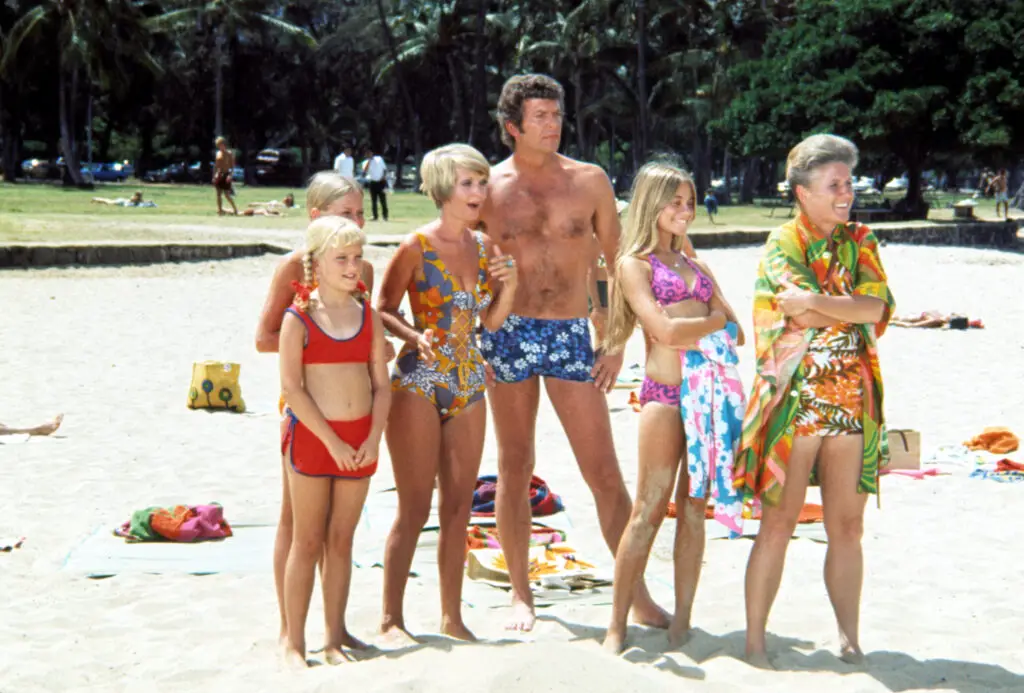
In this episode, Marcia decides to join Greg’s scout troop to prove that girls can do anything boys can. While it had a progressive message, the humor was based on outdated gender stereotypes. Much of the comedy revolved around the boys mocking Marcia’s attempts, and the resolution was more about “teaching her a lesson” than empowerment.
At the time, the idea of a girl challenging gender roles was seen as edgy and comical. Today, that kind of storyline would be reframed to highlight her strengths instead of making her the butt of the joke. The episode reflects the attitudes of the ’70s, but in the modern era, it would feel out of touch. Audiences now expect more balance in how gender issues are portrayed.
12. Happy Days – “Fonzie’s Blind Date”
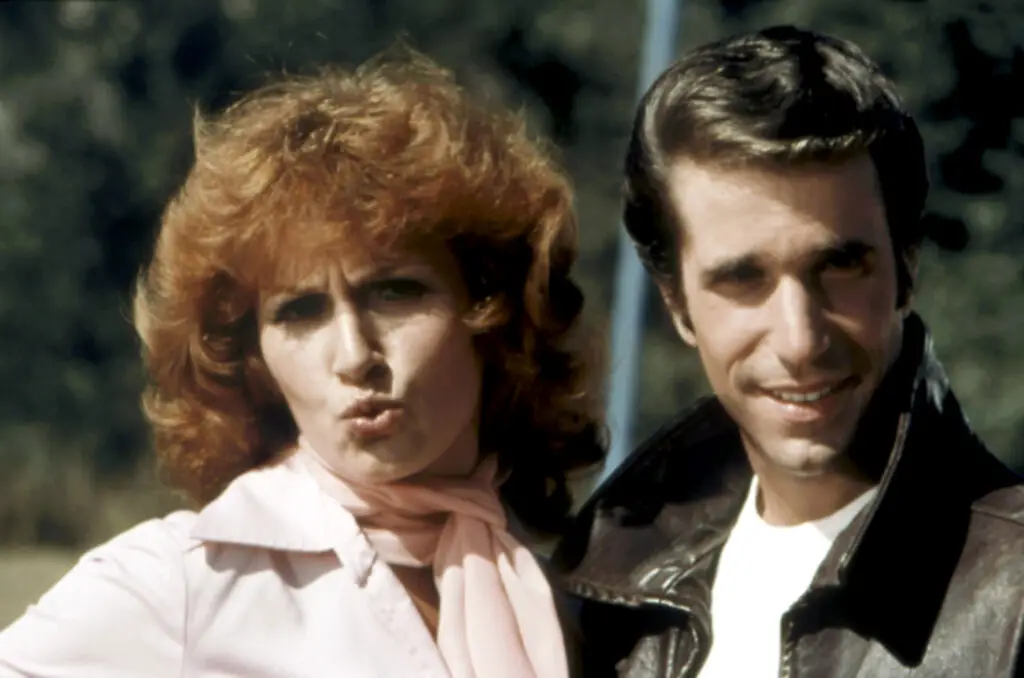
This episode featured Fonzie unknowingly going on a date with a blind woman. The humor often came at her expense, with gags centered on her inability to see. While she was portrayed kindly overall, the punchlines relied too heavily on disability-based humor.
Disability representation has come a long way since then. Today, making blindness the butt of the joke would be considered insensitive and inappropriate. Modern sitcoms would likely focus on the character’s independence rather than her limitations. What once seemed lighthearted now feels dismissive of real struggles.
13. It’s Always Sunny in Philadelphia – “Dee Reynolds: Shaping America’s Youth”
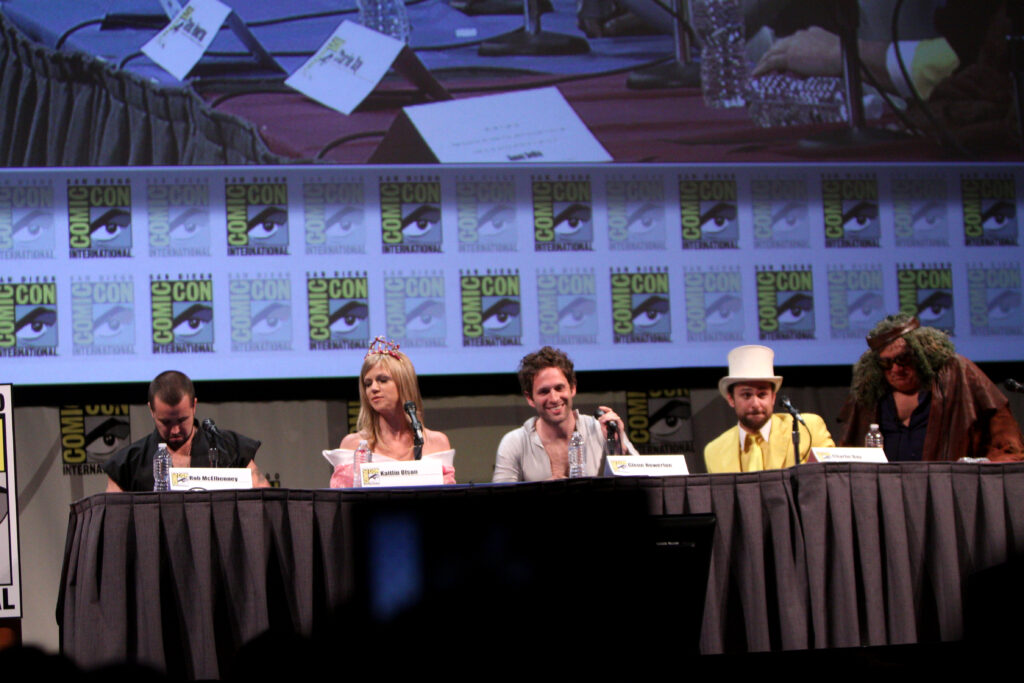
This episode saw the gang glamorizing drug use, sex, and partying while Dee worked as a substitute teacher. The humor was dark, with underage students idolizing her for all the wrong reasons. While It’s Always Sunny thrives on being offensive, this storyline crossed into territory that might not even get pitched today.
Even though the show aired in the 2000s, times have changed quickly. Joking about corrupting kids now feels too risky, even for a satire. It highlights how even boundary-pushing shows can sometimes overshoot. If written today, the episode would likely steer clear of the student angle altogether.