
1. “Sit on it.”
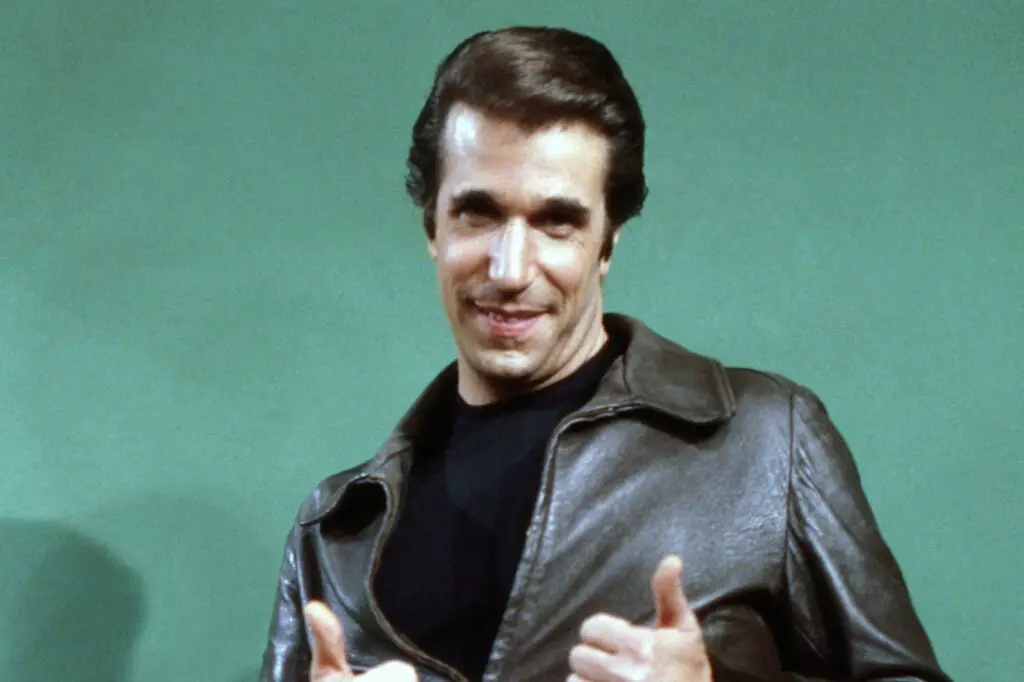
If you grew up watching Happy Days, this phrase probably lives in your brain whether you want it to or not. It was Fonzie’s go-to dismissal, delivered with just enough swagger to make it funny instead of rude. The line was never meant to be polite, but it somehow softened into playful sarcasm over time. Kids repeated it on playgrounds, usually without fully understanding why it was funny.
Before long, “sit on it” became a shorthand way to shut down an argument without actually starting one. People used it jokingly with friends, siblings, and coworkers who knew it was a reference. Even those who never watched the show picked it up through sheer repetition. It’s one of those phrases that quietly slipped into everyday language and never really left.
2. “How you doin’?”

Joey Tribbiani’s flirtatious greeting on Friends was never meant to work as well in real life as it did on TV. On the show, it was ridiculous, overconfident, and usually unsuccessful. That was exactly why it stuck, because it was funny even when it failed. Viewers loved the delivery as much as the words.
Soon enough, people started using “how you doin’?” ironically, fully aware of how cheesy it sounded. It became less about flirting and more about referencing a shared pop culture joke. Friends said it to each other just to get a laugh. Even now, the phrase still carries that unmistakable sitcom wink.
3. “No soup for you!”
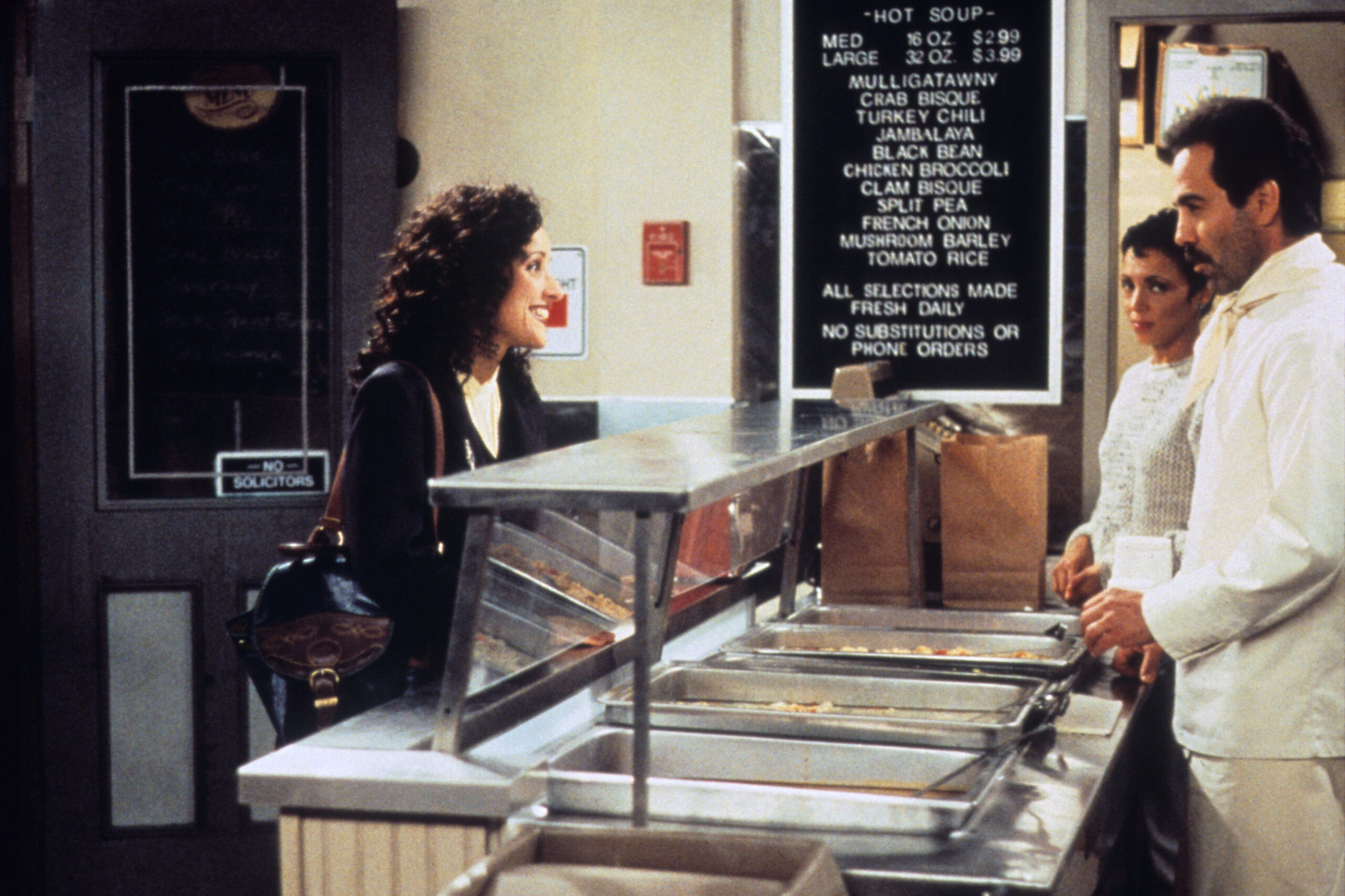
This line from Seinfeld managed to escape the confines of a very specific episode and become universally understood. Originally, it was about a tyrannical soup chef denying customers their lunch. The absurd seriousness of the punishment made it instantly quotable. It was harsh, dramatic, and completely over the top.
In real life, “no soup for you” became a playful way to deny someone something minor. It could mean no snacks, no favors, or no second chances. People used it jokingly, often with exaggerated authority. Even if you never saw the episode, the tone alone made the meaning clear.
4. “Kiss my grits.”
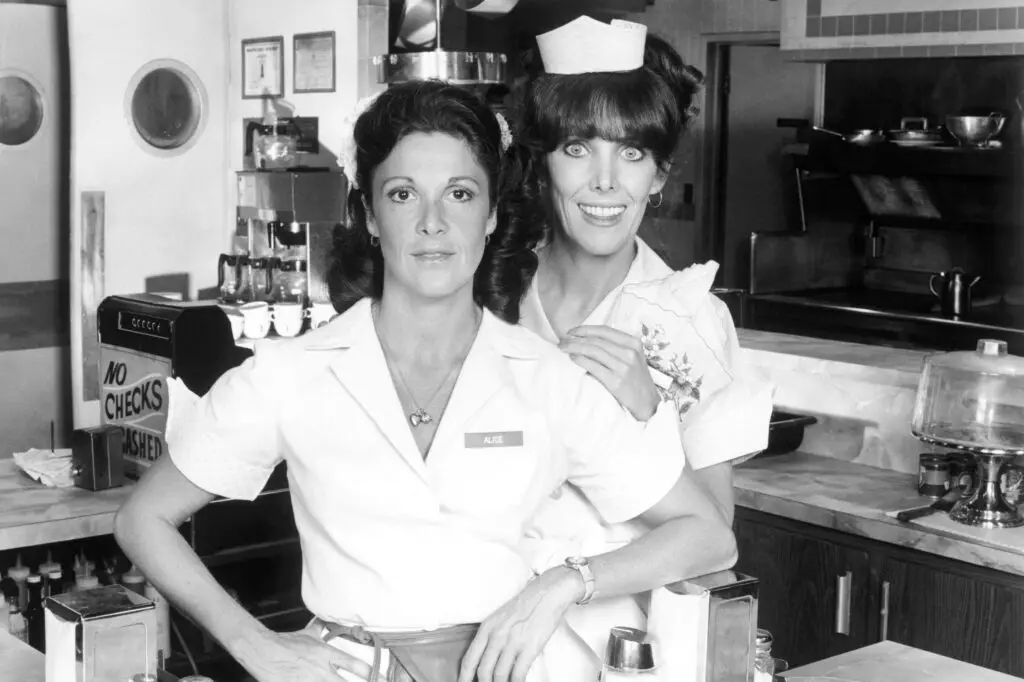
Flo’s sharp-tongued catchphrase on Alice was bold for its time. It sounded rebellious without being outright vulgar, which helped it land on network television. The line perfectly matched Flo’s no-nonsense personality. Viewers loved how it flipped politeness on its head.
Before long, “kiss my grits” showed up in everyday conversations, especially as a humorous comeback. It felt Southern, sassy, and just edgy enough to get a reaction. People used it when they wanted to sound defiant without crossing a line. Decades later, it still feels oddly satisfying to say.
5. “Did I do that?”
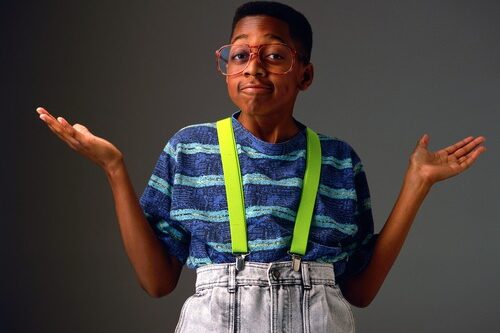
Steve Urkel’s whiny question on Family Matters was designed to be annoying, and that was the point. Every time something went wrong, the audience knew exactly what was coming. His innocent delivery made the chaos feel strangely charming. It turned clumsiness into comedy gold.
In real life, people started using the phrase when they clearly knew they were responsible for a mess. It became a self-aware way to admit fault while also deflecting blame with humor. Parents heard it from kids, coworkers heard it in offices, and everyone knew the reference. It softened mistakes just enough to make them funny.
6. “Book ’em, Danno.”

This line from Hawaii Five-O sounded authoritative and cinematic, even outside the context of police work. Delivered at the end of episodes, it felt final and satisfying. The phrase had rhythm, confidence, and a clear sense of closure. It stuck because it sounded important.
People began using “book ’em” jokingly when someone was clearly guilty of something minor. It could be about stealing fries or breaking a house rule. The seriousness of the phrase contrasted perfectly with low-stakes situations. It made everyday moments feel dramatically official.
7. “Yada yada yada.”
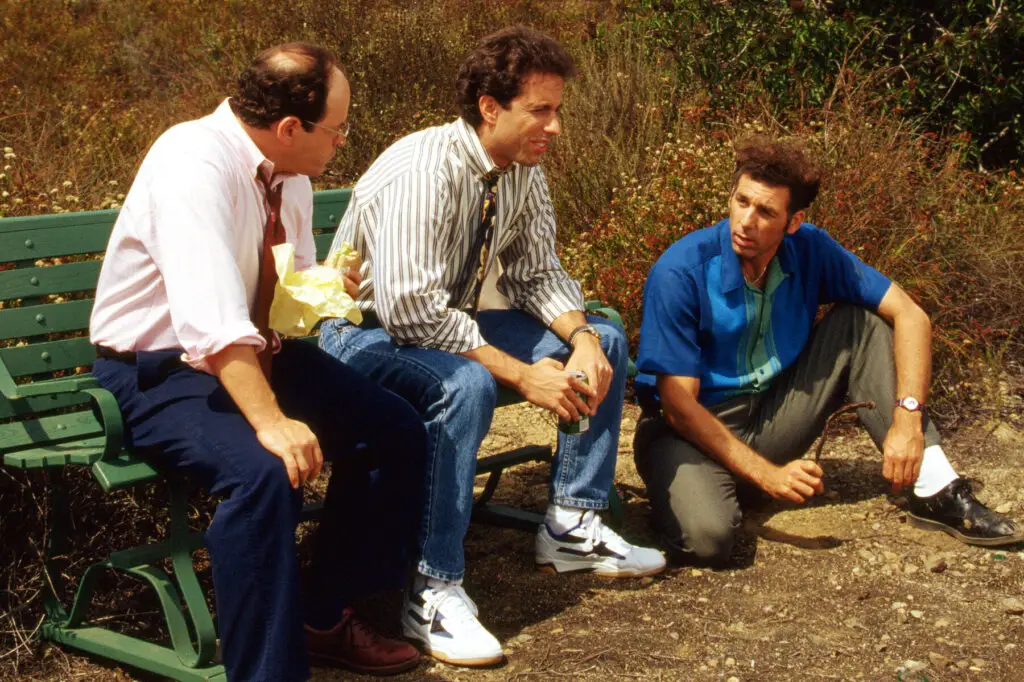
Seinfeld had a special talent for turning filler language into punchlines. “Yada yada yada” already existed, but the show gave it new life. It became a way to skip over boring details while implying something interesting happened. The joke was often what was left unsaid.
After that, people started using it constantly in conversation. It was shorthand for “you know the rest” without actually explaining anything. The phrase became a social shortcut. It saved time and added humor all at once.
8. “Dyn-o-mite!”
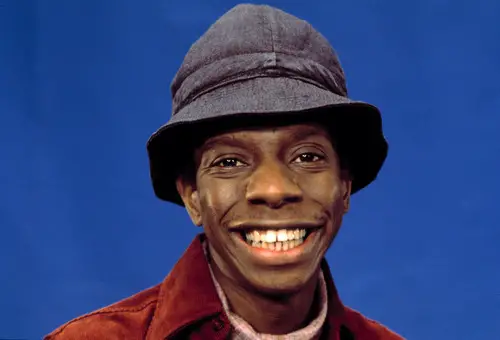
J.J.’s explosive catchphrase on Good Times was pure enthusiasm. He shouted it whenever something exciting happened, usually with exaggerated physical comedy. The energy was contagious, even if the word itself was nonsense. That enthusiasm made it memorable.
In real life, people adopted “dyn-o-mite” to celebrate small victories. It was said sarcastically, sincerely, or somewhere in between. The phrase brought instant retro flair to any moment. Even when used jokingly, it carried genuine excitement.
9. “What you talkin’ ’bout?”
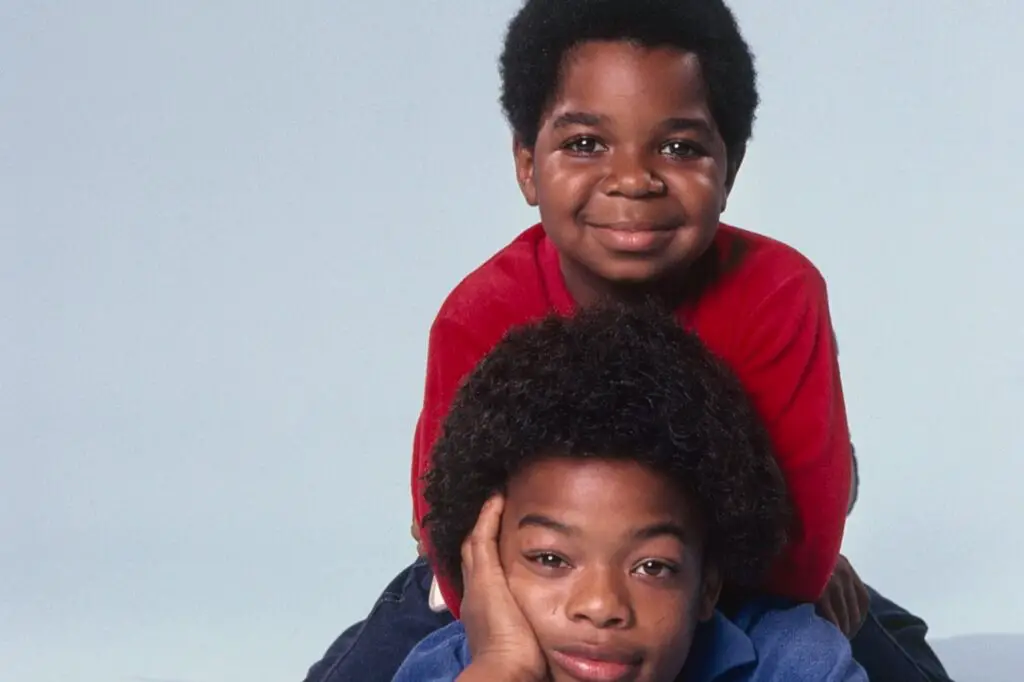
Arnold Jackson’s confused response on Diff’rent Strokes became an instant classic. The line worked because it fit perfectly with his skeptical expression. It captured disbelief in a way that felt authentic and funny. Audiences recognized themselves in that reaction.
Soon, people started using the phrase anytime something sounded suspicious. It became a casual way to call out nonsense. The grammar stayed intentionally incorrect, because that was part of the charm. It turned confusion into a shared joke.
10. “Bazinga!”
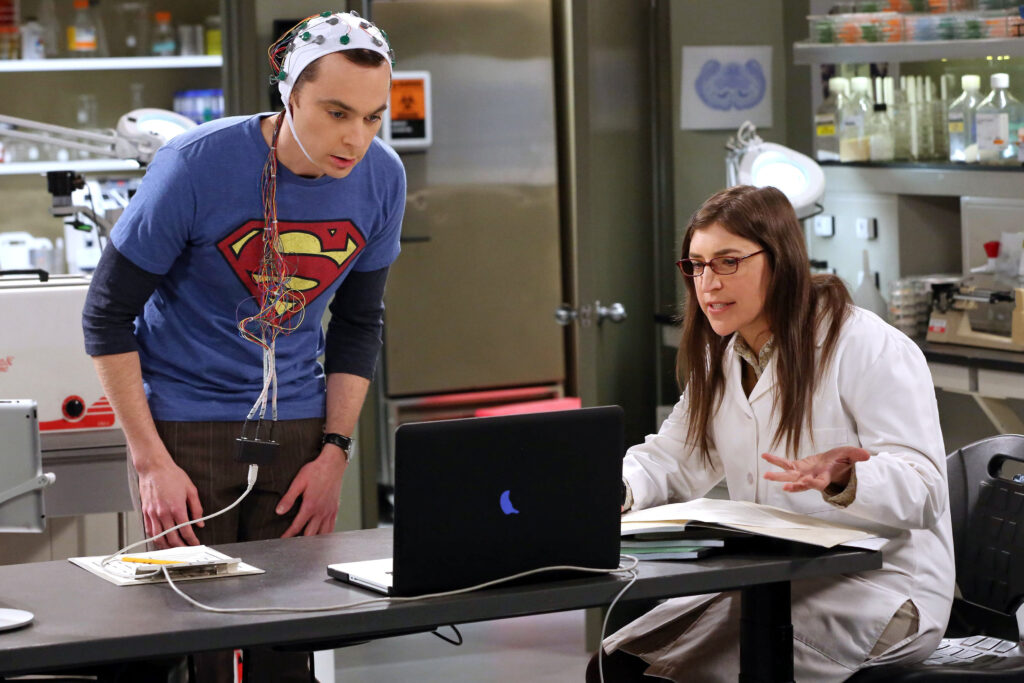
Sheldon Cooper’s victory cry on The Big Bang Theory came much later than many classic sitcom phrases, but it spread just as fast. The word meant nothing, which somehow made it mean everything. It signaled that a joke had landed, at least in Sheldon’s mind. That confidence was part of the humor.
Fans began using “bazinga” after pulling pranks or making bad jokes. It became a way to announce humor even when no one else laughed. The word slipped easily into conversations. It’s now instantly recognizable as playful self-awareness.
11. “Up your nose with a rubber hose.”
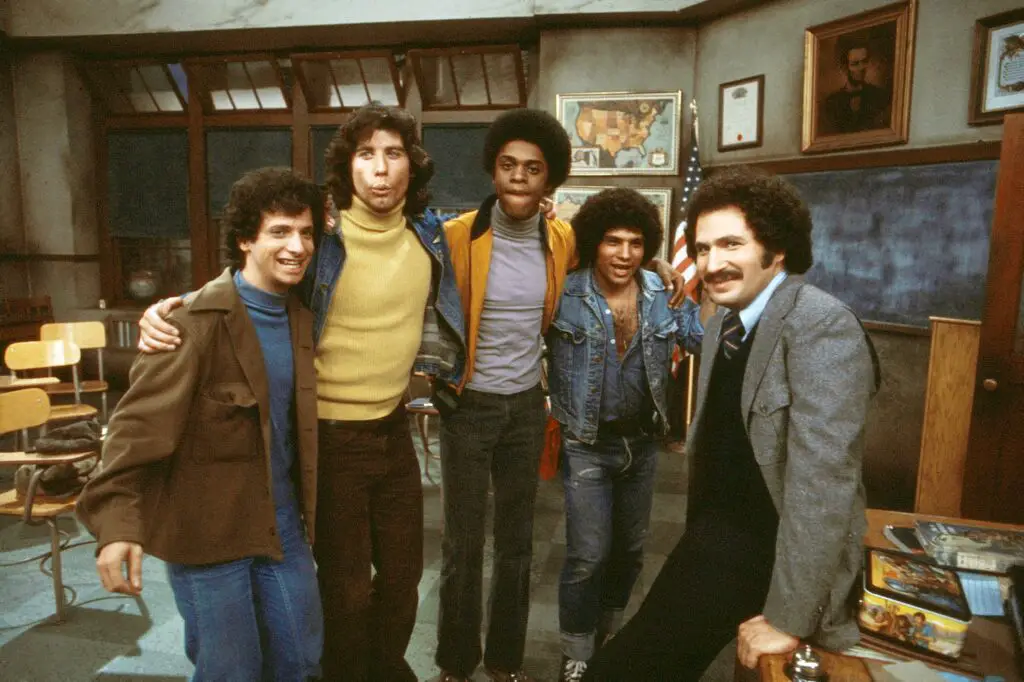
This insult from Welcome Back, Kotter was as silly as it was memorable. It sounded insulting without actually being cruel. That balance made it perfect for television and playgrounds alike. The rhyme helped it stick.
Kids and adults alike started repeating it as a joke. It became a harmless way to push back without real hostility. The phrase felt rebellious but safe. Even today, it sounds charmingly outdated.
12. “I know nothing.”
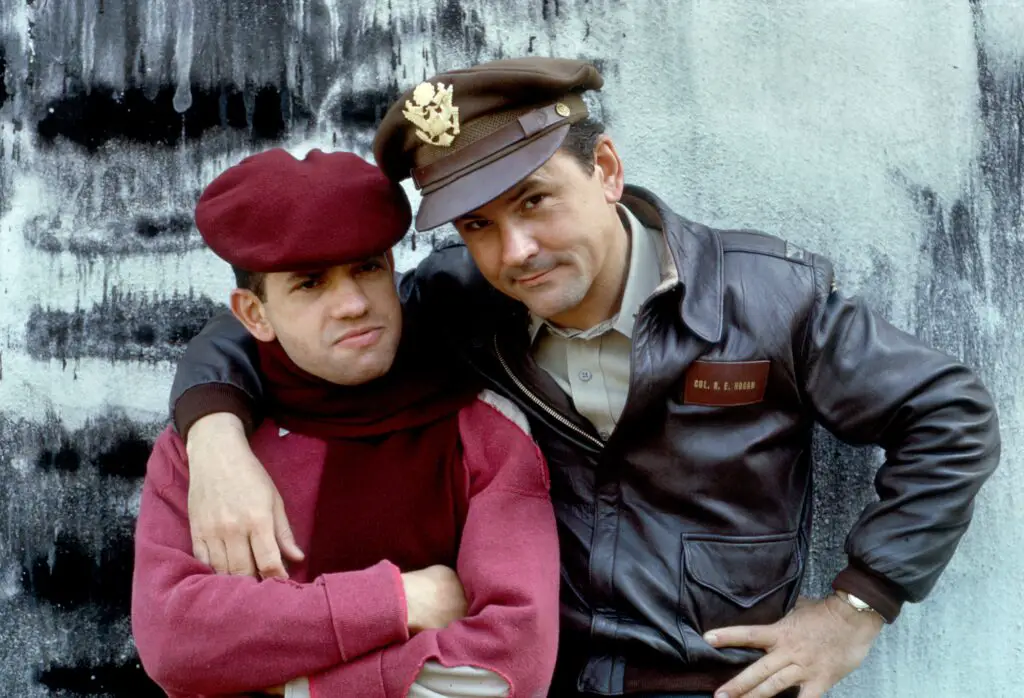
Sergeant Schultz’s repeated denial on Hogan’s Heroes turned ignorance into comedy. His exaggerated accent and delivery made the line unforgettable. The humor came from how obvious his lies were. Viewers were always in on the joke.
People began using “I know nothing” sarcastically when pretending to be clueless. It worked especially well when someone clearly knew more than they admitted. The phrase softened deception with humor. It remains a go-to for playful denial.
13. “To the moon, Alice.”
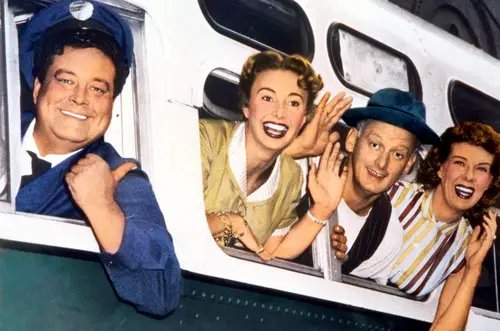
Ralph Kramden’s blustery threat on The Honeymooners sounded dramatic even then. It was exaggerated enough to be funny rather than frightening. Audiences understood it as empty bravado. The repetition made it iconic.
In real life, people quoted it jokingly to exaggerate frustration. The phrase became less about anger and more about mock outrage. Everyone knew it wasn’t serious. It turned temper into theater.
14. “I’m not a crook.”
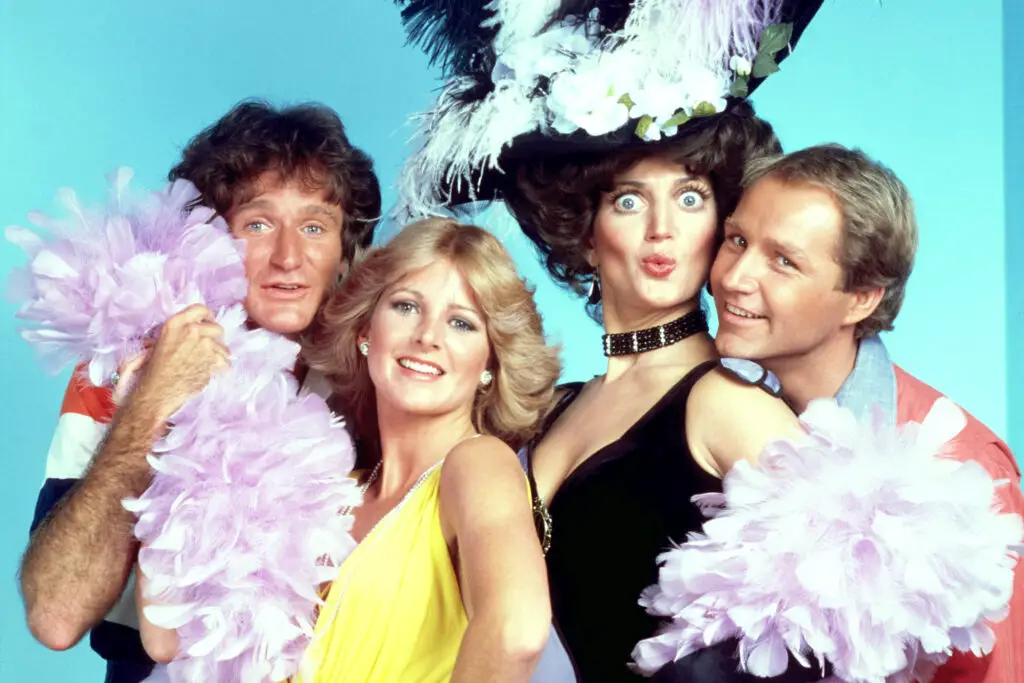
Although rooted in political parody on Laugh-In, the line took on a sitcom-like life of its own. Delivered humorously, it blurred the line between satire and everyday language. The phrase became shorthand for obvious denial. Its repetition cemented it in pop culture.
People began using it sarcastically when caught doing something minor. It added irony to apologies and excuses. The humor came from how transparent it sounded. Even without context, the phrase felt loaded.
15. “Norm!”
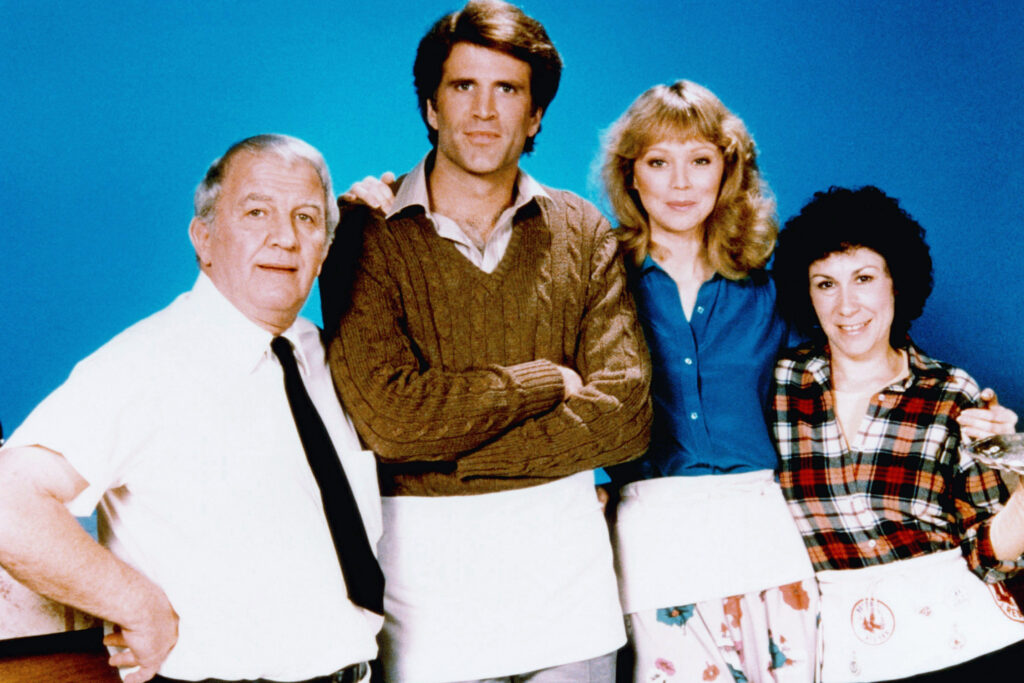
Every time Norm walked into the bar on Cheers, the entire room greeted him by name. It wasn’t a sentence, just a name, but it carried warmth and familiarity. That simple greeting became one of TV’s most comforting moments. It symbolized belonging.
In real life, people started shouting a friend’s name the same way when they entered a room. It became a playful acknowledgment of presence. The reference worked even without explanation. It turned entrances into inside jokes.